
 Renault Fluence
All generations, specs and history
Updated Published Sources (1) Report an error
By Felix Hartmann, Automotive Technology & EV Contributor

- Built
- 2009–2016
- Generations
- 2
- Top power
- 104 kW (141 PS)
- New price
- from about €18,190 (2010)
Timeline
Fluence generations
Click a generation for its own page


Newest first · 2 generations since 2009
-
2013
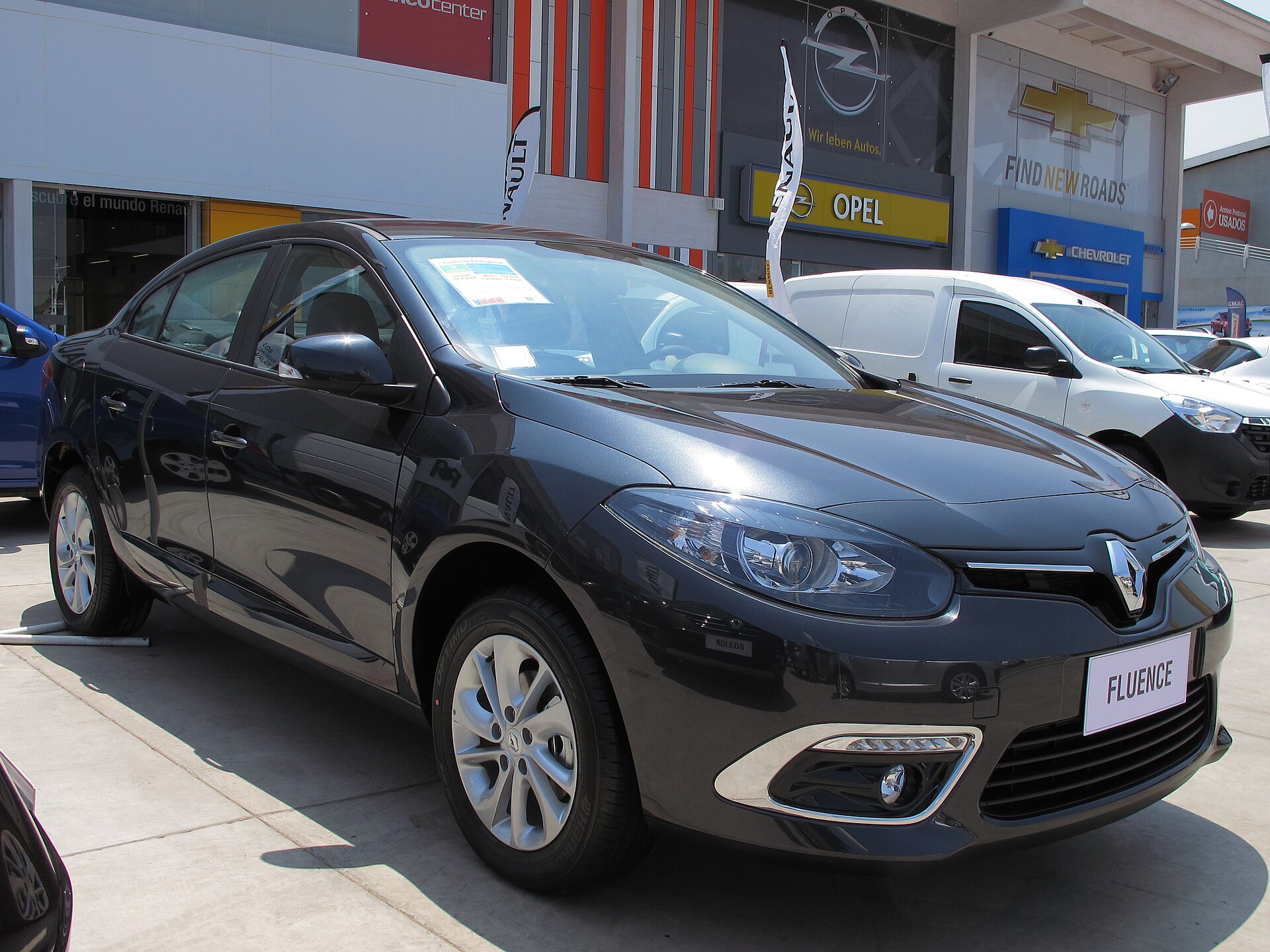
-
2009
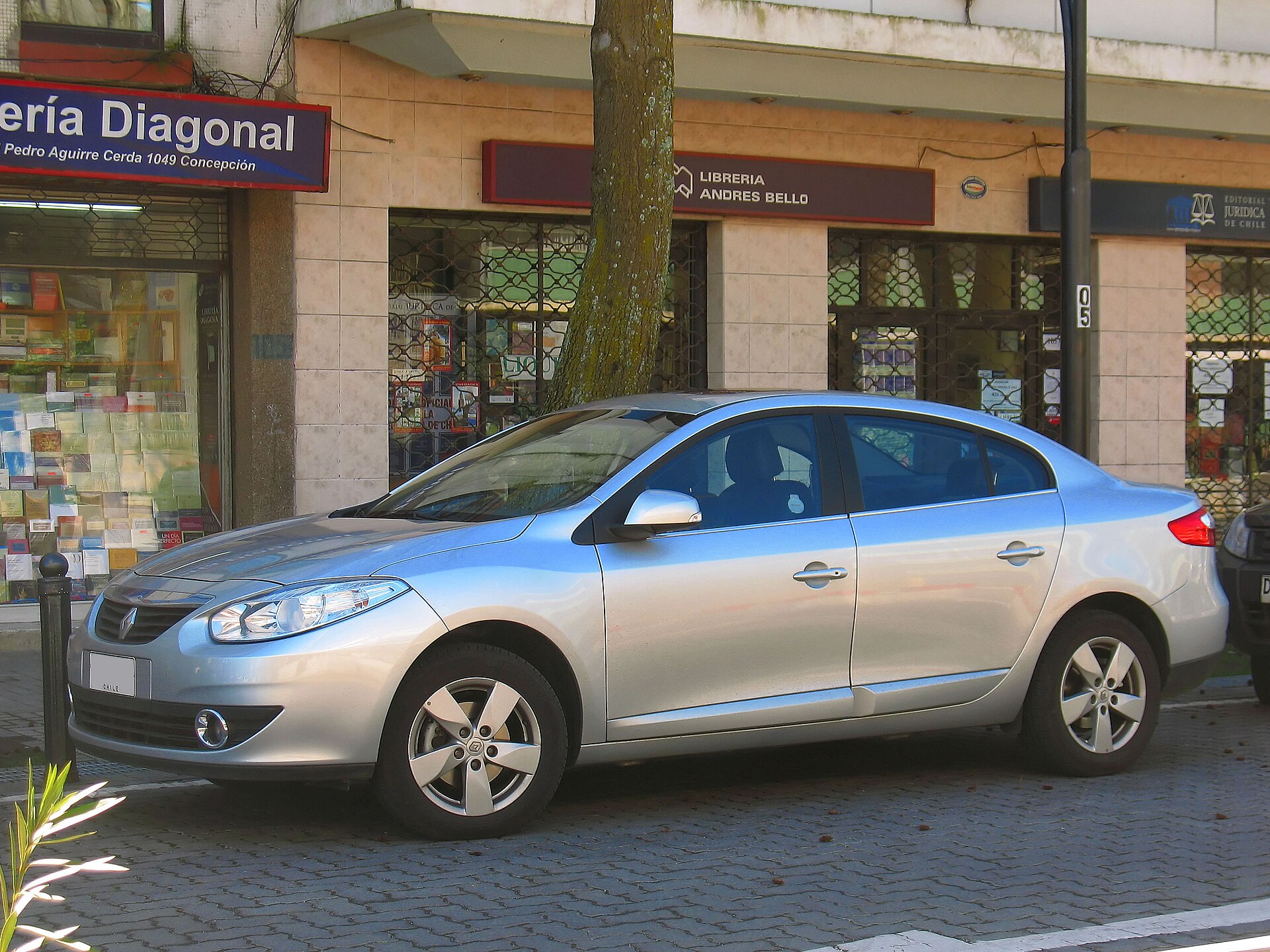
All generations by year: Fluence (2013–2016) · Fluence (2009–2012)
Which one is mine?
Pick the year of first registration to see which generation it is.
- Fluence 2013–2016
- Fluence 2009–2012
Which Fluence to buy
Our verdict · Felix Hartmann
The 1.5 dCi diesel is the most economical choice for long distances, while the 2.0 petrol with CVT gives the best performance with an automatic. Facelifted cars from 2013 have the newer design and, on higher versions, R-Link. The Fluence Z.E. is rare and depends on the condition of its battery. On any used Fluence, check the service history and the condition of the CVT or EDC gearbox.
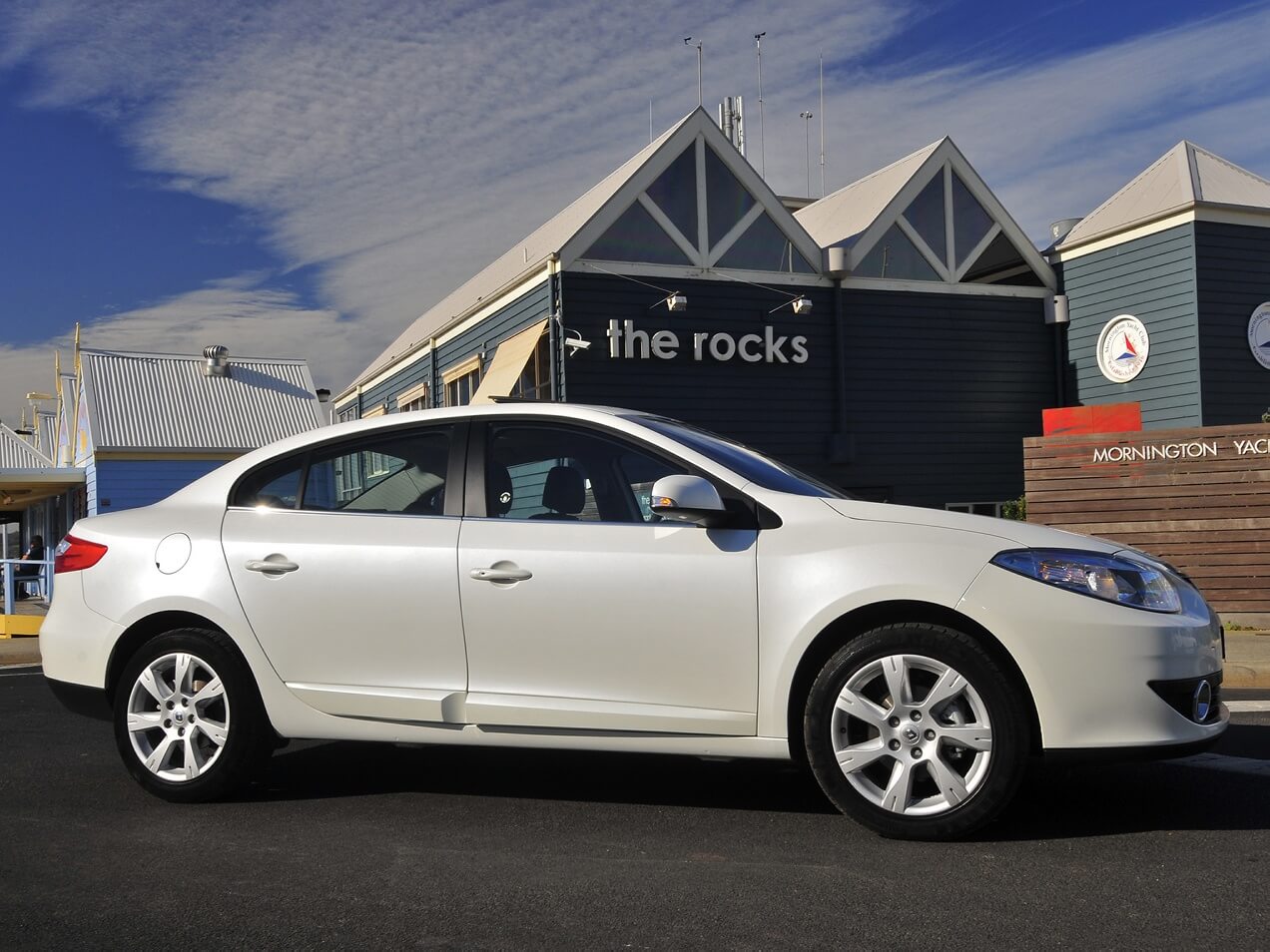
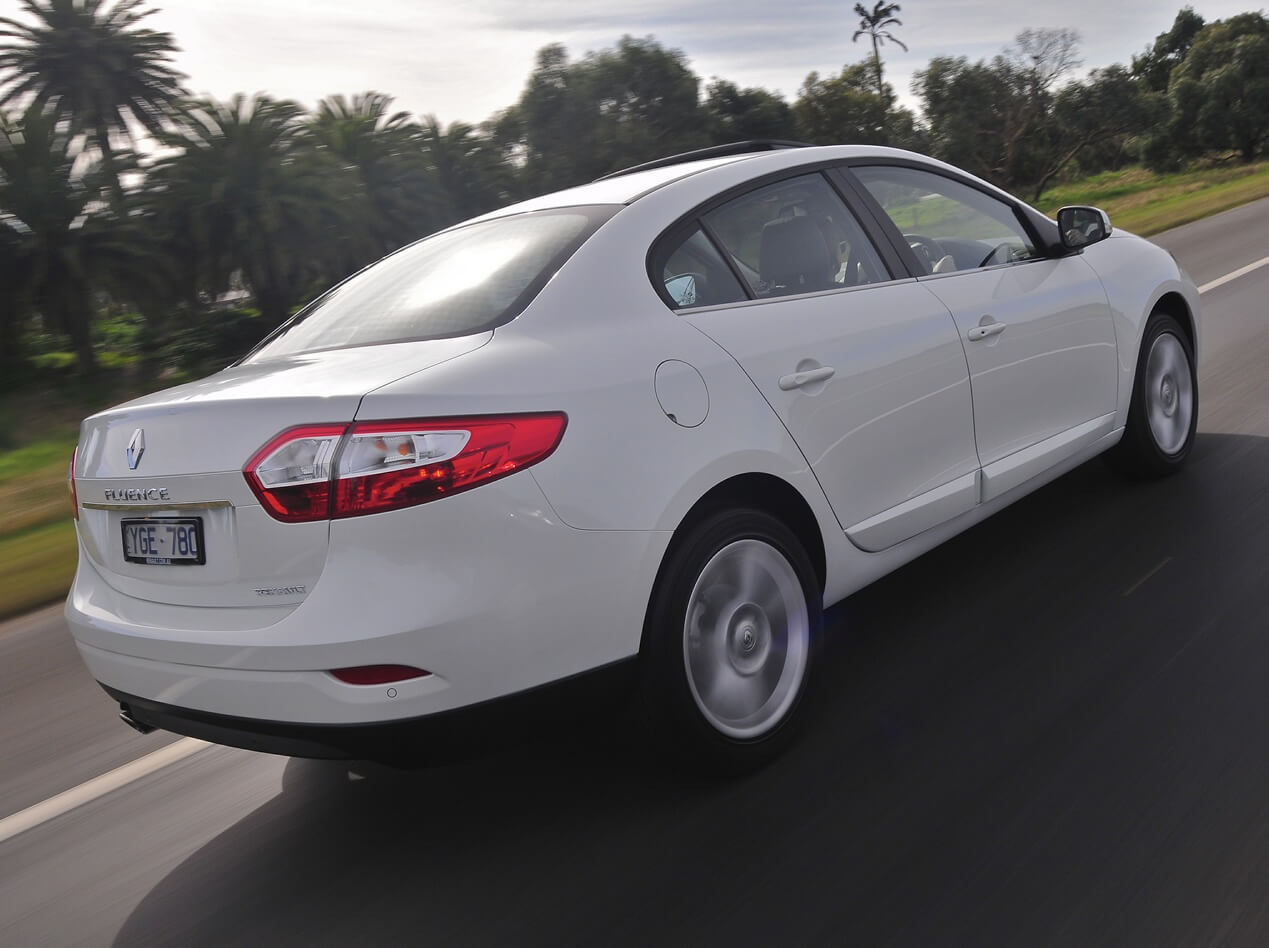
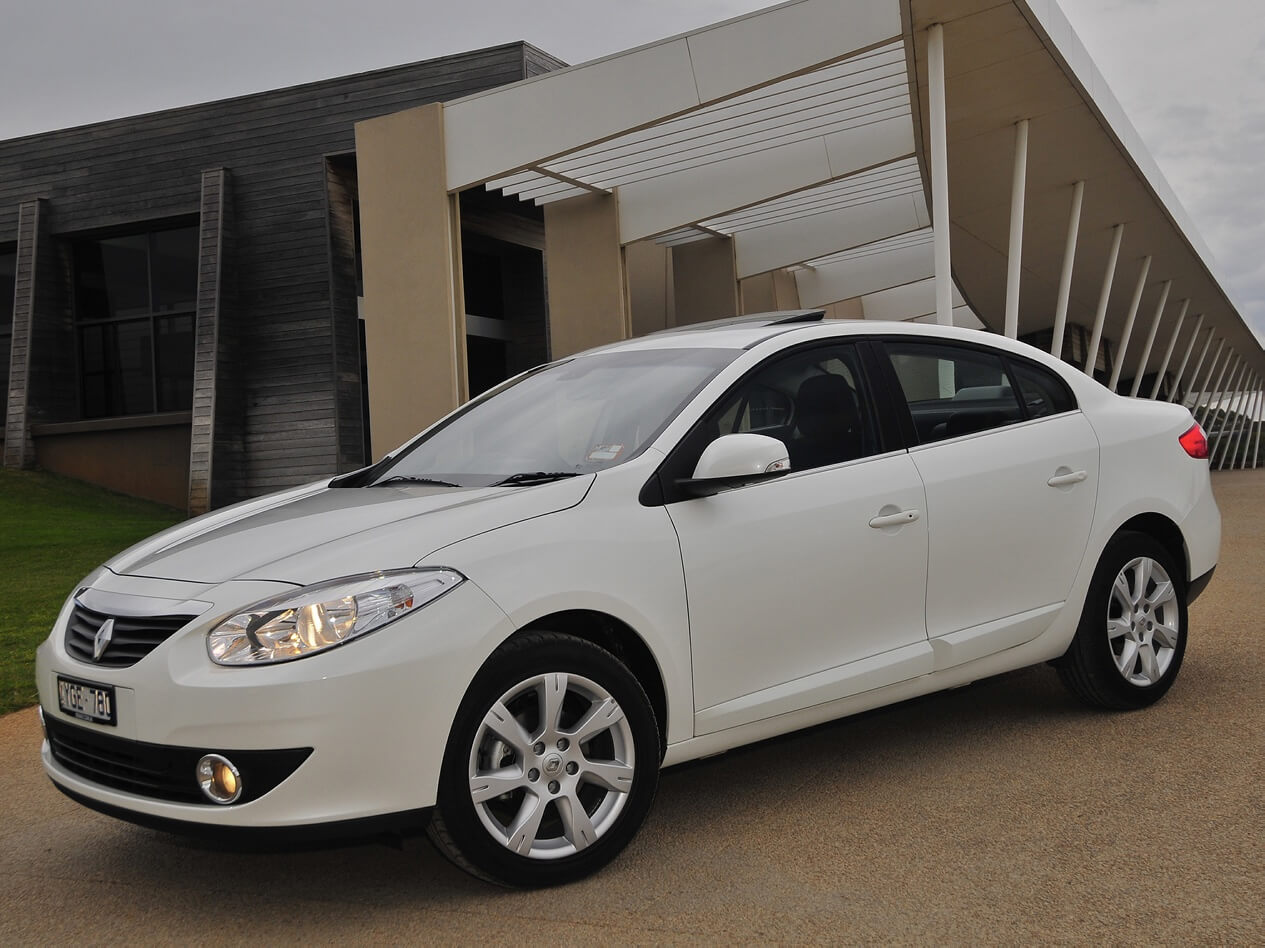
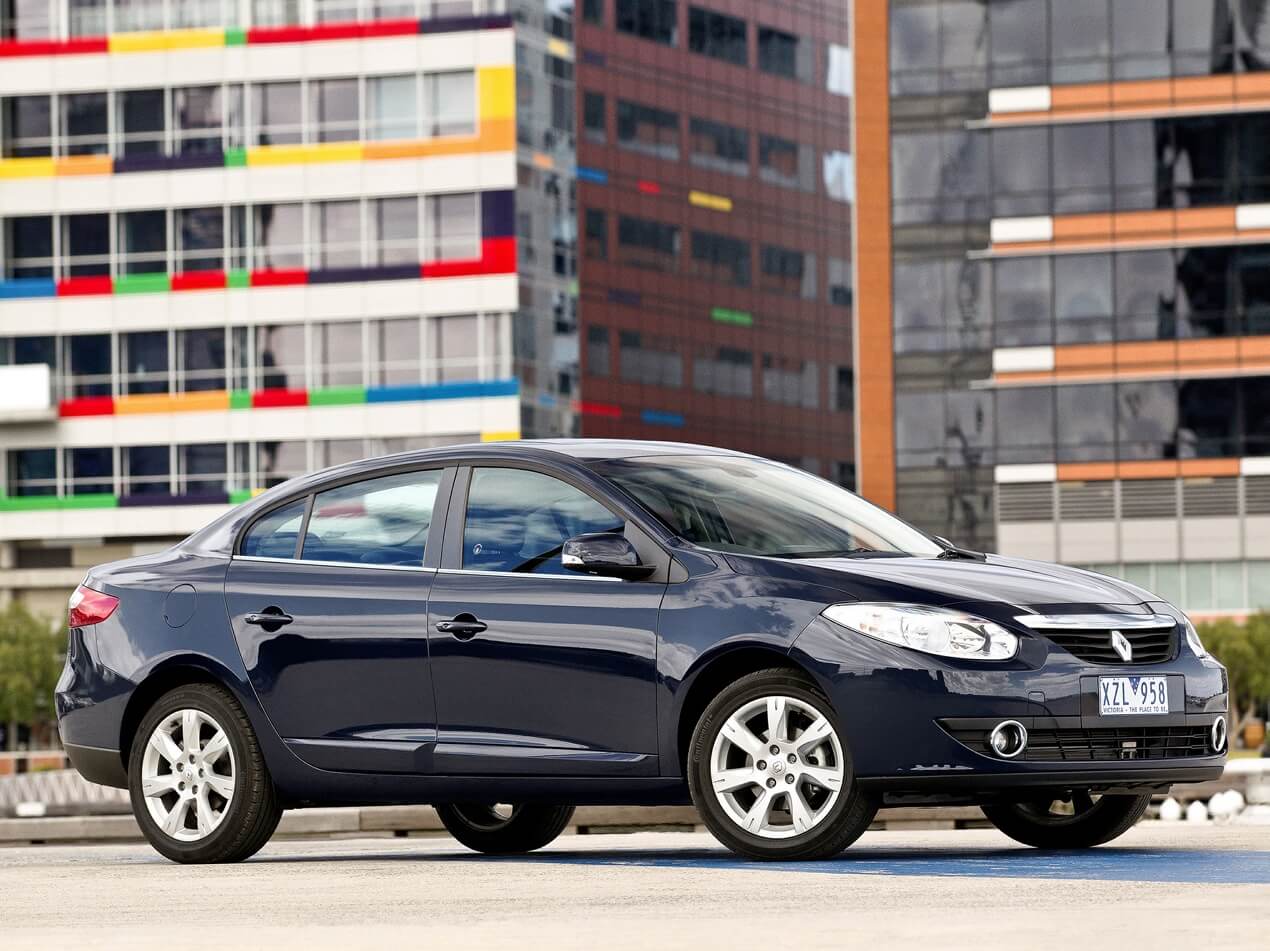
The Renault Fluence is a front-wheel-drive compact saloon revealed in August 2009 to fill the gap left by the Mégane II saloon. Built mainly in Bursa, Turkey, until 2016, it shares the Renault–Nissan C platform with the Mégane III. Engines range from a 63 kW 1.5 dCi diesel to a 104 kW 2.0 petrol, and the Fluence Z.E. was one of Renault's first electric cars.
In short
- Revealed in August 2009; the electric Fluence Z.E. was shown at the 2009 Frankfurt Motor Show.
- Plants: Bursa (Turkey) until 2016, Santa Isabel (Argentina) until the end of 2018, plus India, Malaysia and South Korea.
- Engines: 1.6 petrol with 82 kW, 2.0 petrol with 104 kW, 1.5 dCi with 63–82 kW; manual, automatic, CVT and EDC gearboxes.
- Facelifts in 2012 (Istanbul Motor Show) and 2015; replaced in Europe by the Mégane Sedan, unveiled on 12 July 2016.

Renault Fluence at a glance
The Fluence is longer and roomier than a typical compact hatchback, which places it between the compact and mid-size classes. It shares its platform and many components with the Mégane III. Renault's story is told in the history of Renault, and its range, from the Logan to the Koleos, is in the Renault catalogue.

| Fact | Value |
|---|---|
| Maker | Renault, France |
| Reveal | August 2009 |
| Platform | Renault–Nissan C (shared with Mégane III) |
| Twin | Renault Samsung SM3 (South Korea, from November 2009) |
| Plants | Bursa (Turkey), Santa Isabel (Argentina), Chennai (India), Kuala Lumpur (Malaysia), Busan (South Korea) |
| Body | 4-door saloon |
| Length / wheelbase | 4,618 mm / 2,702 mm |
| Width / height | 1,809 mm / 1,478 mm |
| Kerb weight | 1,225–1,277 kg |
From concept to Bursa production
A concept car previewed the Fluence in 2004. The production saloon was revealed in August 2009 and went into production at Oyak-Renault in Bursa, Turkey. The Renault Samsung SM3 twin was shown at the Seoul Motor Show in April 2009 and went on sale in November 2009. Renault facelifted the Fluence in November 2012, unveiling it at the Istanbul Motor Show with the new corporate grille and projector headlights. A second update in 2015 added new LED brake lights. Production in Bursa ended in 2016, and the Mégane Sedan, unveiled on 12 July 2016, replaced it. The Fluence continued in Argentina until the end of 2018.

Fluence petrol and diesel engines
| Engine | Fuel | Power | Gearbox |
|---|---|---|---|
| 1.6 16V (K4M/H4M) | Petrol | 82 kW (110 hp) | 5-speed manual, 4-speed automatic, CVT (H4M) |
| 2.0 16V (M4R) | Petrol | 104 kW (140 hp) | 6-speed manual, CVT |
| 1.5 dCi (K9K) | Diesel | 63–82 kW (85–110 hp) | Manual, 6-speed EDC dual-clutch (110 hp) |
| 1.6 dCi (R9M) | Diesel | – | Manual |
The 1.6 H4M engine is a Nissan unit, the HR16DE, with an aluminium block and timing chain. According to the old 1cars text, the 1.6 petrol produces 145 Nm and takes the Fluence to 100 km/h in 11.9–13.9 seconds. Its top speed is 180–183 km/h, and it uses 6.8–7.5 litres per 100 km. The 2.0 petrol produces 190 Nm, accelerates to 100 km/h in 9.9–10.1 seconds and uses 7.8–8.0 litres per 100 km. The CVT is a Nissan/Jatco X-Tronic unit, and the 110 hp dCi was offered with Getrag's six-speed EDC dual-clutch gearbox.

Fluence Z.E.: the electric saloon
The Fluence Z.E. was shown at the 2009 Frankfurt Motor Show as part of Renault's zero-emission range. It has a 22 kWh lithium-ion battery, a range of 160 km and a top speed of 135 km/h, with 226 Nm of torque. The Israeli company Better Place planned a network of battery-swap stations for it, and sales were scheduled to begin in 2011 in Israel, Denmark and the rest of Europe. Production in Turkey ended at the end of 2013, after which the electric saloon was built in South Korea as the SM3 Z.E.

Suspension, steering and brakes
According to the old 1cars text, the Fluence uses MacPherson struts with triangular lower arms at the front and a torsion beam at the rear. Steering is rack and pinion with electric assistance. Disc brakes are fitted on all four wheels, ventilated at the front, with ABS and ESP. Ground clearance is 160–165 mm for the first version and 145 mm for the facelifted car in standard form.

Cabin space and the 530-litre boot
The old 1cars text describes a well-finished cabin with good fit, quality materials, a three-dial instrument panel and plenty of room for tall passengers. The front seats lack side support, and the central tunnel limits space for a third rear passenger. The boot holds 530 litres, with a full-size spare wheel under the floor, and the rear seat folds to nearly double the space, but not to a flat floor. After the facelift, higher versions gained a keycard with push-button start, an 8-inch touchscreen with the R-Link system and TomTom navigation in a number of European countries, and a rear armrest.

The 2012 and 2015 facelifts
The 2012 update introduced Renault's new design language, developed under design chief Laurens van den Acker, with narrow headlights, a slim chrome grille, LED daytime running lights and a reshaped bumper. Optional xenon headlights and 16- or 17-inch wheels were available, according to the old 1cars text. In 2015 the Fluence received new rear light clusters with LED brake lights.

Latin NCAP result and airbags
Latin NCAP tested the basic Latin American version in 2012. The Fluence received four stars for adult occupants (11.97 out of 17 points) and two stars for children (20.92 out of 49 points). The old 1cars text lists two front airbags, ABS and an immobiliser on the base version, and six airbags, dual-zone climate control and cruise control on higher versions.

Rivals: how the Fluence compares
The Fluence competed with compact saloons such as the Opel Astra saloon, the Toyota Corolla and the Volkswagen Jetta. Its strengths are a spacious cabin, a 530-litre boot and a choice of petrol, diesel and electric versions. Its weaknesses, according to the old 1cars text, are seats with little side support, a narrow rear centre seat and a touchscreen that is awkward to reach.

Renault Fluence: first vs latest generation
| Spec | Fluence | Fluence | Change |
|---|---|---|---|
| Years | 2009–2012 | 2013–2016 | 4 years apart |
| Most powerful version | 104 kW (141 PS) | 104 kW (141 PS) | same (0%) |
Oldest and newest generation in the 1cars catalog. Power is the strongest version of each; other rows are shown only when both generations have the figure.
Image credits · Photos from Wikimedia Commons under free licences
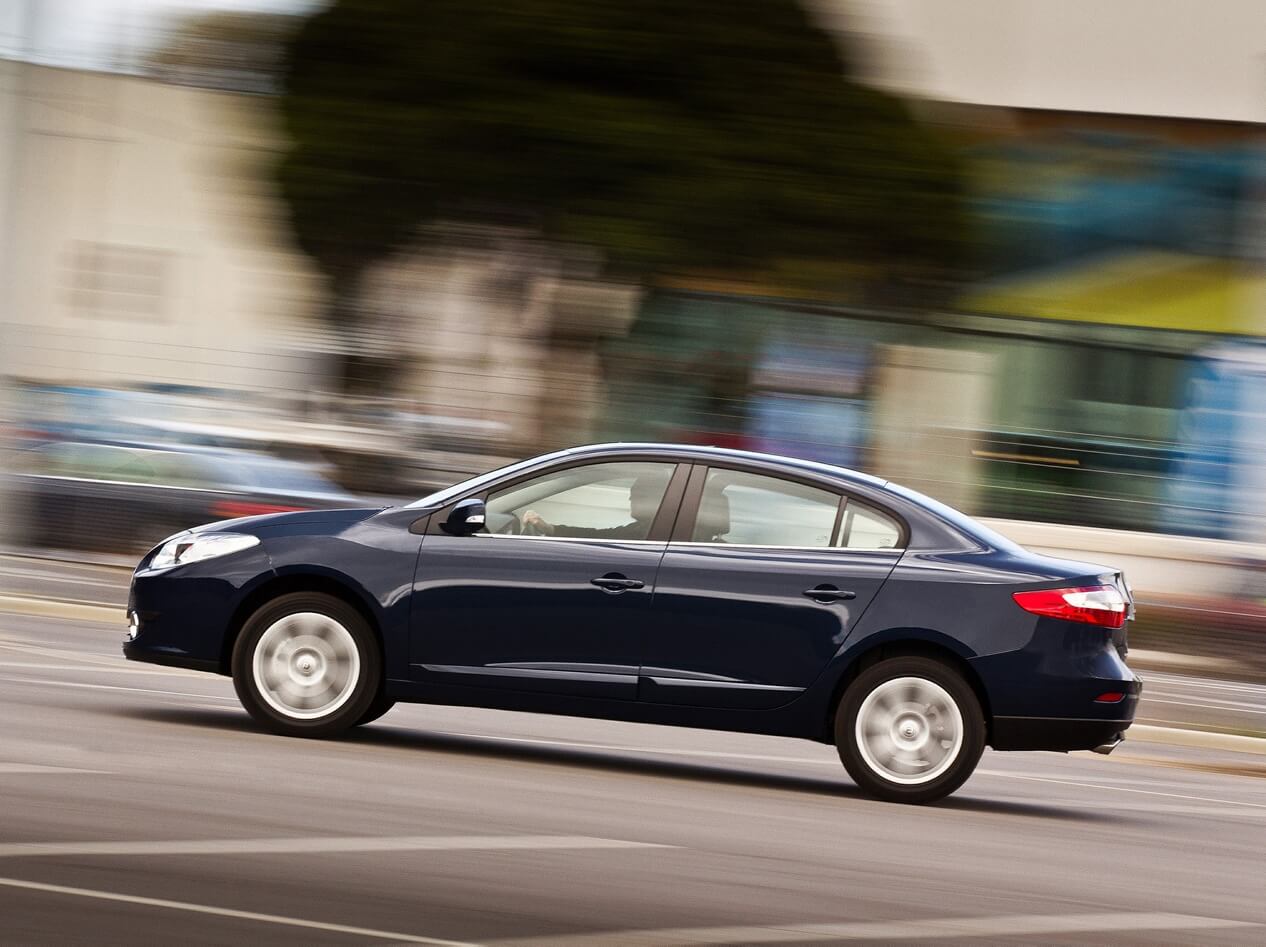
- Renault Fluence · Photo: order_242 from Chile / Wikimedia Commons, CC BY-SA 2.0
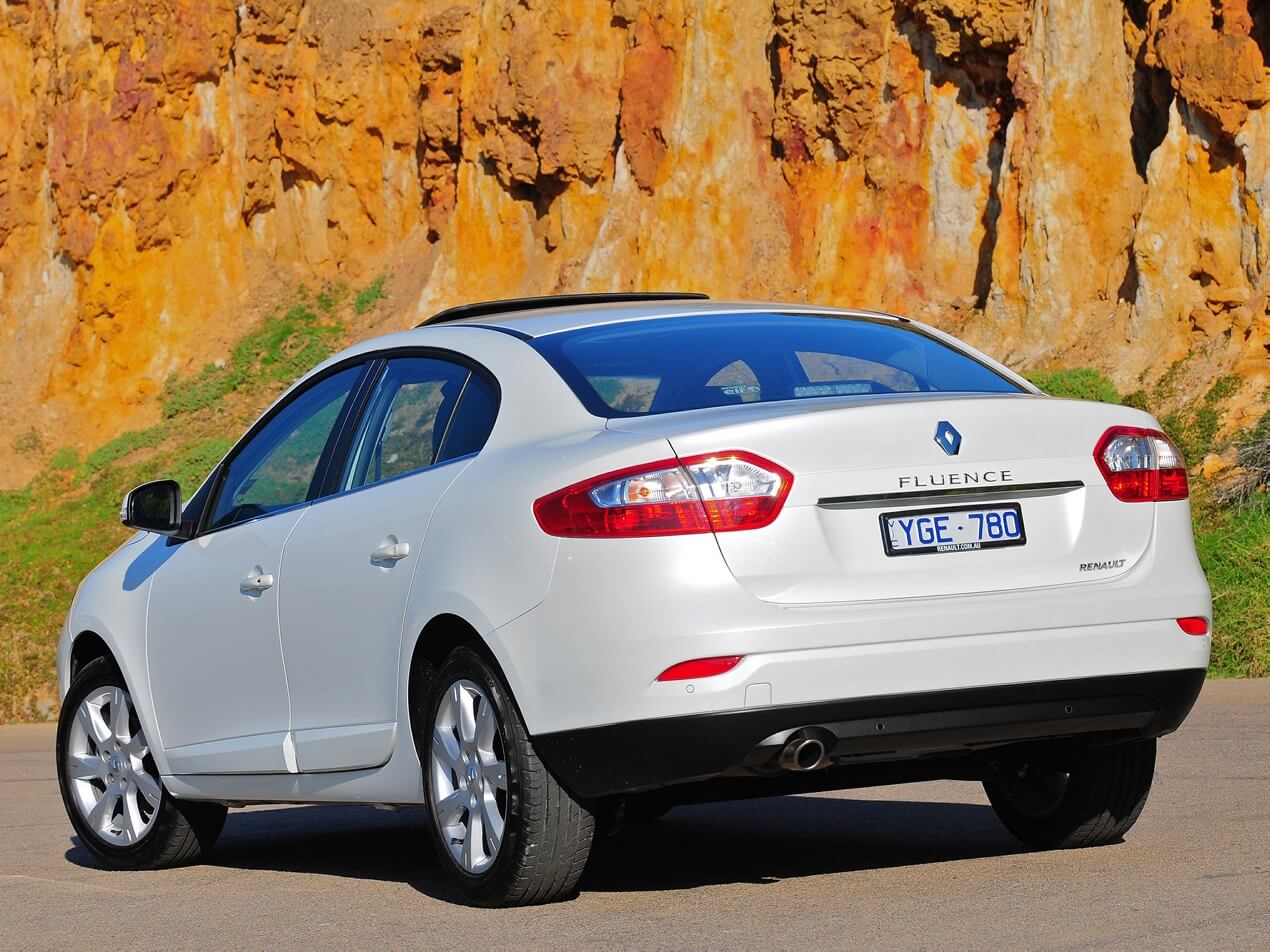
- Renault Fluence · Photo: order_242 from Chile / Wikimedia Commons, CC BY-SA 2.0
Renault Fluence in our rankings
- No. 42 of 70 · Most powerful French cars (104 kW · top 60%)
- No. 624 of 1101 · Longest-running car nameplates (7 years · top 61%)
- No. 126 of 181 · Most powerful sedans (104 kW · top 70%)
- No. 278 of 361 · Most powerful cars of the 2010s (104 kW · top 78%)
- No. 852 of 1032 · Most powerful cars (104 kW · top 83%)
- No. 348 of 425 · Cars with the most generations (2 generations)
More powerful than 40% of ranked French cars in the 1CARS catalog (No. 42 of 70).
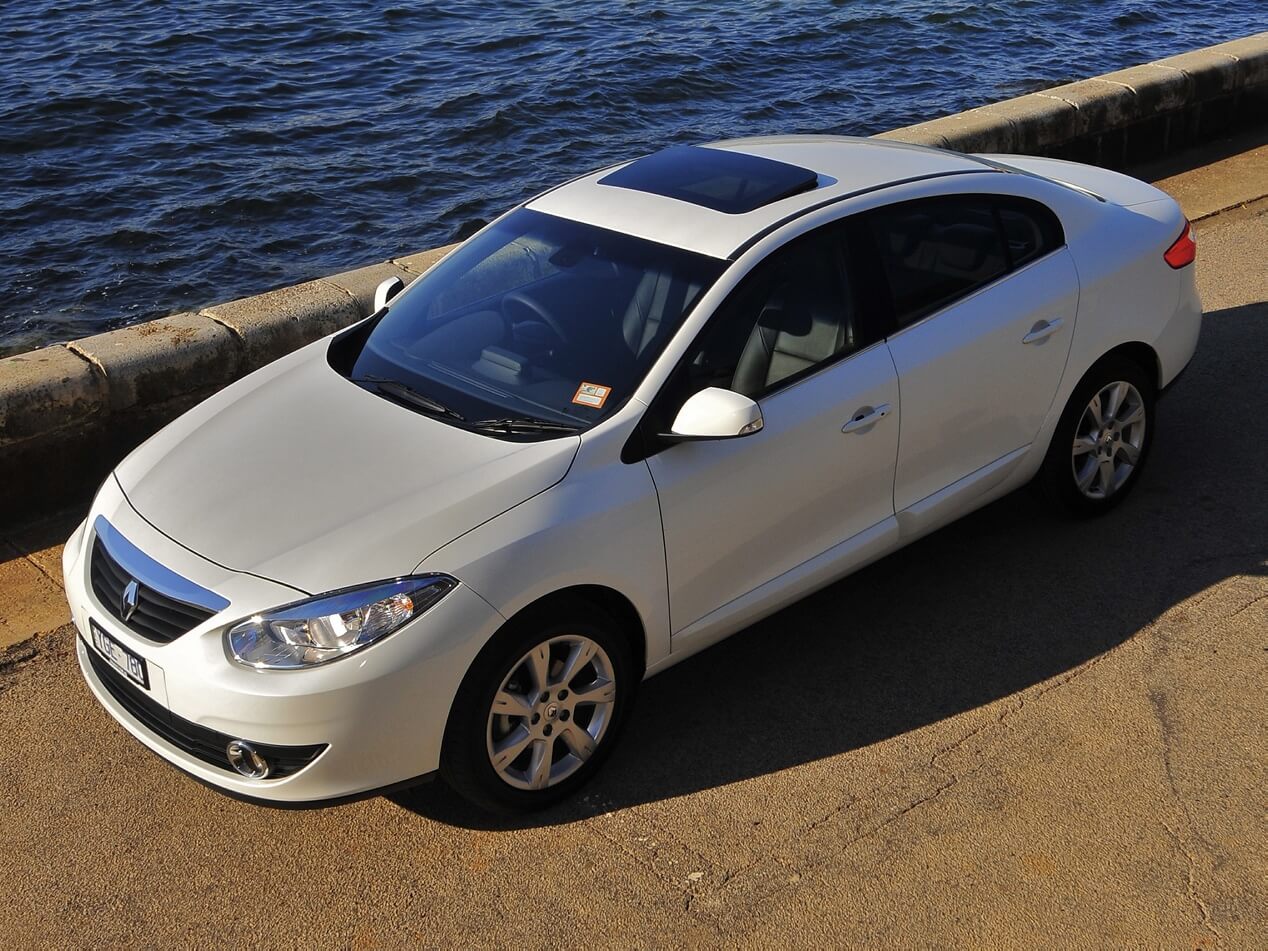
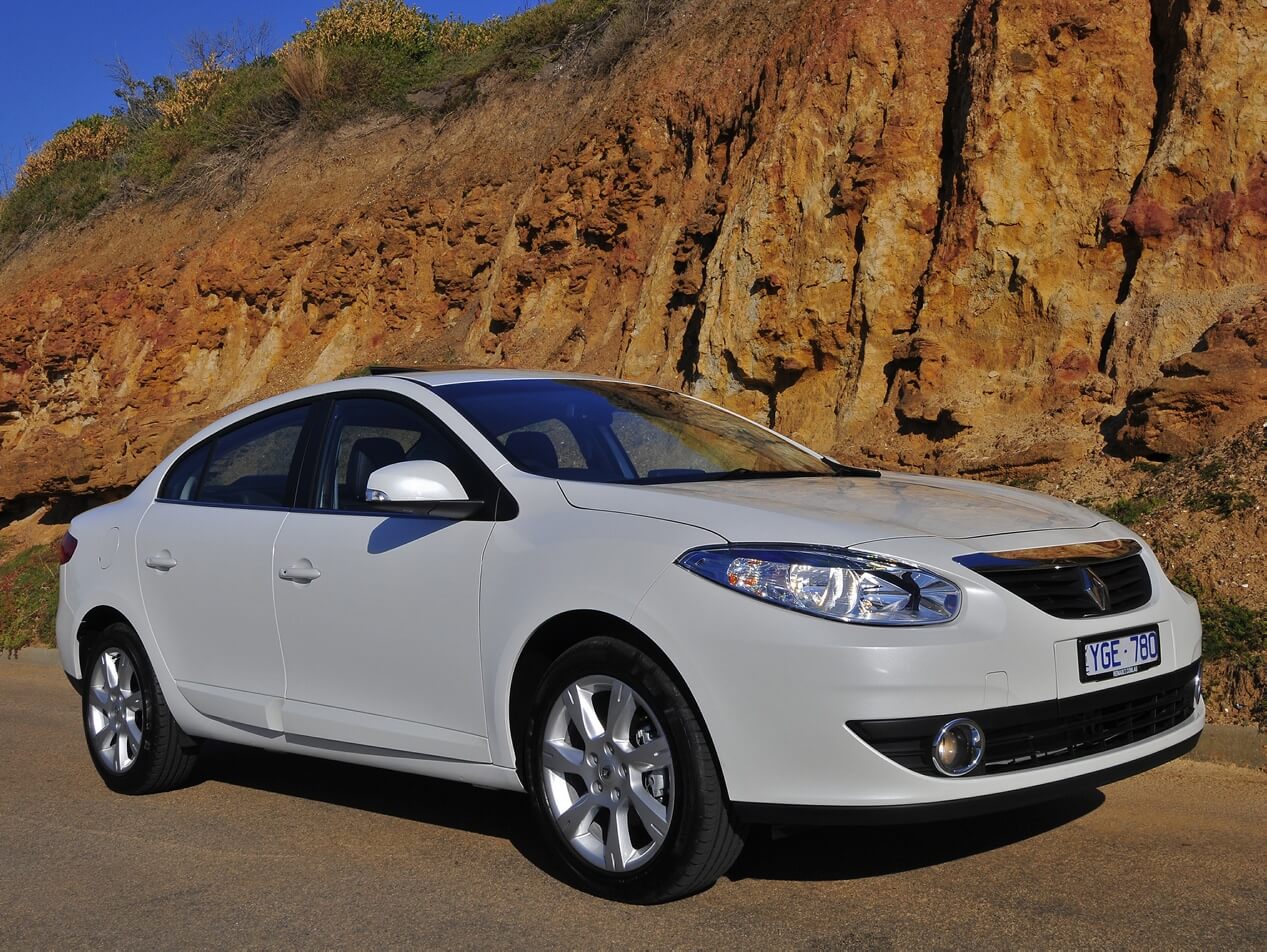
Renault Fluence photos 45


Renault Fluence videos 6

Renault Fluence video 1

Renault Fluence video 2

Renault Fluence video 3

Renault Fluence video 4

Renault Fluence video 5
Renault Fluence video 6
FAQ
Where was the Renault Fluence built?
The Fluence was built mainly at Bursa in Turkey until 2016 and in Santa Isabel, Argentina, until the end of 2018. It was also assembled in India, Malaysia and South Korea, where it was sold as the Renault Samsung SM3.
What engines does the Renault Fluence have?
It offered 1.6 petrol engines with 82 kW, a 2.0 petrol with 104 kW, a 1.5 dCi diesel with 63–82 kW and a 1.6 dCi diesel. Gearboxes included manual, automatic, CVT and EDC units.
Is the Renault Fluence based on the Mégane?
Yes. The Fluence uses the Renault–Nissan C platform shared with the Mégane III and filled the saloon gap left by the Mégane II. In Europe it was replaced by the Mégane Sedan in 2016.
What is the Renault Fluence Z.E.?
The Fluence Z.E. is the electric version, shown at the 2009 Frankfurt Motor Show. It has a 22 kWh battery, a range of 160 km and a top speed of 135 km/h.
How big is the Fluence's boot?
According to the old 1cars text, the boot holds 530 litres and almost doubles with the rear seat folded. A full-size spare wheel is stored under the boot floor.
Data sources
Data checked by an editor against the sources below.
- Wikipedia - Renault Fluence


