 Skoda Rapid Typ 901 / 914 / 922 (1935–1947)
Specs, engines, safety and known problems
Published Sources (4) Report an error
By Sarah Whitmore, Senior Automotive Writer Reviewed by Oleksandr Hnatiuk
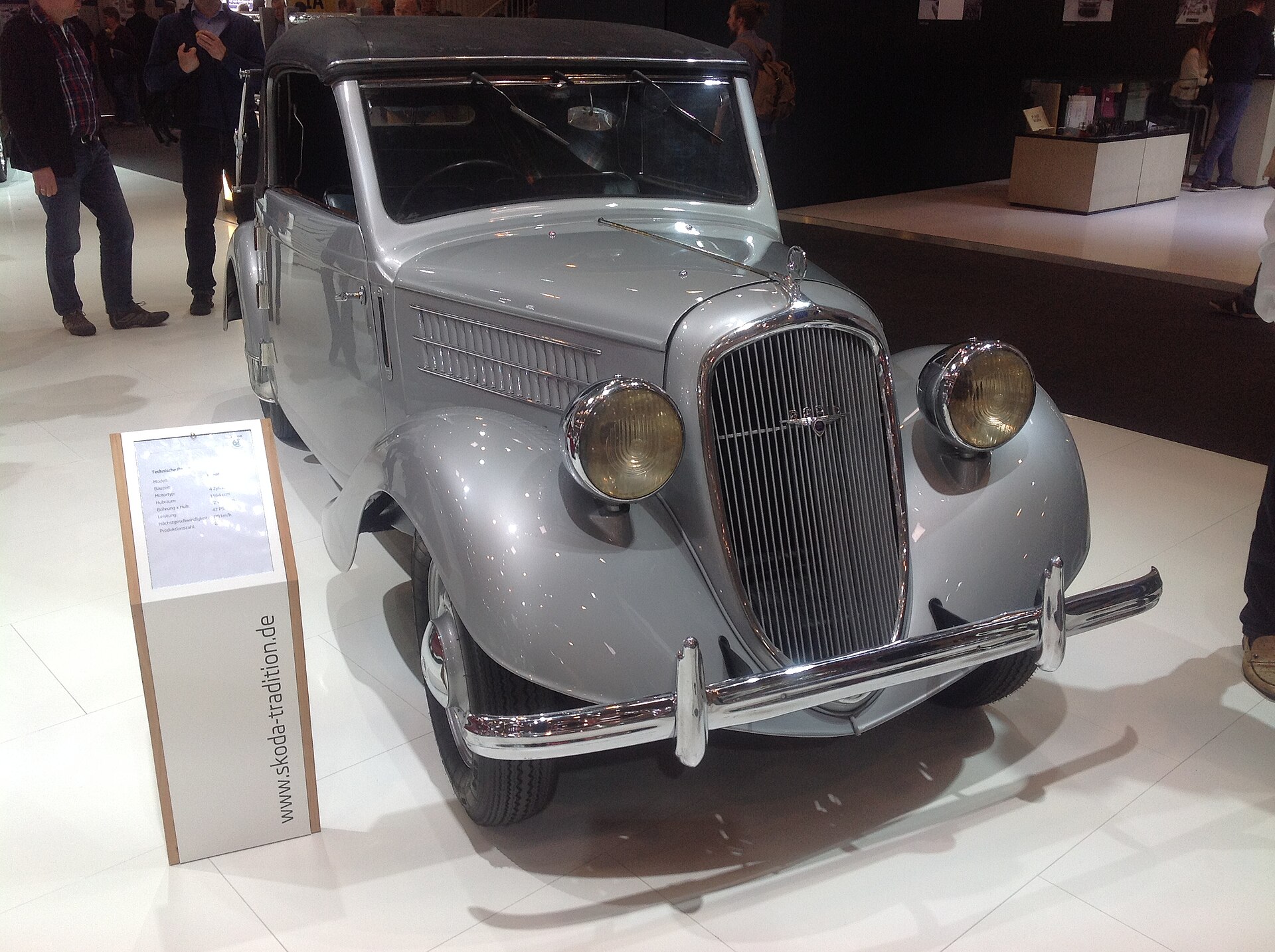
- Power
- 23–31 kW (31–42 PS)
- Generation
- 1 of 3
Model timeline
Where the Typ 901 / 914 / 922 sits in the Rapid story
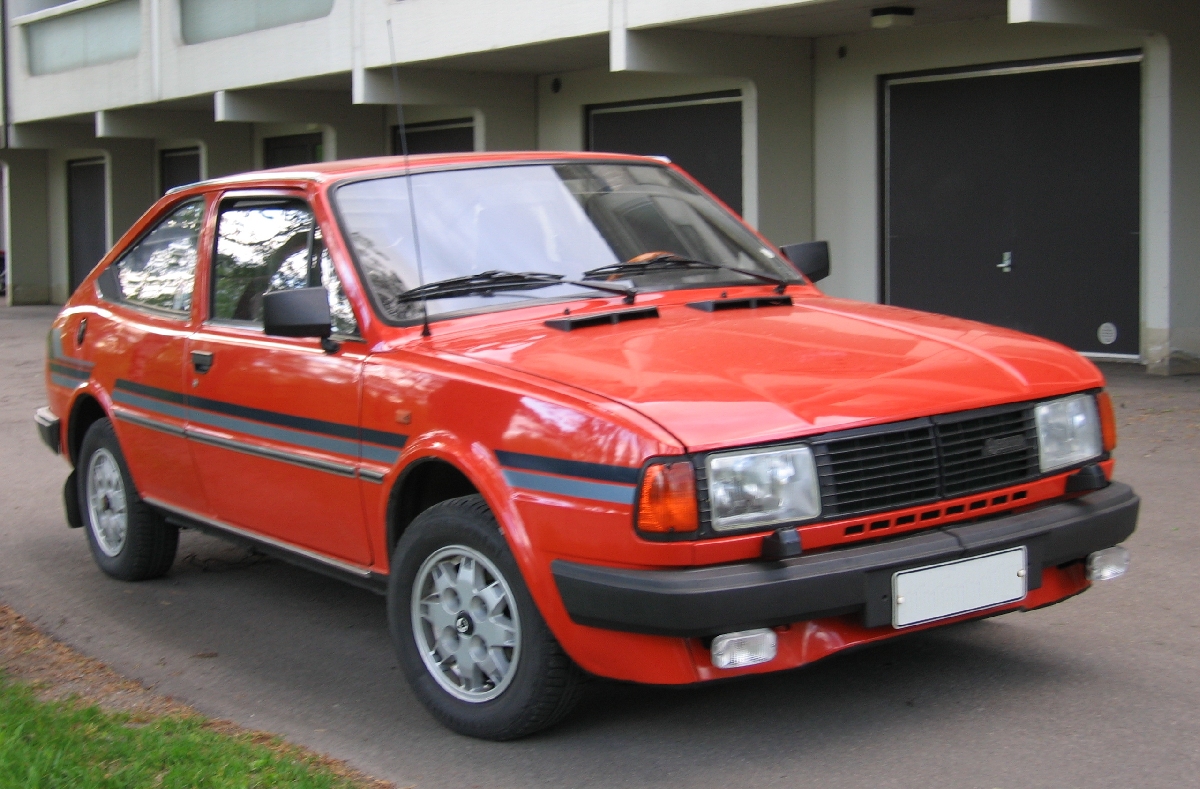
Successor Rapid Typ 743 / 747 (1984–1990)
Newest first · 3 generations since 1935
-
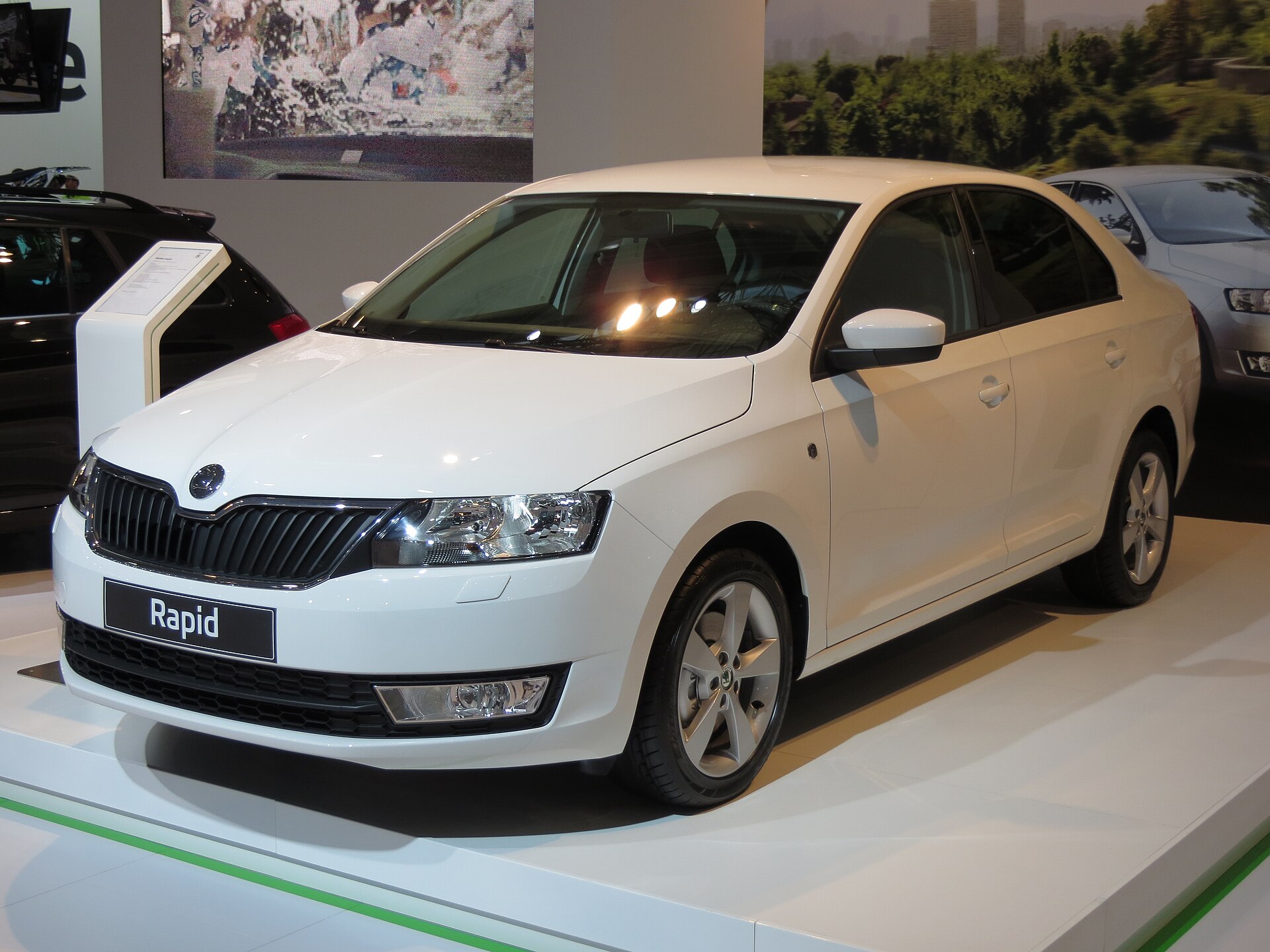
2012
-
1984
-
1935


All generations by year: Rapid NH (2012–2019) · Rapid Typ 743 / 747 (1984–1990) · Rapid Typ 901 / 914 / 922 (1935–1947)
The pre-war Skoda Rapid was a mid-size family car built at Mladá Boleslav by ASAP, part of the Škoda Works group. Introduced as the Typ 901 in June 1935, it sat between the small Popular and the large Superb. Its central-tube backbone chassis, independent suspension and hydraulic brakes were advanced for a Czechoslovak car of the 1930s, and in 1936 a Rapid was driven around the world.
In short
- Main versions: Typ 901 (1935), Typ 914 (1937) and the overhead-valve Typ 922 (1938).
- Engines: a 1,386 cc side-valve four with 23 kW (31 PS) and a 1,558 cc OHV four with 31 kW (42 PS).
- Saloons, a roadster, cabriolets and vans were built on the same backbone chassis.
- Regular output is usually put at 1942 (sources differ); a few cars were assembled after the war, up to 1947.
Rapid Typ 901 / 914 / 922 specs by version
Engines
| Version | Engine | Power | Gearbox | Production years |
|---|---|---|---|---|
| Typ 901 | 1.4 l · 4 cyl 1,400 cc | 23 kW 31 PS31 hp | — | 1935 |
| 1.4 31 kW (42 PS) | 1.4 l 1,386 cc | 31 kW 42 PS42 hp | 3-sp Manual | — |
| Typ 922 (OHV) | 1.6 l 1,600 cc | 31 kW 42 PS42 hp | — | 1938 |
Performance
Show all 1 versions
| Version | Top speed |
|---|---|
| 1.4 31 kW (42 PS) | 100 km/h62 mph |
Dimensions and weight
Show all 1 versions
| Version | Kerb weight |
|---|---|
| 1.4 31 kW (42 PS) | 1,100 kg2,425 lb |
Verified Manufacturer and type-approval data from our catalog · Sources and methodology
A new mid-size Skoda for 1935
In the mid-1930s Skoda replaced its older range with a family of cars built on one technical concept. The Popular of 1934 came first, followed by the Superb and, in 1935, the Rapid; the Favorit joined in 1936. The Rapid name had already appeared in 1934 on a version of the Popular-based Typ 420/421, but the 1935 car was a new and larger model.
The Typ 901, presented in June 1935, had a body facelifted in the manner of the Popular, a longer wheelbase and an engine enlarged to 1.4 litres. Output rose from 26 PS to 31 PS, helped by a water pump and a bigger exhaust. A roadster with a mixed wood-and-steel body followed in October 1935.
Polish motoring site AutoCentrum, which compiled the model's history for its 80th anniversary, describes a steady stream of updates. For 1936 the wheelbase was stretched again, the engine got rubber mountings, and a four-seat cabriolet with fixed window frames was added. Utility versions followed, as did a coolant temperature gauge and a fuel gauge. The history of Skoda sets this period in the context of the whole company.
Central-tube chassis and independent suspension
The defining feature of the Rapid is its chassis. Earlier Skodas used ladder frames with poor torsional stiffness. The new range adopted a backbone layout: a central steel tube, forked at the front and rear to carry the engine and the rear suspension, with welded U-section members.
Development was led by chief engineer Vladimír Matouš, and the principle was derived from Hans Ledwinka's designs for Tatra. All four wheels were independently suspended. The gearbox was bolted to the engine, and a propeller shaft took drive to the rear wheels.
Standard transmission was a three-speed manual. AutoCentrum reports that an electromagnetic four-speed Cotal gearbox was available as an option. Hydraulic brakes by ATE-Lockheed were fitted from the start of Typ 901 production.
Typ 914 and the overhead-valve Typ 922
In October 1937 the Rapid became the Typ 914, with a body 40 mm wider. AutoCentrum gives a record 2,097 cars built in 1937.
The biggest change came in autumn 1938. The Typ 922, usually called the Rapid OHV, replaced the side-valve engine with a 1,558 cc overhead-valve four producing 31 kW (42 PS). German Wikipedia gives the displacement as 1,564 cc. The same year Skoda launched a streamlined two-door saloon on the OHV chassis, with a body resembling the aerodynamic four-door built for the Typ 935 prototypes. A more formal four-door saloon with six side windows followed in summer 1939.
| Version | Introduced | Engine | Power | Main changes |
|---|---|---|---|---|
| Typ 901 | June 1935 | 1,386 cc side-valve four | 23 kW (31 PS) | longer wheelbase, hydraulic brakes, water pump |
| Typ 914 | October 1937 | 1,386 cc side-valve four | 23 kW (31 PS) | body 40 mm wider |
| Typ 922 (OHV) | autumn 1938 | 1,558 cc OHV four | 31 kW (42 PS) | new engine, two- and four-door saloons |
Pre-war Rapid data sheet
Few complete data sheets survive in accessible sources, so the table lists only what at least one reputable source confirms.
| Parameter | Metric | Imperial |
|---|---|---|
| Engine, side-valve | 1,386 cm³ | 84.6 cu in |
| Engine, OHV | 1,558 cm³ | 95.1 cu in |
| Power, side-valve / OHV | 23 / 31 kW (31 / 42 PS) | — |
| Kerb weight, 1935 / 1938 | 1,050 / 1,100 kg | 2,315 / 2,425 lb |
| Top speed | about 100 km/h | 62 mph |
| Fuel use | 9–10 L/100 km | 28–31 mpg UK |
| Gearbox | 3-speed manual (Cotal 4-speed optional) | — |
English Wikipedia gives a top speed of 100 km/h for both engines, while German Wikipedia credits the 1938 OHV car with 110 km/h (68 mph).
Around the world in 1936
The Rapid's best-known achievement was a long-distance drive. In 1936 Břetislav Jan Procházka and Jindřich Kubias drove a Rapid around the globe in 97 days, returning on 31 July. The same year another Rapid, with four travellers on board, went from Prague to beyond the Arctic Circle, and a Rapid owned by the Škulin couple crossed Africa.
The round-the-world trip took place in the same season as the 1936 updates described above. The Rapid is listed with other classic cars of the 1940s because it remained in the range into that decade.
Wartime and the end of production
Sources disagree on when the Rapid ended. AutoCentrum says regular production stopped in 1942, after more than 900 cars went to the military and health services between 1940 and 1942. English Wikipedia dates the model to 1935–1947, and German Wikipedia reports that 21 OHV cars were completed between 1945 and 1947, after 579 in 1938–1942. Both views fit a picture of wartime production tailing off and a small post-war run.
Two related models should not be confused with it. The Rapid Six (Typ 910) of 1935 used a 1,961 cc six-cylinder engine. A Rapid-named 2.2-litre six-cylinder car, developed in 1941 and listed by German Wikipedia as the Rapid 2200, was built only in small numbers. Neither is covered in the specification table above.
Owning a pre-war Rapid
Surviving Rapids are museum pieces and club cars rather than everyday transport. No total production figure for 1935–1947 has been published, and the variety of bodies means two cars can differ greatly. There is no crash-test rating for a car of this age.
- Identify the type: the Typ number, engine (side-valve or OHV) and body style decide value and parts availability.
- Chassis: the central tube carries the drivetrain, so its condition matters more than on a ladder-frame car.
- Brakes and gearbox: confirm that the hydraulic system works and find out whether a Cotal gearbox is fitted.
For the later cars that reused the name, see the complete Skoda Rapid guide, and browse all Skoda models for the current line-up, or more classic cars for other period models.
Did you know?
- The Rapid Typ 901 / 914 / 922 is generation 1 of 3 of the Skoda Rapid in our catalog.
- Built for 12 years (1935–1947), it is the longest-running of the 3 generations in our catalog.
Image credits · Photos from Wikimedia Commons under free licences
- Skoda Rapid Typ 901 / 914 / 922 · Photo: Andrew Bone from Weymouth, England / Wikimedia Commons, CC BY 2.0
- Skoda Rapid Typ 743 / 747 · Photo: Akosone / Wikimedia Commons, Public domain
- Skoda Rapid NH · Photo: OSX / Wikimedia Commons, Public domain
Typ 901 / 914 / 922 rivals
-
Ended 2017
- Years
- 2011–2017
- Body
- Sedan
- Fuel
- Petrol
- Power
- 55–90 kW (75–122 PS)
-
Ended 2017
- Years
- 2011–2017
- Body
- Sedan, Hatchback
- Fuel
- Petrol
- Power
- 79–90 kW (107–122 PS)
-
In production
- Years
- 1975–present
- Body
- Sedan, Hatchback
- Fuel
- Petrol, Diesel, LPG / CNG
- Power
- 29–110 kW (39–150 PS)
6 generations
- 86
- 86C
- 6N
- 9N
- 6R
- VI
-
In production
- Years
- 2015–present
- Body
- Sedan, Station wagon
- Fuel
- Petrol
- Power
- 78–107 kW (106–145 PS)


FAQ
When was the pre-war Skoda Rapid built?
The Typ 901 appeared in June 1935. Regular production is usually put at 1942, and a small number of cars were completed between 1945 and 1947.
What engine did the 1935 Skoda Rapid have?
A 1,386 cc side-valve four-cylinder with 23 kW (31 PS). From autumn 1938 the Typ 922 had a 1,558 cc overhead-valve engine with 31 kW (42 PS).
What kind of chassis does the pre-war Rapid use?
A backbone chassis with a central steel tube and independent suspension on all four wheels, developed under Vladimír Matouš and based on Hans Ledwinka's Tatra principle.
Did a Skoda Rapid really drive around the world?
Yes. In 1936 Břetislav Jan Procházka and Jindřich Kubias completed a round-the-world trip in a Rapid in 97 days, returning on 31 July.
Is the Rapid Six the same car?
No. The Rapid Six (Typ 910) of 1935 was a separate model with a 1,961 cc six-cylinder engine.
Data sources
Data checked by an editor against the sources below.
- 1cars archive: Skoda Rapid: Generations, Specs and History
- The text of this article (1cars archive)
- Wikipedia — Škoda Rapid (1935–1947)
- ADAC — Skoda Rapid 314