 Mercedes-Benz B-Class
All generations, specs and history
Published Sources (6) Report an error
By Felix Hartmann, Automotive Technology & EV Contributor
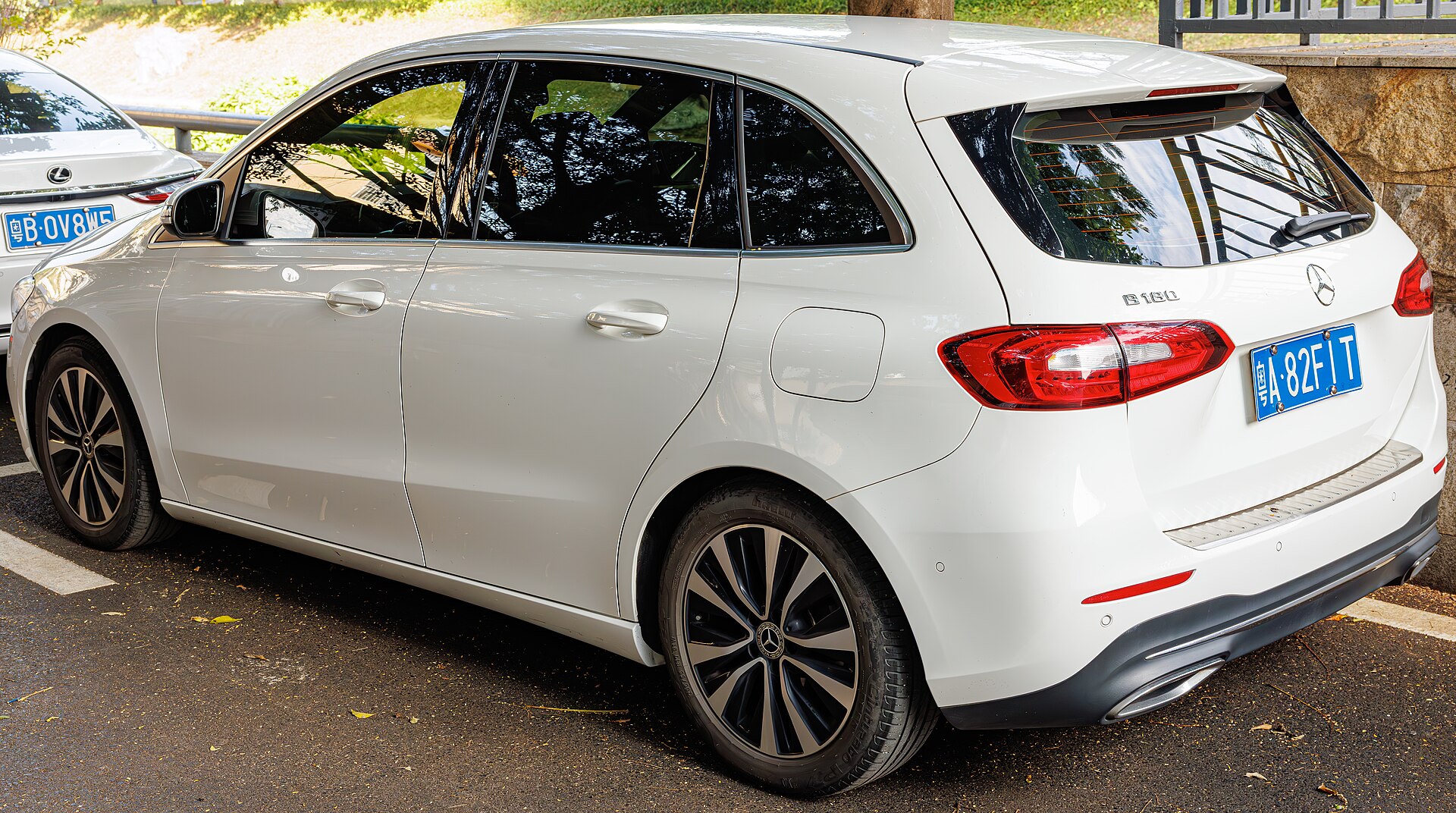
- Built
- 2005–present
- Generations
- 3 · W245 to W247
- Top power
- 165 kW (224 PS)
Timeline
B-Class generations
Click a generation for its own page


- B-Class W245 2005–2011 · Hatchback
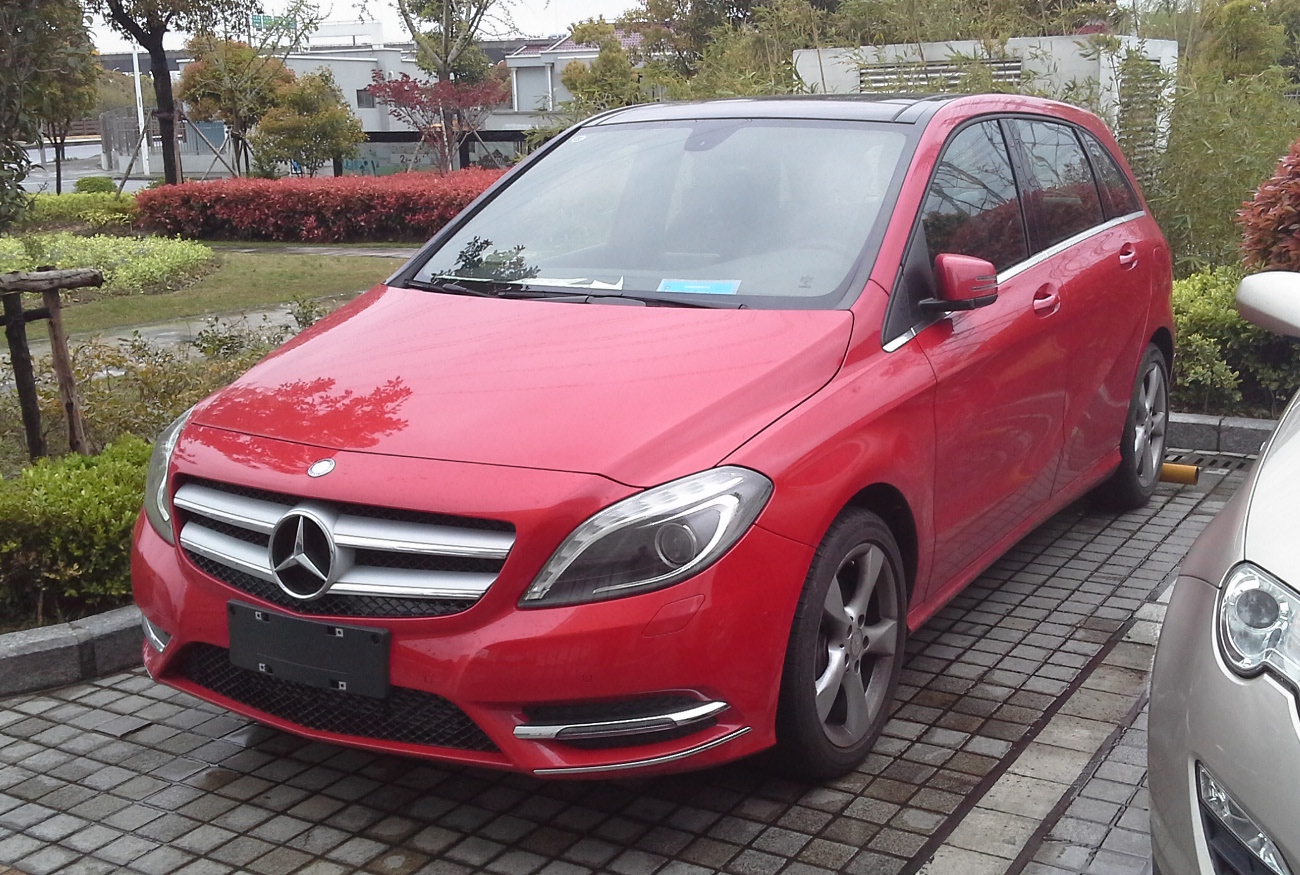
- B-Class W246 2011–2018 · Hatchback
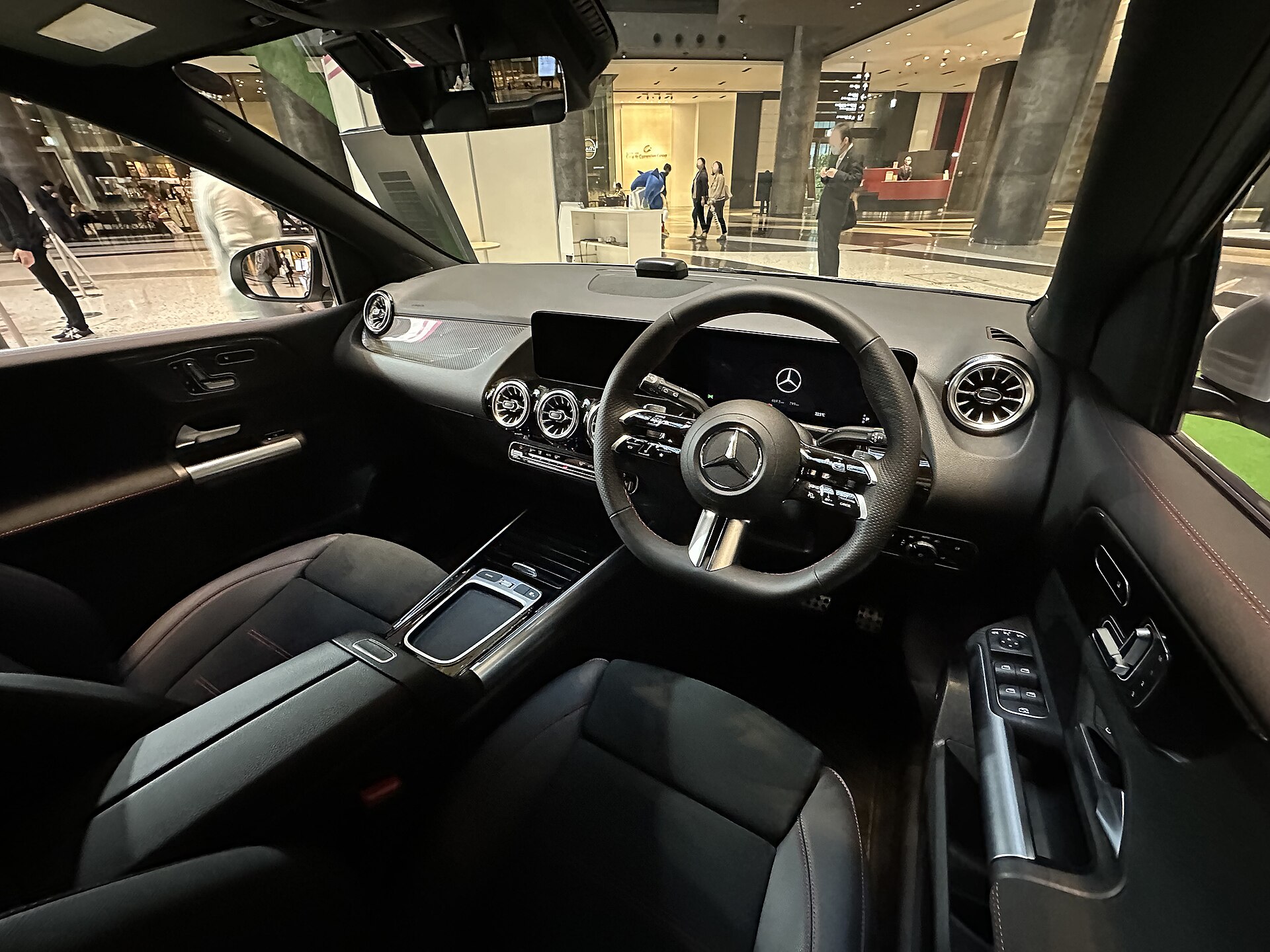
- B-Class W247 Current 2018–now · Hatchback
Newest first · 3 generations since 2005
-
2018
-
2011
-
2005
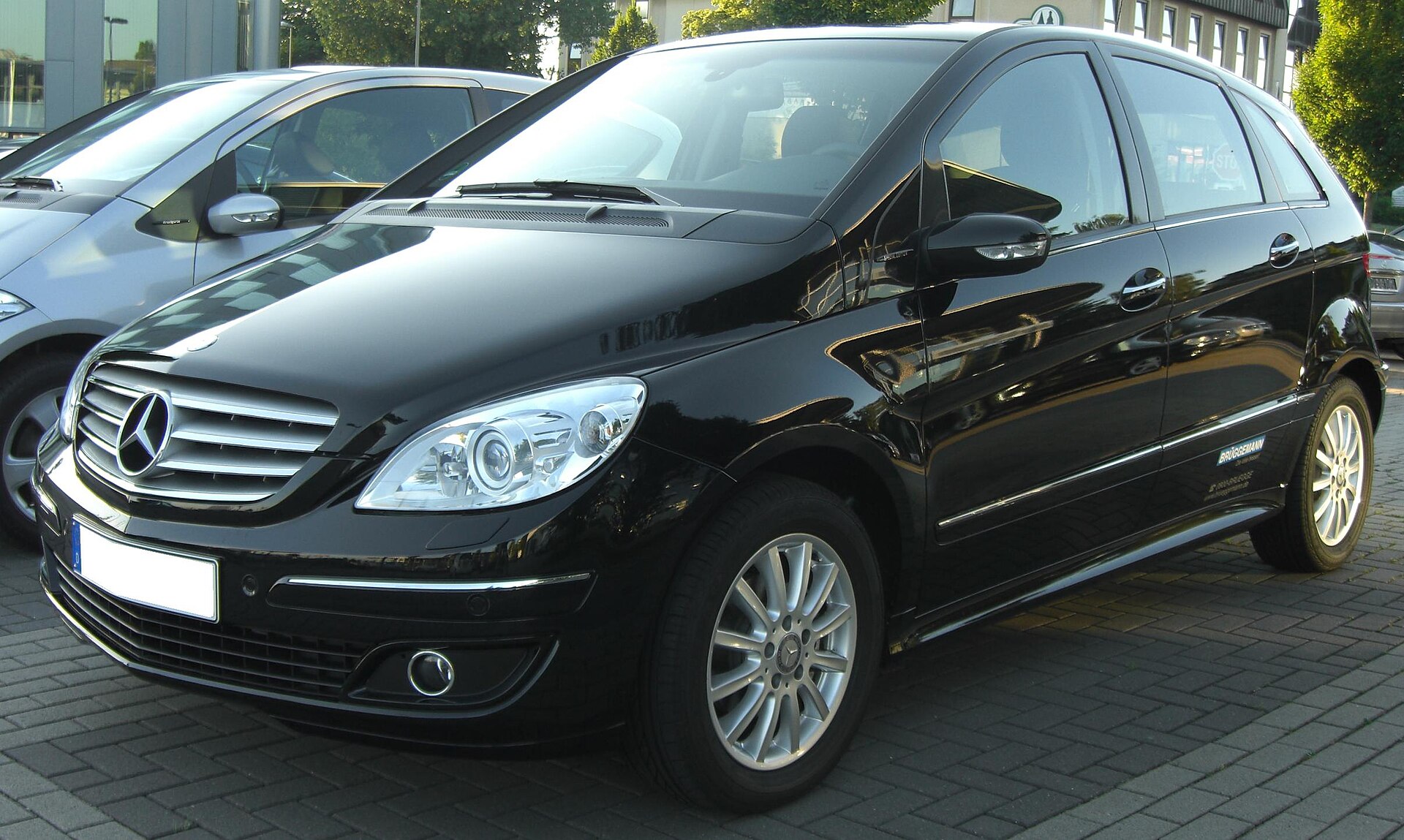
All generations by year: B-Class W247 (2018–now) · B-Class W246 (2011–2018) · B-Class W245 (2005–2011)
Which one is mine?
Pick the year of first registration to see which generation it is.
Check by VINWhich B-Class to choose
Our verdict · Felix Hartmann
- For families on a budget: a W246 B 180 or B 200; five Euro NCAP stars and a wide choice on the used market.
- For low running costs: a W247 B 180 d or B 200 d, or the B 250 e for short electric commutes.
- For an electric car on a small budget: the B-Class Electric Drive, as long as 140 km of rated range is enough.
- For all-wheel drive: the B 220 4MATIC (W246) or the B 220 and B 250 of the W247.
- Alternatives: the higher-riding Mercedes-Benz GLA shares much of the hardware. Compare it with rivals in our comparison tool, and find every B-Class version in the Mercedes-Benz catalogue.
The Mercedes-Benz B-Class is a compact five-door with a tall body and a big boot, positioned one step above the A-Class. It arrived in 2005, borrowed the A-Class sandwich floor for its first generation and moved to conventional front-wheel-drive platforms in 2011 and 2018. Over three generations it has been offered with petrol, diesel, natural-gas, battery-electric and plug-in hybrid drives.
In short
- Three generations: W245 (2005–2011), W246 (2011–2018) and W247 (since 2018); Wikipedia lists the run as 2005–2026.
- Outputs from 66 kW (B 160 CDI) to 165 kW (B 250 4MATIC); every generation had a version not powered by petrol or diesel alone.
- The W246 was the first Mercedes on the MFA platform and passed one million B-Class sales on 20 December 2013.
- Euro NCAP rated the W246 at 97 percent and the W247 at 96 percent for adult occupant protection.
Size at a glance
Mercedes-Benz B-Class W246
The Mercedes-Benz B-Class W247 is 60 mm longer, 10 mm wider and 5 mm taller than the Mercedes-Benz B-Class W246.
| Dimensions | Mercedes-Benz B-Class W247 | Mercedes-Benz B-Class W246 | Difference |
|---|---|---|---|
| Length | 4,419 mm174.0 in | 4,359 mm171.6 in | +60 mm+2.4 in |
| Width | 1,796 mm70.7 in | 1,786 mm70.3 in | +10 mm+0.4 in |
| Height | 1,562 mm61.5 in | 1,557 mm61.3 in | +5 mm+0.2 in |
| Wheelbase | 2,729 mm107.4 in | 2,699 mm106.3 in | +30 mm+1.2 in |
| Boot | 455 L16.1 cu ft | — | — |
Running cost
Fuel · B-Class W247 B 180
about 1,600 EUR fuel a year at 15,000 km
6.0 l/100 km · petrol at 1.75 EUR/l · change mileage, fuel price or version
Specs by version
Engines
| Version | Engine | Power | Torque | Drive | Production years |
|---|---|---|---|---|---|
| Plug-in hybrid · 1 version | |||||
| W247 · B 250 e | 1.3 l · 4 cyl · Plug-in hybrid 1,332 cc | 160 kW 218 PS215 hp | — | Front-wheel drive | — |
| Electric · 1 version | |||||
| W246 · B 250 e (Electric Drive) | Electric | 132 kW 179 PS177 hp | 340 Nm251 lb-ft | Front-wheel drive | 2014–2017 |
| Diesel · 9 versions | |||||
| W245 · B 180 CDI | 4 cyl · Diesel | 80 kW 109 PS107 hp | 250 Nm184 lb-ft | Front-wheel drive | — |
| W245 · B 200 CDI | 4 cyl · Diesel | 103 kW 140 PS138 hp | 300 Nm221 lb-ft | Front-wheel drive | — |
| W246 · B 160 CDI | 1.5 l · 4 cyl · Diesel 1,461 cc | 66 kW 90 PS89 hp | 220 Nm162 lb-ft | Front-wheel drive | 2013–2018 |
| W246 · B 180 CDI | 1.8 l · 4 cyl · Diesel 1,796 cc | 80 kW 109 PS107 hp | 250 Nm184 lb-ft | Front-wheel drive | 2011–2018 |
| W246 · B 200 CDI | 1.8 l · 4 cyl · Diesel 1,796 cc | 100 kW 136 PS134 hp | 300 Nm221 lb-ft | Front-wheel drive | 2011–2018 |
| W246 · B 220 CDI | 2.1 l · 4 cyl · Diesel 2,143 cc | 125 kW 170 PS168 hp | 350 Nm258 lb-ft | Front-wheel drive | 2012–2018 |
| W247 · B 180 d | 4 cyl · Diesel | 85 kW 116 PS114 hp | 280 Nm207 lb-ft | Front-wheel drive | — |
| W247 · B 200 d | 4 cyl · Diesel | 110 kW 150 PS148 hp | 320 Nm236 lb-ft | Front-wheel drive | — |
| W247 · B 220 d | 4 cyl · Diesel | 140 kW 190 PS188 hp | 400 Nm295 lb-ft | Front-wheel drive | — |
| Petrol · 12 versions | |||||
| W245 · B 160 | 4 cyl · Petrol | 70 kW 95 PS94 hp | 140 Nm103 lb-ft | Front-wheel drive | — |
| W245 · B 170 / B 180 | 4 cyl · Petrol | 85 kW 116 PS114 hp | 155 Nm114 lb-ft | Front-wheel drive | — |
| W245 · B 200 | 4 cyl · Petrol | 100 kW 136 PS134 hp | 185 Nm136 lb-ft | Front-wheel drive | — |
| W245 · B 200 Turbo | 4 cyl · Petrol | 142 kW 193 PS190 hp | 280 Nm207 lb-ft | Front-wheel drive | — |
| W246 · B 180 | 1.6 l · 4 cyl · Petrol 1,595 cc | 90 kW 122 PS121 hp | 200 Nm148 lb-ft | Front-wheel drive | 2011–2018 |
| W246 · B 200 | 1.6 l · 4 cyl · Petrol 1,595 cc | 115 kW 156 PS154 hp | 250 Nm184 lb-ft | Front-wheel drive | 2011–2018 |
| W246 · B 220 4MATIC | 2.0 l · 4 cyl · Petrol 1,991 cc | 135 kW 184 PS181 hp | 300 Nm221 lb-ft | All-wheel drive | 2013–2018 |
| W246 · B 250 | 2.0 l · 4 cyl · Petrol 1,991 cc | 155 kW 211 PS208 hp | 350 Nm258 lb-ft | Front-wheel drive | 2012–2018 |
| W247 · B 180 | 1.3 l · 4 cyl · Petrol 1,332 cc | 100 kW 136 PS134 hp | 200 Nm148 lb-ft | Front-wheel drive | — |
| W247 · B 200 | 1.3 l · 4 cyl · Petrol 1,332 cc | 120 kW 163 PS161 hp | 270 Nm199 lb-ft | Front-wheel drive | — |
| W247 · B 220 4MATIC | 2.0 l · 4 cyl · Petrol 1,991 cc | 140 kW 190 PS188 hp | 300 Nm221 lb-ft | All-wheel drive | — |
| W247 · B 250 4MATIC | 2.0 l · 4 cyl · Petrol 1,991 cc | 165 kW 224 PS221 hp | 350 Nm258 lb-ft | All-wheel drive | — |
| LPG / CNG · 2 versions | |||||
| W245 · B 170 NGT | 4 cyl · LPG / CNG | 85 kW 116 PS114 hp | 165 Nm122 lb-ft | Front-wheel drive | 2008 |
| W246 · B 200 Natural Gas Drive | 2.0 l · 4 cyl · LPG / CNG 1,991 cc | 115 kW 156 PS154 hp | 270 Nm199 lb-ft | Front-wheel drive | 2013–2018 |
Performance
Show all 7 versions
| Version | 0–100 km/h | Top speed | Fuel consumption | CO₂ |
|---|---|---|---|---|
| Diesel · 3 versions | ||||
| W247 · B 180 d | 10.9 s 0–62 mph | 200 km/h124 mph | 4.6 l/100 km51.1 mpg US · 61.4 mpg UK | 122 g/km |
| W247 · B 200 d | 8.9 s 0–62 mph | 219 km/h136 mph | 5.0 l/100 km47.0 mpg US · 56.5 mpg UK | 131 g/km |
| W247 · B 220 d | — | — | 5.2 l/100 km45.2 mpg US · 54.3 mpg UK | 137 g/km |
| Petrol · 4 versions | ||||
| W247 · B 180 | 9.4 s 0–62 mph | 212 km/h132 mph | 6.0 l/100 km39.2 mpg US · 47.1 mpg UK | 137 g/km |
| W247 · B 200 | 8.5 s 0–62 mph | 223 km/h139 mph | 6.1 l/100 km38.6 mpg US · 46.3 mpg UK | 138 g/km |
| W247 · B 220 4MATIC | — | — | 7.2 l/100 km32.7 mpg US · 39.2 mpg UK | 166 g/km |
| W247 · B 250 4MATIC | 6.4 s 0–62 mph | 250 km/h155 mph | 7.5 l/100 km31.4 mpg US · 37.7 mpg UK | 170 g/km |
Dimensions and weight
Show all 9 versions
| Version | Length | Width | Height | Wheelbase | Kerb weight | Boot | Fuel tank |
|---|---|---|---|---|---|---|---|
| Diesel · 4 versions | |||||||
| W246 · B 160 CDI | 4,359 mm171.6 in | 1,786 mm70.3 in | 1,557 mm61.3 in | 2,699 mm106.3 in | — | — | — |
| W247 · B 180 d | 4,419 mm174.0 in | 1,796 mm70.7 in | 1,562 mm61.5 in | 2,729 mm107.4 in | 1,385 kg3,053 lb | 445 l15.7 cu ft | 43 l11.4 gal US |
| W247 · B 200 d | — | — | — | — | 1,505 kg3,318 lb | 445 l15.7 cu ft | 43 l11.4 gal US |
| W247 · B 220 d | — | — | — | — | 1,610 kg3,549 lb | — | — |
| Petrol · 5 versions | |||||||
| W245 · B 160 | 4,273 mm168.2 in | 1,777 mm70.0 in | 1,604 mm63.1 in | 2,778 mm109.4 in | 1,300 kg2,866 lb | 544 l19.2 cu ft | — |
| W247 · B 180 | — | — | — | — | 1,385 kg3,053 lb | 455 l16.1 cu ft | 43 l11.4 gal US |
| W247 · B 200 | — | — | — | — | 1,395 kg3,075 lb | 455 l16.1 cu ft | 43 l11.4 gal US |
| W247 · B 220 4MATIC | — | — | — | — | 1,550 kg3,417 lb | — | — |
| W247 · B 250 4MATIC | — | — | — | — | 1,555 kg3,428 lb | 455 l16.1 cu ft | 51 l13.5 gal US |
Verified Manufacturer and type-approval data from our catalog · Sources and methodology
Mercedes-Benz B-Class at a glance
| Parameter | Value |
|---|---|
| Production | 2005–present, three generations |
| Body | 5-door hatchback with a tall roof |
| Layout | front engine, front-wheel drive; 4MATIC on some W246 and W247 versions |
| Engines | 1.3–2.1 l petrol and diesel; natural gas; electric (W246); plug-in hybrid (W247) |
| Power | 66–165 kW (90–224 PS) |
| Length | 4,270 mm (W245) to 4,392 mm (W246) |
| Plants | Rastatt (Germany); Kecskemét (Hungary) for the W246 |
| One million sold | 20 December 2013 |
| Related models | A-Class, CLA, GLA |
B-Class generations and timeline
| Generation | Years | Platform | What defines it |
|---|---|---|---|
| W245 | 2005–2011 | sandwich floor from the A-Class | 2,778 mm wheelbase, B 200 Turbo, B 170 NGT natural gas |
| W246 | 2011–2018 | MFA (first user) | lower, more aerodynamic, Electric Drive with Tesla battery |
| W247 | since 2018 | front-wheel-drive compact platform | MBUX, B 250 e plug-in hybrid, 48-volt mild hybrids from 2023 |
First generation W245 (2005–2011): the sandwich floor grows up
The Vision B concept, a "Compact Sports Tourer", previewed the car at the 2004 Paris Motor Show. Production versions reached Europe in early 2005 and Canada later that year. The W245 used a sandwich floor derived from the A-Class and a parabolic rear axle. It was 4,270 mm long and 1,603 mm tall, and its 2,778 mm wheelbase was longer than that of the later W246.
Petrol engines ran from the 1.5-litre B 160 (70 kW) to the B 200 Turbo, whose 142 kW came with 280 Nm of torque. Two diesels, the B 180 CDI (80 kW) and B 200 CDI (103 kW), covered the economy end. In 2008 Mercedes added the B 170 NGT, a bivalent version that ran on petrol or compressed natural gas with 85 kW.
The B-Class found buyers quickly: Europe took 52,942 cars in 2005 and 114,766 in 2006. In the 2006 Euro NCAP test the B 180 CDI scored 34 points for adult and 37 for child occupants. A fuel-cell B-Class F-Cell joined a 2011 world tour that started and ended in Stuttgart and covered more than 30,000 km.

Second generation W246 (2011–2018): the first MFA car
Mercedes revealed the W246 in August 2011; its public debut came at Frankfurt that September. Mass production began in Rastatt in November 2011, with a second line in Kecskemét, Hungary. It was the first car on the new MFA platform, which the A-Class W176 followed in 2012. The roof dropped to 1,557 mm, the wheelbase shrank to 2,699 mm, and drag dropped to a Cd of 0.26 from 0.31.
The engine range grew wide. Petrol versions used 1.6- and 2.0-litre turbo engines with 90 to 155 kW, and a B 220 4MATIC brought all-wheel drive. Diesels ranged from a 1.5-litre B 160 CDI with 66 kW to the 2.1-litre B 220 CDI with 125 kW. The B 200 Natural Gas Drive (115 kW) continued the gas tradition from 2013.
The B-Class Electric Drive was the most unusual version. It used a 132 kW induction motor, 340 Nm and a 36 kWh lithium-ion battery supplied by Tesla. The US EPA rated the 2014 model at 140 km of range. US sales began in December 2013, at first only in states with zero-emission mandates. The base price was US$41,450 for model year 2014, before incentives (about €31,200 at that year's exchange rate). German sales ran from November 2014 to October 2017, and the car was renamed B 250 e in 2017.
Euro NCAP gave the W246 five stars in 2011, with 97 percent for adult occupants. A facelift, presented in Paris in October 2014, brought new bumpers, a larger grille and LED lights. Europe registered 119,871 B-Classes in 2012.

Third generation W247 (since 2018): MBUX and a plug-in hybrid
The W247 premiered at the Paris Motor Show on 2 October 2018, and production in Germany started a month later. Its engine range mirrors that of the A-Class W177. The B 180 and B 200 use a 1.3-litre turbo with 100 and 120 kW. The B 220 and B 250 have a 2.0-litre engine with 140 and 165 kW and 4MATIC all-wheel drive. Three diesels cover 85 to 140 kW.
The B 250 e plug-in hybrid has 160 kW of system output. Wikipedia's tables list a 15.6 kWh battery and WLTP electric ranges of 56–67 km before the facelift and 67–77 km after it. In the 2019 Euro NCAP test the B 180 scored 96 percent for adult occupants, 90 percent for children and 78 percent for pedestrian protection.
The facelift for model year 2023 brought revised lights, a new interior, the latest MBUX system and 48-volt mild-hybrid assistance for the petrol engines. The manual gearbox was dropped. European sales fell from 73,997 in 2019 to 27,694 in 2021.


B-Class engines by generation
| Generation | Petrol | Diesel | Alternative drive |
|---|---|---|---|
| W245 | 70–142 kW (95–193 PS) | 80–103 kW (109–140 PS) | B 170 NGT, petrol/natural gas, 85 kW |
| W246 | 90–155 kW (122–211 PS) | 66–125 kW (90–170 PS) | B 200 NGD 115 kW; Electric Drive 132 kW |
| W247 | 100–165 kW (136–224 PS) | 85–140 kW (116–190 PS) | B 250 e plug-in hybrid, 160 kW |
The strongest petrol B-Class has grown from 142 kW in the W245 to 165 kW in the W247, about 16 percent more. Use our power converter to check any figure in PS or hp.
Photo gallery

Mercedes-Benz B-Class evolution in numbers
Did you know?
- The Mercedes-Benz B-Class has been around for 21 years: 3 generations in our catalog since 2005.
- The longest-running generation is the B-Class W247 (2018–present): 8 years and counting.
- The biggest jump in power came with the B-Class W246: up to 155 kW (211 PS), 13 kW more than the B-Class W245.
Most powerful version, kW
Length, mm
Figures from the 1cars catalog: power is the strongest version of each generation; generations without the figure are left out.
Mercedes-Benz B-Class: first vs latest generation
| Spec | B-Class W245 | B-Class W247 | Change |
|---|---|---|---|
| Years | 2005–2011 | 2018–present | 13 years apart |
| Most powerful version | 142 kW (193 PS) | 165 kW (224 PS) | +23 kW (+16%) |
| Length | 4,273 mm | 4,419 mm | +146 mm |
| Width | 1,777 mm | 1,796 mm | +19 mm |
| Wheelbase | 2,778 mm | 2,729 mm | −49 mm |
| Lightest kerb weight | 1,300 kg | 1,385 kg | +85 kg |
Oldest and newest generation in the 1cars catalog. Power is the strongest version of each; other rows are shown only when both generations have the figure.
Mercedes-Benz B-Class in our rankings
- No. 2 of 49 · Biggest boot: hatchbacks (544 l)
- No. 7 of 46 · Fastest hatchbacks (250 km/h)
- No. 30 of 256 · Most economical cars (4.6 l/100 km · top 13%)
- No. 156 of 912 · Longest-running car nameplates (21 years · top 18%)
- No. 14 of 70 · Biggest engines: hatchbacks (2,143 cc · top 20%)
- No. 50 of 243 · Biggest boot: cars (544 l · top 21%)
Bigger boot than 95% of ranked hatchbacks in the 1CARS catalog (No. 2 of 49).
FAQ
What is the difference between the A-Class and the B-Class?
The B-Class is the taller, roomier car. The W245 rode on a 2,778 mm wheelbase against 2,568 mm for the A-Class W169 of the same years.
Was there an electric B-Class?
Yes. The B-Class Electric Drive (W246) had a 132 kW motor and a 36 kWh Tesla battery. It was sold from 2013 in the USA and from 2014 to 2017 in Germany.
Which B-Class is the most powerful?
The W247 B 250 4MATIC with 165 kW (224 PS) and 350 Nm.
Where is the B-Class built?
In Rastatt, Germany; the second generation was also built in Kecskemét, Hungary.
Does the B-Class have a natural-gas version?
Yes: the W245 B 170 NGT from 2008 and the W246 B 200 Natural Gas Drive from 2013, both able to run on petrol as well.
Data sources
Data checked by an editor against the sources below.
- Wikipedia — Mercedes Benz B Class
- Co
- Euro NCAP — Chinese Manufacturers Investing In Safety
- Autobiz — Euro Ncap Test Results
- Wikipedia — Mercedes Benz B Class (W246)
- EEA CO₂ monitoring (European Environment Agency, CC BY 4.0)