 Ferrari Mondial
All generations, specs and history
Published Sources (1) Report an error
By Felix Hartmann, Automotive Technology & EV Contributor
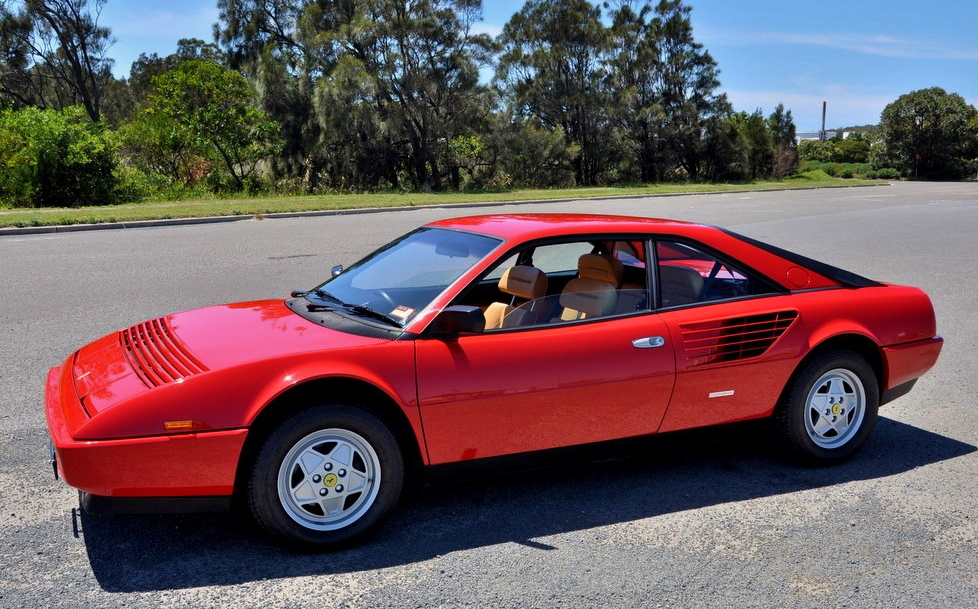
- Built
- 1980–1993
- Generations
- 4
- Top power
- 221 kW (300 PS)
Timeline
Mondial generations
Click a generation for its own page
- Mondial 8 1980–1982 · Coupe · 157 kW (213 PS)
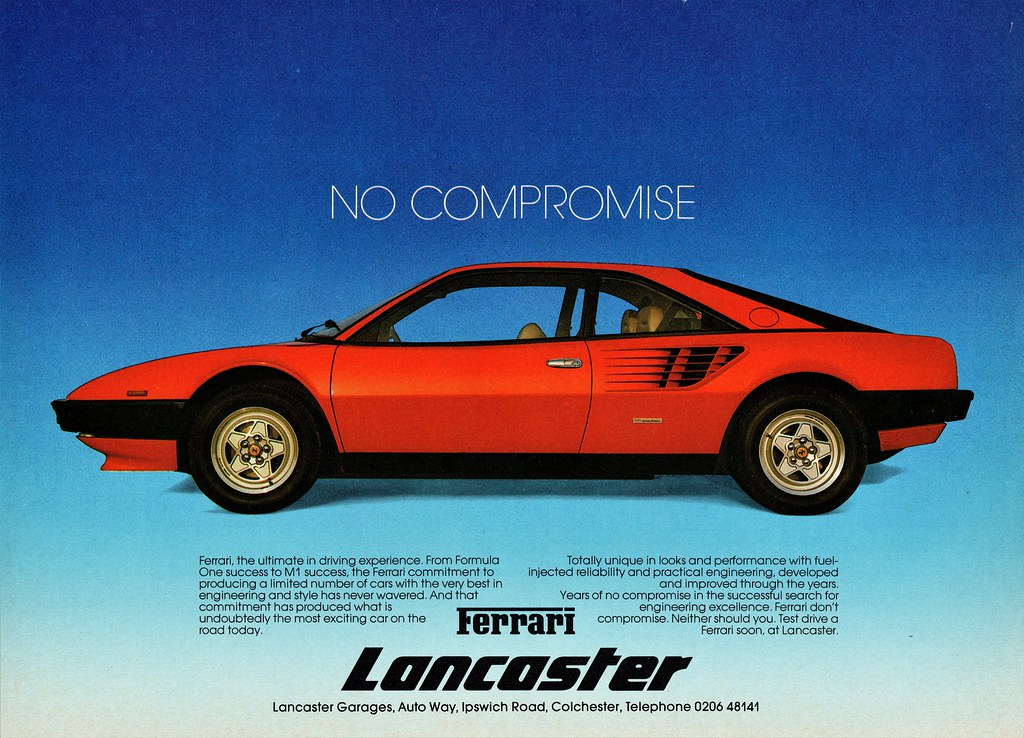
- Mondial Quattrovalvole 1982–1985 · Coupe · 177 kW (241 PS)
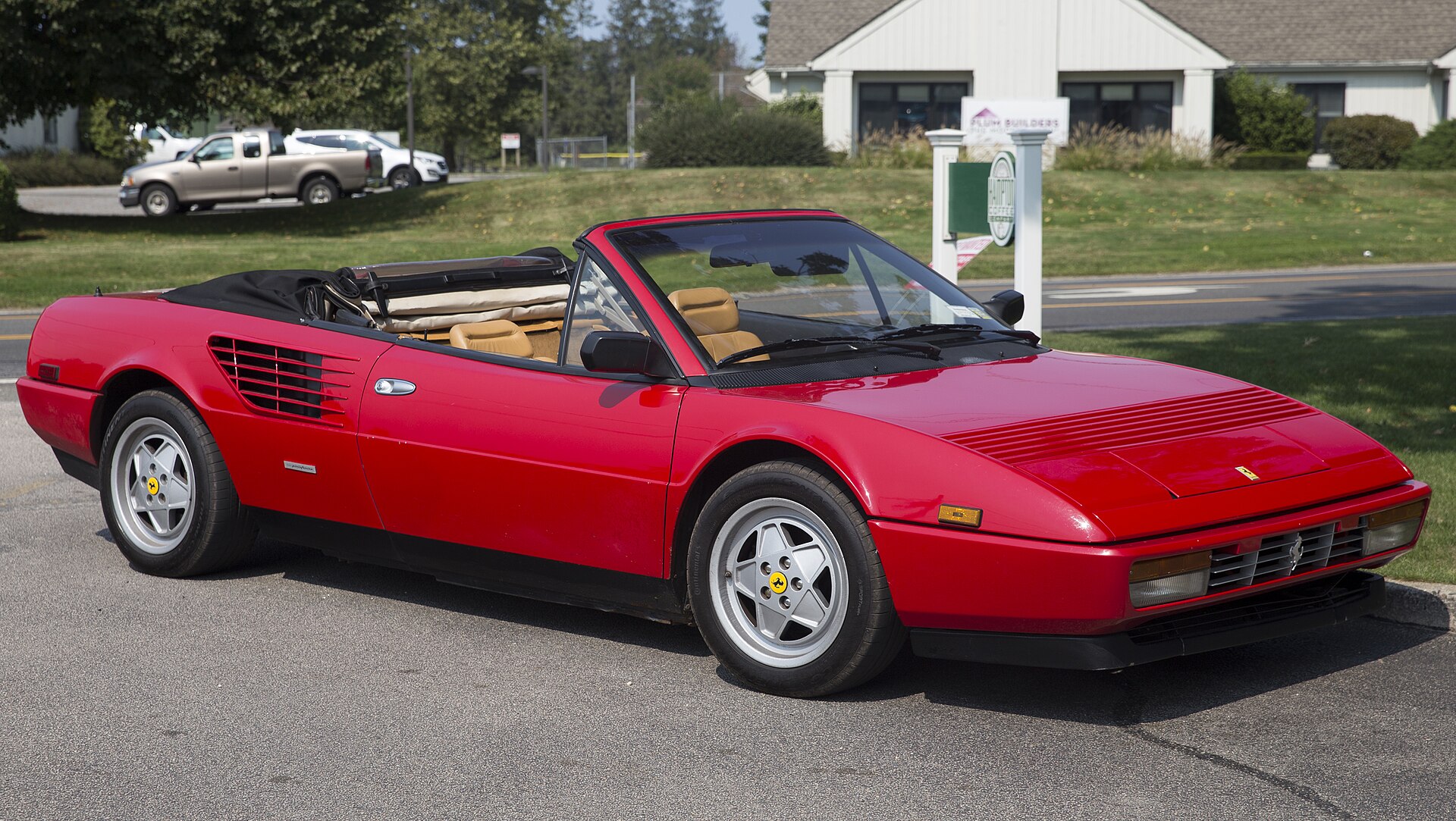
- Mondial 3.2 1985–1989 · Coupe · 199 kW (271 PS)
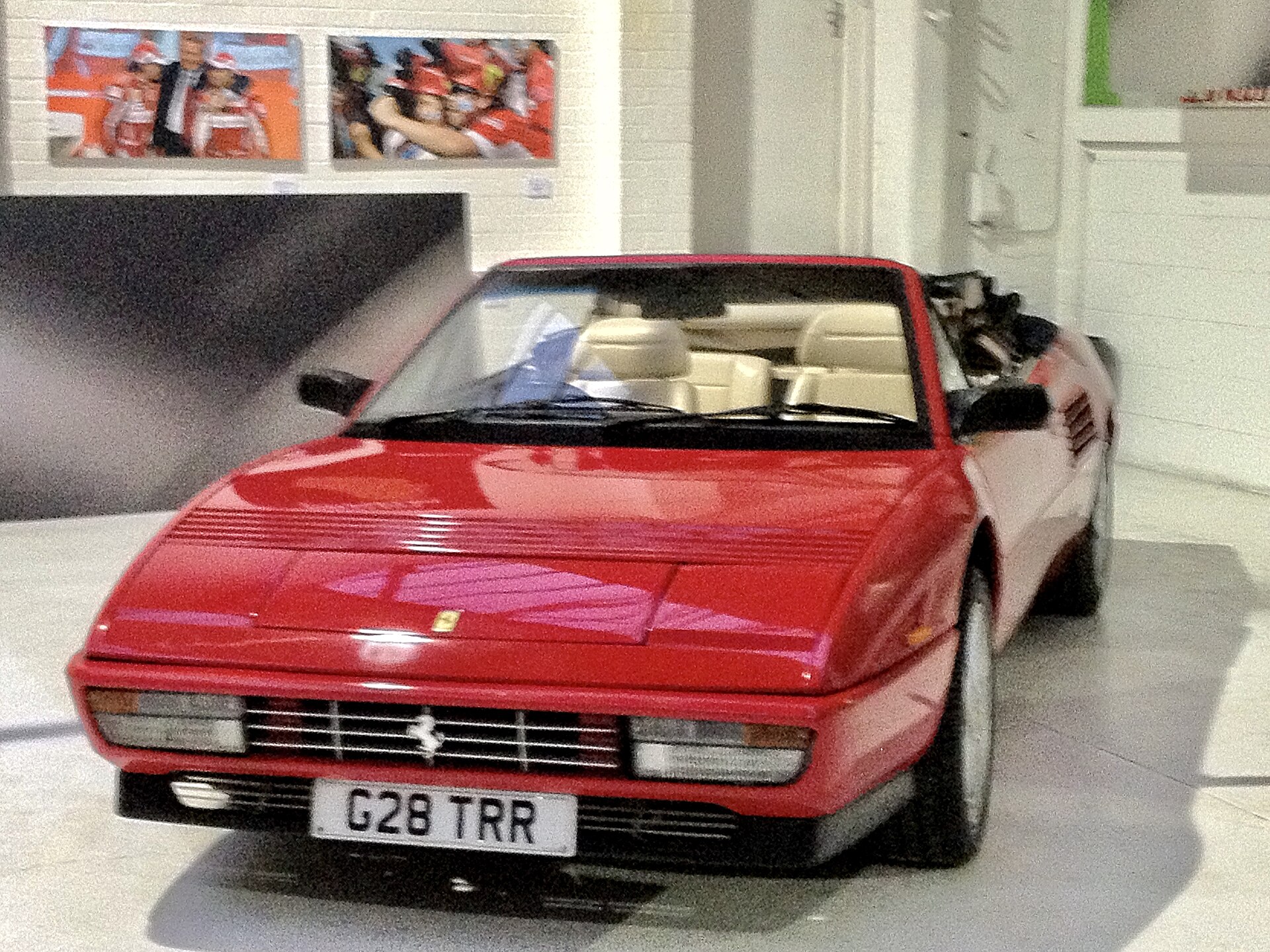
- Mondial t 1989–1993 · Coupe · 221 kW (300 PS)
Newest first · 4 generations since 1980
-
1989
-
1985
-
1982
-
1980
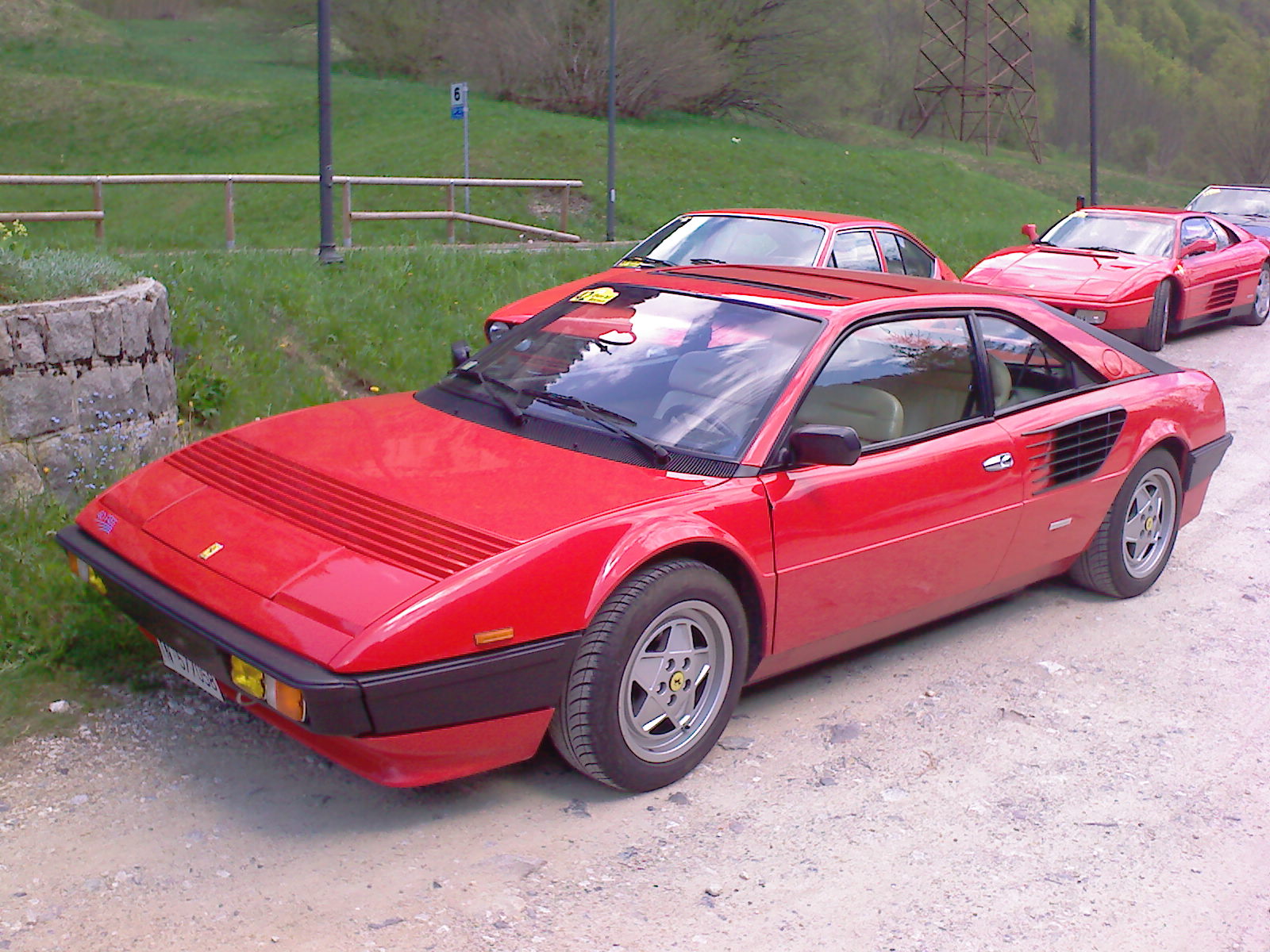


All generations by year: Mondial t (1989–1993) · Mondial 3.2 (1985–1989) · Mondial Quattrovalvole (1982–1985) · Mondial 8 (1980–1982)
Which one is mine?
Pick the year of first registration to see which generation it is.
- Mondial t 1989–1993
- Mondial 3.2 1985–1989
- Mondial Quattrovalvole 1982–1985
- Mondial 8 1980–1982
The Ferrari Mondial is a mid-engined V8 2+2 that Ferrari built in Modena from 1980 to 1993, as a coupé and from 1983 also as a cabriolet. It replaced the 308 GT4 and evolved through four versions — Mondial 8, Quattrovalvole, 3.2 and t — growing from 157 kW (214 hp) to 221 kW (300 hp). With 6,149 cars it was one of Ferrari's best-selling models of its time, and it is described as the last mid-engined V8 Ferrari with four seats.
In short
- Type F108, built 1980–1993; debut at the Geneva motor show in 1980; 6,149 cars (3,693 coupés, 2,456 cabriolets).
- Mid-mounted V8 from 2,926 cc to 3,405 cc: 157 kW (214 hp) in the Mondial 8, 221 kW (300 hp) in the Mondial t.
- Steel space frame with detachable subframes; styled by Pininfarina, bodies built by Scaglietti.
- The cabriolet is described as the only regular-production four-seat convertible with a mid-mounted engine.
Ferrari Mondial at a glance
| Specification | Ferrari Mondial |
|---|---|
| Production | 1980–1993, Modena (Italy) |
| Cars built | 6,149 (3,693 coupés, 2,456 cabriolets) |
| Body | 2+2 coupé and cabriolet; mid-engine, rear-wheel drive |
| Engine | 90° V8, 2,926 cc to 3,405 cc |
| Power | 157 kW (214 hp) to 221 kW (300 hp) |
| Gearbox | five-speed manual; transverse transaxle in the Mondial t |
| Wheelbase | 2,650 mm |
| Weight (cabriolet) | 1,570–1,607 kg |
| Predecessor | 308 GT4 |
The Mondial was sold alongside the two-seat 308, 328 and 348; all Ferrari models are listed in the Ferrari catalogue. For later mid-engined V8 Ferraris, see the F430 and the 458 Italia.
History and the name
The Mondial 8 was presented at the Geneva motor show in 1980 as the successor to the 308 GT4 2+2. Pininfarina styled the car: Pierangelo Andreani designed the original Mondial 8, and Leonardo Fioravanti later reworked it. Carrozzeria Scaglietti built the bodies.
"Mondial" means "global" in French. The name referred to the car's compliance with the safety and emissions rules of 1980 and to Ferrari's world championship successes; Ferrari had used the name in the 1950s and 1970s. The Mondial 8 was also the first Ferrari to break with the company's usual three-digit naming.
To fit two rear seats, the Mondial is larger, taller and heavier than the two-seat V8 Ferraris. Its 2,650 mm wheelbase is 100 mm longer than the 308 GT4's.
Engine and versions
Every Mondial uses a 90° V8 derived from the engine of the 308 GT4, with belt-driven double overhead camshafts per bank. The engine was enlarged over time and received four valves per cylinder from the Quattrovalvole onwards.
| Version | Years | Capacity | Power | Torque | Built |
|---|---|---|---|---|---|
| Mondial 8 | 1980–1982 | 2,926 cc | 157 kW (214 hp) at 6,600 rpm | 243 Nm | 703 coupés |
| Mondial QV | 1982–1985 | 2,926 cc | 177 kW (240 hp) at 6,800 rpm | 255 Nm | 1,145 coupés, 629 cabriolets |
| Mondial 3.2 | 1985–1988 | 3,185 cc | 199 kW (270 hp) at 7,000 rpm | 304 Nm | 987 coupés, 810 cabriolets |
| Mondial t | 1988/1989–1993 | 3,405 cc | 221 kW (300 hp) at 7,200 rpm | 324 Nm | 858 coupés, 1,017 cabriolets |
The 8 and QV used Bosch K-Jetronic fuel injection; the t has Bosch Motronic engine management and dry-sump lubrication. The 3.2 was presented at the Frankfurt motor show in 1985 and received ABS from 1987.
Mondial t. The last version changed the layout: the engine was turned to sit lengthwise, while the gearbox remained transverse, connected through bevel gears — hence the "t". This transaxle design came from Ferrari's 312T Formula 1 car, and the same layout was used in later mid-engined V8 Ferraris, starting with the 348. The t also has power steering, ABS as standard, adjustable dampers and, from 1991, an optional Valeo clutch that works without a pedal. Outwardly it can be recognised by its rectangular headlights, smaller side intakes and body-coloured bumpers.

Chassis and cabin
The Mondial has a steel space frame with mostly steel body panels; the bonnet and engine cover of the 8 and QV are aluminium. Detachable subframes carry the main mechanical parts, so the engine, gearbox and rear suspension can be removed together. Suspension is by unequal-length wishbones with coil-over dampers and anti-roll bars at all four wheels, and the car has ventilated disc brakes all round.
Inside, the seats and trim are Connolly leather, with four bucket seats, electric front windows, air-conditioning and six instruments in the binnacle. The handbrake lever sits beside the driver's seat.

The Mondial cabriolet
The cabriolet was introduced for 1983 and offered on all later versions. The 629 QV cabriolets built from 1983 to 1985 are the rarest Mondials. According to Wikipedia, the Mondial cabriolet is the only four-seat convertible with a mid-mounted engine made in regular production. The QV and 3.2 cabriolets weigh 1,607 kg, the t cabriolet 1,570 kg.

Reception and legacy
The Mondial 8 was criticised for modest performance: it was heavier and less aerodynamic than its two-seat siblings, emission rules cost it power, and it cost more than the faster 308 GTBi. The black US-style bumpers were also disliked. The four-valve QV improved straight-line performance, and the t is generally considered the best Mondial for performance and refinement, although more expensive to maintain.
Enthusiasts have often ranked the Mondial among Ferrari's worst cars, but some now see it as a future classic, partly because it costs less than other Ferraris of its era. A special Mondial t was built for PPG as an IndyCar pace car in 1989. The history of the company is in our history of Ferrari.

Photo gallery

Ferrari Mondial evolution in numbers
Did you know?
- The Ferrari Mondial ran for 13 years, from 1980 to 1993, over 4 generations in our catalog.
- The biggest jump in power came with the Mondial 3.2: up to 199 kW (271 PS), 22 kW more than the Mondial Quattrovalvole.
Most powerful version, kW
Figures from the 1cars catalog: power is the strongest version of each generation; generations without the figure are left out.
Ferrari Mondial: first vs latest generation
| Spec | Mondial 8 | Mondial t | Change |
|---|---|---|---|
| Years | 1980–1982 | 1989–1993 | 9 years apart |
| Most powerful version | 157 kW (213 PS) | 221 kW (300 PS) | +64 kW (+41%) |
Oldest and newest generation in the 1cars catalog. Power is the strongest version of each; other rows are shown only when both generations have the figure.
Image credits · Photos from Wikimedia Commons under free licences
- Ferrari Mondial 8 · Photo: Jalo / Wikimedia Commons, CC BY-SA 3.0
- Ferrari Mondial Quattrovalvole · Photo: aldenjewell / Flickr, CC BY 2.0
- Ferrari Mondial 3.2 · Photo: Mr.choppers / Wikimedia Commons, CC BY-SA 3.0
- Ferrari Mondial t · Photo: Ank Kumar / Wikimedia Commons, CC BY-SA 4.0
Ferrari Mondial in our rankings
- No. 16 of 59 · Most powerful cars of the 1980s (199 kW · top 29%)
- No. 277 of 912 · Longest-running car nameplates (13 years · top 32%)
- No. 99 of 345 · Cars with the most generations (4 generations · top 41%)
- No. 436 of 859 · Most powerful cars (221 kW · top 52%)
- No. 81 of 127 · Most powerful Italian cars (221 kW · top 64%)
- No. 225 of 313 · Most powerful coupes (221 kW · top 72%)
More powerful than 71% of ranked cars of the 1980s in the 1CARS catalog (No. 16 of 59).
FAQ
How many Ferrari Mondials were built?
6,149 between 1980 and 1993: 3,693 coupés and 2,456 cabriolets.
What does the "t" in Mondial t mean?
It refers to the layout: the V8 sits lengthwise while the gearbox is mounted transversely.
How powerful is the Ferrari Mondial?
From 157 kW (214 hp) in the Mondial 8 to 221 kW (300 hp) in the Mondial t.
Does the Mondial have four seats?
Yes. It is a 2+2, and the cabriolet is described as the only regular-production four-seat convertible with a mid-mounted engine.
Data sources
Data checked by an editor against the sources below.