
 Ferrari 166 Inter Berlinetta
Specs, engines and history
Updated Published Sources (2) Report an error
By Felix Hartmann, Automotive Technology & EV Contributor Reviewed by Oleksandr Hnatiuk

- Built
- 1948–1950
- Top power
- 82 kW (111 PS)
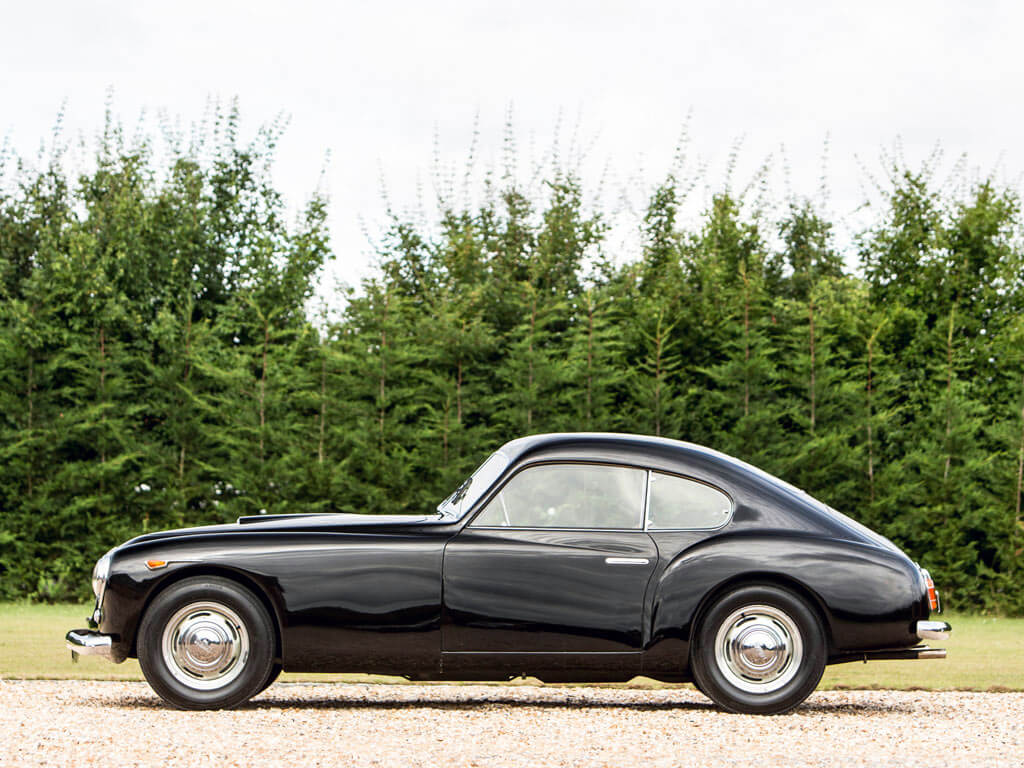
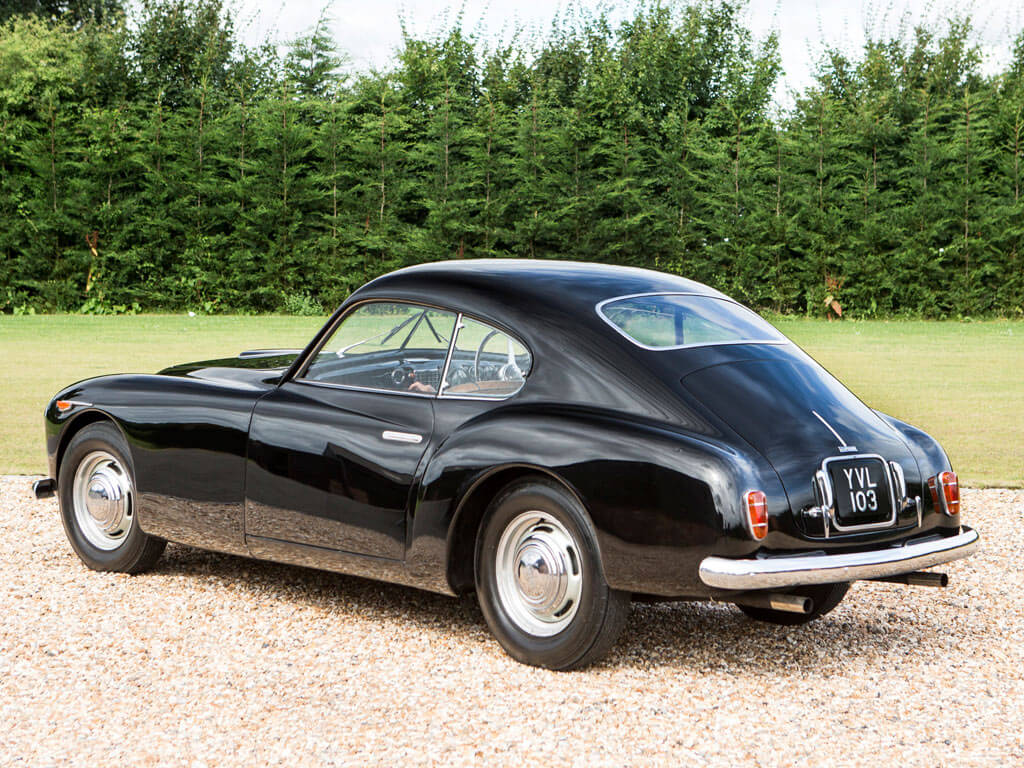
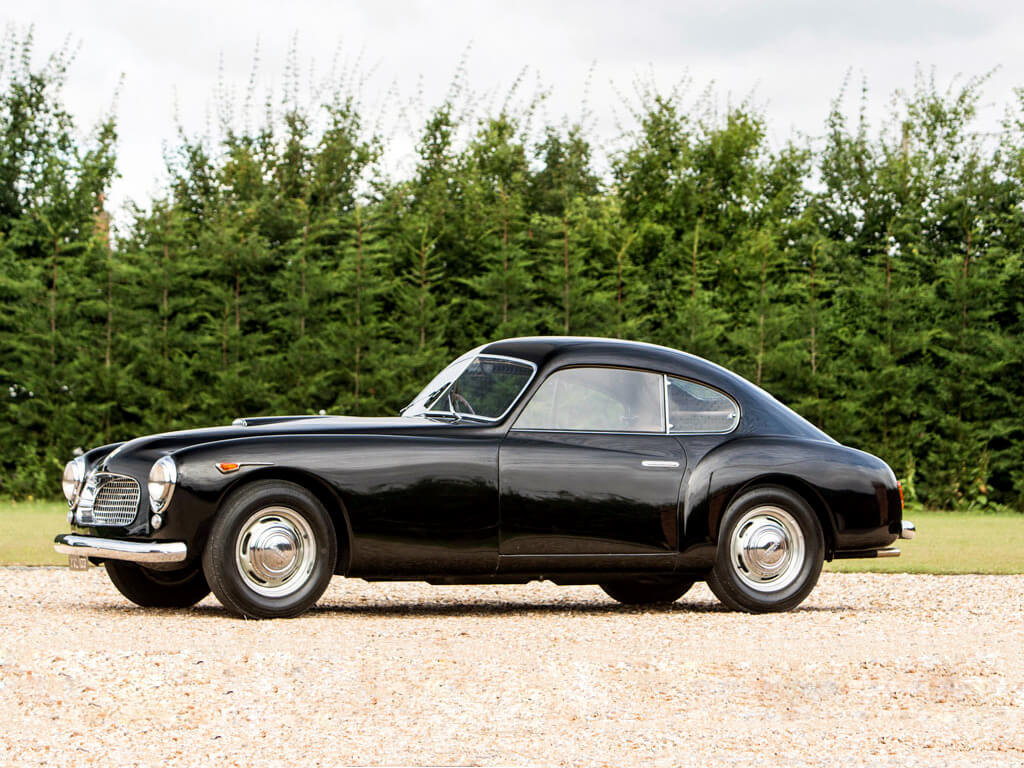
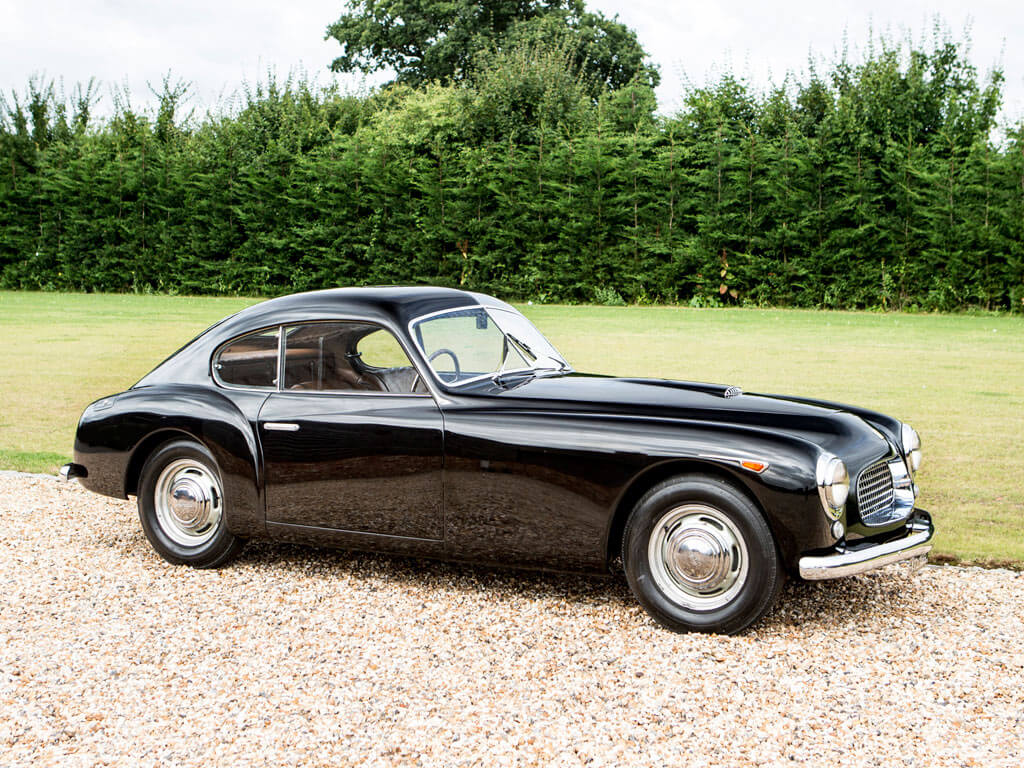
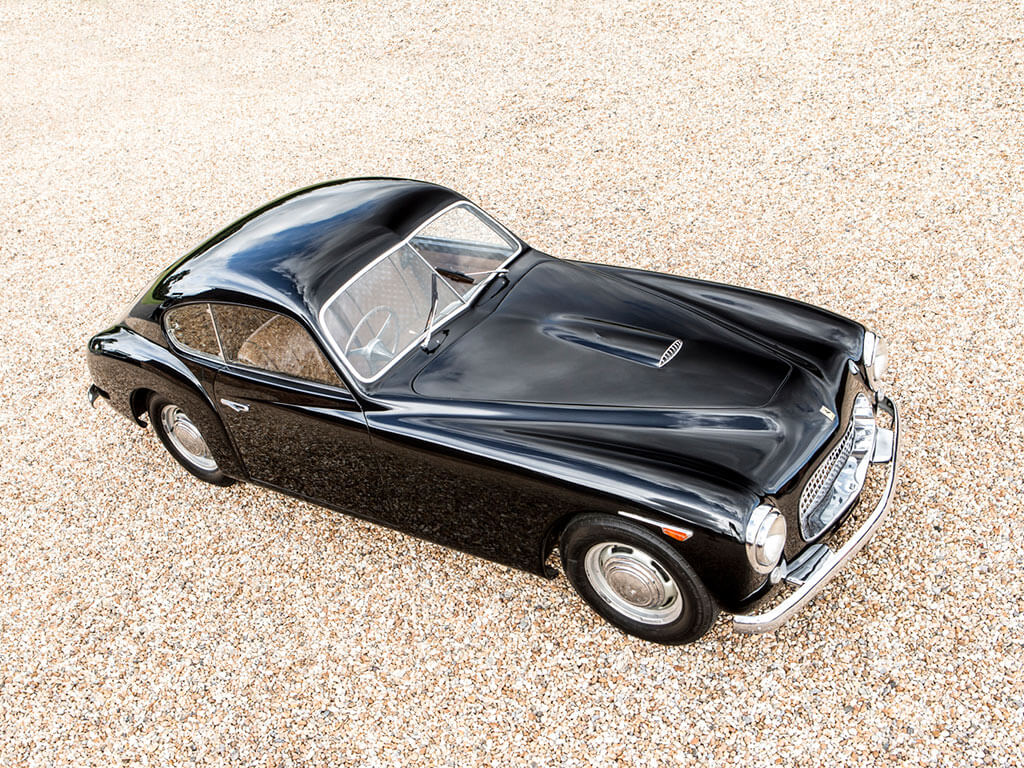
The Ferrari 166 Inter Berlinetta is the closed two-seat coupé version of the 166 Inter, Ferrari's first car built for road customers. Between 1948 and 1950 coachbuilders such as Touring, Stabilimenti Farina and Vignale bodied the 37 to 38 chassis, many of them as berlinettas. All used the 2.0-litre Colombo V12, and the surviving cars now sell for well over a million euros.
In short
- "Berlinetta" is the Italian name for a small closed coupé, a body style chosen for many 166 Inters.
- Touring of Milan built the most bodies, using its Superleggera method; Stabilimenti Farina and Vignale built most of the rest.
- 1,995 cc V12 with 66–82 kW (90–110 PS), five-speed gearbox, about 800–980 kg.
- Chassis 037S by Stabilimenti Farina fetched 1,050,000 US dollars in 2013, about €790,000 at the time.

Size at a glance
| Dimensions | Ferrari 166 Inter Berlinetta |
|---|---|
| Length | 3,950 mm155.5 in |
| Width | 1,410 mm55.5 in |
| Height | 1,390 mm54.7 in |
| Wheelbase | 2,420 mm95.3 in |
Specs by version
Engines
| Version | Engine | Power | Gearbox | Drive |
|---|---|---|---|---|
| 2.0 81 kW (110 PS) Coupe | 2.0 l · 12 cyl 1,995 cc | 81 kW 110 PS109 hp | 5-sp Manual | Rear-wheel drive |
Performance
Show all 1 versions
| Version | 0–100 km/h | Top speed |
|---|---|---|
| 2.0 81 kW (110 PS) Coupe | 10.0 s 0–62 mph | 170 km/h106 mph |
Dimensions and weight
Show all 1 versions
| Version | Length | Width | Height | Wheelbase | Kerb weight |
|---|---|---|---|---|---|
| 2.0 81 kW (110 PS) Coupe | 3,950 mm155.5 in | 1,410 mm55.5 in | 1,390 mm54.7 in | 2,420 mm95.3 in | 900 kg1,984 lb |
Verified Manufacturer and type-approval data from our catalog · Sources and methodology
Ferrari 166 Inter Berlinetta specifications

| Specification | Value |
|---|---|
| Production | 1948–1950, about 37–38 chassis in all body styles |
| Engine | 1,995 cc Colombo V12, 60°, front-mounted |
| Bore × stroke | 60 × 58.8 mm |
| Compression | 7.5:1 |
| Carburettor | one Weber 32 DCF twin-choke (most cars) |
| Power | 66 kW (90 PS) at 5,600 rpm to 82 kW (110 PS) at 6,000 rpm (sources differ) |
| Gearbox | five-speed manual, rear-wheel drive |
| Chassis | tubular steel frame, live rear axle |
| Wheelbase | 2,420 mm (later chassis 2,500 and 2,620 mm) |
| Track front / rear | 1,250 / 1,200 mm |
| Brakes | hydraulic drums all round |
| Weight | about 800–980 kg, depending on body and source |
| Top speed | about 150–170 km/h |
What "Berlinetta" means on a 166 Inter
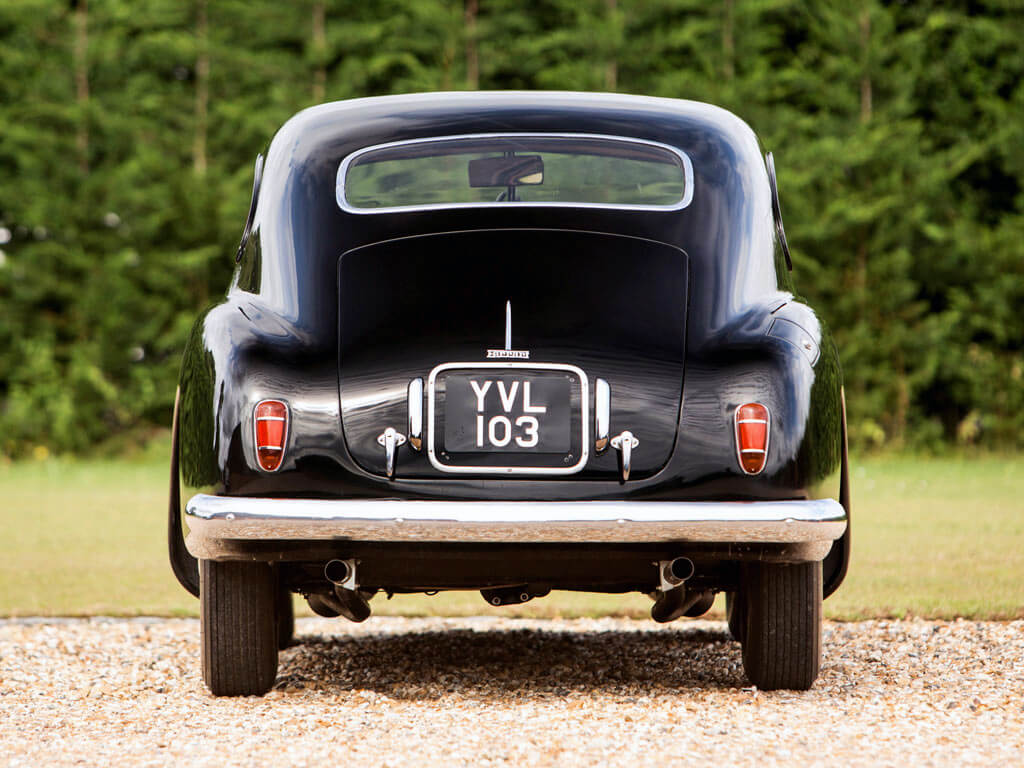
In the late 1940s Ferrari sold rolling chassis, and the customer chose a coachbuilder to make the body. A berlinetta, literally a "little saloon", was a closed two-seat coupé with a fastback or notchback roof. Other 166 Inters were built as open barchettas or as cabriolets, but the berlinetta was a popular choice for road use.

Each car was slightly different, because every coachbuilder worked by hand and adapted the body to the customer's wishes. That is why histories of the 166 Inter often follow individual chassis numbers, which end in "S" on the early cars. For the overall model story, with its racing roots and the Scuderia Inter name, read our main Ferrari 166 Inter article.
The old 1cars text linked the "Inter" name to a Coppa Inter-Europa race. Wikipedia instead connects it to the victories of the Scuderia Inter team in the 166 S, and we follow that explanation.
The Colombo V12 and the 166 chassis
Gioacchino Colombo's 60-degree V12 had a single overhead camshaft per bank and two valves per cylinder. Each cylinder displaced about 166 cc, which gave the model its number. In road form it breathed through one Weber 32 DCF twin-choke carburettor, and the compression ratio was a mild 7.5:1.

Output figures differ between sources, and the 1cars power converter helps to compare PS, bhp and kW. Wikipedia gives 66 kW (90 PS) at 5,600 rpm, while dealer and specification sources, as well as the old 1cars text, quote 82 kW (110 bhp) at 6,000 rpm. The difference probably reflects different carburettor and compression settings from car to car, which the old text also mentions.
The tubular frame was made by the Italian firm Gilco to Ferrari's design. A five-speed manual gearbox drove the rear wheels through a live axle. Steering was by worm and sector, and the steel disc wheels used Rudge-type splined hubs. By our calculation, the 110 PS version carried about 7 to 9 kg per hp, depending on body weight; you can check such figures with the power-to-weight calculator.
Touring Superleggera berlinettas
Carrozzeria Touring of Milan built more 166 Inter bodies than any other firm. Its Superleggera method used thin aluminium panels over a light frame of small steel tubes. The first Touring car appeared at the Turin show in 1948, and a Touring coupé was the star of Ferrari's stand at the Paris Motor Show on 6 October 1949.

A specialist dealer's records list five similar Touring bodies on the early chassis 005S, 007S, 013S, 015S and 017S. Chassis 015S, described as the 15th car Ferrari built, was completed in June 1948 and first sold to Paolo Castelnuovo of Venice. It later lived in South Africa, the United States and England before returning to Italy in 2000. Its dry weight is given as 980 kg.
The later Touring berlinetta 043S of 1950 has the classic Touring shape, with a rounded tail and a small oval grille. The Touring "Aerlux" coupé, chassis 029S, had a transparent roof panel and is now in a Dutch museum.
Stabilimenti Farina and Vignale bodies
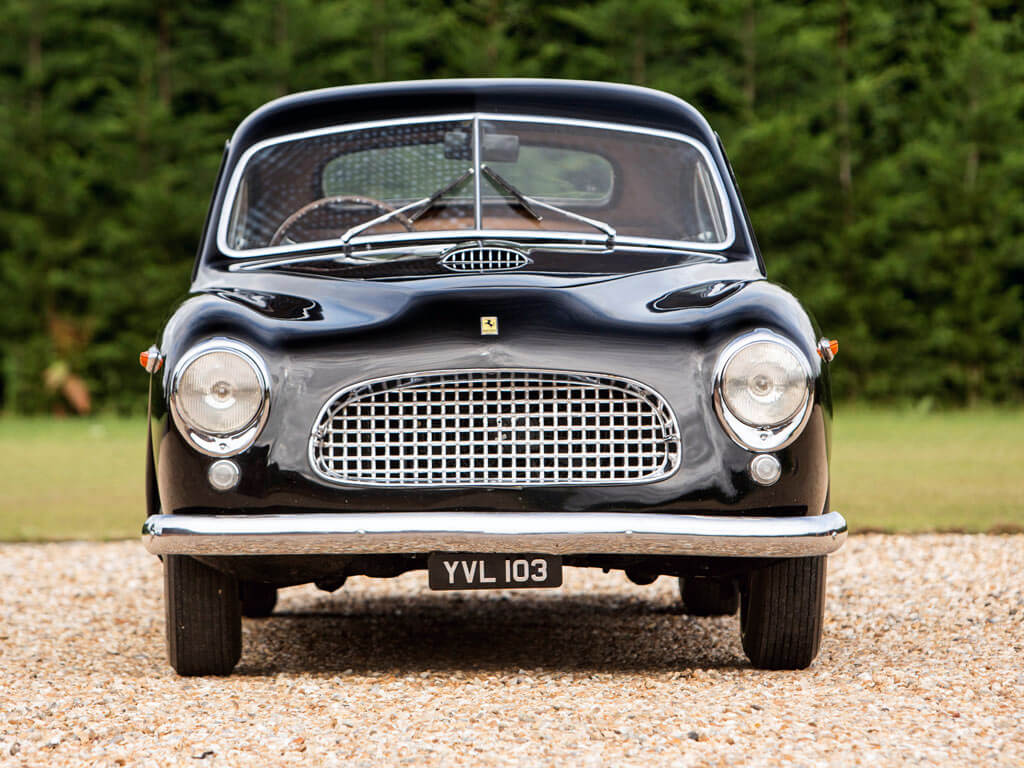
Stabilimenti Farina of Turin, run by the brother of Pinin Farina, bodied about ten 166 Inters. One auction listing counts four coupés and two cabriolets, so the exact split is uncertain. The car the old 1cars text describes, the "166 Inter Stabilimenti Farina Berlinetta", belongs to this group. Its bodies were more upright than Touring's, with a taller roof and a more formal grille.

Chassis 037S is the best-documented example: the seventh of the Stabilimenti Farina cars, it was later fitted with three twin-choke carburettors in place of the original single unit. Vignale built seven bodies on the 166 Inter, often with two-tone paint and more chrome. Ghia made one coupé and Bertone one cabriolet.
| Coachbuilder | Bodies on the 166 Inter | Typical style |
|---|---|---|
| Touring (Milan) | most cars | light Superleggera coupés and barchettas |
| Stabilimenti Farina (Turin) | about 6–10 | upright coupés and cabriolets |
| Vignale (Turin) | 7 | coupés with two-tone paint |
| Ghia | 1 | coupé by Felice Mario Boano |
| Bertone | 1 | cabriolet |
Known chassis and auction prices
The 166 Inter berlinettas appear at auction only rarely, and prices have risen steeply. The figures below are as published by the auction houses, with an approximate EUR value at the time of sale.

| Chassis | Body | Sale | Price as published | Approximate EUR |
|---|---|---|---|---|
| 029S | Touring Aerlux coupé | Brooks, Gstaad 1998 | 244,800 US dollars | about €220,000 |
| 037S | Stabilimenti Farina berlinetta | 2009 auction | €340,313 | as published |
| 037S | Stabilimenti Farina berlinetta | Monterey 2010 | 462,000 US dollars | about €350,000 |
| 037S | Stabilimenti Farina berlinetta | Russo and Steele, Monterey, August 2013 | 1,050,000 US dollars | about €790,000 |
| 043S | Touring berlinetta | auction, date not given | 412,500 US dollars | - |
| 015S | Touring berlinetta | offered at auction | not sold at €350,000 | as published |
By our calculation, chassis 037S rose in value by about 127 % between 2010 and 2013. Compared with the 1998 sale of 029S, the 2013 price was more than four times higher in US dollars. The old 1cars text quoted a price of about 888,000 US dollars without a date or chassis, so it is not used here.
Driving a 166 Inter Berlinetta
Period reports and the old 1cars text describe a light, responsive car with a free-revving engine and a firm ride. The old text gives 0 to 100 km/h in about 10 seconds and a top speed of 170 km/h, which matches the higher power figure. Wikipedia's 150 km/h fits the lower one.

The gearbox in some cars has no synchromesh, so changes need double-declutching. The drum brakes are adequate for the weight but fade with hard use. Owners today drive these cars mainly at concours events and historic rallies, where originality and matching numbers matter more than speed.
Successors and where the 166 Inter Berlinetta fits
In 1950 the 166 Inter gave way to the 195 Inter with a 2.3-litre engine, and then to the Ferrari 212 Inter. The line led to the Ferrari 250 Europa and the 250 GT family, which made Ferrari a serious maker of road cars. The berlinetta form itself became a Ferrari tradition, used on cars from the 250 GT to the F12berlinetta.

For the founder's role in these early cars, see our Enzo Ferrari profile, and the company's story is in the history of Ferrari.
Who should buy a 166 Inter Berlinetta
These cars suit serious collectors of early Ferrari road cars and of Italian coachbuilding. A buyer needs a full chassis history, a Ferrari Classiche or equivalent certificate and confirmation that the engine, gearbox and axle numbers match. Body originality matters, because several 166 chassis were rebodied over the years.

For a broader look at cars of the period, browse the 1940s classics or the Ferrari brand page.

Ferrari 166 Inter Berlinetta in our rankings
- No. 3 of 104 · Smallest coupes (3,950 mm)
- No. 3 of 93 · Lightest coupes (900 kg)
- No. 14 of 412 · Lightest cars (900 kg · top 4%)
- No. 48 of 549 · Smallest cars (3,950 mm · top 9%)
- No. 244 of 409 · Power-to-weight: cars (90 kW/t · top 60%)
- No. 490 of 689 · Biggest engines: cars (1,995 cc · top 72%)
Shorter than 97% of ranked coupes in the 1CARS catalog (No. 3 of 104).
Ferrari 166 Inter Berlinetta photos 16


FAQ
How many Ferrari 166 Inter Berlinettas were built?
About 37 to 38 Ferrari 166 Inter chassis were built from 1948 to 1950, and many received closed berlinetta bodies. Touring built the largest number, followed by Stabilimenti Farina and Vignale.
What engine does the Ferrari 166 Inter have?
It has a front-mounted 1,995 cc V12 designed by Gioacchino Colombo, with one overhead camshaft per bank. Power was about 66 to 82 kW (90 to 110 PS), depending on carburettor and compression settings.
Who built the bodies for the 166 Inter Berlinetta?
Most bodies came from Carrozzeria Touring in Milan, using its Superleggera construction. Stabilimenti Farina, Vignale, Ghia and Bertone bodied the remaining chassis, so almost every car looks slightly different.
How much is a Ferrari 166 Inter Berlinetta worth?
Chassis 037S, a Stabilimenti Farina berlinetta, sold for 1,050,000 US dollars in August 2013, about €790,000 at the time. Values depend heavily on originality, history and body maker.
Is the 166 Inter Berlinetta the first Ferrari road car?
The 166 Inter is regarded as the first Ferrari built for road customers rather than racing. The berlinetta is its closed coupé form, first shown with a Touring body in 1948.
Data sources
Data checked by an editor against the sources below.
- The text of this article (1cars archive)
- Wikipedia - Ferrari 166 Inter


