 Ferrari 250 Europa
All generations, specs and history
Published Sources (2) Report an error
By Felix Hartmann, Automotive Technology & EV Contributor
- Built
- 1953–1955
- Generations
- 2
- Top power
- 162 kW (220 PS)
Timeline
250 Europa generations
Click a generation for its own page
- 250 Europa I 1953–1954 · Coupe
- 250 Europa GT 1954–1955 · Coupe · 162 kW (220 PS)
Newest first · 2 generations since 1953


All generations by year: 250 Europa GT (1954–1955) · 250 Europa I (1953–1954)
Which one is mine?
Pick the year of first registration to see which generation it is.
- 250 Europa GT 1954–1955
- 250 Europa I 1953–1954
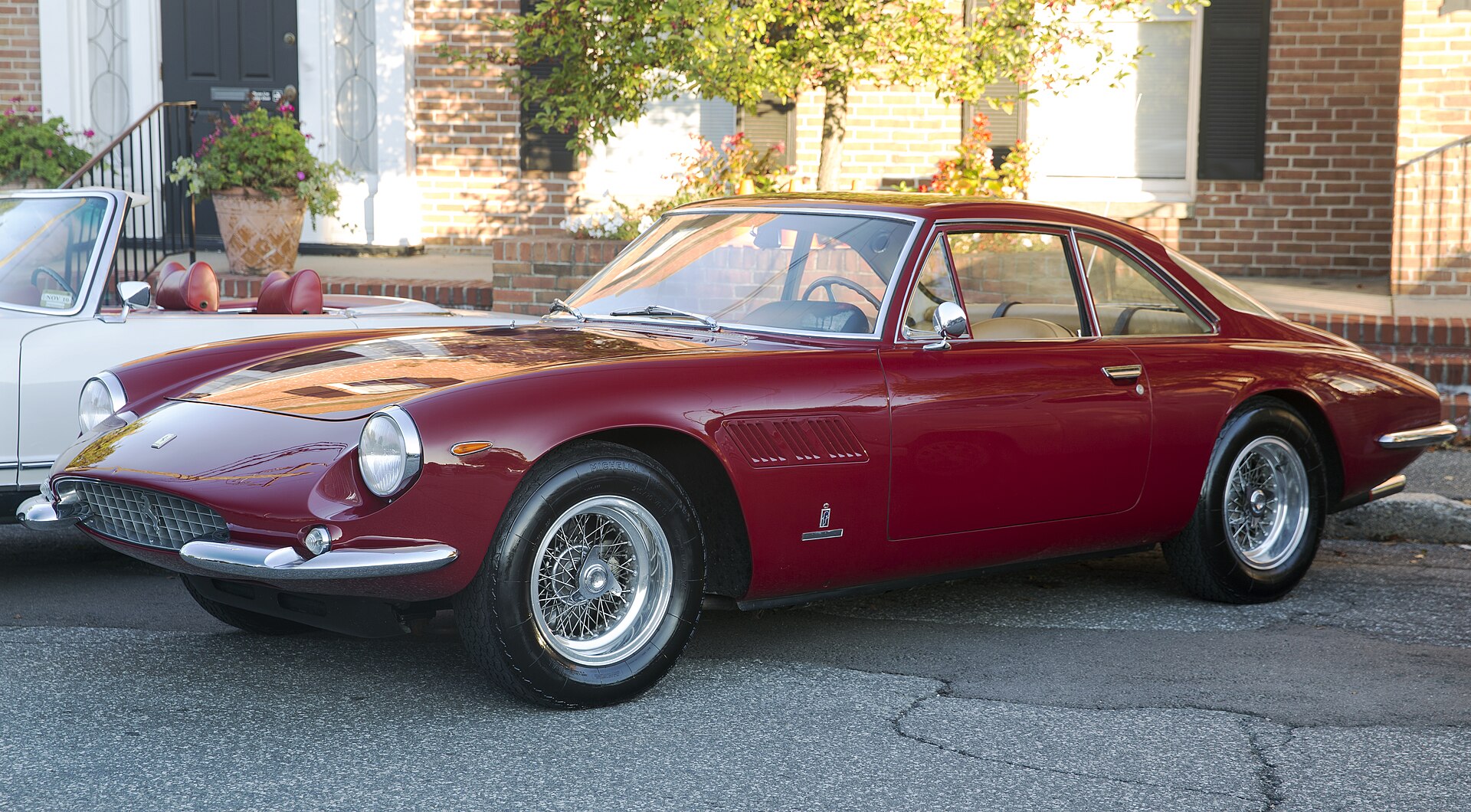
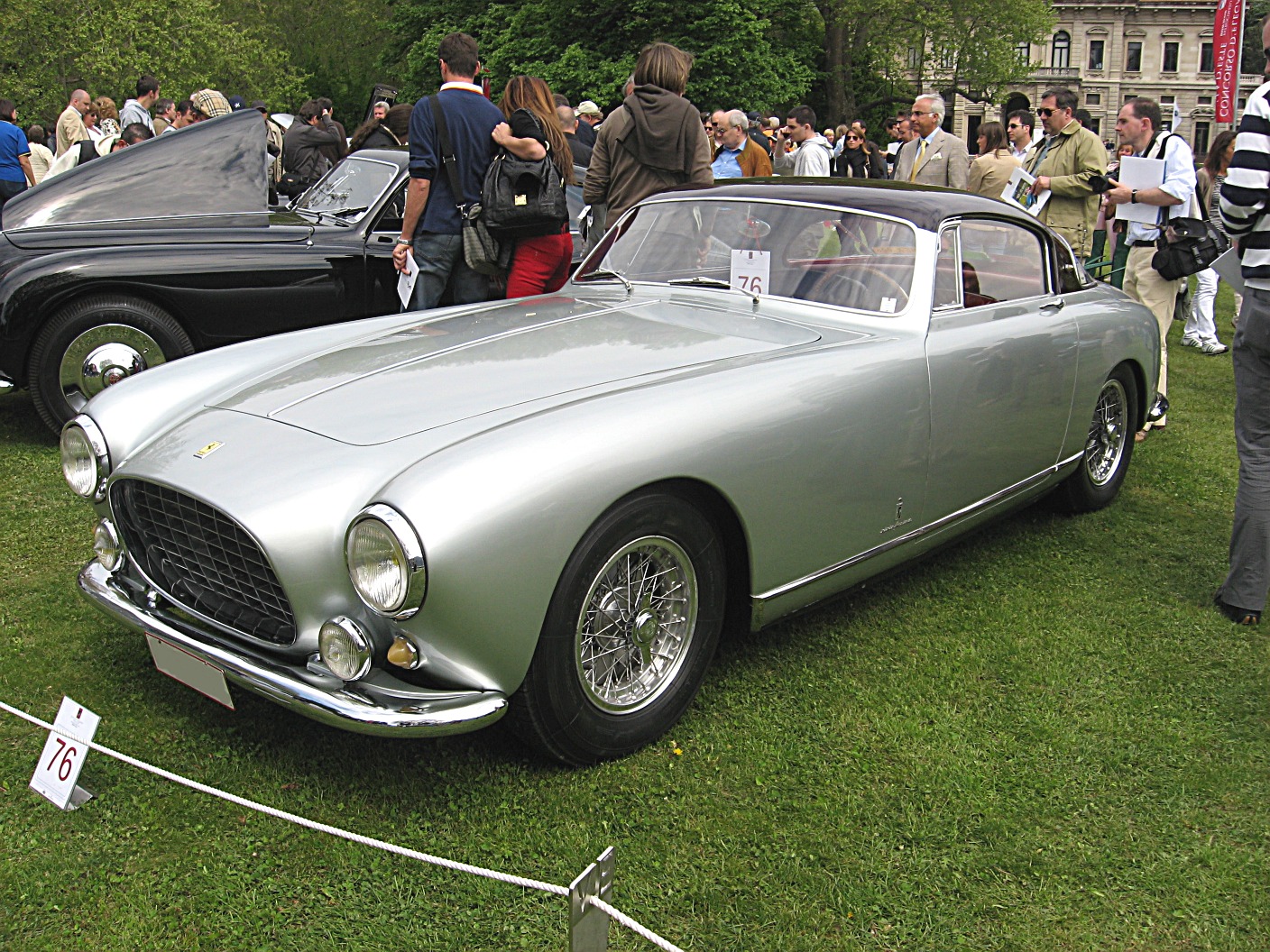
The Ferrari 250 Europa is a front-engined grand tourer that Ferrari presented at the Paris motor show in 1953. It was the first road car with the "250" name that would define Ferrari for the next decade, but it is also an exception within that family: it used Aurelio Lampredi's V12 rather than the Colombo engine of all later 250s. Only 22 were built, with bodies by Pinin Farina and Vignale, before the 250 Europa GT replaced it in 1954.
In short
- Shown at the Paris motor show in 1953; 22 cars built, most bodied by Pinin Farina, four or five by Vignale.
- 2,963 cc Lampredi V12 (Tipo 103), square 68 × 68 mm, three Weber carburettors: 147 kW (200 PS) at 6,300 rpm.
- Four-speed manual gearbox, 2,800 mm wheelbase, chassis shared with the 375 America.
- Followed in 1954 by the 250 Europa GT, the first road car with the Colombo 250 V12 and the first Ferrari called "Gran Turismo".
Ferrari 250 Europa at a glance
| Specification | Ferrari 250 Europa |
|---|---|
| Introduced | 1953, Paris motor show |
| Cars built | 22 |
| Body | coupé or cabriolet by Pinin Farina or Vignale; front engine, rear-wheel drive |
| Engine | Lampredi V12 (Tipo 103), 2,963 cc, bore × stroke 68 × 68 mm |
| Power | 147 kW (200 PS) at 6,300 rpm |
| Gearbox | four-speed manual |
| Wheelbase | 2,800 mm |
| Top speed | estimated 180–217 km/h depending on axle ratio |
| Predecessor / successor | 212 Inter / 250 Europa GT |
The 250 Europa is the first of the 250 road cars, which later included the 250 GT Tour de France and the 250 Testa Rossa racers. All Ferrari models are in the Ferrari catalogue.
History: Paris 1953
The 250 Europa replaced the 212 Inter as Ferrari's touring road car and made its debut at the Paris motor show in 1953. Its name followed Ferrari's system: 250 refers to the displacement of one cylinder, about 250 cc.
Under the skin the car was close to the 375 America. The two shared the chassis, the 2,800 mm wheelbase and most of the mechanical parts - only the engine was different. Because of this, two Europas were later converted to 375 America specification.
The Lampredi V12
The engine is what makes the 250 Europa unusual. Every other car in the 250 family used the V12 designed by Gioacchino Colombo. The Europa instead received a 2,963 cc V12 from Aurelio Lampredi's family of engines, based on a 3.3-litre Formula 1 design. It is "square", with a bore and stroke of 68 mm each, and breathes through three Weber 36DCF (or DCZ) carburettors. It produces 147 kW (200 PS) at 6,300 rpm and drives the rear wheels through a four-speed manual gearbox.
Depending on the rear-axle ratio, the top speed was estimated at between 180 and 217 km/h.
| Parameter | Metric | Imperial |
|---|---|---|
| Engine capacity | 2,963 cc | 181 cu in |
| Bore × stroke | 68 × 68 mm | - |
| Power | 147 kW (200 PS) at 6,300 rpm | - |
| Wheelbase | 2,800 mm | 110.2 in |
| Top speed (estimate) | 180–217 km/h | 112–135 mph |
Coachwork: Pinin Farina and Vignale
Most 250 Europas were bodied by Pinin Farina, which by then had become Ferrari's main coachbuilder. A smaller number came from Vignale, with designs by Giovanni Michelotti. The two Wikipedia articles split the 22 cars slightly differently: one gives 18 Pinin Farina and 4 Vignale cars, the other 17 Pinin Farina coupés and one cabriolet, and four Vignale coupés and one cabriolet.
Several individual cars are well documented. Chassis 0295EU and 0297EU are fitted with Colombo engines; 0325EU has a full aluminium body; 0315AL and 0353AL were converted to 375 America specification. At auction, the Pinin Farina coupé 0349EU sold for €450,000 in 2010, and the Vignale coupé 0313EU for €2,871,000 in 2017.


The 250 Europa GT (1954–1955)
At the Paris motor show of 1954 Ferrari presented the successor, the 250 Europa GT. Its main change was the engine: it was the first road car to use the Colombo 250 V12, a wet-sump unit with three Weber 36DCZ3 carburettors and 162 kW (220 PS). The wheelbase was shortened to 2,600 mm on a conventional chassis.
The Europa GT was also the first Ferrari to carry the "Gran Turismo" name, which would be used on road Ferraris for decades. It ran on Stella Bianca 600-16 tyres and introduced vents in the front wings that became a standard styling cue of later 250 GTs. Coachbuilt Europa GTs, including a Pinin Farina coupé shown in Paris, were produced until 1956.
| Model | Year | Engine | Power | Wheelbase |
|---|---|---|---|---|
| 250 Europa | 1953 | Lampredi V12, 2,963 cc | 147 kW (200 PS) | 2,800 mm |
| 250 Europa GT | 1954 | Colombo V12, 3.0 litres | 162 kW (220 PS) | 2,600 mm |

Timeline
| Year | Event |
|---|---|
| 1953 | 250 Europa shown at the Paris motor show, replacing the 212 Inter |
| 1953–1954 | 22 cars built by Pinin Farina and Vignale |
| 1954 | 250 Europa GT with the Colombo V12 shown at Paris |
| 1956 | Last coachbuilt Europa GT bodies |
| 2010 | 0349EU sells for €450,000 |
| 2017 | Vignale coupé 0313EU sells for €2,871,000 |
Legacy
The 250 Europa is a transitional car: it carried the new 250 name but the older Lampredi engine and a long wheelbase. Its successor, the 250 Europa GT, began the Colombo-engined 250 GT line that ran through the California Spyder and the Lusso until 1964. Today the few surviving Europas are rare and highly valued collector cars. For the company's background see our history of Ferrari.
Image credits · Photos from Wikimedia Commons under free licences
- Ferrari 250 Europa I · Photo: Sicnag / Flickr, CC BY 2.0
Ferrari 250 Europa in our rankings
- No. 561 of 859 · Most powerful cars (162 kW · top 66%)
- No. 104 of 127 · Most powerful Italian cars (162 kW · top 83%)
- No. 270 of 313 · Most powerful coupes (162 kW · top 87%)
- No. 817 of 912 · Longest-running car nameplates (2 years · top 96%)
- No. 236 of 345 · Cars with the most generations (2 generations)
More powerful than 34% of ranked cars in the 1CARS catalog (No. 561 of 859).
FAQ
How many Ferrari 250 Europas were built?
22 cars, mostly with Pinin Farina bodies and four or five with bodies by Vignale.
What engine does the 250 Europa have?
A 2,963 cc Lampredi V12 with 147 kW (200 PS) - the only engine in the 250 family not designed by Gioacchino Colombo.
What is the difference between the 250 Europa and the 250 Europa GT?
The Europa GT of 1954 has the Colombo V12 with 162 kW (220 PS) and a shorter 2,600 mm wheelbase, and it was the first Ferrari called "Gran Turismo".
What does "250" mean?
It refers to the approximate displacement of one cylinder, about 250 cc.
Data sources
Data checked by an editor against the sources below.
- Wikipedia - Ferrari 250 Europa
- Wikipedia