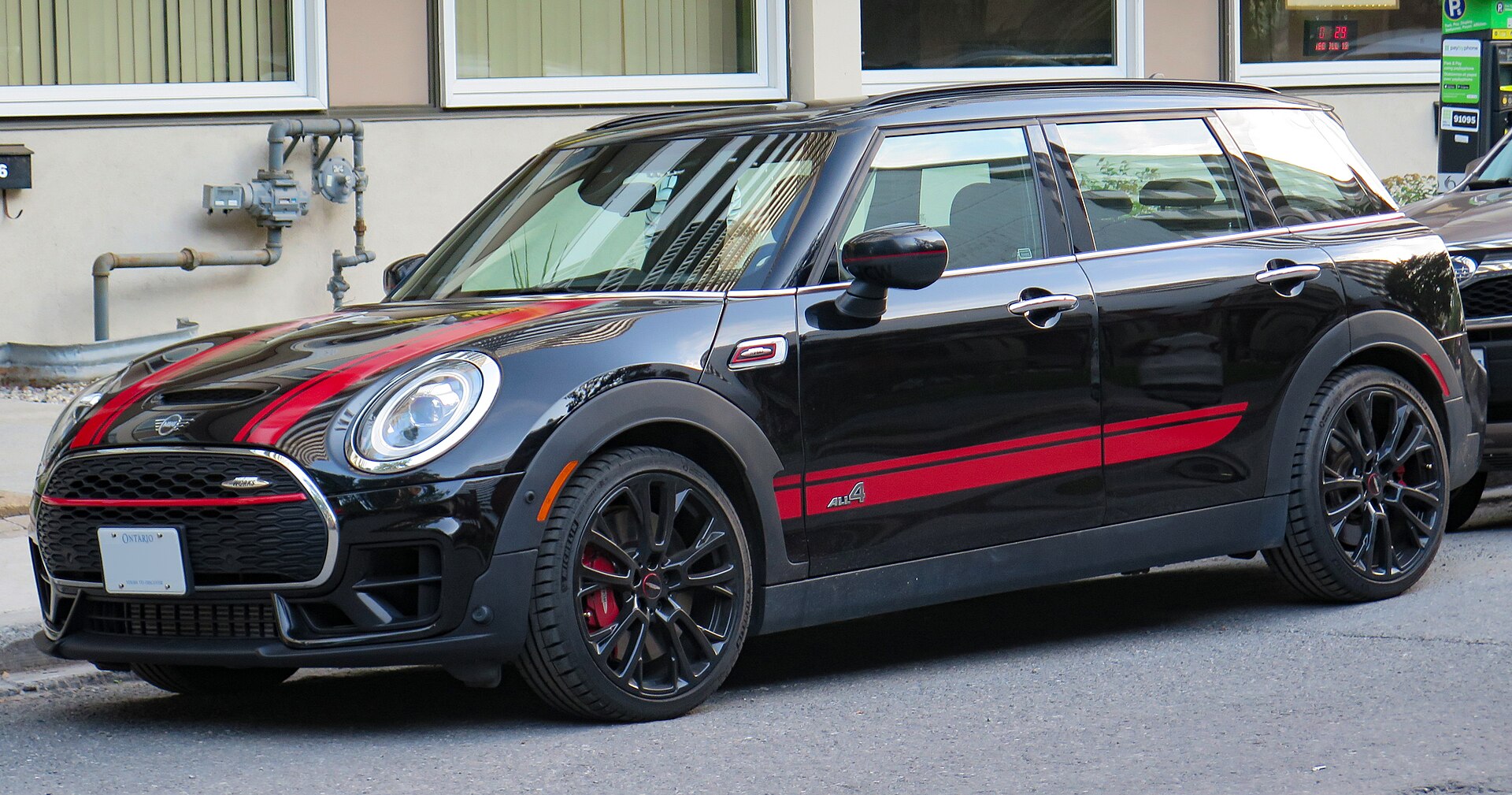
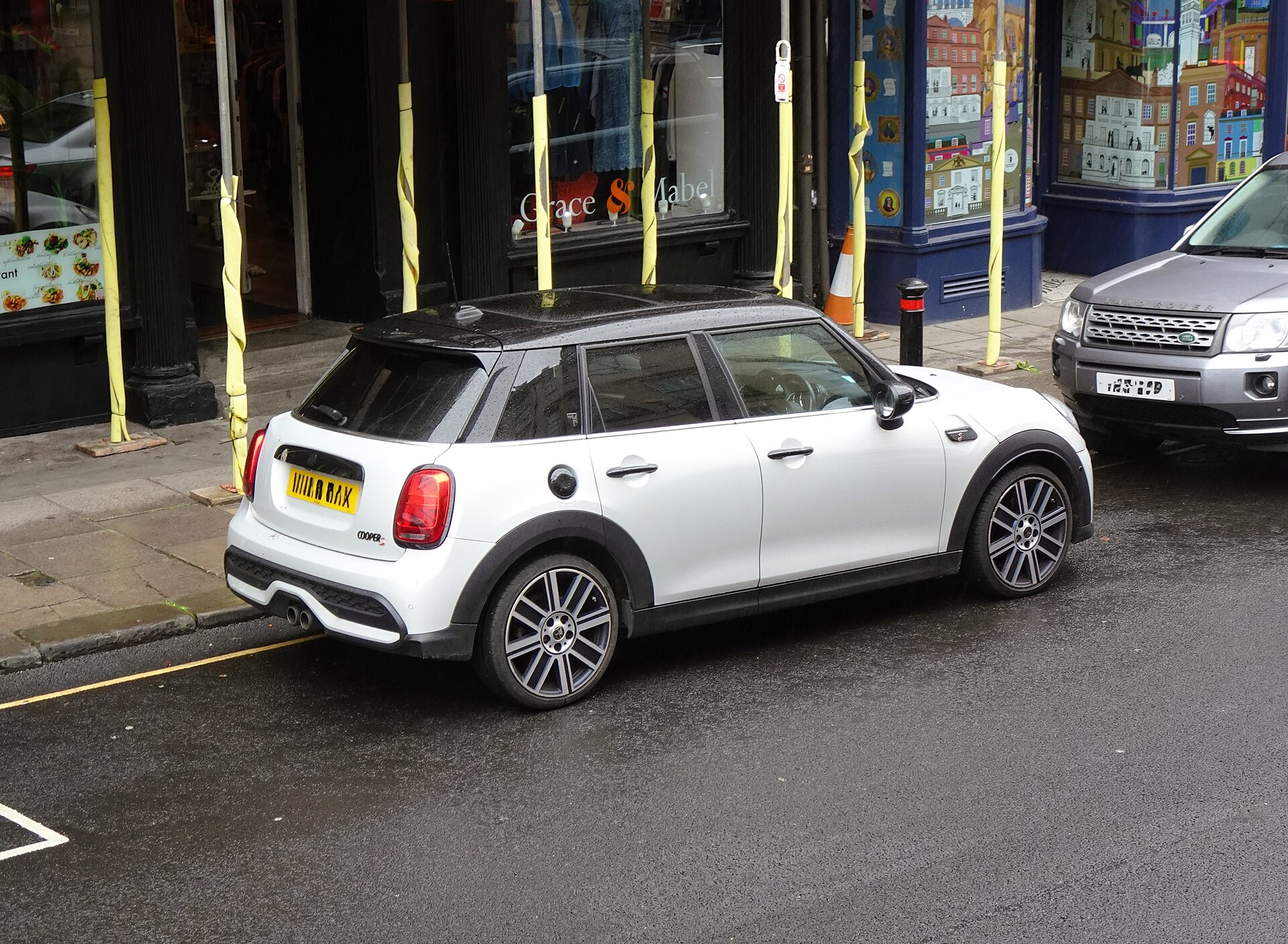
 Mini Hatch
All generations, specs and history
Published Sources (5) Report an error
By Felix Hartmann, Automotive Technology & EV Contributor
- Built
- 2001–present
- Generations
- 4 · R50/R53 to F66/J01
- Top power
- 225 kW (306 PS)
Timeline
Hatch generations
Click a generation for its own page


- Hatch R50/R53 2001–2006 · Hatchback
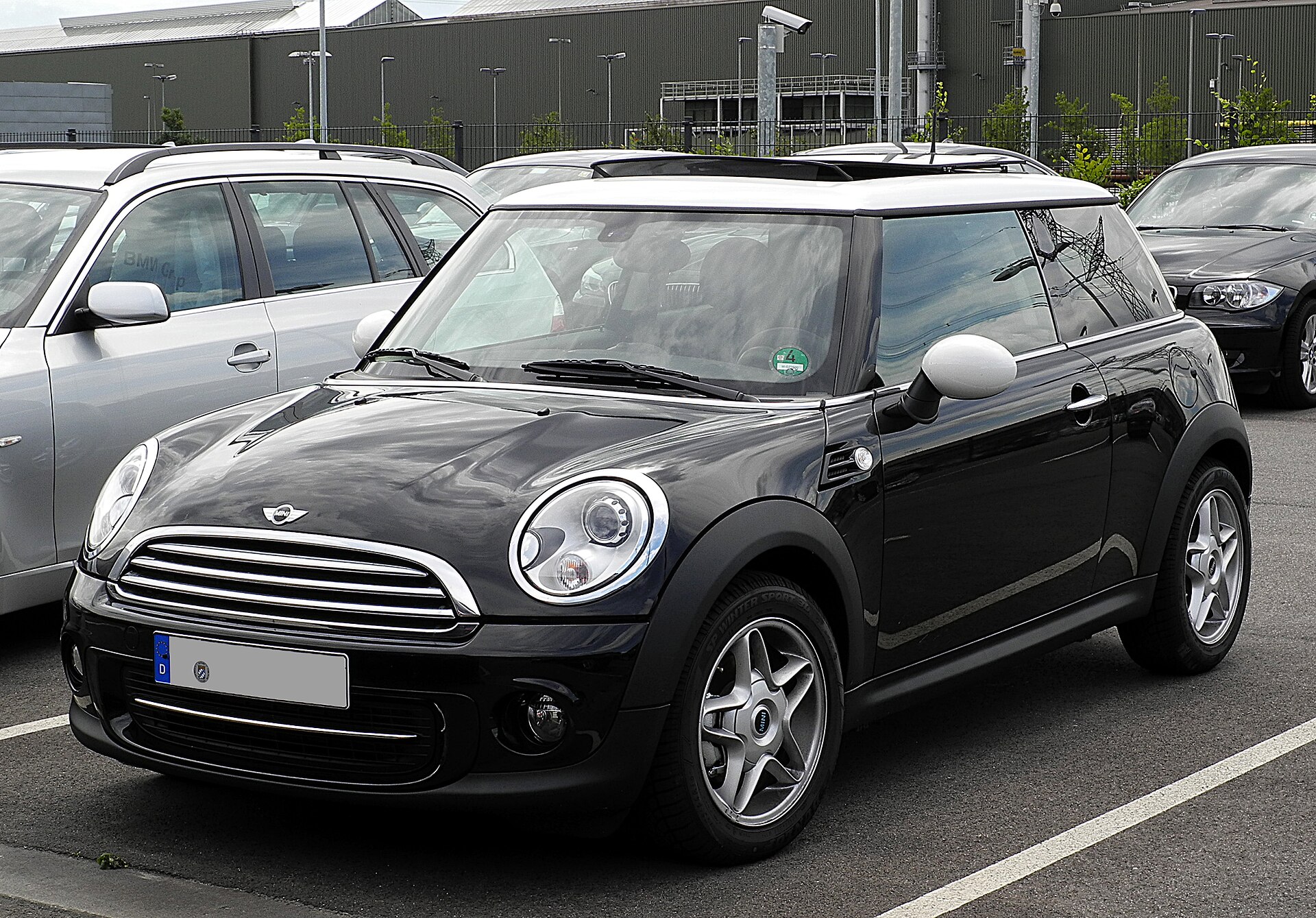
- Hatch R56 2006–2013 · Hatchback · 88–160 kW (120–218 PS)
- Hatch F56/F55 2014–2024 · Hatchback · 55–225 kW (75–306 PS)
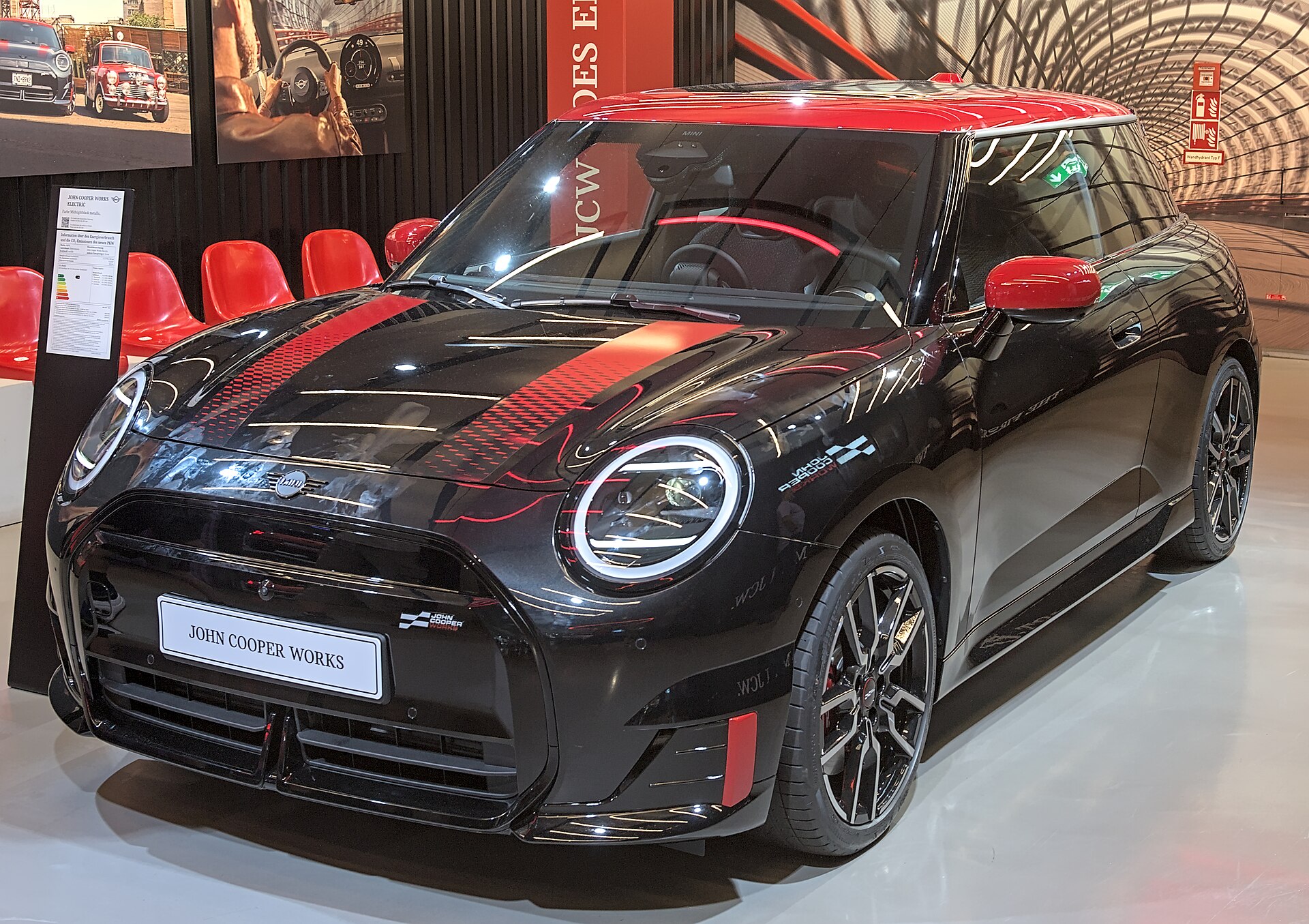
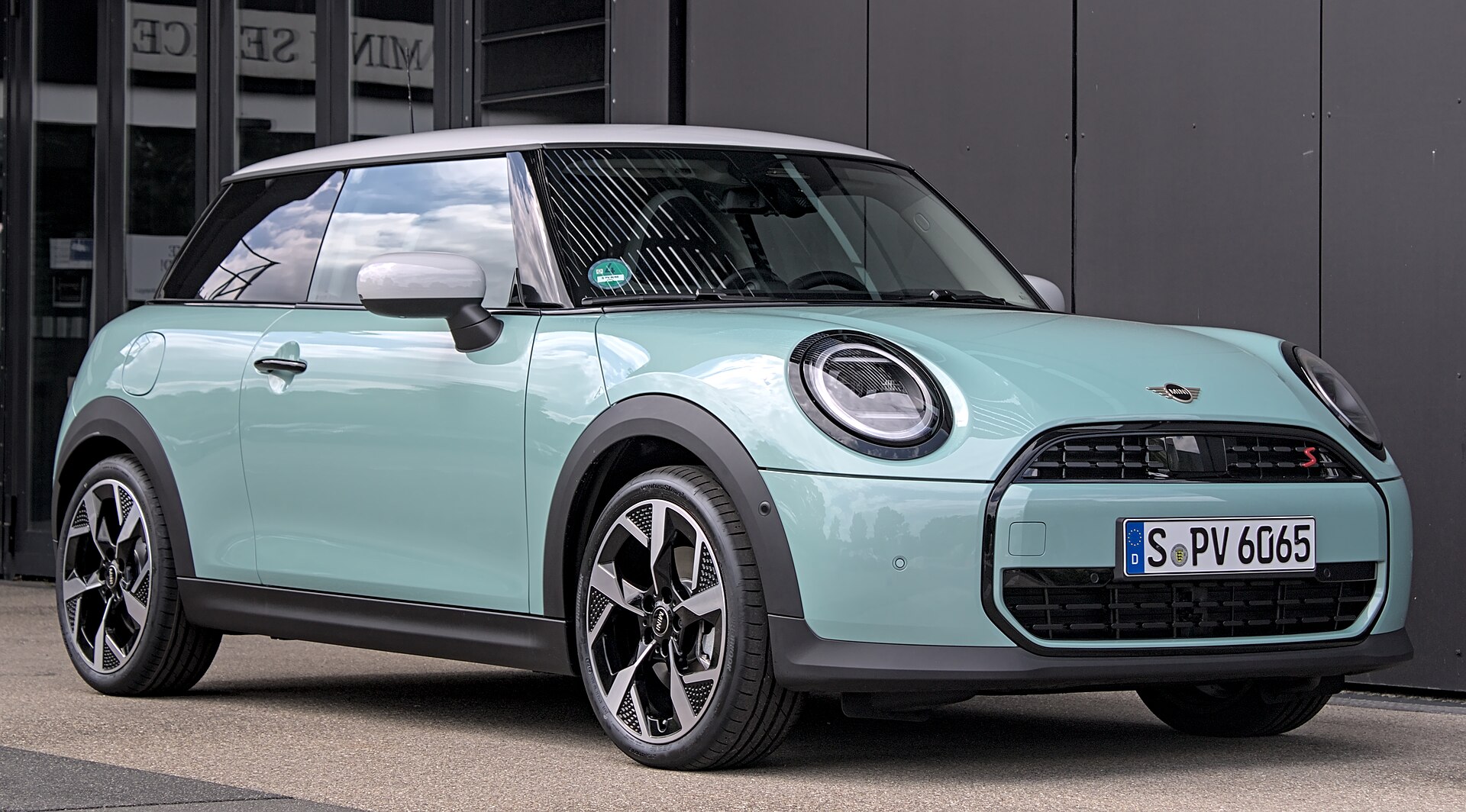
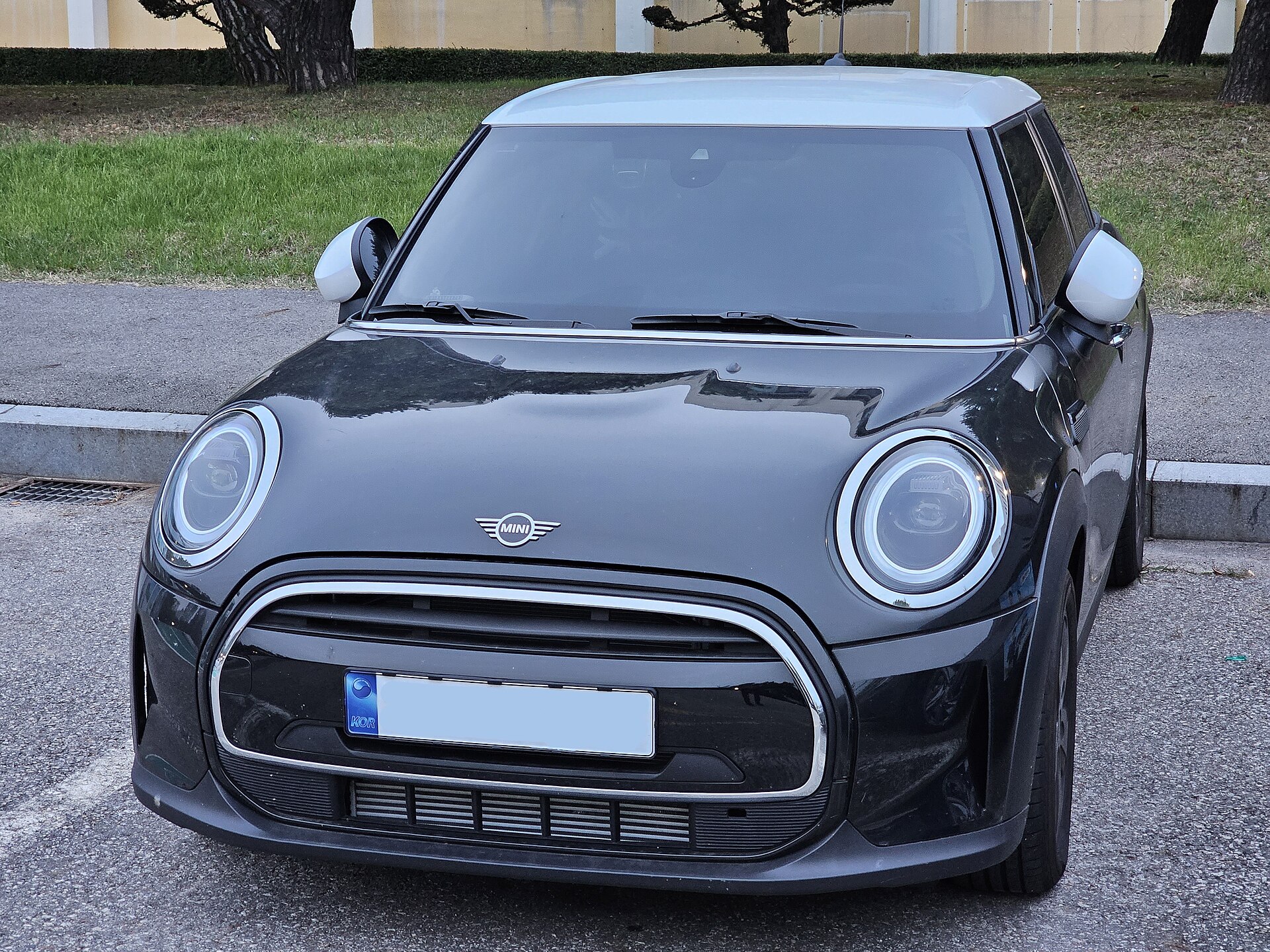
- Hatch F66/J01 Current 2024–now · Hatchback · 115–190 kW (156–258 PS)
Newest first · 4 generations since 2001
-
2024
-
2014
-
2006
-
2001
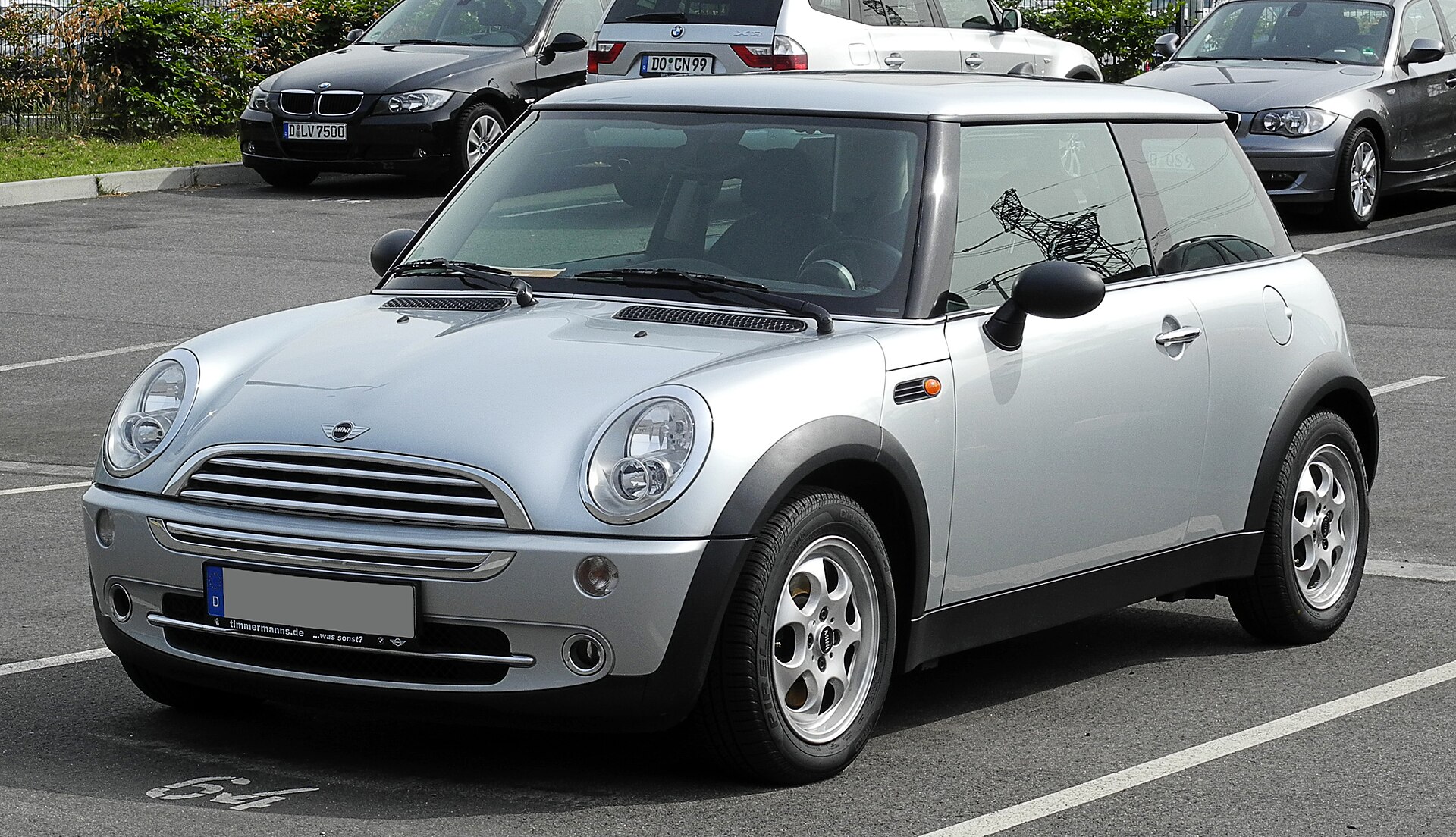
All generations by year: Hatch F66/J01 (2024–now) · Hatch F56/F55 (2014–2024) · Hatch R56 (2006–2013) · Hatch R50/R53 (2001–2006)
Which one is mine?
Pick the year of first registration to see which generation it is.
Check by VINWhich Mini Hatch to choose
Our verdict · Felix Hartmann
For a daily car, the sensible used choice is a facelifted F56 or F55 from 2018 onwards as a 100 kW three-cylinder Cooper. It is bigger than earlier generations and has a dual-clutch gearbox. Families should look at the five-door, or move up to the Mini Countryman. Drivers with home charging and short commutes get the most from the J01 Cooper E or SE, with ranges of 305 and 402 km. Collectors look for the limited GP models of every generation.
The R56 needs the most care when buying: Consumer Reports named the 2006–2012 Cooper S its "worst used car" in 2015. Ask for proof of regular servicing. The full model list is on the Mini catalogue page.
The Mini Hatch is the BMW-era Mini hatchback sold since 2001 as the One, Cooper, Cooper S and John Cooper Works, and since 2020 also with electric drive. Four generations exist: R50/R53 (2001–2006), R56 (2006–2013), F56 with the five-door F55 (2014–2024) and the current pair of the petrol F66 and the electric J01. Power has grown from the early One to 225 kW in the F56 John Cooper Works GP. Production started at Oxford; the electric J01 is built in China.
In short
- Production of the first BMW Mini began at Oxford on 26 April 2001; sales started in July 2001.
- Engines across four generations: from 55 kW (One First) to 225 kW (JCW GP of 2020); diesels from Toyota, PSA and BMW.
- A five-door hatch (F55) joined the three-door with the third generation in 2014.
- Fourth generation: electric J01 from China (Cooper E and SE) and petrol F66 from Oxford, both from 2024.
Size at a glance
Mini Hatch R56
The Mini Hatch F56/F55 is 151 mm longer and 7 mm taller than the Mini Hatch R56.
| Dimensions | Mini Hatch F56/F55 | Mini Hatch R56 | Difference |
|---|---|---|---|
| Length | 3,850 mm151.6 in | 3,699 mm145.6 in | +151 mm+5.9 in |
| Width | 1,727 mm68.0 in | — | — |
| Height | 1,414 mm55.7 in | 1,407 mm55.4 in | +7 mm+0.3 in |
| Wheelbase | 2,495 mm98.2 in | — | — |
| Boot | 211 L7.5 cu ft | — | — |
Running cost
Fuel · Hatch F66/J01 Cooper S
about 1,750 EUR fuel a year at 15,000 km
6.6 l/100 km · petrol at 1.75 EUR/l · change mileage, fuel price or version
Specs by version
Engines
| Version | Engine | Power | Torque |
|---|---|---|---|
| Electric · 4 versions | |||
| F56/F55 · Cooper SE | Electric | 135 kW 184 PS181 hp | 270 Nm199 lb-ft |
| F66/J01 · Cooper E | Electric | 135 kW 184 PS181 hp | 290 Nm214 lb-ft |
| F66/J01 · Cooper SE | Electric | 160 kW 218 PS215 hp | 330 Nm243 lb-ft |
| F66/J01 · John Cooper Works Electric | Electric | 190 kW 258 PS255 hp | 350 Nm258 lb-ft |
| Diesel · 4 versions | |||
| R56 · Cooper SD | Diesel | 107 kW 145 PS143 hp | 305 Nm225 lb-ft |
| F56/F55 · One D | Diesel B37 | 70 kW 95 PS94 hp | 220 Nm162 lb-ft |
| F56/F55 · Cooper D | Diesel B37 | 85 kW 116 PS114 hp | 270 Nm199 lb-ft |
| F56/F55 · Cooper SD | Diesel B47 | 125 kW 170 PS168 hp | 360 Nm266 lb-ft |
| Petrol · 13 versions | |||
| R50/R53 · Cooper S GP | Petrol | 160 kW 218 PS215 hp | 250 Nm184 lb-ft |
| R56 · Cooper | Petrol | 88 kW 120 PS118 hp | — |
| R56 · Cooper S | Petrol N14 | 129 kW 175 PS173 hp | — |
| R56 · John Cooper Works | Petrol | 155 kW 211 PS208 hp | 261 Nm193 lb-ft |
| R56 · John Cooper Works GP | Petrol | 160 kW 218 PS215 hp | 280 Nm207 lb-ft |
| F56/F55 · One First | Petrol | 55 kW 75 PS74 hp | 150 Nm111 lb-ft |
| F56/F55 · One | Petrol | 75 kW 102 PS101 hp | 180 Nm133 lb-ft |
| F56/F55 · Cooper | Petrol B38 | 100 kW 136 PS134 hp | 220 Nm162 lb-ft |
| F56/F55 · Cooper S | Petrol B48 | 141 kW 192 PS189 hp | 280 Nm207 lb-ft |
| F56/F55 · John Cooper Works | Petrol B48 | 170 kW 231 PS228 hp | 320 Nm236 lb-ft |
| F56/F55 · John Cooper Works GP | Petrol B48 | 225 kW 306 PS302 hp | 450 Nm332 lb-ft |
| F66/J01 · Cooper C | 3 cyl · Petrol | 115 kW 156 PS154 hp | 230 Nm170 lb-ft |
| F66/J01 · Cooper S | 4 cyl · Petrol | 150 kW 204 PS201 hp | 300 Nm221 lb-ft |
Performance
Show all 15 versions
| Version | 0–100 km/h | Top speed | Fuel consumption |
|---|---|---|---|
| Electric · 4 versions | |||
| F56/F55 · Cooper SE | 7.3 s 0–62 mph | 150 km/h93 mph | 15.6 kWh/100 km25.1 kWh/100 mi |
| F66/J01 · Cooper E | 7.3 s 0–62 mph | — | 14.1 kWh/100 km22.7 kWh/100 mi |
| F66/J01 · Cooper SE | 6.7 s 0–62 mph | — | 14.5 kWh/100 km23.3 kWh/100 mi |
| F66/J01 · John Cooper Works Electric | 5.9 s 0–62 mph | — | 36.5 kWh/100 km58.7 kWh/100 mi |
| Diesel · 2 versions | |||
| F56/F55 · Cooper D | 9.2 s 0–62 mph | 205 km/h127 mph | — |
| F56/F55 · Cooper SD | 7.2 s 0–62 mph | 227 km/h141 mph | — |
| Petrol · 9 versions | |||
| R56 · Cooper | 9.1 s 0–62 mph | 201 km/h125 mph | — |
| R56 · Cooper S | 7.1 s 0–62 mph | 230 km/h143 mph | — |
| R56 · John Cooper Works | — | 237 km/h147 mph | — |
| F56/F55 · One | 9.9 s 0–62 mph | 195 km/h121 mph | — |
| F56/F55 · Cooper | 7.9 s 0–62 mph | 210 km/h130 mph | 5.6 l/100 km42.0 mpg US · 50.4 mpg UK |
| F56/F55 · Cooper S | 6.8 s 0–62 mph | 235 km/h146 mph | — |
| F56/F55 · John Cooper Works | 6.3 s 0–62 mph | 246 km/h153 mph | — |
| F56/F55 · John Cooper Works GP | 5.2 s 0–62 mph | 265 km/h165 mph | — |
| F66/J01 · Cooper S | — | — | 6.6 l/100 km35.6 mpg US · 42.8 mpg UK |
Dimensions and weight
Show all 10 versions
| Version | Kerb weight | Battery |
|---|---|---|
| Electric · 4 versions | ||
| F56/F55 · Cooper SE | 1,442 kg3,179 lb | 33 kWh |
| F66/J01 · Cooper E | 1,615 kg3,560 lb | 41 kWh |
| F66/J01 · Cooper SE | 1,680 kg3,704 lb | 54 kWh |
| F66/J01 · John Cooper Works Electric | 1,748 kg3,854 lb | 54 kWh |
| Diesel · 2 versions | ||
| F56/F55 · Cooper D | 1,266 kg2,791 lb | — |
| F56/F55 · Cooper SD | 1,349 kg2,974 lb | — |
| Petrol · 4 versions | ||
| R56 · Cooper | — | — |
| F56/F55 · One First | — | — |
| F56/F55 · Cooper | 1,284 kg2,831 lb | — |
| F66/J01 · Cooper S | 1,455 kg3,208 lb | — |
Verified Manufacturer and type-approval data from our catalog · Sources and methodology
Mini Hatch at a glance
| Generation | Years | Plants | Doors | Key engines |
|---|---|---|---|---|
| R50 / R53 | 2001–2006 | Oxford (pressings at Swindon) | 3 | Tritec 1.6, supercharged 1.6 (Cooper S), Toyota 1.4 diesel |
| R56 | 2006–2013 | Oxford, engines from Hams Hall | 3 | Prince 1.6 with Valvetronic, 1.6 turbo, PSA and BMW diesels |
| F56 / F55 | 2014–2024 | Oxford and VDL Nedcar Born (F56), Oxford (F55) | 3 or 5 | B38 1.5 three-cylinder, B48 2.0, B37/B47 diesels, electric SE |
| F66 / J01 | since 2024 | Oxford (F66), Zhangjiagang, China (J01) | 3 (J01 and F66) | 1.5 and 2.0 petrol, electric 135–190 kW |
Mini uses "Hatch" for the body style and "Cooper" for the most common version, so the car is widely called the Mini Cooper. The third generation is covered in depth in our article on the Mini Cooper F56, and the faster versions have their own Mini Cooper S hub. The story of the brand from 1959 is in the history of Mini.
First generation: R50 and R53 (2001–2006)
Production began at Cowley, Oxford, on 26 April 2001, and the car went on sale in July 2001. Body panels came from BMW's Swindon pressings plant. The One and Cooper used the 1.6-litre Tritec engine, and some European One models had a 1.4. The Cooper S (R53) had a supercharged version of the 1.6, and the One D a Toyota 1ND-TV diesel.
Gearboxes were a ZF continuously variable transmission or a five-speed manual, from 2005 a Getrag five-speed; the Cooper S had a six-speed Getrag manual or an Aisin six-speed automatic. A facelift came in July 2004, together with the R52 convertible. The final Cooper S GP of 2006 reached 160 kW (218 PS) and 250 Nm. The Cooper and Cooper S were named North American Car of the Year 2003, and in Europe the Mini One came fourth in the 2002 Car of the Year contest.
Second generation: R56 (2006–2013)
The R56 arrived in November 2006 for the 2007 model year. It looked like its predecessor but was 60 mm longer, and the boot gained 10 litres. Its engines came from the Prince family, built at Hams Hall in Warwickshire.
| Version | Engine | Power | Torque | 0–100 km/h | Top speed |
|---|---|---|---|---|---|
| Cooper | 1.6 with Valvetronic | 88 kW (120 PS) | — | 9.1 s | 201 km/h |
| Cooper S | 1.6 turbo, direct injection (N14) | 129 kW (175 PS) | — | 7.1 s | 230 km/h |
| Cooper SD (2011) | 2.0 diesel | 107 kW (145 PS) | 305 Nm | — | — |
| John Cooper Works | 1.6 turbo | 155 kW (211 PS) | 261 Nm (279 Nm overboost) | — | 237 km/h |
| JCW GP | 1.6 turbo | 160 kW (218 PS) | 280 Nm | — | — |
In 2011 BMW's N47 diesels of 1.6 and 2.0 litres replaced the earlier PSA unit. Stability control became standard on all Minis from September 2008, and a facelift followed in August 2010. Only 2,000 of the second-generation GP were made. The R57 convertible was built on this base from 2009.
Third generation: F56 and F55 (2014–2024)
The third generation was unveiled in November 2013 and went on sale in 2014. It was 98 mm longer, 44 mm wider and 7 mm taller than the R56, with a 28 mm longer wheelbase. The boot grew to 211 litres, or 731 litres with the rear seats folded. For the first time a five-door body was offered: the F55 is 3,982 mm long with a 2,567 mm wheelbase. The three-door F56 was built at Oxford and at VDL Nedcar in Born, the Netherlands, from July 2014 to February 2024; the five-door was built only at Oxford. Its soft-top sister is described in our article on the Mini Convertible F57.
| Version | Engine | Power | Torque | 0–100 km/h | Top speed |
|---|---|---|---|---|---|
| One First | 1.5 three-cylinder petrol | 55 kW (75 PS) | 150 Nm | — | — |
| One | 1.2 three-cylinder petrol | 75 kW (102 PS) | 180 Nm | 9.9 s | 195 km/h |
| Cooper | 1.5 three-cylinder petrol (B38) | 100 kW (136 PS) | 220 Nm | 7.9 s | 210 km/h |
| Cooper S | 2.0 four-cylinder petrol (B48) | 141 kW (192 PS) | 280 Nm | 6.8 s | 235 km/h |
| John Cooper Works | 2.0 four-cylinder petrol (B48) | 170 kW (231 PS) | 320 Nm | 6.3 s | 246 km/h |
| JCW GP (2020) | 2.0 four-cylinder petrol (B48) | 225 kW (306 PS) | 450 Nm | 5.2 s | 265 km/h |
| One D | 1.5 three-cylinder diesel (B37) | 70 kW (95 PS) | 220 Nm | — | — |
| Cooper D | 1.5 three-cylinder diesel (B37) | 85 kW (116 PS) | 270 Nm | 9.2 s | 205 km/h |
| Cooper SD | 2.0 four-cylinder diesel (B47) | 125 kW (170 PS) | 360 Nm | 7.2 s | 227 km/h |
With the first update in 2018 most versions switched from the six-speed automatic to a seven-speed DCT. The second, in 2021, made LED headlights standard and added a particulate filter that cost the Cooper S a little power. The JCW GP of 2020 was limited to 3,000 cars and came only with an automatic. Converting these outputs between kW, PS and hp is quick with the power converter.

Electric Minis: Cooper SE and J01
The first series-built electric Mini hatch was the F56-based Cooper SE, sold from 2020 with 135 kW (184 PS), 270 Nm and a 32.6 kWh battery. It reached 100 km/h in 7.3 seconds and 150 km/h.
Its successor, the J01, was unveiled on 1 September 2023. It comes from Zhangjiagang in China, where Spotlight Automotive, owned jointly by BMW and Great Wall, assembles it; the first cars came off the line on 14 October 2023. A planned start of production at Oxford in 2026 was paused in 2025. The J01 is a three-door only, with front-wheel drive and 11 kW AC charging.
| Version | Battery | Power | Torque | Range | DC charging | 0–100 km/h |
|---|---|---|---|---|---|---|
| Cooper E | 40.7 kWh | 135 kW (184 PS) | 290 Nm | 305 km | 75 kW | 7.3 s |
| Cooper SE | 54.2 kWh | 160 kW (218 PS) | 330 Nm | 402 km | 95 kW | 6.7 s |
| JCW Electric | 54.2 kWh | 190 kW (258 PS) | 350 Nm | 371 km | 95 kW | 5.9 s |
The J01 Cooper SE carries 66 per cent more battery than the old Cooper SE (54.2 against 32.6 kWh). Wikipedia does not name the test cycle for the range figures. In Germany the Cooper E started at €32,900 and the Cooper SE at €36,900 in the Essential trim, according to a January 2024 price list. More battery cars are on our electric cars page.

Fourth-generation petrol: F66
The petrol hatch, coded F66, was revealed online on 6 February 2024. It is built at Oxford and is heavily based on the F56. All versions use a seven-speed dual-clutch gearbox. In Europe the Cooper C has a 1.5-litre three-cylinder with 115 kW (156 PS) and 230 Nm, and the Cooper S a 2.0-litre four-cylinder with 150 kW (204 PS) and 300 Nm. The North American Cooper uses a 2.0-litre engine with 120 kW instead.
Safety across the generations
| Test | Adult | Child | Vulnerable road users | Safety assist |
|---|---|---|---|---|
| Euro NCAP 2014, F56 Cooper | 79 % | 73 % | 66 % | 56 % |
| Euro NCAP 2025, F66 Cooper C | 83 % | 82 % | 81 % | 77 % |
| Euro NCAP 2025, J01 Cooper E | 89 % | 87 % | 77 % | 79 % |
For the R56, Wikipedia EN reports five stars in the 2007 Euro NCAP test. The source gives percentages only for the later tests, so no star ratings are given here for them.

Mini Hatch evolution in numbers
Did you know?
- The Mini Hatch has been around for 25 years: 4 generations in our catalog since 2001.
- The longest-running generation is the Hatch F56/F55 (2014–2024): 10 years.
- The biggest jump in power came with the Hatch F56/F55: up to 225 kW (306 PS), 65 kW more than the Hatch R56.
- The most powerful Mini Hatch is not the newest: the Hatch F56/F55 (2014–2024) offered up to 225 kW (306 PS), the Hatch F66/J01 up to 190 kW (258 PS).
Most powerful version, kW
Figures from the 1cars catalog: power is the strongest version of each generation; generations without the figure are left out.
Mini Hatch: first vs latest generation
| Spec | Hatch R50/R53 | Hatch F66/J01 | Change |
|---|---|---|---|
| Years | 2001–2006 | 2024–present | 23 years apart |
| Most powerful version | 160 kW (218 PS) | 190 kW (258 PS) | +30 kW (+19%) |
Oldest and newest generation in the 1cars catalog. Power is the strongest version of each; other rows are shown only when both generations have the figure.
Image credits · Photos from Wikimedia Commons under free licences
- Mini Hatch R50/R53 · Photo: M 93 / Wikimedia Commons, CC BY-SA 3.0 de
- Mini Hatch R56 · Photo: M 93 / Wikimedia Commons, CC BY-SA 3.0 de
- Mini Hatch F66/J01 · Photo: Alexander-93 / Wikimedia Commons, CC BY-SA 4.0
Mini Hatch in our rankings
- No. 3 of 46 · Fastest hatchbacks (265 km/h)
- No. 8 of 53 · Heaviest hatchbacks (1,748 kg)
- No. 8 of 51 · Quickest hatchbacks, 0–100 (5.2 s)
- No. 15 of 420 · Smallest cars (3,699 mm · top 4%)
- No. 110 of 912 · Longest-running car nameplates (25 years · top 13%)
- No. 18 of 106 · Most powerful hatchbacks (225 kW · top 17%)
Shorter than 96% of ranked cars in the 1CARS catalog (No. 15 of 420).
FAQ
Is the Mini Hatch the same as the Mini Cooper?
Yes. "Hatch" is the body style, and Cooper is the best-known version of it; Mini also sells the hatch as the One, Cooper S and John Cooper Works.
How many generations of the BMW Mini hatch are there?
Four: R50/R53 (2001–2006), R56 (2006–2013), F56/F55 (2014–2024) and the current F66 petrol and J01 electric cars.
When did the Mini get five doors?
With the third generation: the five-door F55 went on sale in 2014, built at Oxford.
Where is the electric Mini Cooper built?
The J01 Cooper E and SE are built by Spotlight Automotive, a BMW and Great Wall joint venture, in Zhangjiagang, China. The petrol F66 is built at Oxford.
What is the most powerful Mini Hatch?
The 2020 JCW GP based on the F56: 225 kW (306 PS), 450 Nm and a run of 3,000 cars.
Data sources
Data checked by an editor against the sources below.
- Wikipedia — Mini Hatch
- Am-online
- Co
- Euro NCAP — For Safer Cars Size Isn T Everything Mini Cooper Electric And Audi A6 E Tron Gain Five Star Ratings
- EEA CO₂ monitoring (European Environment Agency, CC BY 4.0)