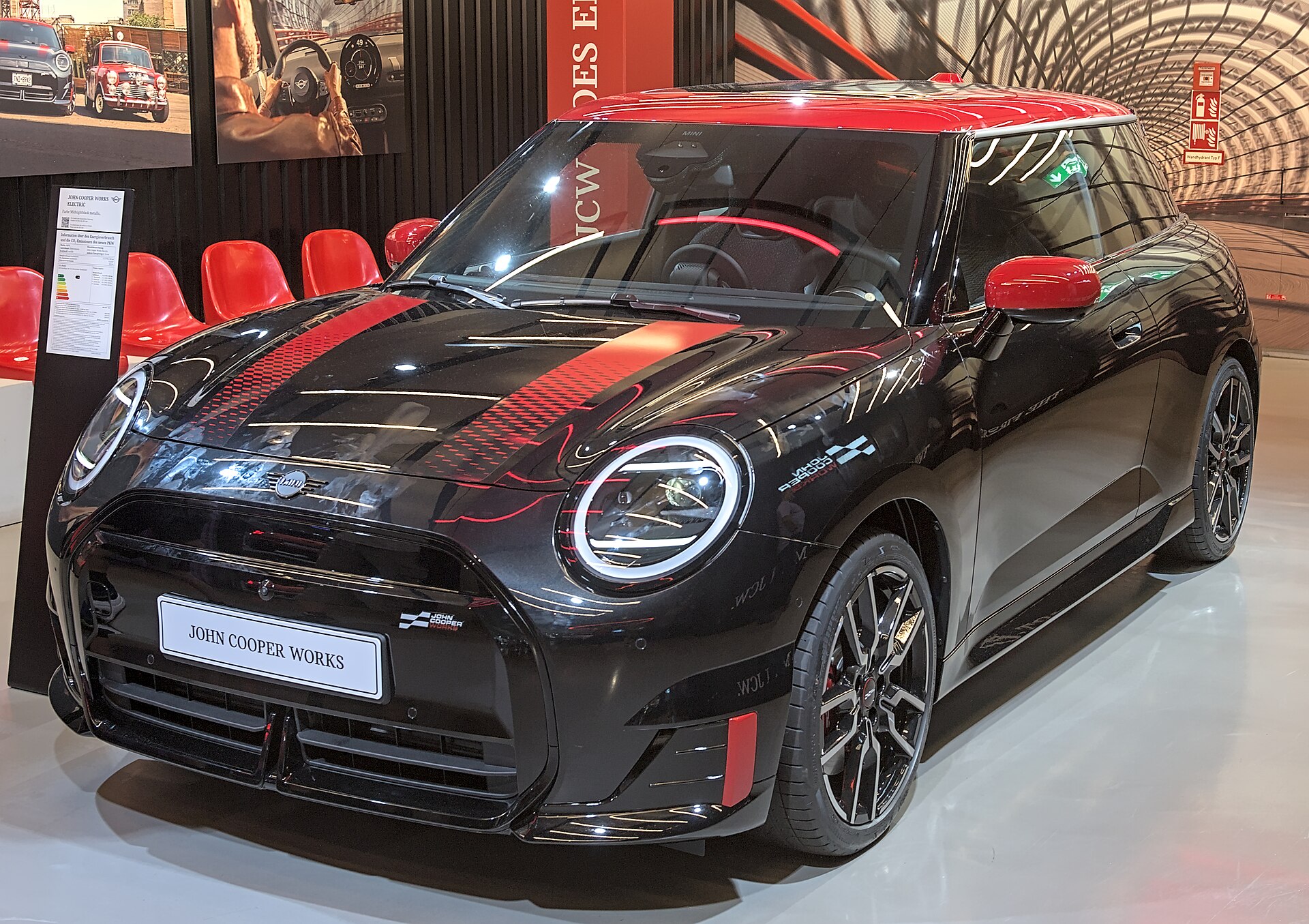
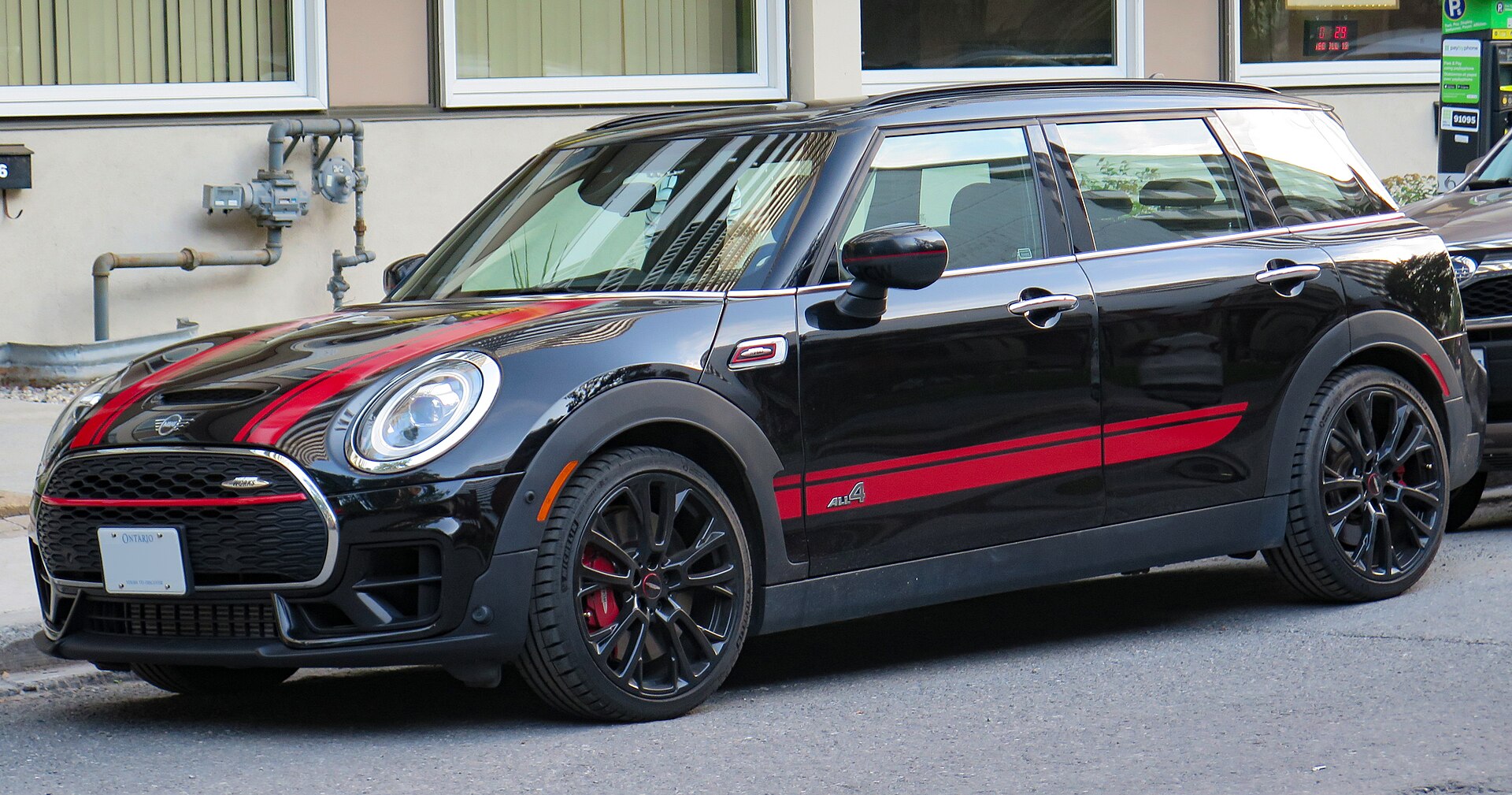
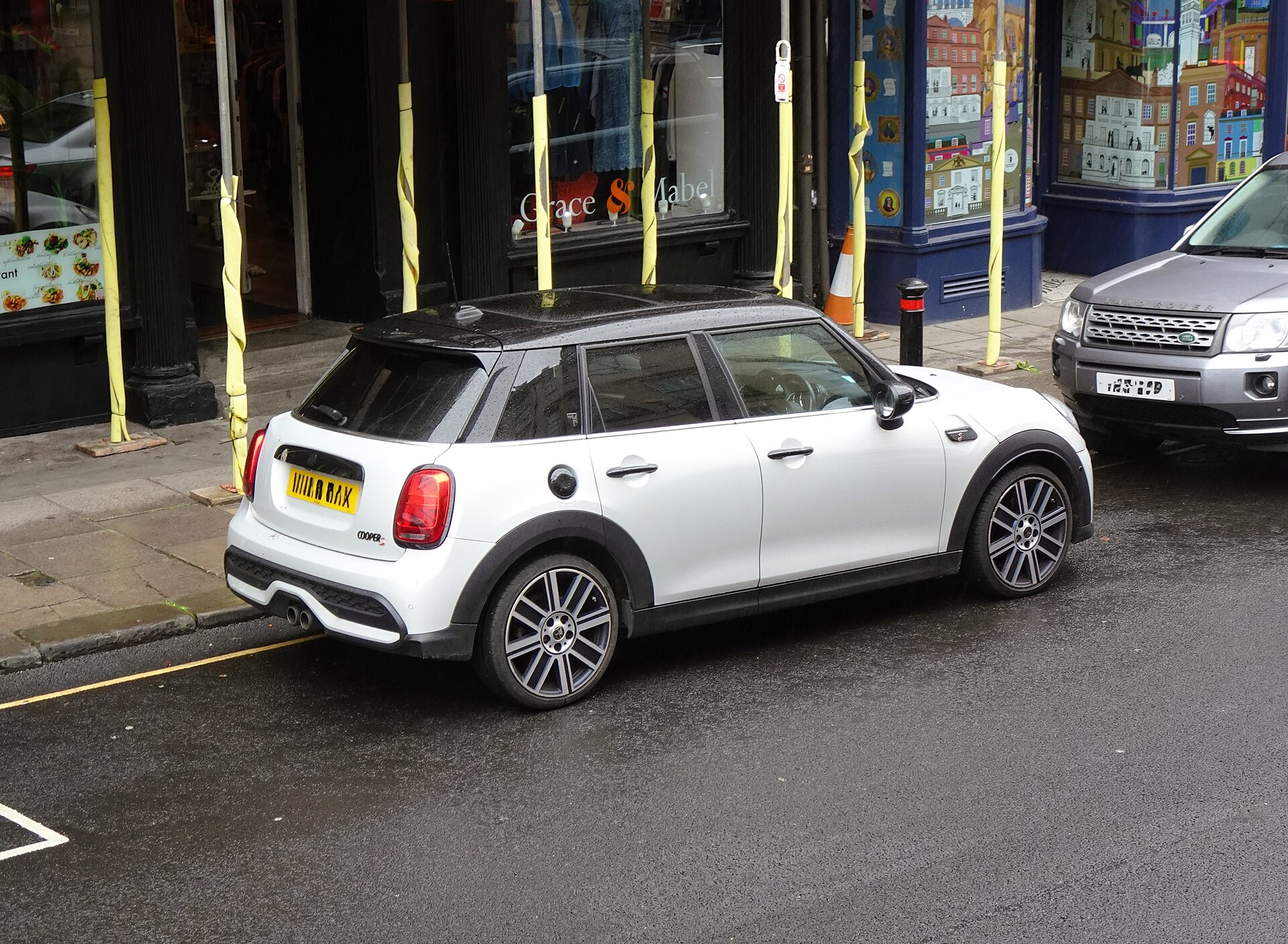
 Mini Cooper S
All generations, specs and history
Published Sources (3) Report an error
By Felix Hartmann, Automotive Technology & EV Contributor
- Built
- 2001–present
- Generations
- 4 · R53 to F66
- Top power
- 225 kW (306 PS)
Timeline
Cooper S generations
Click a generation for its own page


- Cooper S R53 2002–2006 · Hatchback · 120 kW (163 PS)
- Cooper S R56 2006–2013 · Hatchback · 129–160 kW (175–218 PS)
- Cooper S F56 2014–2024 · Hatchback · 141–225 kW (192–306 PS)
- Cooper S F66 Current 2024–now · Hatchback · 150 kW (204 PS)
Newest first · 4 generations since 2002
-
2024
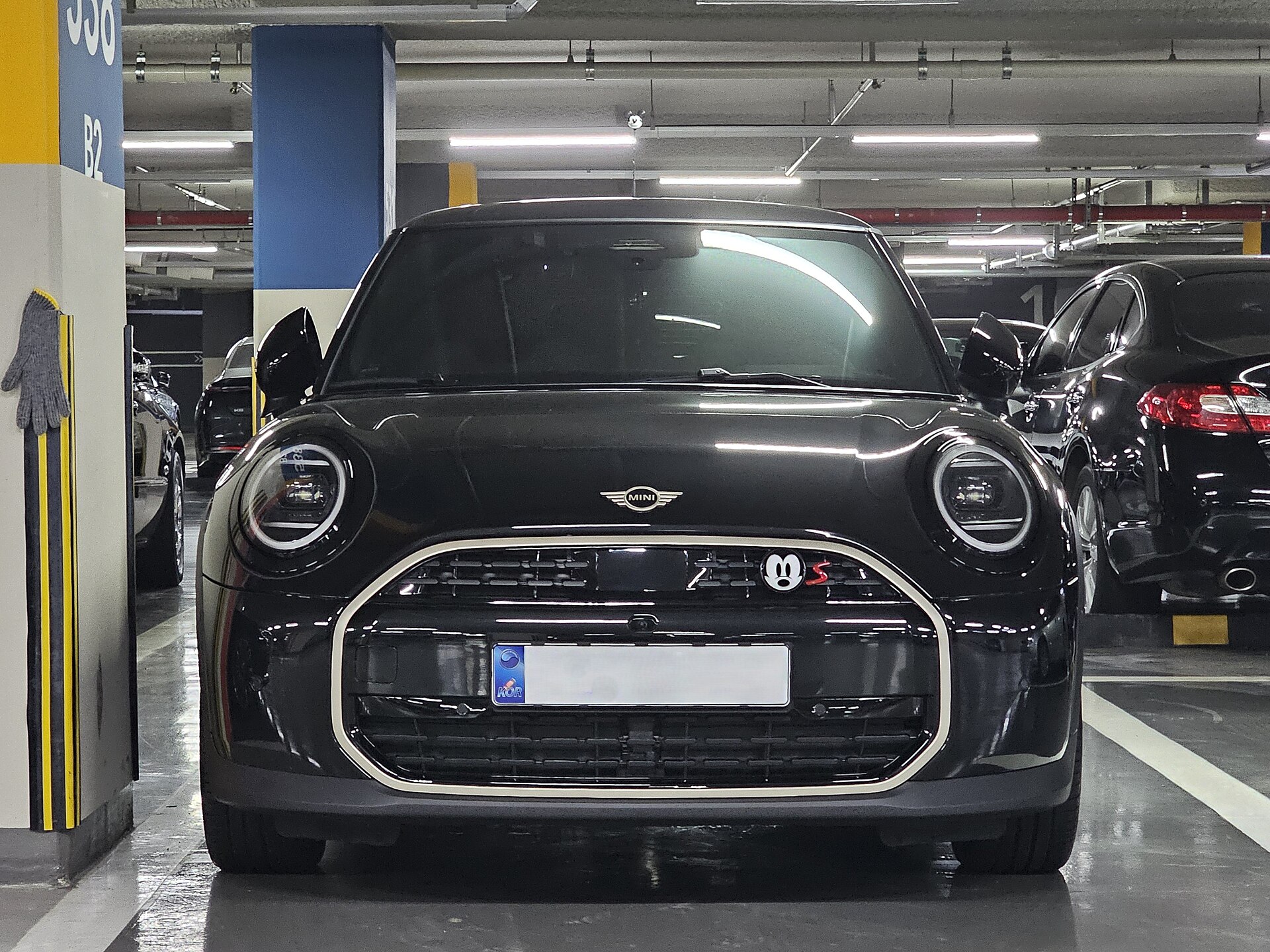
-
2014
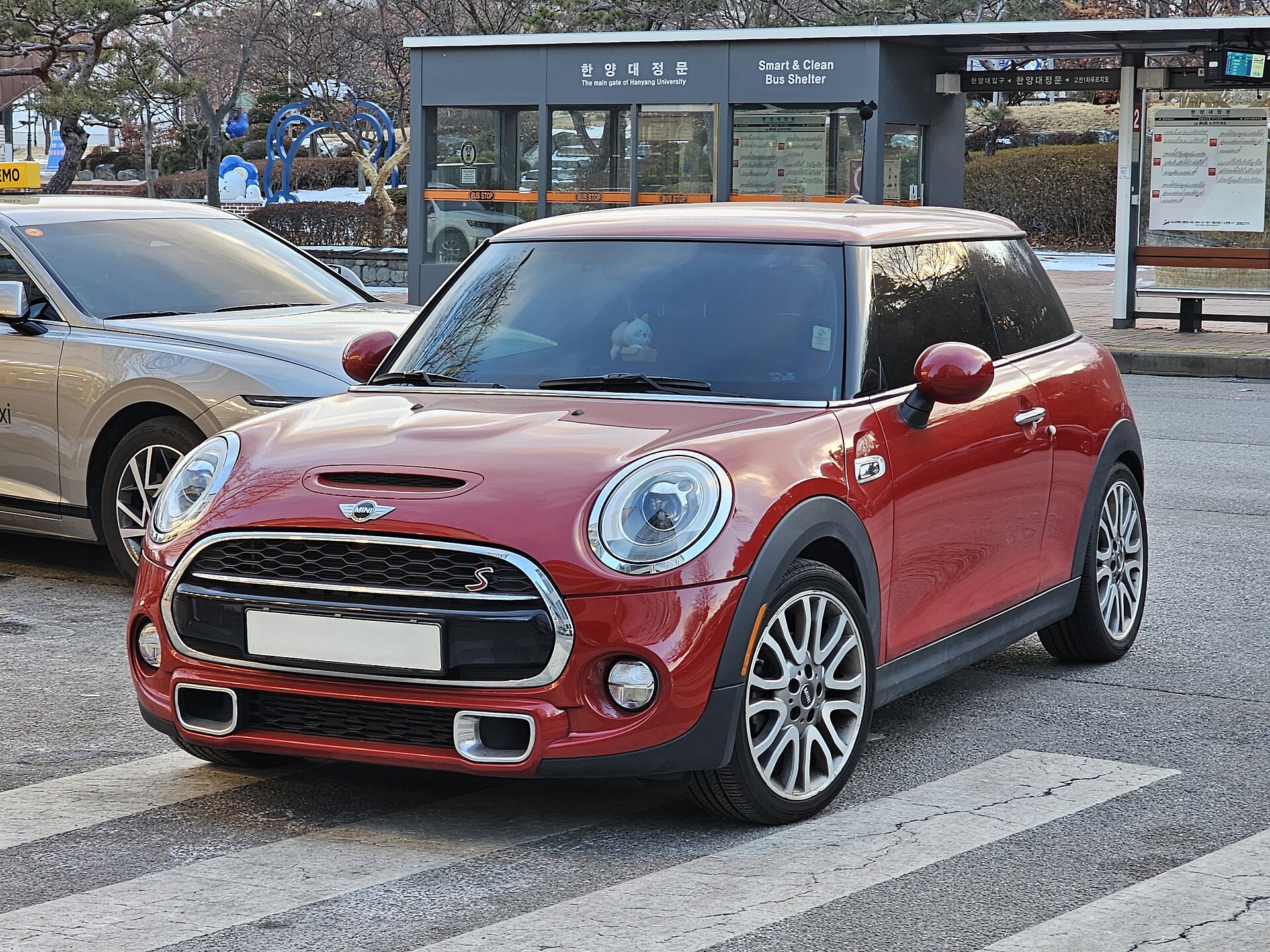
-
2006
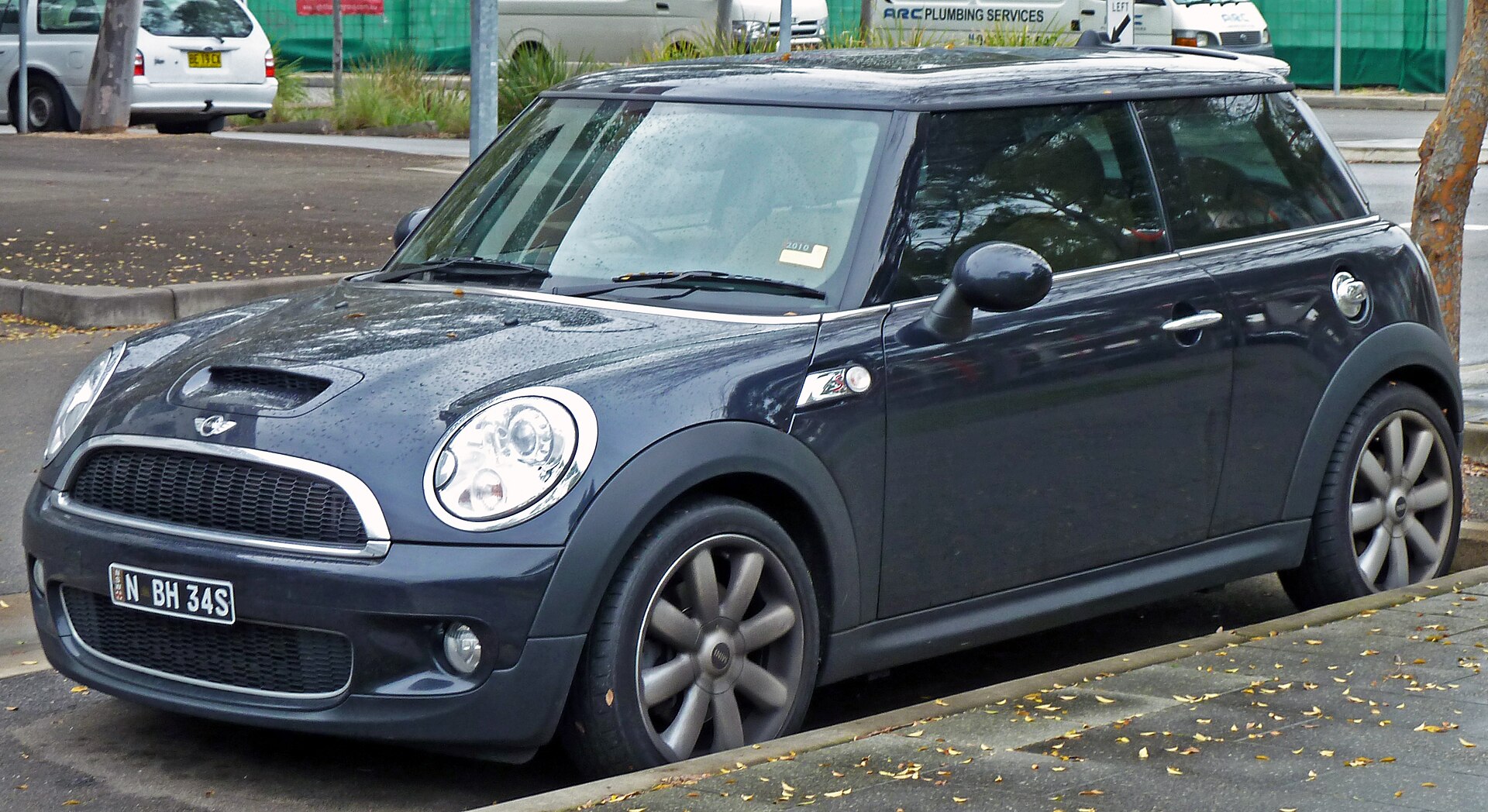
-
2002
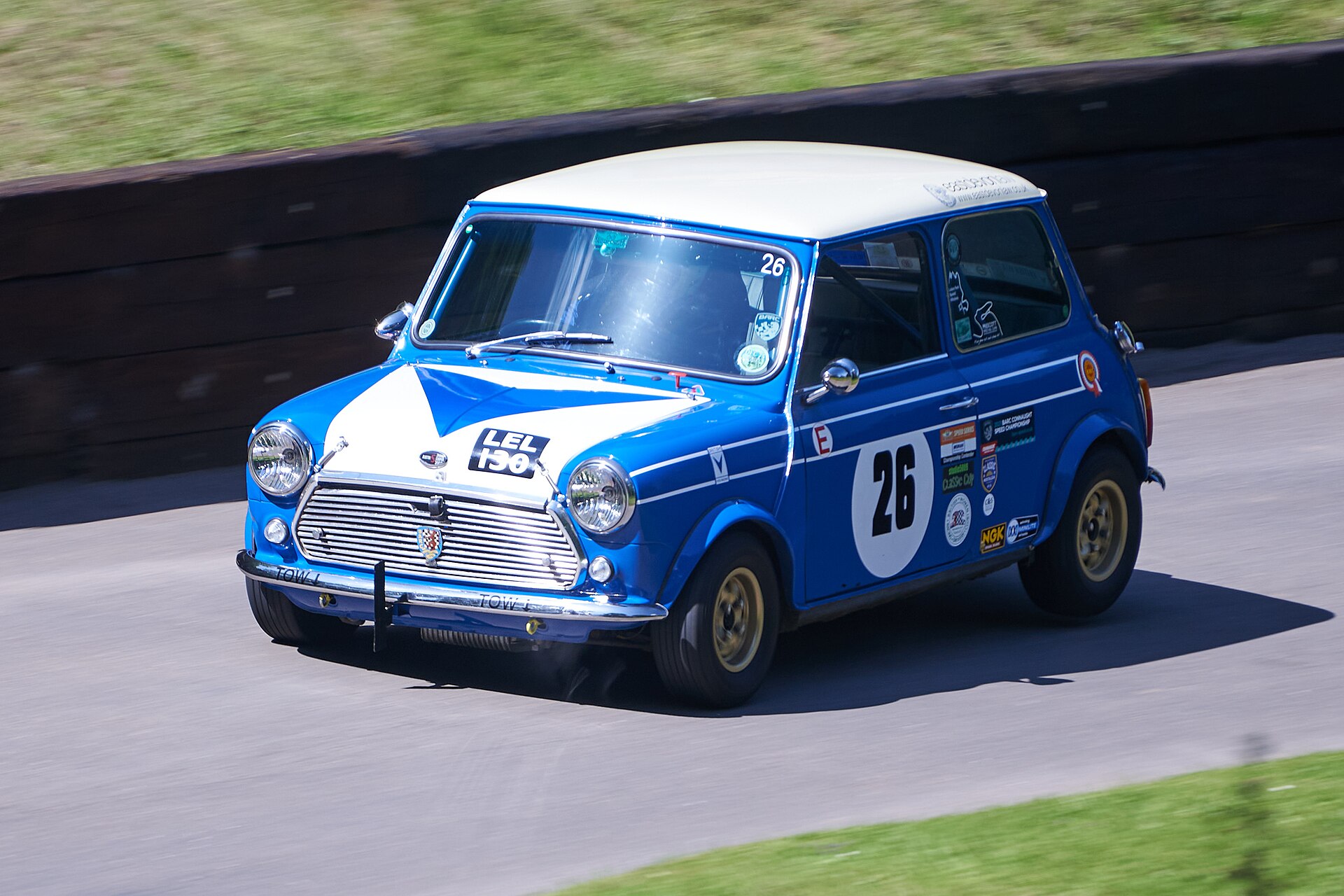
All generations by year: Cooper S F66 (2024–now) · Cooper S F56 (2014–2024) · Cooper S R56 (2006–2013) · Cooper S R53 (2002–2006)
Which one is mine?
Pick the year of first registration to see which generation it is.
Check by VINWhich Cooper S to choose
Our verdict · Felix Hartmann
- For the sound and feel of a supercharger: the R53, the only generation with one.
- For a manual gearbox with modern equipment: an F56; the F66 is dual-clutch only.
- For lower fuel use than the R53: the R56 with its turbo engine.
- For the latest technology: the F66, or the electric J01 Cooper SE.
- For a collector: one of the GP editions, limited to 2,000 or 3,000 cars.
The name goes back to the Mini Cooper S of the 1960s, described in our history of Mini. All versions are listed in the Mini catalogue, and the comparison tool sets it against other small cars, and our Cooper S vs Golf GTI comparison measures it against the bigger hot hatch.
The Mini Cooper S is the faster version of the BMW-era Mini hatch, sold since 2002 across four generations. The R53 had a supercharged 1.6-litre engine with 120 kW. The R56 switched to a 1.6-litre turbo, while the F56 and F66 use a 2.0-litre turbo with 141 and 150 kW. The first three generations each had a lighter, stronger GP edition, and an electric Cooper SE has been offered since 2020.
In short
- R53 (2002–2006): 1.6 litres with supercharger and intercooler, 120 kW (163 bhp) and 210 Nm; £14,500 in the UK in 2002.
- R56 (2006–2013): 1.6-litre twin-scroll turbo with 129 kW (175 PS), 0–100 km/h in 7.1 s and 230 km/h.
- F56 (2014–2024): 2.0-litre B48 turbo with 141 kW (192 PS) and 280 Nm; the last generation with a manual gearbox.
- F66 (since 2024): 150 kW (204 PS) and 300 Nm with a seven-speed dual-clutch gearbox only.
Size at a glance
Mini Cooper S R56
The Mini Cooper S F56 is 151 mm longer and 7 mm taller than the Mini Cooper S R56.
| Dimensions | Mini Cooper S F56 | Mini Cooper S R56 | Difference |
|---|---|---|---|
| Length | 3,850 mm151.6 in | 3,699 mm145.6 in | +151 mm+5.9 in |
| Width | 1,727 mm68.0 in | — | — |
| Height | 1,414 mm55.7 in | 1,407 mm55.4 in | +7 mm+0.3 in |
| Wheelbase | 2,495 mm98.2 in | — | — |
| Boot | 211 L7.5 cu ft | — | — |
Running cost
Fuel · Cooper S F66 Cooper S 2.0 turbo
about 1,700 EUR fuel a year at 15,000 km
6.4 l/100 km · petrol at 1.75 EUR/l · change mileage, fuel price or version
Specs by version
Engines
| Version | Engine | Power | Torque | Gearbox | Drive | Production years |
|---|---|---|---|---|---|---|
| R53 · 2002–2006 | ||||||
| R53 · Cooper S 1.6 supercharged | 1.6 l · 4 cyl · Petrol 1,600 cc | 120 kW 163 PS161 hp | 210 Nm155 lb-ft | 6-sp Manual | Front-wheel drive | 2002 |
| R53 · John Cooper Works GP 1.6 supercharged | 4 cyl · Petrol | 160 kW 218 PS215 hp | 250 Nm184 lb-ft | 6-sp Manual | Front-wheel drive | 2006 |
| R56 · 2006–2013 | ||||||
| R56 · Cooper S 1.6 turbo | 4 cyl · Petrol | 129 kW 175 PS173 hp | — | — | Front-wheel drive | 2006–2013 |
| R56 · John Cooper Works GP 1.6 turbo | 4 cyl · Petrol | 160 kW 218 PS215 hp | 280 Nm207 lb-ft | — | Front-wheel drive | 2012–2013 |
| F56 · 2014–2024 | ||||||
| F56 · Cooper S 2.0 turbo | 4 cyl · Petrol B48 | 141 kW 192 PS189 hp | 280 Nm207 lb-ft | — | Front-wheel drive | 2014–2024 |
| F56 · John Cooper Works GP 2.0 turbo | 4 cyl · Petrol | 225 kW 306 PS302 hp | 450 Nm332 lb-ft | — | Front-wheel drive | 2020 |
| F66 · 2024–present | ||||||
| F66 · Cooper S 2.0 turbo | 4 cyl · Petrol | 150 kW 204 PS201 hp | 300 Nm221 lb-ft | 7-sp Dual-clutch | Front-wheel drive | 2024 |
Performance
Show all 5 versions
| Version | 0–100 km/h | Top speed | Fuel consumption | CO₂ |
|---|---|---|---|---|
| R53 · 2002–2006 | ||||
| R53 · Cooper S 1.6 supercharged | — | 217 km/h135 mph | — | — |
| R56 · 2006–2013 | ||||
| R56 · Cooper S 1.6 turbo | 7.1 s 0–62 mph | 230 km/h143 mph | — | — |
| F56 · 2014–2024 | ||||
| F56 · Cooper S 2.0 turbo | 6.8 s 0–62 mph | 235 km/h146 mph | 6.4 l/100 km36.8 mpg US · 44.1 mpg UK | 146 g/km |
| F56 · John Cooper Works GP 2.0 turbo | 5.2 s 0–62 mph | 265 km/h165 mph | — | — |
| F66 · 2024–present | ||||
| F66 · Cooper S 2.0 turbo | — | — | 6.4 l/100 km36.8 mpg US · 44.1 mpg UK | 144 g/km |
Dimensions and weight
Show all 3 versions
| Version | Length | Width | Height | Wheelbase | Kerb weight | Boot |
|---|---|---|---|---|---|---|
| R56 · 2006–2013 | ||||||
| R56 · Cooper S 1.6 turbo | 3,699 mm145.6 in | — | 1,407 mm55.4 in | — | — | — |
| F56 · 2014–2024 | ||||||
| F56 · Cooper S 2.0 turbo | 3,850 mm151.6 in | 1,727 mm68.0 in | 1,414 mm55.7 in | 2,495 mm98.2 in | 1,275 kg2,811 lb | 211 l7.5 cu ft |
| F66 · 2024–present | ||||||
| F66 · Cooper S 2.0 turbo | — | — | — | — | 1,413 kg3,115 lb | — |
Verified Manufacturer and type-approval data from our catalog · Sources and methodology
Mini Cooper S at a glance
| Parameter | Value |
|---|---|
| Production | since 2002 (R53, R56, F56, F66) |
| Body | three-door hatchback (this page); convertible and five-door versions exist |
| Engines | 1.6 l supercharged (R53), 1.6 l turbo (R56), 2.0 l turbo (F56, F66) |
| Power | 120 kW (R53) to 150 kW (F66); GP editions 160–225 kW |
| Gearboxes | six-speed manual, six-speed automatic, seven-speed dual-clutch (F66 only) |
| Drive | front wheels |
| Kerb weight | 1,215 kg (R53) |
| Plants | Oxford (Cowley); VDL Nedcar, Born (Netherlands) for the F56 from 2014 |
| Electric relative | Cooper SE (F56-based from 2020, J01 from 2024) |
R53 (2002–2006): supercharger and intercooler
BMW started building its new Mini hatch on 26 April 2001, and the quick R53 version followed. A UK press release of 18 March 2002 announced it for June at £14,500 (about €23,000). An Eaton Roots-type supercharger and an intercooler lifted the 1.6-litre engine to 120 kW (163 bhp) at 6,000 rpm and 210 Nm at 4,000 rpm. BMW claimed 7.4 seconds from 0 to 62 mph and 135 mph (217 km/h). Combined consumption was 8.4 l/100 km.
The list of standard equipment was long for a small car. It included four airbags, disc brakes on all wheels, ABS with cornering brake control and traction control. Sports suspension, 16-inch alloys on run-flat tyres and a roof spoiler completed it. Buyers chose between a six-speed Getrag manual and an Aisin automatic with paddles. The car weighed 1,215 kg. Final assembly took place at Cowley in Oxford, and the body panels came from nearby Swindon.
The R53 bowed out with the John Cooper Works GP of the 2006 model year. Bertone finished all 2,000 cars. They had 160 kW (218 PS) at 7,100 rpm and 250 Nm, and weighed about 40 kg less than the regular car.

R56 (2006–2013): the switch to turbocharging
The second generation arrived in November 2006. A 1.6-litre twin-scroll turbo engine of 129 kW (175 PS) replaced the supercharged unit, and an overboost function added 20 Nm under hard acceleration. Mini's figures were 7.1 seconds to 100 km/h and a 230 km/h top speed. Fuel use fell to 6.9 l/100 km combined, about 18 percent less than the R53's figure.
A John Cooper Works model sat above it, with 155 kW (211 PS) and 261 Nm, or 279 Nm on overboost. It reached 100 km/h in 6.2 seconds and 237 km/h. The R56 GP, which Wikipedia's source dates to 2012, was again limited to 2,000 cars. It had 160 kW (218 PS) at 6,000 rpm and 280 Nm.

F56 (2014–2024): 2.0 litres and the last manual
Mini unveiled the third generation in November 2013 and began sales in 2014. The S now used BMW's 2.0-litre B48 turbo four-cylinder with 141 kW (192 PS) and 280 Nm. That was enough for 6.8 seconds to 100 km/h, or 6.7 seconds with the automatic, and 235 km/h. Besides Oxford, VDL Nedcar in Born, Netherlands, built the three-door car from July 2014 to February 2024. CarThrottle reports that an update later cut the rating to 131 kW (176 bhp) from 143 kW (192 bhp), and that the car had grown by about 150 mm in length since 2002.
A six-speed manual stayed on offer next to the seven-speed dual-clutch. According to evo, the 1to6 Edition was the last Mini with a manual gearbox. The F56 John Cooper Works had 170 kW (231 PS) and 320 Nm. The GP revealed in November 2019 went much further, with 225 kW (306 PS) and 450 Nm. It reached 100 km/h in 5.2 seconds and 265 km/h, and Mini built 3,000. In the US it cost US$44,900 (about €39,300) for 2020.
Near the end of production evo listed the entry Classic version from £26,490 in 2024 (about €31,300). Our Mini Cooper F56 page describes this generation in detail, and the Mini Convertible F57 page covers the open version. The electric Cooper SE joined the F56 range with 135 kW (184 PS) and a 32.6 kWh battery. It reached 100 km/h in 7.3 seconds.
F66 (since 2024): dual-clutch only
The fourth generation made its online debut on 6 February 2024. Its 2.0-litre turbo engine now delivers 150 kW (204 PS) and 300 Nm. A seven-speed dual-clutch gearbox is the only choice; the manual has gone. Oxford builds the petrol car.
The electric version is a separate model, the J01, unveiled on 1 September 2023. Spotlight Automotive, a joint venture of BMW and Great Wall, has built it in Zhangjiagang, China, since October 2023. Its Cooper SE has 160 kW (218 PS), 330 Nm and a 54.2 kWh battery for a claimed 402 km. It reaches 100 km/h in 6.7 seconds and charges at up to 95 kW. Plans to build electric Minis in Oxford from 2026 were paused in 2025.

Four generations compared
| Generation | Years | Engine | Power | Torque | 0–100 km/h | Top speed |
|---|---|---|---|---|---|---|
| R53 | 2002–2006 | 1.6 l supercharged | 120 kW (163 bhp) | 210 Nm | 7.4 s (0–62 mph) | 217 km/h |
| R56 | 2006–2013 | 1.6 l twin-scroll turbo | 129 kW (175 PS) | plus 20 Nm on overboost | 7.1 s | 230 km/h |
| F56 | 2014–2024 | 2.0 l B48 turbo | 141 kW (192 PS) | 280 Nm | 6.8 s | 235 km/h |
| F66 | since 2024 | 2.0 l turbo | 150 kW (204 PS) | 300 Nm | — | — |
| R53 GP | 2006 | 1.6 l supercharged | 160 kW (218 PS) | 250 Nm | — | — |
| R56 GP | 2012 | 1.6 l turbo | 160 kW (218 PS) | 280 Nm | — | — |
| F56 GP | 2020 | 2.0 l turbo | 225 kW (306 PS) | 450 Nm | 5.2 s | 265 km/h |
From the R53 to the F66, power rose by 30 kW, or 25 percent, and torque by 90 Nm, or about 43 percent. The GP editions show a steeper climb: the F56 GP had 65 kW more than the two earlier GPs. Our power converter gives these outputs in hp or PS.
Photo gallery


Mini Cooper S evolution in numbers
Did you know?
- The Mini Cooper S has been around for 25 years: 4 generations in our catalog since 2001.
- The longest-running generation is the Cooper S F56 (2014–2024): 10 years.
- The biggest jump in power came with the Cooper S F56: up to 225 kW (306 PS), 65 kW more than the Cooper S R56.
- The most powerful Mini Cooper S is not the newest: the Cooper S F56 (2014–2024) offered up to 225 kW (306 PS), the Cooper S F66 up to 150 kW (204 PS).
Most powerful version, kW
Figures from the 1cars catalog: power is the strongest version of each generation; generations without the figure are left out.
Mini Cooper S: first vs latest generation
| Spec | Cooper S R53 | Cooper S F66 | Change |
|---|---|---|---|
| Years | 2002–2006 | 2024–present | 22 years apart |
| Most powerful version | 120 kW (163 PS) | 150 kW (204 PS) | +30 kW (+25%) |
Oldest and newest generation in the 1cars catalog. Power is the strongest version of each; other rows are shown only when both generations have the figure.
Image credits · Photos from Wikimedia Commons under free licences
- Mini Cooper S R53 · Photo: Andrew Basterfield / Wikimedia Commons, CC BY-SA 2.0
- Mini Cooper S F56 · Photo: Damian B Oh / Wikimedia Commons, CC BY-SA 4.0
Popular comparisons
Mini Cooper S in our rankings
- No. 2 of 46 · Fastest hatchbacks (265 km/h)
- No. 7 of 51 · Quickest hatchbacks, 0–100 (5.2 s)
- No. 10 of 65 · Most torque: hatchbacks (450 Nm)
- No. 14 of 420 · Smallest cars (3,699 mm · top 4%)
- No. 121 of 912 · Longest-running car nameplates (24 years · top 14%)
- No. 17 of 106 · Most powerful hatchbacks (225 kW · top 17%)
Shorter than 96% of ranked cars in the 1CARS catalog (No. 14 of 420).
FAQ
How much power does a Mini Cooper S have?
120 kW (163 bhp) in the R53, 129 kW (175 PS) in the R56, 141 kW (192 PS) in the F56 and 150 kW (204 PS) in the current F66.
Which Mini Cooper S had a supercharger?
Only the first generation, the R53 of 2002–2006; all later Cooper S models use turbochargers.
Can you still buy a Cooper S with a manual gearbox?
Not new: the F66 of 2024 has a seven-speed dual-clutch gearbox only, and evo names the F56 1to6 Edition as the last manual Mini.
Where is the Mini Cooper S built?
The petrol Cooper S is built in Oxford; F56 hatchbacks also came from VDL Nedcar in the Netherlands, and the electric J01 is built in China.
What was the fastest Cooper S?
The F56 John Cooper Works GP of 2020 with 225 kW (306 PS), 5.2 seconds to 100 km/h and 265 km/h.
Data sources
Data checked by an editor against the sources below.
- Wikipedia — Mini Hatch
- BMW Group PressClub — T0016013EN GB
- EEA CO₂ monitoring (European Environment Agency, CC BY 4.0)