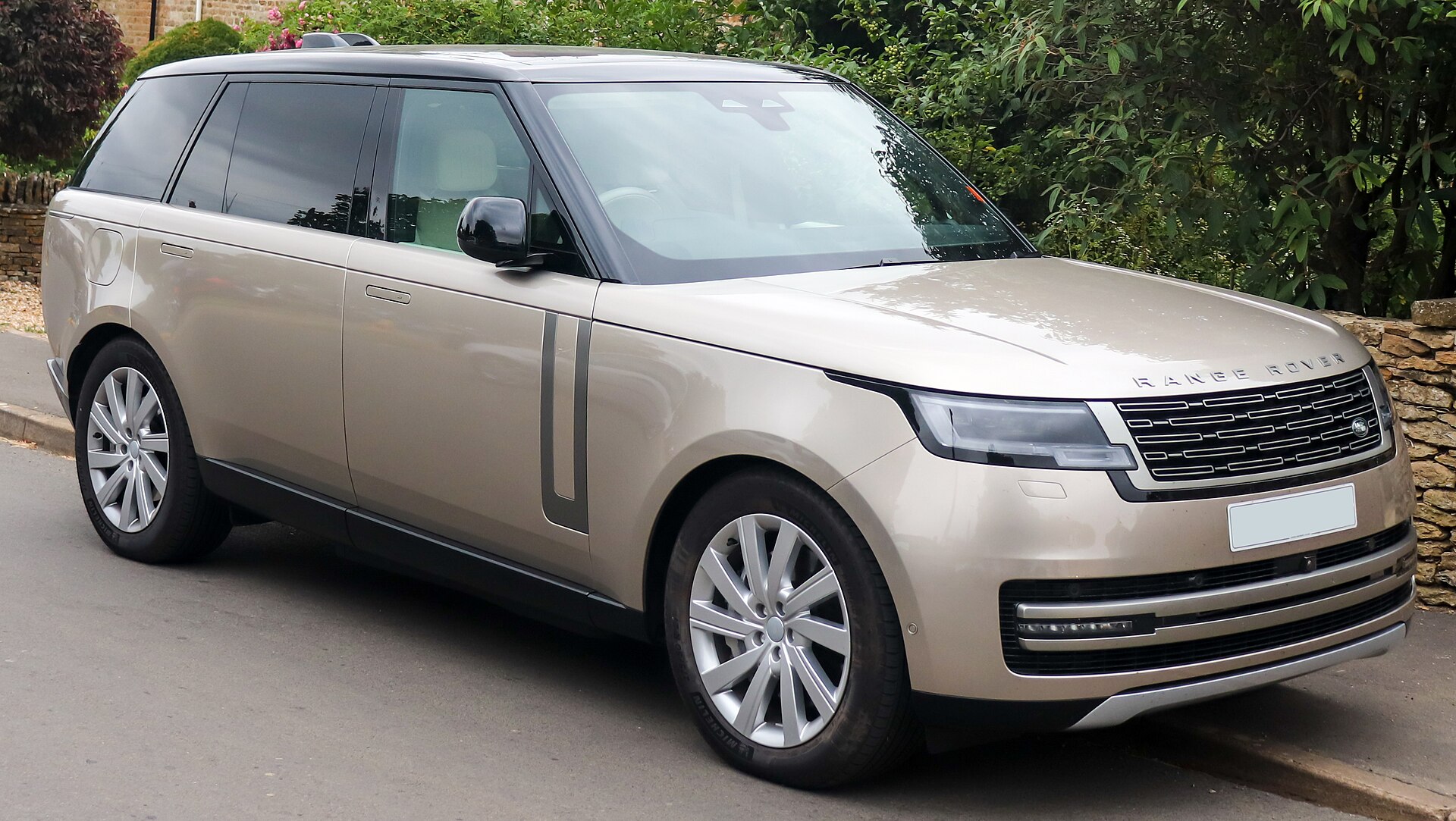
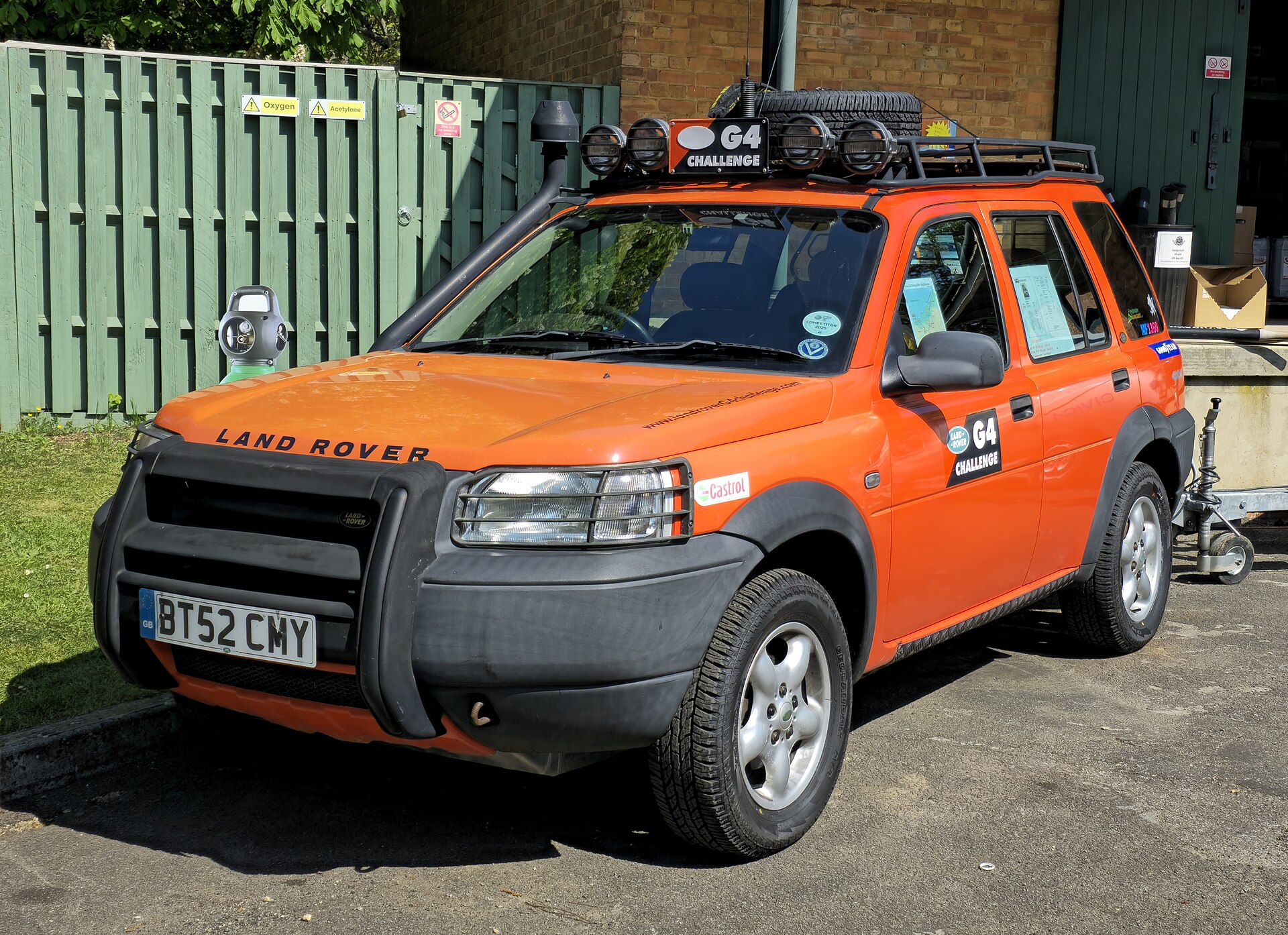
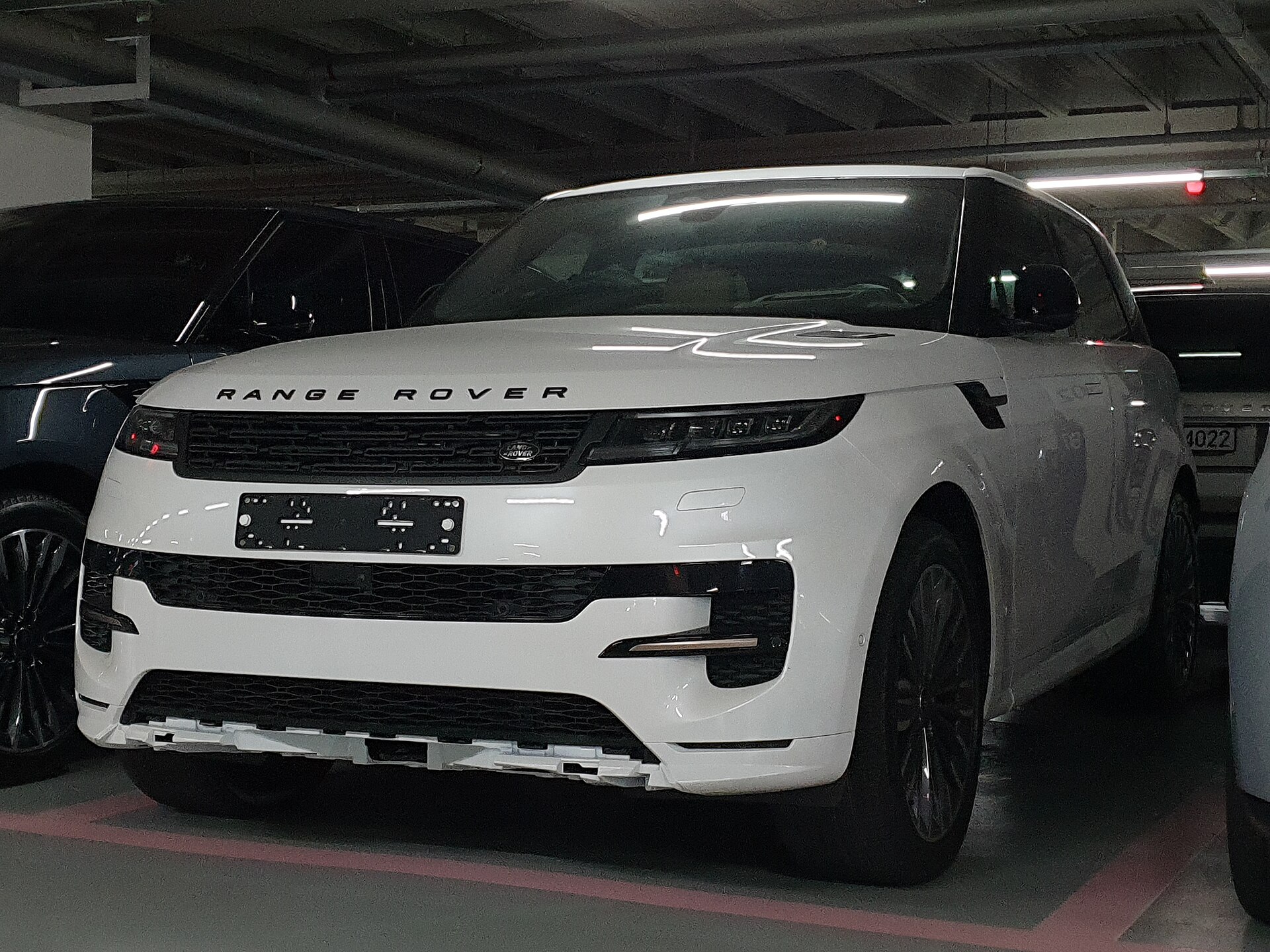
 Land Rover Discovery
All generations, specs and history
Published Sources (6) Report an error
By Felix Hartmann, Automotive Technology & EV Contributor
- Built
- 1989–present
- Generations
- 5
- Top power
- 276 kW (375 PS)
Timeline
Discovery generations
Click a generation for its own page


- Discovery I 1989–1998 · SUV · 83–115 kW (113–156 PS)
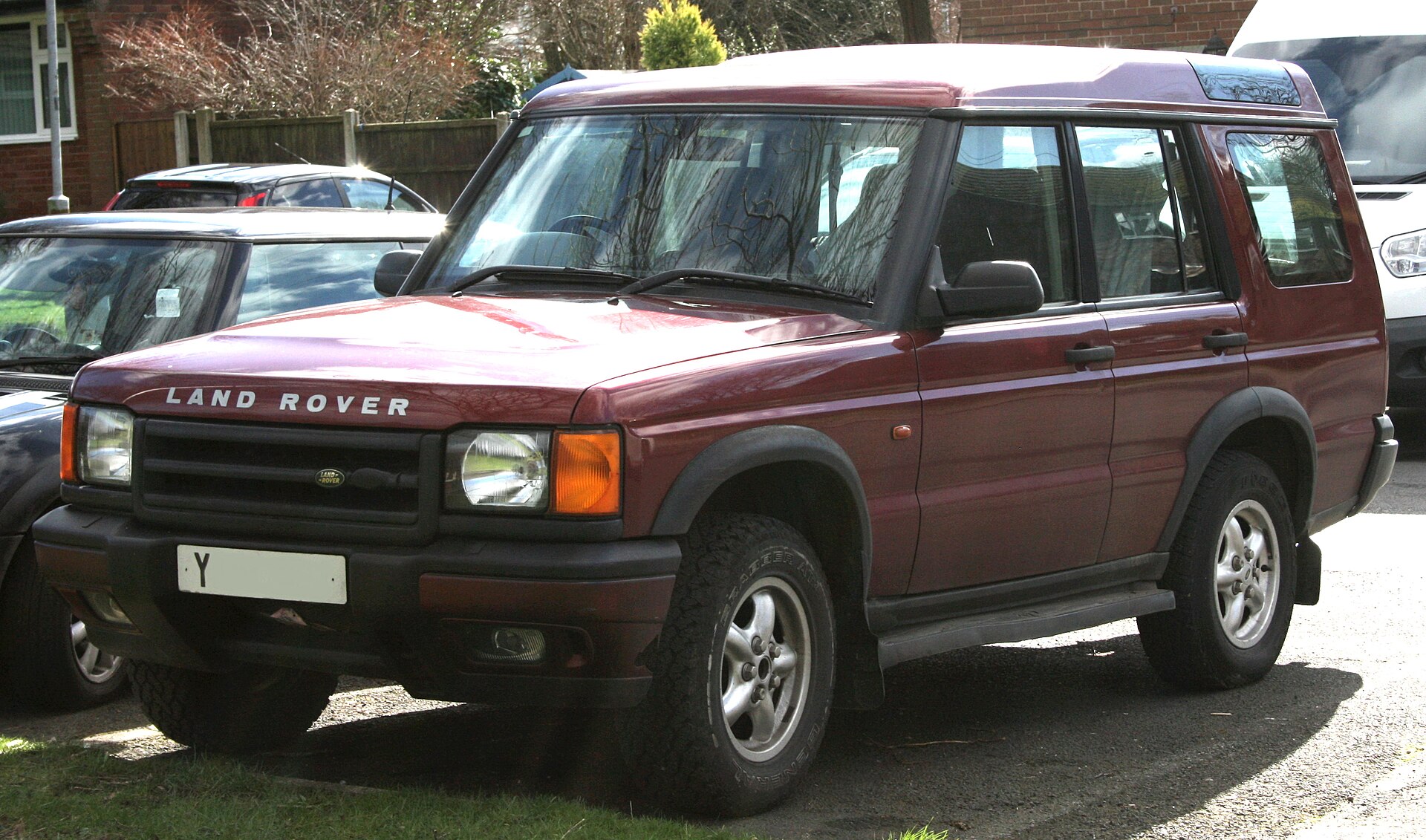
- Discovery II 1998–2004 · SUV
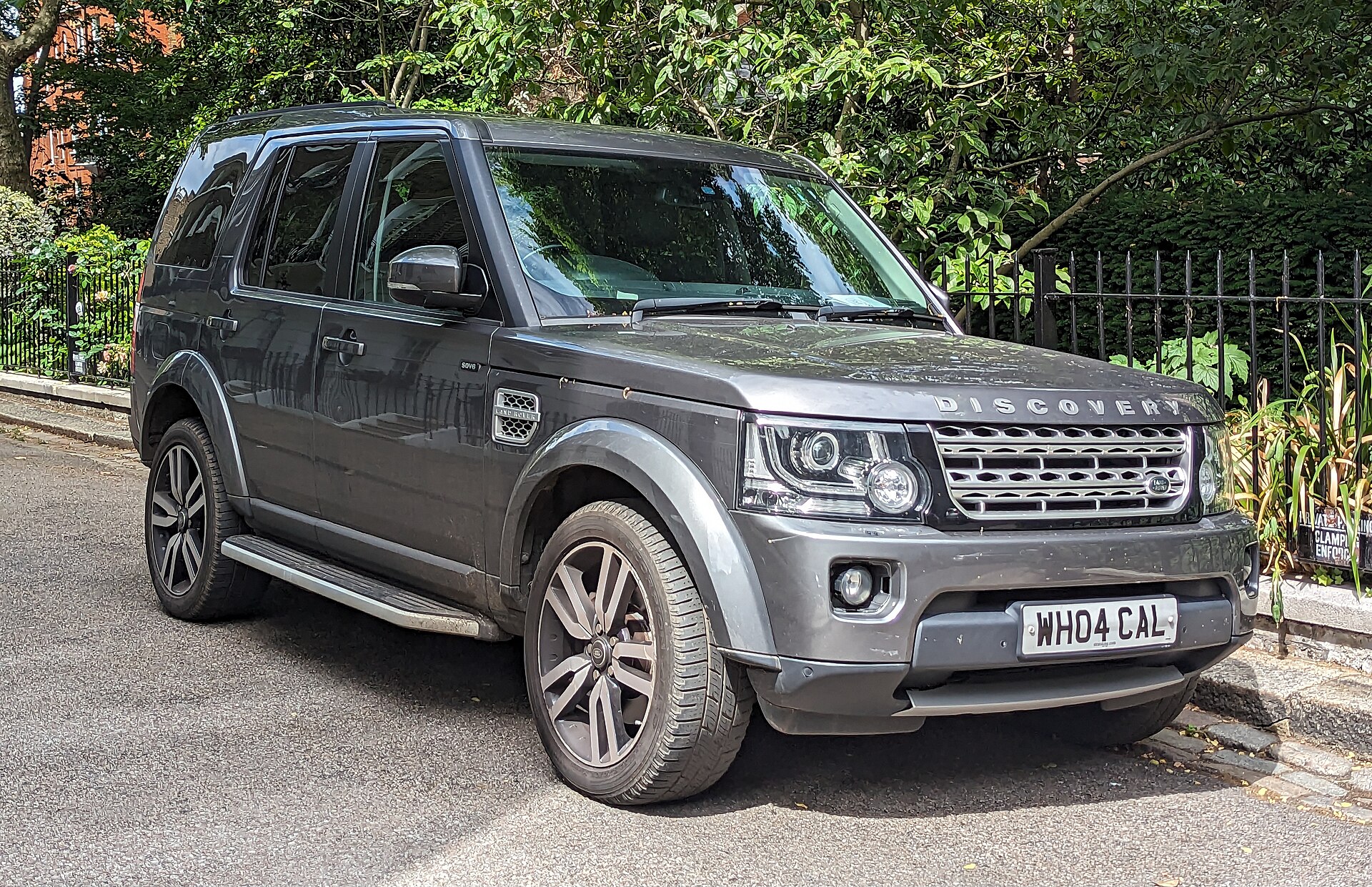
- Discovery III 2004–2009 · SUV · 145–220 kW (197–299 PS)
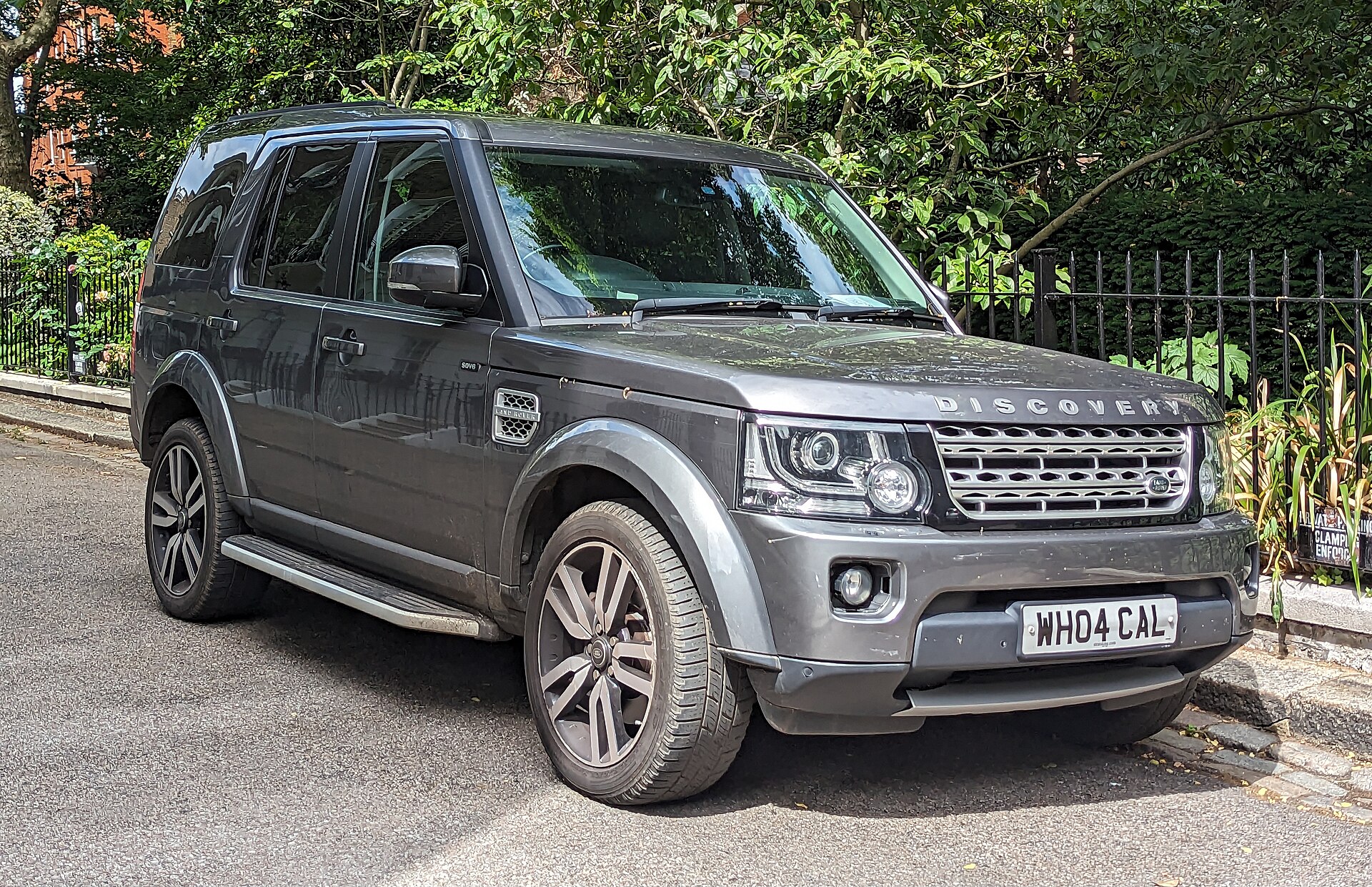
- Discovery IV 2009–2016 · SUV · 140–276 kW (190–375 PS)
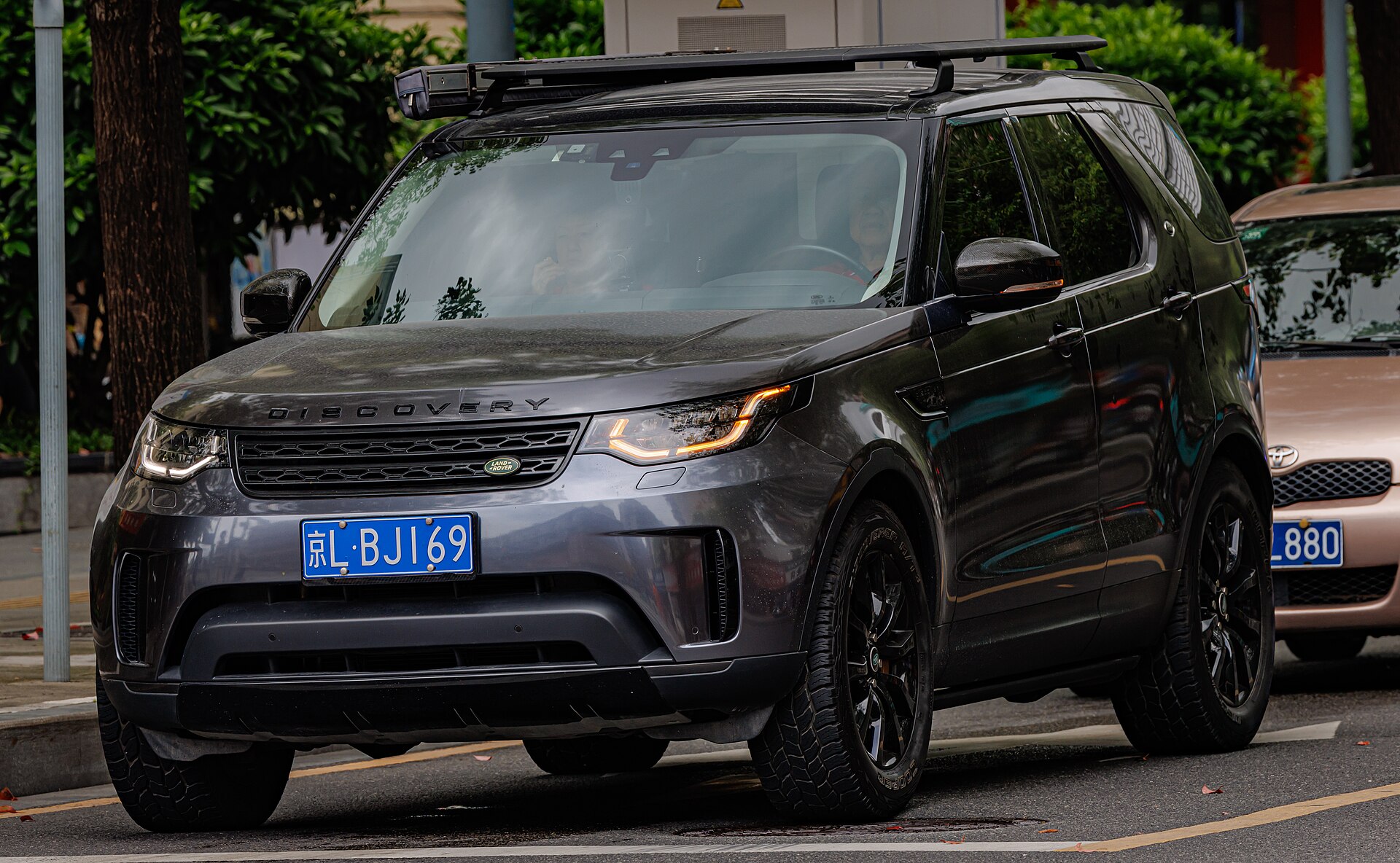
- Discovery L462 Current 2017–now · SUV · 132–265 kW (179–360 PS)
Newest first · 5 generations since 1989
-
2017
-
2009
-
2004
-
1998
-
1989
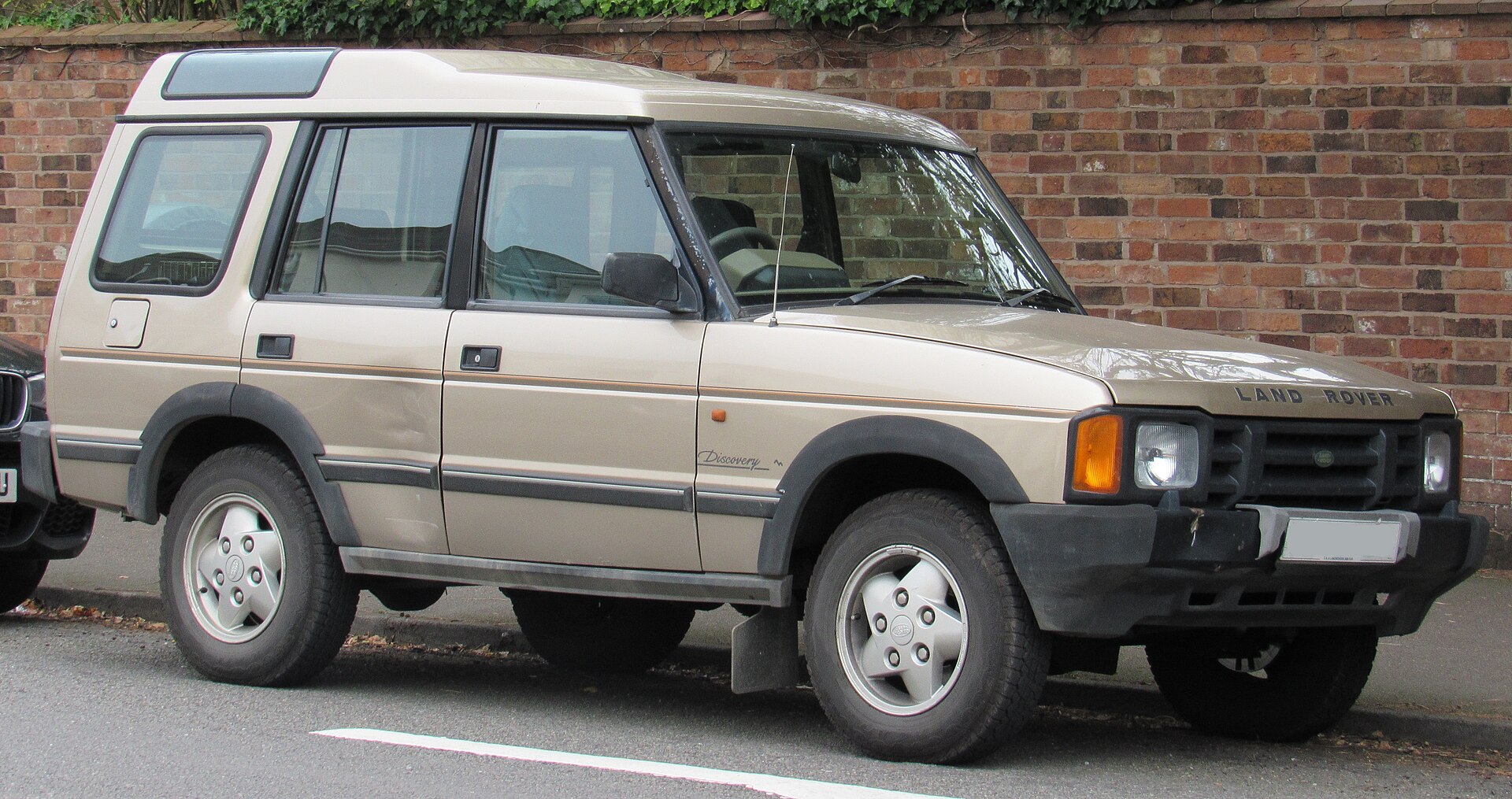
All generations by year: Discovery L462 (2017–now) · Discovery IV (2009–2016) · Discovery III (2004–2009) · Discovery II (1998–2004) · Discovery I (1989–1998)
Which one is mine?
Pick the year of first registration to see which generation it is.
- L462 2017–present
- Discovery IV 2009–2016
- Discovery III 2004–2009
- Discovery II 1998–2004
- Discovery I 1989–1998
Which Discovery to choose
Our verdict · Felix Hartmann
For towing and family travel, a facelifted Discovery 5 with a six-cylinder mild-hybrid diesel is the most capable choice: 3,500 kg of towing, seven seats and modern safety. The Discovery 4 SDV6 keeps the Integrated Body Frame with its ladder chassis and costs less on the used market. Series I and II cars with the 200Tdi, 300Tdi or Td5 diesels are now cars for enthusiasts and classic owners.
Check air suspension on the Discovery 3, 4 and 5 and the condition of the chassis on the first two generations. The compact seven-seater in the range is the Discovery Sport; the rugged alternative is the Land Rover Defender, and a road-biased rival is the Volvo XC90. All current models are on the Land Rover catalogue page.
The Land Rover Discovery is a full-size seven-seat four-wheel-drive SUV, sold since 1989 in five generations and built at Solihull and, since 2019, in Slovakia. The first generation used the chassis of the Range Rover Classic. The Discovery 3 of 2004 introduced an integrated body frame and Terrain Response; the Discovery 5 of 2017 switched to an aluminium monocoque that saves up to 480 kg. The smaller Discovery Sport is a separate model.
In short
- Five generations: Series I (1989), Series II (1998), Discovery 3 (2004), Discovery 4 (2009) and Discovery 5 (2017).
- Land Rover built its one-millionth Discovery at Solihull in March 2012.
- Discovery 5: aluminium body, seven seats, 3,500 kg towing, up to 900 mm wading depth, five Euro NCAP stars in 2017.
- Engines over the years: from 83 kW (200Tdi) to 276 kW (5.0 V8 of the Discovery 4).
Size at a glance
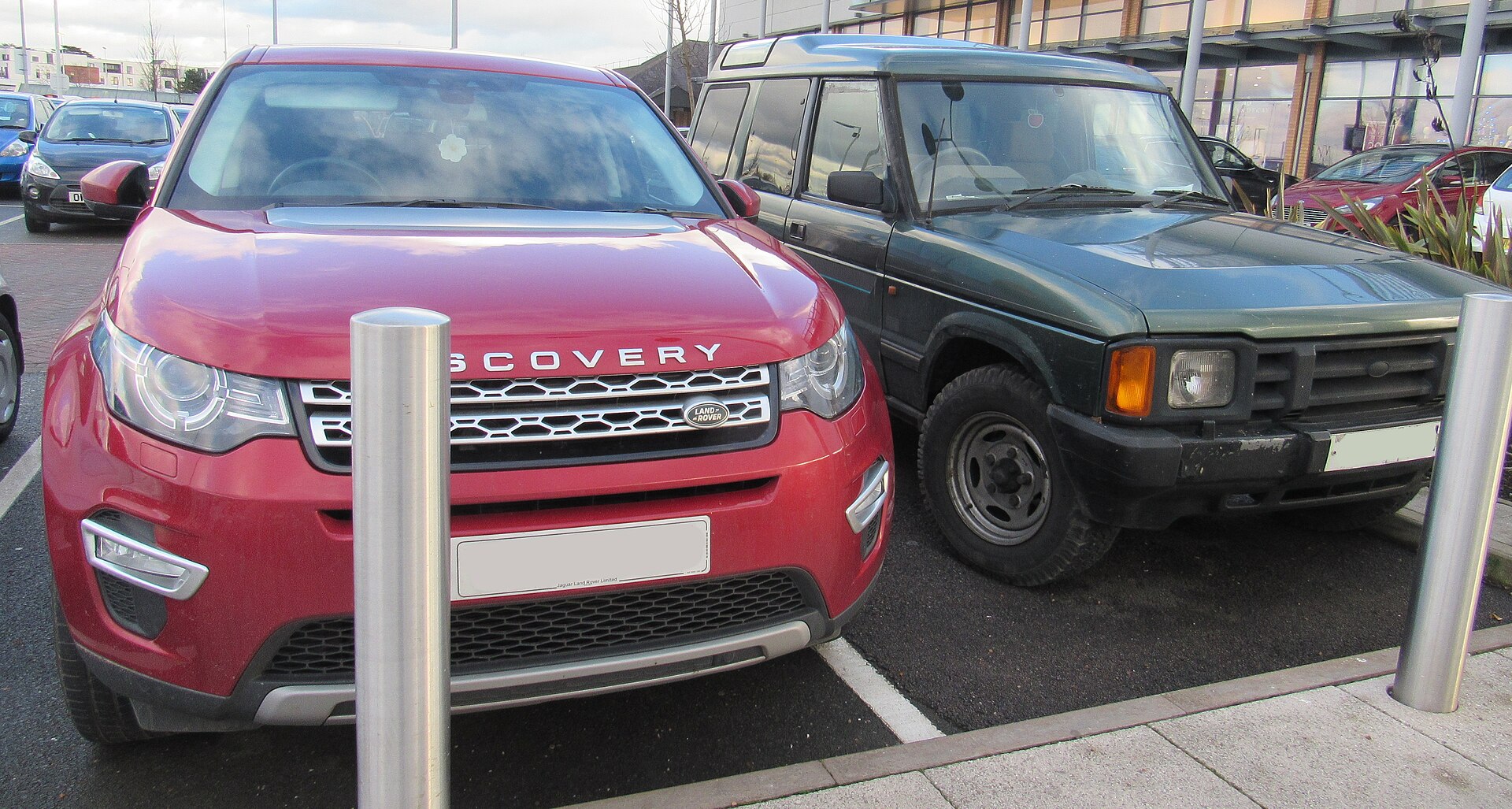
Land Rover Discovery IV
The Land Rover Discovery L462 is 141 mm longer and 41 mm lower than the Land Rover Discovery IV.
| Dimensions | Land Rover Discovery L462 | Land Rover Discovery IV | Difference |
|---|---|---|---|
| Length | 4,970 mm195.7 in | 4,829 mm190.1 in | +141 mm+5.6 in |
| Width | - | 1,915 mm75.4 in | - |
| Height | 1,846 mm72.7 in | 1,887 mm74.3 in | −41 mm−1.6 in |
| Wheelbase | 2,923 mm115.1 in | 2,885 mm113.6 in | +38 mm+1.5 in |
Running cost
Fuel · Discovery L462 D300 MHEV
about 2,150 EUR fuel a year at 15,000 km
8.6 l/100 km · diesel at 1.65 EUR/l · change mileage, fuel price or version
Specs by version
Engines
| Version | Engine | Power | Torque | Gearbox | Drive | Production years |
|---|---|---|---|---|---|---|
| Diesel · 14 versions | ||||||
| Discovery I · 2.5 200Tdi | Diesel | 83 kW 113 PS111 hp | 265 Nm195 lb-ft | - | Four-wheel drive (4×4) | 1989–1994 |
| Discovery III · 2.7 TDV6 | 6 cyl · Diesel | 145 kW 197 PS194 hp | 440 Nm325 lb-ft | - | Four-wheel drive (4×4) | - |
| Discovery IV · 2.7 TDV6 | 6 cyl · Diesel | 140 kW 190 PS188 hp | 440 Nm325 lb-ft | - | Four-wheel drive (4×4) | 2009–2010 |
| Discovery IV · 3.0 TDV6 | 6 cyl · Diesel | 155 kW 211 PS208 hp | 520 Nm384 lb-ft | - | Four-wheel drive (4×4) | 2011–2013 |
| Discovery IV · 3.0 SDV6 (245 PS) | 6 cyl · Diesel | 180 kW 245 PS241 hp | 600 Nm443 lb-ft | - | Four-wheel drive (4×4) | 2009–2011 |
| Discovery IV · 3.0 SDV6 (258 PS) | 6 cyl · Diesel | 190 kW 258 PS255 hp | 600 Nm443 lb-ft | - | Four-wheel drive (4×4) | 2011–2013 |
| L462 · 3 L 6 cyl Automatic (S8) · 2020 (EPA) | 3.0 l · 6 cyl · Diesel 3,000 cc | - | - | 8-sp Automatic | Four-wheel drive (4×4) | 2020 |
| L462 · 3 L 6 cyl Automatic (S8) · 2019 (EPA) | 3.0 l · 6 cyl · Diesel 3,000 cc | - | - | 8-sp Automatic | Four-wheel drive (4×4) | 2019 |
| L462 · 2.0 TD4 | Diesel | 132 kW 179 PS177 hp | - | 8-sp Automatic | Four-wheel drive (4×4) | 2017–2020 |
| L462 · 2.0 SD4 | Diesel | 177 kW 241 PS237 hp | - | 8-sp Automatic | Four-wheel drive (4×4) | 2017–2020 |
| L462 · D250 MHEV | Diesel | 183 kW 249 PS245 hp | - | 8-sp Automatic | Four-wheel drive (4×4) | 2020 |
| L462 · 3.0 TD6 | Diesel | 190 kW 258 PS255 hp | - | 8-sp Automatic | Four-wheel drive (4×4) | 2017–2020 |
| L462 · D300 MHEV | Diesel | 221 kW 300 PS296 hp | 649 Nm479 lb-ft | 8-sp Automatic | Four-wheel drive (4×4) | 2020 |
| L462 · D350 MHEV | Diesel | 257 kW 349 PS345 hp | - | 8-sp Automatic | Four-wheel drive (4×4) | 2024 |
| Petrol · 10 versions | ||||||
| Discovery I · 3.5 V8i | 8 cyl · Petrol | 115 kW 156 PS154 hp | 260 Nm192 lb-ft | - | Four-wheel drive (4×4) | - |
| Discovery III · 4.0 V6 | 6 cyl · Petrol | 161 kW 219 PS216 hp | - | - | Four-wheel drive (4×4) | - |
| Discovery III · 4.4 V8 | 8 cyl · Petrol | 220 kW 299 PS295 hp | - | - | Four-wheel drive (4×4) | - |
| Discovery IV · 4.0 V6 | 6 cyl · Petrol | 161 kW 219 PS216 hp | 360 Nm266 lb-ft | - | Four-wheel drive (4×4) | 2009–2013 |
| Discovery IV · 3.0 supercharged V6 | 6 cyl · Petrol | 250 kW 340 PS335 hp | 460 Nm339 lb-ft | - | Four-wheel drive (4×4) | 2014–2016 |
| Discovery IV · 5.0 V8 | 8 cyl · Petrol | 276 kW 375 PS370 hp | 510 Nm376 lb-ft | - | Four-wheel drive (4×4) | 2009–2013 |
| L462 · 2.0 Si4 | Petrol | 221 kW 300 PS296 hp | - | 8-sp Automatic | Four-wheel drive (4×4) | 2017–2020 |
| L462 · P300 | Petrol | 221 kW 300 PS296 hp | - | 8-sp Automatic | Four-wheel drive (4×4) | 2020–2021 |
| L462 · 3.0 Si6 | Petrol | 250 kW 340 PS335 hp | - | 8-sp Automatic | Four-wheel drive (4×4) | 2017–2020 |
| L462 · P360 MHEV | Petrol | 265 kW 360 PS355 hp | 500 Nm369 lb-ft | 8-sp Automatic | Four-wheel drive (4×4) | 2020 |
| Other · 8 versions | ||||||
| L462 · 2 L 4 cyl Automatic (S8) · 2026 (EPA) | 2.0 l · 4 cyl 2,000 cc | - | - | 8-sp Automatic | Four-wheel drive (4×4) | 2026 |
| L462 · 2 L 4 cyl Automatic (S8) · 2025 (EPA) | 2.0 l · 4 cyl 2,000 cc | - | - | 8-sp Automatic | Four-wheel drive (4×4) | 2025 |
| L462 · 2 L 4 cyl Automatic (S8) · 2024 (EPA) | 2.0 l · 4 cyl 2,000 cc | - | - | 8-sp Automatic | Four-wheel drive (4×4) | 2024 |
| L462 · 2 L 4 cyl Automatic (S8) · 2023 (EPA) | 2.0 l · 4 cyl 2,000 cc | - | - | 8-sp Automatic | Four-wheel drive (4×4) | 2023 |
| L462 · 2 L 4 cyl Automatic (S8) · 2022 (EPA) | 2.0 l · 4 cyl 2,000 cc | - | - | 8-sp Automatic | Four-wheel drive (4×4) | 2022 |
| L462 · 2 L 4 cyl Automatic (S8) · 2021 (EPA) | 2.0 l · 4 cyl 2,000 cc | - | - | 8-sp Automatic | Four-wheel drive (4×4) | 2021 |
| L462 · 3 L 6 cyl Automatic (S8) · 2020 (EPA) | 3.0 l · 6 cyl 3,000 cc | - | - | 8-sp Automatic | Four-wheel drive (4×4) | 2020 |
| L462 · 3 L 6 cyl Automatic (S8) · 2019 (EPA) | 3.0 l · 6 cyl 3,000 cc | - | - | 8-sp Automatic | Four-wheel drive (4×4) | 2019 |
Performance
Show all 12 versions
| Version | Fuel consumption |
|---|---|
| L462 · 2017–present | |
| L462 · 2 L 4 cyl Automatic (S8) · 2026 (EPA) | 11.2 l/100 km21.0 mpg US · 25.2 mpg UK |
| L462 · 2 L 4 cyl Automatic (S8) · 2025 (EPA) | 11.2 l/100 km21.0 mpg US · 25.2 mpg UK |
| L462 · 2 L 4 cyl Automatic (S8) · 2024 (EPA) | 11.2 l/100 km21.0 mpg US · 25.2 mpg UK |
| L462 · 2 L 4 cyl Automatic (S8) · 2023 (EPA) | 11.2 l/100 km21.0 mpg US · 25.2 mpg UK |
| L462 · 2 L 4 cyl Automatic (S8) · 2022 (EPA) | 11.2 l/100 km21.0 mpg US · 25.2 mpg UK |
| L462 · 2 L 4 cyl Automatic (S8) · 2021 (EPA) | 11.2 l/100 km21.0 mpg US · 25.2 mpg UK |
| L462 · 3 L 6 cyl Automatic (S8) · 2020 (EPA) | 13.1 l/100 km18.0 mpg US · 21.6 mpg UK |
| L462 · 3 L 6 cyl Automatic (S8) · 2020 (EPA) | 10.2 l/100 km23.1 mpg US · 27.7 mpg UK |
| L462 · 3 L 6 cyl Automatic (S8) · 2019 (EPA) | 13.1 l/100 km18.0 mpg US · 21.6 mpg UK |
| L462 · 3 L 6 cyl Automatic (S8) · 2019 (EPA) | 10.2 l/100 km23.1 mpg US · 27.7 mpg UK |
| L462 · 3.0 TD6 | 8.5 l/100 km27.7 mpg US · 33.2 mpg UK |
| L462 · D300 MHEV | 8.6 l/100 km27.4 mpg US · 32.8 mpg UK |
Dimensions and weight
Show all 4 versions
| Version | Length | Height | Wheelbase | Kerb weight |
|---|---|---|---|---|
| Discovery IV · 2.7 TDV6 | 4,829 mm190.1 in | 1,887 mm74.3 in | 2,885 mm113.6 in | 2,514 kg5,542 lb |
| L462 · 2017–present | ||||
| L462 · 2.0 TD4 | 4,970 mm195.7 in | 1,846 mm72.7 in | 2,923 mm115.1 in | 2,232 kg4,921 lb |
| L462 · 3.0 TD6 | - | - | - | 2,479 kg5,465 lb |
| L462 · D300 MHEV | - | - | - | 2,517 kg5,549 lb |
Verified Manufacturer and type-approval data from our catalog · Sources and methodology
Land Rover Discovery at a glance
| Generation | Years | Structure | Key engines |
|---|---|---|---|
| Series I | 1989–1998 | ladder frame, live axles (Range Rover base) | 200Tdi and 300Tdi diesels, 3.5 and 3.9 V8 |
| Series II | 1998–2004 | ladder frame, live axles | Td5 five-cylinder diesel, 4.0 and 4.6 V8 |
| Discovery 3 (LR3) | 2004–2009 | Integrated Body Frame, air suspension | 2.7 TDV6, 4.4 V8, 4.0 V6 |
| Discovery 4 (LR4) | 2009–2016 | Integrated Body Frame, air suspension | 3.0 SDV6/TDV6, 5.0 V8, 3.0 supercharged V6 |
| Discovery 5 (L462) | since 2017 | aluminium monocoque | 2.0 and 3.0 diesels and petrols, 48 V mild hybrids |
Series I (1989–1998)
The first Discovery, developed under the code name Project Jay, was unveiled at the 1989 Frankfurt Motor Show; UK sales began in October 1989. It used the chassis, suspension and four-wheel-drive system of the Range Rover Classic, with live axles front and rear, permanent four-wheel drive, a high and low-range transfer box and a lockable centre differential. Land Rover launched it as a three-door; the five-door followed in 1990, and two optional jump seats in the back made it a seven-seater.
The main engines were the 2.5-litre 200Tdi diesel and the 3.5-litre Rover V8. For Australian cars Wikipedia gives 83 kW and 265 Nm for the diesel and 115 kW and 260 Nm for the V8i. A 2.0-litre petrol was offered briefly. The 1994 update brought the 300Tdi, a 3.9-litre V8, airbags and a largely new interior. The Discovery reached the US for the 1994 model year, and in Japan Honda sold it as the Crossroad. Special editions marked the Camel Trophy, which used Discoveries. How the company itself developed is covered in our Land Rover history.

Series II (1998–2004)
The Series II arrived in autumn 1998. Land Rover counted 720 changes, though the 2,540 mm wheelbase, ladder frame and live axles stayed. The rear overhang grew, and the length reached about 4.70 m. The engines were new: the 2.5-litre Td5 five-cylinder diesel with direct injection, a 4.0-litre V8 and, from the 2003 model year in some markets, a 4.6-litre V8.
Optional ACE active anti-roll control and self-levelling rear air springs improved the ride on the road. A 2002 facelift brought new head and rear lights and reinstated the locking centre differential. The last cars, built in May 2004, were Definitive Editions.

Discovery 3 and 4 (2004–2016)
The Discovery 3, sold as the LR3 in North America, was introduced on 2 April 2004. Its Integrated Body Frame bolted a monocoque cabin and engine bay to a ladder chassis: stronger than before, though heavier than a pure monocoque. It brought fully independent air suspension with cross-linking and the Terrain Response system with modes for sand, grass and snow, mud and rock crawling. The 2.7-litre TDV6 diesel produced 145 kW (195 hp) and 440 Nm, the 4.4-litre V8 220 kW, and a 4.0-litre Ford V6 with 161 kW served North America and Australia.
The Discovery 4 (LR4) went on sale in the UK on 1 September 2009 with the same structure and a facelifted body and cabin. From 2012 a ZF eight-speed automatic replaced the six-speed in Europe.
| Discovery 4 engine | Years | Power | Torque |
|---|---|---|---|
| 2.7 TDV6 | 2009–2010 | 140 kW (190 PS) | 440 Nm |
| 3.0 SDV6 | 2009–2011 | 180 kW (245 PS) | 600 Nm |
| 3.0 TDV6 | 2011–2013 | 155 kW (211 PS) | 520 Nm |
| 3.0 SDV6 | 2011–2013 | 190 kW (258 PS) | 600 Nm |
| 4.0 V6 petrol | 2009–2013 | 161 kW (219 PS) | 360 Nm |
| 5.0 V8 petrol | 2009–2013 | 276 kW (375 PS) | 510 Nm |
| 3.0 supercharged V6 petrol | 2014–2016 | 250 kW (340 PS) | 460 Nm |
Wikipedia's yearly figures add up to 353,614 Discovery 4 sales from 2009 to 2016, about 44,000 a year.

Discovery 5: aluminium and monocoque
The Discovery 5 (L462) was unveiled on 28 September 2016 at Packington Hall near Meriden and shown at the Paris Motor Show the same autumn; UK sales started in February 2017. It is the first Discovery with a unibody, an aluminium structure shared with the Range Rover L405. According to km77 the body is about 85 per cent aluminium, and the car is up to 480 kg lighter than its predecessor. The drag coefficient fell from 0.40 to 0.33. Production moved to Slovakia in 2019.
| Discovery 5 (2017) | Figure |
|---|---|
| Length | 4.97 m |
| Seats | 5 standard, 7 optional |
| Boot | 629 l (five seats), up to 2,500 l |
| Towing | 3,500 kg |
| Wading depth | 900 mm with air suspension, 850 mm with coil springs |
| Ground clearance | 283 mm (air), 220 mm (coil) |
At launch there were three diesels: the 2.0 TD4 with 132 kW (180 PS), the 2.0 SD4 with 177 kW (241 PS) and the 3.0 TD6 with 190 kW (258 PS). The petrol Si4 and Si6 had 221 and 250 kW (300 and 340 PS). An eight-speed automatic and four-wheel drive were standard; a two-speed transfer box was available on most versions but not on the TD4. In Spain prices started at €57,600 for the TD4 S five-seater in 2017. The First Edition was limited to 2,400 cars.

The 2020 facelift and current engines
The facelift was launched in November 2020 for the 2021 model year. It brought new lights and bumpers, the 11.4-inch Pivi Pro touchscreen, a push-pull gear selector instead of the rotary dial and digital dials. The six-cylinder engines gained 48 V mild-hybrid assistance.
| Engine | Type | Power | Torque |
|---|---|---|---|
| P300 | 2.0 four-cylinder petrol | 221 kW (300 PS) | - |
| P360 | 3.0 six-cylinder petrol, mild hybrid | 265 kW (360 PS) | 500 Nm |
| D250 | diesel, mild hybrid | 183 kW (249 PS) | - |
| D300 | 3.0 six-cylinder diesel, mild hybrid | 221 kW (300 PS) | 649 Nm |
| D350 (from 2024) | 3.0 six-cylinder diesel, mild hybrid | 257 kW (350 PS) | about 700 Nm |
By March 2025 Top Gear's UK review listed the D350 as the only engine. To compare the Discovery's outputs in horsepower, the power converter helps.
Safety and ratings
Euro NCAP gave the Discovery 5 five stars in 2017. The scores were 90 per cent for adult occupants, 80 per cent for children, 75 per cent for pedestrians and 73 per cent for safety assistance. The Discovery 3 had earned five stars from ANCAP in 2004. In 2007 a driverless Discovery 3 (LR3) finished fourth in the DARPA Urban Challenge for autonomous vehicles.

Photo gallery

Land Rover Discovery evolution in numbers
Did you know?
- The Land Rover Discovery has been around for 37 years: 5 generations in our catalog since 1989.
- The biggest jump in power came with the Discovery III: up to 220 kW (299 PS), 105 kW more than the Discovery I.
Most powerful version, kW
Figures from the 1cars catalog: power is the strongest version of each generation; generations without the figure are left out.
Land Rover Discovery: first vs latest generation
| Spec | Discovery I | Discovery L462 | Change |
|---|---|---|---|
| Years | 1989–1998 | 2017–present | 28 years apart |
| Most powerful version | 115 kW (156 PS) | 265 kW (360 PS) | +150 kW (+130%) |
Oldest and newest generation in the 1cars catalog. Power is the strongest version of each; other rows are shown only when both generations have the figure.
Image credits · Photos from Wikimedia Commons under free licences
- Land Rover Discovery IV · Photo: Calreyn88 / Wikimedia Commons, CC BY-SA 4.0
- Land Rover Discovery L462 · Photo: Dinkun Chen / Wikimedia Commons, CC BY-SA 4.0
Popular comparisons
Land Rover Discovery in our rankings
- No. 6 of 143 · Most powerful diesel cars (257 kW)
- No. 36 of 912 · Longest-running car nameplates (37 years · top 5%)
- No. 18 of 304 · Heaviest cars (2,517 kg · top 6%)
- No. 16 of 146 · Longest SUVs and crossovers (4,970 mm · top 11%)
- No. 29 of 305 · Oldest car models still on sale (37 years · top 11%)
- No. 54 of 420 · Longest cars (4,970 mm · top 14%)
In production longer than 95% of ranked nameplates in the 1CARS catalog (No. 36 of 912).
FAQ
How many generations of the Land Rover Discovery are there?
Five: Series I (1989–1998), Series II (1998–2004), Discovery 3 (2004–2009), Discovery 4 (2009–2016) and Discovery 5 (since 2017).
How much can a Land Rover Discovery tow?
The Discovery 5 can tow up to 3,500 kg braked.
Is the Discovery 5 still body-on-frame?
No. The Discovery 5 is the first Discovery with a monocoque, made largely of aluminium. Series I and II had a ladder frame, and the Discovery 3 and 4 an Integrated Body Frame.
What is the difference between the Discovery and the Discovery Sport?
The Discovery is the full-size model sold since 1989; the Discovery Sport is a smaller SUV with up to seven seats that replaced the Freelander 2 in 2015.
How deep can the Discovery 5 wade?
Up to 900 mm with air suspension and 850 mm with coil springs.
Data sources
Data checked by an editor against the sources below.
- Wikipedia - Land Rover Discovery
- Sicurauto - Crash Test Euroncap Luglio 3434
- Landrover - Safety Numbers Five Stars Land Rovers Seven Seat Discovery
- Km77 - Informacion
- Anwb - V 1e Facelift
- EEA CO₂ monitoring (European Environment Agency, CC BY 4.0)