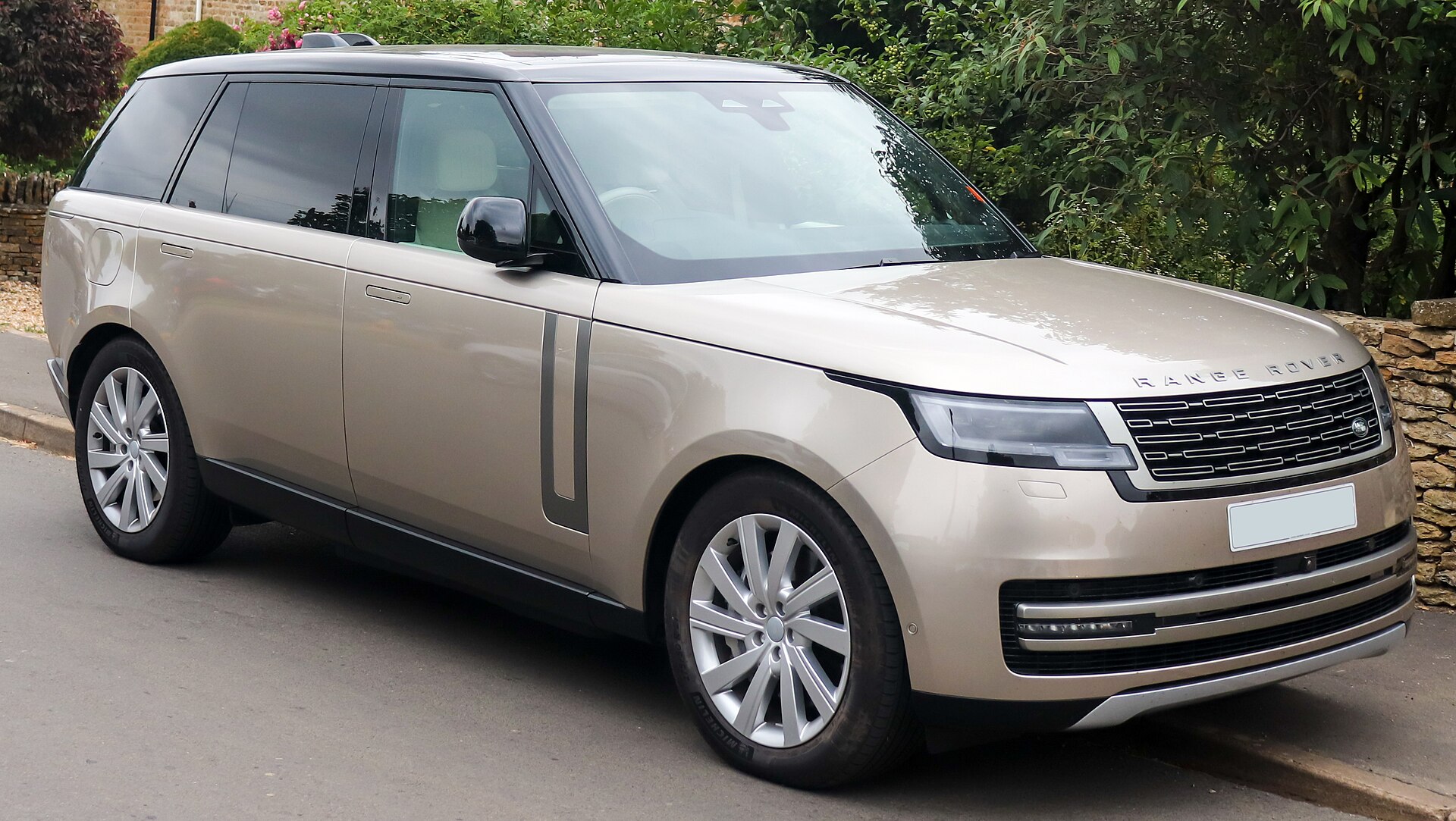
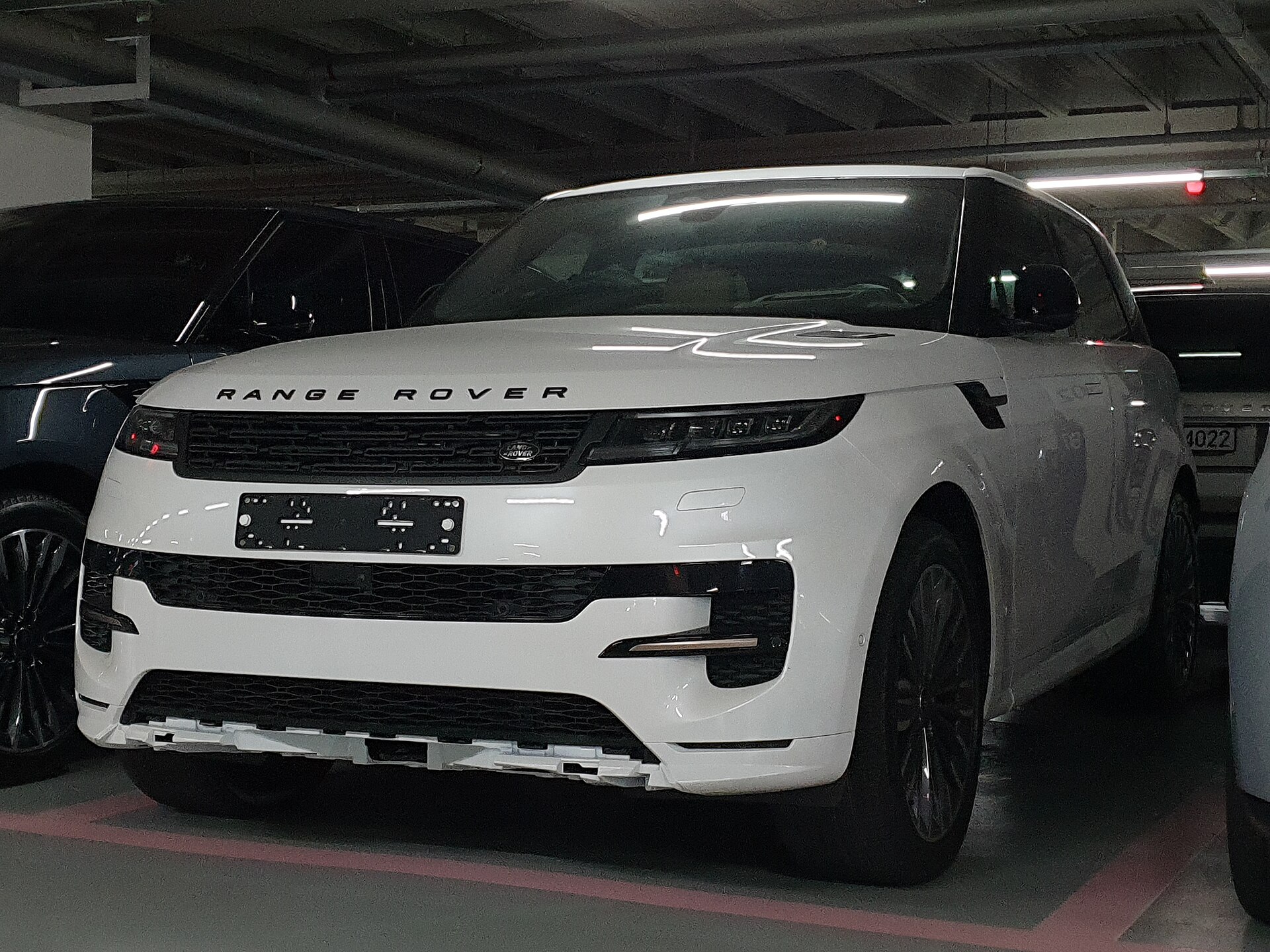
 Land Rover Range Rover Sport
All generations, specs and history
Published Sources (6) Report an error
By Felix Hartmann, Automotive Technology & EV Contributor
- Built
- 2005–present
- Generations
- 3 · L320 to L461
- Top power
- 467 kW (635 PS)
Timeline
Range Rover Sport generations
Click a generation for its own page


- Range Rover Sport L320 2005–2013 · SUV · 140–375 kW (190–510 PS)
- Range Rover Sport L494 2013–2022 · SUV
- Range Rover Sport L461 Current 2022–now · SUV · 184–467 kW (250–635 PS)
Newest first · 3 generations since 2005
-
2022
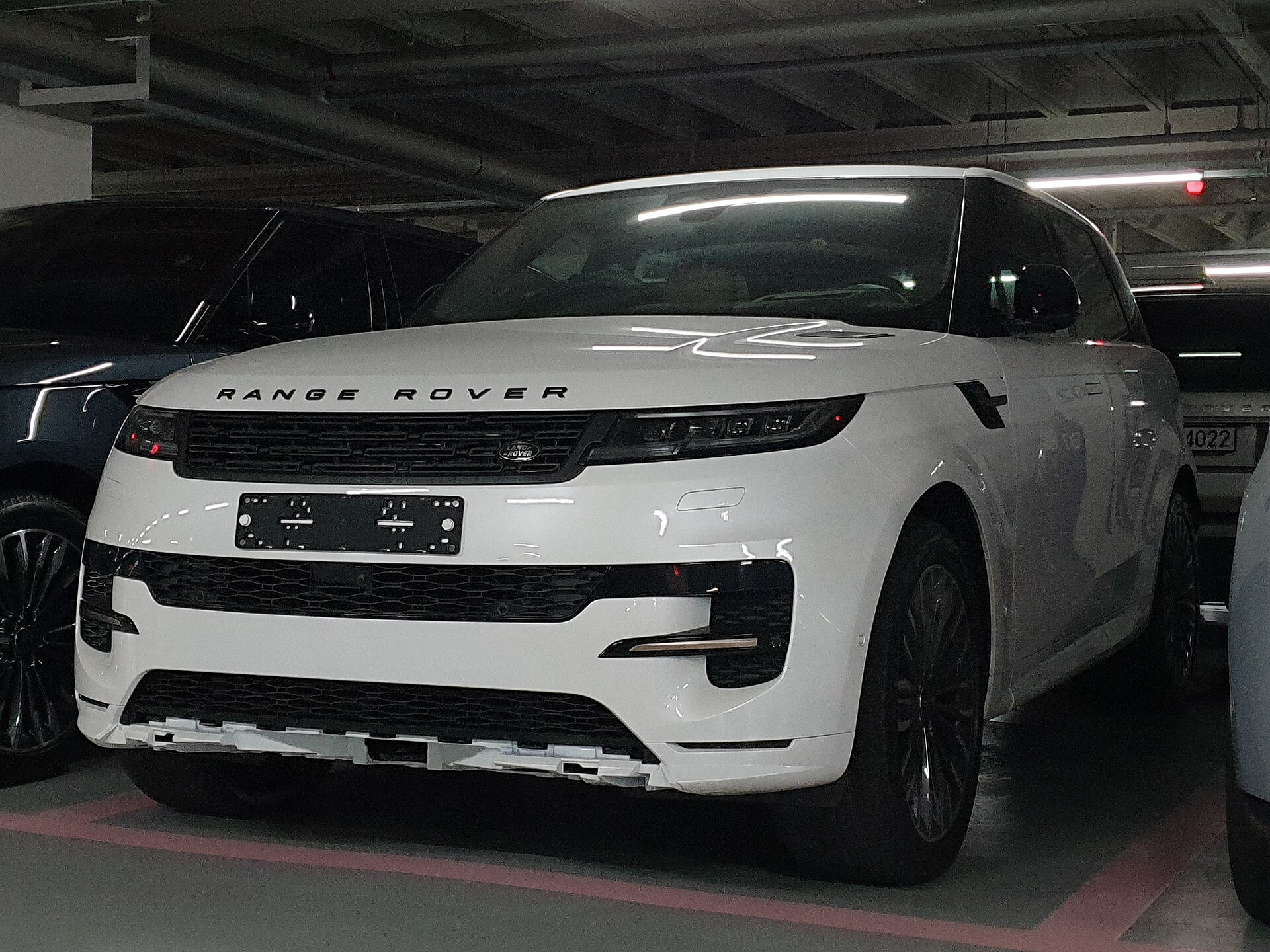
-
2013
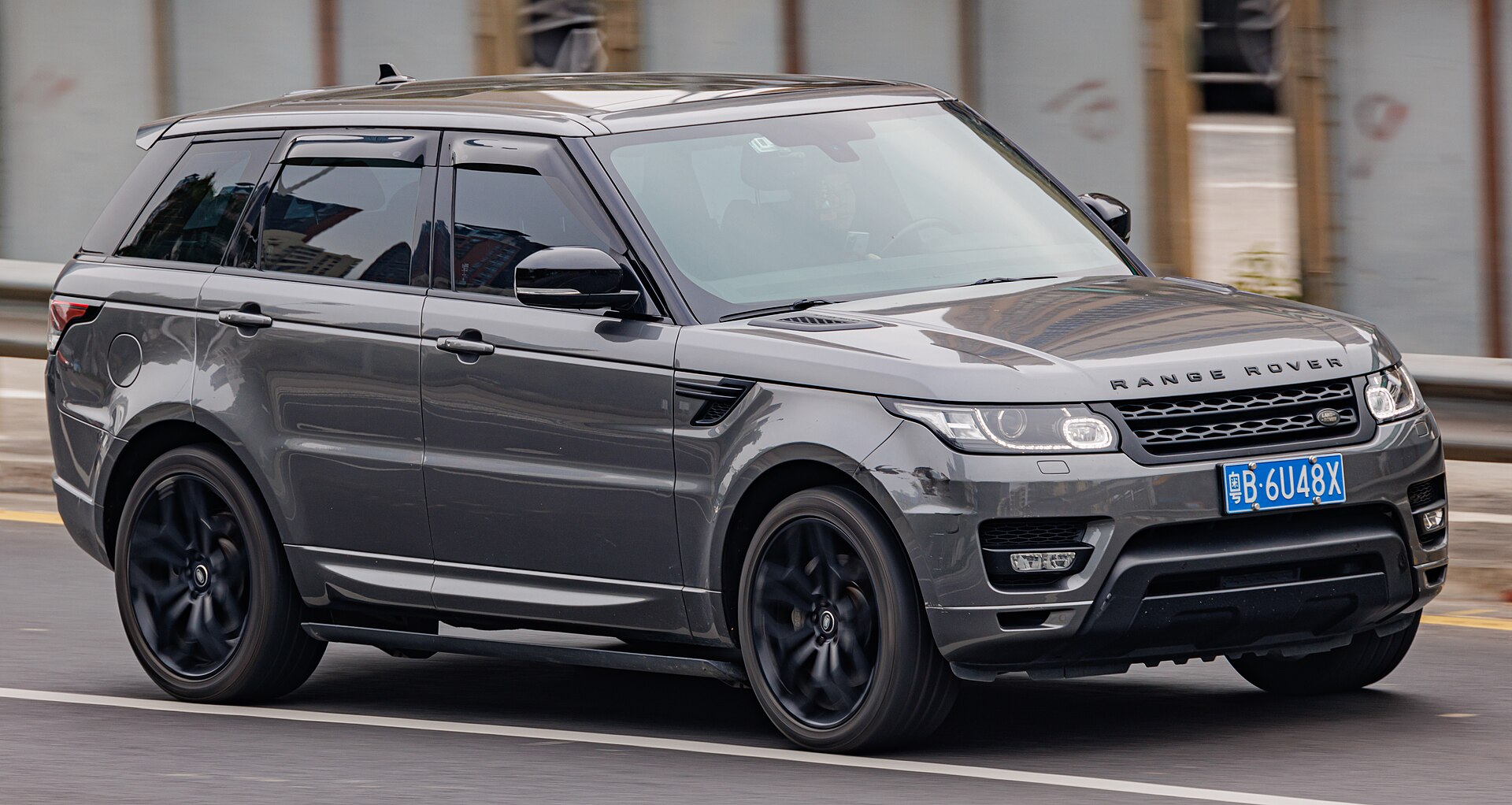
-
2005
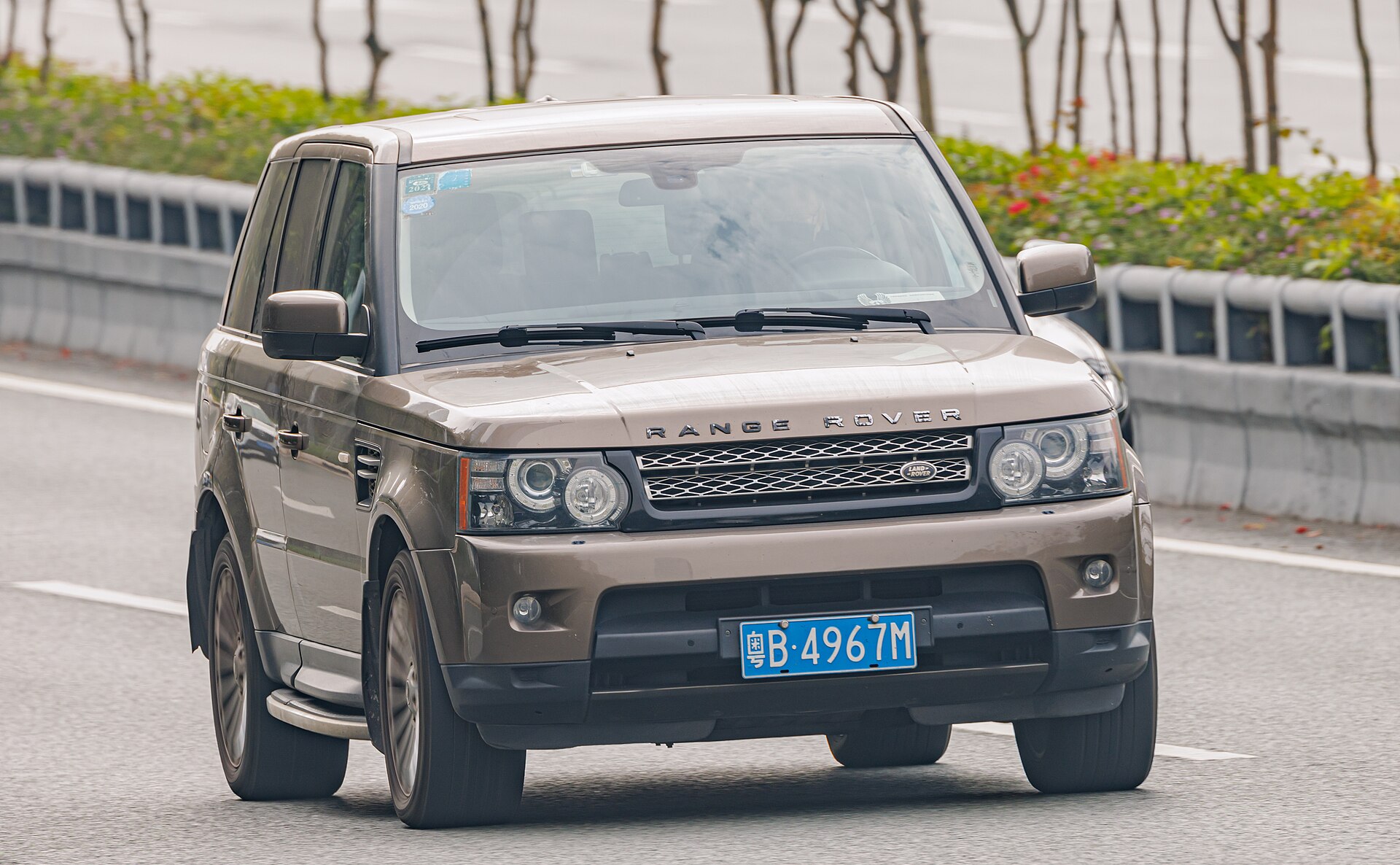
All generations by year: Range Rover Sport L461 (2022–now) · Range Rover Sport L494 (2013–2022) · Range Rover Sport L320 (2005–2013)
Which one is mine?
Pick the year of first registration to see which generation it is.
Check by VINWhich Range Rover Sport to choose
Our verdict · Felix Hartmann
- For a low price of entry: a late L320 3.0 SDV6 with the eight-speed automatic.
- For the lightest body: the L494, 181 kg lighter than the L320 and about 180 kg lighter than the L461.
- For low running costs on short trips: an L461 plug-in hybrid with more than 100 km of electric range.
- For the most performance: the L494 SVR or the L461 SV with 467 kW.
- For towing: an L461 diesel; the ADAC lists 3,500 kg for the D300.
Smaller Land Rovers are covered on our Range Rover Velar and Discovery Sport pages, the brand story in the history of Land Rover, and all versions in the Land Rover catalogue. Our comparison tool puts it side by side with other SUVs, such as the Porsche Cayenne.
The Range Rover Sport is Land Rover's shorter, more road-focused luxury SUV, sold since 2005 below the full-size Range Rover. Three generations have been built in Solihull: the L320 (2005–2013) on Discovery 3 foundations, the aluminium L494 (2013–2022) and the L461 from 2022. Outputs range from 140 kW in the first diesel to 467 kW in the current SV, and an all-electric version was revealed in September 2026.
In short
- Previewed by the Range Stormer concept at the 2004 Detroit show; on sale from 2005.
- L494 of 2013: all-aluminium body, 181 kg lighter than the L320; SVR with 405–423 kW from 2014.
- L461 of 2022: MLA-Flex platform, mild-hybrid six-cylinders, plug-in hybrids with a 38.2 kWh battery and the 467 kW SV.
- Range Rover Sport Electric, revealed on 30 September 2026: 400 kW (550 PS), 118.5 kWh, up to 600 km WLTP.
Size at a glance
Land Rover Range Rover Sport L494
The Land Rover Range Rover Sport L461 is 96 mm longer, 64 mm wider and 40 mm taller than the Land Rover Range Rover Sport L494.
| Dimensions | Land Rover Range Rover Sport L461 | Land Rover Range Rover Sport L494 | Difference |
|---|---|---|---|
| Length | 4,946 mm194.7 in | 4,850 mm190.9 in | +96 mm+3.8 in |
| Width | 2,047 mm80.6 in | 1,983 mm78.1 in | +64 mm+2.5 in |
| Height | 1,820 mm71.7 in | 1,780 mm70.1 in | +40 mm+1.6 in |
| Wheelbase | 2,997 mm118.0 in | 2,923 mm115.1 in | +74 mm+2.9 in |
| Boot | — | 784 L27.7 cu ft | — |
Running cost
Fuel · Range Rover Sport L461 D300
about 1,850 EUR fuel a year at 15,000 km
7.4 l/100 km · diesel at 1.65 EUR/l · change mileage, fuel price or version
Specs by version
Engines
| Version | Engine | Power | Torque | Drive | Production years |
|---|---|---|---|---|---|
| Plug-in hybrid · 5 versions | |||||
| L494 · 2.0 Ingenium plug-in hybrid | 4 cyl · Plug-in hybrid | 297 kW 404 PS398 hp | — | Four-wheel drive (4×4) | — |
| L461 · P440e plug-in hybrid | 6 cyl · Plug-in hybrid | 324 kW 441 PS434 hp | 620 Nm457 lb-ft | Four-wheel drive (4×4) | 2022 |
| L461 · P460e plug-in hybrid | 6 cyl · Plug-in hybrid | 338 kW 460 PS453 hp | 550 Nm406 lb-ft | Four-wheel drive (4×4) | — |
| L461 · P510e plug-in hybrid | 3.0 l · 6 cyl · Plug-in hybrid 3,000 cc | 375 kW 510 PS503 hp | 700 Nm516 lb-ft | — | 2022 |
| L461 · P550e plug-in hybrid | 6 cyl · Plug-in hybrid | 405 kW 551 PS543 hp | 700 Nm516 lb-ft | Four-wheel drive (4×4) | — |
| Electric · 1 version | |||||
| L461 · Range Rover Sport Electric | Electric | 400 kW 544 PS536 hp | 850 Nm627 lb-ft | Four-wheel drive (4×4) | 2026 |
| Diesel · 11 versions | |||||
| L320 · 2.7 TDV6 | 2.7 l · 6 cyl · Diesel 2,700 cc | 140 kW 190 PS188 hp | 440 Nm325 lb-ft | Four-wheel drive (4×4) | 2005–2009 |
| L320 · 3.0 TDV6 | 6 cyl · Diesel | 155 kW 211 PS208 hp | 520 Nm384 lb-ft | Four-wheel drive (4×4) | 2011–2013 |
| L320 · 3.0 TDV6 | 3.0 l · 6 cyl · Diesel 3,000 cc | 180 kW 245 PS241 hp | 600 Nm443 lb-ft | Four-wheel drive (4×4) | 2009–2013 |
| L320 · 3.0 SDV6 | 6 cyl · Diesel | 190 kW 258 PS255 hp | 600 Nm443 lb-ft | Four-wheel drive (4×4) | 2011–2013 |
| L320 · 3.6 TDV8 | 3.6 l · 8 cyl · Diesel 3,600 cc | 200 kW 272 PS268 hp | 640 Nm472 lb-ft | Four-wheel drive (4×4) | — |
| L494 · 3 L 6 cyl Automatic (S8) · 2021 (EPA) | 3.0 l · 6 cyl · Diesel 3,000 cc | — | — | Four-wheel drive (4×4) | 2021 |
| L494 · 3 L 6 cyl Automatic (S8) · 2020 (EPA) | 3.0 l · 6 cyl · Diesel 3,000 cc | — | — | Four-wheel drive (4×4) | 2020 |
| L494 · 3 L 6 cyl Automatic (S8) · 2019 (EPA) | 3.0 l · 6 cyl · Diesel 3,000 cc | — | — | Four-wheel drive (4×4) | 2019 |
| L461 · D250 | 3.0 l · 6 cyl · Diesel 3,000 cc | 184 kW 250 PS247 hp | 600 Nm443 lb-ft | — | 2022 |
| L461 · D300 | 3.0 l · 6 cyl · Diesel 3,000 cc | 221 kW 300 PS296 hp | 650 Nm479 lb-ft | — | 2022 |
| L461 · D350 | 3.0 l · 6 cyl · Diesel 3,000 cc | 257 kW 349 PS345 hp | 700 Nm516 lb-ft | — | 2022 |
| Petrol · 15 versions | |||||
| L320 · 4.4 V8 | 4.4 l · 8 cyl · Petrol 4,400 cc | 221 kW 300 PS296 hp | 425 Nm313 lb-ft | Four-wheel drive (4×4) | 2005–2009 |
| L320 · 5.0 V8 | 5.0 l · 8 cyl · Petrol 5,000 cc | 276 kW 375 PS370 hp | 510 Nm376 lb-ft | Four-wheel drive (4×4) | 2009–2013 |
| L320 · 4.2 V8 Supercharged | 4.2 l · 8 cyl · Petrol 4,200 cc | 287 kW 390 PS385 hp | 550 Nm406 lb-ft | Four-wheel drive (4×4) | 2005–2009 |
| L320 · 5.0 V8 Supercharged | 5.0 l · 8 cyl · Petrol 5,000 cc | 375 kW 510 PS503 hp | 625 Nm461 lb-ft | Four-wheel drive (4×4) | 2009–2013 |
| L494 · 3.0 V6 Supercharged | 6 cyl · Petrol | 250 kW 340 PS335 hp | — | Four-wheel drive (4×4) | — |
| L494 · 3.0 Ingenium I6 MHEV | 6 cyl · Petrol | 265 kW 360 PS355 hp | — | Four-wheel drive (4×4) | — |
| L494 · 3.0 Ingenium I6 MHEV | 6 cyl · Petrol | 294 kW 400 PS394 hp | — | Four-wheel drive (4×4) | — |
| L494 · 5.0 V8 Supercharged | 8 cyl · Petrol | 375 kW 510 PS503 hp | — | Four-wheel drive (4×4) | — |
| L494 · 5.0 V8 Supercharged | 8 cyl · Petrol | 386 kW 525 PS518 hp | — | Four-wheel drive (4×4) | — |
| L494 · SVR 5.0 V8 Supercharged | 5.0 l · 8 cyl · Petrol 5,000 cc | 410 kW 557 PS550 hp | 681 Nm502 lb-ft | Four-wheel drive (4×4) | — |
| L494 · SVR 5.0 V8 Supercharged | 5.0 l · 8 cyl · Petrol 5,000 cc | 429 kW 583 PS575 hp | 681 Nm502 lb-ft | Four-wheel drive (4×4) | 2018 |
| L461 · P360 | 6 cyl · Petrol | 265 kW 360 PS355 hp | 500 Nm369 lb-ft | Four-wheel drive (4×4) | 2022 |
| L461 · P400 | 3.0 l · 6 cyl · Petrol 3,000 cc | 294 kW 400 PS394 hp | 550 Nm406 lb-ft | — | 2022 |
| L461 · P530 4.4 V8 | 4.4 l · 8 cyl · Petrol 4,400 cc | 390 kW 530 PS523 hp | 750 Nm553 lb-ft | — | 2022 |
| L461 · SV 4.4 V8 | 4.4 l · 8 cyl · Petrol 4,400 cc | 467 kW 635 PS626 hp | 750 Nm553 lb-ft | — | — |
| Other · 5 versions | |||||
| L494 · 3 L 6 cyl Automatic (S8) · 2019 (EPA) | 3.0 l · 6 cyl 3,000 cc | — | — | Four-wheel drive (4×4) | 2019 |
| L494 · 5 L 8 cyl Automatic (S8) · 2021 (EPA) | 5.0 l · 8 cyl 5,000 cc | — | — | Four-wheel drive (4×4) | 2021 |
| L494 · 5 L 8 cyl Automatic (S8) · 2020 (EPA) | 5.0 l · 8 cyl 5,000 cc | — | — | Four-wheel drive (4×4) | 2020 |
| L494 · 5 L 8 cyl Automatic (S8) · 2019 (EPA) | 5.0 l · 8 cyl 5,000 cc | — | — | Four-wheel drive (4×4) | 2019 |
| L461 · 5 L 8 cyl Automatic (S8) · 2022 (EPA) | 5.0 l · 8 cyl 5,000 cc | — | — | Four-wheel drive (4×4) | 2022 |
Performance
Show all 19 versions
| Version | Top speed | Fuel consumption | CO₂ |
|---|---|---|---|
| Plug-in hybrid · 3 versions | |||
| L461 · P440e plug-in hybrid | 225 km/h140 mph | — | — |
| L461 · P460e plug-in hybrid | 225 km/h140 mph | — | — |
| L461 · P550e plug-in hybrid | 242 km/h150 mph | — | — |
| Electric · 1 version | |||
| L461 · Range Rover Sport Electric | — | — | — |
| Diesel · 5 versions | |||
| L494 · 3 L 6 cyl Automatic (S8) · 2021 (EPA) | — | 9.8 l/100 km24.0 mpg US · 28.8 mpg UK | — |
| L494 · 3 L 6 cyl Automatic (S8) · 2020 (EPA) | — | 9.8 l/100 km24.0 mpg US · 28.8 mpg UK | — |
| L494 · 3 L 6 cyl Automatic (S8) · 2019 (EPA) | — | 9.8 l/100 km24.0 mpg US · 28.8 mpg UK | — |
| L461 · D250 | — | 7.3 l/100 km32.2 mpg US · 38.7 mpg UK | 192 g/km |
| L461 · D300 | — | 7.4 l/100 km31.8 mpg US · 38.2 mpg UK | 195 g/km |
| Petrol · 5 versions | |||
| L494 · 3.0 Ingenium I6 MHEV | — | 10.7 l/100 km22.0 mpg US · 26.4 mpg UK | 243 g/km |
| L494 · SVR 5.0 V8 Supercharged | 261 km/h162 mph | 14.7 l/100 km16.0 mpg US · 19.2 mpg UK | 331 g/km |
| L494 · SVR 5.0 V8 Supercharged | 261 km/h162 mph | 14.7 l/100 km16.0 mpg US · 19.2 mpg UK | 331 g/km |
| L461 · P360 | 225 km/h140 mph | — | — |
| L461 · P530 4.4 V8 | — | 11.6 l/100 km20.3 mpg US · 24.4 mpg UK | 263 g/km |
| Other · 5 versions | |||
| L494 · 3 L 6 cyl Automatic (S8) · 2019 (EPA) | — | 12.4 l/100 km19.0 mpg US · 22.8 mpg UK | — |
| L494 · 5 L 8 cyl Automatic (S8) · 2021 (EPA) | — | 12.4 l/100 km19.0 mpg US · 22.8 mpg UK | — |
| L494 · 5 L 8 cyl Automatic (S8) · 2020 (EPA) | — | 12.4 l/100 km19.0 mpg US · 22.8 mpg UK | — |
| L494 · 5 L 8 cyl Automatic (S8) · 2019 (EPA) | — | 12.4 l/100 km19.0 mpg US · 22.8 mpg UK | — |
| L461 · 5 L 8 cyl Automatic (S8) · 2022 (EPA) | — | 12.4 l/100 km19.0 mpg US · 22.8 mpg UK | — |
Dimensions and weight
Show all 16 versions
| Version | Length | Width | Height | Wheelbase | Kerb weight |
|---|---|---|---|---|---|
| Plug-in hybrid · 4 versions | |||||
| L461 · P440e plug-in hybrid | — | — | — | — | — |
| L461 · P460e plug-in hybrid | — | — | — | — | — |
| L461 · P510e plug-in hybrid | 4,946 mm194.7 in | 2,047 mm80.6 in | 1,820 mm71.7 in | 2,997 mm118.0 in | — |
| L461 · P550e plug-in hybrid | — | — | — | — | — |
| Electric · 1 version | |||||
| L461 · Range Rover Sport Electric | — | — | — | — | — |
| Diesel · 4 versions | |||||
| L320 · 2.7 TDV6 | 4,788 mm188.5 in | 1,928 mm75.9 in | 1,784 mm70.2 in | 2,745 mm108.1 in | 2,530 kg5,578 lb |
| L461 · D250 | 4,946 mm194.7 in | 2,047 mm80.6 in | 1,820 mm71.7 in | 2,997 mm118.0 in | 2,517 kg5,549 lb |
| L461 · D300 | 4,946 mm194.7 in | 2,047 mm80.6 in | 1,820 mm71.7 in | 2,997 mm118.0 in | 2,489 kg5,487 lb |
| L461 · D350 | 4,946 mm194.7 in | 2,047 mm80.6 in | 1,820 mm71.7 in | 2,997 mm118.0 in | — |
| Petrol · 7 versions | |||||
| L494 · 3.0 V6 Supercharged | 4,850 mm190.9 in | 1,983 mm78.1 in | 1,780 mm70.1 in | 2,923 mm115.1 in | 2,115 kg4,663 lb |
| L494 · 3.0 Ingenium I6 MHEV | — | — | — | — | 2,356 kg5,194 lb |
| L494 · SVR 5.0 V8 Supercharged | — | — | — | — | 2,448 kg5,397 lb |
| L494 · SVR 5.0 V8 Supercharged | — | — | — | — | 2,448 kg5,397 lb |
| L461 · P400 | 4,946 mm194.7 in | 2,047 mm80.6 in | 1,820 mm71.7 in | 2,997 mm118.0 in | — |
| L461 · P530 4.4 V8 | 4,946 mm194.7 in | 2,047 mm80.6 in | 1,820 mm71.7 in | 2,997 mm118.0 in | 2,505 kg5,523 lb |
| L461 · SV 4.4 V8 | 4,946 mm194.7 in | 2,047 mm80.6 in | 1,820 mm71.7 in | 2,997 mm118.0 in | — |
Verified Manufacturer and type-approval data from our catalog · Sources and methodology
Range Rover Sport at a glance
| Parameter | Value |
|---|---|
| Production | since 2005; L320 2005–2013, L494 2013–2022, L461 since 2022 |
| Body | five-door SUV |
| Platforms | Discovery 3 integrated body-frame (L320); aluminium monocoque (L494); MLA-Flex (L461) |
| Engines | four, six and eight-cylinder petrol and diesel, mild hybrids, plug-in hybrids, electric (2026) |
| Power | 140 kW (2.7 TDV6, 2005) to 467 kW (SV, 2023) |
| Drive | all-wheel drive; the L461 can switch to rear-wheel drive between about 34 and 160 km/h |
| Length (L461) | 4,946 mm; wheelbase 2,997 mm |
| Weight (L461) | 2,322 kg (Wikipedia EN); 2,390 kg EU kerb weight for the D300 (ADAC) |
| Price (Germany) | from €93,000 for the D250 in May 2022 |
L320 (2005–2013): the first Range Rover Sport
Land Rover previewed the idea with the Range Stormer concept, a show car unveiled in Detroit in January 2004. The production car arrived in 2005 on a shortened version of the Discovery 3's integrated body-frame, with a wheelbase 140 mm shorter than the Discovery's. Ground clearance was 172 mm in normal mode and 227 mm in off-road mode.
| Engine | Power | Torque | 0–100 km/h (0–62 mph) |
|---|---|---|---|
| 2.7 TDV6 | 140 kW (190 PS) | 440 Nm | 11.9 s |
| 3.0 TDV6 | 155–180 kW (211–245 PS) | 520–600 Nm | 10.3–9.3 s |
| 3.0 SDV6 (from July 2011) | 190 kW (258 PS) | 600 Nm | 8.9 s |
| 3.6 TDV8 | 200 kW (272 PS) | 640 Nm | 8.6 s |
| 4.4 V8 | 221 kW (300 PS) | 425 Nm | 8.2 s |
| 4.2 V8 supercharged | 287 kW (390 PS) | 550 Nm | 7.1 s |
| 5.0 V8 (2009 facelift) | 276 kW (375 PS) | 510 Nm | 7.3 s |
| 5.0 V8 supercharged (2009 facelift) | 375 kW (510 PS) | 625 Nm | 5.9 s |
The facelift, with new headlights and tail lights, was presented in New York in April 2009 according to Wikipedia EN; Wikipedia DE dates it to summer 2010. In July 2011 the TDV6 was revised to 155 kW (211 PS) and paired with a new eight-speed automatic. Sales grew every year from 33,460 in 2009 to 58,234 in 2013.

L494 (2013–2022): aluminium and plug-in hybrid
The second generation was revealed in New York in March 2013 and reached European dealers on 20 September 2013. It shared its all-aluminium monocoque with the fourth-generation Range Rover (L405). At 4,851 mm it was 100 mm longer than the L320, but at 2,144 kg it was 181 kg lighter. From the 2014 model year it could wade through 850 mm of water.
The engine range was wide. Petrol versions included a 3.0-litre supercharged V6 with 250 kW (340 PS) and a 5.0-litre supercharged V8 with 375 to 423 kW (510 to 575 PS); diesels ran from a 2.0-litre four-cylinder to a 4.4-litre V8, with 177 to 258 kW according to Wikipedia DE. A plug-in hybrid with a 2.0-litre Ingenium petrol engine gave 297 kW (404 PS), and from 2019 a 3.0-litre Ingenium six-cylinder with mild-hybrid technology gave 265 or 294 kW (360 or 400 PS).
On 6 June 2013 Paul Dallenbach drove a Range Rover Sport 5.0 Supercharged up Pikes Peak in 12 minutes 36.61 seconds, a record for a production SUV; apart from a roll cage the car was standard. In February 2018 a Range Rover Sport climbed the 999 steps of the Tianmen Mountain staircase in China. Sales peaked at 87,758 in 2016.
The SVR, announced at Pebble Beach on 11 August 2014, had a 405 kW (550 PS) supercharged V8 and later 423 kW (575 PS). Its full story is on our Range Rover Sport SVR page.

L461 (since 2022): MLA-Flex, PHEV and SV
The third generation was revealed in May 2022 and went on sale in September 2022. It uses the MLA-Flex platform of the fifth-generation Range Rover and is 4,946 mm long, 2,047 mm wide and 1,820 mm high, on a 2,997 mm wheelbase. At 2,322 kg it is about 180 kg heavier than the L494. In the ADAC data the D300 has a 647-litre boot, 1,491 litres with the rear seats folded, a 3,500 kg towing limit and a wading depth of 900 mm.
| Version | Engine | Power | Torque | Top speed |
|---|---|---|---|---|
| D250 | 3.0 I6 diesel MHEV | 184 kW (250 PS) | 600 Nm | 206 km/h |
| D300 | 3.0 I6 diesel MHEV | 221 kW (300 PS) | 650 Nm | 218 km/h |
| D350 | 3.0 I6 diesel MHEV | 257 kW (350 PS) | 700 Nm | 234 km/h |
| P360 | 3.0 I6 petrol MHEV | 265 kW (360 PS) | 500 Nm | 225 km/h |
| P400 | 3.0 I6 petrol MHEV | 294 kW (400 PS) | 550 Nm | 242 km/h |
| P440e / P460e | I6 plug-in hybrid | 324 / 338 kW (440 / 460 PS) | 620 / 550 Nm | 225 km/h |
| P510e / P550e | I6 plug-in hybrid | 375 / 405 kW (510 / 550 PS) | 700 Nm | 242 km/h |
| P530 | 4.4 V8 twin-turbo | 390 kW (530 PS) | 750 Nm | 250 km/h |
| SV | 4.4 V8 twin-turbo | 467 kW (635 PS) | 750 Nm | 290 km/h |
The plug-in hybrids carry a 38.2 kWh battery, 31.8 kWh of it usable, and autonotizen quoted up to 113 km of electric range under WLTP. The SV made its debut on 31 May 2023 as the fastest version. The ADAC lists 6.6 seconds from 0 to 100 km/h and 8.0 l/100 km for the D300. Euro NCAP gave the L461 five stars in 2022, with 85 percent for adult occupants and 86 percent for children.
At launch in Germany in May 2022 prices started at €93,000 for the D250 and €100,200 for the P440e; the ADAC lists the D300 Dynamic HSE at €112,400 from September 2022. Germany registered 50,536 Range Rover Sports of all generations from 2005 to the end of 2024.
Range Rover Sport Electric (2026)
Land Rover revealed the Range Rover Sport Electric on 30 September 2026. Two motors give 400 kW (550 PS) and 850 Nm, and the battery holds 118.5 kWh for a WLTP range of up to 600 km. It charges at up to 350 kW, from 10 to 80 percent in 22 minutes. That makes it the first Range Rover Sport without a combustion engine and puts its power between the P510e and the P550e plug-in hybrids.

Photo gallery

Land Rover Range Rover Sport evolution in numbers
Did you know?
- The Land Rover Range Rover Sport has been around for 21 years: 3 generations in our catalog since 2005.
- The longest-running generation is the Range Rover Sport L494 (2013–2022): 9 years.
- The biggest jump in power came with the Range Rover Sport L494: up to 429 kW (583 PS), 54 kW more than the Range Rover Sport L320.
Most powerful version, kW
Length, mm
Figures from the 1cars catalog: power is the strongest version of each generation; generations without the figure are left out.
Land Rover Range Rover Sport: first vs latest generation
| Spec | Range Rover Sport L320 | Range Rover Sport L461 | Change |
|---|---|---|---|
| Years | 2005–2013 | 2022–present | 17 years apart |
| Most powerful version | 375 kW (510 PS) | 467 kW (635 PS) | +92 kW (+25%) |
| Length | 4,788 mm | 4,946 mm | +158 mm |
| Width | 1,928 mm | 2,047 mm | +119 mm |
| Wheelbase | 2,745 mm | 2,997 mm | +252 mm |
| Lightest kerb weight | 2,530 kg | 2,489 kg | −41 kg |
Oldest and newest generation in the 1cars catalog. Power is the strongest version of each; other rows are shown only when both generations have the figure.
Image credits · Photos from Wikimedia Commons under free licences
- Land Rover Range Rover Sport L461 · Photo: Damian B Oh / Wikimedia Commons, CC BY-SA 4.0
Popular comparisons
Land Rover Range Rover Sport in our rankings
- No. 2 of 78 · Biggest batteries: electric cars (118 kWh)
- No. 6 of 86 · Fastest SUVs and crossovers (261 km/h)
- No. 8 of 143 · Most powerful diesel cars (257 kW)
- No. 9 of 118 · Most torque: SUVs and crossovers (850 Nm)
- No. 9 of 97 · Power-to-weight: SUVs and crossovers (175 kW/t)
- No. 9 of 81 · Most torque: diesel cars (700 Nm)
Bigger battery than 97% of ranked electric cars in the 1CARS catalog (No. 2 of 78).
FAQ
How many generations of the Range Rover Sport are there?
Three: L320 (2005–2013), L494 (2013–2022) and L461 (since 2022), plus the electric version revealed in 2026.
What is the most powerful Range Rover Sport?
The L461 SV with a 4.4-litre twin-turbo V8 of 467 kW (635 PS), 750 Nm and 290 km/h.
How far can the plug-in hybrid go on electricity?
The L461 PHEV has a 38.2 kWh battery and up to 113 km of WLTP electric range.
What did a Range Rover Sport cost in 2022?
In Germany from €93,000 for the D250 in May 2022; the D300 Dynamic HSE cost €112,400.
Is the Range Rover Sport built on the Range Rover platform?
Since 2013 yes: the L494 shared the aluminium structure of the L405 Range Rover, and the L461 uses the MLA-Flex platform of the current Range Rover.
Data sources
Data checked by an editor against the sources below.
- Wikipedia — Range Rover Sport
- Euro NCAP — Manufacturers Have Euro Ncap S Vision 2030 In Sight As Fifteen Cars Score The Maximum Star Rating
- US EPA fueleconomy.gov — 42645.shtml
- US EPA fueleconomy.gov — 42692.shtml
- US EPA fueleconomy.gov — 41635.shtml
- EEA CO₂ monitoring (European Environment Agency, CC BY 4.0)