 Porsche 911
All generations, specs and history
Published Sources (4) Report an error
By Felix Hartmann, Automotive Technology & EV Contributor
- Built
- 1964–present
- Generations
- 8
- Top power
- 523 kW (711 PS)
Timeline
911 generations
Click a generation for its own page
996 and 997 overlapped in 2004–2005, so 997 sits on a second lane
- 911 901 1964–1973 · Coupe, Convertible · 96–154 kW (131–209 PS)
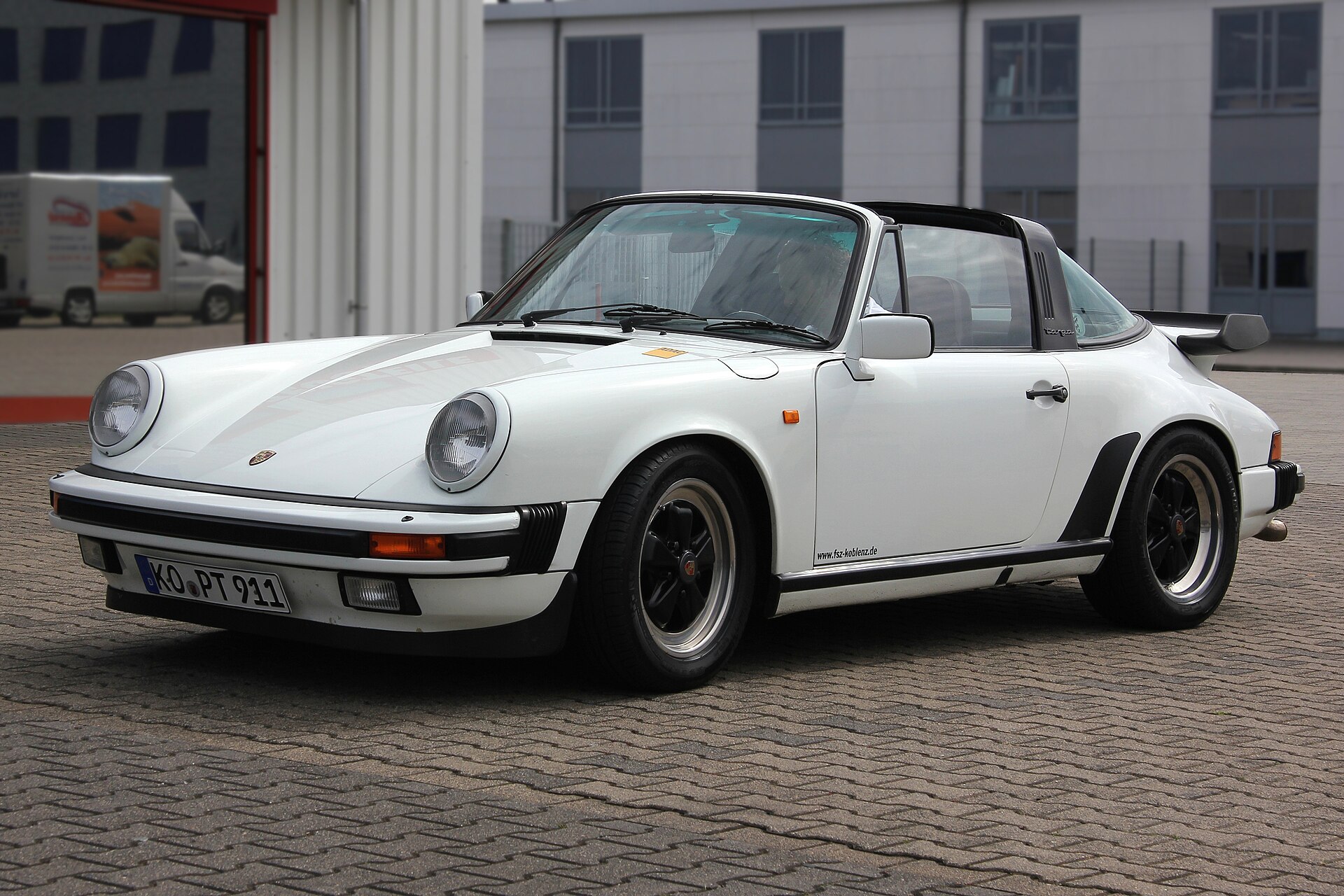
- 911 G-series 1974–1989 · Coupe, Convertible · 110–221 kW (150–300 PS)
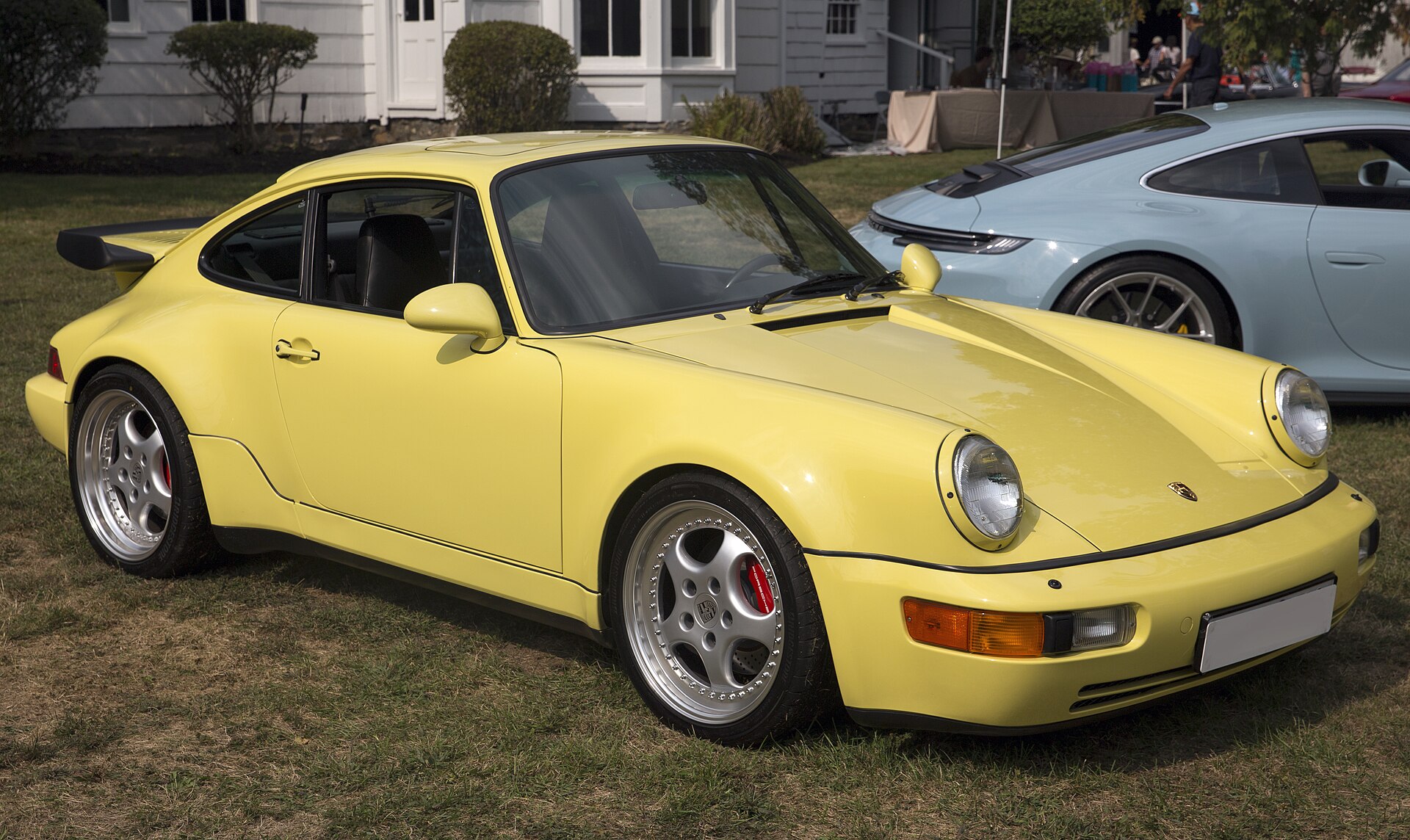
- 911 964 1989–1994 · Coupe, Convertible · 184–265 kW (250–360 PS)
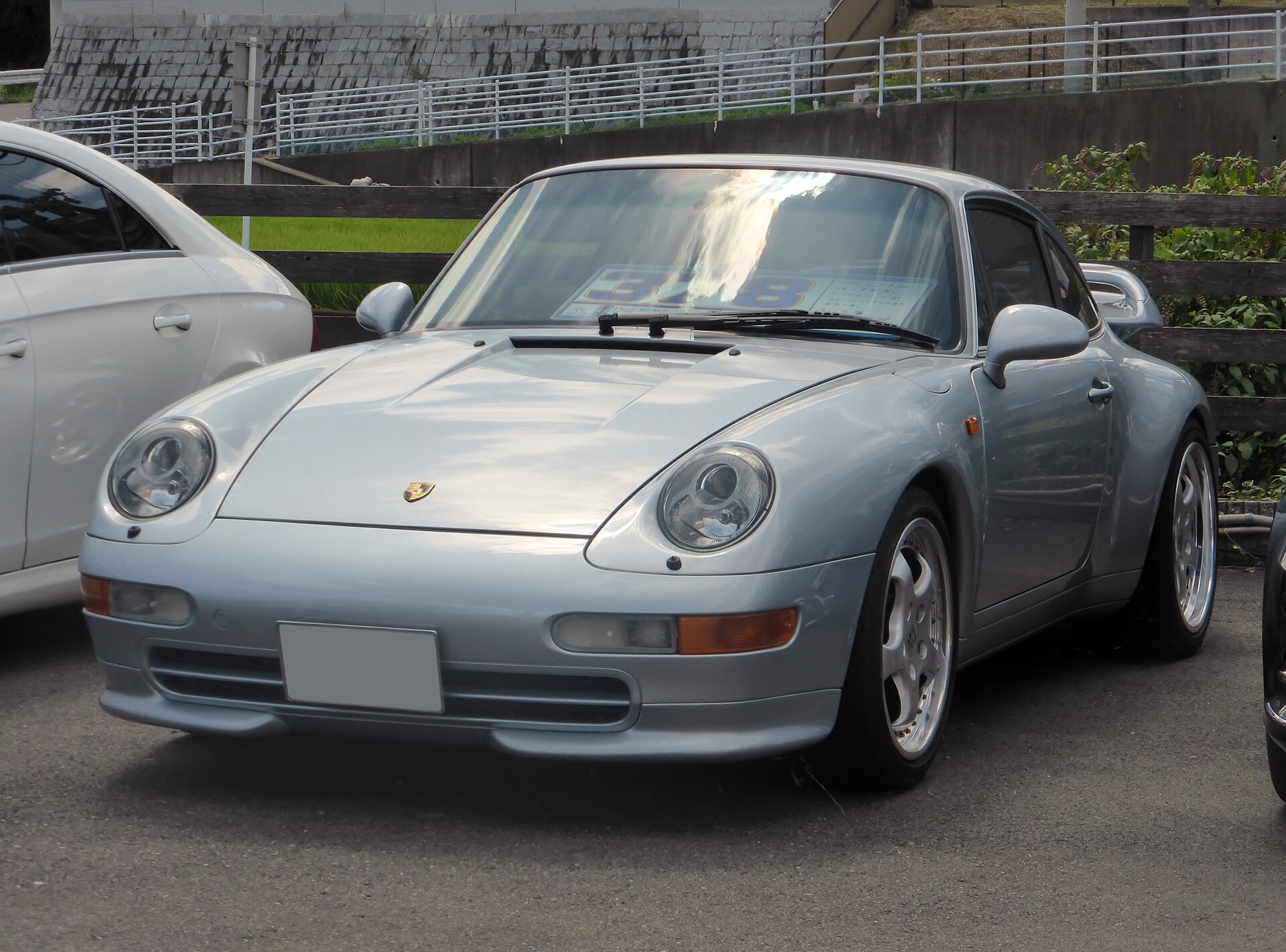
- 911 993 1994–1998 · Coupe, Convertible · 200–300 kW (272–408 PS)
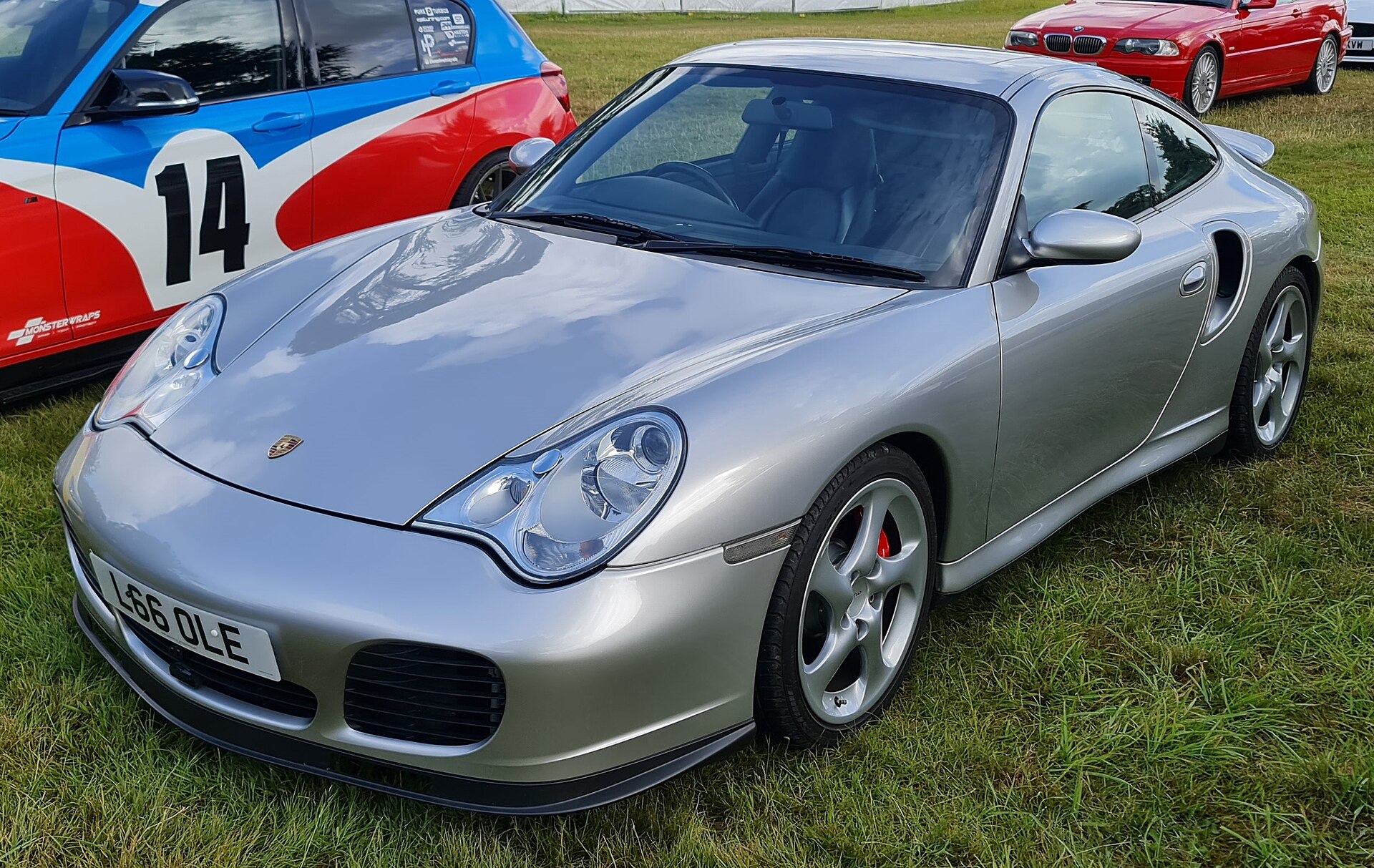
- 911 996 1998–2005 · Coupe, Convertible · 221–331 kW (300–450 PS)
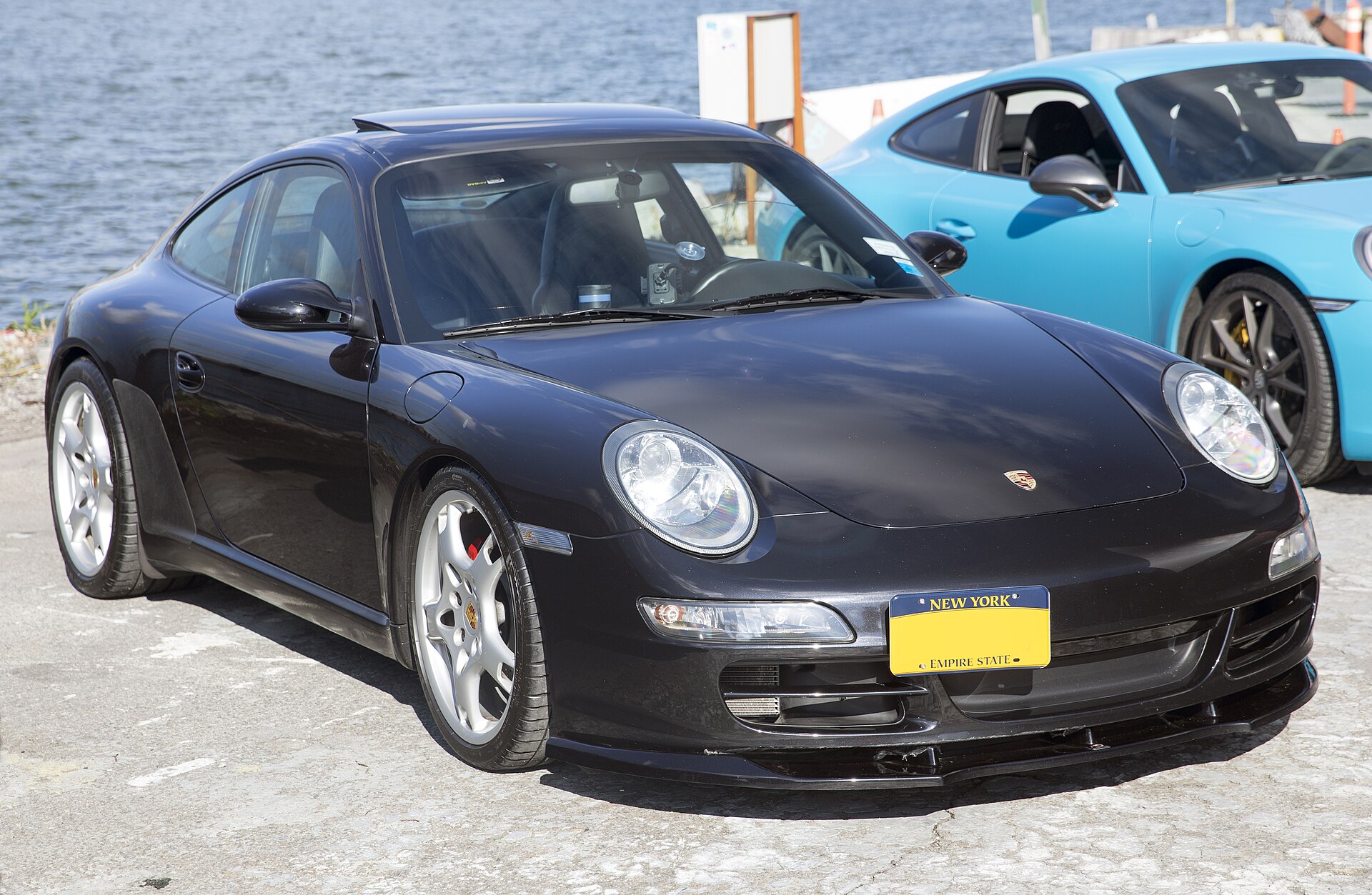
- 911 997 2004–2012 · Coupe, Convertible · 239–390 kW (325–530 PS)
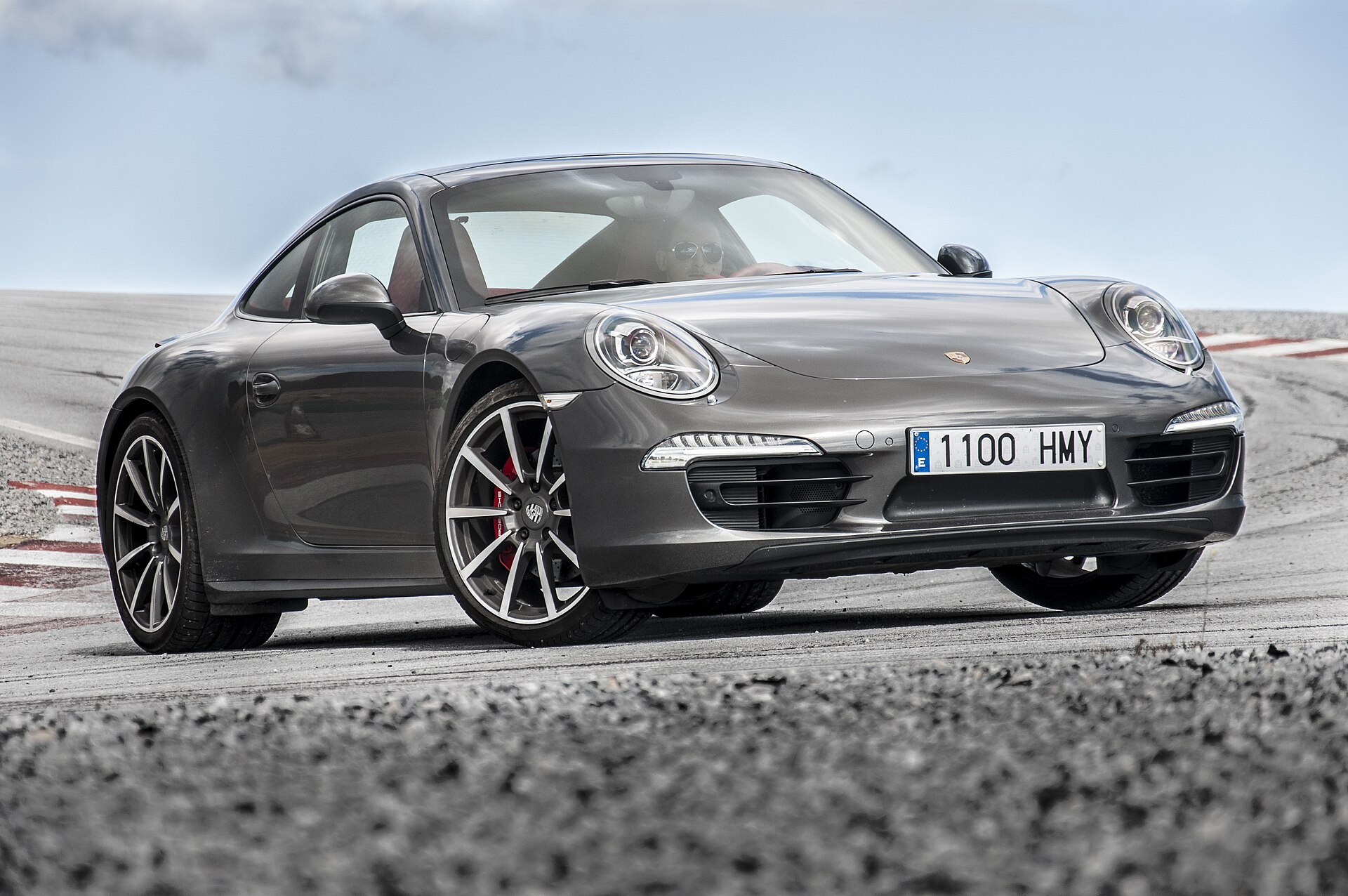
- 911 991 2011–2019 · Coupe, Convertible · 257–515 kW (349–700 PS)
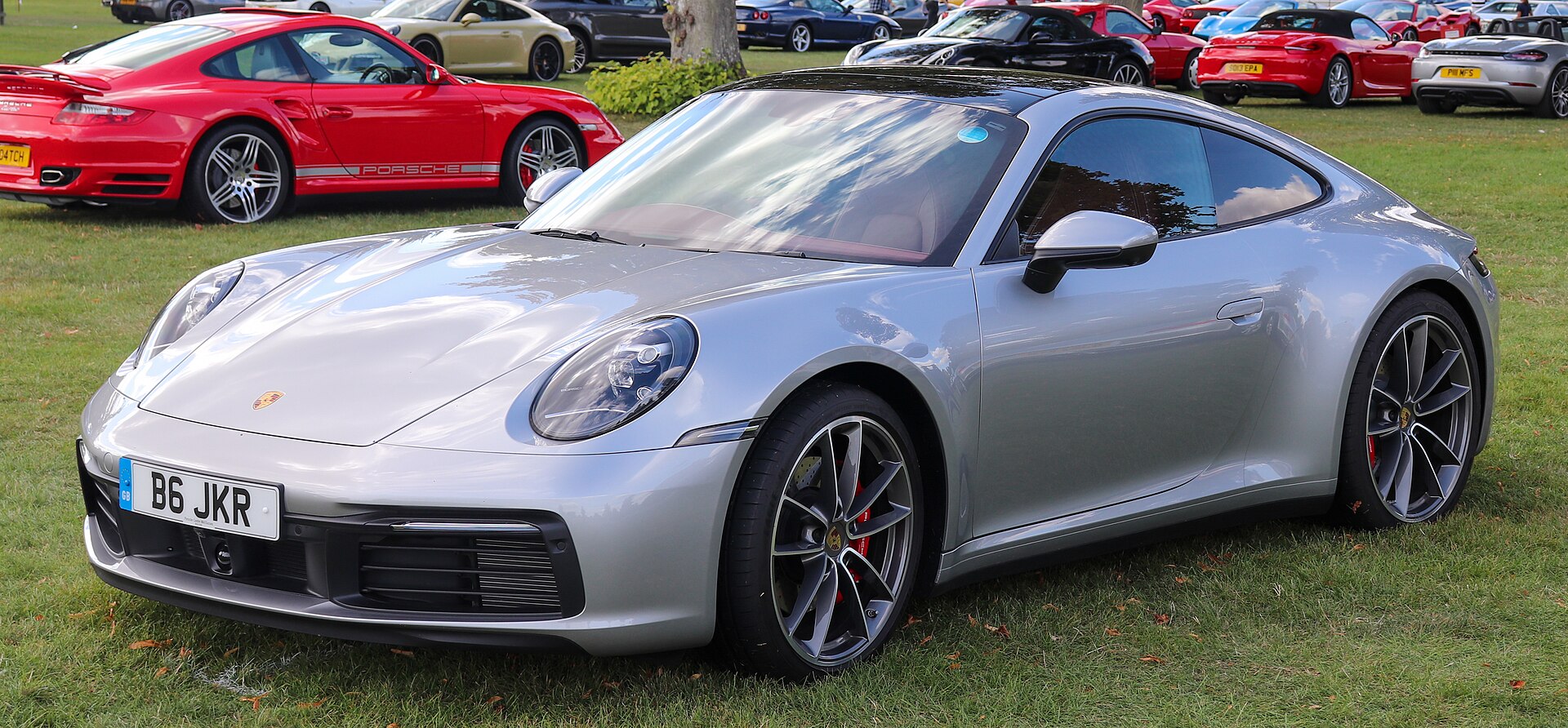
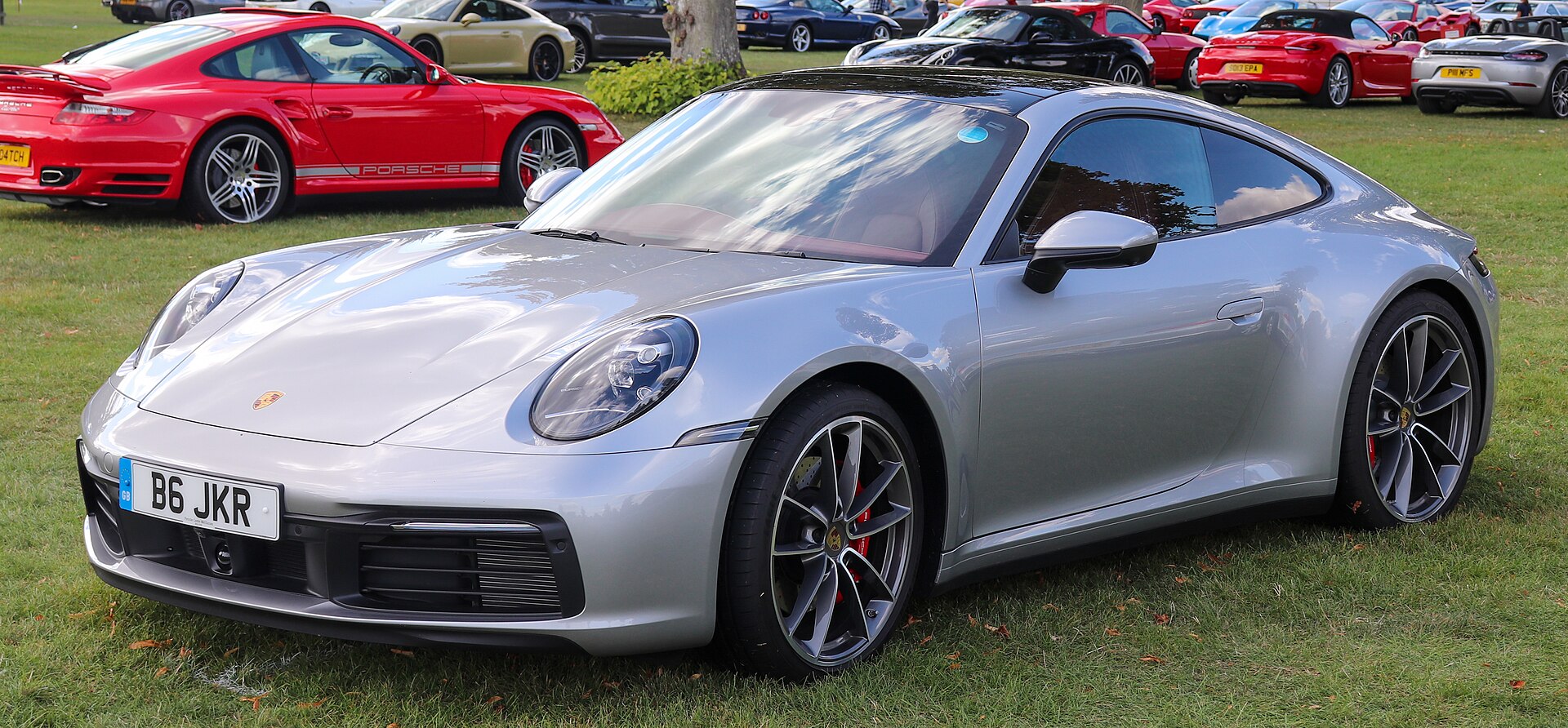
- 911 992 Current 2019–now · Coupe, Convertible · 290–523 kW (394–711 PS)
Newest first · 8 generations since 1964
-
2019
-
2011
-
2004
-
1998
-
1994
-
1989
-
1974
-
1964


All generations by year: 911 992 (2019–now) · 911 991 (2011–2019) · 911 997 (2004–2012) · 911 996 (1998–2005) · 911 993 (1994–1998) · 911 964 (1989–1994) · 911 G-series (1974–1989) · 911 901 (1964–1973)
Which one is mine?
Pick the year of first registration to see which generation it is.
Check by VINWhich 911 to choose
Our verdict · Felix Hartmann
The answer depends on what the car is for. The original 911 and the 3.2 Carrera are the classic, mechanical choices, with light bodies and air-cooled engines. The 964 and 993 combine air cooling with all-wheel drive as an option and, in the 993 Turbo, twin turbochargers. The water-cooled 996 and 997 are the most usable older cars, and the 991 brought the larger, quieter body. Among new cars, the Carrera is the everyday 911, the GTS T-Hybrid adds electric assistance to a larger engine, and the GT3 the one for track days with a naturally aspirated engine.
The Porsche 911 is a rear-engined sports car that Porsche has built since 1964, today in its Zuffenhausen plant in Stuttgart. It was shown in 1963 as the 901, took its final name after 82 cars, and has passed through eight generations, known by their internal codes from 901 to 992. Air cooling ended with the 993 in 1998; the current 992 arrived in 2019, and its 2024 update added the first hybrid 911.
In short
- Designed by Ferdinand Alexander "Butzi" Porsche, shown at the 1963 Frankfurt Motor Show, in production since September 1964.
- First engine: 1,991 cc air-cooled flat-six with 96 kW (130 PS); the 2025 Turbo S T-Hybrid reaches 523 kW (711 PS) and 800 Nm.
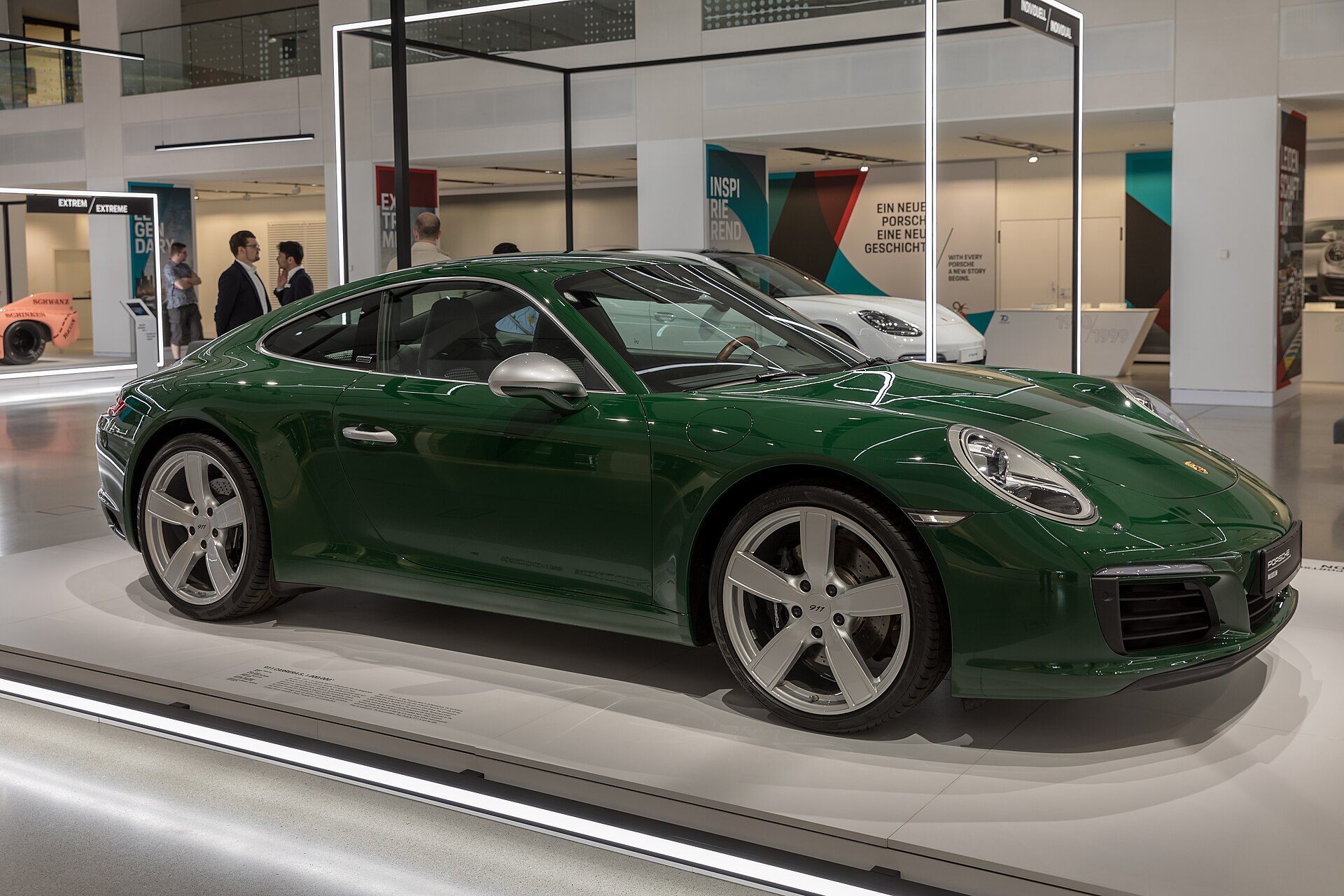
- The one-millionth 911 was built in May 2017; in 1999 the 911 finished fifth in the Car of the Century vote.
- The 992.2 of 2024 combines a 3.6-litre flat-six with an electric motor and a 2 kWh battery in the GTS and Turbo S.
Size at a glance
| Dimensions | Porsche 911 992 |
|---|---|
| Length | 4,519 mm177.9 in |
| Width | 1,852 mm72.9 in |
| Height | 1,289 mm50.7 in |
| Wheelbase | 2,450 mm96.5 in |
Running cost
Fuel · 911 992 GT3 (992.2)
about 3,600 EUR fuel a year at 15,000 km
13.8 l/100 km · petrol at 1.75 EUR/l · change mileage, fuel price or version
Specs by version
Engines
| Version | Engine | Power | Torque | Production years |
|---|---|---|---|---|
| Hybrid · 2 versions | ||||
| Carrera GTS T-Hybrid (992.2) | Hybrid | 398 kW 541 PS534 hp | - | 2025 |
| Turbo S T-Hybrid (992.2) | Hybrid | 523 kW 711 PS701 hp | 800 Nm590 lb-ft | 2025 |
| Petrol · 6 versions | ||||
| Carrera (992.2) | Petrol | 290 kW 394 PS389 hp | 450 Nm332 lb-ft | 2025 |
| Carrera S (992.2) | Petrol | 353 kW 480 PS473 hp | 530 Nm391 lb-ft | 2025 |
| 992 · Dakar | Petrol | 353 kW 480 PS473 hp | 569 Nm420 lb-ft | - |
| GT3 (992.2) | 4.0 l · 6 cyl · Petrol 4,000 cc | 375 kW 510 PS503 hp | 450 Nm332 lb-ft | - |
| GT3 RS (992.1) | 4.0 l · 6 cyl · Petrol 4,000 cc | 386 kW 525 PS518 hp | 465 Nm343 lb-ft | - |
| Turbo S (992.1) | Petrol | 478 kW 650 PS641 hp | 800 Nm590 lb-ft | 2020 |
Performance
Show all 8 versions
| Version | 0–100 km/h | Top speed | Fuel consumption | CO₂ |
|---|---|---|---|---|
| Hybrid · 2 versions | ||||
| Carrera GTS T-Hybrid (992.2) | 3.0 s 0–62 mph | 312 km/h194 mph | - | - |
| Turbo S T-Hybrid (992.2) | 2.5 s 0–62 mph | 322 km/h200 mph | - | - |
| Petrol · 6 versions | ||||
| Carrera (992.2) | 3.9 s 0–62 mph | 295 km/h183 mph | - | - |
| Carrera S (992.2) | 3.5 s 0–62 mph | 308 km/h191 mph | - | - |
| 992 · Dakar | 3.4 s 0–62 mph | 240 km/h149 mph | - | - |
| GT3 (992.2) | 3.4 s 0–62 mph | 311 km/h193 mph | 13.8 l/100 km17.0 mpg US · 20.5 mpg UK | 313 g/km |
| GT3 RS (992.1) | - | 296 km/h184 mph | 13.8 l/100 km17.0 mpg US · 20.5 mpg UK | 313 g/km |
| Turbo S (992.1) | 2.7 s 0–62 mph | 330 km/h205 mph | 12.3 l/100 km19.1 mpg US · 23.0 mpg UK | 278 g/km |
Dimensions and weight
Show all 8 versions
| Version | Wheelbase | Kerb weight |
|---|---|---|
| Hybrid · 2 versions | ||
| Carrera GTS T-Hybrid (992.2) | 2,450 mm96.5 in | 1,595 kg3,516 lb |
| Turbo S T-Hybrid (992.2) | 2,450 mm96.5 in | - |
| Petrol · 6 versions | ||
| Carrera (992.2) | 2,450 mm96.5 in | 1,516 kg3,342 lb |
| Carrera S (992.2) | 2,450 mm96.5 in | - |
| 992 · Dakar | 2,450 mm96.5 in | 1,605 kg3,538 lb |
| GT3 (992.2) | 2,450 mm96.5 in | 1,455 kg3,208 lb |
| GT3 RS (992.1) | 2,450 mm96.5 in | 1,450 kg3,197 lb |
| Turbo S (992.1) | 2,450 mm96.5 in | 1,715 kg3,781 lb |
Verified Manufacturer and type-approval data from our catalog · Sources and methodology
Porsche 911 at a glance
| Specification | Porsche 911 |
|---|---|
| Production | since September 1964, Zuffenhausen (Stuttgart) |
| Generations | 901 (original), G-series, 964, 993, 996, 997, 991, 992 |
| Layout | flat-six behind the rear axle; rear- or all-wheel drive |
| Bodies | coupé, cabriolet, Targa; Speedster and special series |
| Cooling | air until the 993 (1998), water from the 996 |
| Power | 96 kW (130 PS) in 1964 to 523 kW (711 PS) in 2025 |
| Gearboxes | manual (up to seven speeds), Sportomatic, PDK dual-clutch |
| Wheelbase | 2,211 mm in 1964; 2,450 mm since the 991 |
| Milestone | one-millionth car built in May 2017 |
Porsche's other models, from the Porsche 959 supercar to today's SUVs, are listed in the Porsche catalogue, and the company's story is told in our history of Porsche.
Generations at a glance
| Code | Years | Engine cooling | Power range of series models |
|---|---|---|---|
| 901 (original 911) | 1964–1973 | air | 96–154 kW (130–210 PS) |
| G-series (impact bumper) | 1974–1989 | air | 110–221 kW (150–300 PS) |
| 964 | 1989–1994 | air | 184–265 kW (250–360 PS) |
| 993 | 1994–1998 | air | 200–300 kW (272–408 PS) |
| 996 | 1998–2005 | water | 221–331 kW (300–450 PS) |
| 997 | 2004–2012 | water | 239–390 kW (325–530 PS) |
| 991 | 2011–2019 | water | 257–515 kW (350–700 PS) |
| 992 | since 2019 | water | 290–523 kW (394–711 PS) in the 992.2 |
Power and performance of individual versions can be checked against other cars, such as the Nissan GT-R, in our car rankings.
The original 911 (1964–1973)
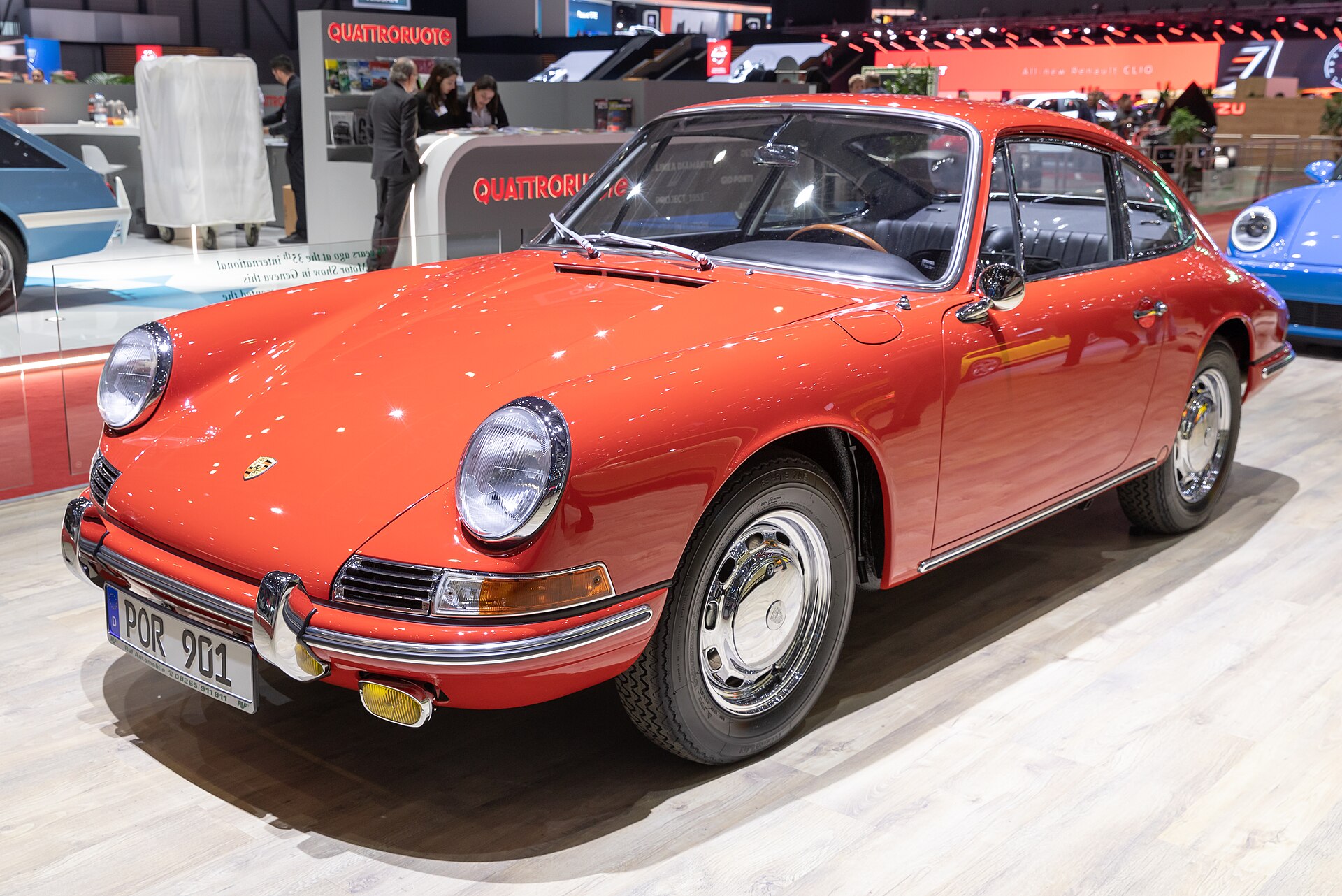
Ferdinand Alexander Porsche, known as Butzi, sketched the car in 1959 as the successor to the 356. It was shown at the Frankfurt Motor Show in 1963 as the 901, and production began in September 1964. Peugeot objected to the name because it used three-digit model names with a zero in the middle, so after 82 cars Porsche switched to 911.
The first engine was an air-cooled 1,991 cc flat-six with 96 kW (130 PS). A cheaper 912 with a 1,582 cc four-cylinder and 66 kW (90 PS) followed in 1965, and the 911S of 1966 had 118 kW (160 PS). The Targa with a removable roof panel and a fixed roll hoop joined the range in 1966/67, and the Sportomatic, a clutchless semi-automatic with a torque converter, became an option for the 1967 model year.
The car grew steadily. For 1969 Porsche moved the rear wheels back by 57 mm, lengthening the wheelbase from 2,211 to 2,268 mm without changing the body. The 2.2-litre engine of 1970 gave 92–132 kW (125–180 PS), and the 2.4 of 1972 gave 96–140 kW (130–190 PS) in Europe.
The high point was the Carrera RS 2.7 of 1973. Built to homologate the 911 for Group 4 racing, it had 2,687 cc, 154 kW (210 PS) and a touring weight of 1,075 kg. Porsche made 1,580 of them.


Impact bumpers and the first Turbo (1974–1989)
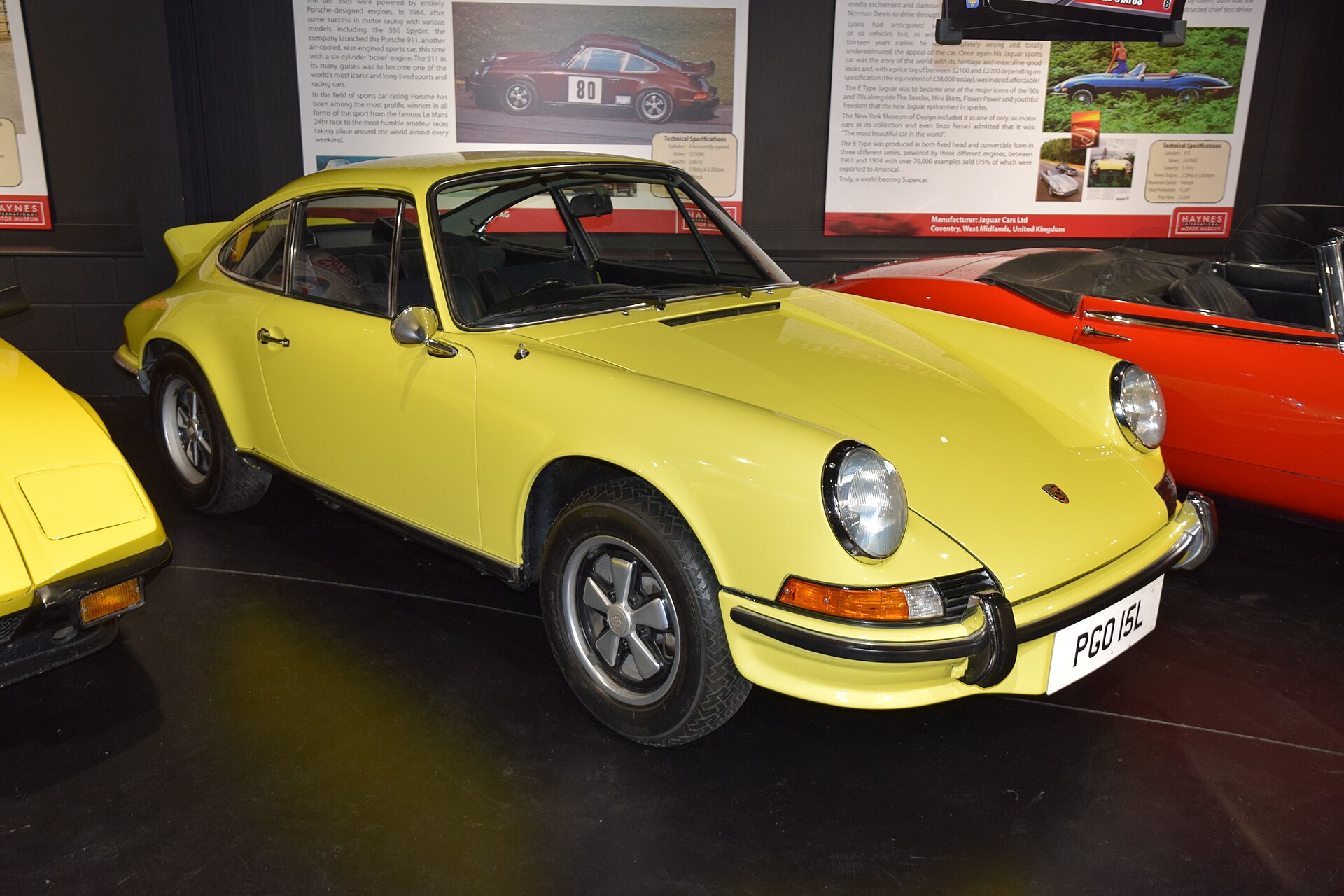
For 1974 the 911 received impact bumpers and a 2.7-litre engine with 110 kW (150 PS), or 129 kW (175 PS) in the 911S. In 1975 the 930 Turbo became the first production 911 with a turbocharger: a 3.0-litre engine with 191 kW (260 PS). Its 3.3-litre successor of 1978 had 221 kW (300 PS).
The 911SC of 1978 simplified the range with a 3.0-litre engine of 132 kW (180 PS), later 150 kW (204 PS); 58,914 were sold. The 3.2 Carrera of 1984–1989 used 3,164 cc and 174 kW (237 PS), or 154 kW (207 hp) for North America, and reached 76,473 cars: 35,670 coupés, 19,987 cabriolets and 18,468 Targas. In 1988 Porsche marked the 250,000th 911 with 875 Commemorative Edition cars.
The 964 and 993: the last air-cooled cars
The 964 arrived in 1989. Its 3.6-litre engine gave 184 kW (250 PS), and the Carrera 4 of 1989 was the first series 911 with all-wheel drive; the rear-wheel-drive Carrera 2 followed in 1990. The Turbo had 235 kW (320 PS) and, from 1994, 265 kW (360 PS) with a 3.6-litre engine.
The 993 of 1994–1998 was the last air-cooled 911. It produced 200 kW (272 PS), and 210 kW (286 PS) from the 1996 model year. The 993 Turbo of 1995–1997 was the first production 911 with twin turbochargers and standard all-wheel drive, rated at 300 kW (408 PS). Racing derivatives of this period include the lightweight 911 Carrera RS Clubsport of the 993 generation and the road-legal 911 GT1.

The 996 and 997: the switch to water cooling
The 996 of 1998 was the first 911 with a water-cooled engine. The Carrera had a 3.4-litre flat-six with 221 kW (300 PS), increased to 3.6 litres and 235 kW (320 PS) in 2002. The 996 Turbo of 2001 delivered 309 kW (420 PS), or 331 kW (450 PS) with the X50 package.
In the 997 of 2004–2012 the Carrera had a 3.6-litre engine with 239 kW (325 PS) and the Carrera S a 3.8-litre with 261 kW (355 PS). The Turbo reached 353 kW (480 PS) and the GT2 390 kW (530 PS). The PDK dual-clutch gearbox arrived for 2009.

The 991: lighter and longer (2011–2019)
The 991, built from September 2011 to December 2019, was the first 911 with a mostly aluminium body and was up to 50 kg lighter than before although larger. Its wheelbase grew by 100 mm to 2,450 mm, and buyers could choose a seven-speed manual or a seven-speed PDK. The Carrera had a 3.4-litre engine with 257 kW (350 PS), the Carrera S a 3.8-litre with 294 kW (400 PS).
The 991.2 update of 2015 made the turbocharged 3.0-litre flat-six standard in the Carrera, with 272 kW (370 PS), and in the Carrera S, with 309 kW (420 PS). The Turbo S reached 427 kW (580 PS). The naturally aspirated GT models included the GT3 RS with 368 kW (500 PS), later 382 kW (520 PS), and the 911 R of 2016 with 368 kW (500 PS), limited to 991 cars. The GT2 RS of 2017 had 515 kW (700 PS) and lapped the Nürburgring Nordschleife in 6:47.3.
The 992 (since 2019)
Porsche revealed the 992 on 27 November 2018 in Los Angeles. The Carrera S and 4S came first, and the base Carrera followed in July 2019. At launch the eight-speed PDK was the only gearbox; a seven-speed manual returned later for selected models. The wheelbase stays at 2,450 mm, while length is 4,519–4,535 mm, width 1,852–1,900 mm and height 1,289–1,303 mm. Kerb weights run from 1,380 to 1,710 kg.
The first 992 Turbo S had a 3.7-litre twin-turbo engine with 478 kW (650 PS) and 800 Nm, reaching 100 km/h in 2.7 s and 330 km/h.
The 992.2 and T-Hybrid (2024)
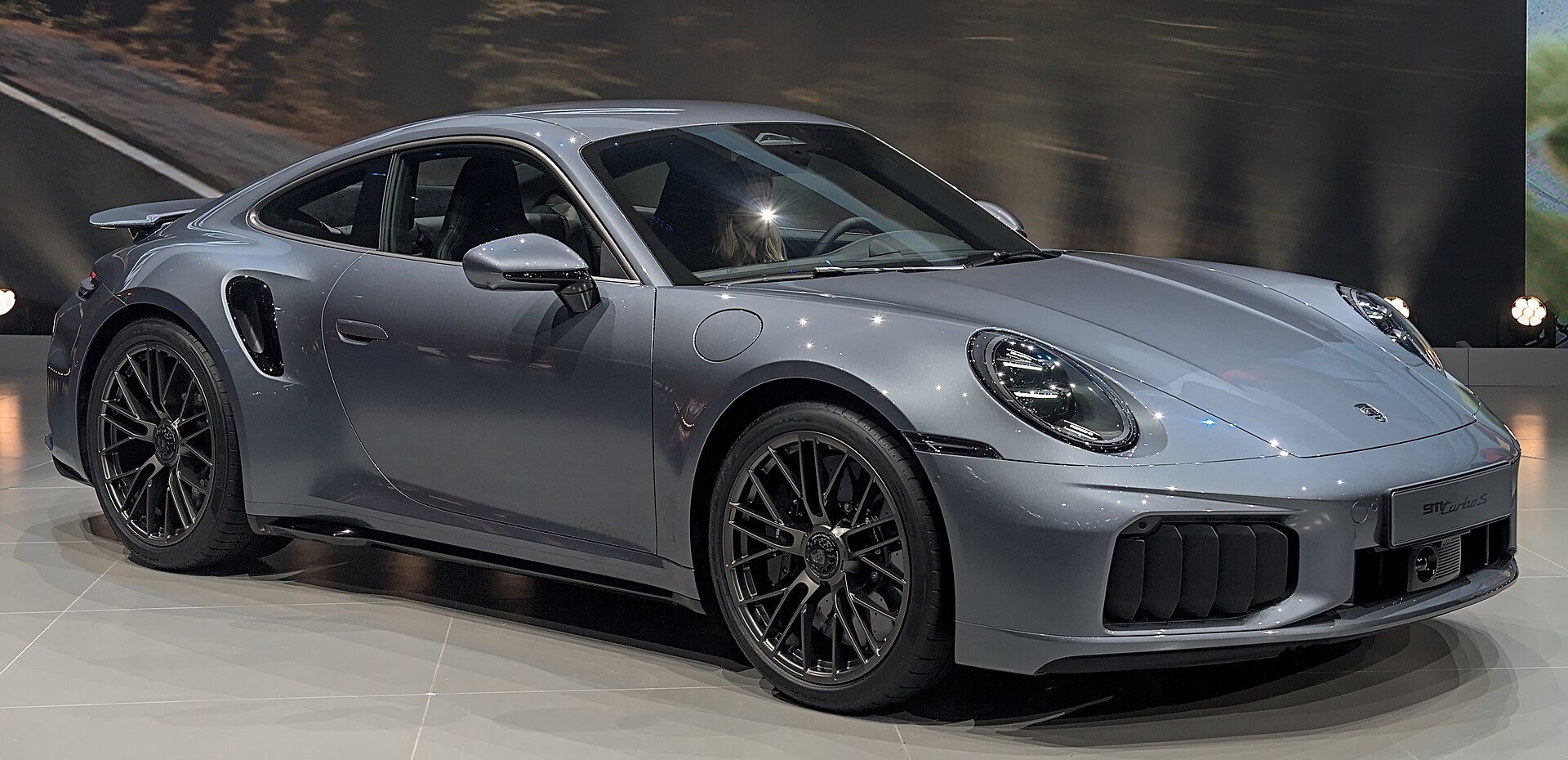
The update known as 992.2 was presented on 28 May 2024, and production of the Carrera GTS T-Hybrid began in June 2024. The GTS and Turbo S use a 3.6-litre flat-six with an electric motor and a 2 kWh, 400-volt battery; the Carrera and Carrera S keep a 3.0-litre twin-turbo engine.
| Version (992.2) | Engine | Power | Torque | 0–100 km/h | Top speed |
|---|---|---|---|---|---|
| Carrera | 3.0 twin-turbo | 290 kW (394 PS) | 450 Nm | 3.9 s (3.7 s with Sport Chrono) | 295 km/h |
| Carrera S | 3.0 twin-turbo | 353 kW (480 PS) | 530 Nm | 3.5 s (3.3 s with Sport Chrono) | 308 km/h |
| Carrera GTS T-Hybrid | 3.6 turbo + electric motor | 398 kW (541 PS) system | - | 3.0 s | 312 km/h |
| Turbo S | 3.6 twin-turbo + electric motor | 523 kW (711 PS) system | 800 Nm | 2.5 s | 322 km/h |
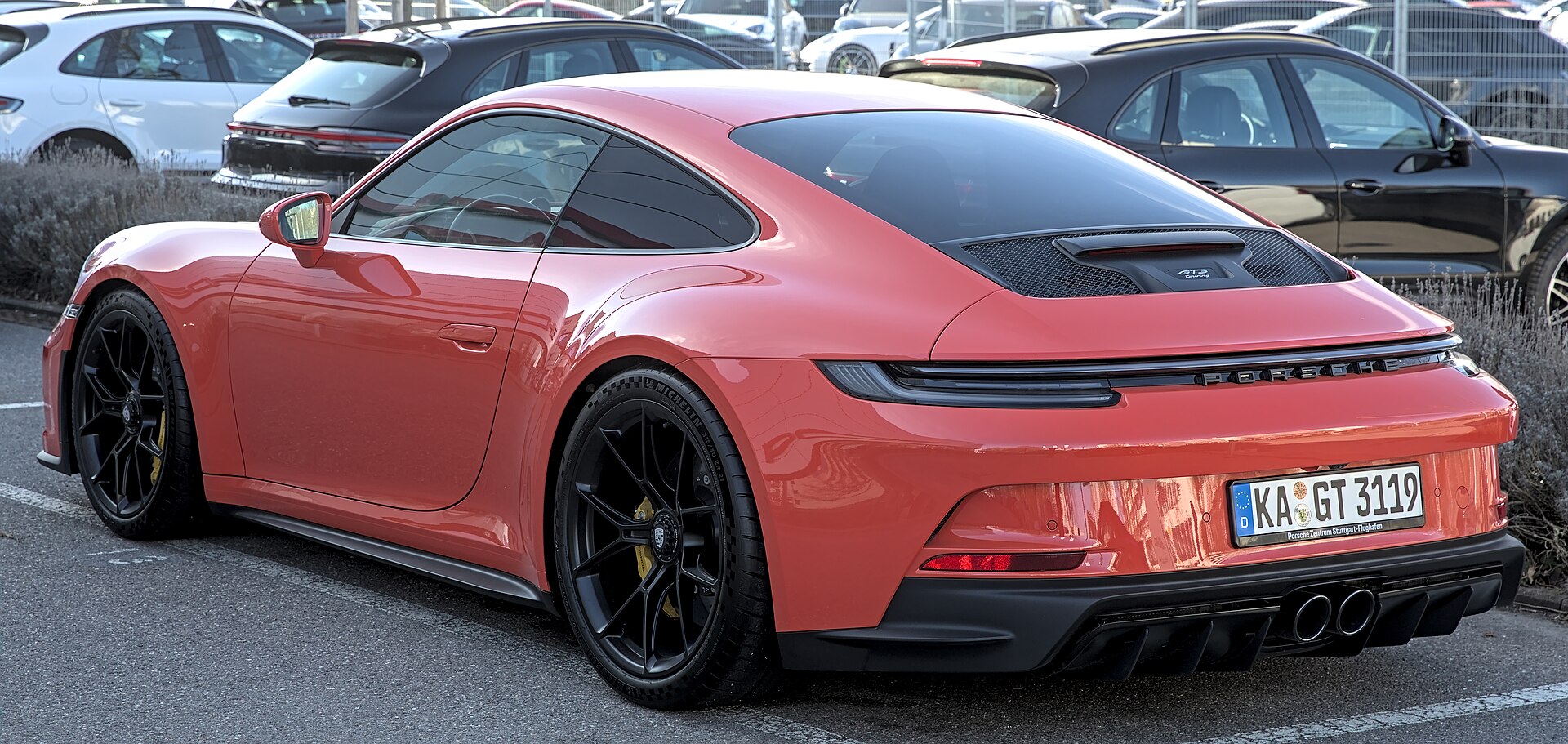
| GT3 | 4.0 naturally aspirated | 375 kW (510 PS) | 450 Nm | 3.4 s (PDK), 3.9 s (manual) | 311 km/h |
The Carrera coupé weighs 1,516 kg and the GTS coupé 1,595 kg. Wikipedia lists Nürburgring laps of 7:16.931 for the GTS and 7:03.92 for the new Turbo S.


GT models and special editions
The 992 generation has many limited models. The GT3 RS of the 992.1 generation produces 386 kW (525 PS) at 8,500 rpm and lapped the Nordschleife in 6:44.848. The S/T of 2024 uses the same 4.0-litre engine with a six-speed manual gearbox; 1,963 were built. The Sport Classic of 2022 combines a 3.7-litre twin-turbo with 405 kW (550 PS), rear-wheel drive and a seven-speed manual, limited to 1,250 cars.
The 911 Dakar takes the car in the opposite direction: 353 kW (480 PS), all-wheel drive, an eight-speed automatic and a top speed limited to 240 km/h, in a series of 2,500 cars. The open-top line-up includes the Cabriolet and the Targa, and an earlier open model is described in our article on the 911 Carrera Cabriolet.

Photo gallery

Porsche 911 evolution in numbers
Did you know?
- The Porsche 911 has been around for 62 years: 8 generations in our catalog since 1964.
- The longest-running generation is the 911 G-series (1974–1989): 15 years.
- The biggest jump in power came with the 911 991: up to 515 kW (700 PS), 125 kW more than the 911 997.
Most powerful version, kW
Figures from the 1cars catalog: power is the strongest version of each generation; generations without the figure are left out.
Porsche 911: first vs latest generation
| Spec | 911 901 | 911 992 | Change |
|---|---|---|---|
| Years | 1964–1973 | 2019–present | 55 years apart |
| Most powerful version | 154 kW (209 PS) | 523 kW (711 PS) | +369 kW (+240%) |
Oldest and newest generation in the 1cars catalog. Power is the strongest version of each; other rows are shown only when both generations have the figure.
Image credits · Photos from Wikimedia Commons under free licences
- Porsche 911 G-series · Photo: Lothar Spurzem / Wikimedia Commons, CC BY-SA 2.0 de
- Porsche 911 993 · Photo: Tokumeigakarinoaoshima / Wikimedia Commons, CC0
- Porsche 911 997 · Photo: Mr.choppers / Wikimedia Commons, CC BY-SA 3.0
- Porsche 911 991 · Photo: David Villarreal Fernández / Wikimedia Commons, CC BY-SA 2.0
- Porsche 911 992 · Photo: Vauxford / Wikimedia Commons, CC BY-SA 4.0
Popular comparisons
Porsche 911 in our rankings
- No. 2 of 70 · Quickest German cars, 0–100 (2.5 s)
- No. 3 of 103 · Quickest cars of the 2020s, 0–100 (2.5 s)
- No. 3 of 69 · Fastest German cars (330 km/h)
- No. 4 of 305 · Oldest car models still on sale (62 years)
- No. 5 of 912 · Longest-running car nameplates (62 years)
- No. 6 of 105 · Fastest cars of the 2020s (330 km/h)
In production longer than 99% of ranked nameplates in the 1CARS catalog (No. 5 of 912).
Porsche 911 photos 7
FAQ
Why is the Porsche 911 not called the 901?
The car was shown as the 901 in 1963, but Peugeot held rights to three-digit car names with a zero in the middle. After 82 cars Porsche renamed it 911.
What was the last air-cooled Porsche 911?
The 993, built from 1994 to 1998. The 996 that followed was the first 911 with a water-cooled engine.
Is there a hybrid Porsche 911?
Yes. Since the 2024 update the Carrera GTS T-Hybrid and, from 2025, the Turbo S use a 3.6-litre flat-six with an electric motor; the Turbo S has a system output of 523 kW (711 PS).
How many Porsche 911s have been built?
The one-millionth 911 left the factory in May 2017. It is kept in Porsche's own collection.
Which 911 generation is the current one?
The 992, introduced in 2018 and updated as the 992.2 in 2024.
Data sources
Data checked by an editor against the sources below.
- Wikipedia - Porsche 911
- Wikipedia - Porsche 911 (991)
- Wikipedia - Porsche 911 (992)
- EEA CO₂ monitoring (European Environment Agency, CC BY 4.0)