 Ferrari America
All generations, specs and history
Published Sources (1) Report an error
By Felix Hartmann, Automotive Technology & EV Contributor
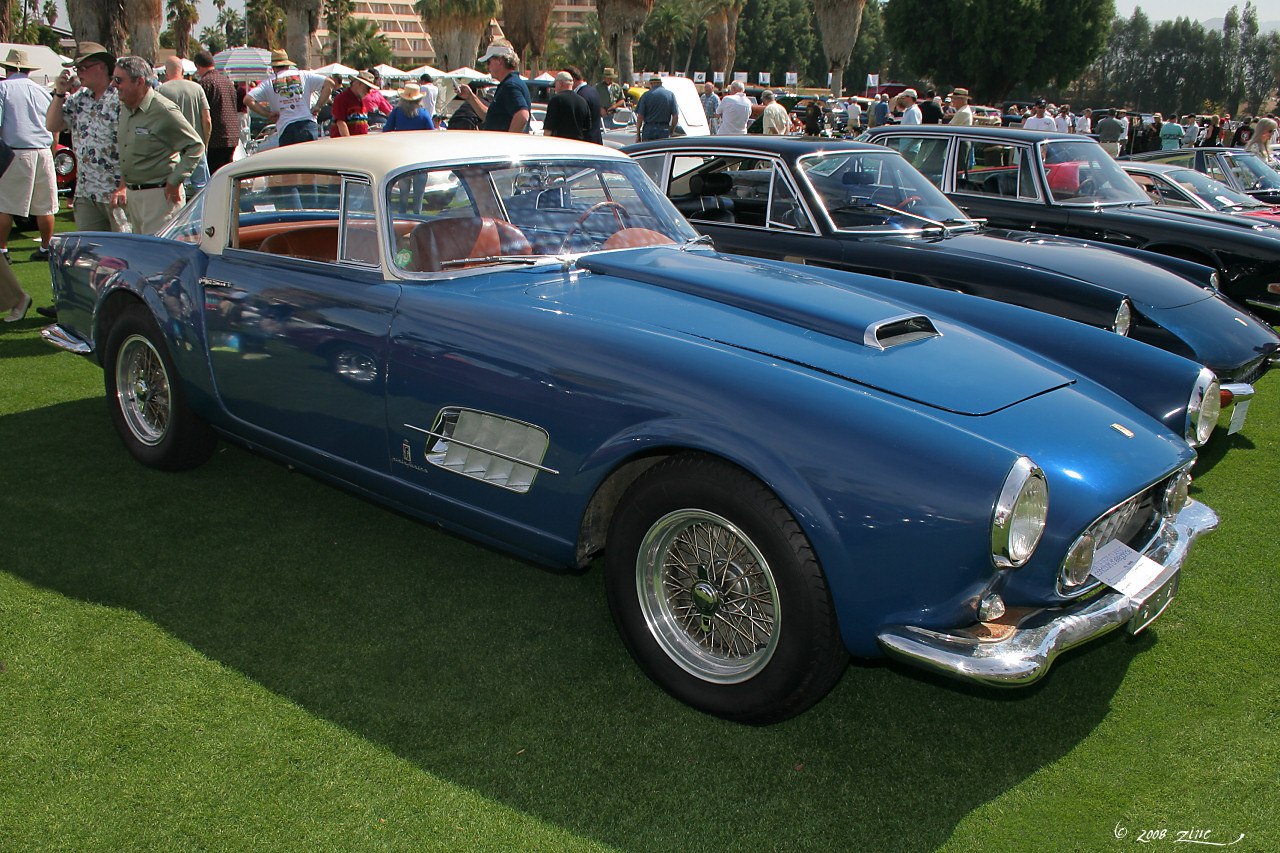
- Built
- 1951–1959
- Generations
- 4
- Top power
- 265 kW (360 PS)
Timeline
America generations
Click a generation for its own page
- 342 America 1952–1953 · Coupe · 147 kW (200 PS)
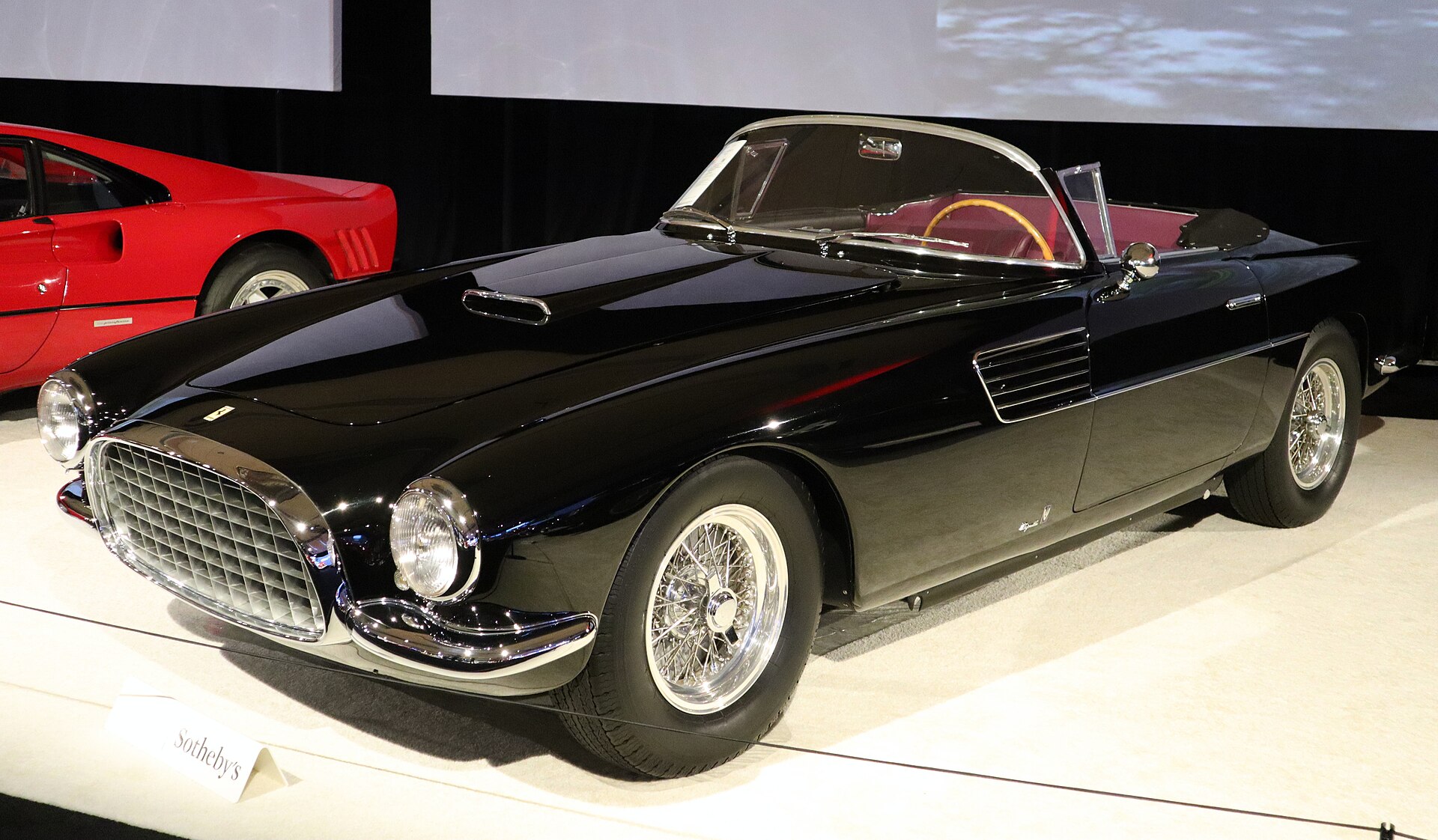
- 375 America 1953–1954 · Coupe · 221 kW (300 PS)
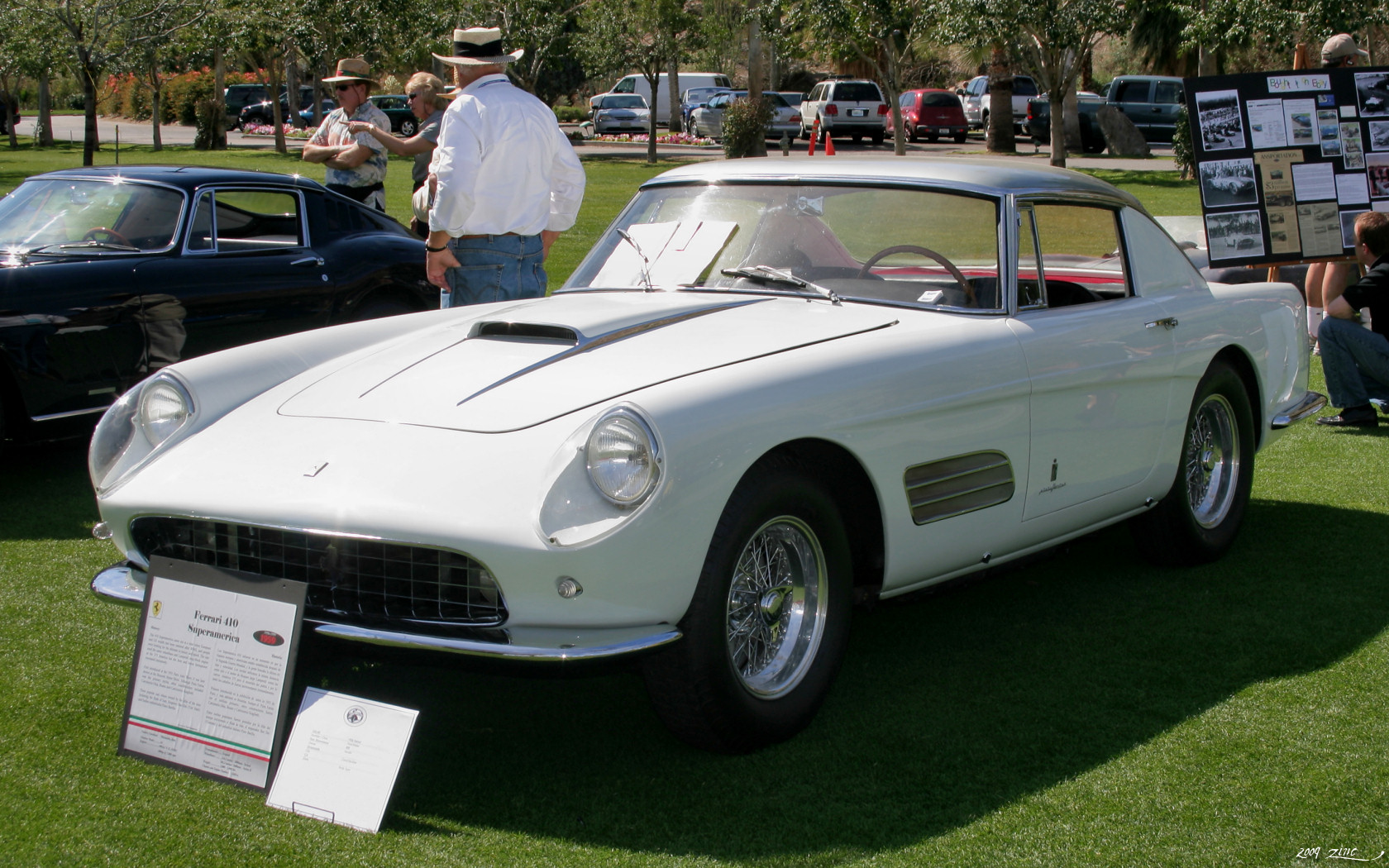
- 410 Superamerica 1955–1959 · Coupe · 250–265 kW (340–360 PS)
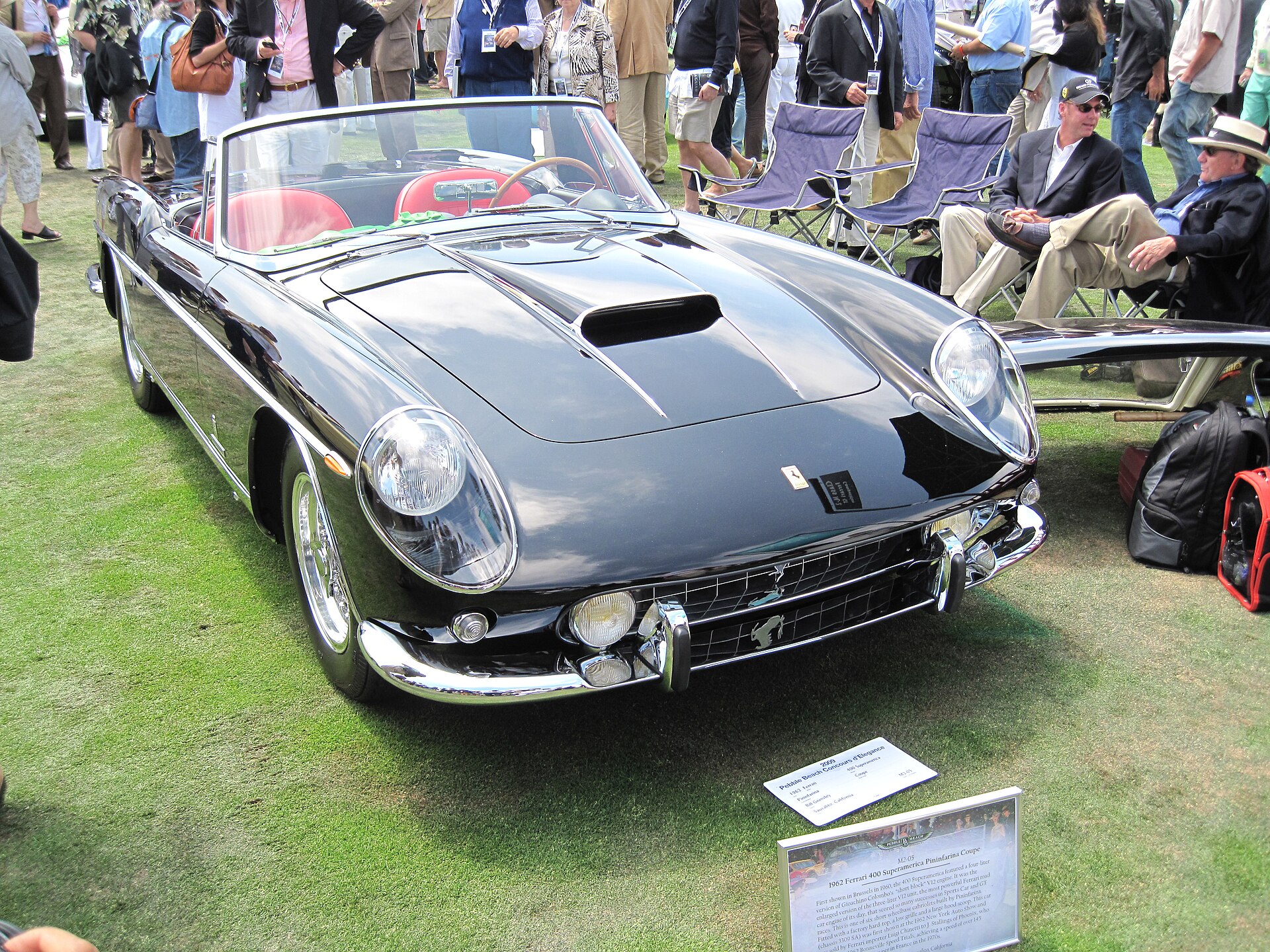
- 400 Superamerica 1959–1964 · Coupe · 250 kW (340 PS)
Newest first · 4 generations since 1952
-
1959
-
1955
-
1953
-
1952


All generations by year: 400 Superamerica (1959–1964) · 410 Superamerica (1955–1959) · 375 America (1953–1954) · 342 America (1952–1953)
Which one is mine?
Pick the year of first registration to see which generation it is.
- 400 Superamerica 1959–1964
- 410 Superamerica 1955–1959
- 375 America 1953–1954
- 342 America 1952–1953
The Ferrari America is a family of large-engined, coachbuilt Ferrari road cars made in the 1950s for the richest customers, many of them in the United States - hence the name. It began with the 340 America of 1950 and continued with the 342 America, the 375 America and the 410 Superamerica, which was built until 1959. All used versions of Aurelio Lampredi's "long-block" V12, and each car was bodied individually by Italian coachbuilders such as Vignale, Ghia, Touring and Pinin Farina.
In short
- Four models in the 1950s: 340 America (1950–1952), 342 America (1952–1953), 375 America (1953–1954) and 410 Superamerica (1955–1959); each built in a few dozen examples or fewer.
- Lampredi V12 engines from 147 kW (200 hp) in the 342 to 265 kW (360 PS) in the last 410 Superamerica.
- A 340 America won the 1951 Mille Miglia with Luigi Villoresi.
- The 410 Superamerica was the first Ferrari road car with a five-speed gearbox and was listed with a top speed of 262 km/h.
Ferrari America at a glance
| Model | Years | Engine | Power | Built |
|---|---|---|---|---|
| 340 America | 1950–1952 | Lampredi V12 | 162 kW (220 PS) | 25 (infobox) / 23 bodies listed |
| 342 America | 1952–1953 | Lampredi V12, as 340 | 147 kW (200 hp) | 6 road cars |
| 375 America | 1953–1954 | 4,522 cc Lampredi V12 | 221 kW (300 PS) at 6,300 rpm | 12 |
| 410 Superamerica | 1955–1959 | 4,963 cc Lampredi V12 | 250–265 kW (340–360 PS) | 35 |
The America cars sit alongside the early competition-based Ferraris such as the 166 Inter and the 375 MM. All Ferrari models are listed in the Ferrari catalogue.
Why an "America" Ferrari
The America models had a clear purpose: they were large, powerful grand tourers for wealthy buyers who wanted the fastest possible road car with a custom body. The name pointed to the United States, where importer Luigi Chinetti presented the cars, but the customers also included European royalty and industrialists such as King Leopold III and Gianni Agnelli.
Technically, the series used the large V12 designed by Aurelio Lampredi; the later 400 Superamerica switched to the smaller Colombo V12. Each chassis was delivered to a coachbuilder, so almost every car looks different.
The 340 America (1950–1952)
The first model used a Lampredi V12 with 162 kW (220 PS). Wikipedia lists 25 cars in its infobox, two of them converted from 275 S racing cars, while the text names 23 bodies: 11 by Vignale (designed by Giovanni Michelotti), 8 by Touring and 4 by Ghia. Like Ferrari's racing cars, the 340 America carried even chassis numbers.
The 340 America also raced. Luigi Villoresi won the 1951 Mille Miglia in one, while three Touring barchettas entered in the same race did not finish.

The 342 America (1952–1953)
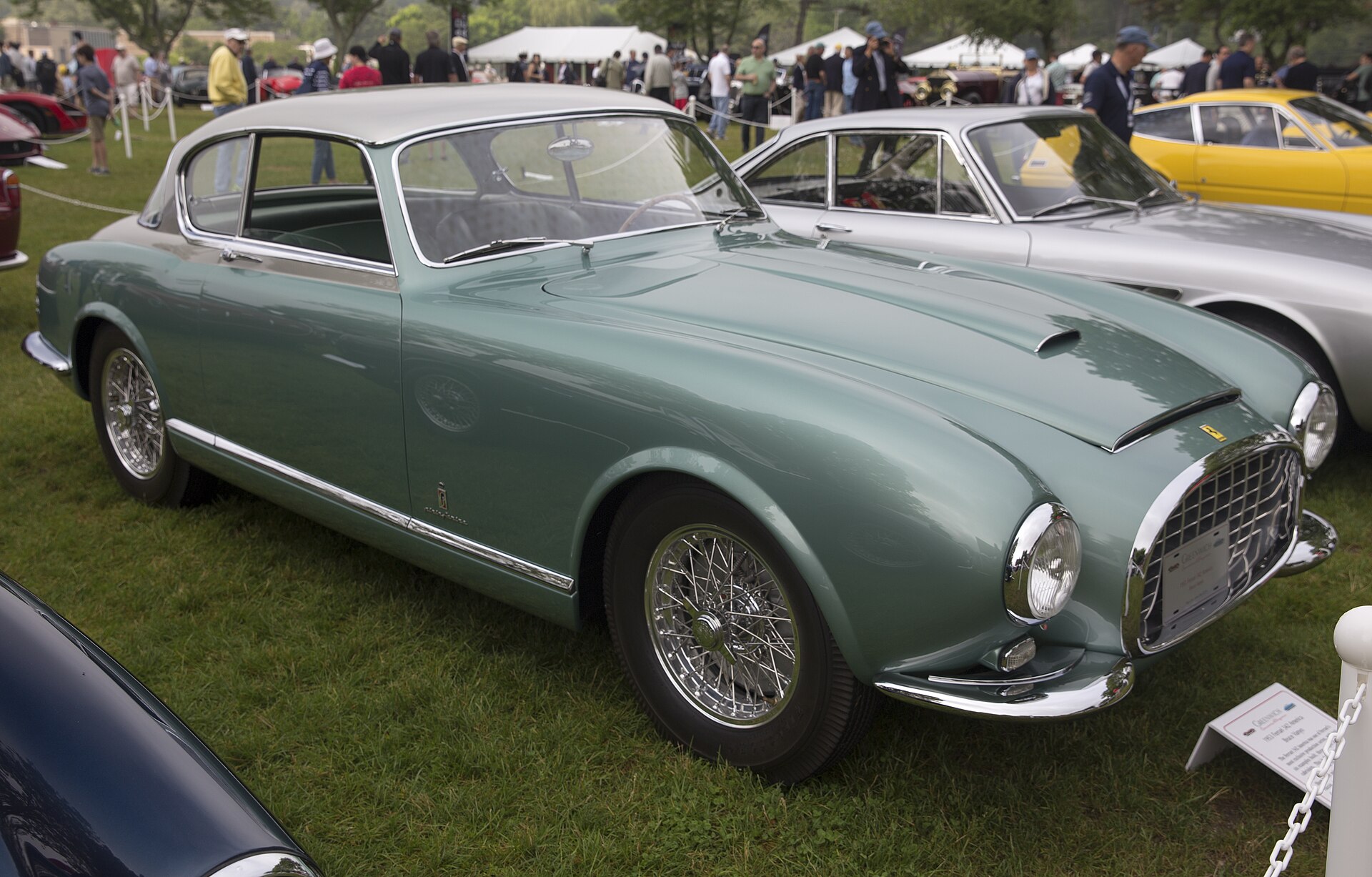
The 342 America was a calmer, more road-oriented version. It used the same engine, detuned to 147 kW (200 hp) through a different carburettor air-filter arrangement. Only six road cars were built: a Vignale cabriolet designed by Michelotti, two Pinin Farina cabriolets and three Pinin Farina coupés. One black Pinin Farina cabriolet belonged to King Leopold III of Belgium. The last car, a Pinin Farina cabriolet (chassis 0248AL), was shown at the 1953 New York motor show with a 4.5-litre engine.

The 375 America (1953–1954)
The 375 America appeared in 1953, with a Pinin Farina car on show at the Paris motor show that year. Its "long-block" Lampredi V12 has 4,522 cc and three Weber carburettors and produces 221 kW (300 PS) at 6,300 rpm. The top speed was claimed at almost 257 km/h.
Twelve cars were made: ten original 375 Americas and two converted 250 Europas, which shared nearly the same wheelbase, chassis and mechanical parts. Most have three- or five-window coupé bodies by Pinin Farina; Vignale built about three coupés and one convertible. With this model Ferrari switched to odd chassis numbers, the system used for road cars. One of the best-known examples is the 1955 Coupé Speciale built for Gianni Agnelli and designed by Aldo Brovarone at Pinin Farina.

The 410 Superamerica (1955–1959)
The 410 Superamerica, introduced in 1955, took the idea further. Its 4,963 cc engine was based on the single-plug unit of the 410 S racing car and initially produced 250 kW (340 PS) at 6,000 rpm with three Weber carburettors. The listed top speed of 262 km/h led the Guinness Book of Records to recognise it as the world's fastest production car. It had a new chassis with independent front suspension by coil springs and was the first Ferrari road car with a five-speed gearbox.
Most bodies were by Pinin Farina, with others by Boano and Ghia. The car was shown at the New York motor show through Luigi Chinetti, at more than twice the price of the Mercedes-Benz 300 SL displayed nearby, and sales were slow: 35 were built before production ended in 1959.
| Series | Features |
|---|---|
| Series I and II | Pinin Farina coupés, close to each other |
| Series III (1959) | new body: non-panoramic rear window, lower grille, recessed headlights (some covered), three louvres behind the side windows |
| Series III engine | Weber 46DCF3 carburettors, 265 kW (360 PS) - the final form of the long-block Lampredi V12 |
Two show cars stand out. The 410 Superfast, shown at the 1956 Paris motor show, used the 24-plug engine of the 410 S racing car, a 2,600 mm wheelbase, tall tail fins and two-tone paint. The 4.9 Superfast of 1957 was a one-off based on the 410 Superamerica without fins.


Timeline of the America family
| Year | Event |
|---|---|
| 1950 | 340 America enters production with Vignale, Touring and Ghia bodies |
| 1951 | Luigi Villoresi wins the Mille Miglia in a 340 America |
| 1952 | 342 America, six road cars, mostly by Pinin Farina |
| 1953 | 375 America with 4.5-litre engine shown at the Paris motor show; 342 with 4.5-litre engine at New York |
| 1955 | 410 Superamerica introduced; Coupé Speciale for Gianni Agnelli on the 375 America |
| 1956 | 410 Superfast show car in Paris |
| 1959 | 410 Superamerica Series III; production ends after 35 cars; 400 Superamerica begins |
| 1964 | 500 Superfast shown at Geneva |
| 1966 | 365 California replaces the 500 Superfast |
The choice of coachbuilder changed over time. The 340 America was bodied mainly by Vignale, with designs by Giovanni Michelotti, and by Touring and Ghia. From the 342 America onwards Pinin Farina built most of the bodies, and by the time of the 400 Superamerica all cars came from Pinin Farina.
Successors: 400 Superamerica, 500 Superfast and 365 California
The idea of an exclusive, large-engined Ferrari continued after 1959 under new names.
400 Superamerica (1959–1964). It appeared as the 410 ended and used a smaller 3,967 cc Colombo V12 with 250 kW (340 PS) at 7,000 rpm. It was the first Superamerica with disc brakes on all four wheels. Pinin Farina built coupé, spider and cabriolet bodies; of the 47 cars, made in two series, 32 were "coupé aerodinamico" models. The Series II had a covered bonnet scoop and a longer 2,600 mm wheelbase. The very first car (chassis 1517SA) was a one-off for Gianni Agnelli. Chassis 2207SA was rebodied several times as the Superfast II, III and IV show cars and served Battista "Pinin" Farina as his personal car.
500 Superfast (1964–1966). Shown at the Geneva motor show in 1964 - it was to be called Superamerica until the last moment - the 500 Superfast had a unique 4,963 cc Colombo V12 with the bore spacing of the Lampredi long block and six twin-choke Weber carburettors. It produced up to 294 kW (400 PS) and reached 280 km/h. The chassis was similar to that of the 330 GT 2+2, and each body took four to six months to build at Pininfarina in Turin. 36 cars were made, including 12 Series II cars with a five-speed gearbox. Owners included Prince Karim Aga Khan, who received the first car, and the Shah of Iran, who had two.
365 California (1966–1967). Shown at Geneva in 1966, this Pininfarina cabriolet on the 500 Superfast chassis used a 4,390 cc V12 and had power steering and Borrani wire wheels as standard. Only 14 were built, two of them with right-hand drive.
Legacy
The America series showed that Ferrari could sell costly road cars to private buyers, not only racing cars to drivers. It also established the tradition of big-engined, coachbuilt flagship Ferraris that later included the Superfast models and, in name, the Superamerica convertible of 2005. For the wider story see our history of Ferrari.
Photo gallery

Ferrari America evolution in numbers
Did you know?
- The Ferrari America ran for 13 years, from 1951 to 1964, over 4 generations in our catalog.
- The longest-running generation is the 400 Superamerica (1959–1964): 5 years.
- The biggest jump in power came with the 375 America: up to 221 kW (300 PS), 74 kW more than the 342 America.
- The most powerful Ferrari America is not the newest: the 410 Superamerica (1955–1959) offered up to 265 kW (360 PS), the 400 Superamerica up to 250 kW (340 PS).
Most powerful version, kW
Figures from the 1cars catalog: power is the strongest version of each generation; generations without the figure are left out.
Ferrari America: first vs latest generation
| Spec | 342 America | 400 Superamerica | Change |
|---|---|---|---|
| Years | 1952–1953 | 1959–1964 | 7 years apart |
| Most powerful version | 147 kW (200 PS) | 250 kW (340 PS) | +103 kW (+70%) |
Oldest and newest generation in the 1cars catalog. Power is the strongest version of each; other rows are shown only when both generations have the figure.
Image credits · Photos from Wikimedia Commons under free licences
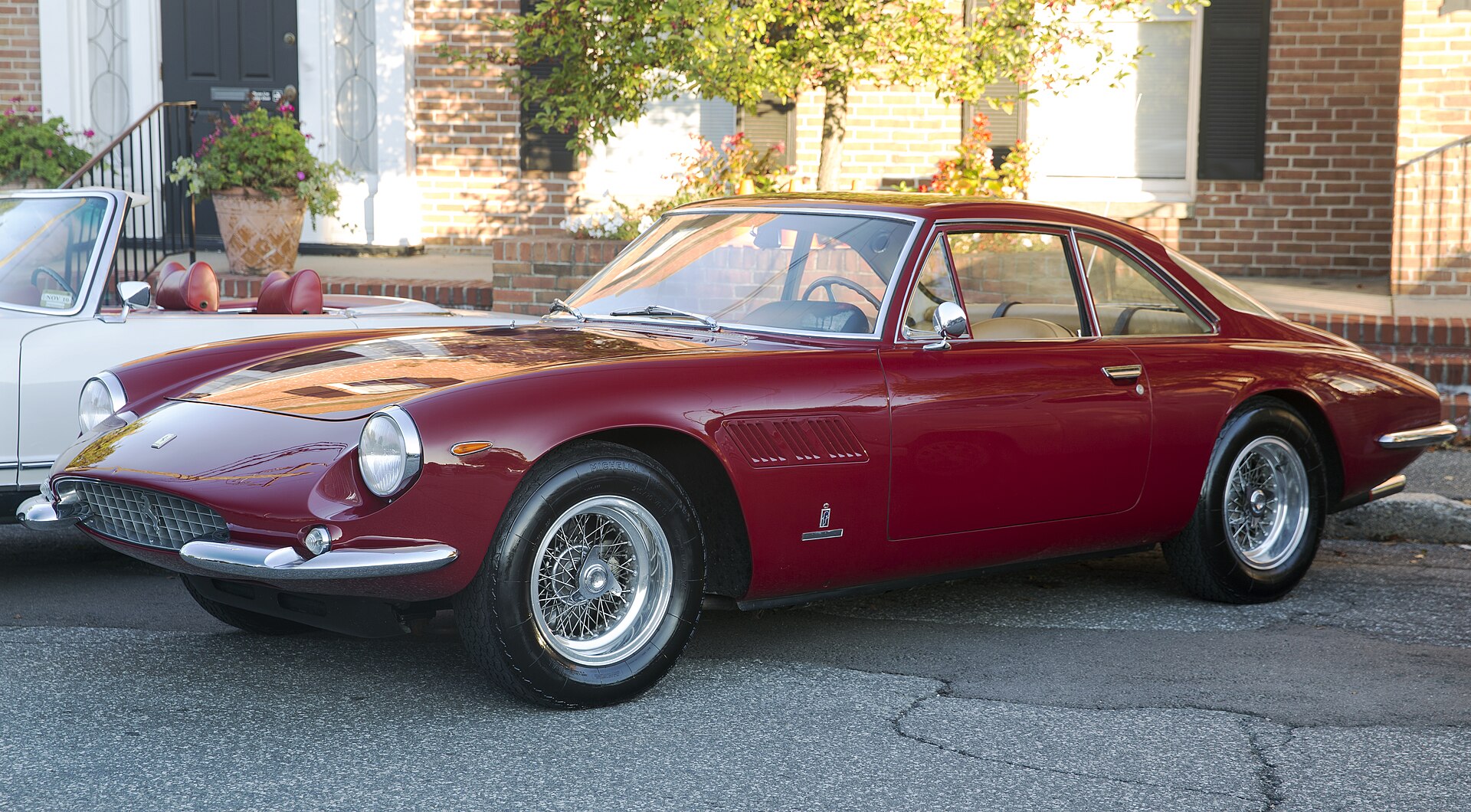
- Ferrari 400 Superamerica · Photo: Simon Davison from Los Gatos, United States / Wikimedia Commons, CC BY 2.0
Ferrari America in our rankings
- No. 290 of 912 · Longest-running car nameplates (12 years · top 35%)
- No. 339 of 859 · Most powerful cars (265 kW · top 40%)
- No. 87 of 345 · Cars with the most generations (4 generations · top 41%)
- No. 64 of 127 · Most powerful Italian cars (265 kW · top 51%)
- No. 181 of 313 · Most powerful coupes (265 kW · top 59%)
In production longer than 65% of ranked nameplates in the 1CARS catalog (No. 290 of 912).
FAQ
Why were these Ferraris called "America"?
They were large, expensive grand tourers aimed largely at wealthy buyers in the United States, sold through importer Luigi Chinetti, although European customers bought them too.
Which engine did the Ferrari America models use?
Versions of Aurelio Lampredi's large V12, from 162 kW (220 PS) in the 340 America to 265 kW (360 PS) in the last 410 Superamerica, which had 4,963 cc.
How many Ferrari 410 Superamericas were built?
35 cars between 1955 and 1959, in three series, most of them with Pinin Farina bodies.
Did the Ferrari America race?
Yes. A 340 America driven by Luigi Villoresi won the 1951 Mille Miglia.
Which was the fastest America model?
The 410 Superamerica, listed with a top speed of 262 km/h and recognised by Guinness as the fastest production car of its time.
Data sources
Data checked by an editor against the sources below.