 Fiat Doblo II 263 (2010–2022)
Specs, engines, safety and known problems
Published Sources (5) Report an error
By Sarah Whitmore, Senior Automotive Writer Reviewed by Felix Hartmann
- Power
- 66–100 kW (90–136 PS)
- Euro NCAP
- 3 stars · 2017
- Boot
- 790 l
- Generation
- 2 of 3
Model timeline
Where the 263 sits in the Doblo story
Predecessor Doblo I (2000–2010) Successor Doblo III (K9) (2022–present)


Newest first · 3 generations since 2000
-
2022
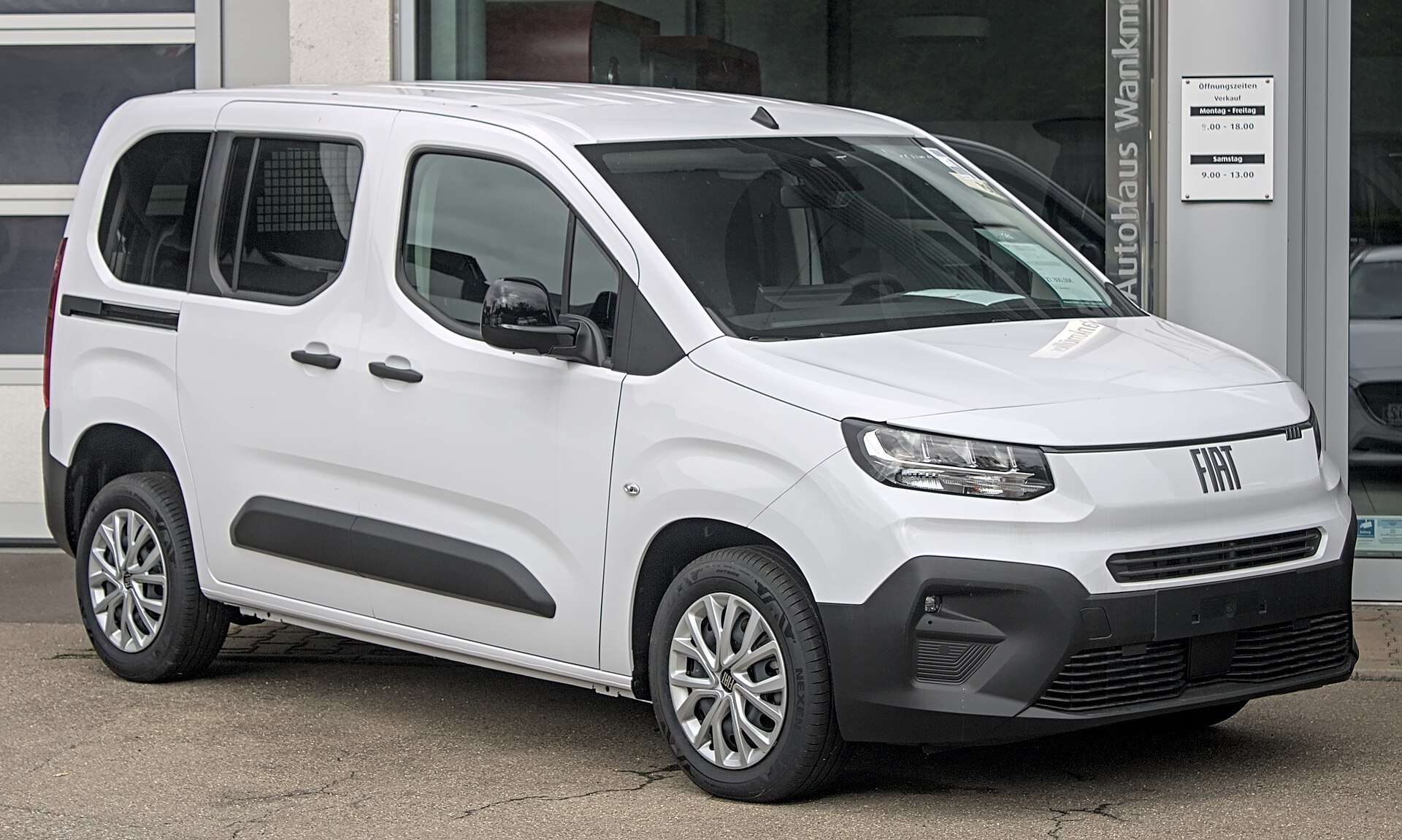
-
2010

-
2000
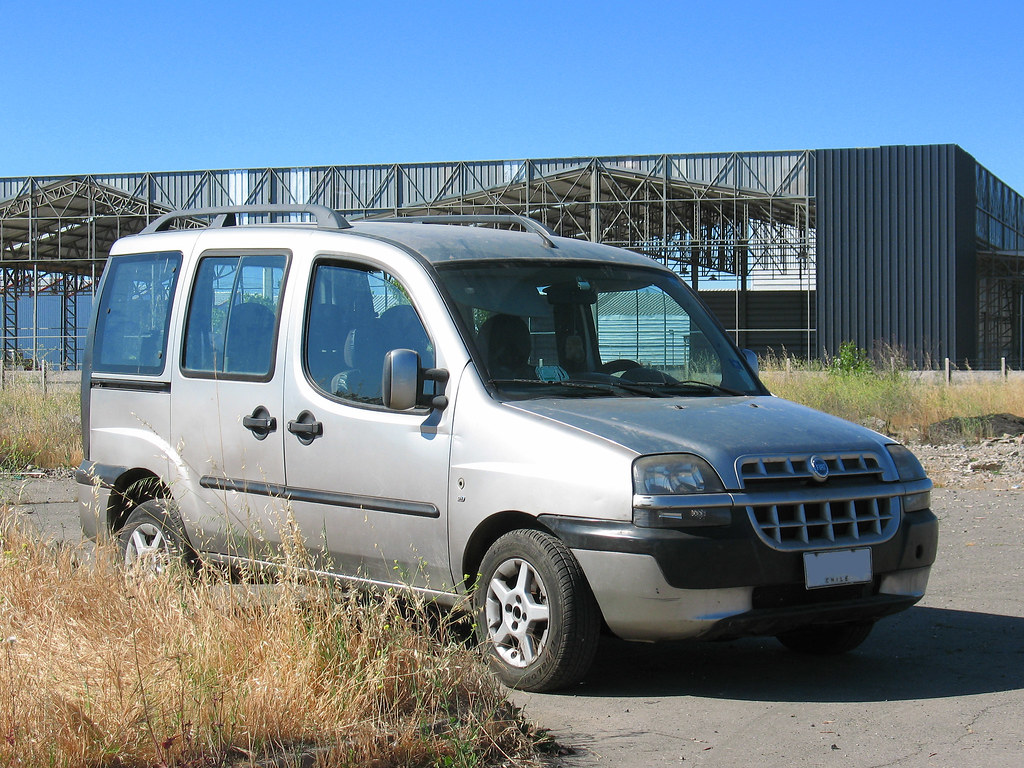
All generations by year: Doblo III (K9) (2022–now) · Doblo II (263) (2010–2022) · Doblo I (2000–2010)
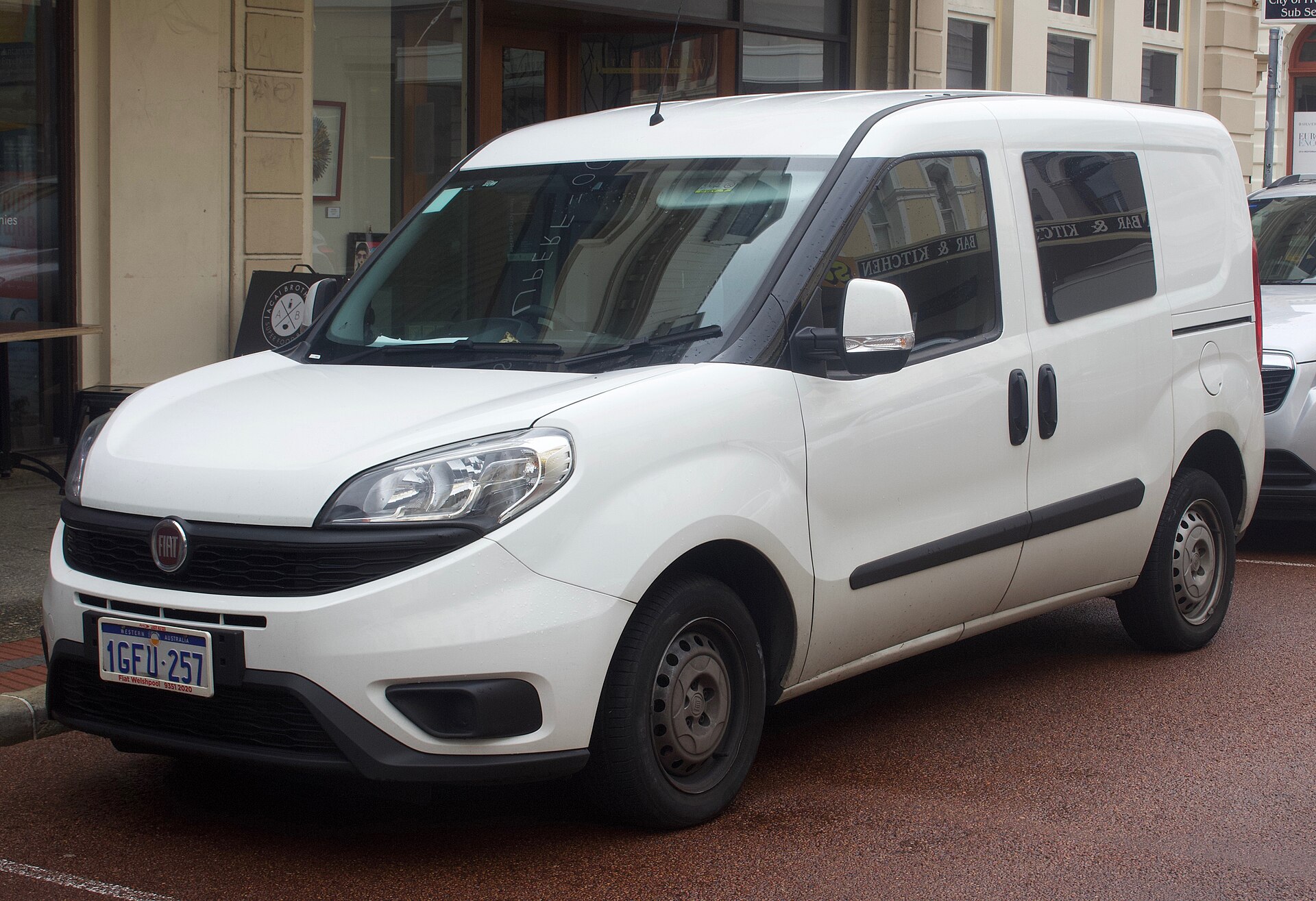
The Fiat Doblò type 263 is the second generation of Fiat's high-roof leisure vehicle and light van, launched in Europe in February 2010 and built by Tofaş in Bursa, Turkey. It sold until September 2022 in Europe, with a major facelift in 2015. Passenger versions seat five or seven; commercial ones include the long Maxi and the Work Up pickup.
In short
- Built from 2010 to 2022 on Fiat's Small platform, with independent bi-link rear suspension.
- Engines from 66 kW (90 PS) to 99 kW (135 PS): 1.4 petrol, 1.4 T-Jet CNG and 1.3, 1.6 and 2.0 Multijet diesels.
- The 2015 update brought a new front end, a new dashboard and Uconnect touchscreen infotainment.
- Euro NCAP rated the facelifted car three stars in 2017, with 75% for adult occupants.
Doblo II (263) specs by version
Engines
| Version | Engine | Power | Torque |
|---|---|---|---|
| Electric · 1 version | |||
| 100 kW (136 PS) | Electric | 100 kW 136 PS134 hp | — |
| Diesel · 3 versions | |||
| 1.3 Multijet (1,248 cm³) | 1.3 l · Diesel 1,300 cc | 66 kW 90 PS89 hp | 200 Nm148 lb-ft |
| 1.6 77 kW (105 PS) | 1.6 l · Diesel 1,600 cc | 77 kW 105 PS103 hp | — |
| 2.0 Multijet (1,956 cm³) | Diesel | 99 kW 135 PS133 hp | 320 Nm236 lb-ft |
| Petrol · 2 versions | |||
| 1.4 FIRE (1,368 cm³) | 1.4 l · Petrol 1,400 cc | 70 kW 95 PS94 hp | 127 Nm94 lb-ft |
| 99 kW (135 PS) | Petrol | 99 kW 135 PS133 hp | — |
| LPG / CNG · 1 version | |||
| 1.4 T-Jet Natural Power (1,368 cm³) | LPG / CNG | 88 kW 120 PS118 hp | 207 Nm153 lb-ft |
Performance
Show all 2 versions
| Version | 0–100 km/h | Top speed | CO₂ |
|---|---|---|---|
| Petrol · 1 version | |||
| 1.4 FIRE (1,368 cm³) | 13.9 s 0–62 mph | 100 km/h62 mph | — |
| LPG / CNG · 1 version | |||
| 1.4 T-Jet Natural Power (1,368 cm³) | — | — | 170 g/km |
Dimensions and weight
Show all 7 versions
| Version | Wheelbase | Kerb weight | Boot |
|---|---|---|---|
| Electric · 1 version | |||
| 100 kW (136 PS) | 3,105 mm122.2 in | 1,580 kg3,483 lb | 790 l27.9 cu ft |
| Diesel · 3 versions | |||
| 1.3 Multijet (1,248 cm³) | 3,105 mm122.2 in | 1,580 kg3,483 lb | 790 l27.9 cu ft |
| 1.6 77 kW (105 PS) | 3,105 mm122.2 in | 1,580 kg3,483 lb | 790 l27.9 cu ft |
| 2.0 Multijet (1,956 cm³) | 3,105 mm122.2 in | 1,580 kg3,483 lb | 790 l27.9 cu ft |
| Petrol · 2 versions | |||
| 1.4 FIRE (1,368 cm³) | 3,105 mm122.2 in | 1,580 kg3,483 lb | 790 l27.9 cu ft |
| 99 kW (135 PS) | 3,105 mm122.2 in | 1,580 kg3,483 lb | 790 l27.9 cu ft |
| LPG / CNG · 1 version | |||
| 1.4 T-Jet Natural Power (1,368 cm³) | 3,105 mm122.2 in | 1,580 kg3,483 lb | 790 l27.9 cu ft |
Verified Manufacturer and type-approval data from our catalog · Sources and methodology
Safety
-
Euro NCAP 2017
Older protocol · Full Euro NCAP result
Stars from different years and organisations are not directly comparable: test protocols change every few years.
What the 263 changed over the first Doblò
The first generation used Strada and Palio hardware; the 263 sits on the Small platform related to the Grande Punto. German sources describe it as part of the Gamma family developed jointly by Fiat and GM.
The biggest engineering change is at the back. In place of the first car's simpler beam-type rear axle, the 263 has an independent bi-link layout, which Fiat promoted as unique in the segment and credited with the class's best handling. The body grew too: the short passenger car is 4,406 mm (173.5 in) long on a 2,755 mm (108.5 in) wheelbase.
The van side gained a long-wheelbase Maxi, a high-roof XL and, from 2011, a pickup. The new Doblò collected the International Van of the Year 2011 award at the 2010 Hanover show, repeating the award its predecessor won for 2006. The Fiat Doblò overview puts the 263 alongside the type 223 before it and the K9 that followed.
Body styles: Combi, Cargo, Maxi and Work Up
The 263 came in more shapes than any other Doblò. Fiat's 2015 release lists two roof heights and two wheelbases, combined into these main versions:
- Passenger car (Combi, Panorama in some markets): five seats as standard, seven on request, with a 60/40 split rear bench. Trims were Pop, Easy and Lounge, plus the Trekking with bumper trims and alloy wheels from 2015.
- Cargo: the short panel van, sold under the Fiat Professional label.
- Cargo Maxi: the long-wheelbase van, on a 3,105 mm (122.2 in) wheelbase.
- Cargo XL: high roof plus long wheelbase; Wikipedia quotes a one-tonne payload with the 77 kW (105 PS) 1.6 Multijet.
- Work Up: a factory pickup from September 2011, built on the Maxi floor and sold only with diesel engines.
The Work Up is the unusual one. German sources say no rival in its European class offered a pickup straight from the factory before it. It is 4.95 m (16.2 ft) long, its 2.30 x 1.80 m (7.5 x 5.9 ft) bed takes three Euro pallets, all three aluminium sides fold down, and a lockable box sits under the load floor. Payload is just under 1,000 kg (2,205 lb). For other load-carriers, see the pickup trucks section.
Multijet, FIRE and Natural Power engines
Every 263 drives its front wheels. Petrol and the smallest diesel use a five-speed manual, the two stronger diesels a six-speed, and a five-speed Dualogic automated manual was also listed.
| Engine | Fuel | Power | Torque | Notes |
|---|---|---|---|---|
| 1.4 FIRE (1,368 cm³) | Petrol | 70 kW (95 PS) at 6,000 rpm | 127 Nm (94 lb-ft) at 4,500 rpm | dropped from UK vans in 2019 |
| 1.4 T-Jet Natural Power (1,368 cm³) | CNG and petrol | 88 kW (120 PS) at 5,000 rpm | 207 Nm (153 lb-ft) at 2,000 rpm | bivalent turbo |
| 1.3 Multijet (1,248 cm³) | Diesel | 66 kW (90 PS) at 4,000 rpm | 200 Nm (148 lb-ft) at 1,500 rpm | 129 g/km of CO2 |
| 1.6 Multijet (1,598 cm³) | Diesel | 70 kW (95 PS) / 77 kW (105 PS) / 88 kW (120 PS) | 300 Nm (221 lb-ft) / 290 Nm (214 lb-ft) / 320 Nm (236 lb-ft) | the core engine of the range |
| 2.0 Multijet (1,956 cm³) | Diesel | 99 kW (135 PS) at 3,500 rpm | 320 Nm (236 lb-ft) at 1,500 rpm | listed until 2016 |
On the road, the 95 PS short passenger car needs 13.9 seconds to reach 100 km/h and tops out at 164 km/h (102 mph). ADAC lists the long 120 PS car at 12.1 seconds, 176 km/h (109 mph) and 167 g/km of CO2 on the WLTP cycle.
A battery-electric Doblò EV from Tofaş was introduced in July 2010 with a 21 kWh lithium-ion pack and a 100 kW motor; range is given as 150 km (93 miles). A later version with a 30 kWh battery under the rear floor, 83 kW and 220 Nm (162 lb-ft) is quoted at 210 km (130 miles) fully loaded, with the first one delivered in November 2018.
The 2015 facelift
The updated Doblò was unveiled at the Hanover commercial vehicle show, and Fiat's press launch of the passenger car followed in February 2015. Its press release called it the fourth Doblò, because Fiat counted the 2005 and 2010 updates as separate steps; catalogues, including ours, treat it as a facelift of the 263.
The main changes:
- New headlamps, grille and front bumper, and a completely new dashboard.
- Uconnect with a 5-inch colour touchscreen, with navigation and DAB radio on request.
- Better sound insulation and lower fuel consumption, according to German sources.
- Seven seats promoted as an option for the passenger car.
- ESP and Hill Holder listed as standard in Fiat's release, alongside front airbags.
Fiat quoted a 790 L boot, which it described as the largest in the class, and seven engines from 90 to 135 PS. By the time of the launch, Doblò registrations had passed 1.4 million across the first two generations, in 29 markets in Europe, the Middle East and Africa.
Doblò 263 dimensions and load space
The table shows the short passenger car after the facelift, with the 1.6 Multijet 95 and a six-speed manual. The long version is 4,756 mm (187.2 in) long with a 1,050 L (37.1 cu ft) boot, rising to 4,000 L (141.3 cu ft).
| Parameter | Metric | Imperial |
|---|---|---|
| Length | 4,406 mm | 173.5 in |
| Width | 1,832 mm | 72.1 in |
| Height | 1,845 mm | 72.6 in |
| Wheelbase | 2,755 mm | 108.5 in |
| Boot, seats up | 790 L | 27.9 cu ft |
| Boot, seats folded | 3,200 L | 113.0 cu ft |
| Fuel tank | 60 L | 13.2 UK gal |
| Braked / unbraked towing | 1,300 / 500 kg | 2,866 / 1,102 lb |
| Kerb weight, long 1.6 Multijet 120 | 1,625 kg | 3,583 lb |
| Payload, long 1.6 Multijet 120 passenger car | 480 kg | 1,058 lb |
| Combined consumption, 1.6 Multijet 95 | 5.6 L/100 km | 50.4 mpg UK |
ADAC and AutoScout24 give the same 1,300 kg braked limit for short and long diesels.
Euro NCAP 2017: three stars for the facelift
Euro NCAP rated the 263 three stars in April 2017, testing a 1.6 Multijet Easy that weighed 1,580 kg (3,483 lb). Scores were 75% for adult occupants, 46% for child occupants, 57% for vulnerable road users and 25% for safety assist.
The detail behind those numbers:
- Frontal crash: the cabin stayed stable, but the driver's airbag lacked pressure, so the head bottomed out on the wheel; rear passenger chest protection was poor.
- Side crash: maximum points in both the barrier and pole tests.
- Children: poor neck protection for the 10-year-old dummy in the frontal test, and some child seats would not fit properly in the third row.
- Assistance systems: seatbelt reminders for the first two rows, but no autonomous emergency braking, lane support or speed assistance.
Denmark's FDM motoring club criticised the missing emergency braking when the result came out. The rating expired on 1 January 2024 and should not be read across to the K9 that replaced the 263.
Twins under other badges: Combo and ProMaster City
Tofaş built the same van for Opel and Vauxhall as the Combo from 2011 to 2018, differing from the Doblò mainly in its headlamps and grille. For North America it became the Ram ProMaster City from the 2015 model year to 2022, with a 2.4 Tigershark petrol engine of 132 kW (177 hp) and a nine-speed automatic not offered in the Fiat. If you are comparing small vans, the Citroën Berlingo and Renault Kangoo of the same years were its main rivals in Europe.
Choosing a used Doblò 263
No TÜV or ADAC reliability survey for this generation was found, so condition and history decide. These sourced points help narrow the search:
- Facelift or not: a 2015-on car has the new dashboard, Uconnect and, per Fiat, standard ESP. ADAC's data for a 2018–19 long Lounge lists front, side and head airbags, ESP, brake assist, traction control and rear Isofix as standard.
- Seven seats: check child-seat fit if you plan to use the third row, given the Euro NCAP findings.
- Engine: the 1.6 Multijet is the widest choice; the 2.0 disappeared in 2016, and CNG cars need a valid gas-system inspection where local rules demand one.
- Passenger car or van: the passenger version left the UK in 2019 and most markets in 2020, so late cars are mostly Cargo vans.
Browse more diesel cars or the Fiat model range for alternatives.
Did you know?
- The Doblo II (263) is generation 2 of 3 of the Fiat Doblo in our catalog.
- The Doblo II (263) offers up to 99 kW (135 PS) — 11 kW more than the Doblo I (2000–2010) (+13%).
- Built for 12 years (2010–2022), it is the longest-running of the 3 generations in our catalog.
Image credits · Photos from Wikimedia Commons under free licences
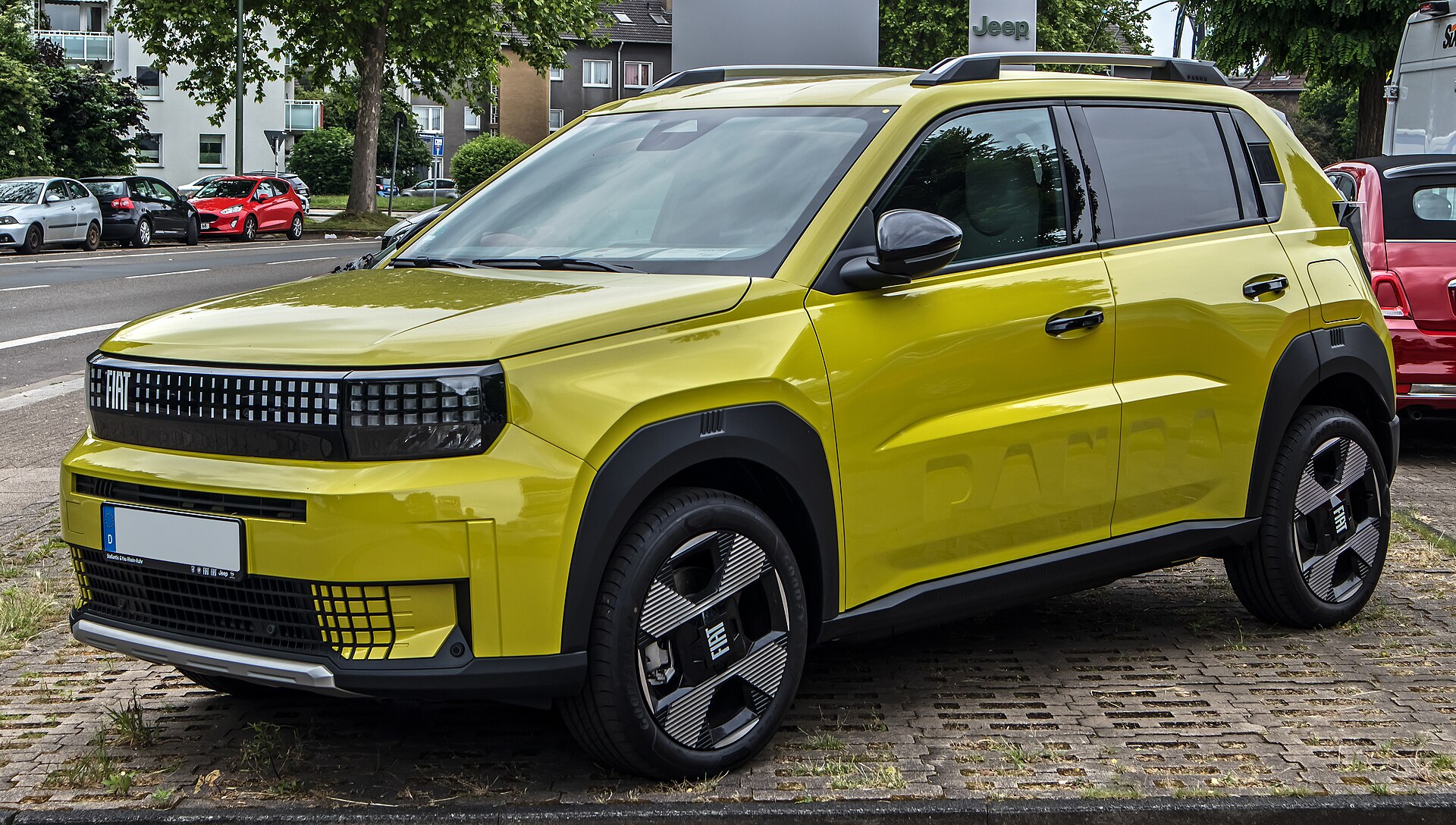
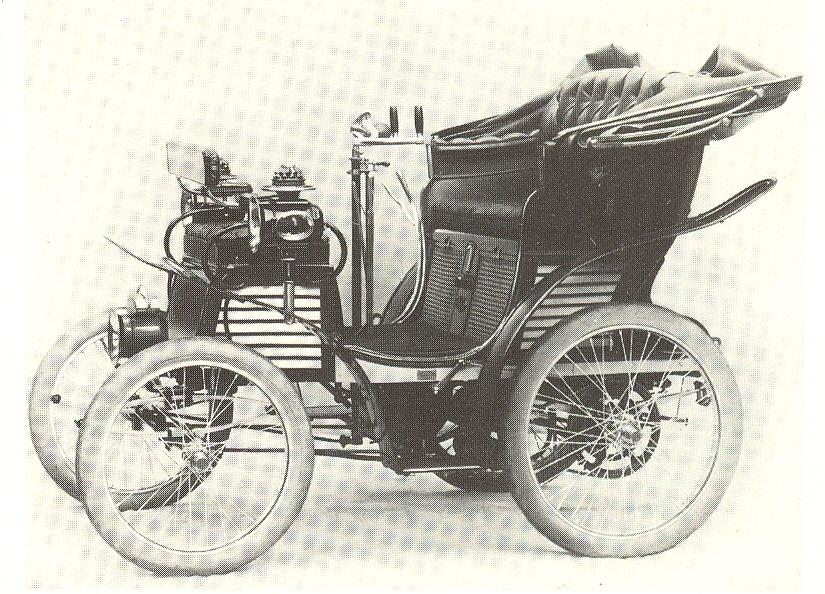
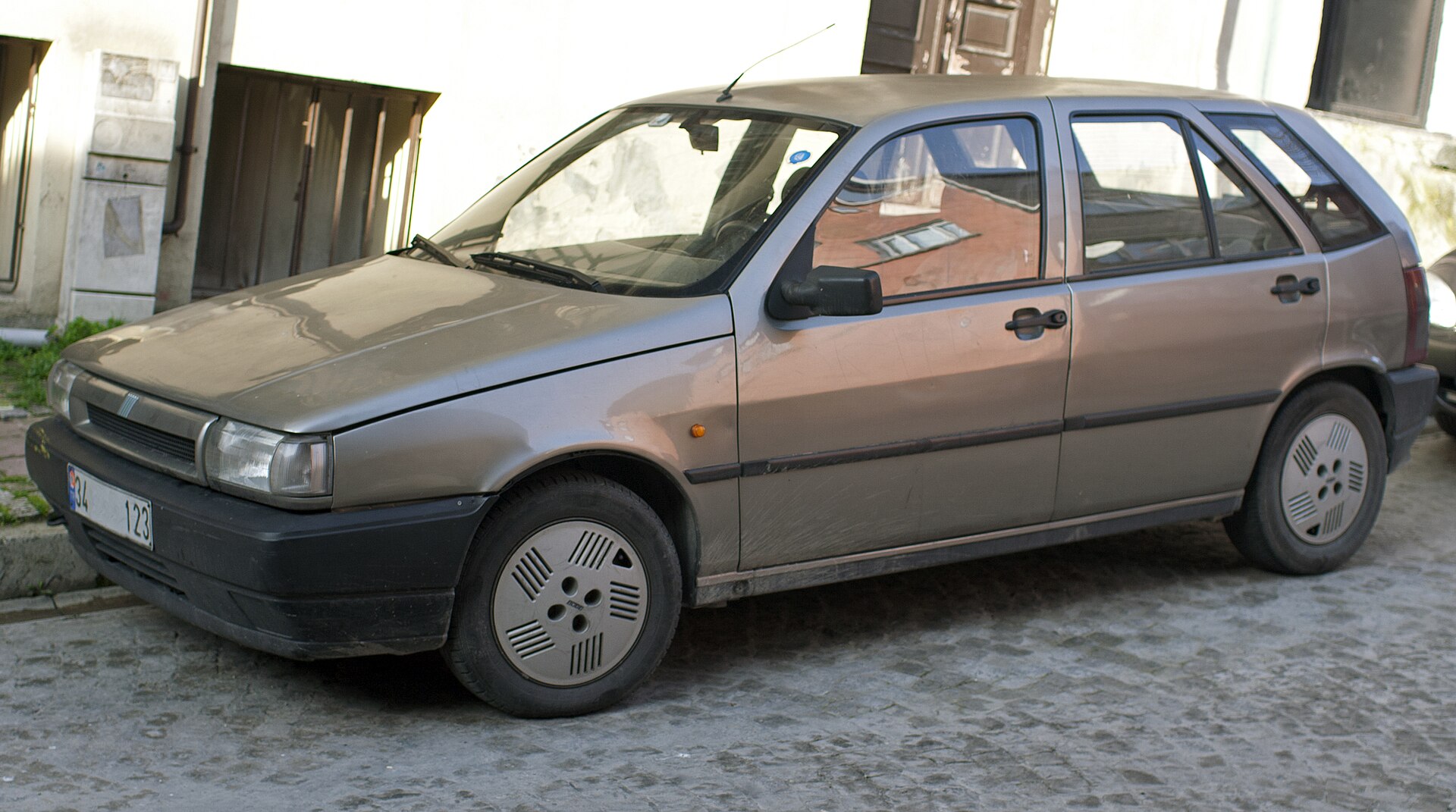
- Fiat Doblo I · Photo: RL GNZLZ / Flickr, CC BY-SA 2.0
- Fiat Doblo III (K9) · Photo: Alexander-93 / Wikimedia Commons, CC BY-SA 4.0
263 rivals
-
EV version
In production
- Years
- 1996–present
- Body
- Minivan / MPV, Van
- Fuel
- Petrol, Diesel, Electric
- Power
- 51–96 kW (69–131 PS)
3 generations
- I
- B9
- K9
-
Ended 2018
- Years
- 1996–2018
- Body
- Minivan / MPV, Van
- Fuel
- Diesel
- Power
- 51–80 kW (69–109 PS)
2 generations
- I
- II
-
EV version
In production
- Years
- 1997–present
- Body
- Minivan / MPV, Van
- Fuel
- Petrol, Diesel, LPG / CNG
- Power
- 40–96 kW (54–131 PS)
3 generations
- I
- II
- III
-
In production
- Years
- 1979–present
- Body
- Pickup, Van
- Fuel
- Petrol, Diesel
- Power
- 40–90 kW (54–122 PS)
5 generations
- Typ 14
- 9K
- 2K
- 2K SA
- SB


Popular comparisons
FAQ
What years is the Fiat Doblò 263?
It went on sale in Europe in February 2010 and was discontinued there in September 2022, when the K9 replaced it. A facelift followed in 2015.
Which engines does the second-generation Doblò have?
A 1.4 FIRE petrol with 70 kW (95 PS), a 1.4 T-Jet Natural Power CNG engine with 88 kW (120 PS), and 1.3, 1.6 and 2.0 Multijet diesels from 66 kW (90 PS) to 99 kW (135 PS).
Is the Doblò 263 a seven-seater?
It can be. Five seats are standard, and a third row was offered on request; check child-seat fit in it, as Euro NCAP found problems.
How safe is the Fiat Doblò 263?
Euro NCAP gave it three stars in 2017: 75% adult, 46% child, 57% vulnerable road users and 25% safety assist. It lacked autonomous emergency braking.
Is the Opel Combo the same as the Fiat Doblò?
The Opel and Vauxhall Combo built from 2011 to 2018 is the same Tofaş-built van, with different headlamps and grille.
Data sources
Data checked by an editor against the sources below.
- 1cars archive: Fiat Doblo Generations: Specs, Engines and History
- The text of this article (1cars archive)
- Wikipedia — Fiat Doblò
- Euro NCAP
- EEA CO₂ monitoring (European Environment Agency, CC BY 4.0)