
 Peugeot Partner
All generations, specs and history
Updated Published Sources (3) Report an error
By Oleksandr Hnatiuk, Automotive Editor & Used Car Specialist Reviewed by Felix Hartmann

- Built
- 1996–present
- Generations
- 2
- Top power
- 80 kW (109 PS)
- New price
- from about €16,150 (2008)
Timeline
Partner generations
Click a generation for its own page


- Partner I 1996–2008 · Minivan / MPV, Van · 51–80 kW (69–109 PS)
- Partner II 2008–2018 · Minivan / MPV, Van
Newest first · 2 generations since 1996
All generations by year: Partner II (2008–2018) · Partner I (1996–2008)
Which one is mine?
Pick the year of first registration to see which generation it is.
- Partner II 2008–2018
- Partner I 1996–2008
The Peugeot Partner is a front-wheel-drive compact van launched in July 1996 and shown at the Paris Motor Show that autumn, built together with its twin, the Citroën Berlingo. It is offered as a two-seat panel van and as a passenger version with sliding side doors, called Partner Combi, Partner Tepee and, since 2018, Peugeot Rifter.
In short
- First generation (1996–2008, Partner Origin on sale until about 2013): 1.4 and 1.6 petrol, 1.9 and 2.0 diesel; off-road-look Escapade from 2003.
- Second generation (2008–2018): PSA PF2 platform; Partner Tepee passenger version; facelifts in 2012 and 2015.
- Third generation (2018–): Partner van and Rifter MPV; 1.2 PureTech and 1.5 BlueHDi engines; e-Partner from January 2021.
- Other names have included Peugeot Ranch in Italy and Grand Raid in Mexico.

Specs by version
Verified Manufacturer and type-approval data from our catalog · Sources and methodology
Peugeot Partner at a glance
The Partner combined the load space of a small van with car-like driving and has been in demand with both businesses and families in many markets. Its sister model, the Citroën Berlingo, shares its body and mechanicals, while Peugeot's larger vans are the Expert and the Peugeot Boxer. Peugeot's story is told in the history of Peugeot, and the range is in the Peugeot catalogue.

| Generation | Years | Passenger version | Main engines |
|---|---|---|---|
| Partner I | 1996–2008 (Origin to about 2013) | Partner Combi, Escapade | 1.4/1.6 petrol, 1.9 D, 2.0 HDi, 1.6 HDi |
| Partner II | 2008–2018 | Partner Tepee | 1.6 petrol, 1.6 HDi, 1.6 BlueHDi |
| Partner III | 2018– | Rifter | 1.2 PureTech, 1.5 BlueHDi, electric |
First generation (1996–2008)
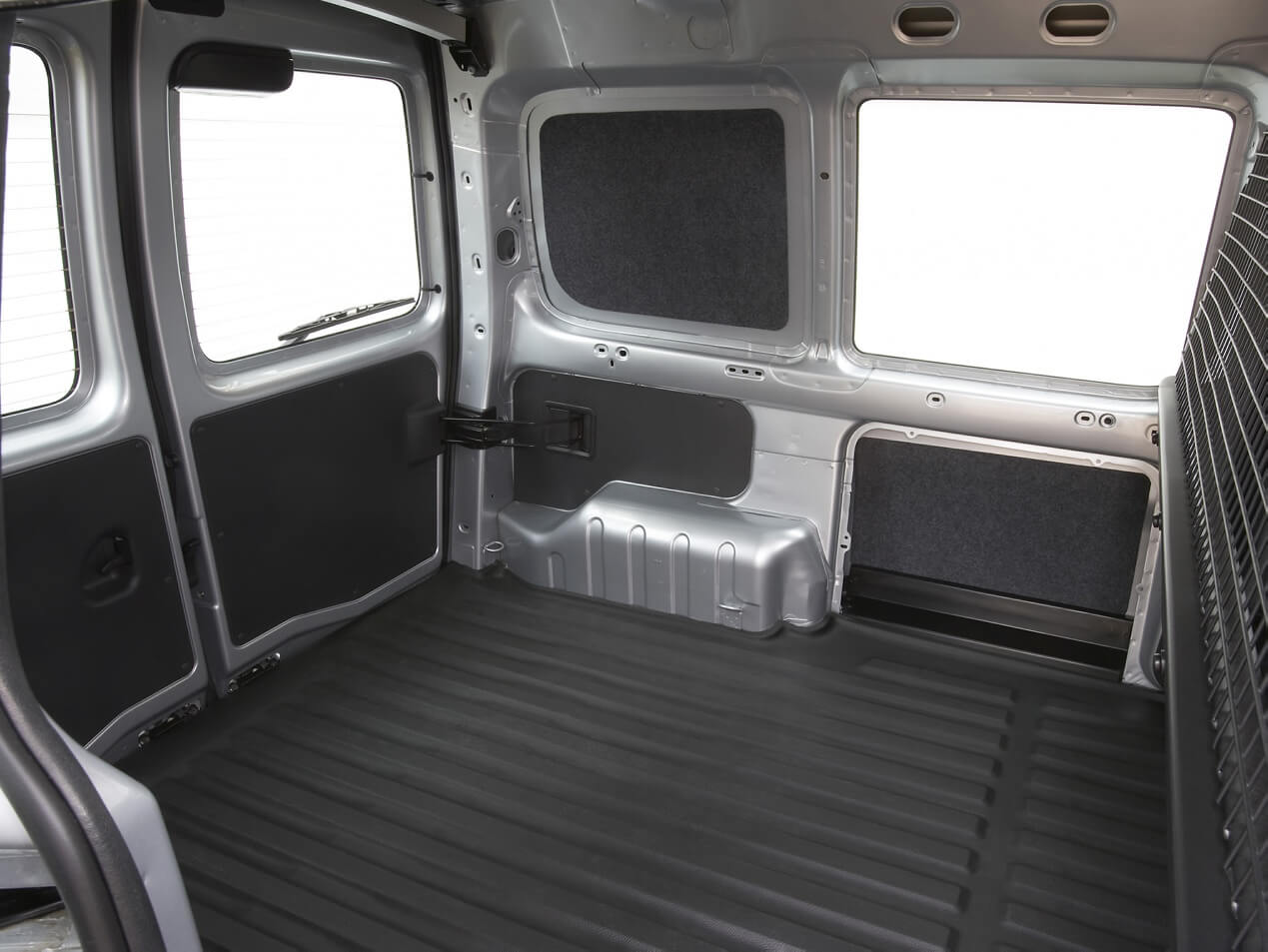
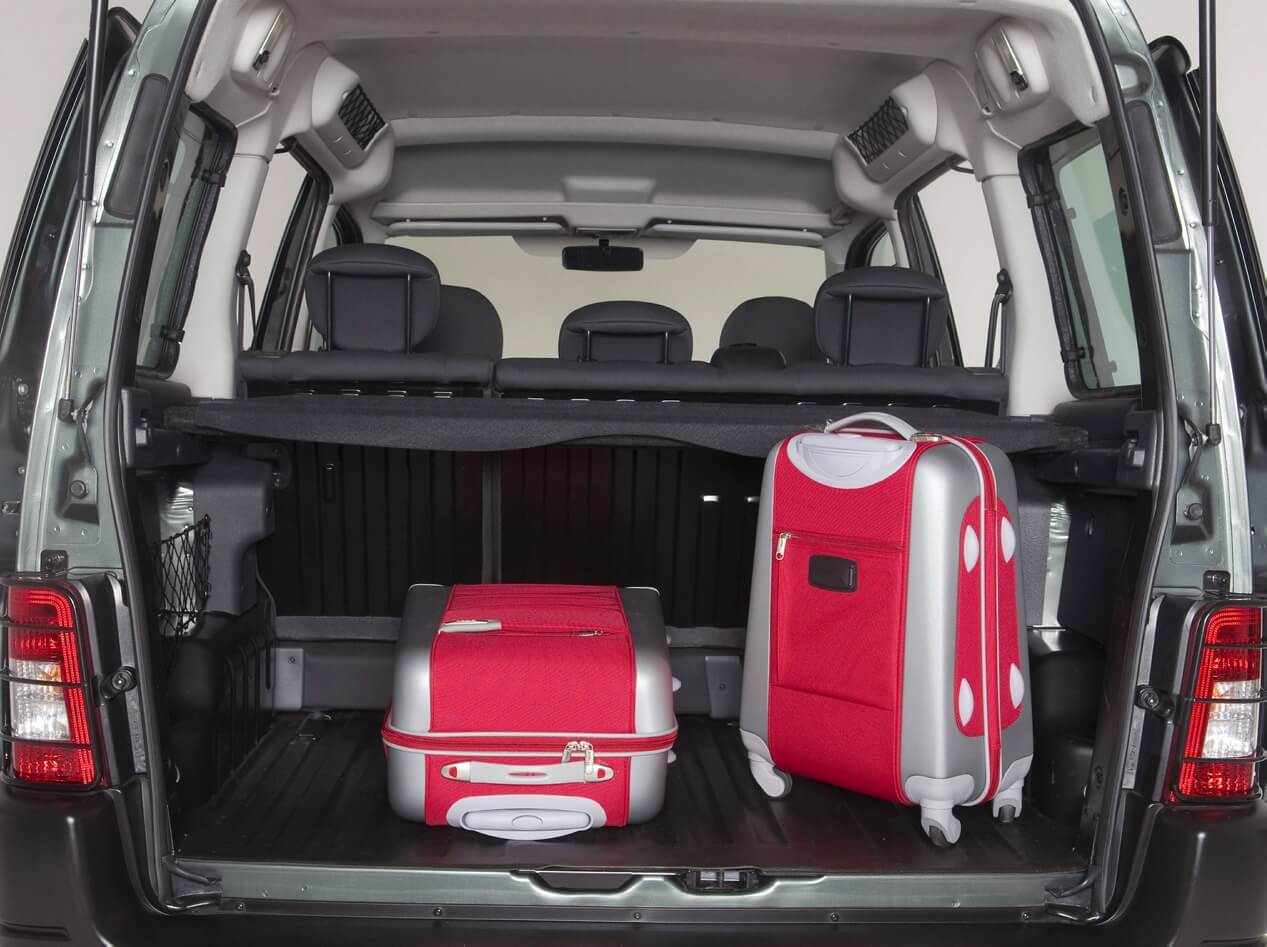
The first Partner has compact, elongated headlights and a large bonnet, and its body combined a car-like front with a tall, boxy rear. The panel van has a two-seat cab and a 3 m³ load area, while passenger versions seat five and have a boot of 624–664 litres. Sliding side doors could be fitted on one or both sides. Petrol engines included a 1.4 with 55 kW (75 PS) and a 1.6 with 80 kW (109 PS), and diesels a 1.9 naturally aspirated unit with about 51 kW (69 PS) and the 2.0 HDi. From 2006 a 1.6 HDi with 55–66 kW (75–90 PS) joined the range.

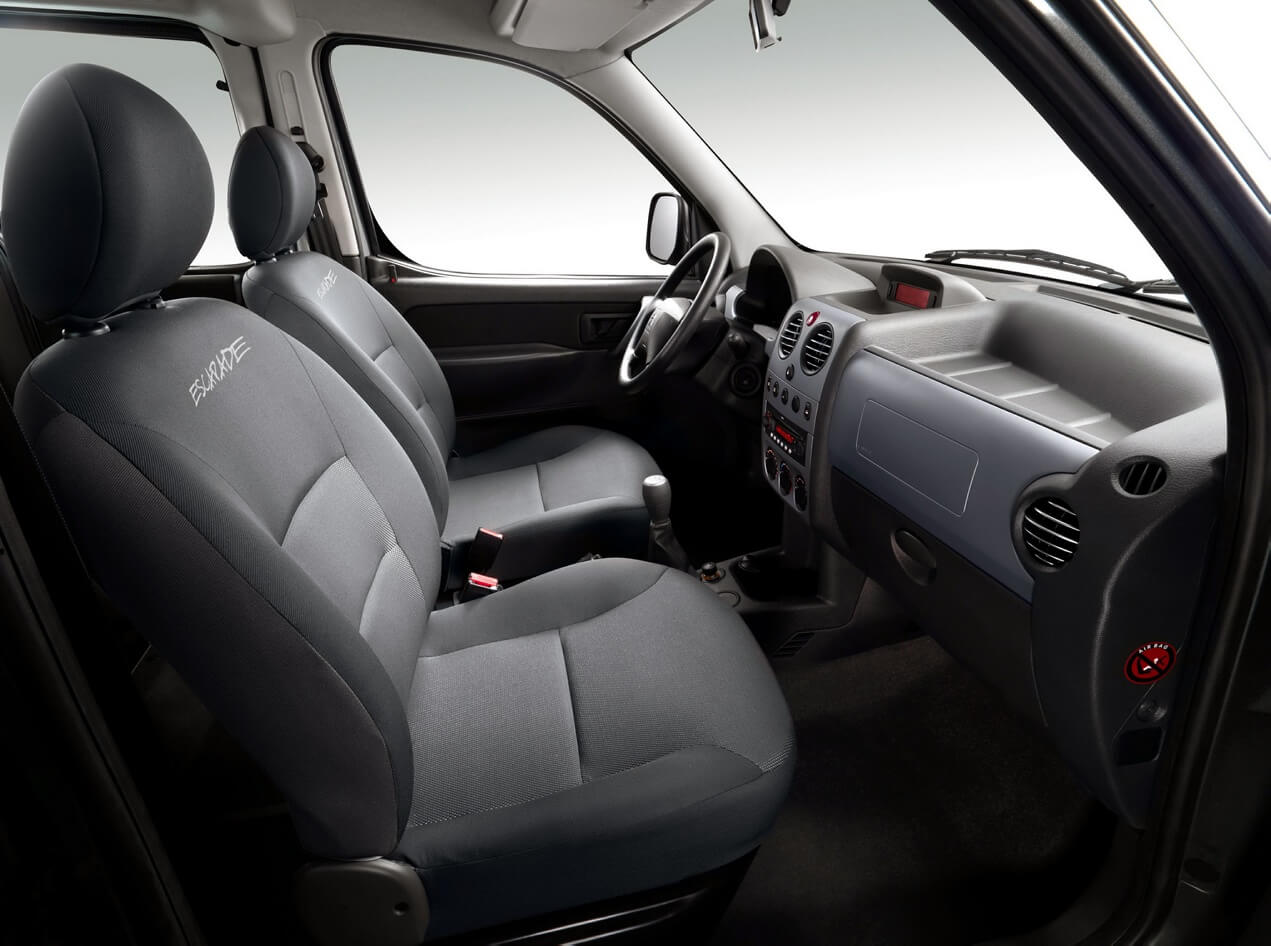
In 2003 Peugeot added the Partner Escapade with plastic body protection, a limited-slip differential and higher ground clearance, but still with front-wheel drive. The first generation remained on sale as the Partner Origin after the second generation arrived, and in 2010 an electric Partner Origin with a Venturi powertrain was assembled in France. In Argentina an off-road-styled Partner Patagónica was offered.
Second generation (2008–2018)
Design and Partner Tepee
Unveiled in January 2008 and launched in May 2008, the second Partner moved to the PSA PF2 platform. The passenger version was named Partner Tepee, while the van carried the code VU. The Tepee has a smiling front end, triangular headlights, wide sliding doors on both sides and a large tailgate opening upwards. Facelifts followed in February 2012 and, more extensively, in 2015, when the exterior, interior and diesel engines were updated.

Interior and practicality
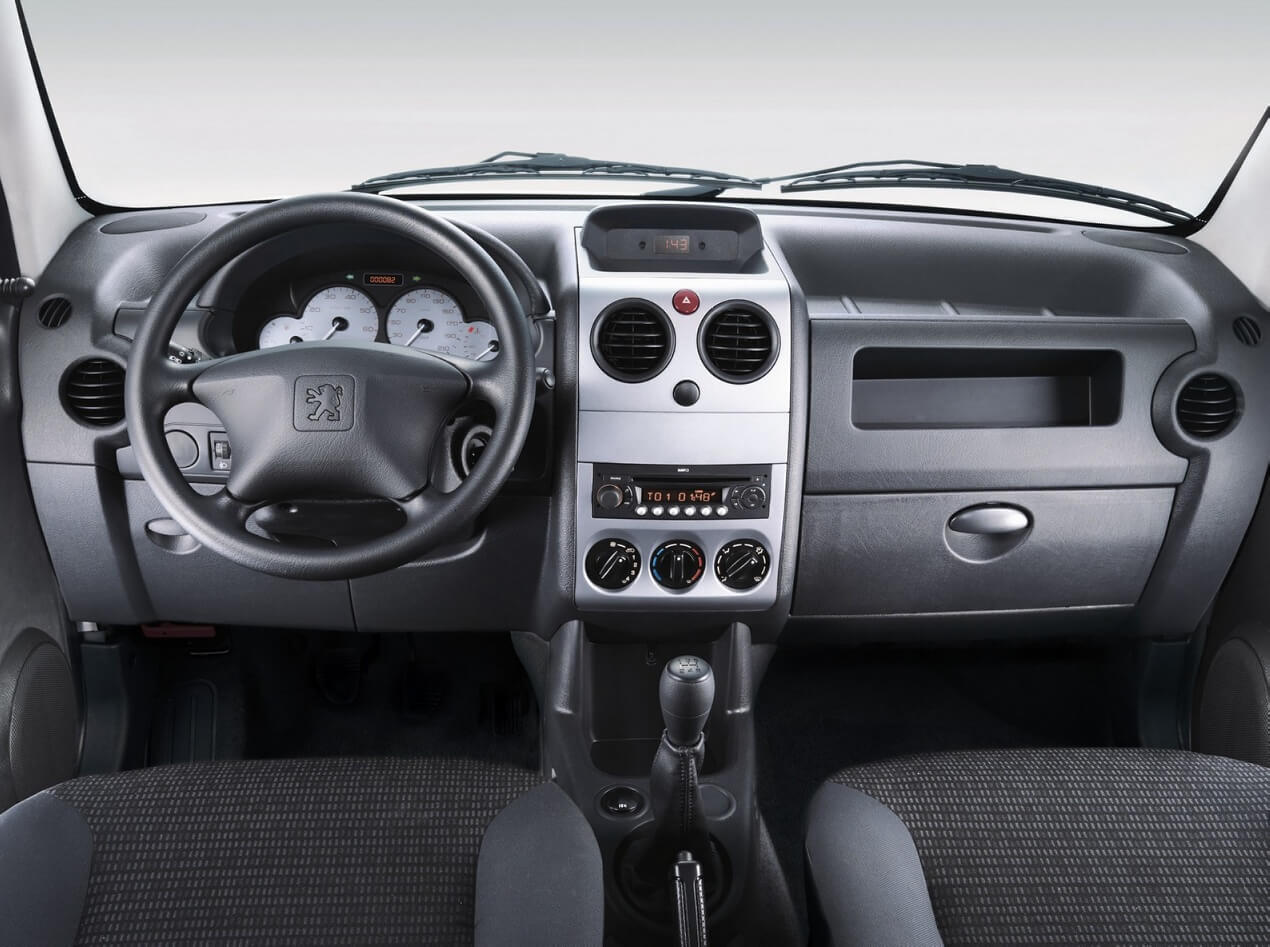
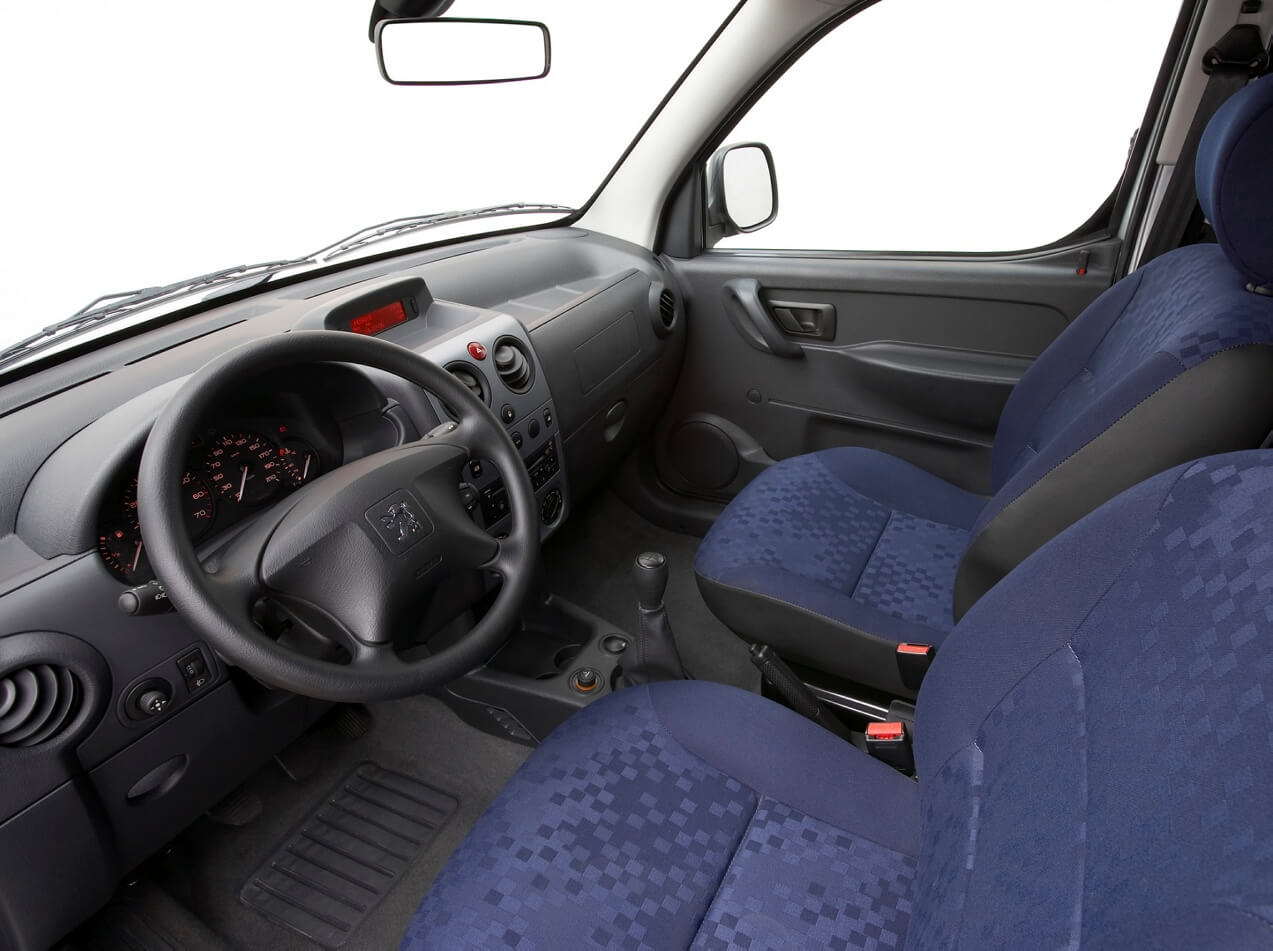
The Tepee's dashboard includes a touchscreen with Bluetooth, USB and smartphone mirroring, the steering wheel adjusts for height and reach, and the comfortable front seats have armrests. The rear bench seats three, and its seats can be removed and used as compact chairs outdoors. Optional rear air conditioning sits in the roof, and the cabin has many shelves and compartments. One small criticism is the seat-heating switch, which is hard to reach once the belt is fastened.
Engines
| Engine | Power | Notes |
|---|---|---|
| 1.6 16V petrol (EP6C) | 66 kW (90 PS) | Multi-point injection, variable valve timing; about 7.1 L/100 km |
| 1.6 HDi diesel | 55–81 kW (75–110 PS) | Common-rail, 8 valves in 92 PS version |
| 1.6 BlueHDi diesel | 55–88 kW (75–120 PS) | From the 2015 facelift |
Safety
The Tepee has four airbags, ABS with brakeforce distribution and emergency brake assist as standard, plus programmed crumple zones and a collapsible steering column. A reversing camera that switches on with reverse gear and front and rear parking sensors were available.
Third generation (2018 to today)
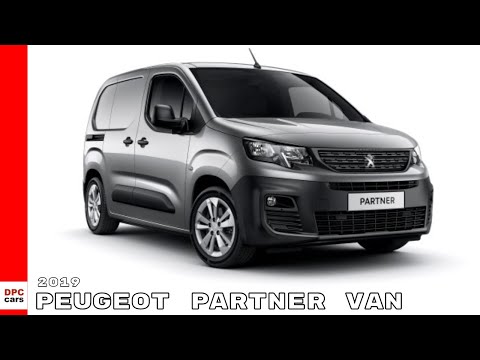
The third Partner was unveiled at the 2018 Geneva Motor Show together with the Rifter, which replaced the Tepee as the passenger version. It is built in Vigo (Spain), Mangualde (Portugal), Oran (Algeria), Ellesmere Port (UK) and Bursa (Turkey). Engines are the 1.2 PureTech turbo petrol with 81 kW (110 PS) and the 1.5 BlueHDi diesel with 74 or 96 kW (100 or 130 PS), with a 1.2 mild hybrid planned for 2025. The battery-electric e-Partner was unveiled in January 2021, followed by the e-Rifter in February 2021. In January 2023 the Partner received the Berlingo-style grille, and a facelift with technical updates was revealed on 23 October 2023. In ANCAP's 2018 test the Partner was rated five stars.

The third generation is part of a large family of related vans. Besides the Citroën Berlingo, it shares its structure with the Opel and Vauxhall Combo, the Toyota ProAce City from 2019 and, from 2022, the Fiat Doblò. The planned 1.2 mild hybrid is rated at 122 PS. The Partner name is used for the van, while families buy the same body as the Rifter. It is equipped as a family car and, like the Berlingo XL, is available with seven seats in its long version.
Equipment and owner feedback
The second-generation Partner Tepee came with four airbags and ABS with brakeforce distribution and emergency brake assist. It also had two electric windows, air conditioning, heated electric mirrors, 15-inch steel wheels, a four-speaker audio system and cruise control as standard on many versions. Owners most often praise the spacious and practical interior, the large boot, the many storage compartments and ways to rearrange the rear seats. They also like the high and comfortable driving position, good handling, acceptable fuel consumption, solid assembly, reliability and visibility. The most common complaints are insufficient noise insulation, small door mirrors and ground clearance that could be higher for poor roads. The smaller engines also feel slow and need to be revved hard when the car is loaded.

Rivals: how the Partner compares
The Partner competes with the Volkswagen Caddy, Ford Transit Connect, Renault Kangoo and its group siblings, and as the Rifter with leisure MPVs. Its strengths are a practical, robust body, sliding doors, a large load space and economical HDi and BlueHDi diesels; its weaknesses are modest performance with the smallest engines and, in older versions, basic interior materials. For bigger loads, Peugeot offers the Expert, a rival of the Renault Trafic.


Rivals
Compare with…
Compare Peugeot Partner with
- Fiat Doblo quick spec comparison
-
EV version
In production
- Years
- 2000–present
- Body
- Pickup, Minivan / MPV
- Fuel
- Petrol, Diesel, Electric
- Power
- 48–100 kW (65–136 PS)

Peugeot Partner photos 30


Peugeot Partner videos 3
Peugeot Partner video 1

Peugeot Partner video 2
Peugeot Partner video 3
FAQ
What is the difference between the Peugeot Partner and the Partner Tepee?
The Partner is the van version with a two-seat cab and load area. The Partner Tepee is the second-generation passenger version with sliding rear doors and five seats; in 2018 it was replaced by the Rifter.
Is the Peugeot Partner the same as the Citroën Berlingo?
Yes, they are twins. Both have shared their body and mechanicals since 1996, and in the third generation the family also includes the Opel and Vauxhall Combo, Toyota ProAce City and Fiat Doblò.
What engines does the Peugeot Partner have?
The current Partner uses a 1.2 PureTech petrol with 81 kW (110 PS) and 1.5 BlueHDi diesels with 74–96 kW (100–130 PS). The e-Partner is fully electric.
How much can the Peugeot Partner carry?
The first-generation van offers a 3 m³ load area behind its two-seat cab, while passenger versions with five seats have 624–664 litres of boot space and fold their rear seats for more.
Is there an electric Peugeot Partner?
Yes. An electric Partner Origin with a Venturi powertrain appeared in 2010, and the current battery-electric e-Partner was unveiled in January 2021, followed by the e-Rifter.
Data sources
Data checked by an editor against the sources below.
- The text of this article (1cars archive)
- Wikipedia - Peugeot Partner
- Euro NCAP - B802bc3f 01df 4711 Be17 891dfe720c6f


