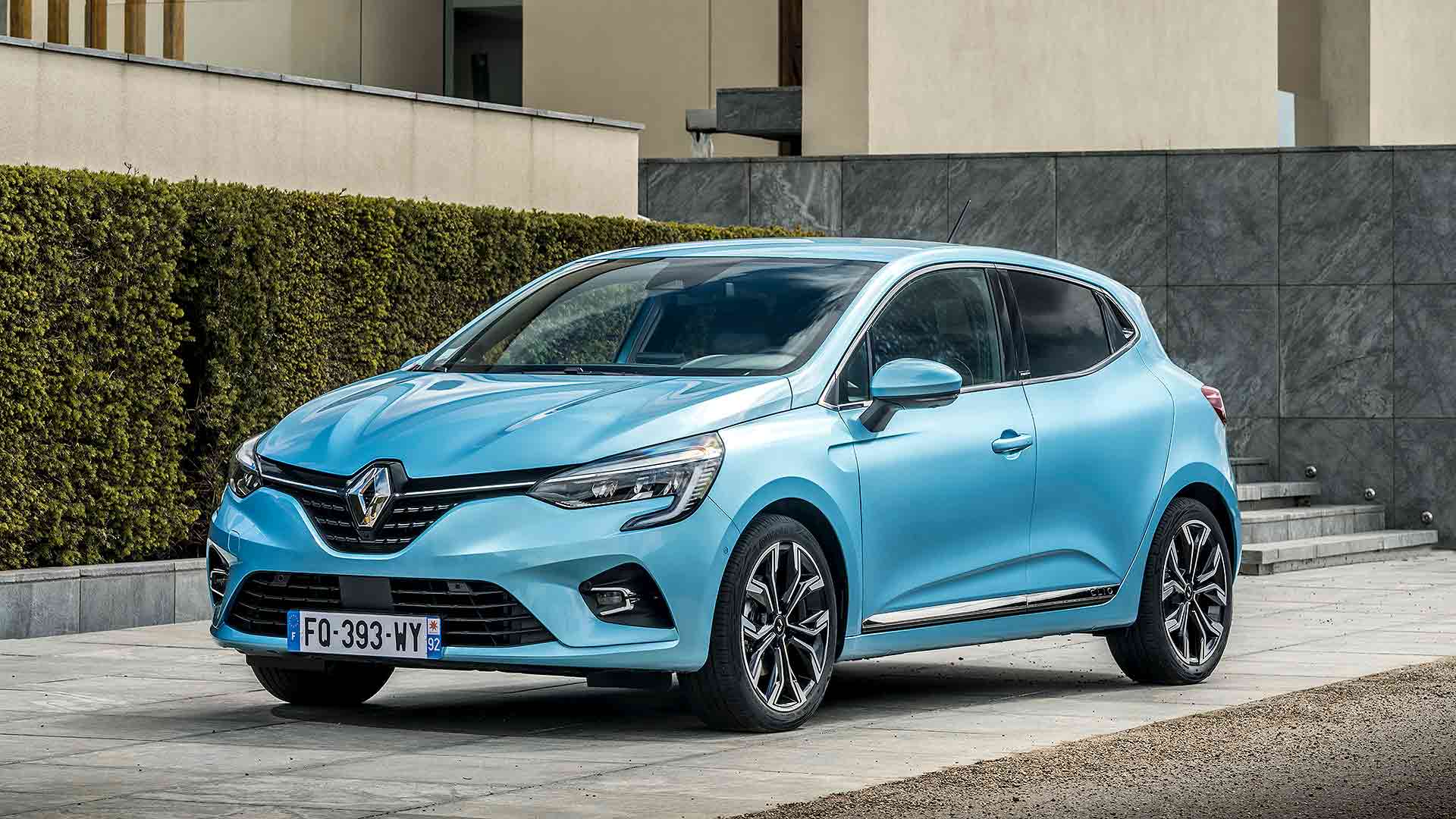
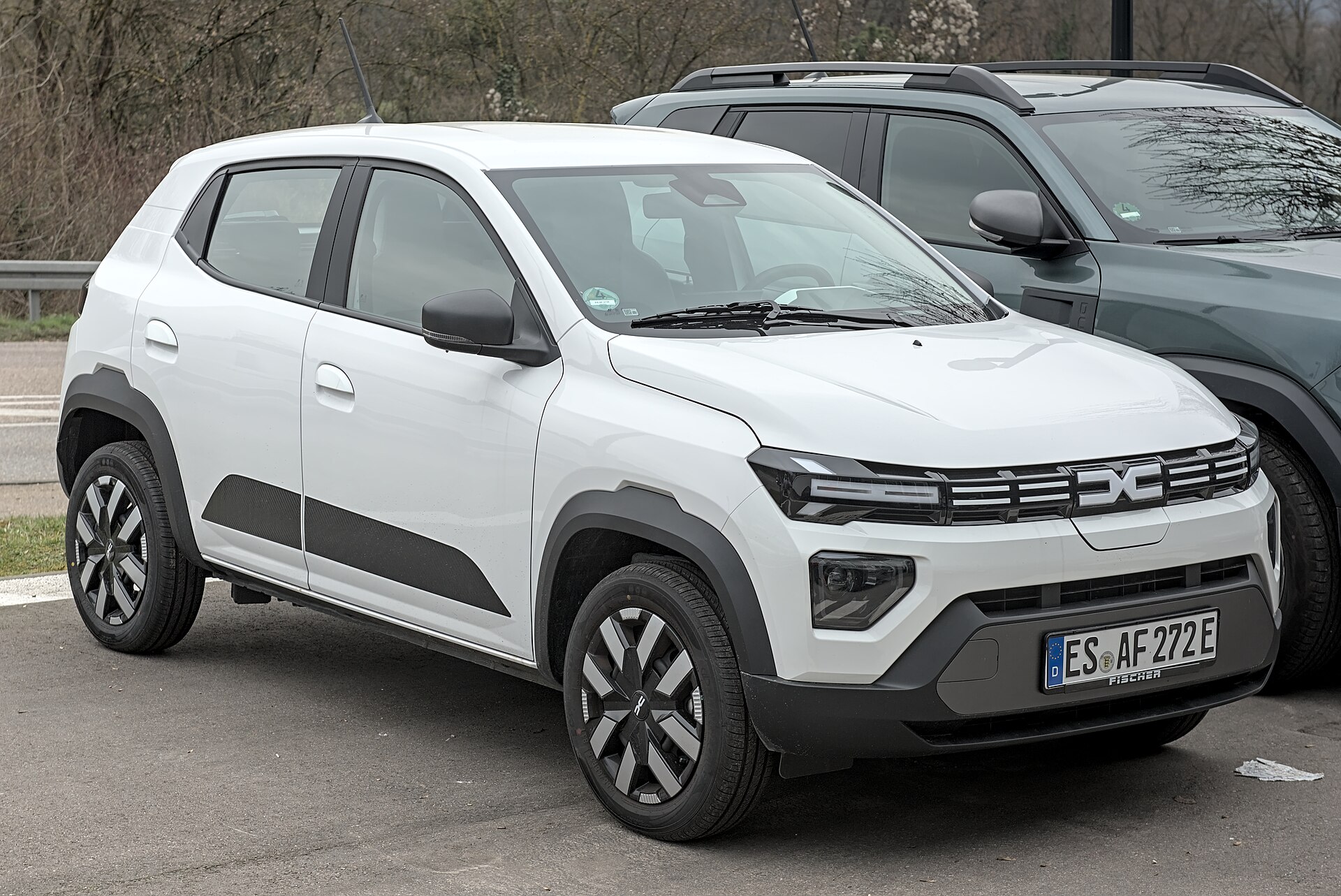
Best cars for older drivers in 2026: eight models that are easy to get in and out of
For many older drivers the most important number is not power or price but the height of the seat. A seat that sits between 47 and 66 cm above the road lets the driver slide in and stand up again without bending low or climbing, according to ADAC, Germany's motoring club. In June 2026 ADAC published its list of senior-friendly cars, chosen from its own tests and measurements: at most 4.50 m long so that parking stays easy, a seat at least 47 cm high, a boot sill no higher than 78 cm, and good grades for ease of use and all-round visibility. The eight new cars below come from that list and have a 1cars model page.
ADAC grades work like German school marks: 1.0 is the best and 6.0 the worst. The grade for operation covers controls, displays and how easily the car can be used; the grade for all-round visibility covers the view out of the car. The boot sill height matters for anyone who lifts a heavy bag, a folding wheelchair or a walking frame into the boot.
Quick picks
- Highest seat: Citroën Berlingo – 605 mm above the road, 565 mm boot sill.
- Easiest to operate: Hyundai Kona – ADAC grade 2.1.
- Best all-round view: BMW X1 – ADAC grade 3.1.
- Electric choice: Škoda Elroq – 520 mm seat, 685 mm sill.
| Model | Length | Seat height | Boot sill | ADAC grade: operation | ADAC grade: visibility |
|---|---|---|---|---|---|
| Citroën Berlingo | 4,403 mm | 605 mm | 565 mm | 2.5 | 3.2 |
| Hyundai Kona | 4,355 mm | 530 mm | 685 mm | 2.1 | 4.0 |
| Nissan Qashqai | 4,425 mm | 560 mm | 770 mm | 2.2 | 3.3 |
| BMW X1 | 4,500 mm | 535 mm | 715 mm | 2.3 | 3.1 |
| Volvo XC40 | 4,425 mm | 575 mm | 755 mm | 2.7 | 3.6 |
| Škoda Elroq | 4,488 mm | 520 mm | 685 mm | 2.2 | 3.4 |
| Toyota Corolla Cross | 4,460 mm | 525 mm | 730 mm | 2.5 | 4.0 |
| Renault Kangoo | 4,486 mm | 575 mm | 575 mm | 2.7 | 4.0 |
All figures are ADAC measurements. Used cars can work just as well: ADAC's used list, for cars up to ten years old, includes the 2018–2020 Hyundai Tucson with a 580 mm seat and the 2016–2020 Volkswagen Tiguan with an operation grade of 1.7. For smaller cars that are easy to park, see the best small SUVs; for cars without a clutch pedal, see the best cheap automatic cars.
-
1. Citroen Berlingo K9
Easiest to get in and out of
- Production years
- 2018–present
- Body type
- Minivan / MPV, Van
- Fuel
- Petrol, Diesel, Electric
- Power output
- 74–96 kW (101–131 PS)
The third-generation Berlingo has the highest seat in ADAC's list of new senior-friendly cars: 605 mm above the road. Its boot sill is the lowest here at 565 mm, so shopping, a walking frame or a folding wheelchair go in with little lifting. ADAC grades its operation 2.5 and visibility 3.2. At 4,403 mm it is shorter than most compact SUVs. It is sold with petrol, diesel and electric drive. The drawbacks: a van-based interior, and an operation grade of 2.5, weaker than the Kona's or Qashqai's.
Full review: Citroen Berlingo K9Pros
- Highest seat here, 605 mm
- Lowest boot sill, 565 mm
- Petrol, diesel or electric
Cons
- Van-based cabin
-
2. Hyundai Kona II (SX2)
Easiest to operate
- Production years
- 2023–present
- Body type
- SUV
- Fuel
- Petrol, Hybrid, Electric
The second-generation Kona received the best operation grade of all new cars in ADAC's list, 2.1, shared with the SEAT Arona and the Volkswagen T-Roc Cabriolet. Controls and displays are easy to understand and reach, which helps drivers who do not want to learn a complex touchscreen menu. The seat is 530 mm high and the boot sill 685 mm, and the car is 4,355 mm long. The Kona is available as a petrol, a full hybrid and an electric car. The drawback: ADAC gives its all-round visibility a grade of 4.0, the weakest allowed in its list, so parking sensors and a camera are worth having.
Full review: Hyundai Kona II (SX2)Pros
- Best operation grade, 2.1
- 530 mm seat, 685 mm sill
- Petrol, hybrid or electric
Cons
- Visibility grade of 4.0
-
3. Nissan Qashqai III
Best balance of height and ease of use
- Production years
- 2021–present
- Body type
- SUV
- Fuel
- Petrol, Hybrid
- Power output
- 103–139 kW (140–189 PS)
The third-generation Qashqai combines a high 560 mm seat with an operation grade of 2.2 and a visibility grade of 3.3, one of the better all-round results in ADAC's list. It is 4,425 mm long. The engines are a 1.3-litre mild hybrid with 103 or 117 kW and the e-Power hybrid with 139 kW. The drawback: the boot sill is 770 mm high, close to ADAC's 78 cm limit, so heavy items must be lifted further than in the Berlingo or Kona.
Pros
- 560 mm seat height
- Operation 2.2, visibility 3.3
- e-Power hybrid with 139 kW
Cons
- High boot sill of 770 mm
Spec sheet: Nissan Qashqai III 1.3 DIG-T mild hybrid 140 103 kW (140 PS)
Full review: Nissan Qashqai III -
4. BMW X1 (U11)
Best all-round visibility
- Production years
- 2022–present
- Body type
- SUV
- Fuel
- Petrol, Diesel, Plug-in hybrid, Electric
- Power output
- 100–240 kW (136–326 PS)
The third-generation X1 has the best all-round visibility grade among the cars here, 3.1, together with an operation grade of 2.3. Its seat is 535 mm above the road and the boot sill 715 mm. At exactly 4,500 mm it is the longest car ADAC allows in its list, so it needs a little more parking space than the others. The X1 is sold with petrol, diesel, plug-in hybrid and electric drive, the electric version being the iX1, with 100 to 240 kW. The drawback: it is a premium car, so prices start higher than for the Berlingo, Kona or Qashqai.
Full review: BMW X1 (U11)Pros
- Best visibility grade here, 3.1
- 535 mm seat, 715 mm sill
- Petrol, diesel, plug-in hybrid or electric
Cons
- 4,500 mm long and premium prices
-
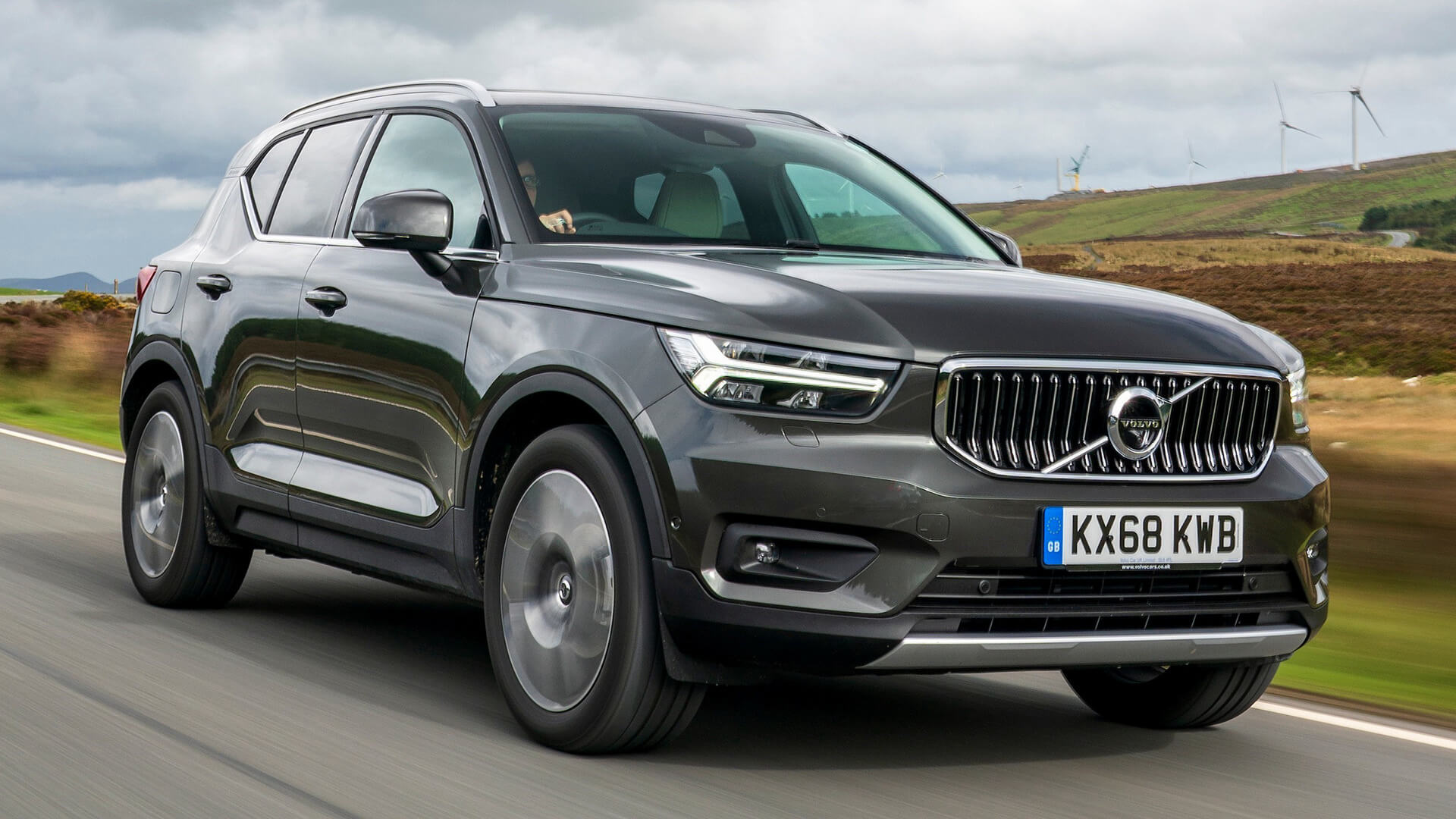
5. Volvo XC40 I
Highest seat among the SUVs
- Production years
- 2017–present
- Body type
- SUV
- Fuel
- Petrol, Diesel, Hybrid, Plug-in hybrid, Electric
The XC40 has the highest seat of the SUVs in this list: 575 mm above the road. That makes it the easiest SUV here to slide into and out of, and the visibility grade of 3.6 is reasonable. It is 4,425 mm long and the boot sill is 755 mm high. ADAC includes it despite an operation grade of 2.7, just outside its own limit of 2.6, meaning ADAC found it slightly harder to operate than the others. The XC40 has been built since 2017, which also makes it easy to find used. The drawback: the weakest operation grade in this list.
Full review: Volvo XC40 IPros
- 575 mm seat, highest of the SUVs here
- Visibility grade 3.6
- Widely available used
Cons
- Operation grade of 2.7
-
6. Skoda Elroq I
Best electric choice
- Production years
- 2025–present
- Body type
- Crossover
- Fuel
- Electric
- Power output
- 125–250 kW (170–340 PS)
The Elroq is the electric car in ADAC's list with the best mix of figures: a 520 mm seat, a low 685 mm boot sill, an operation grade of 2.2 and visibility of 3.4. Like every electric car it has a single-speed drive, so there are no gears to manage. It is 4,488 mm long, and the motors range from 125 to 250 kW. Charging at home avoids trips to a petrol station. The drawbacks: the seat is lower than in the Berlingo, Qashqai or XC40, and owners without their own parking space depend on public charging.
Pros
- 685 mm boot sill
- Operation 2.2, visibility 3.4
- No gearbox to manage
Cons
- Lower seat than the top five
Spec sheet: Skoda Elroq I 50 125 kW (170 PS)
Full review: Skoda Elroq I -
7. Toyota Corolla Cross I
Best hybrid automatic
- Production years
- 2020–present
- Body type
- Crossover
- Fuel
- Petrol, Hybrid
- Power output
- 90–146 kW (122–199 PS)
The Corolla Cross is offered as a full hybrid with a CVT automatic gearbox, so there is no clutch pedal. ADAC measured a 525 mm seat and a 730 mm boot sill, and graded its operation 2.5. It is 4,460 mm long. The 1cars catalogue lists hybrid versions with 90 to 132 kW. The drawback: like the Kona and Kangoo, it receives ADAC's weakest allowed visibility grade, 4.0, so the view out is limited and parking aids are worth ordering.
Pros
- Full hybrid with automatic gearbox
- 525 mm seat
- 730 mm boot sill
Cons
- Visibility grade of 4.0
Spec sheet: Toyota Corolla Cross I 1.8 petrol 103 kW (140 PS)
Full review: Toyota Corolla Cross I -
8. Renault Kangoo III
Lowest-effort loading
- Production years
- 2021–present
- Body type
- Minivan / MPV, Van
- Fuel
- Petrol, Diesel, Electric
- Power output
- 55–96 kW (75–131 PS)
The third-generation Kangoo pairs a high 575 mm seat with a boot sill of only 575 mm, the second lowest in ADAC's list after the Berlingo. The tall body makes bulky items easy to load. It is 4,486 mm long and available with petrol, diesel and the electric E-Tech, with 55 to 96 kW. The drawbacks: ADAC's operation grade is 2.7, slightly outside its own limit, and visibility is graded 4.0, so this practical car is not the most comfortable to drive in town.
Full review: Renault Kangoo IIIPros
- 575 mm boot sill
- 575 mm seat height
- Petrol, diesel or electric E-Tech
Cons
- Operation grade 2.7 and visibility 4.0




How we chose
Selection. The list uses ADAC's guide to the best cars for senior drivers (8 June 2026), which names 26 new and 29 used models chosen by these criteria: at least four seats, a length of at most 4.50 m, a height of at least 1.50 m, a seat height of at least 47 cm, a boot sill of at most 78 cm, an ADAC operation grade of 2.6 or better and a visibility grade of 4.0 or better. ADAC lists some models slightly outside one criterion, such as the Volvo XC40 and Renault Kangoo with operation grades of 2.7. Of the new models, the eight below have a 1cars model page; the SEAT Arona, Lexus LBX, Opel Combo Life and Toyota Proace City Verso, among others, do not.
Data sources. Lengths, seat heights, boot sill heights and test grades are ADAC measurements from that guide. Engine and drive options come from the 1cars catalogue and the model pages. Seat height is measured from the road to the seat, so it shows how far the driver has to lower or lift themselves.
Ranking. The order is editorial. It puts the ease of getting in and out first, then the boot sill, then ease of use and visibility. Every body is different, so a long sit in the showroom and a test drive are the best final check; our guide on how to test drive a car lists what to try.
Frequently asked questions
What seat height is best for older drivers?
ADAC recommends a seat height between 47 and 66 cm above the road. In that range most people can sit down and stand up without bending low or climbing up. The Citroën Berlingo, at 605 mm, has the highest seat in this list.
Are SUVs good cars for older drivers?
Small and mid-size SUVs often are, because their seats are higher than in a hatchback. ADAC's list is dominated by compact SUVs such as the Hyundai Kona, Nissan Qashqai and BMW X1, but it also includes van-based cars like the Berlingo and Kangoo.
Why does the boot sill height matter?
A low sill means heavy items do not have to be lifted far. ADAC sets a maximum of 78 cm. The Citroën Berlingo (565 mm) and Renault Kangoo (575 mm) have the lowest sills here; the Nissan Qashqai has one of the highest, at 770 mm.
Why are the cars at most 4.50 metres long?
ADAC limits length to 4.50 m so that the cars stay easy to park and to manoeuvre in town. The BMW X1, at exactly 4,500 mm, is the longest car in the list.
Which used cars are easy to get in and out of?
ADAC's used list, for cars up to ten years old, includes the 2018–2020 Hyundai Tucson (580 mm seat), the 2018–2022 Kia Sportage (570 mm) and the 2016–2020 Volkswagen Tiguan, which has the best operation grade, 1.7.