 Volvo 200 Series
Specs, engines and history
Published Sources (1) Report an error
By Felix Hartmann, Automotive Technology & EV Contributor
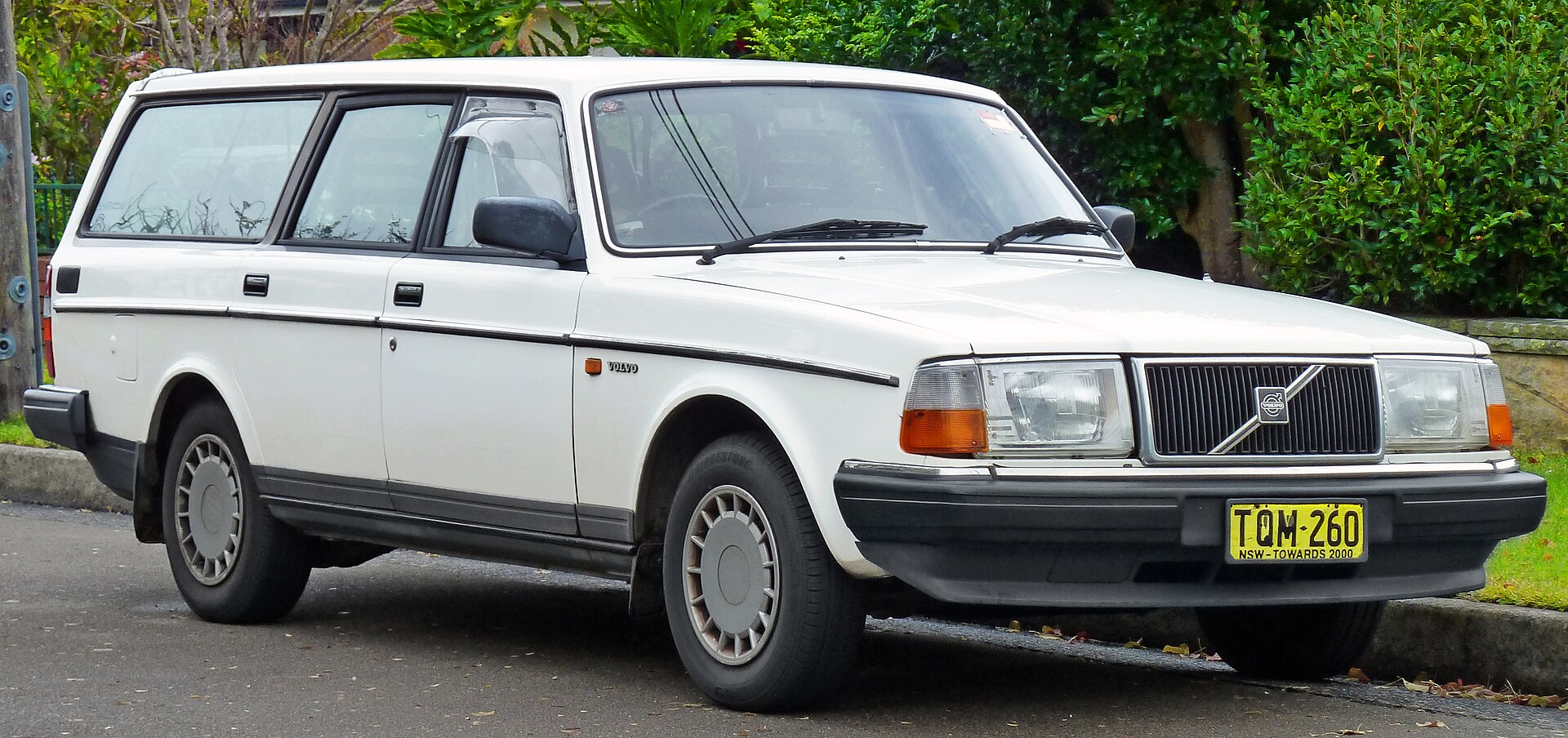
The Volvo 200 Series is the family of rear-wheel-drive saloons, estates and coupés that Volvo built from 1974 to 1993: the four-cylinder 240, the V6-engined 260 and the Bertone-built 262C coupé. Developed from the 140 Series and styled by Jan Wilsgaard, it was built for nearly two decades and became the car most people picture when they think of an old Volvo. More than 2.8 million were made in Sweden, Belgium, Canada, Australia and four Asian countries.
In short
- Built from 1974 to 14 May 1993; Wikipedia gives two totals, 2,862,573 and 2,862,053.
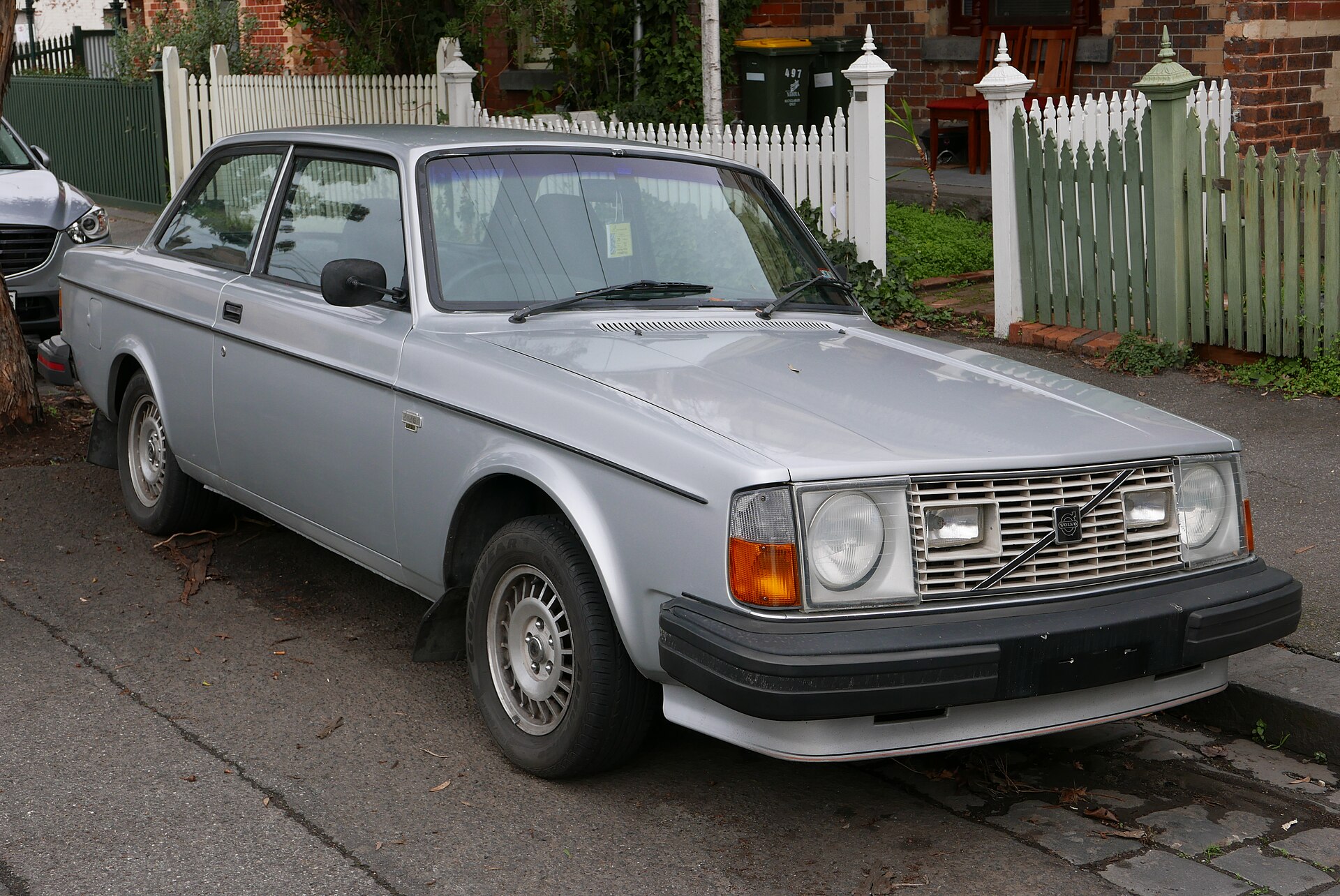
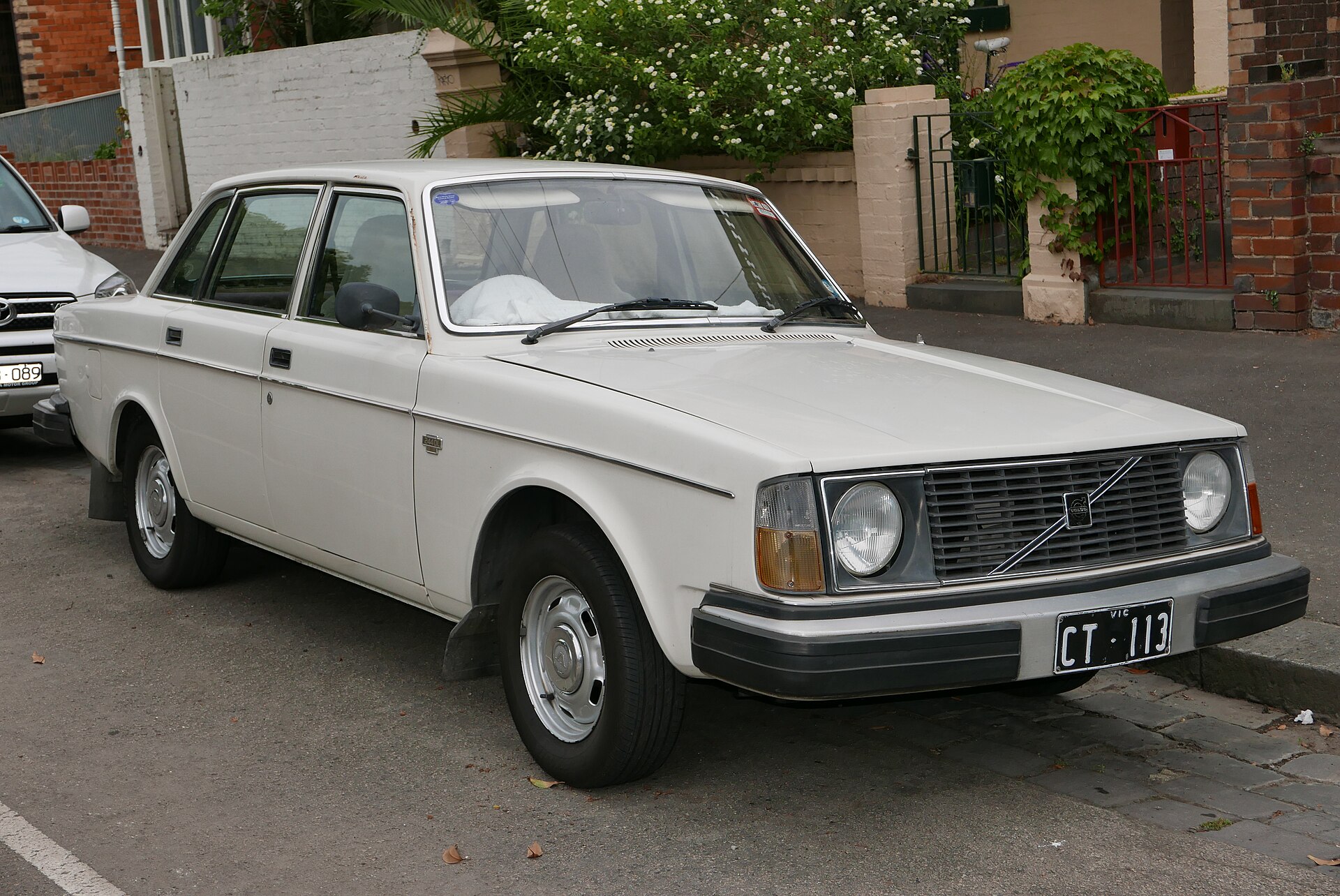
- Bodies: two- and four-door saloon, five-door estate, and the 262C Bertone coupé of 1978–1981.
- Engines from the 66 kW (90 PS) B17 four to the 2.8-litre B28 V6, plus a turbo four and two diesels.
- A 240 Turbo won the 1985 European Touring Car Championship for Eggenberger Motorsport.
Volvo 200 Series at a glance
| Specification | Volvo 200 Series |
|---|---|
| Maker | Volvo Cars, Gothenburg (Sweden) |
| Production | 1974 – 14 May 1993 |
| Models | 240 (242, 244, 245), 260 (262, 264, 265), 262C coupé |
| Purpose | mid-size family car and estate |
| Layout | front engine, rear-wheel drive |
| Designer | Jan Wilsgaard |
| Plants | Torslanda and Kalmar (Sweden), Ghent (Belgium), Halifax (Canada), Clayton (Australia), North Jakarta, Shah Alam, Jurong, Samut Prakan |
| Total built | over 2.8 million |
| Predecessor / successor | Volvo 140 and 164 / Volvo 940 (240) and 760 (260) |
The 200 Series is part of our Volvo catalogue. How Volvo grew from its 1927 start in Gothenburg to the brand it is today is told in our history of Volvo.
Volvo 200 Series production timeline
| Year | Event |
|---|---|
| 1974 | 240 and 260 launched, developed from the 140 Series |
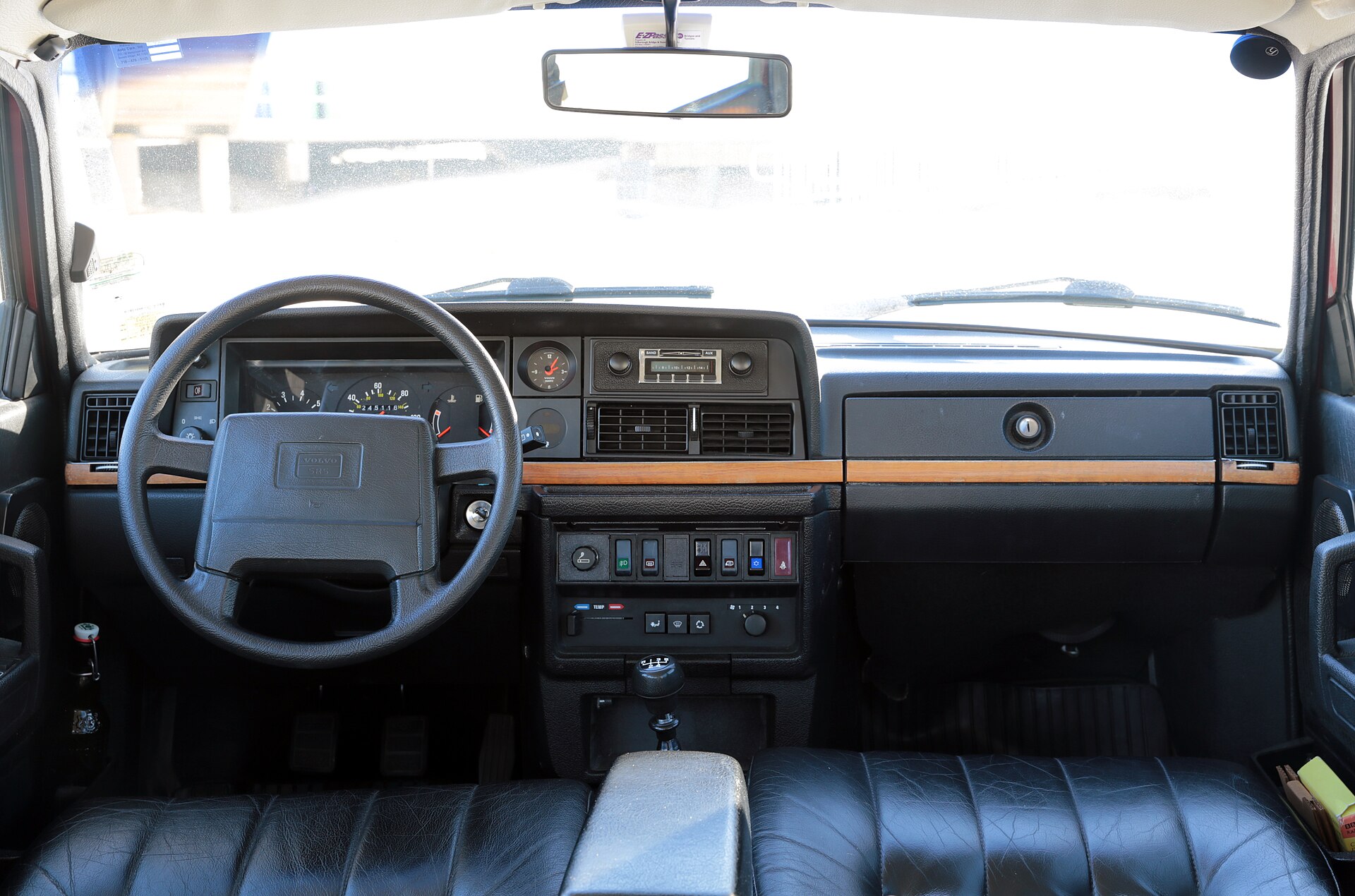
| 1978 | Revised rear for the saloons; 262C coupé by Bertone introduced |
| 1979 | Full front and rear facelift |
| 1981 | New dashboard; last 262C built; B21FT turbo engine at 94 kW (126 hp SAE) |
| 1982 | 700 Series arrives above the 200 |
| 1983 | DL and GLE names dropped; 500 "Evolution" 240 Turbos for Group A homologation |
| 1985 | Eggenberger 240 Turbo wins the European Touring Car Championship |
| 1990 | Driver airbag in the United States |
| 1992 | About 160 detail changes for the model year |
| 1993 | Air conditioning switched to R-134a; last car built on 14 May |
Development and production history
Volvo did not design the 200 Series from scratch. It took the body structure of the 140 and added a longer front end with large impact-absorbing zones, using lessons from the VESC experimental safety car. Rack-and-pinion steering and new front suspension arrived with it. The four-cylinder cars were named 240 and the V6 cars 260; the third digit gave the number of doors, so a 244 is a four-door saloon and a 245 an estate.
The six-cylinder 260 was the more expensive branch and ended earlier, replaced by the 760 of the 700 Series. The 240, by contrast, outlived the 700 Series' launch by more than a decade. Volvo kept improving it in small steps, and in 1992 alone Wikipedia counts about 160 detail changes. The final car left the line on 14 May 1993, and the 940 took over.
The changes over those nineteen years came in small steps. In 1978 the saloons received a new rear, and in 1979 the whole car was facelifted front and rear. A new dashboard followed in 1981, and in 1983 Volvo dropped the DL and GLE names from the 240 range. The turbocharged B21FT engine grew from 94 kW (126 hp SAE) in 1981 to 98 kW (131 hp SAE) in 1984, while the fuel-injected B230F became the standard engine of the late cars. The last major update was the 1992 model year, and for 1993 the air conditioning switched to the R-134a refrigerant.
Production was spread far beyond Sweden. Besides Torslanda and Kalmar, Volvo built the 200 Series in Ghent in Belgium and Halifax in Canada, and assembled it in Clayton (Australia), North Jakarta (Indonesia), Shah Alam (Malaysia), Jurong (Singapore) and Samut Prakan (Thailand).
Design and engineering
The shape is boxy, upright and generous with glass. Its main purpose was crash protection: the long bonnet houses crumple zones derived from the VESC prototype. Safety equipment kept growing during production. US cars received a driver airbag in 1990, ABS was optional there in 1991 and 1992 and standard in 1993.
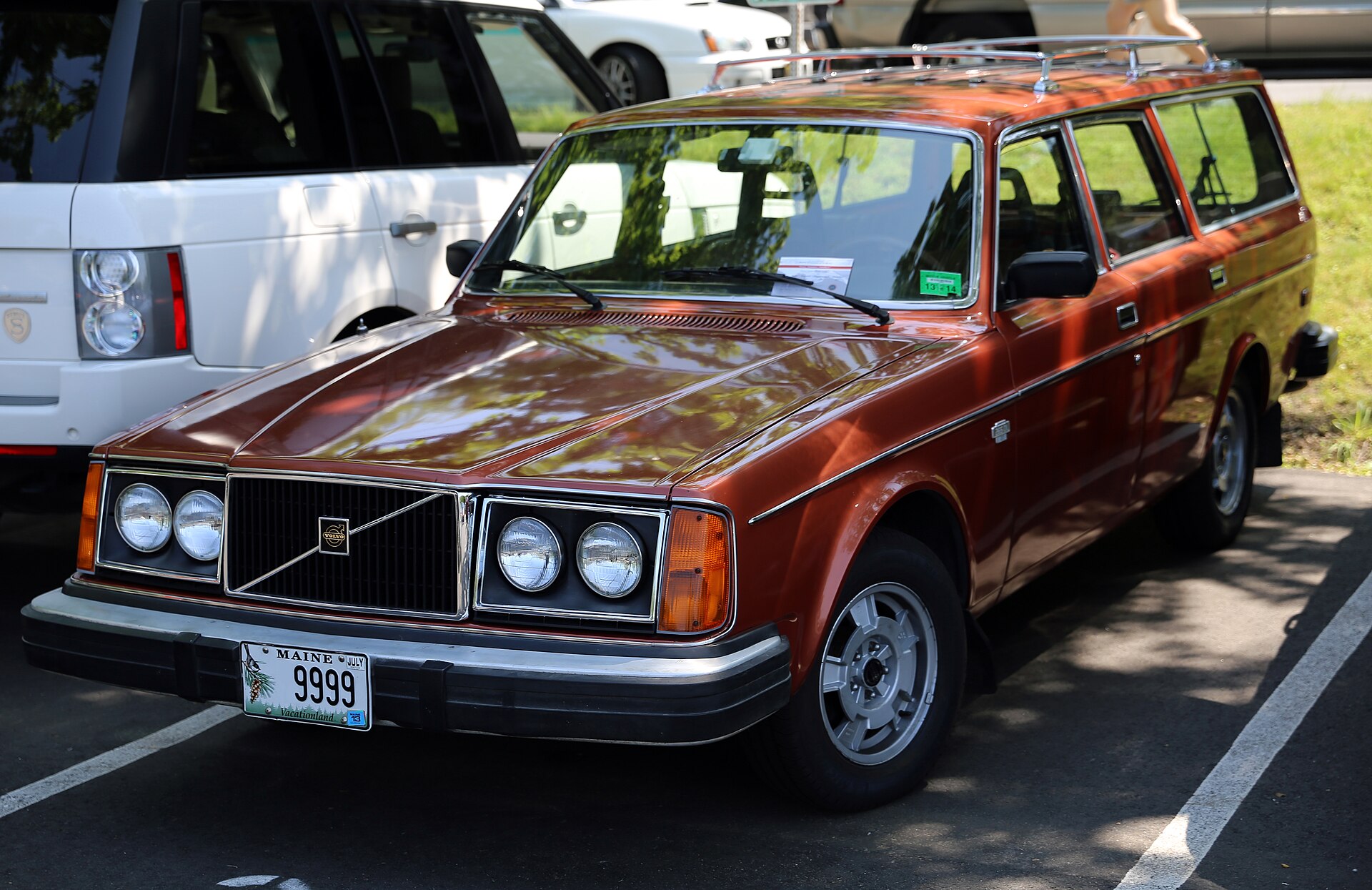
About one third of all 240s sold were estates. The 245 had 1.2 m³ of load space and an optional rear-facing jump seat for two children, which made it a common family car in Europe and North America.

Engine and drivetrain
| Engine | Type | Displacement | Power |
|---|---|---|---|
| B17 | petrol four | 1.8 l | 66 kW (90 PS) |
| B19 / B20 | petrol four | 2.0 l | not given in the source |
| B21 | petrol four, carburettor | 2.1 l | 71 kW (97 PS) |
| B21E | petrol four, fuel injection | 2.1 l | 90 kW (123 PS) |
| B21FT | turbo petrol four | 2.1 l | 94 kW (126 hp SAE) in 1981, 98 kW (131 hp SAE) in 1984 |
| B23 / B230F | petrol four | 2.3 l | B230F: 85 kW (114 hp SAE) |
| B27 | petrol V6 | 2.7 l | 100 kW (140 bhp) in the 264 |
| B28 | petrol V6, from 1980 | 2.8 l | 95 kW (129 PS) carburettor export version |
| D20 | diesel five-cylinder | 2.0 l | 50 kW (68 PS) |
| D24 | diesel six-cylinder | 2.4 l | 60 kW (82 PS) |
Gearboxes were a four-speed manual, a four-speed with overdrive, a five-speed manual, and three- and four-speed automatics. Every car drove its rear wheels.

Volvo 200 Series specifications
| Parameter | Metric | Imperial |
|---|---|---|
| Wheelbase | 2,649 mm | 104.3 in |
| Length | 4,823–4,844 mm | 189.9–190.7 in |
| Width | 1,709–1,720 mm | 67.3–67.7 in |
| Height | 1,430–1,460 mm | 56.3–57.5 in |
| Weight (1989 US 240, full tank, no driver) | 1,288 kg | 2,840 lb |
| Estate load space | 1.2 m³ | 41 cu ft |
| Power range | 50–100 kW | 68–140 hp |
Volvo 200 Series variants and derivatives
| Variant | Years | Body / purpose | Engine | Notes |
|---|---|---|---|---|
| 242 / 244 / 245 | 1974–1993 | two-door saloon, four-door saloon, estate | petrol fours, diesels | the volume models |
| 262 / 264 / 265 | from 1974 | saloon and estate | B27 / B28 V6 | replaced by the 760 |
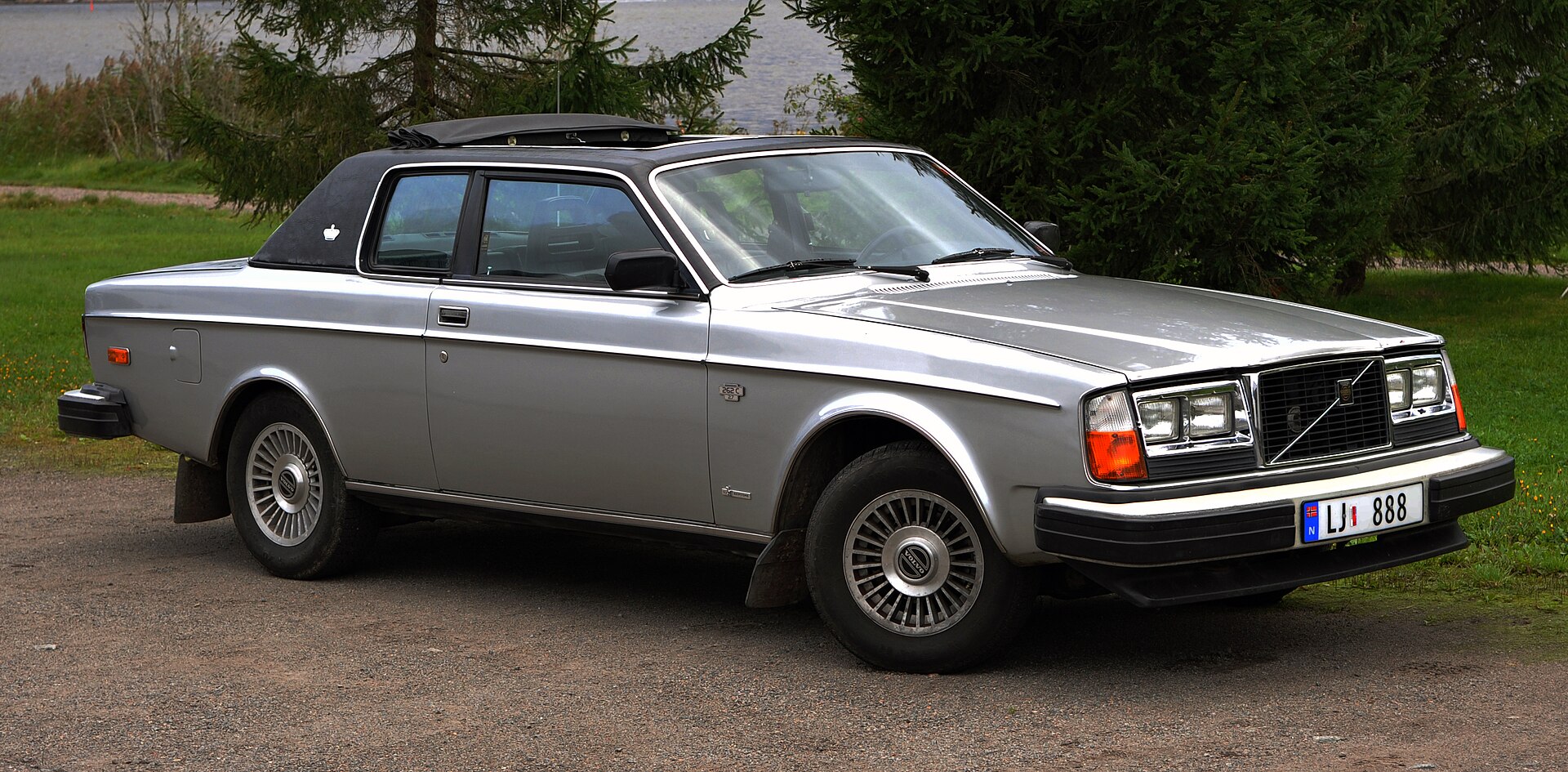
| 262C | 1978–1981 | two-door coupé built by Bertone | V6 | the luxury flagship |
| 240 Turbo | from 1981 | saloon and estate | B21FT turbo four | basis for the Group A racer |
| 240 diesel | - | saloon and estate | D20 / D24 | five- and six-cylinder diesels |

Racing: the 240 Turbo
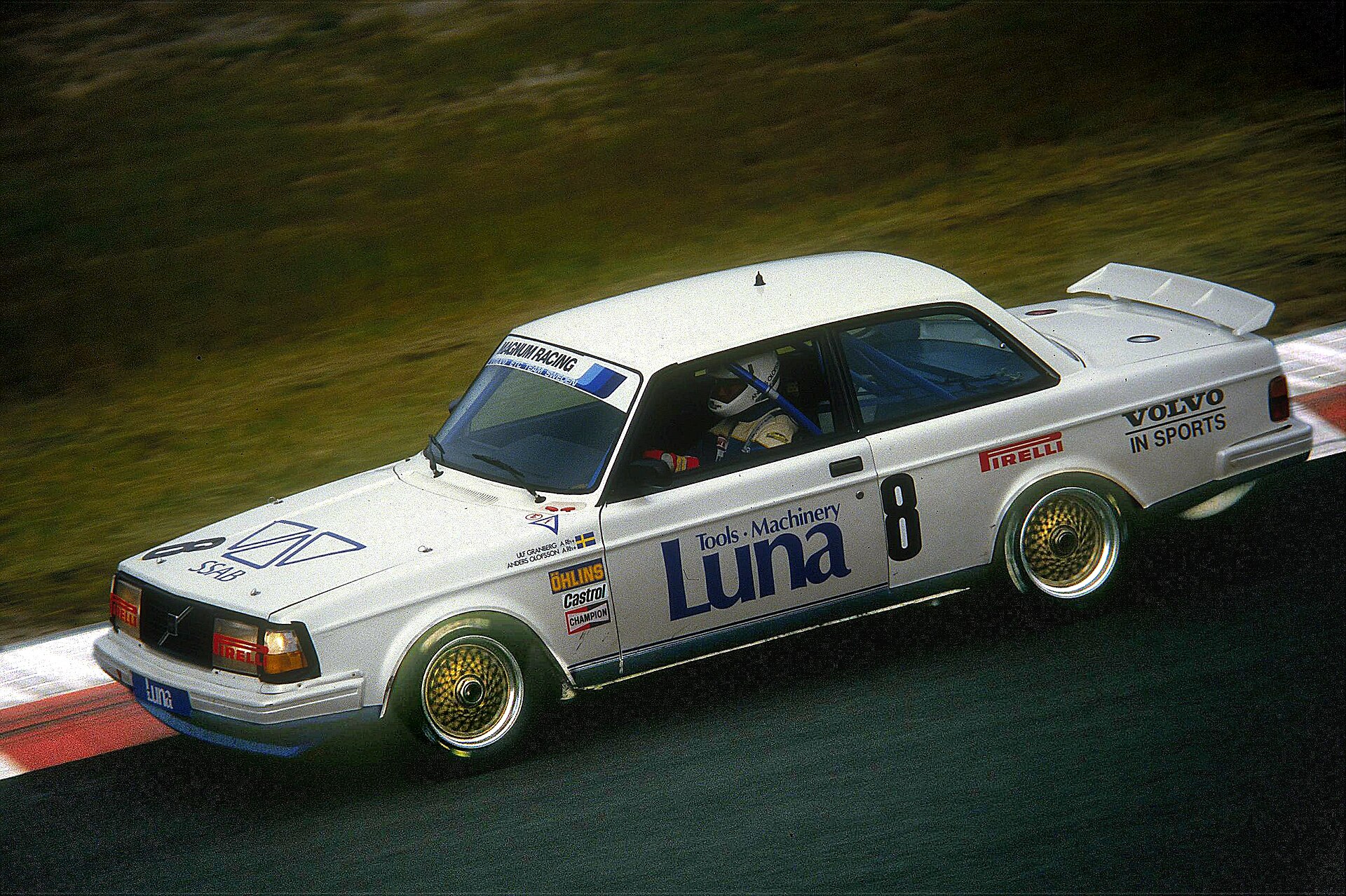
The 240 Turbo was Volvo's touring car of the 1980s. For Group A homologation Volvo built 500 "Evolution" cars in 1983, and the racing version went on to win the 1985 European Touring Car Championship with Eggenberger Motorsport. In Australia, Robbie Francevic won the 1986 Australian Touring Car Championship in a Volvo. Volvo withdrew from the sport at the end of 1986, but privately run 240 Turbos still won the 24 Hours of Zolder in 1987 and 1990.


In service: reliability and legacy
Few cars stayed in production as long with so few visible changes. The 700 Series was meant to move Volvo upmarket in 1982, yet the 240 was built alongside it for eleven more years and outlived the six-cylinder 260, which the 760 replaced. Its crumple zones, later airbag and ABS, and the estate that took a third of all sales made it the car on which Volvo's reputation for safe, practical family transport was built. Later Volvo estates follow the same idea on a modern platform, from the Volvo V90 on the SPA platform to the raised XC70.
Preservation and collecting today
The 240 is one of the most affordable entry points into classic motoring. Late cars with the B230F are the easiest to live with, while the 240 Turbo, the early 1970s cars and above all the 262C coupé are the collectable versions. As with any car of this age, rust and a gap-free service history matter more than mileage. To set an old 240 against later Volvos, use our car comparison tool; modern estates of similar size can be found with the car finder. Browse more period cars in our classic car section.
Photo gallery


Volvo 200 Series in our rankings
In production longer than 79% of ranked nameplates in the 1CARS catalog (No. 202 of 1082).
Volvo 200 Series photos 6
FAQ
When was the Volvo 200 Series produced, and where?
From 1974 until 14 May 1993, mainly in Torslanda and Kalmar in Sweden and in Ghent, Belgium, with further plants in Canada, Australia and Southeast Asia.
How many Volvo 240 and 260 were built?
More than 2.8 million in total; Wikipedia gives both 2,862,573 and 2,862,053. Separate totals for the 260 and 262C are not given there.
What engines does the Volvo 240 have?
Mainly petrol fours from 1.8 to 2.3 litres (B17 to B230), a 2.1-litre turbo, and diesels of 2.0 and 2.4 litres. The 260 used a 2.7- or 2.8-litre V6.
What variants of the 200 Series were made?
Two- and four-door saloons, the 245 and 265 estates, the 240 Turbo, diesel versions and the 262C coupé built by Bertone.
Is the Volvo 240 collectable, and what should buyers check?
Yes, especially the 240 Turbo and the 262C. As with any classic, check the body for rust and look for a documented service history.
Data sources
Data checked by an editor against the sources below.