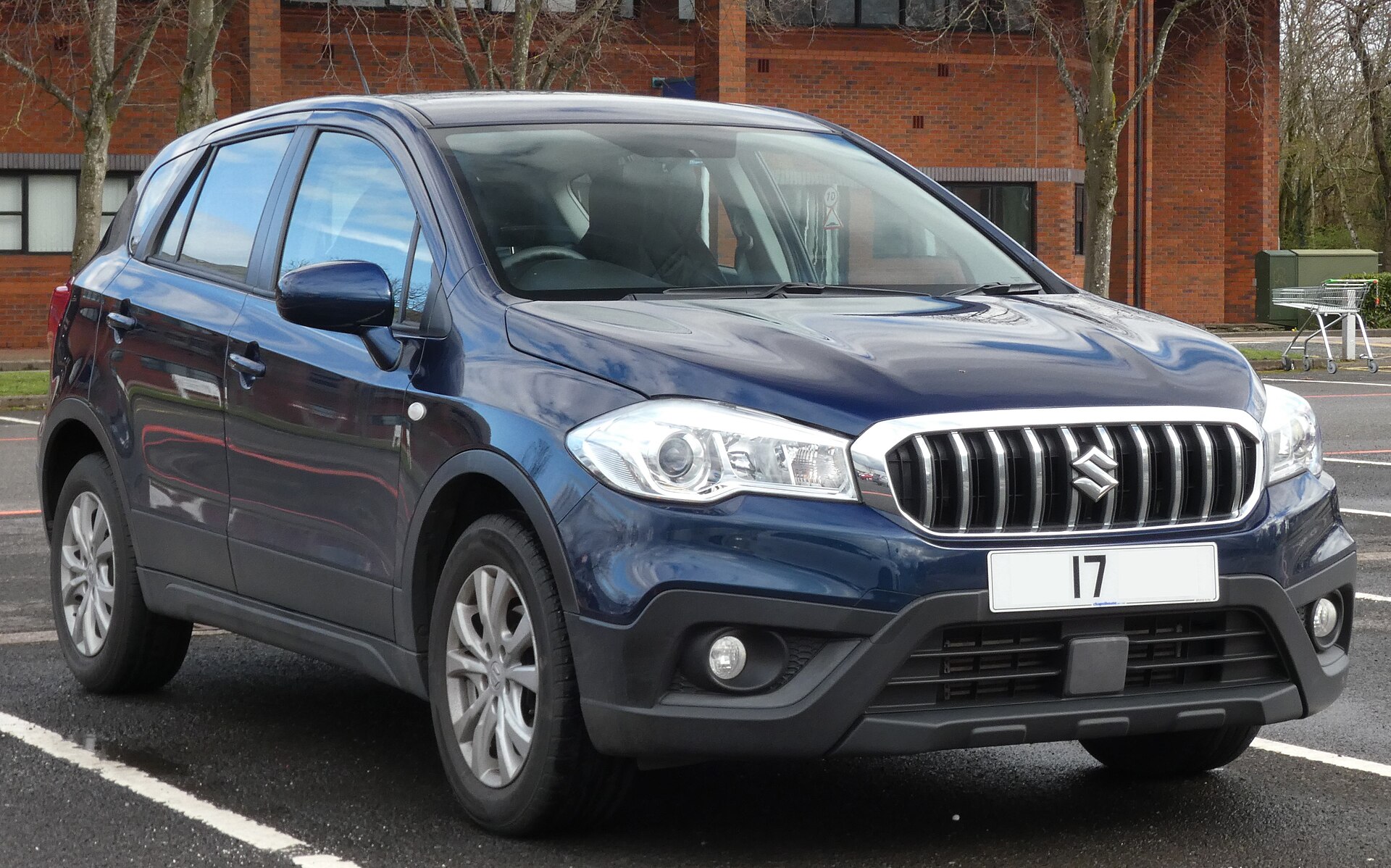
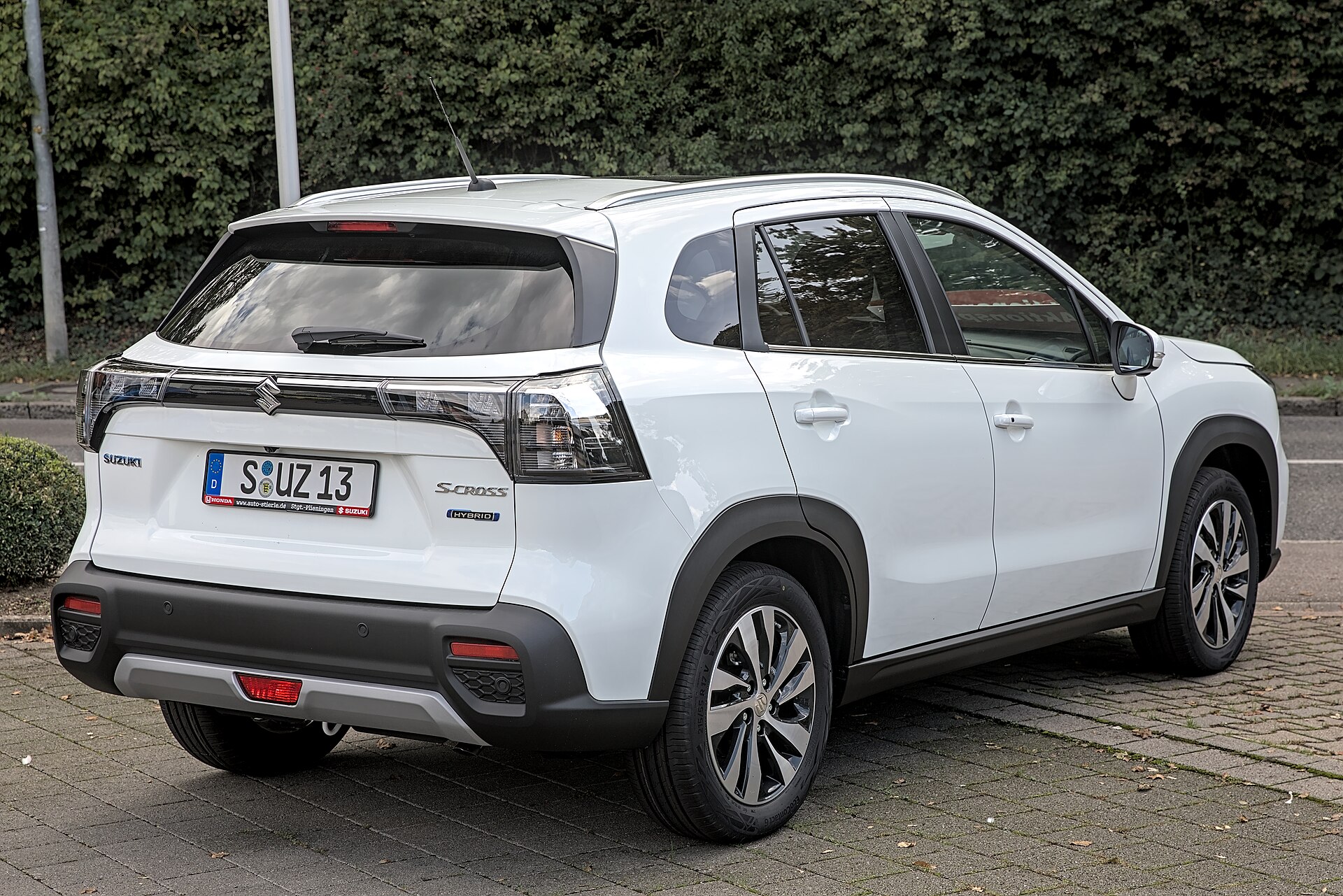
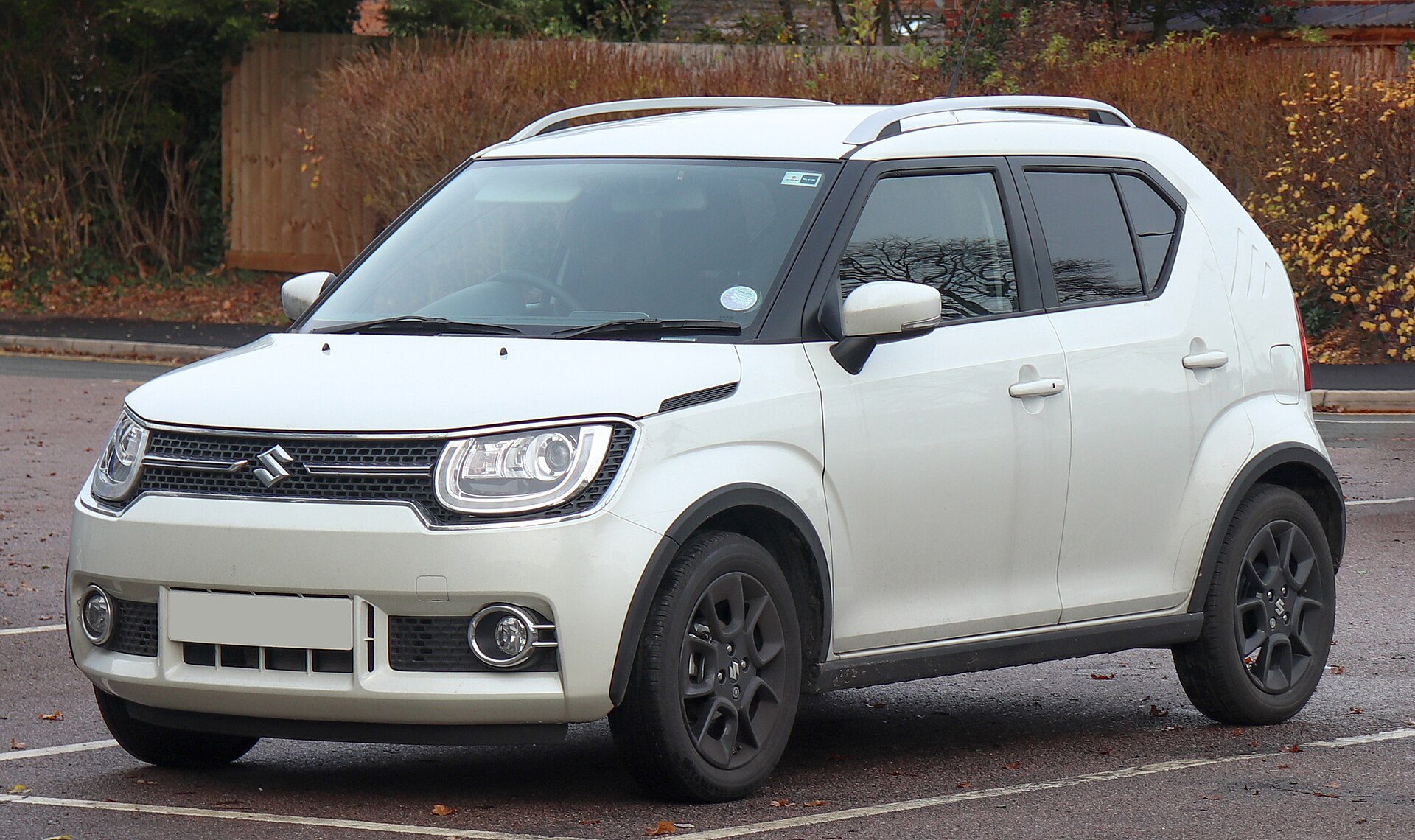
 Suzuki Swift
Specs, engines and history
Published Sources (1) Report an error
By Felix Hartmann, Automotive Technology & EV Contributor
Which Swift to buy
Our verdict · Felix Hartmann
- For a cheap, simple car: a 2010–2017 Swift with the 1.2 petrol, light on fuel and mechanically simple.
- For driving fun: a Swift Sport, either the 1.6 of 2005–2017 or the 1.4 Boosterjet turbo of 2018–2024.
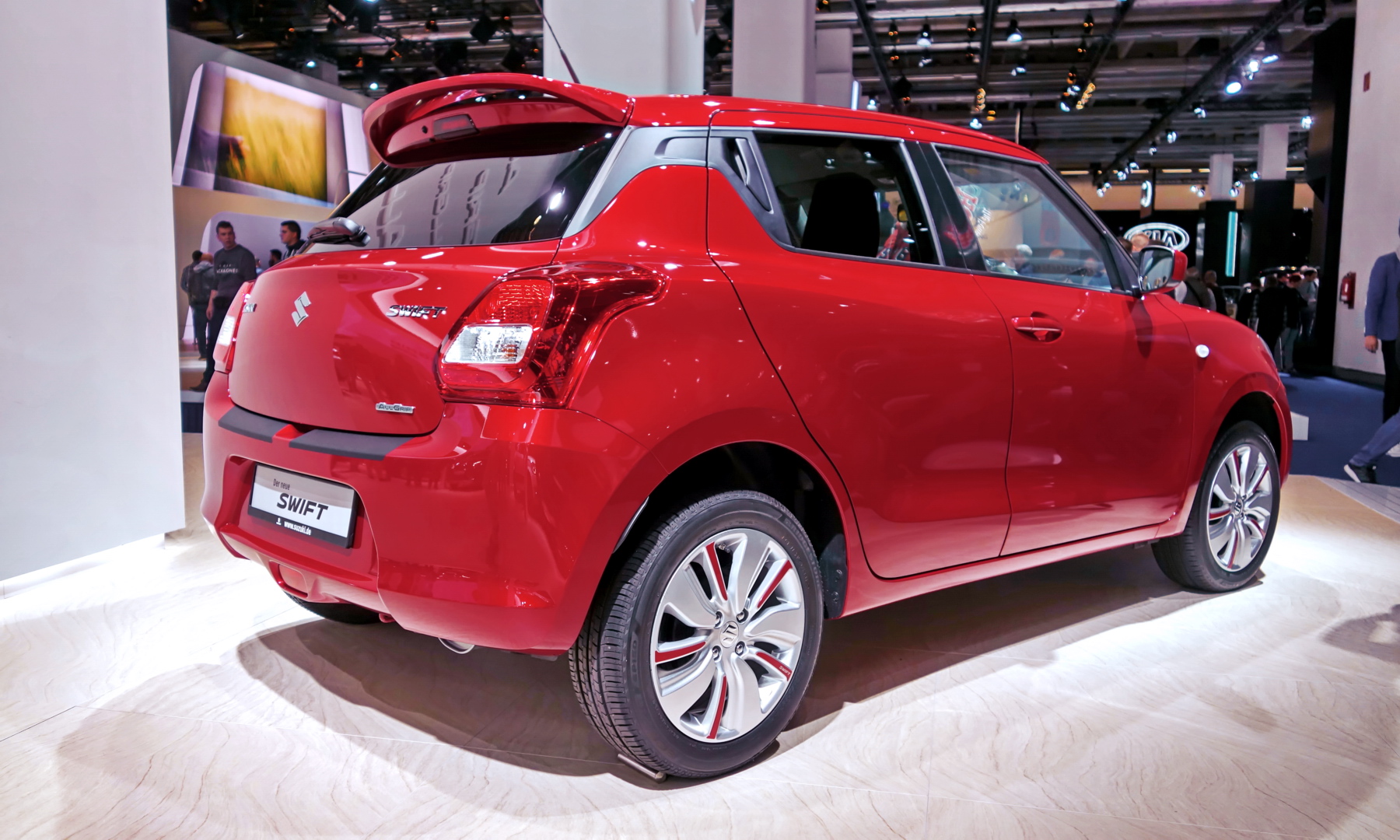
- For four-wheel drive: a third- or fourth-generation Swift with AllGrip four-wheel drive.
- For a new car: the fourth generation, with low consumption, but note the three-star Euro NCAP rating.
The Suzuki Swift is Suzuki's small hatchback, with more than 10 million sold worldwide by 2025. The name first appeared in 1984 as the export badge of the Suzuki Cultus, a supermini built until 2003. In 2004 Suzuki launched a completely new car under the Swift name for the whole world, and since then four generations have followed, including the light, inexpensive Swift Sport. European cars are built by Magyar Suzuki in Esztergom, Hungary, or imported from Japan.
In short
- Cultus-based Swift from 1983 to 2003; global Swift generations from 2004, 2010, 2017 (Europe; Japan December 2016) and 2023/2024.
- Engines from the 36 kW (50 PS) 1.0 of 1983 to the 103 kW (140 PS) 1.4 Boosterjet turbo of the Swift Sport; since 2024 a 1.2 three-cylinder mild hybrid with 61 kW (83 PS).
- 10 million sold worldwide by the third quarter of 2025, 60 % of them in India and 14 % in Europe.
- Euro NCAP: four stars for the 2005 car, three stars (four with the safety pack) in 2017 and three stars in 2024.
Suzuki Swift at a glance
| Specification | Suzuki Swift |
|---|---|
| Production | 1983–2003 (Cultus-based), since 2004 (global Swift) |
| Segment | supermini (B segment) |
| Plants | Japan (Kosai, Makinohara), Esztergom (Hungary), Manesar and Ahmedabad (India), and others |
| Body styles | 3- and 5-door hatchback; saloon and convertible (Cultus era); Dzire saloon in India |
| Drive | front-wheel drive; four-wheel drive (AllGrip) available |
| Engines | 1.0–1.6 petrol, 1.0 and 1.4 turbo, 1.2 mild hybrid, 1.3 diesel |
| Power range | 36–103 kW (50–140 PS) |
| Sister models | Suzuki Cultus, Maruti Suzuki Dzire |
The Swift is the core of our Suzuki catalogue, next to the Suzuki Baleno and the off-road Suzuki Jimny. The company's background is covered in our history of Suzuki.
Swift generations
Counting differs between sources. English Wikipedia treats the 2004 car as the first Swift and the older cars as Cultus models; German Wikipedia counts seven generations from 1983.
| Generation | Code | Years | Body styles | Engines | Power (kW / PS) |
|---|---|---|---|---|---|
| Cultus-based I | - | 1983–1989 | 3/5-door, saloon | 1.0, 1.0 turbo, 1.3, 1.3 GTi | 36–74 kW (50–101 PS) |
| Cultus-based II/III | - | 1989–2003 | 3/5-door, saloon, convertible | 1.0, 1.3, 1.6 | 39–70 kW (53–95 PS) |
| First global Swift | RS | 2004–2010 | 3/5-door | 1.3, 1.5, 1.6 Sport, 1.3 DDiS diesel | 51–92 kW (69–125 PS) |
| Second | FZ/NZ | 2010–2017 | 3/5-door | 1.2, 1.4, 1.6 Sport, 1.3 diesel | 68–100 kW (92–136 PS) |
| Third | - | 2017–2024 | 5-door | 1.0 turbo, 1.2, 1.2 hybrid, 1.4 turbo Sport | 61–103 kW (83–140 PS) |
| Fourth | - | since 2024 | 5-door | 1.2 three-cylinder, 1.2 mild hybrid | 60–61 kW (82–83 PS) |
Cultus-based Swift (1983–2003)
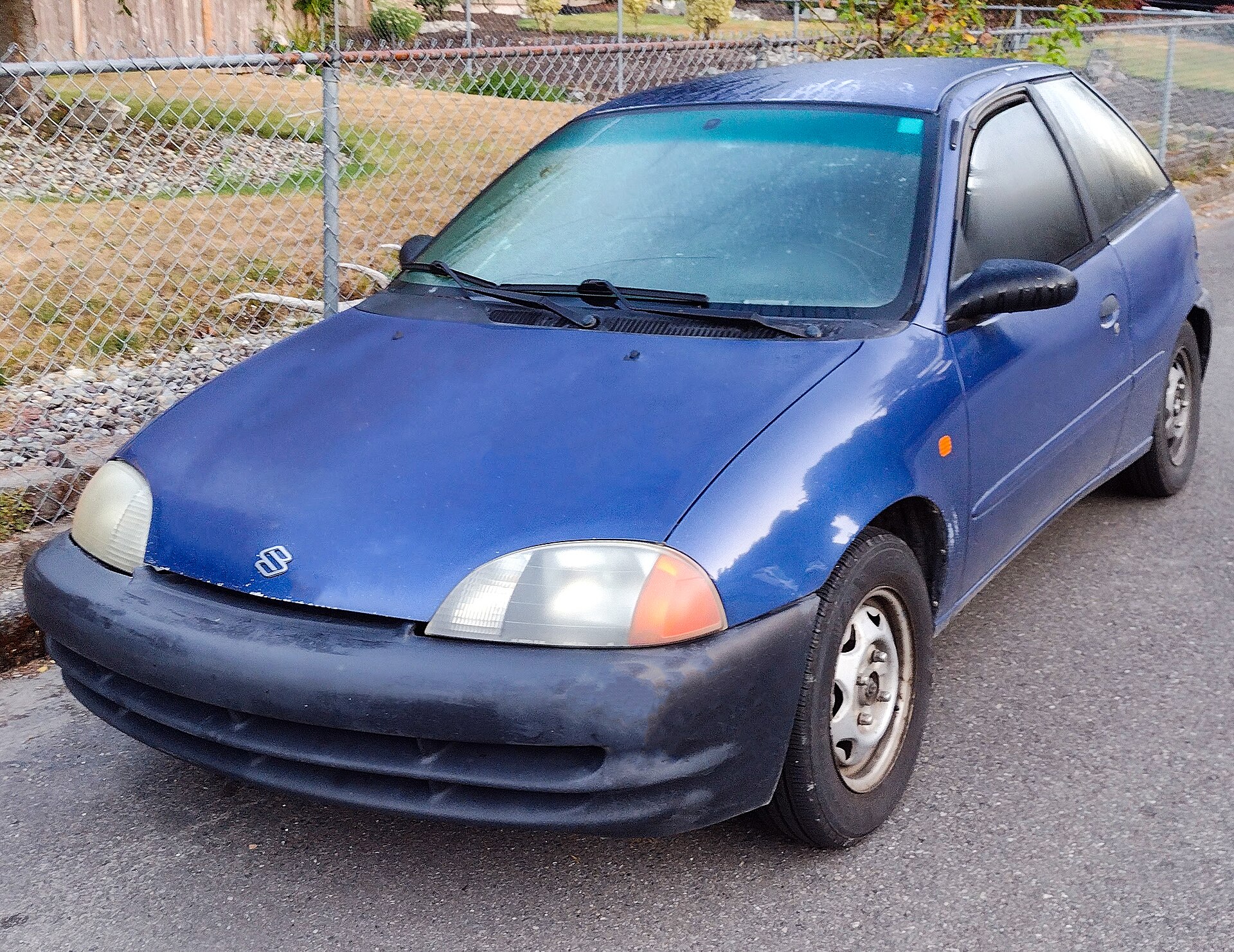
The first car started as a General Motors project called the "M-Car" and went on sale in Japan as the Suzuki Cultus in October 1983. Export markets knew it as the Swift from 1984. Engines were a 1.0-litre three-cylinder with 36 kW (50 PS), a 1.3 with 54 kW (73 PS) and a 1.0 turbo with 52 kW (71 PS). From June 1986 the Swift GTi had a 1.3 twin-cam with 74 kW (101 PS), which gave the name a sporting reputation.
The second Cultus-based generation of March 1989 was longer and wider, and a saloon (from January 1990) and a convertible (from April 1992) were added. The third, from October 1995, was essentially a restyled second generation; its 1.3-litre four gave 50 kW (68 PS) until 2001 and 63 kW (86 PS) after that, and the boot held 290 litres. Since 1996 the Swifts for Germany have been built by Magyar Suzuki in Esztergom.

First global Swift (2004–2010)
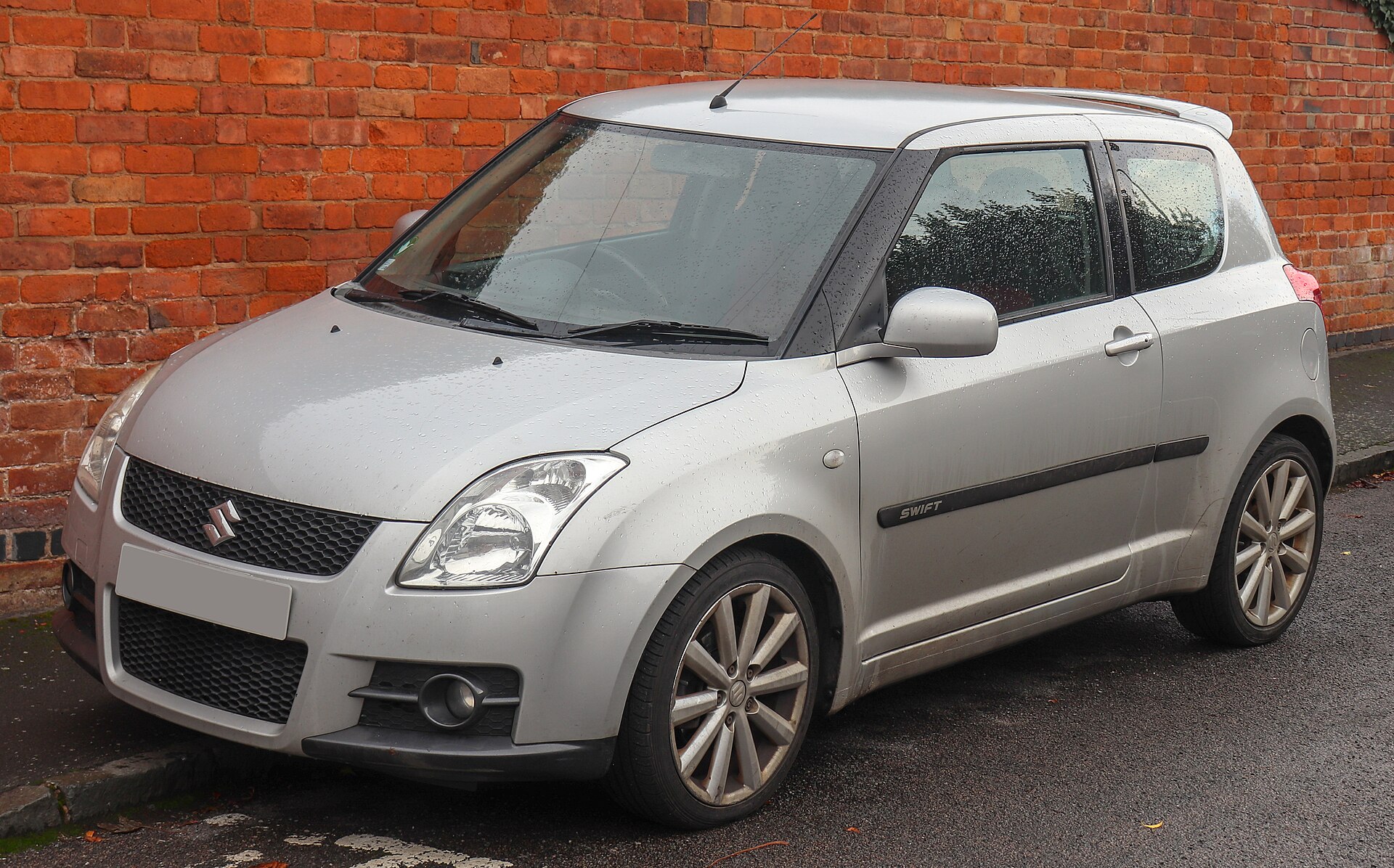
The Swift that appeared at the Paris Motor Show in September 2004 was a new design with no link to the Cultus. It was built in Japan, Hungary, India, China and several other countries, and in Japan it sold about twice as well as Suzuki had forecast. European engines were a 1.3 with 68 kW (92 PS) and 116 Nm and a 1.5 with 75 kW (102 PS); from 2008 a 1.3 DDiS diesel supplied by Fiat was added.
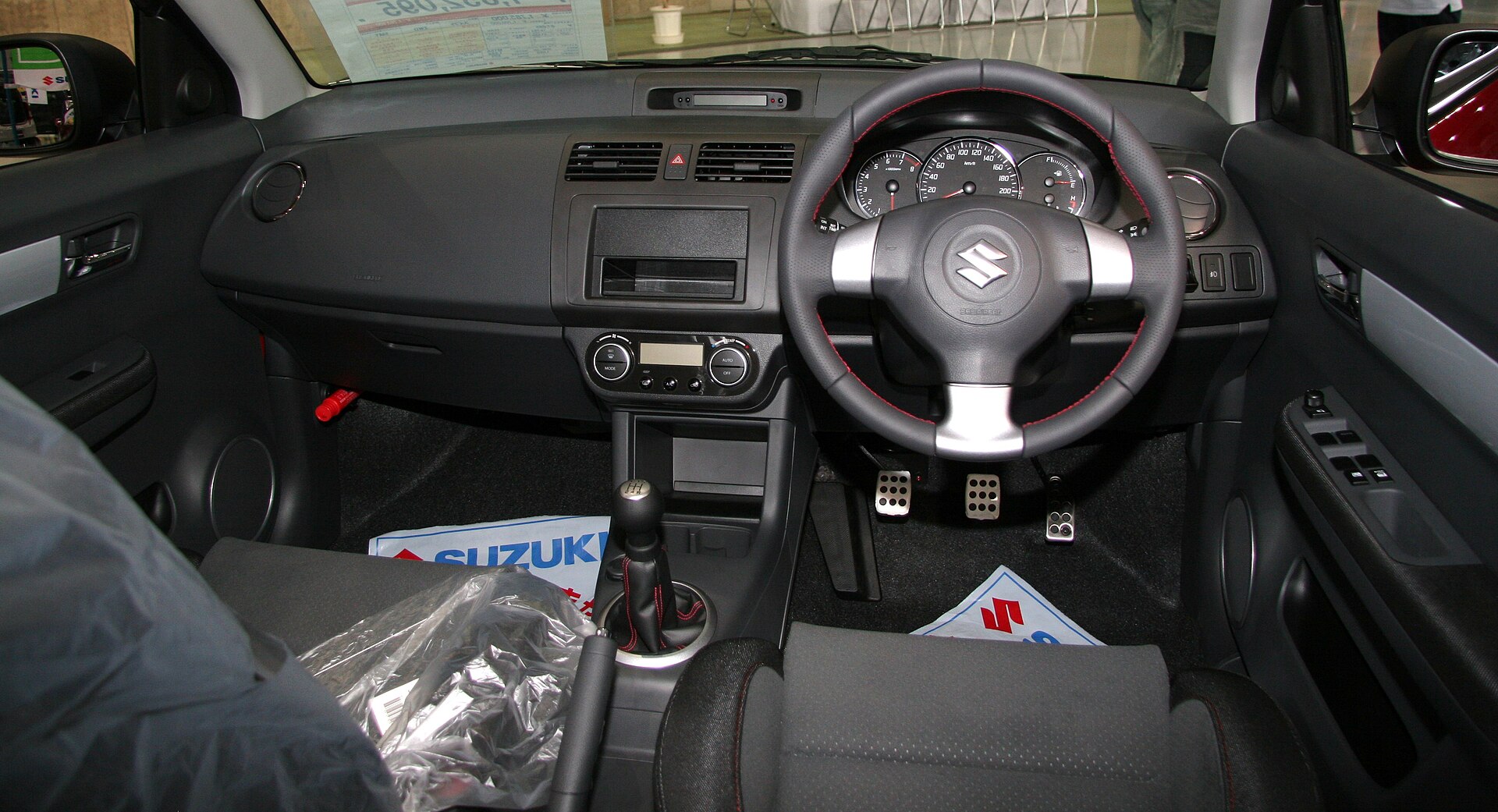
The Swift Sport (Japan 2005, Europe 2006) had a high-revving 1.6-litre M16A engine with 92 kW (125 PS) and 148 Nm and a five-speed manual. The car won the RJC Japan Car of the Year award in 2006 and was Irish Car of the Year 2006. Euro NCAP gave it four stars for adult occupants in 2005. By June 2008 Suzuki had built one million Swifts of the new series.

Second generation (2010–2017)
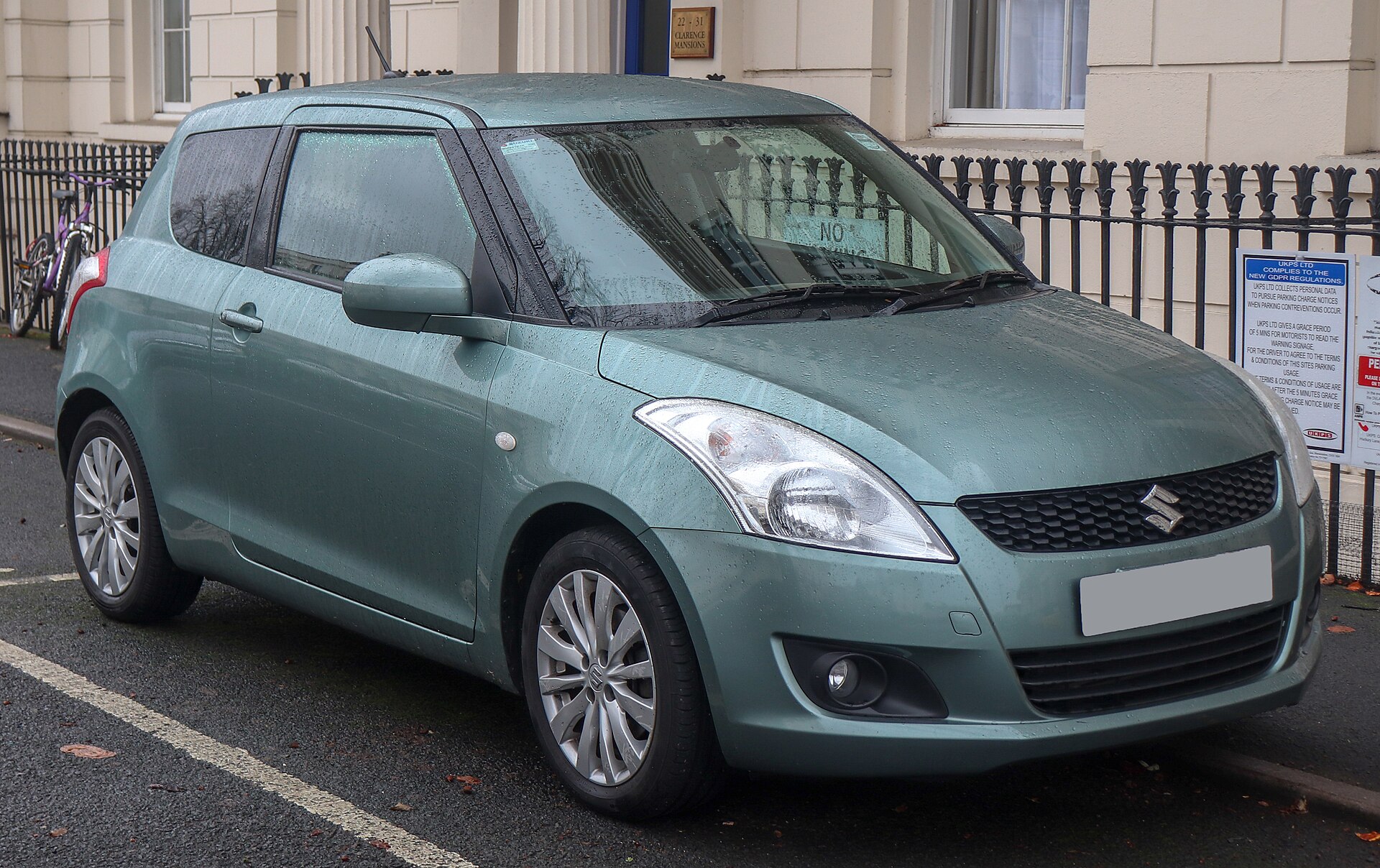
Suzuki unveiled the second Swift on 25 March 2010; it went on sale in Japan on 18 September 2010. The wheelbase grew by 50 mm. The main petrol engine was the 1.25-litre K12B with 68 kW (92 PS), and some markets received a 1.4. After a revision in October 2013, German Wikipedia lists 4.9 l/100 km for the 1.2 petrol and 3.8 l/100 km for the diesel. The Swift Sport, from late 2011, used a 1.6 with 100 kW (136 PS) and 160 Nm and a six-speed manual or a CVT.
In India, where Maruti Suzuki builds the car in Manesar, the Swift became the country's best-selling car in 2012 (counted together with the Dzire saloon). Worldwide sales reached five million units in April 2016.

Third generation (2017–2024): HEARTECT and Boosterjet
The third generation was revealed in Japan on 27 December 2016 and reached Europe on 13 May 2017, at a price from €13,790 in Germany in 2017. The new HEARTECT platform made it about 10 % lighter than before; the lightest cars weighed around 900 kg. The boot holds 246 litres, or 579 litres with the rear seats folded.
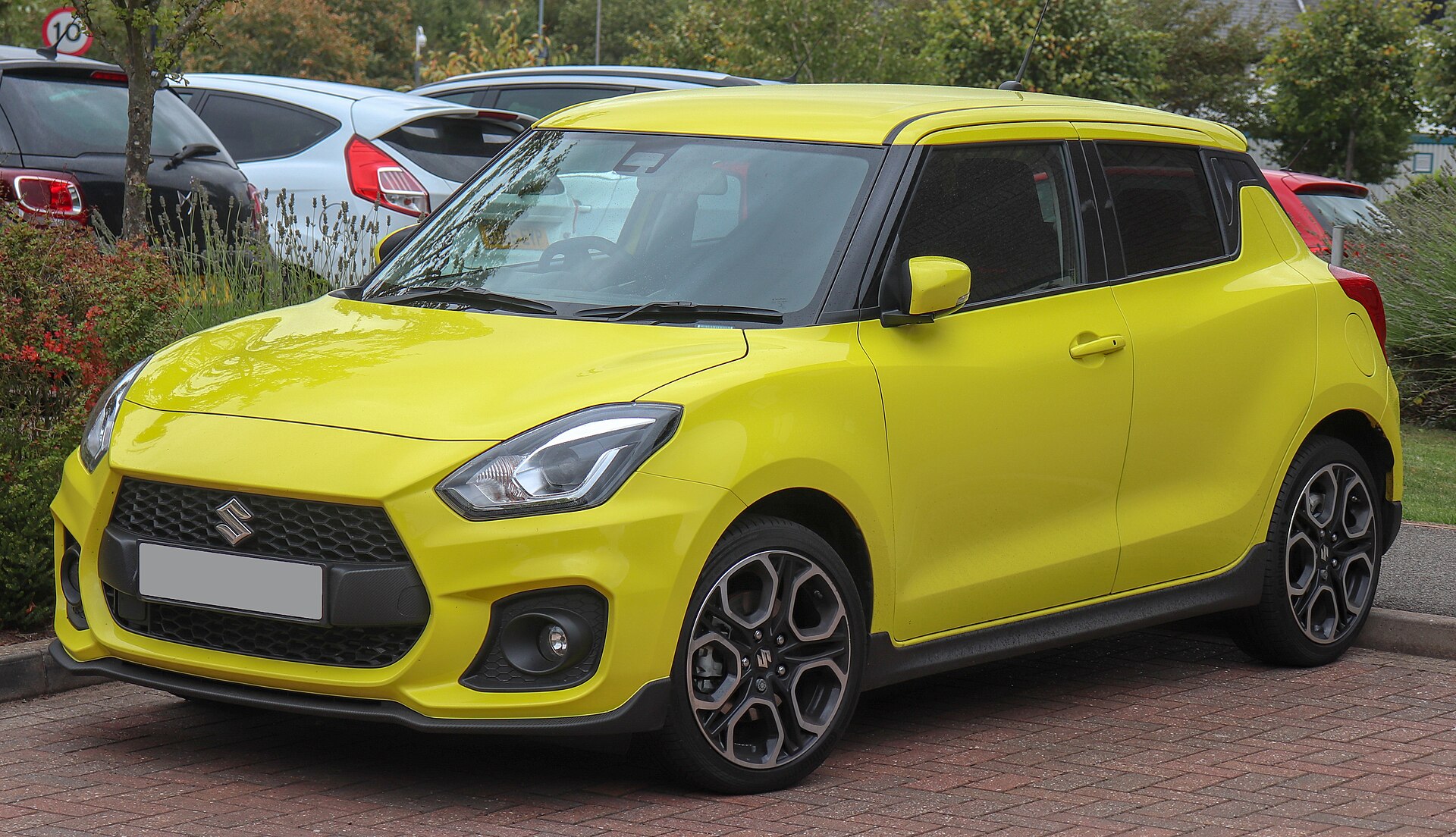
Engines in Europe were the 1.0 Boosterjet turbo three-cylinder with 82 kW (111 PS), offered with the SHVS mild-hybrid system, and the 1.2 Dualjet four-cylinder, also available with four-wheel drive. The Swift Sport arrived on 23 June 2018 with the 1.4 Boosterjet turbo: 103 kW (140 PS) and 230 Nm. From 2020 it became a 48-volt mild hybrid with 95 kW (129 PS) and 235 Nm, and the 1.0 was dropped after the July 2020 facelift. Euro NCAP awarded three stars, or four with the optional safety pack, in 2017.

Fourth generation (since 2024): Z12E three-cylinder
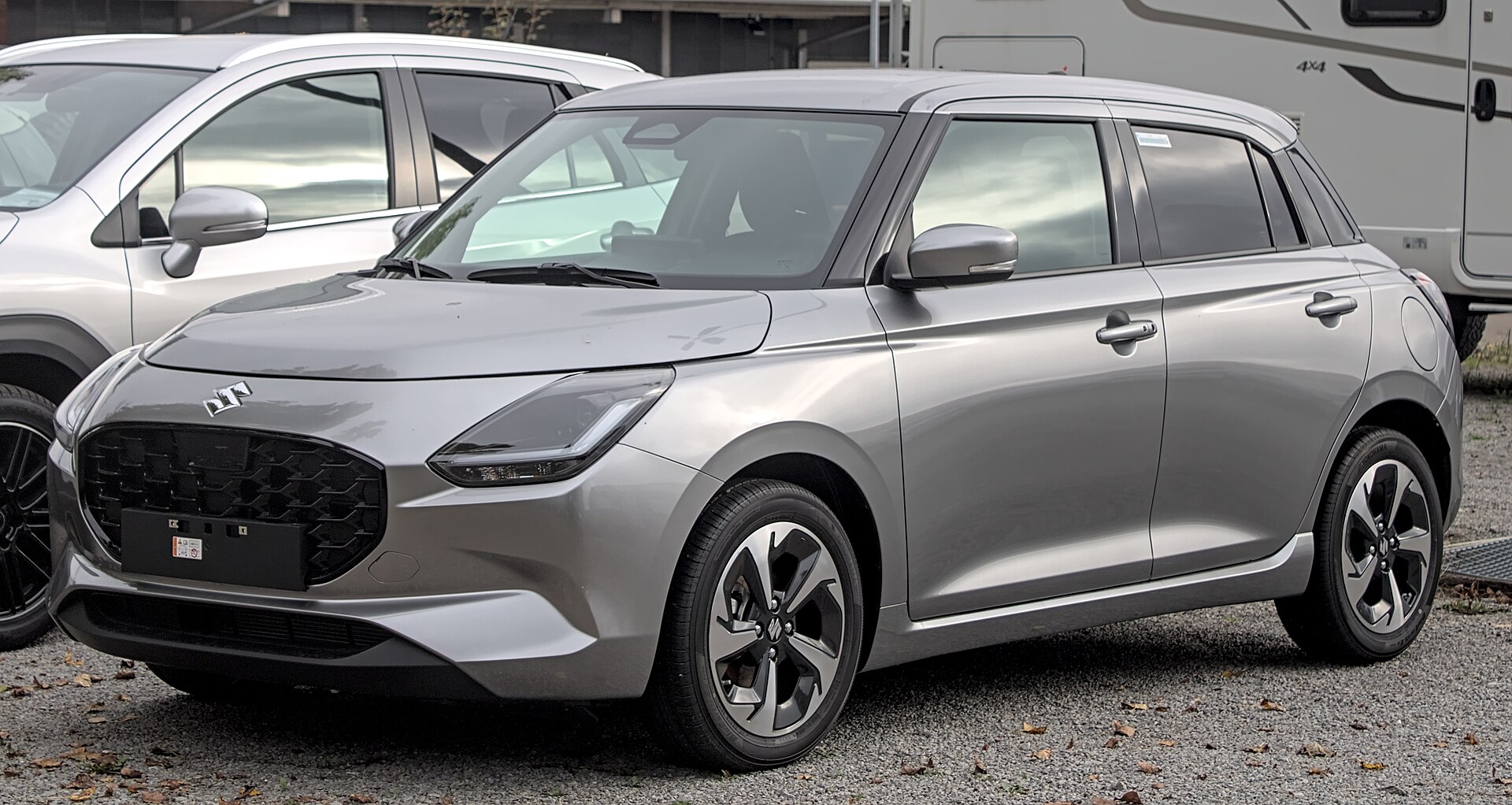
The current Swift was shown at the Japan Mobility Show in October 2023 and reached Europe in spring 2024. It uses a new 1.2-litre three-cylinder, the Z12E, with 61 kW (83 PS) and 112 Nm; in Europe it is sold only with 12-volt mild-hybrid assistance. German Wikipedia lists 4.7 l/100 km and 106 g/km CO2 in the combined cycle. Four-wheel drive is available, but only with the manual gearbox. Weights range from 910 to 1,070 kg.
Euro NCAP gave the car three stars in July 2024: 67 % for adult occupants, 65 % for children, 76 % for pedestrians and 62 % for safety assist. The Swift Sport of the previous generation ended with the ZC33S Final Edition for Japan, launched in December 2024; no Sport version of the new car is listed in the sources used.

Engines and performance
| Engine | Years | Power | Torque |
|---|---|---|---|
| 1.3 GTi (Cultus-based) | 1986–1989 | 74 kW (101 PS) | - |
| 1.3 | 2004–2010 | 68 kW (92 PS) | 116 Nm |
| 1.6 M16A (Sport) | 2005–2010 | 92 kW (125 PS) | 148 Nm |
| 1.6 M16A (Sport) | 2011–2017 | 100 kW (136 PS) | 160 Nm |
| 1.2 K12B | 2010–2017 | 68 kW (92 PS) | - |
| 1.0 Boosterjet (SHVS) | 2017–2020 | 82 kW (111 PS) | 170 Nm |
| 1.2 Dualjet | 2017–2024 | 61–67 kW (83–91 PS) | 113–120 Nm |
| 1.4 Boosterjet (Sport) | 2018–2020 | 103 kW (140 PS) | 230 Nm |
| 1.4 Boosterjet hybrid (Sport) | 2020–2024 | 95 kW (129 PS) | 235 Nm |
| 1.2 Z12E mild hybrid | since 2024 | 61 kW (83 PS) | 112 Nm |
Rivals
In Europe the Swift competes with small hatchbacks such as the Mazda 2, the Hyundai i20, the Volkswagen Polo, the Renault Clio and the Peugeot 208. Our comparison tool lists their sizes and engines side by side.
Photo gallery


Suzuki Swift in our rankings
In production longer than 81% of ranked nameplates in the 1CARS catalog (No. 186 of 1082).
Suzuki Swift photos 6
FAQ
How many generations of the Suzuki Swift are there?
Four global Swift generations since 2004. Counting the Cultus-based Swift of 1983–2003, German Wikipedia lists seven.
Is there a four-wheel-drive Swift?
Yes. Four-wheel drive (AllGrip) has been offered with the 1.2 engine; on the current car only with the manual gearbox.
What is the fuel consumption of the Swift?
The 2024 Swift mild hybrid is rated at 4.7 l/100 km combined; the 2013–2017 1.2 petrol at 4.9 l/100 km.
What is the most powerful Swift?
The Swift Sport of 2018–2020 with the 1.4 Boosterjet turbo: 103 kW (140 PS) and 230 Nm. Its mild-hybrid successor has 95 kW (129 PS) but more torque, 235 Nm.
Data sources
Data checked by an editor against the sources below.