 Aston Martin DB6
All generations, specs and history
Published Sources (1) Report an error
By Felix Hartmann, Automotive Technology & EV Contributor
- Built
- 1965–1971
- Generations
- 2
- Top power
- 242 kW (329 PS)
Timeline
DB6 generations
Click a generation for its own page
Newest first · 2 generations since 1965


All generations by year: DB6 Mk2 (1969–1971) · DB6 Mk1 (1965–1969)
Which one is mine?
Pick the year of first registration to see which generation it is.
- DB6 Mk2 1969–1971
- DB6 Mk1 1965–1969
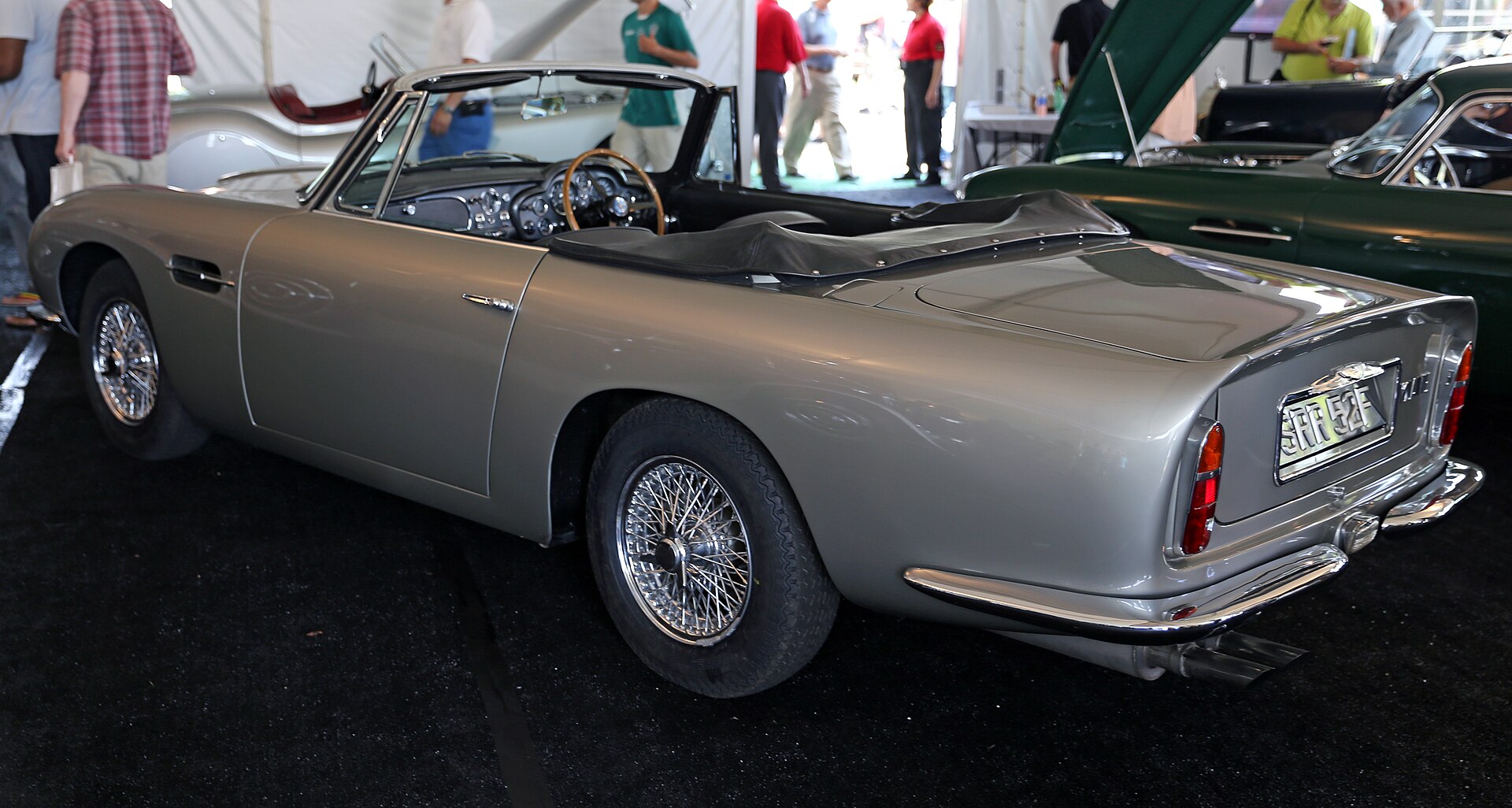
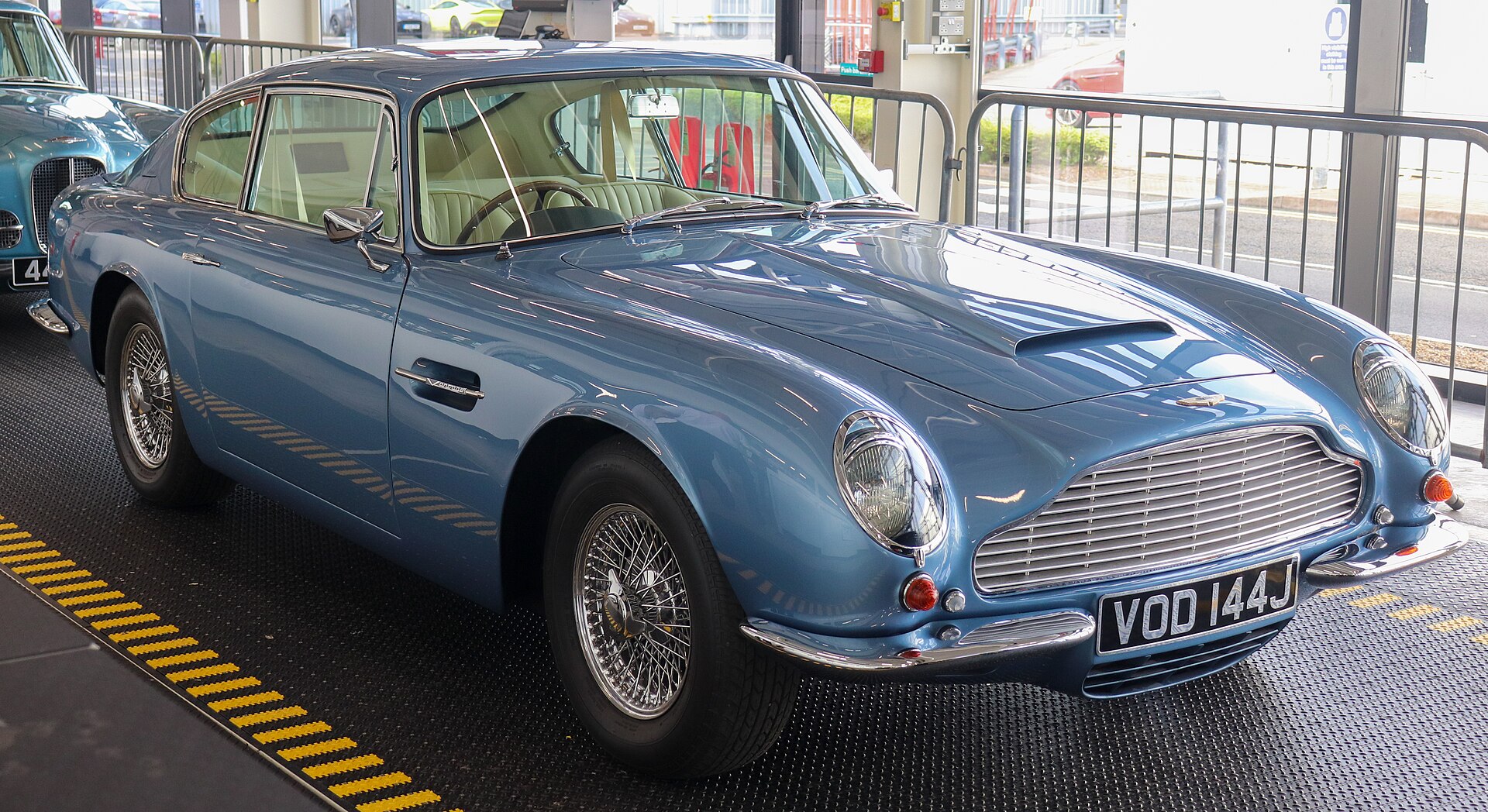
Built at Newport Pagnell between September 1965 and January 1971, the Aston Martin DB6 is a four-seat grand tourer built to the Superleggera principle of Carrozzeria Touring. It replaced the DB5 and looked similar at first glance, but it had a longer wheelbase, a taller roof and a cut-off Kamm tail that came out of wind-tunnel work. It was offered as a saloon, as the high-output Vantage and as the open Volante, and in 1969 it became the DB6 Mk II. In total 1,788 were made.
In short
- Introduced at the London motor show in 1965; built until January 1971, the first model engineered after the move from Feltham to Newport Pagnell.
- 3,995 cc straight-six by Tadek Marek: 210 kW (282 bhp) with three SU carburettors, 242 kW (325 bhp) as the Vantage with three Webers.
- ZF five-speed manual or Borg-Warner three-speed automatic at no extra cost; optional power steering and air conditioning.
- 1,788 cars, including 140 DB6-based Volantes; the Mk II of 1969 offered optional AE Brico fuel injection.
Aston Martin DB6 at a glance
| Specification | Aston Martin DB6 |
|---|---|
| Production | September 1965 – January 1971, Newport Pagnell (England) |
| Cars built | 1,788 |
| Body | two-door 2+2 saloon; Volante convertible; shooting brakes by coachbuilders |
| Design | Federico Formenti, Carrozzeria Touring Superleggera |
| Engine | 3,995 cc straight-six, twin overhead camshafts |
| Power | 210 kW (282 bhp) at 5,500 rpm; Vantage 242 kW (325 bhp) at 5,750 rpm |
| Torque | 400 Nm at 4,500 rpm |
| Gearbox | five-speed ZF manual or three-speed Borg-Warner automatic |
| Kerb weight | 1,474 kg |
| Dimensions | 4,623 mm long, 1,676 mm wide, 1,359 mm high, 2,578 mm wheelbase |
| Predecessor / successor | DB5 / DBS |
The DB6 belongs to the line of DB grand tourers that runs from the Aston Martin DB2/4 of the 1950s to the Aston Martin DB7 of the 1990s. Other models of the marque can be found in the Aston Martin catalogue, while our Aston Martin history explains how the company reached the DB era.
A new factory and a longer car
The DB6 was presented at the London motor show in 1965, and production started in September of that year. It was the first Aston Martin engineered entirely after production had moved from Feltham to Newport Pagnell. The body design is credited to Federico Formenti of Carrozzeria Touring Superleggera, the Italian coachbuilder whose Superleggera construction method the car used.
The most important change from the DB5 is invisible from a distance. The wheelbase grew by 95 mm to 2,578 mm, and the car became about two inches longer overall. Despite the larger body, the DB6 weighed only about 7.7 kg more than the DB5, with a kerb weight of 1,474 kg.
The Superleggera construction also changed. Instead of the DB5's even tubular frame, the DB6 used a mix of tubes and steel sections of different sizes and strengths.
Design: Kamm tail and a taller roof
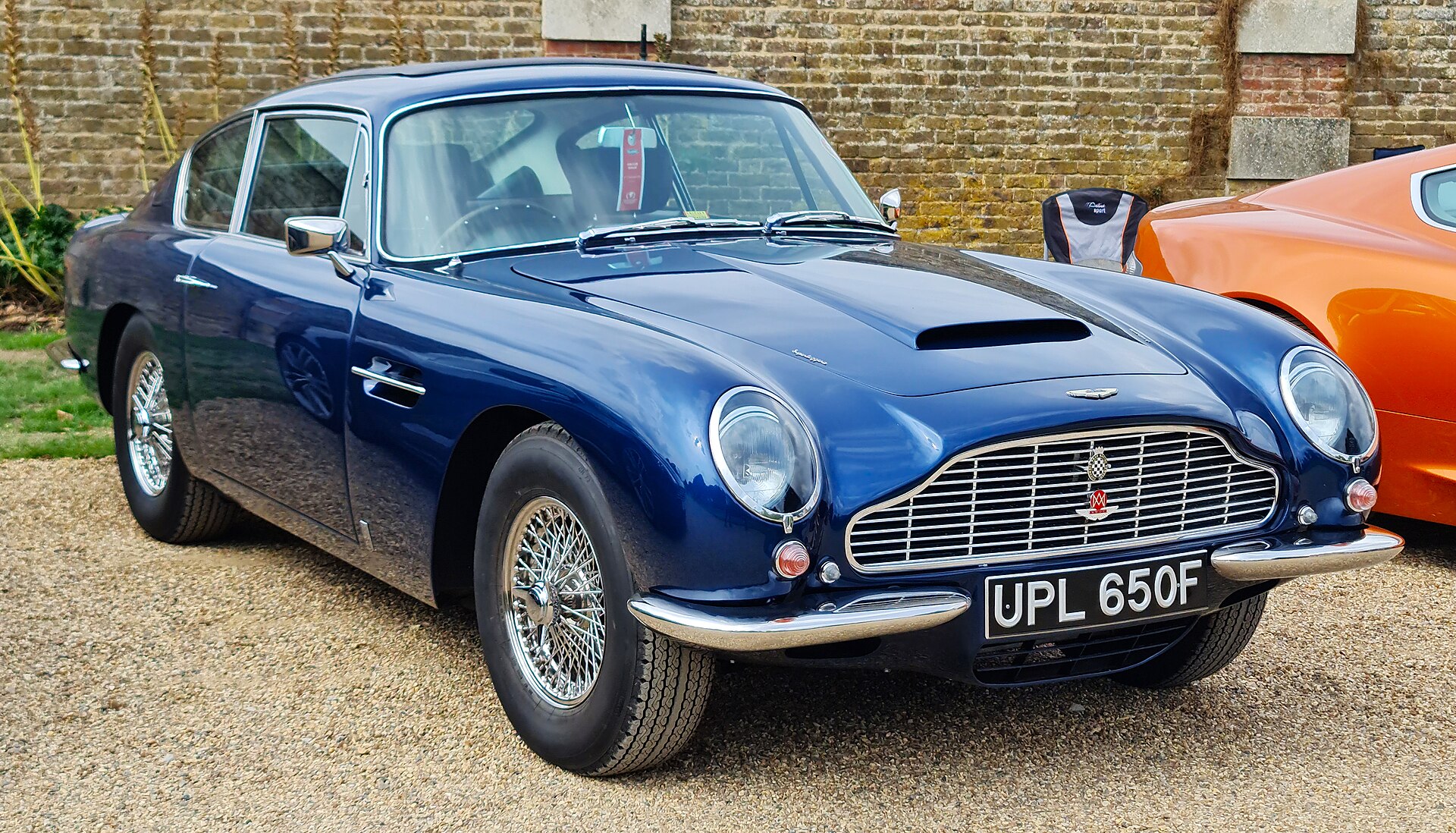
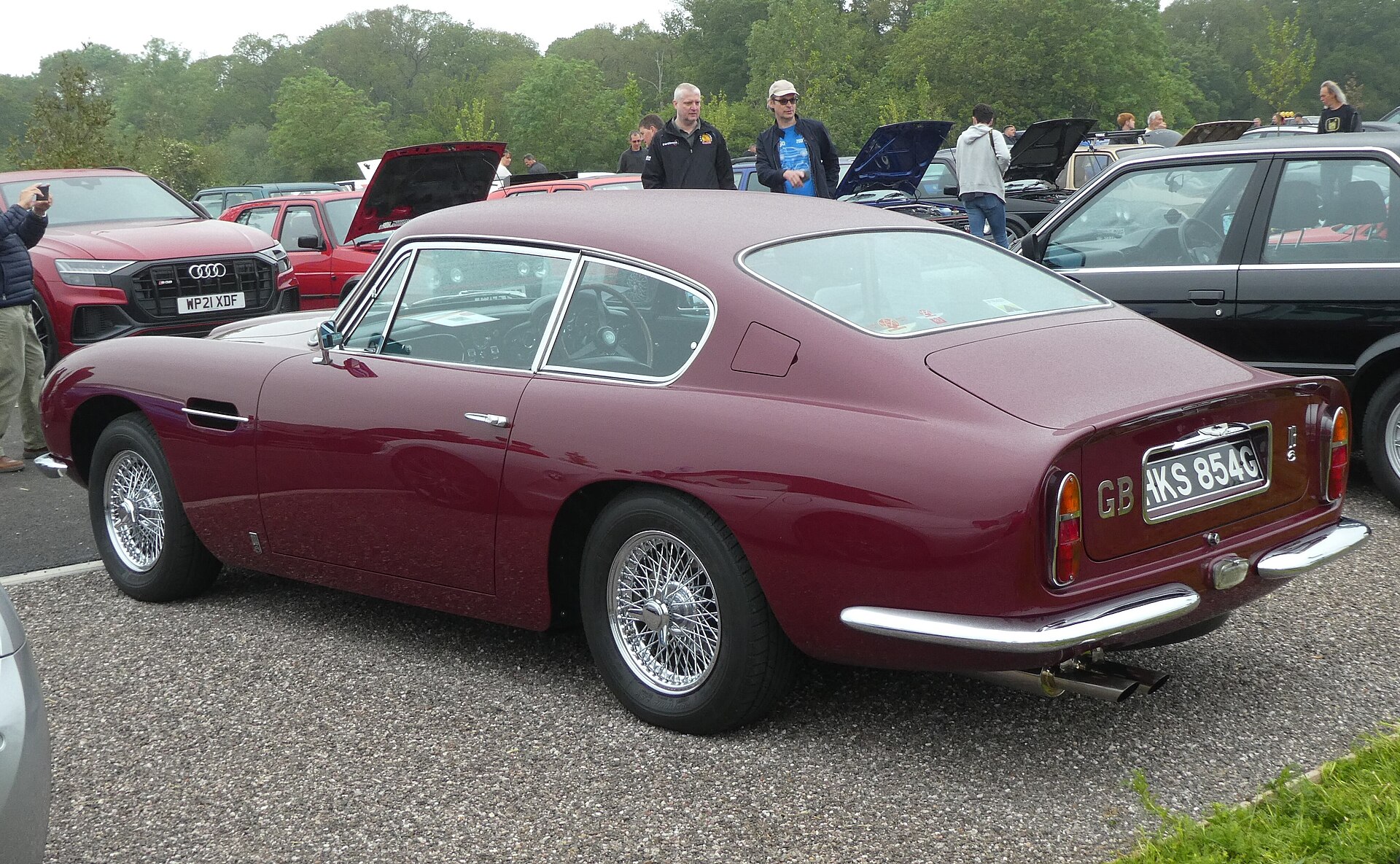
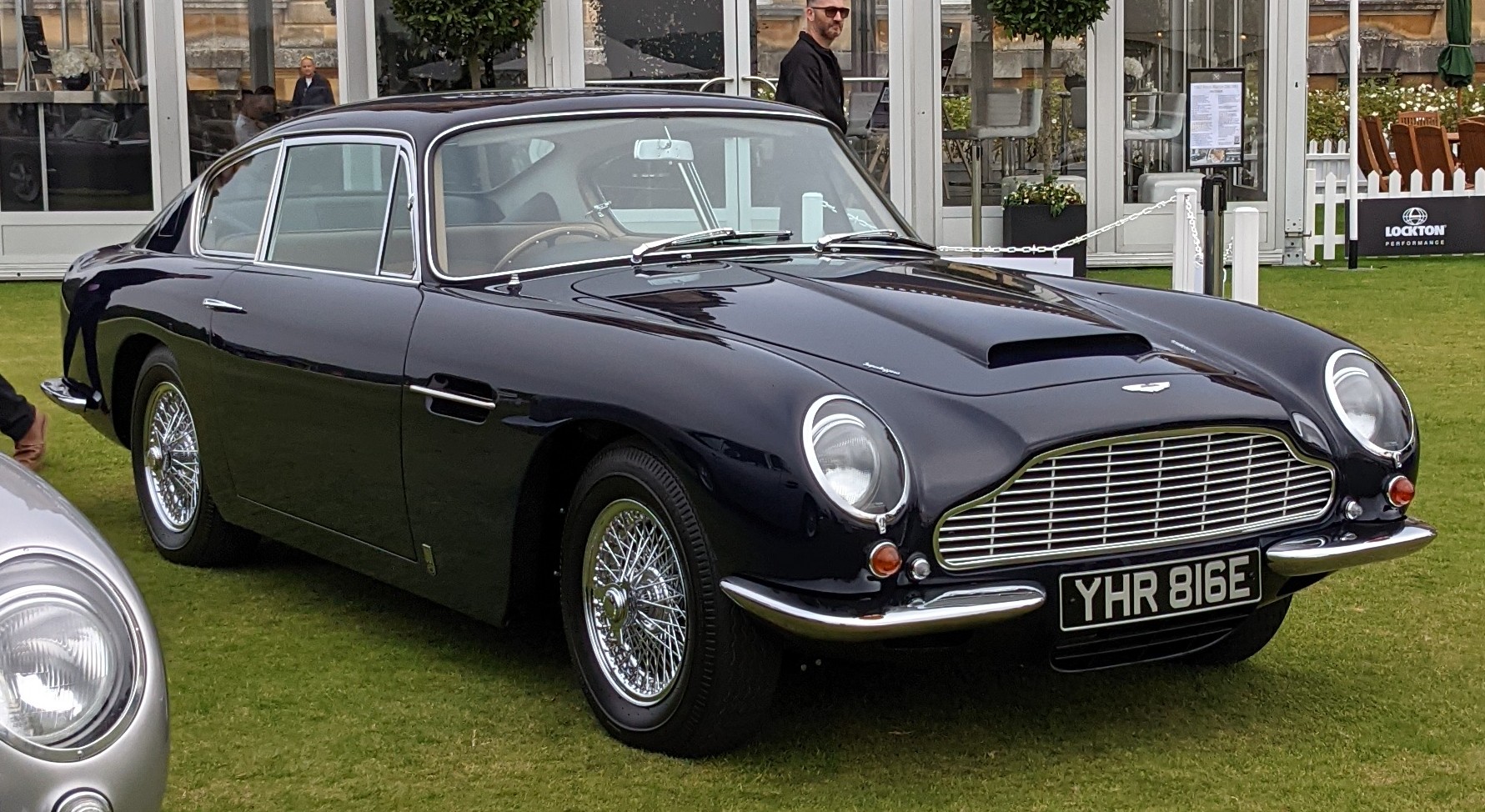
The DB6 keeps the face of the DB5, but the profile is different. The roofline is two inches (about 51 mm) higher. Split bumpers replace the full-width ones of the DB5, and the tail ends in an abrupt Kamm-style cut.
The tail was the result of wind-tunnel tests that started in February 1965. They showed that the fastback shape of the earlier cars produced lift at speed, which reduced the grip of the rear wheels. The solution was a shorter tail with a lip spoiler built into the bodywork. Wikipedia notes that the shape recalled the Ferrari 250 of the time, and that it was not popular with Aston Martin's traditional customers.
| Specification | DB5 | DB6 |
|---|---|---|
| Wheelbase | 2,483 mm | 2,578 mm (+95 mm) |
| Roofline | lower | about 51 mm higher |
| Tail | rounded fastback | Kamm tail with integral spoiler |
| Bumpers | not split | split front and rear |
| Frame | even tubular frame | tubes and steel sections of varied size |

Engine: standard and Vantage
The engine is Tadek Marek's straight-six with twin overhead camshafts and a capacity of 3,995 cc. Two states of tune were offered:
| Version | Carburettors | Compression | Power |
|---|---|---|---|
| DB6 | three SU | 8.9:1 | 210 kW (282 bhp) at 5,500 rpm |
| DB6 Vantage | three Weber 45DCOE | 9.4:1 | 242 kW (325 bhp) at 5,750 rpm |
The Vantage was not a separate model but a high-output option for the saloon and the Volante. It combined the three Weber carburettors with a higher-compression cylinder head, and the same head later formed part of the fuel-injected Mk II option. Maximum torque is 400 Nm at 4,500 rpm. Wikipedia gives a top speed of 241 km/h and a 0–60 mph time of 6.2 seconds. Period road tests of the Vantage recorded between 233 and 238 km/h. The journalist John Bolster went further and achieved a two-way average of 245 km/h in a Vantage.


Chassis, gearbox and equipment
The buyer could choose between a ZF five-speed manual gearbox and a Borg-Warner three-speed automatic. Both were offered at no extra cost. Steering is by rack and pinion, with power assistance as an option.
At the rear, the Armstrong Selectaride dampers can be adjusted from the cockpit. Air conditioning was available, and Pirelli Cinturato CA67 radial tyres in size 185VR15 could be ordered. The fuel tank holds about 86 litres, or about 73 litres in cars with air conditioning.

Volante and the short-chassis cars
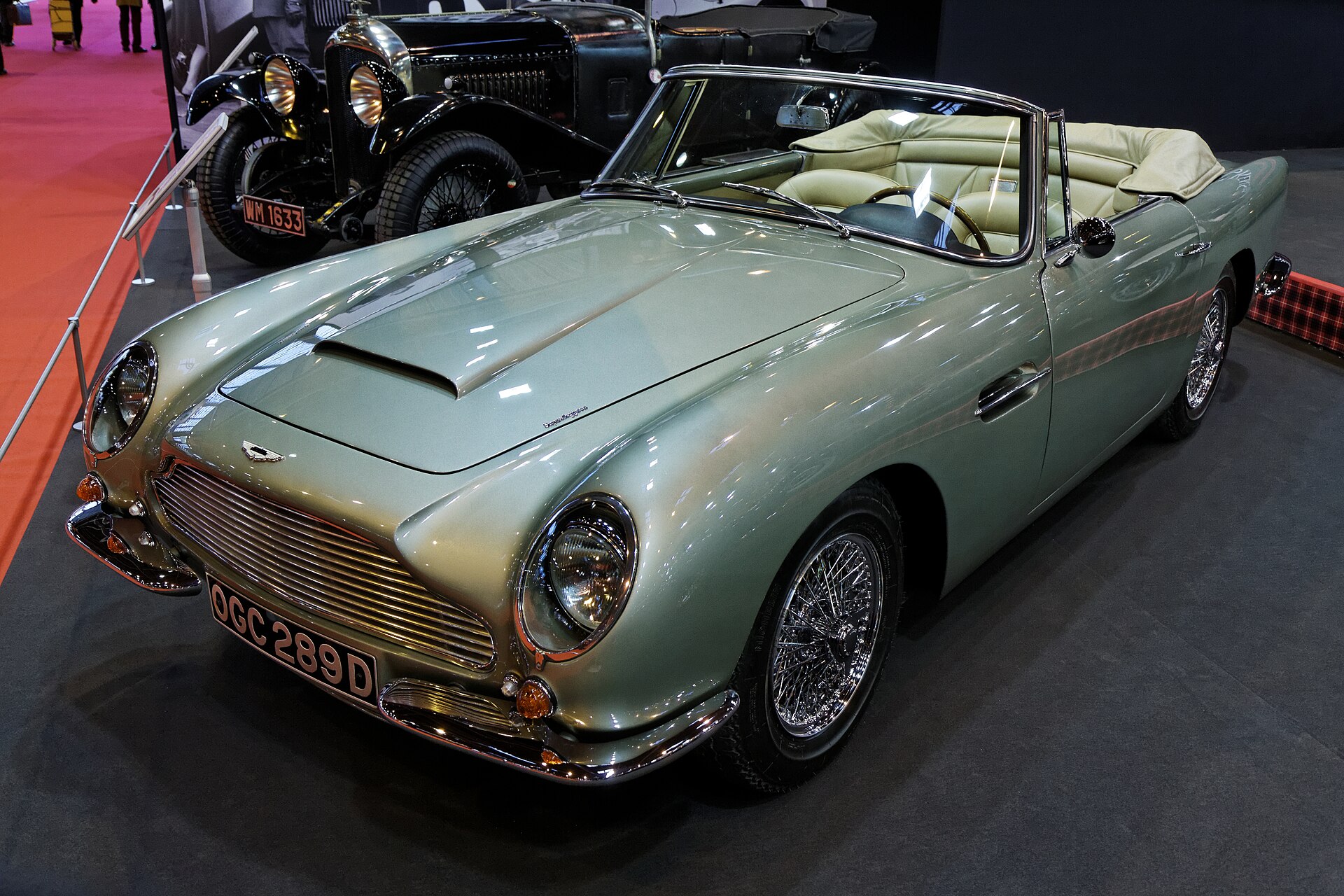
The open version was called Volante. It was introduced at the London motor show in 1966, a year after the saloon. According to Wikipedia, only 140 Volantes were built on the DB6 chassis, including 29 high-output Vantage Volantes, and these cars are highly prized by collectors today.
The first open cars sold as DB6 Volantes in 1965 and 1966 were in fact built on the last DB5 chassis. They are known as "short chassis" Volantes because they lack the longer wheelbase of the true DB6.

Shooting brakes by Radford and FLM Panelcraft
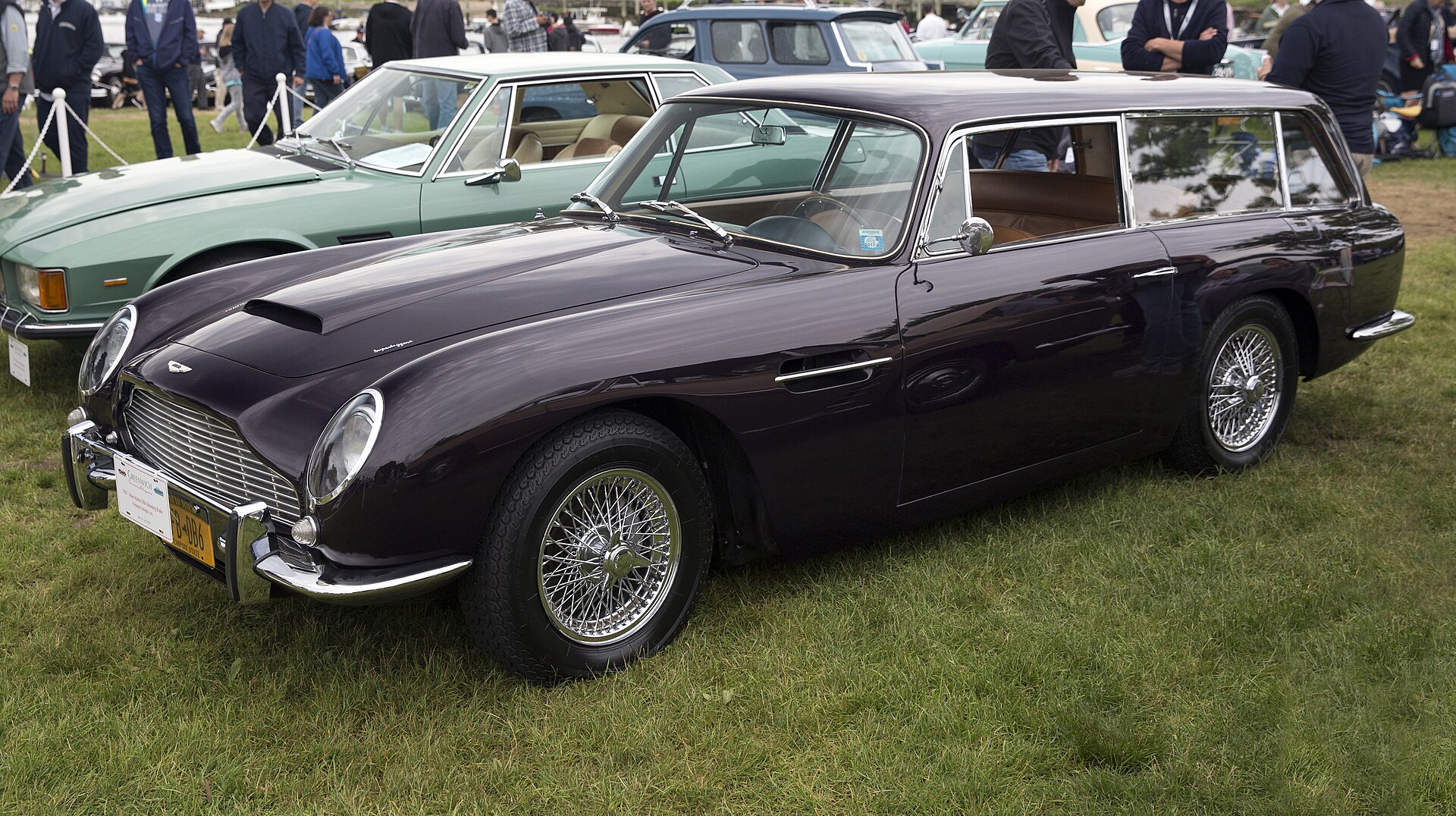
Aston Martin did not offer an estate car itself, but coachbuilders converted a small number of DB6s. Harold Radford built six shooting brakes and FLM Panelcraft built two, eight in total. The Radford cars have a wheelbase of 2,489 mm, a length of 4,572 mm and a height of 1,321 mm. They weigh 1,587 kg and carry a smaller fuel tank of about 73 litres.
One Radford car was shown at the New York auto show in 1967. It was sold from the stand and, according to Wikipedia, stayed with the family of its first owner until 2017. Since 2012 several DB6 shooting brakes have been offered by major auction houses such as Bonhams and RM Sotheby's, and not all of them found a buyer.

The DB6 Mk II (1969–1971)
The DB6 Mk II was announced on 21 August 1969. It is easy to recognise by its flared front and rear wheel arches, which cover wheels that are half an inch wider. Tyres were either Pirelli Cinturato CN72 radials in size 205VR15 or Avon cross-plies.
The Mk II shared many parts with the new DBS that had been launched in 1967. It also offered AE Brico electronic fuel injection as an option, combined with the higher-compression cylinder head. Production of the Mk II and of the DB6 as a whole ended in January 1971.

The DB6 in numbers
| Item | Figure |
|---|---|
| Total production | 1,788 cars |
| Volantes on the DB6 chassis | 140, of them 29 Vantage Volantes |
| Shooting brakes | 8 (6 Radford, 2 FLM Panelcraft) |
| Production period | September 1965 – January 1971 |
| Mk II announced | 21 August 1969 |
| Fuel tank | about 86 litres (73 litres with air conditioning) |
A royal owner
The best-known DB6 belongs to King Charles III. According to Wikipedia, he owns a DB6-based Volante Mk II that was later converted to run on E85 bioethanol. A cited report says that he bought the car new in 1970 and drives it about 300 miles a year.
Legacy
The DB6 was the final development of the DB5 theme, and its Mk II already shared parts with the DBS that followed it. In Wikipedia's model chronology the next car to carry the DB name is the DB7 of the 1990s. The DB6 also shows how wind-tunnel testing entered Aston Martin's design work: the Kamm tail and lip spoiler were added to reduce lift, not for style alone. Of the 1,788 cars, the open Vantage Volantes are the rarest regular versions, with only 29 built.
Photo gallery

Image credits · Photos from Wikimedia Commons under free licences
- Aston Martin DB6 Mk1 · Photo: Calreyn88 / Wikimedia Commons, CC BY-SA 4.0
Aston Martin DB6 in our rankings
- No. 39 of 94 · Most powerful cars of the 1960s (242 kW · top 42%)
- No. 383 of 859 · Most powerful cars (242 kW · top 46%)
- No. 65 of 109 · Most powerful British cars (242 kW · top 61%)
- No. 209 of 313 · Most powerful coupes (242 kW · top 68%)
- No. 552 of 912 · Longest-running car nameplates (6 years · top 69%)
- No. 242 of 345 · Cars with the most generations (2 generations)
More powerful than 58% of ranked cars of the 1960s in the 1CARS catalog (No. 39 of 94).
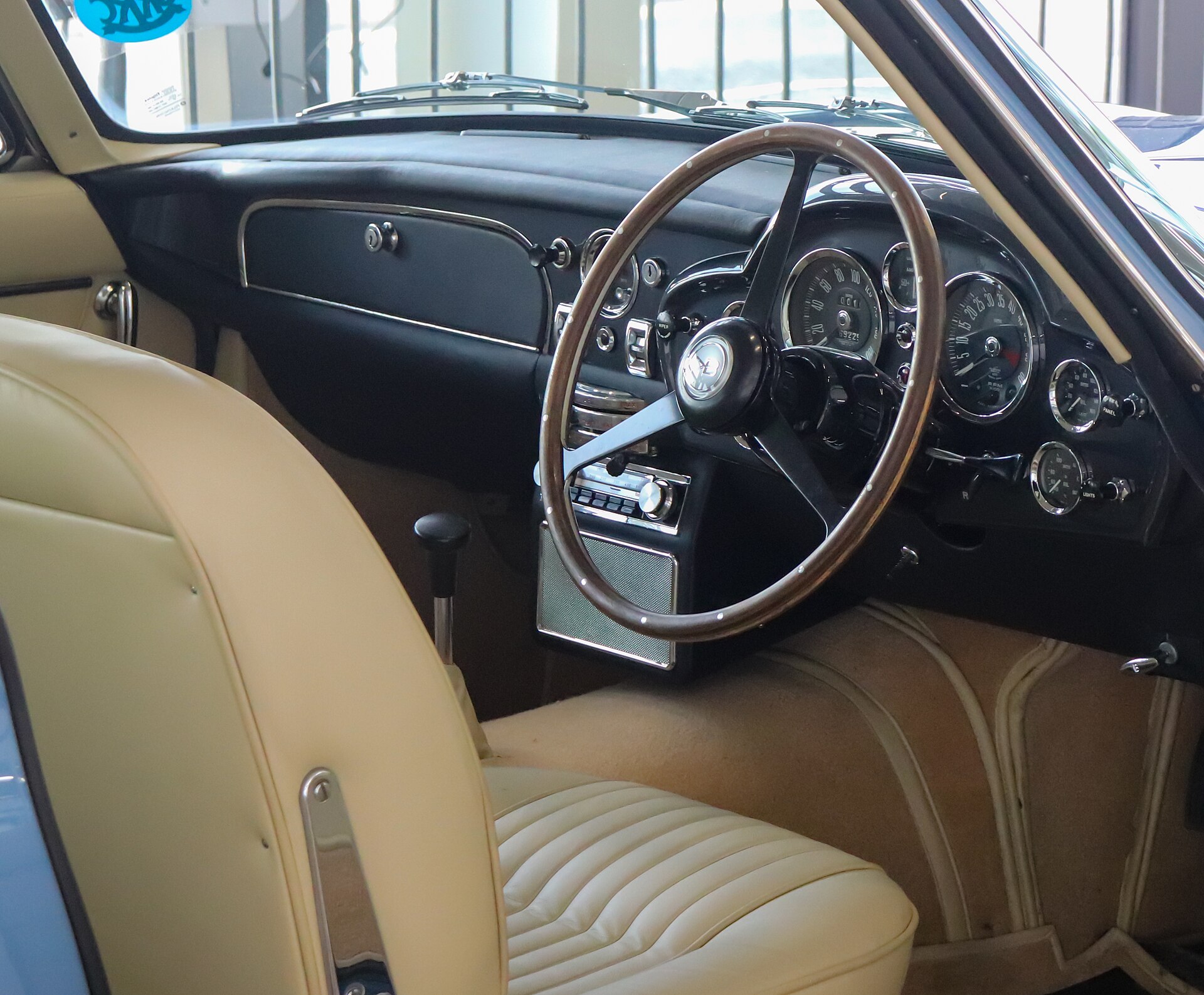
Aston Martin DB6 photos 7
FAQ
How many Aston Martin DB6 were built?
Wikipedia gives 1,788 cars built between September 1965 and January 1971, including 140 Volantes on the DB6 chassis.
How powerful is the DB6?
The standard 4.0-litre straight-six produces 210 kW (282 bhp); the Vantage version with three Weber carburettors produces 242 kW (325 bhp).
What is the difference between the DB5 and the DB6?
The DB6 has a 95 mm longer wheelbase, a higher roofline, split bumpers and a Kamm tail that reduces lift at speed.
What changed with the DB6 Mk II?
Flared wheel arches, wider wheels, parts shared with the DBS and optional AE Brico fuel injection.
Who owns a famous DB6?
King Charles III, who bought a DB6 Volante Mk II new in 1970 and later had it converted to run on E85 bioethanol.
Data sources
Data checked by an editor against the sources below.