 Aston Martin Virage
Specs, engines and history
Published Sources (1) Report an error
By Felix Hartmann, Automotive Technology & EV Contributor
- Built
- 1989–2000
- Top power
- 261 kW (355 PS)
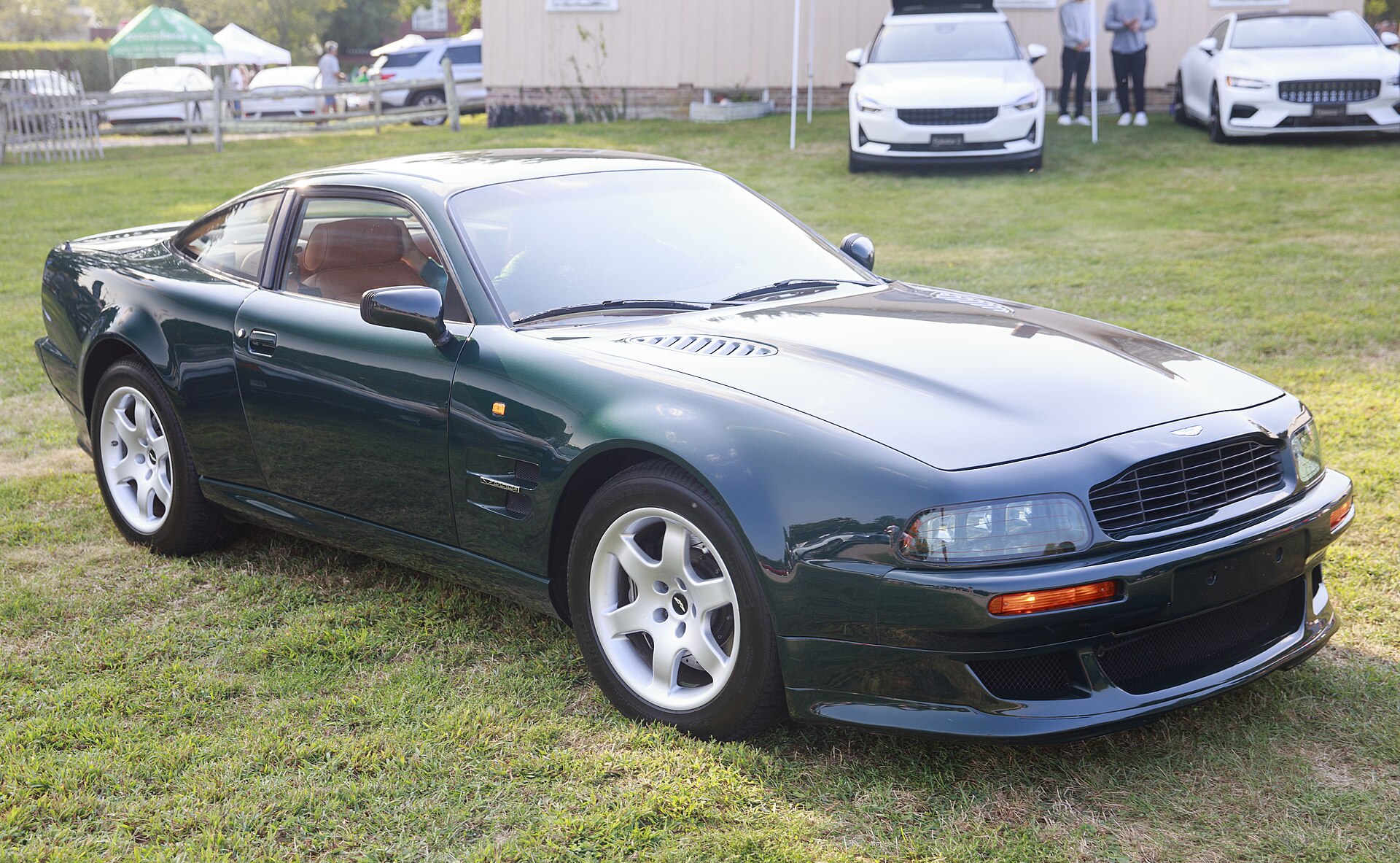
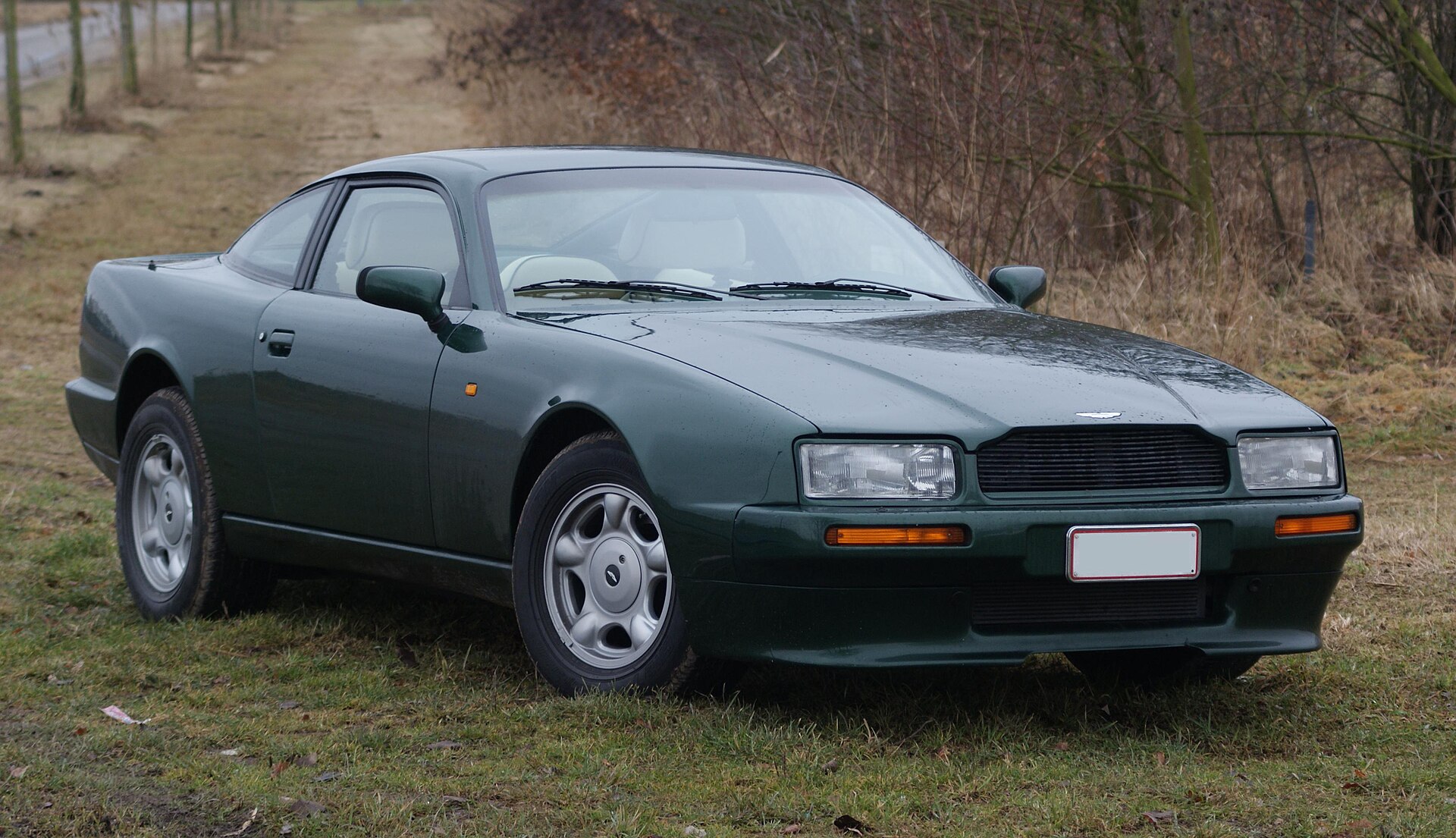
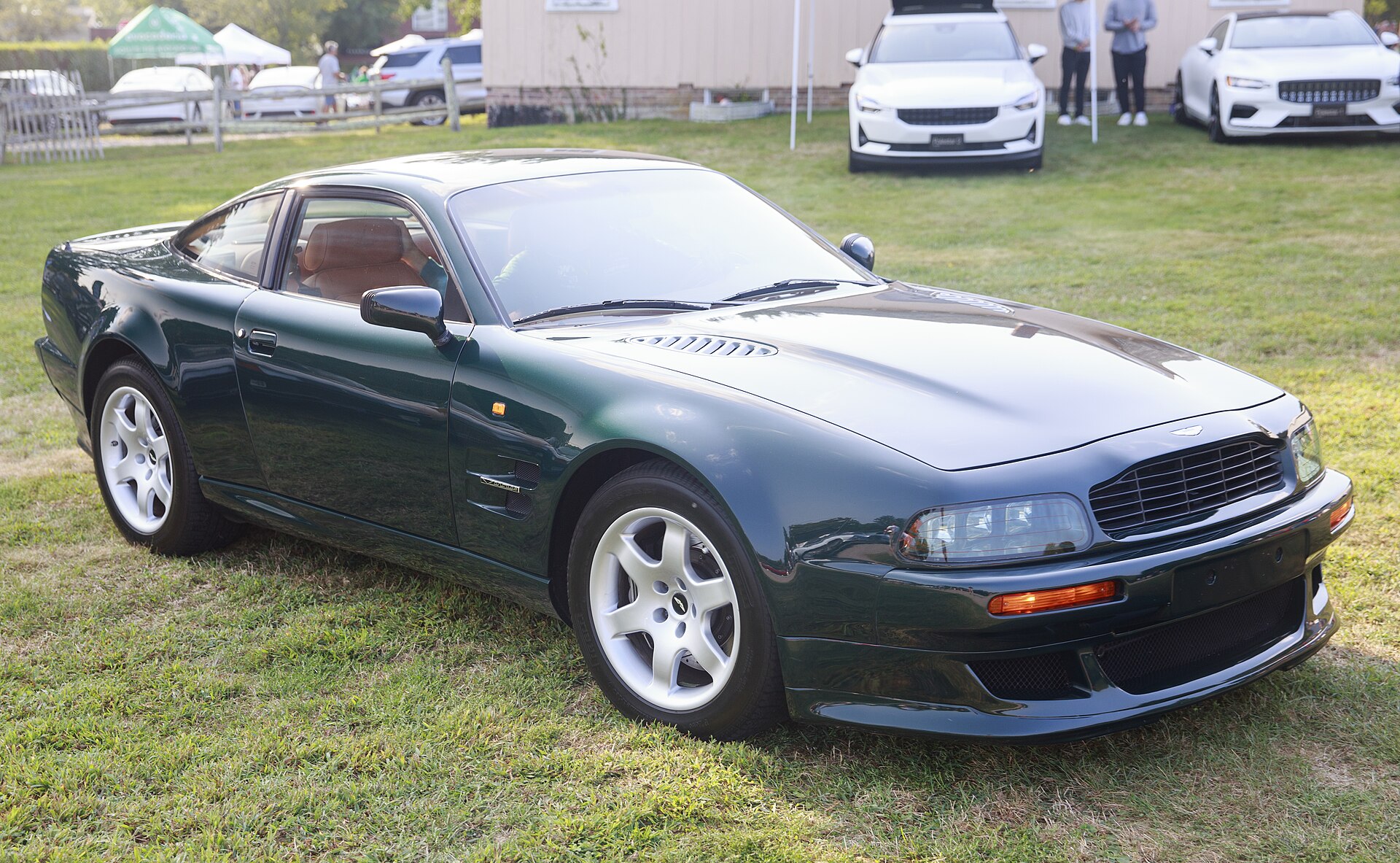
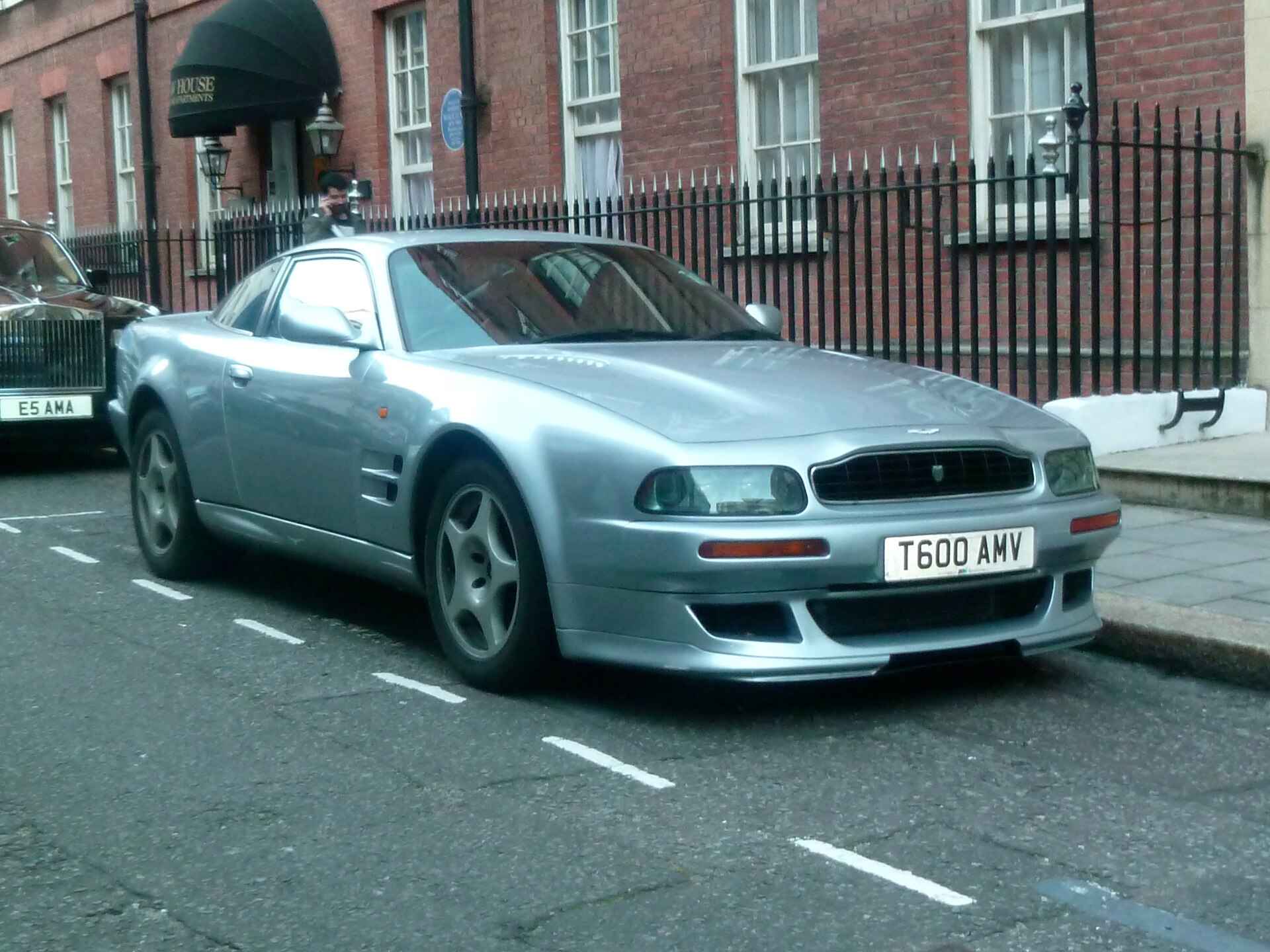
The Aston Martin Virage is the hand-built V8 grand tourer that replaced the long-running Aston Martin V8 and was produced from 1989 to 2000. Over eleven years it grew into a family: the Virage coupé and Volante convertible, a 6.3-litre conversion, the V8 Coupé and, at the top, the twin-supercharged Vantage with up to 450 kW (612 PS). About 1,050 cars were built in total before the Vanquish took over in 2000.
In short
- Introduced at the Birmingham motor show in 1988, built from 1989 to 2000; about 1,050 cars in total.
- 5,340 cc 32-valve V8 with Callaway-designed cylinder heads: 246 kW (330 hp) and 494 Nm; 228 kW (310 PS) with catalytic converter in Europe.
- 6.3-litre conversion (1992) with up to 373 kW (500 hp); Vantage (1993) with twin superchargers and 410 kW (550 hp), later 447 kW (600 hp) as the V600.
- Manual five-speed ZF or Chrysler TorqueFlite automatic gearbox; kerb weight 1,790 kg.
At a glance: Aston Martin Virage
| Specification | Aston Martin Virage (1989–2000) |
|---|---|
| Production | 1989–2000 |
| Cars built | about 1,050 (all versions) |
| Body | 2+2 coupé, Volante convertible; special estates and saloons |
| Engine | 5,340 cc V8, 32 valves (Vantage: twin superchargers) |
| Power | 246 kW (330 hp) to 447 kW (600 hp) |
| Torque | 494 Nm to 813 Nm |
| Gearboxes | five-speed ZF manual; three- or four-speed Chrysler automatic; six-speed manual (Vantage) |
| Kerb weight | 1,790 kg (Virage coupé) |
| Predecessor / successor | Aston Martin V8 / Vanquish (2000) |
The Virage line ended with the arrival of the Aston Martin Vanquish. Other generations are in the Aston Martin catalogue.
History and production
Aston Martin revealed the Virage at the Birmingham motor show in 1988 as the successor of the earlier Aston Martin V8 models. Production began in 1989. The plans were optimistic: the company expected to build about 275 cars a year, but actual output averaged only about a third of that.
| Version | Years | Built |
|---|---|---|
| Virage coupé | 1989–1996 | 411 |
| Virage Volante | 1992–1996 | 224 or 233 (sources differ) |
| Vantage coupé | 1993–2000 | 280 |
| Vantage Volante | 1993–2000 | 8 short- and 1 long-wheelbase |
| V8 Coupé | 1996–2000 | 101 |
| V8 Volante | 1997–2000 | 63 |
According to Wikipedia, the total had reached 1,050 cars by the end of 2000, when the Vanquish replaced the range.
Design and borrowed parts
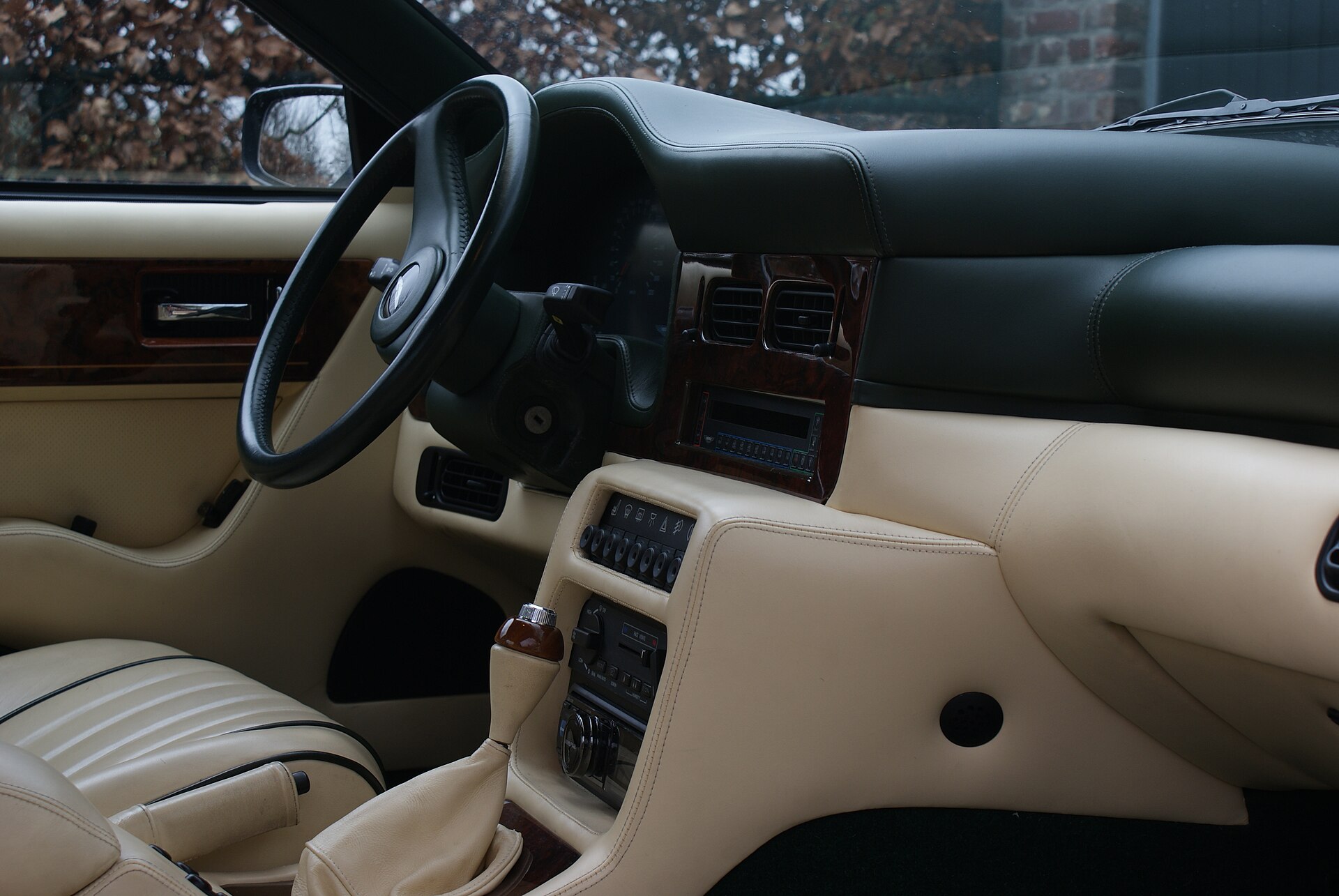
The Virage is a 2+2 coupé. To keep costs down, Aston Martin used parts from other manufacturers: the headlights came from the Audi 200 and the rear lights from the Volkswagen Scirocco, while the steering column, the climate control panel, the door mirrors and the dashboard switches came from General Motors, Jaguar, Citroën and Ford. On the later Vantage the mirrors were changed to units from the Jaguar XK8 and XKR.

Engine and performance
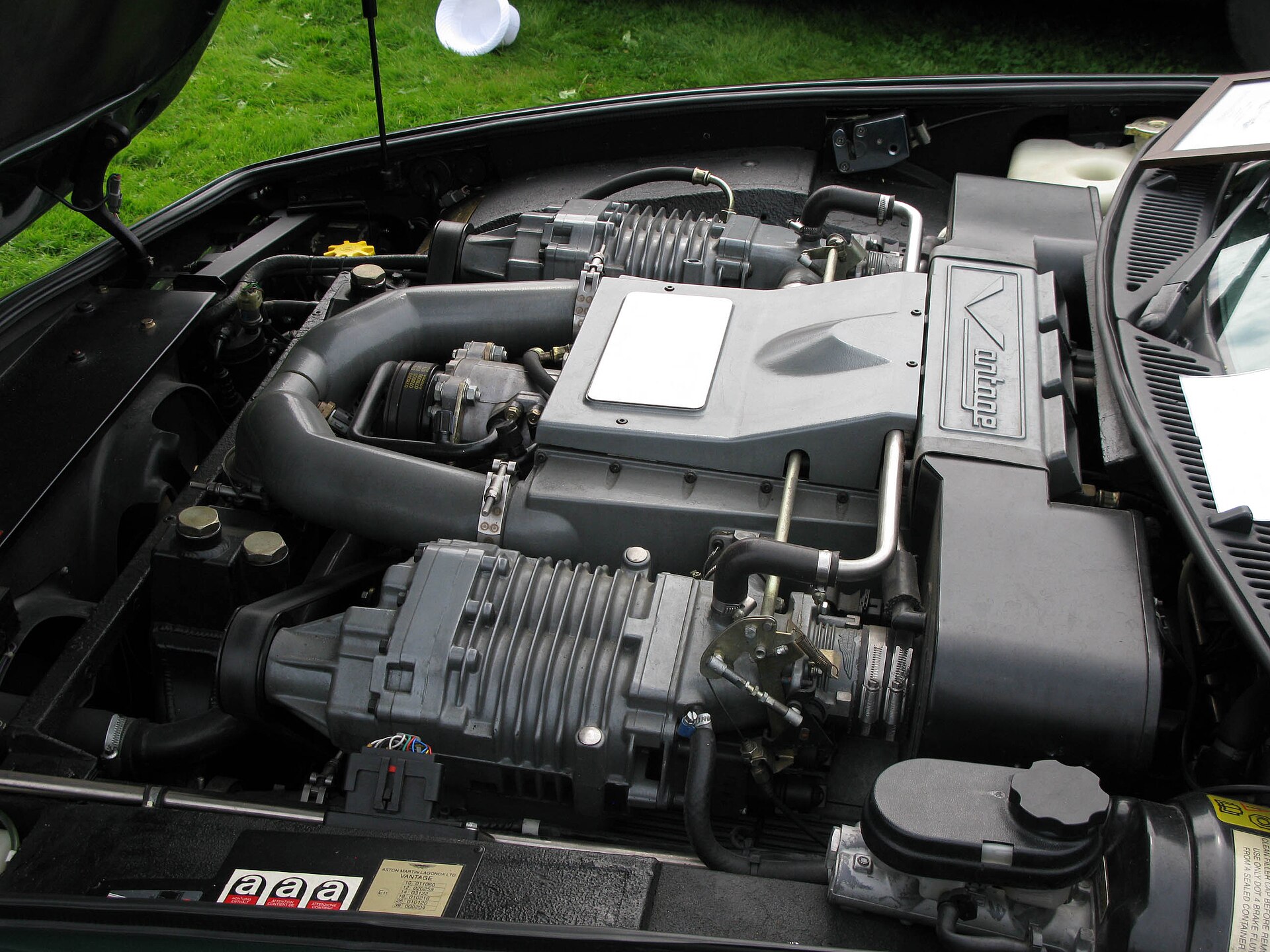
The engine is a 5,340 cc V8 with 32 valves and cylinder heads designed by Callaway. It produced 246 kW (330 hp) and 494 Nm; European cars with a catalytic converter were rated at 228 kW (310 PS) at 5,300 rpm. In 1996, at the Geneva motor show, output was raised to 261 kW (350 hp).
Most cars — about 60% — had a Chrysler TorqueFlite automatic, with three speeds at launch and four from the 1993 model year; the rest had a five-speed ZF manual. Wikipedia gives a kerb weight of 1,790 kg, a top speed of 254 km/h and 0–100 km/h in about 8 seconds for a European automatic.
| Version | Engine | Power | Torque | Top speed |
|---|---|---|---|---|
| Virage (1989) | 5.3 V8 | 246 kW (330 hp); Europe 228 kW (310 PS) | 494 Nm | 254 km/h |
| Virage 6.3 (1992) | 6.3 V8 | 340–373 kW (456–500 hp) at 6,000 rpm | 651 Nm | 282 km/h |
| V8 Coupé (1996) | 5.3 V8 | 261 kW (350 hp) | 500 Nm | not stated |
| Vantage (1993) | 5.3 V8, twin superchargers | 410 kW (550 hp) | 752 Nm | 300 km/h |
| Vantage V600 (1998) | 5.3 V8, twin superchargers | 447 kW (600 hp) | 813 Nm | not stated |
| Vantage Le Mans (2000) | 5.3 V8, twin superchargers | 450 kW (612 PS) | 820 Nm | 320 km/h |

The 6.3-litre conversion
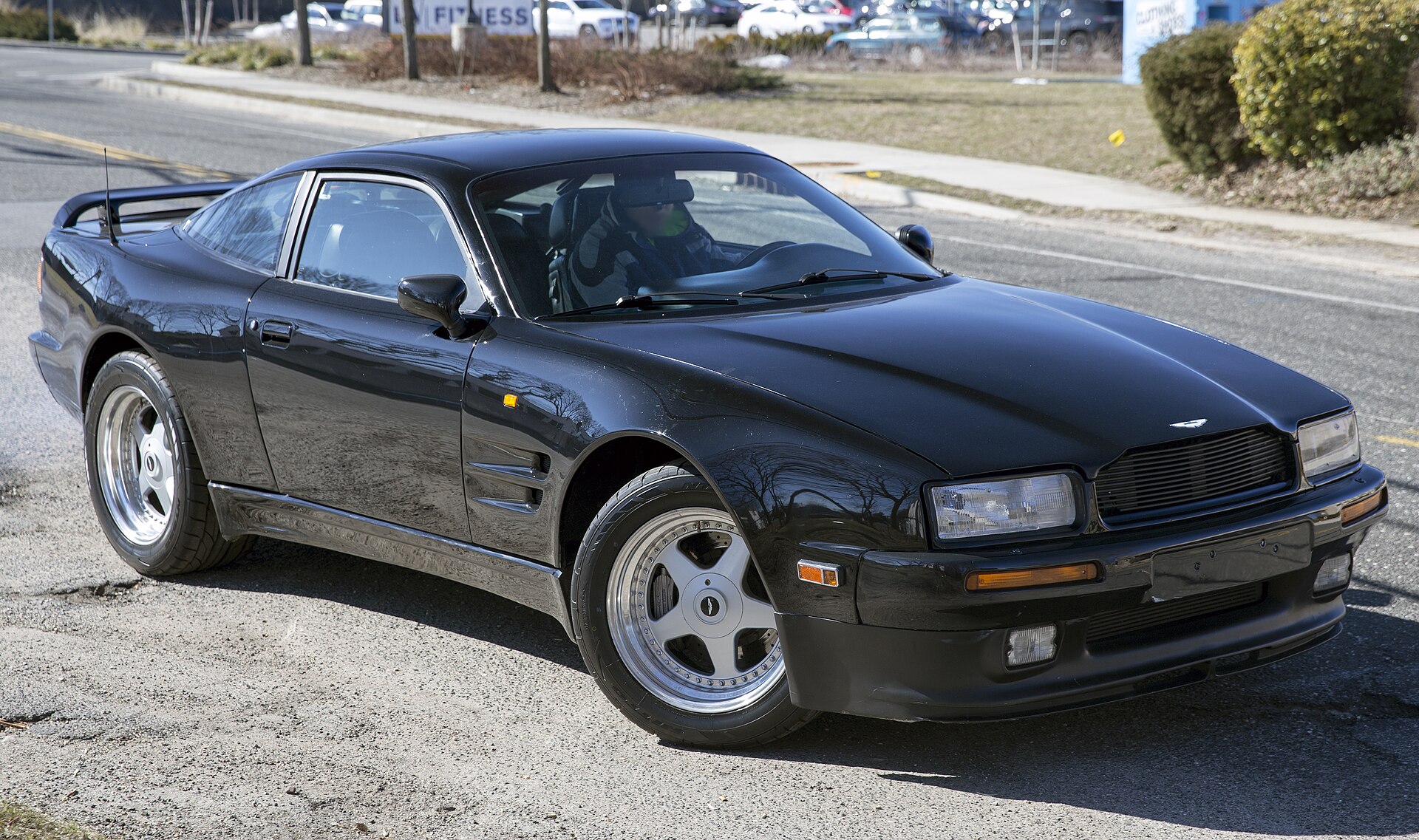
In 1992 Aston Martin offered a 6.3-litre (6,347 cc) conversion for the Virage, with an engine bored and stroked using experience from the AMR1 racing car. It produced between 340 and 373 kW (456–500 hp) at 6,000 rpm and 651 Nm, and the top speed rose to 282 km/h. The 6.3 cars have wider bodywork, 14-inch ventilated brake discs and 18-inch wheels. A "Wide Body" version with the look of the 6.3 but the standard 5.3-litre engine was sold mainly in the United States, where the bigger engine was not certified.

Virage Volante and V8 Coupé
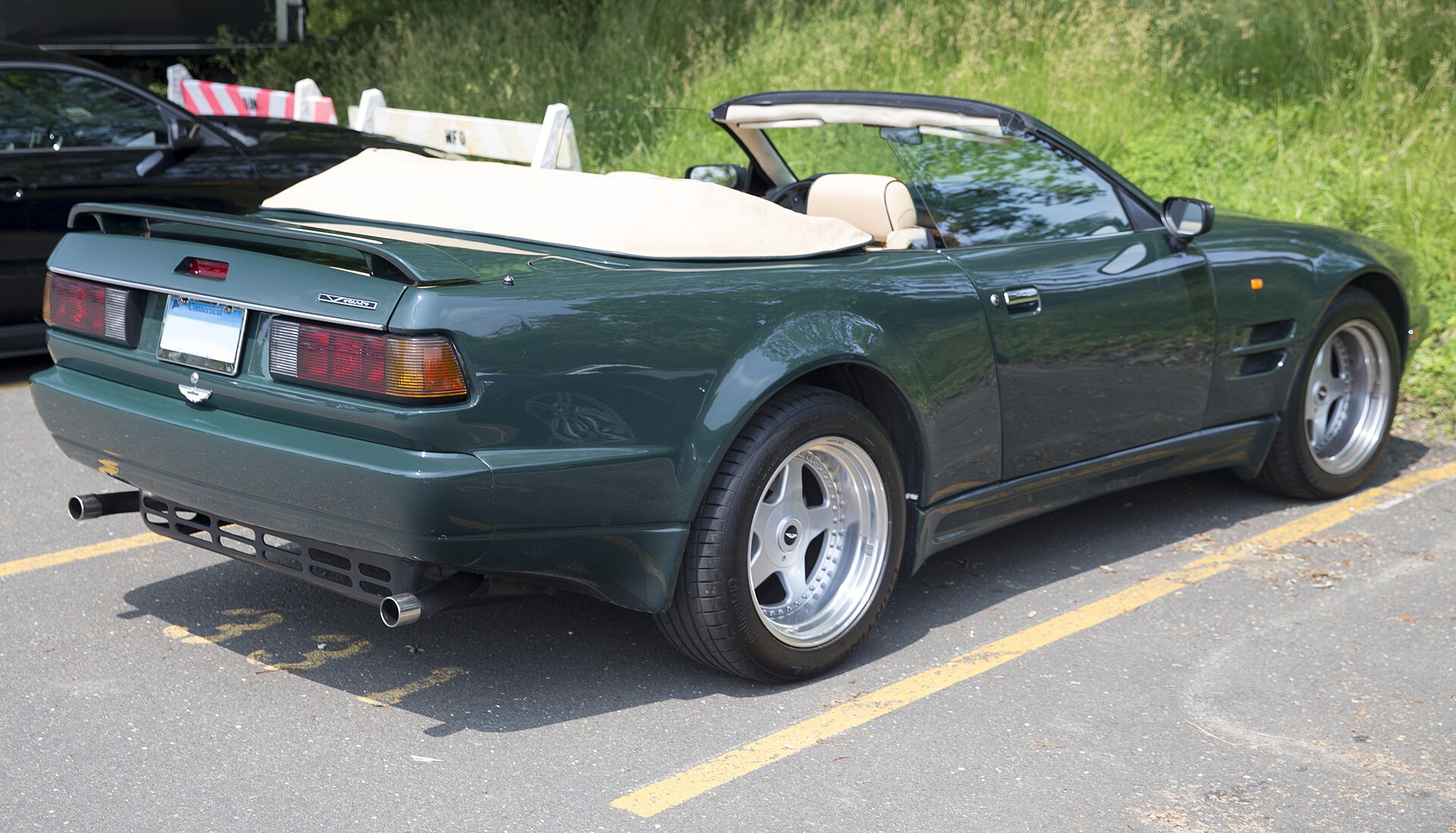
The open Virage Volante was built from 1992 to 1996. From 1996 they were followed by the V8 Coupé and V8 Volante, which received the more powerful 261 kW (350 hp) engine with 500 Nm. The V8 Coupé was built until 2000 (101 cars), the V8 Volante from 1997 to 2000 (63 cars).

Vantage, V600 and Le Mans
The Vantage of 1993 was the most powerful model of the family. Two superchargers raised the output of the 5.3-litre V8 to 410 kW (550 hp) and 752 Nm. Wikipedia gives a top speed of 300 km/h. From 1998 the V600 upgrade offered 447 kW (600 hp) and 813 Nm, and a six-speed ZF manual gearbox from the Vantage later became an option for other models.
The final version, the Vantage Le Mans of 2000, was planned as a run of 40 cars. With 450 kW (612 PS) and 820 Nm it reached 100 km/h in 3.9 seconds and 320 km/h. Nine bespoke Vantage Volante Special Edition cars were also built in 2000.

Special bodies
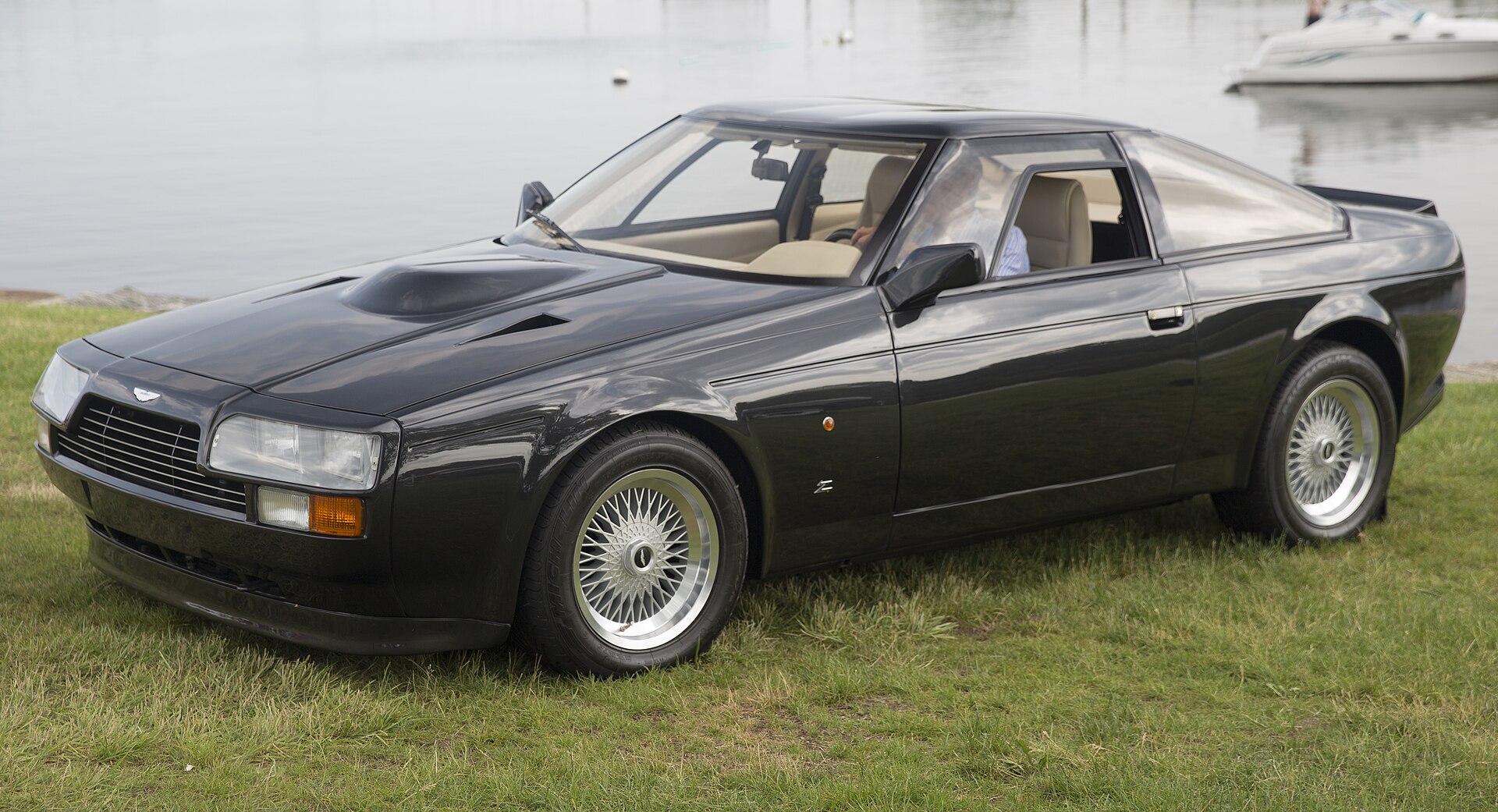
The Virage family was also the base for very small series built to order. Around six Virage Shooting Brakes were made from 1992, and a long-wheelbase four-door Lagonda saloon followed in 1994; Wikipedia gives eight or nine cars, six of them ordered by the royal family of Brunei. Three V8 Coupés were converted into "Sportsman" estates, and ten half-scale junior Virage Volantes were built for children.
Photo gallery


Aston Martin Virage in our rankings
- No. 327 of 912 · Longest-running car nameplates (11 years · top 39%)
- No. 341 of 859 · Most powerful cars (261 kW · top 41%)
- No. 61 of 109 · Most powerful British cars (261 kW · top 57%)
- No. 183 of 313 · Most powerful coupes (261 kW · top 60%)
In production longer than 61% of ranked nameplates in the 1CARS catalog (No. 327 of 912).
Aston Martin Virage photos 6
FAQ
How many Aston Martin Virages were built?
About 1,050 cars of all versions between 1989 and 2000, including 411 Virage coupés and 280 Vantage coupés.
What engine does the Virage have?
A 5.3-litre 32-valve V8 with Callaway-designed heads: 246 kW (330 hp), or 228 kW (310 PS) in European catalysed form. The Vantage added two superchargers.
What is the Virage 6.3?
A 1992 conversion with a 6.3-litre engine of up to 373 kW (500 hp), wider bodywork, bigger brakes and 18-inch wheels.
How fast is the Vantage Le Mans?
It reaches 100 km/h in 3.9 seconds and 320 km/h, with 450 kW (612 PS).
What replaced the Virage?
The Aston Martin Vanquish replaced the Virage family in 2000, after about 1,050 cars had been built.
Data sources
Data checked by an editor against the sources below.