 Aston Martin DB2/4
Specs, engines and history
Published Sources (1) Report an error
By Felix Hartmann, Automotive Technology & EV Contributor
- Built
- 1953–1957
- Top power
- 123 kW (167 PS)
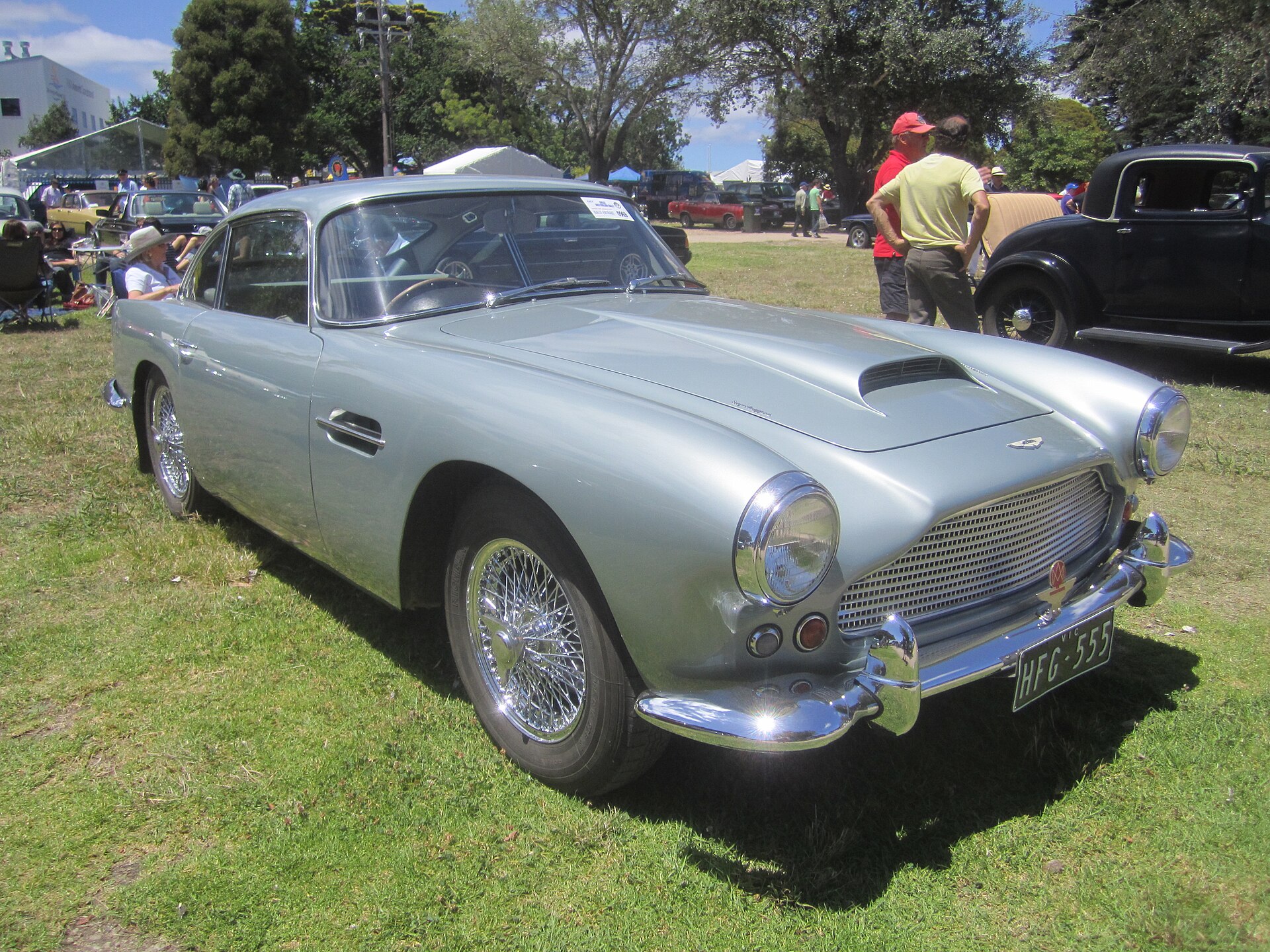
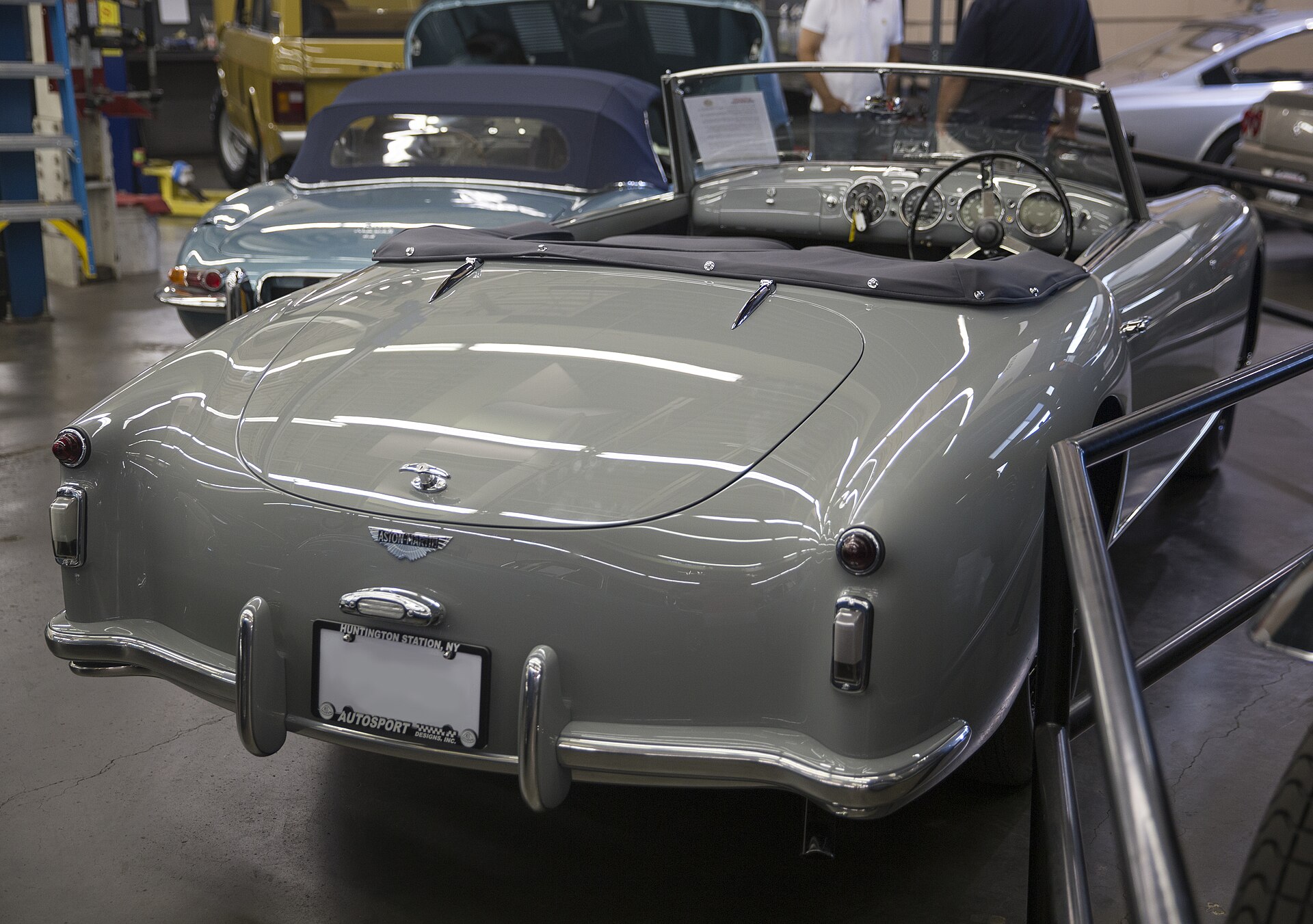
The Aston Martin DB2/4 is a grand tourer that Aston Martin built from 1953 to 1957 as the successor to the DB2. It added two small rear seats and an opening rear tailgate to the DB2's shape, giving it an early hatchback layout. Powered by the Lagonda straight-six designed under W. O. Bentley, it was built in 764 examples, including the Mark II of 1955, before the DB Mark III replaced it.
In short
- Built 1953–1957; 764 cars in total: 565 Mark I (102 of them drophead coupés) and 199 Mark II.
- Lagonda straight-six: 2,580 cc with 93 kW (125 hp) at first, 2,922 cc with 104 kW (140 hp) from September 1953, up to 123 kW (165 hp) in the Mark II.
- Body styles: 2+2 hatchback saloon, drophead coupé and, from 1955, a two-seat fixed-head coupé.
- Top speed of up to 193 km/h; The Motor measured 190.7 km/h in 1954.
Aston Martin DB2/4 at a glance
| Specification | Aston Martin DB2/4 |
|---|---|
| Production | 1953–1957 |
| Cars built | 764 (565 Mark I, 199 Mark II) |
| Body | 2+2 hatchback saloon, drophead coupé, two-seat fixed-head coupé (Mark II); front engine, rear-wheel drive |
| Engine | Lagonda straight-six, 2,580 cc (VB6E) or 2,922 cc (VB6J) |
| Power | 93 kW (125 hp) to 123 kW (165 hp) |
| Dimensions | 4,305 × 1,651 × 1,359 mm, wheelbase 2,515 mm |
| Top speed | up to 193 km/h |
| Predecessor / successor | DB2 / DB Mark III |
The DB2/4 sits between the DB2 and the DB4 era in the DB line; a coachbuilt example is described in our article on the DB2/4 Touring Spyder. All models are in the Aston Martin catalogue.
History: from DB2 to DB2/4
The DB2/4 was based on the DB2, which it replaced in 1953. The designer is usually given as Frank Feeley, although Wikipedia marks this attribution as needing a source. The aim was to make the DB2 more practical: the car gained two small rear seats and an opening tailgate that gave access to the luggage area — in effect a hatchback.
The first cars used the 2.6-litre engine of the DB2 Vantage. In September 1953 the saloon received a larger 2.9-litre version, and the drophead coupé followed in April 1954. A total of 565 Mark I cars were built, 102 of them drophead coupés. The revised Mark II arrived in 1955, and 199 were made before the model gave way to the DB Mark III.

Design and body styles
Compared with the DB2, the DB2/4 has a one-piece windscreen, larger bumpers and headlights placed in a different position. The rear seats are small, but together with the tailgate they made the car much more usable for travel.
Three body styles were offered:
- 2+2 saloon with the opening rear hatch;
- drophead coupé with a folding roof;
- two-seat fixed-head coupé, added with the Mark II (34 built).
The car is 4,305 mm long, 1,651 mm wide and 1,359 mm high, on a 2,515 mm wheelbase. A Mark I drophead coupé appeared in Alfred Hitchcock's film The Birds in 1963.

The Lagonda straight-six
The engine is the Lagonda straight-six designed under W. O. Bentley.
| Engine | Capacity | Power | Used in |
|---|---|---|---|
| VB6E | 2,580 cc | 93 kW (125 hp) | early DB2/4 (as in DB2 Vantage) |
| VB6J | 2,922 cc | 104 kW (140 hp) | saloon from September 1953, drophead from April 1954 |
| Mark II large-valve option | 2,922 cc, compression 8.6:1 | 123 kW (165 hp) | Mark II, from 1955 |
With the 2.9-litre engine the claimed top speed rose to 193 km/h. When The Motor tested a 2.9-litre car in 1954, it recorded 190.7 km/h and fuel consumption of 12.3 l/100 km.

Mark II and special bodies
The Mark II of 1955 can be recognised by small tail fins, bubble-shaped tail lights, extra chrome and a different split line on the bonnet. A large-valve engine with 123 kW (165 hp) was available. Production of the bodies moved from Mulliner's in Feltham to Tickford in Newport Pagnell, a coachbuilder David Brown had bought in 1954; later all Aston Martin production moved there with the DB4.
Several Italian coachbuilders built special bodies on the DB2/4:
- Carrozzeria Touring bodied three Mark II chassis as spiders. Touring later supplied the Superleggera design for the DB4.
- The American businessman Stanley H. Arnolt II ordered a small number of Bertone-bodied spiders and one coupé in 1954.
- Giovanni Michelotti designed a drophead coupé built by Bertone.
The works team prepared three cars for the 1955 Monte Carlo Rally and two for the Mille Miglia.
| Year | Event |
|---|---|
| 1953 | DB2/4 replaces the DB2; 2.9-litre engine in the saloon from September |
| 1954 | 2.9-litre engine for the drophead (April); Bertone cars for Arnolt; David Brown buys Tickford |
| 1955 | Mark II with tail fins and optional 123 kW engine; works cars at Monte Carlo and the Mille Miglia |
| 1957 | End of production after 764 cars; DB Mark III follows |

Legacy
The DB2/4 made the sporting Aston Martin more practical, with rear seats and a tailgate, while the 2.9-litre engine kept its performance. It also connected the early David Brown cars with the later DB4 through the move to Tickford in Newport Pagnell and the first contact with Touring. For the brand's story, see our history of Aston Martin.
Aston Martin DB2/4 in our rankings
- No. 639 of 859 · Most powerful cars (123 kW · top 75%)
- No. 702 of 912 · Longest-running car nameplates (4 years · top 83%)
- No. 94 of 109 · Most powerful British cars (123 kW · top 87%)
- No. 285 of 313 · Most powerful coupes (123 kW · top 92%)
More powerful than 25% of ranked cars in the 1CARS catalog (No. 639 of 859).
FAQ
How many Aston Martin DB2/4s were built?
764: 565 Mark I cars (including 102 drophead coupés) and 199 Mark II cars (including 34 fixed-head coupés).
What engine does the DB2/4 have?
A Lagonda straight-six designed under W. O. Bentley: 2,580 cc with 93 kW (125 hp) or 2,922 cc with 104 kW (140 hp), and up to 123 kW (165 hp) in the Mark II.
Is the DB2/4 a hatchback?
Yes. Its opening rear tailgate and two small rear seats were the main changes from the DB2.
How fast is the DB2/4?
The 2.9-litre car was claimed to reach 193 km/h; The Motor measured 190.7 km/h in 1954.
Data sources
Data checked by an editor against the sources below.