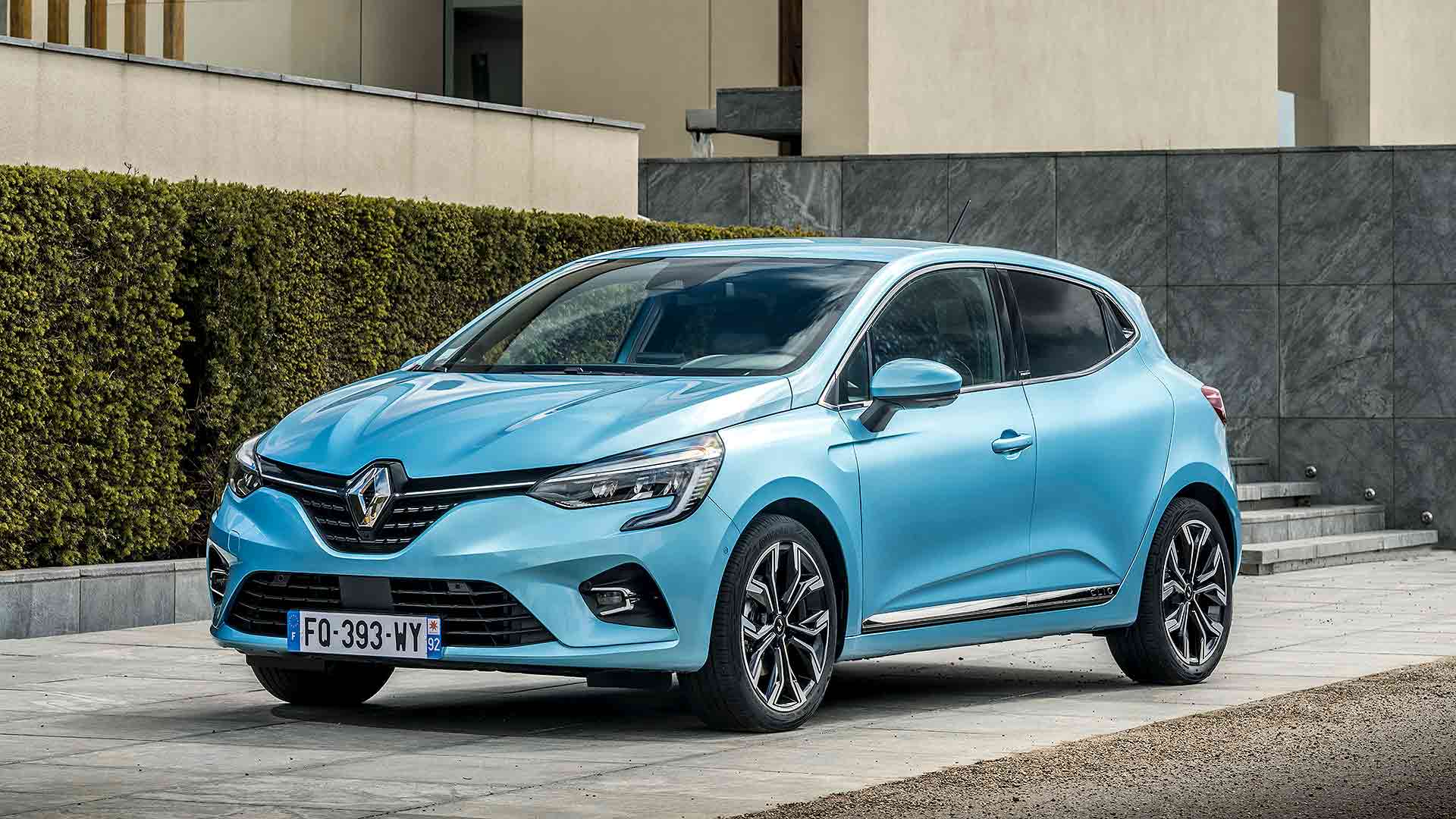
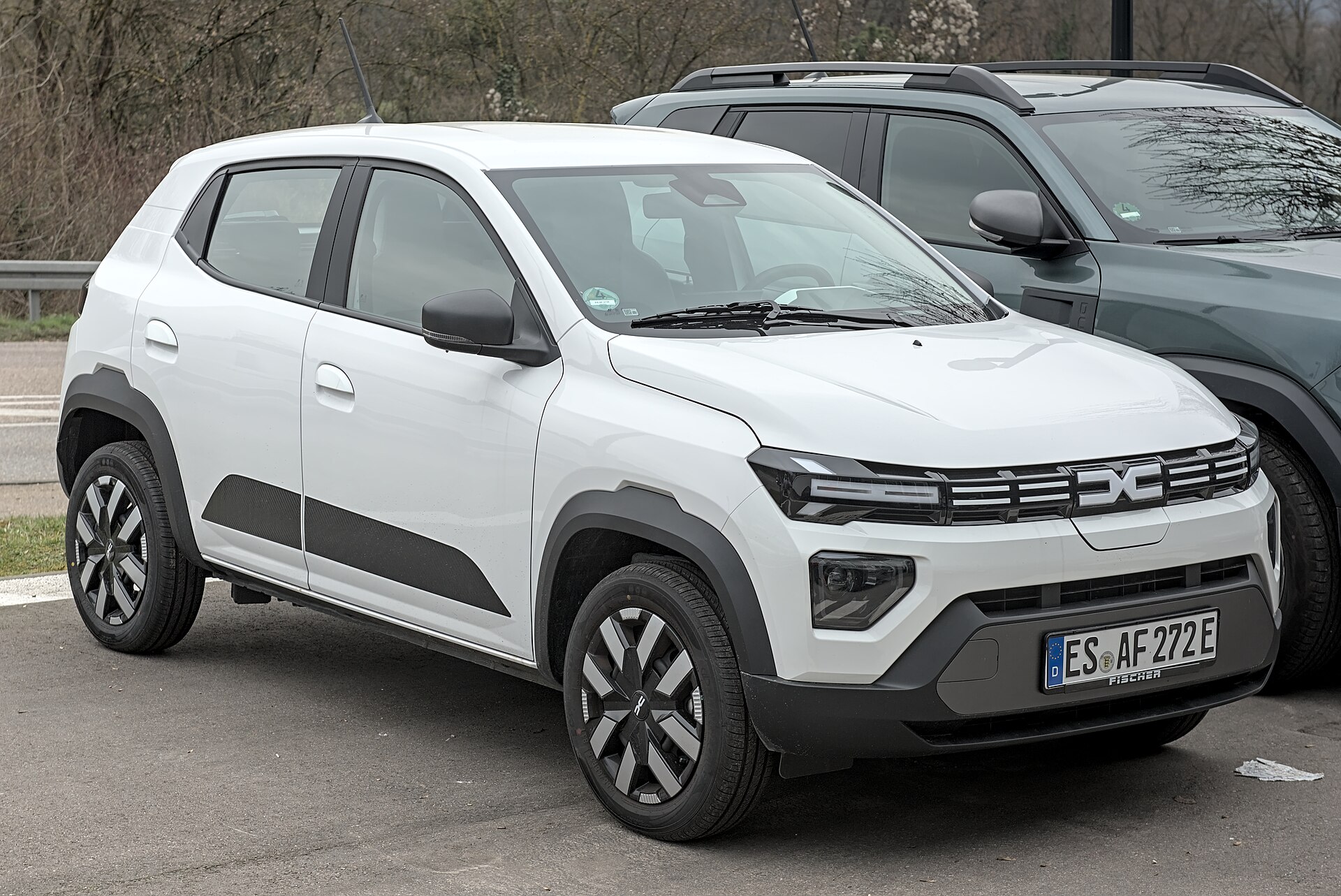
Used cars to avoid in 2026: seven models with high breakdown rates
Every April ADAC, Germany's motoring club, publishes breakdown statistics based on the call-outs of its road patrols. The 2026 edition covers cars first registered from 2016 to 2023 and names 16 model series, by registration year, as less reliable than their class. This list explains seven of them that have a model page on 1cars: which years are affected, what usually failed, and what to check before buying one.
A high breakdown rate does not make every car of that model a bad buy. It shows a pattern that is worth checking, often a single weak point such as the 12-volt starter battery, which caused 45.4 per cent of all ADAC call-outs in 2025. A car with a documented fix and a full service history can still be a sound choice.
Quick picks
- Highest rate in this list: Toyota RAV4 – 53.7 breakdowns per 1,000 cars for 2020 registrations.
- One bad year: Ford Kuga – 42.6 per 1,000 for 2021, 5.6 for 2023.
- Longest list of faults: Opel Insignia – starter battery, turbocharger lines and more.
- Easiest to check: Toyota Corolla – the starter battery is the main fault.
| Model | Years ADAC rates as less reliable | Breakdowns per 1,000 (worst year) | Main faults named by ADAC |
|---|---|---|---|
| Toyota RAV4 | 2017–2022 | 53.7 (2020) | Starter battery, vehicle electrics (2019) |
| Opel Insignia | 2016–2019, 2022 | 45.0 (2016) | Starter battery, turbocharger and charge-air lines, fuel pump, particulate filter |
| Renault Scénic | 2018–2019 | 43.7 (2019) | Starter battery, fuse and relay box, thermostat |
| Ford Kuga | 2021 | 42.6 (2021) | Starter battery |
| Opel Meriva | 2016–2017 | 36.0 (2017) | Starter motor, water pump, coolant hoses, immobiliser |
| Nissan Qashqai | 2019 | 33.3 (2019) | Starter battery, engine cooling, thermostat |
| Toyota Corolla | 2023 | 24.4 (2023) | Starter battery, vehicle electrics |
For comparison, ADAC reports 2.1 breakdowns per 1,000 for two-year-old electric cars and 5.8 for two-year-old combustion cars. For used estate cars with their known weak points explained, see the best used diesel estates.
-
1. Toyota RAV4
Check the 12-volt battery first
- Production years
- 1994–present
- Body type
- SUV, Convertible
- Fuel
- Petrol, Diesel, Hybrid, Plug-in hybrid
- Power output
- 91–225 kW (124–306 PS)
ADAC rates the RAV4 as less reliable for six registration years, 2017 to 2022, covering the end of the fourth generation and most of the fifth (XA50). The worst year is 2020, with 53.7 breakdowns per 1,000 cars, the highest rate in this list; 2022 cars still reach 31. ADAC names the starter battery as the recurring fault for every year from 2016 to 2023, and general vehicle electrics for 2019. The hybrid system itself is not listed. What to check: the age and condition of the 12-volt battery, and any related software updates.
Pros
- Hybrid drive not named as a frequent fault
- Five-star Euro NCAP (XA50, 2019)
Cons
- 53.7 breakdowns per 1,000 for 2020 registrations
Spec sheet: Toyota RAV4 XA60 2.5 Hybrid FWD 135 kW (184 PS)
Full review: Toyota RAV4 -
2. Opel Insignia
Most faults named by ADAC
- Production years
- 2008–2022
- Body type
- Sedan, Liftback, Station wagon
- Fuel
- Petrol, Diesel
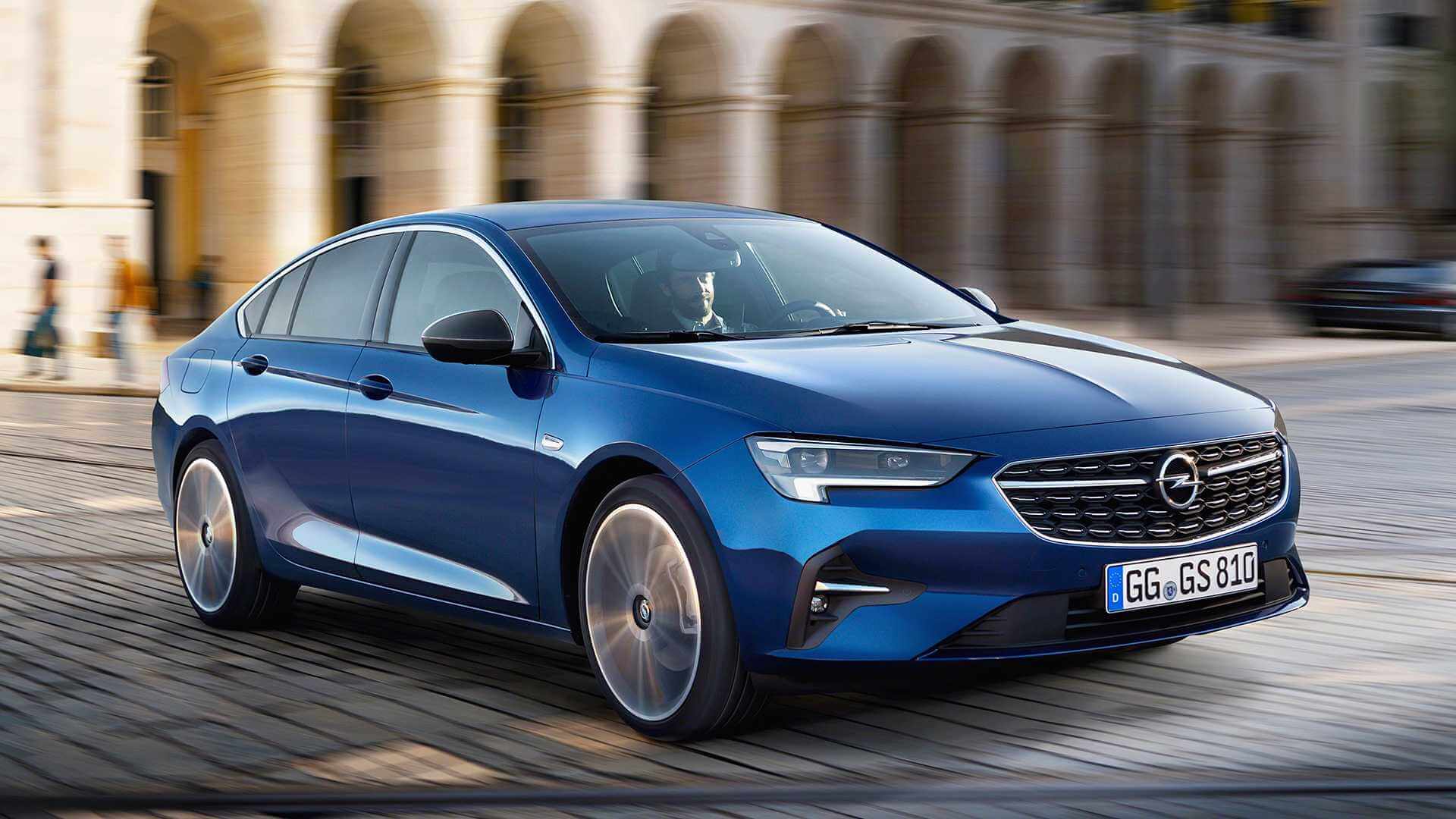
The Insignia appears for five registration years: 2016 to 2019 and 2022, spanning the facelifted first generation and the second (Insignia B). Rates range from 45 per 1,000 for 2016 cars to 30.5 for 2022. ADAC lists more recurring faults than for any other model here: the starter battery (2016–2022), turbocharger, intake and charge-air lines (2016–2020), the fuel pump (2017), the particulate filter (2019), and CAN-bus and general electrics (2016). What to check: boost leaks, diesel particulate filter condition and the battery.
Full review: Opel InsigniaPros
- Rate falls from 45 (2016) to 30.5 (2022) per 1,000
- 2020 and 2021 registrations not flagged
Cons
- Turbocharger and charge-air line faults on 2016–2020 cars
-
3. Renault Scenic IV
Watch the electrics on 2018–2019 cars
- Production years
- 2016–2022
- Body type
- Minivan / MPV
- Fuel
- Petrol, Diesel, Hybrid
- Power output
- 81–118 kW (110–160 PS)
ADAC rates the fourth-generation Scénic as less reliable for 2018 and 2019 registrations. Its breakdown rate rises from 33.1 per 1,000 for 2017 cars to 43.7 for 2019, the third-highest worst-year figure in this list. Besides the starter battery (2016–2020), ADAC names the fuse and relay box (2017–2018), the starter motor and general electrics (2017), engine cooling and the thermostat (2018). What to check: warning lights, starting behaviour from cold, coolant level and the battery.
Full review: Renault Scenic IVPros
- Five-star Euro NCAP (2016)
- 2017 registrations not flagged
Cons
- 43.7 breakdowns per 1,000 for 2019 registrations
-
4. Ford Kuga III
Be wary of 2021 cars
- Production years
- 2019–present
- Body type
- SUV
- Fuel
- Petrol, Diesel, Hybrid, Plug-in hybrid
- Power output
- 88–165 kW (120–224 PS)
The third-generation Kuga had one particularly weak year. For cars first registered in 2021, ADAC records 42.6 breakdowns per 1,000, and 35 for 2020, compared with 19.5 for 2022 and only 5.6 for 2023. The fault ADAC names is again the starter battery, listed for 2016 to 2022. A later Kuga III is therefore a very different proposition from a 2021 car. What to check: the registration date, the battery and whether all recalls and workshop campaigns were carried out.
Full review: Ford Kuga IIIPros
- 5.6 breakdowns per 1,000 for 2023 registrations
- Five-star Euro NCAP (2019)
Cons
- 42.6 breakdowns per 1,000 for 2021 registrations
-
5. Opel Meriva B
Oldest car on the list
- Production years
- 2010–2017
- Body type
- Minivan / MPV
- Fuel
- Petrol, Diesel
The Meriva B small MPV was built until 2017, and ADAC rates its last two registration years, 2016 and 2017, as less reliable, with 35.7 and 36 breakdowns per 1,000. The faults ADAC names for these years read like a checklist for an ageing car: starter motor, water pump, coolant and heater hoses, thermostat, immobiliser and starter battery. These cars are now nine to ten years old. What to check: cooling system condition, signs of coolant loss and how reliably the car starts.
Full review: Opel Meriva BPros
- 36 per 1,000, below the four worst models here
- Faults are mostly cooling and starting parts
Cons
- Water pump, hoses and immobiliser faults on 2016–2017 cars
-
6. Nissan Qashqai J11
Check cooling on 2019 cars
- Production years
- 2013–2021
- Body type
- SUV
- Fuel
- Petrol, Diesel
- Power output
- 81–120 kW (110–163 PS)
Only one year of the Qashqai is flagged: 2019, the facelifted J11, with 33.3 breakdowns per 1,000 cars. For that year ADAC also names general engine cooling and the thermostat, on top of the starter battery that recurs from 2016 to 2023. The newer J12 generation does much better, at 13.6 per 1,000 for 2021 cars and 11.3 for 2023. What to check on a 2019 car: coolant level and leaks, the thermostat and temperature gauge behaviour, and the battery.
Pros
- J12 generation much better (11.3 per 1,000 for 2023)
- Five-star Euro NCAP (J11, 2014)
Cons
- Engine cooling and thermostat faults on 2019 cars
Spec sheet: Nissan Qashqai J11 1.2 l 85 kW (116 PS)
Full review: Nissan Qashqai J11 -
7. Toyota Corolla E210
Mostly a battery issue
- Production years
- 2018–present
- Body type
- Sedan, Hatchback, Station wagon
- Fuel
- Petrol, Hybrid
- Power output
- 85–144 kW (116–196 PS)
ADAC flags only 2023 Corollas, with 24.4 breakdowns per 1,000 cars; 2022 cars recorded 15.2. As with the RAV4, the starter battery is the recurring fault (2019–2023), plus general electrics for 2023. ADAC notes that Toyota says newer production has improved, but its 2025 figures did not yet show it. The full-hybrid drive is not named. What to check: a battery test, the date the battery was last replaced and any Toyota service campaigns.
Pros
- Lowest worst-year rate in this list
- Five-star Euro NCAP (2019)
Cons
- 24.4 breakdowns per 1,000 for 2023 registrations
Spec sheet: Toyota Corolla E210 1.2 Turbo 85 kW (116 PS)
Full review: Toyota Corolla E210



How we chose
Selection. The list includes every model that the ADAC Pannenstatistik 2026 rates as less reliable and that has a published model page on 1cars. The other models on ADAC's list, the Toyota Yaris and Yaris Cross, Toyota C-HR, Mazda 3, Mazda CX-30, Ford S-Max and Hyundai Ioniq 5, have no 1cars model page yet; the Renault Master and Fiat Ducato vans are outside the scope of a car list.
Data sources. The ratings, the method and the share of breakdown causes come from the ADAC Pannenstatistik 2026 report of 23 April 2026. Breakdown rates by registration year and the faults that recur for each model come from the ADAC Autokatalog model pages, accessed in October 2026. ADAC counts only technical breakdowns that its patrols attend, and analyses a model only when enough cars are registered; driver errors such as an empty tank and tyre damage are excluded.
Ranking. The order follows the highest breakdown rate within the years ADAC flags, with the number of affected years as a tie-breaker. The statistic says nothing about repair costs or about cars outside Germany, so it is a reason to inspect a car carefully, not a verdict on every example. The 1cars pages for the Toyota RAV4 and the Ford Kuga cover their generations in detail.
Frequently asked questions
Which used cars are the least reliable according to ADAC?
The ADAC Pannenstatistik 2026 names 16 model series as less reliable for certain registration years, among them the Toyota RAV4 (2017–2022), Opel Insignia (2016–2019 and 2022), Ford Kuga (2021), Nissan Qashqai (2019), Renault Scénic (2018–2019) and Toyota Corolla (2023).
What is the most common cause of breakdowns?
The 12-volt starter battery. It caused 45.4 per cent of ADAC call-outs in 2025, up from 44.9 per cent the year before. Engines and engine electronics followed with 21.8 per cent, and starter, alternator, wiring and lighting with 10.4 per cent.
Why do Toyota hybrids appear on the list?
Mostly because of the 12-volt starter battery, according to ADAC. Toyota says newer production has improved, but the 2025 figures did not yet show it. The hybrid drive itself is not named as a frequent fault on the RAV4 and Corolla pages.
Are electric cars more reliable than petrol and diesel cars?
In ADAC's figures, yes. Two-year-old electric cars broke down 2.1 times per 1,000 vehicles, against 5.8 for combustion cars, and five-year-old electric cars about 40 per cent less often. ADAC lists the Tesla Model 3 and Model Y among the best mid-size models.
Should I never buy one of these cars?
Not necessarily. Many of the faults named by ADAC, such as a weak starter battery or a failed thermostat, involve parts that can be replaced, and a car where this has been done may be fine. Ask for the service history, have the battery and cooling system tested, and check that recalls and updates were done.