 Mercury Montego
All generations, specs and history
Published Sources (1) Report an error
By Felix Hartmann, Automotive Technology & EV Contributor
- Built
- 1968–2007
- Generations
- 2
- Top power
- 151 kW (205 PS)
Timeline
Montego generations
Click a generation for its own page
- Montego II 1972–1976 · Sedan, Station wagon
- Montego III 2005–2007 · Sedan · 151 kW (205 PS)
Newest first · 2 generations since 1972


All generations by year: Montego III (2005–2007) · Montego II (1972–1976)
Which one is mine?
Pick the year of first registration to see which generation it is.
- Montego III 2005–2007
- Montego II 1972–1976
Which Montego to choose
Our verdict · Felix Hartmann
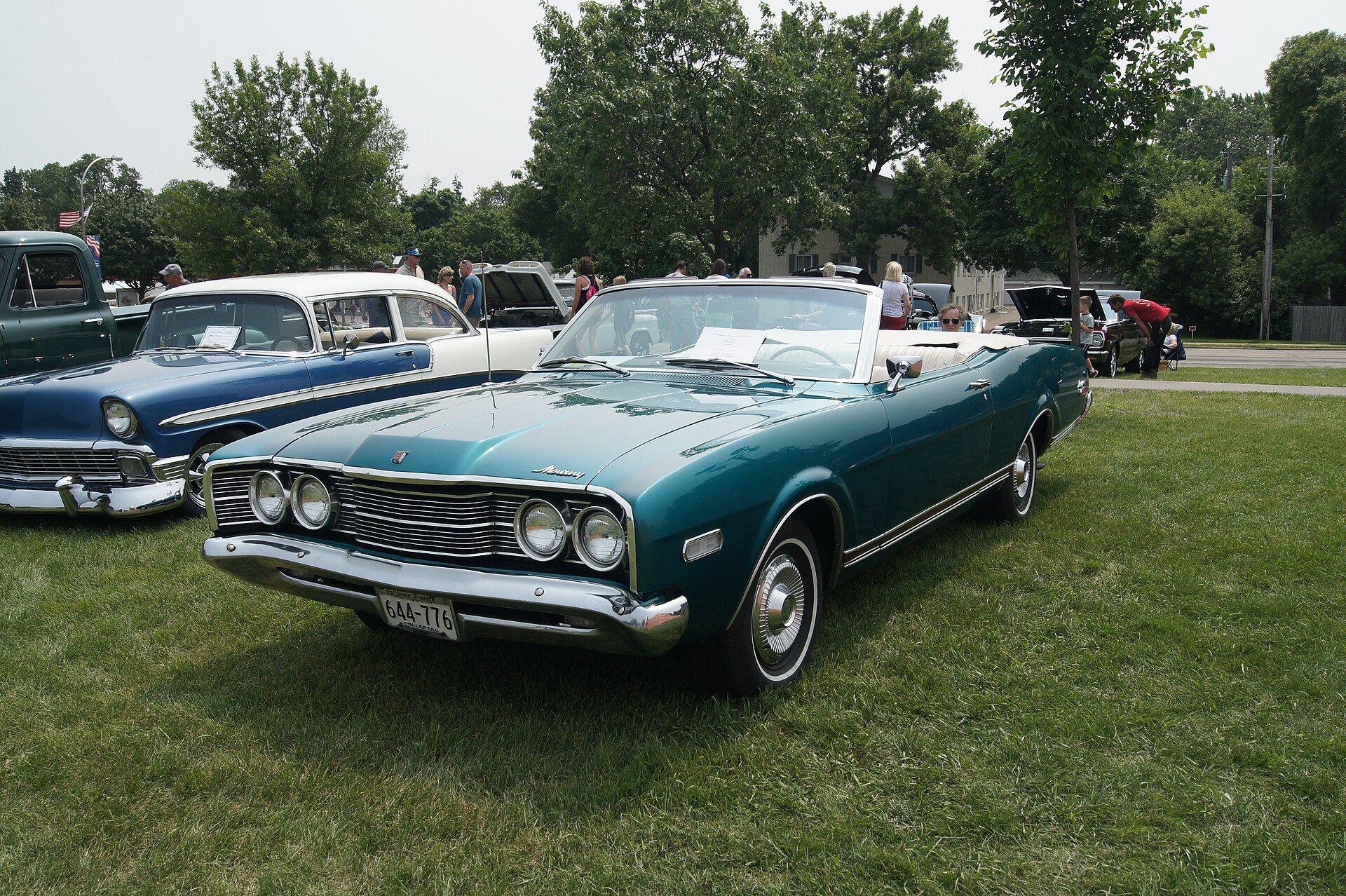
For a classic, the 1972–1973 Montego GT fastback is the most distinctive version, and the 1968–1969 convertibles are the only open Montegos. A 1972 Cyclone package car, with 30 built, is a rarity for specialists. The 1974–1976 cars, with the 460 V8 available from 1974, appeal mainly to fans of 1970s American style. The 2005–2007 Montego is a practical used sedan with a large boot and the option of all-wheel drive; front-wheel-drive cars use the six-speed automatic, all-wheel-drive cars the CVT. To compare it with its twins and rivals, use the 1cars comparison tool.
The Mercury Montego is a name that Ford's Mercury division used for two very different cars. From the 1968 to the 1976 model year it was Mercury's mid-size range, the sister of the Ford Torino, with hardtops, sedans, wagons and the fastback Montego GT. From 2005 to 2007 it returned as a front-wheel-drive full-size sedan on the Volvo-derived D3 platform, the Mercury version of the Ford Five Hundred, before it was renamed Sable for 2008.
In short
- Mid-size Montego 1968–1976 (two generations), full-size Montego 2005–2007 (one generation).
- The 1968–1976 cars offered inline-sixes and V8s from 302 to 460 cu in; the 2005–2007 car had a 3.0-litre V6 with 151 kW (203 hp).
- The 1972 redesign moved to a body-on-frame chassis, and sales rose 136% over 1971.
- US sales of the 2005–2007 Montego came to 63,068 cars from 2004 to 2007.
Mercury Montego at a glance
| Item | Details |
|---|---|
| Maker | Mercury (Ford Motor Company), North America |
| Production | 1968–1976 and 2004–2007 (model years 2005–2007) |
| Class | mid-size (1968–1976); full-size (2005–2007) |
| Bodies | 2-door hardtop, convertible (1968–1969), fastback (Montego GT), 4-door sedan and hardtop, station wagon; sedan only from 2005 |
| Layout | front engine, rear-wheel drive (1968–1976); front-wheel drive or all-wheel drive (2005–2007) |
| Ford twins | Ford Torino / Gran Torino; Ford Five Hundred |
| Plants | Atlanta, Lorain, Milpitas, Oakville; Chicago (2005–2007) |
| Successor | Mercury Cougar (1977, mid-size); Mercury Sable (2008) |
Mercury's other models are in the Mercury history on 1cars, which follows the brand from 1938 to 2011.
Montego generations
| Generation | Code | Years | Body styles | Engines | Power (kW / hp) |
|---|---|---|---|---|---|
| 1st | - | 1968–1971 | hardtop, convertible, sedan, wagon | 200/250 I6; 302–429 V8 | not given in the sources |
| 2nd | - | 1972–1976 | hardtop, pillared hardtop, sedan, wagon, GT fastback | 250 I6; 302–460 V8 | not given in the sources |
| 3rd | D333 | 2005–2007 | four-door sedan | 3.0 Duratec V6 | 151 / 203 |
The name first appeared for 1967 in Canada, as part of the Mercury Meteor line, before it became a model of its own in the United States.
The Torino's Mercury sister: 1968–1971
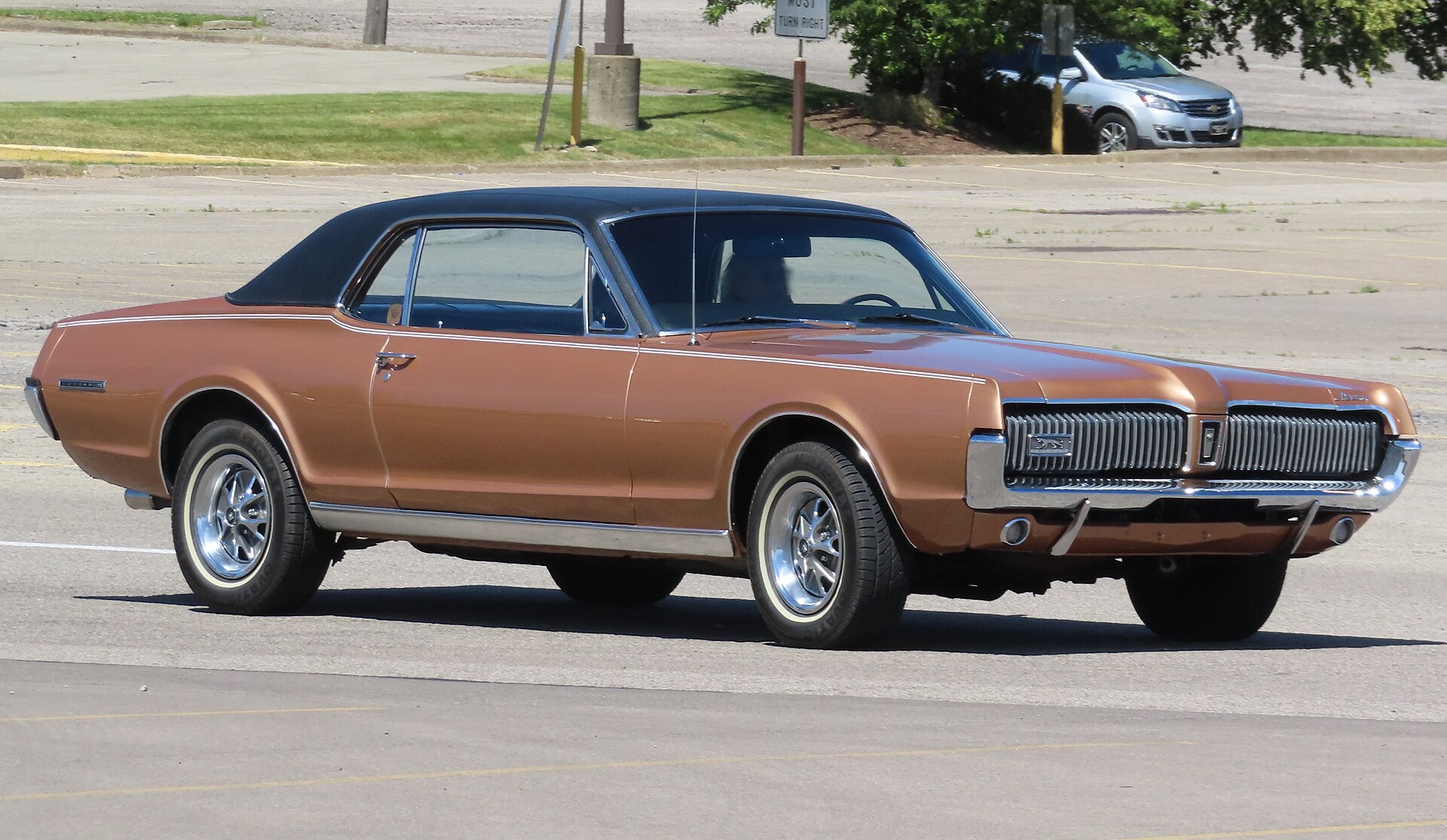
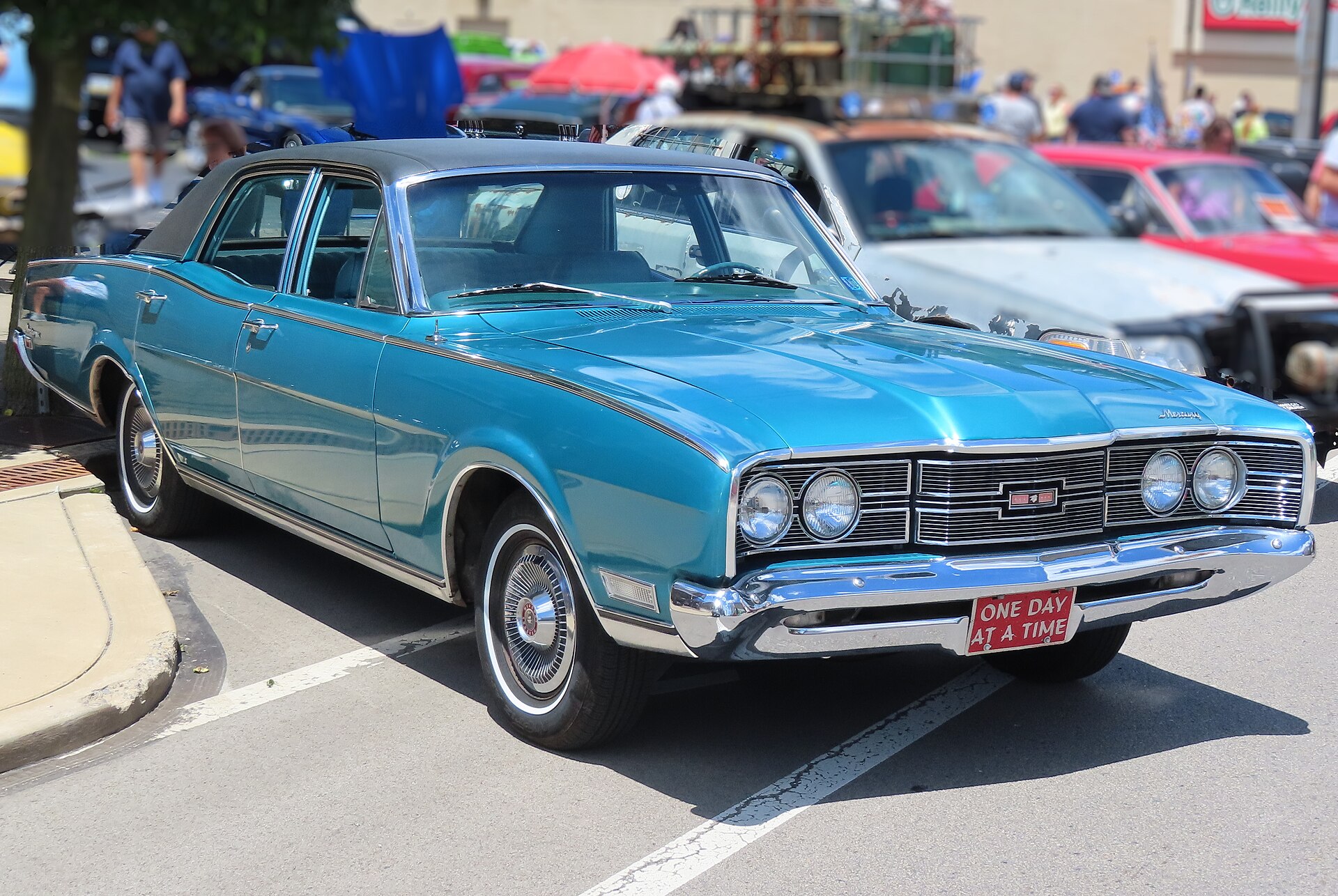
For 1968 Mercury replaced the Comet Capri and Caliente with the Montego, built on the same unibody platform as the Ford Torino. Buyers could choose a two-door hardtop, a convertible, a four-door sedan or a five-door wagon in three trims: Montego, Montego MX and the more luxurious MX Brougham. The performance version, the Cyclone, was sold as a separate line from 1968 and joined the Montego range during 1971.
Engines started with the 200 cu in (3.3-litre) six, replaced as standard by the 250 cu in (4.1-litre) six in 1969, and V8s of 302, 351, 390, 428 Cobra Jet and 429 cu in. For 1970 the 390 and 428 gave way to the 429, the 351 was replaced by a new engine of the same size, the wheelbase grew by one inch (25 mm) and the convertible was dropped. The MX Villager wagon, the wagon counterpart of the MX Brougham, joined in 1970. For 1971 the Montego received an egg-crate grille, and the 429 left the list, so the 351 Cleveland became the most powerful V8.
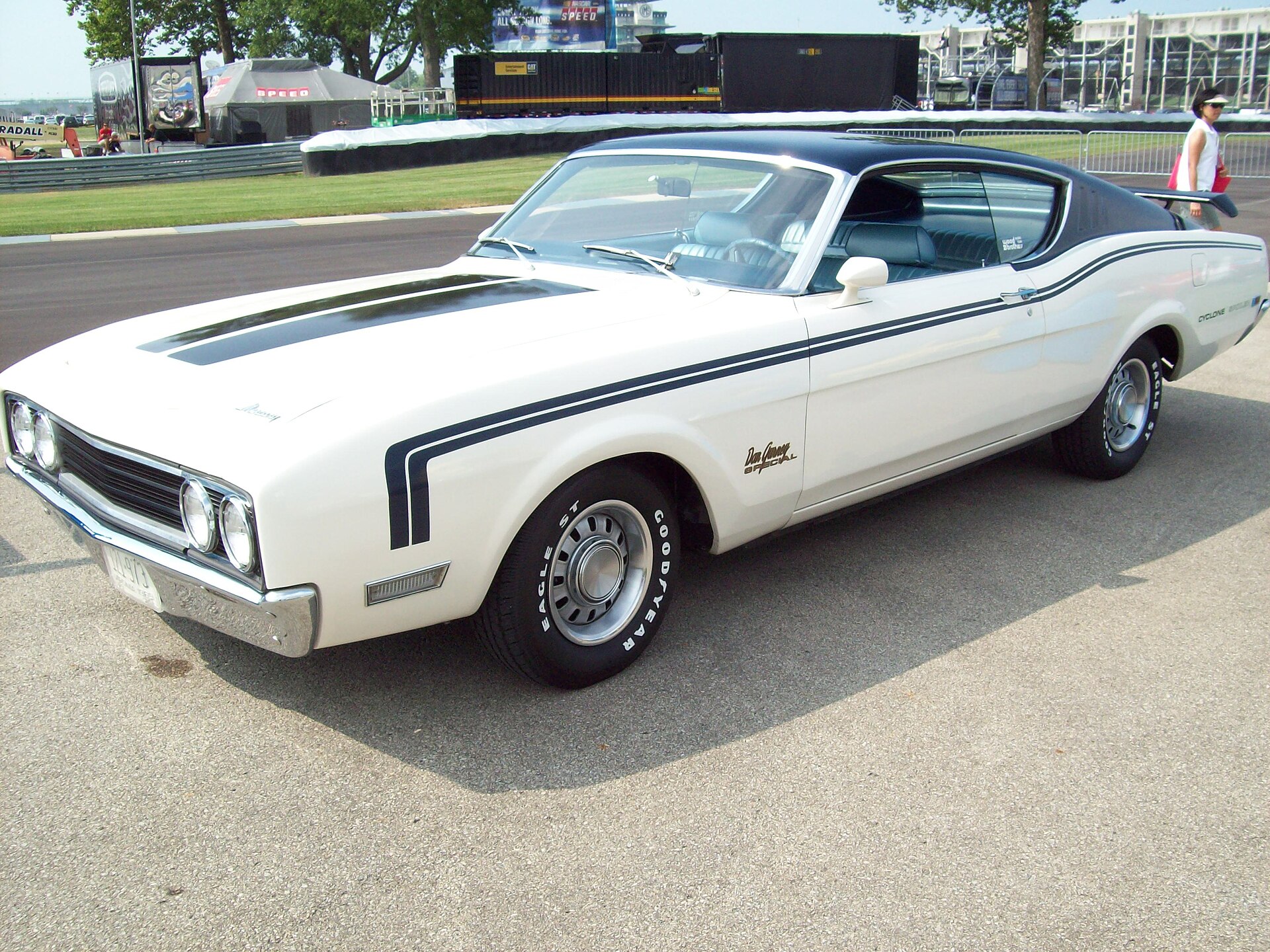
In NASCAR, the Mercury bodies of these years were a serious force. Wikipedia credits the nose of the 1968 Cyclone fastback as the main reason it was slightly faster than its Ford counterpart, and Cale Yarborough won the Daytona 500 in a Wood Brothers Cyclone. More of that story is told in the article on the Mercury Cyclone.

Body-on-frame and the Montego GT: 1972–1976
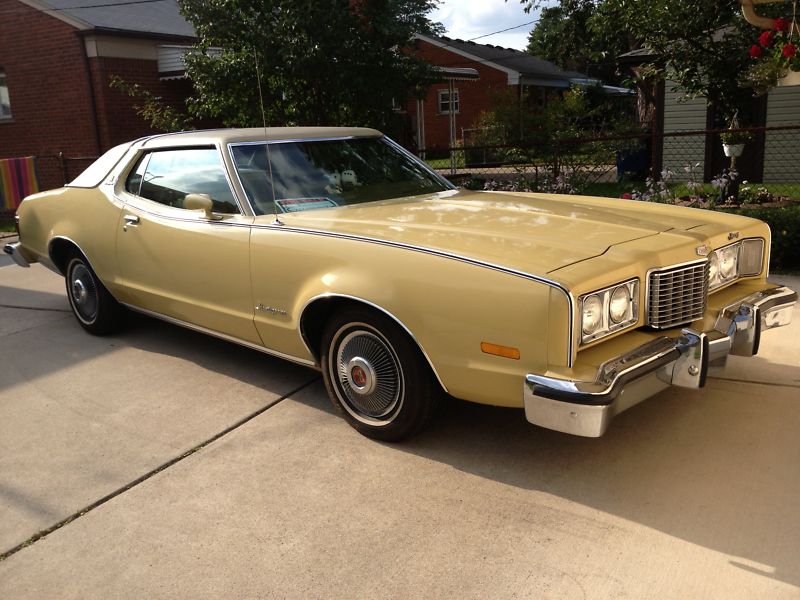
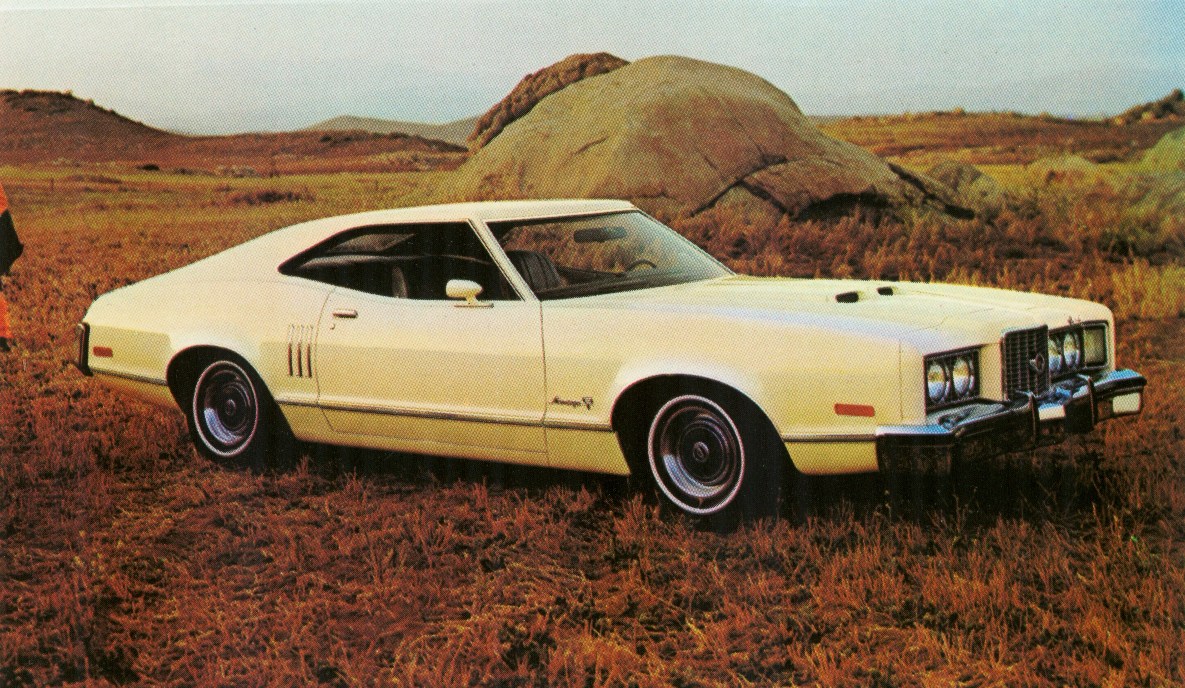
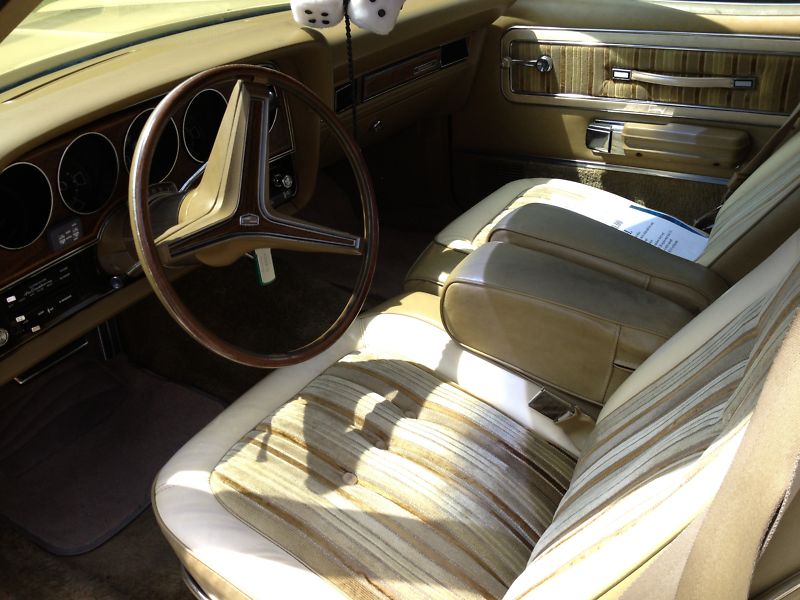
The 1972 Montego was redesigned with the new Ford Gran Torino. It moved from unibody to body-on-frame construction with a split wheelbase: 114 in (2,896 mm) for two-door hardtops and 118 in (2,997 mm) for four-door models and wagons. Pillared hardtops replaced the true four-door hardtops. The trims were Montego, MX, MX Brougham, MX Villager and GT.
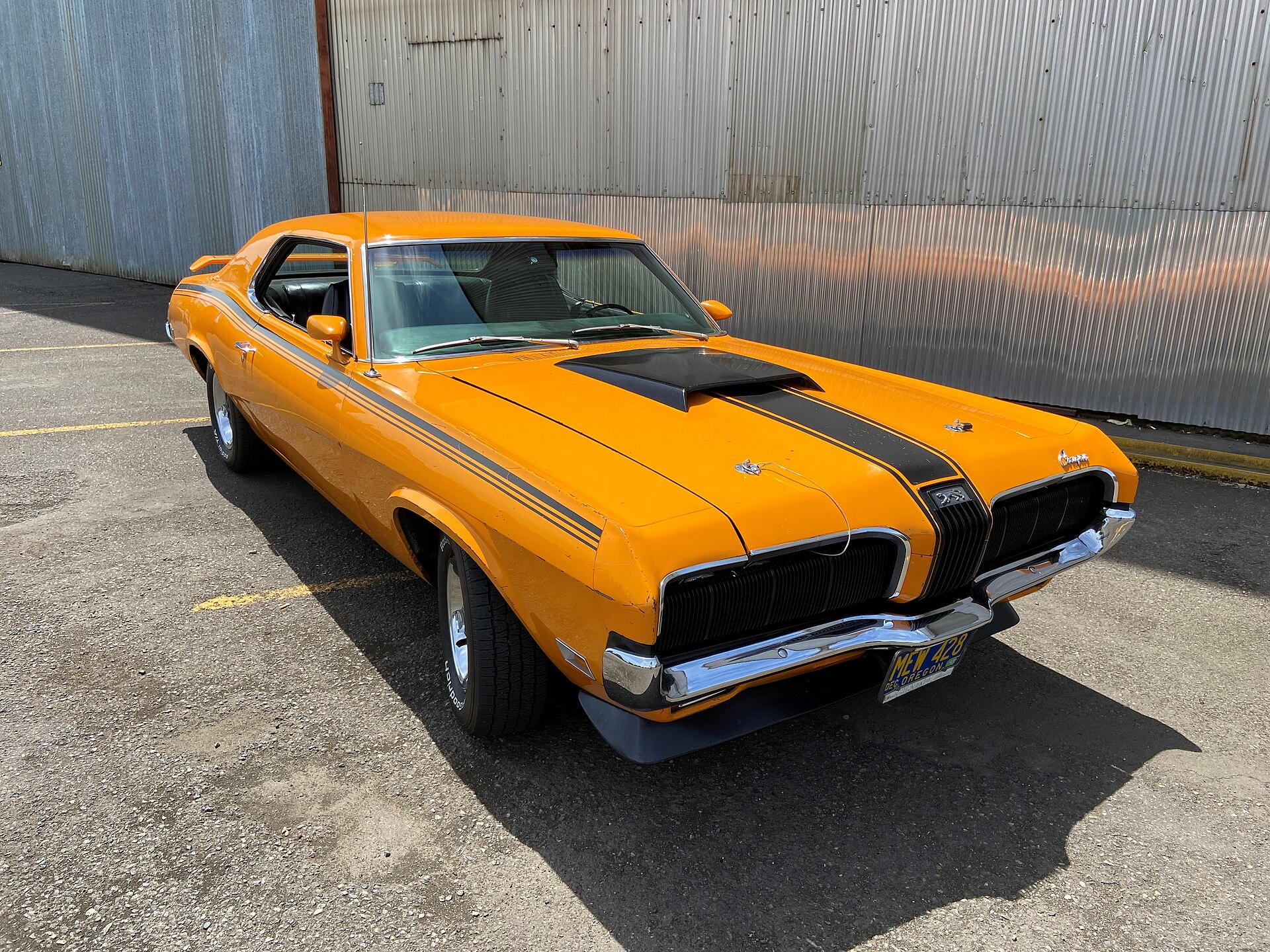
The Montego GT of 1972–1973 was a fastback, the counterpart of the Gran Torino SportsRoof, and it replaced the Cyclone, which survived for 1972 only as an option package with just 30 cars built. Engines were the 250 six and V8s of 302, 351, 400 and, from 1974, 460 cu in; for 1975 the six and the 302 were dropped and the 351 became standard.
The new car was a success at first. Sales in 1972 rose 136% over 1971; the MX Brougham two-door grew by 897% and the four-door by 1,021%. After the 1973 oil crisis demand for large mid-size cars fell. For 1974 the Mercury Cougar XR7 moved onto the Montego's two-door body, and for 1977 the Montego itself was replaced by the fourth-generation Cougar, while the Torino became the Ford LTD II.


The full-size Montego of 2005–2007
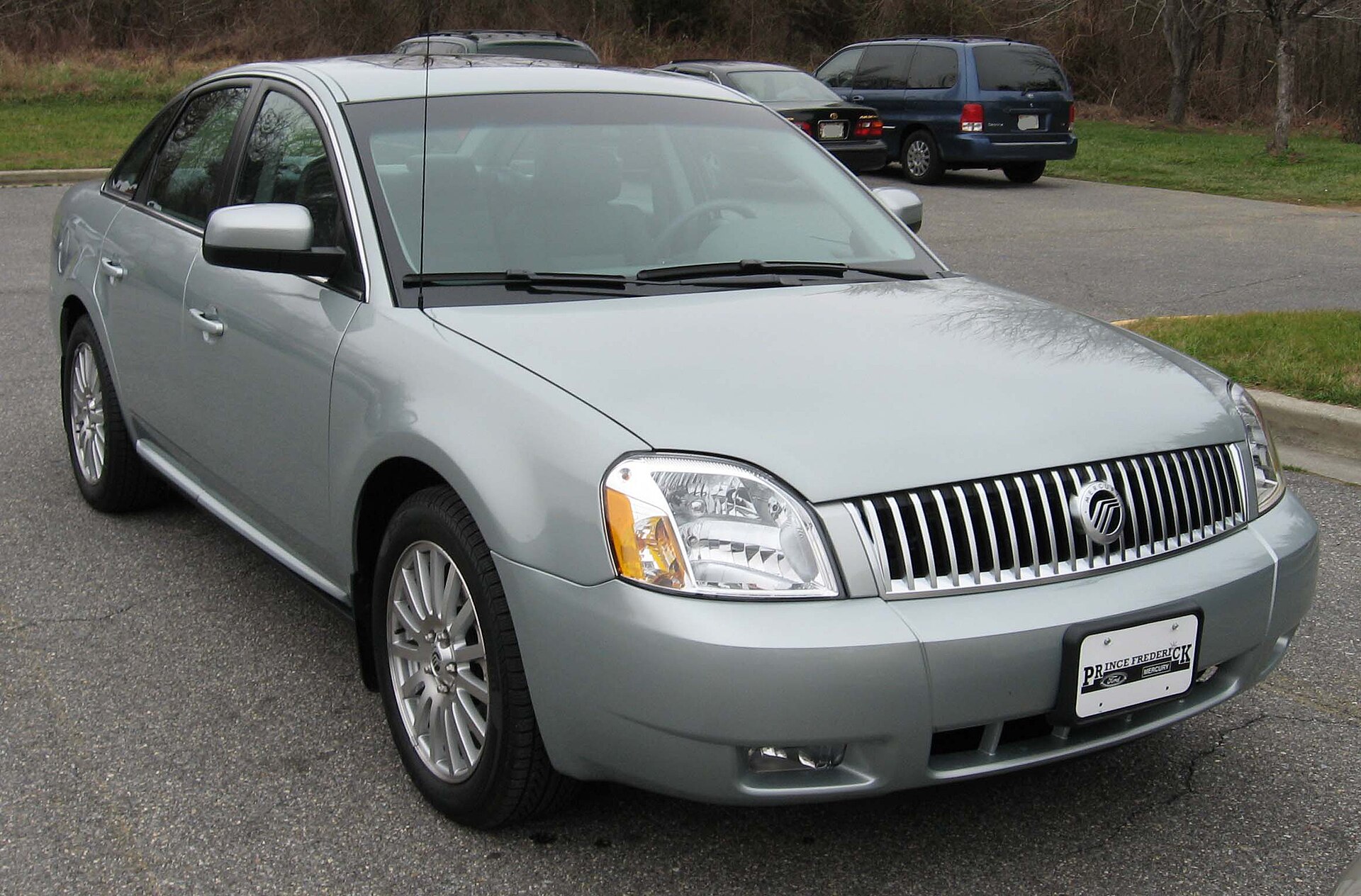
The name returned after almost 30 years on a very different car. Production began at Chicago Assembly on 12 July 2004, next to the Ford Five Hundred and Freestyle. The new Montego used the Ford D3 platform, developed with Volvo, the first full-size Ford platform with front-wheel drive; all-wheel drive was optional. It was placed above the Milan and below the Grand Marquis, and according to Wikipedia its wheelbase was about two inches shorter than the Grand Marquis's while the car weighed nearly 500 lb (227 kg) less.
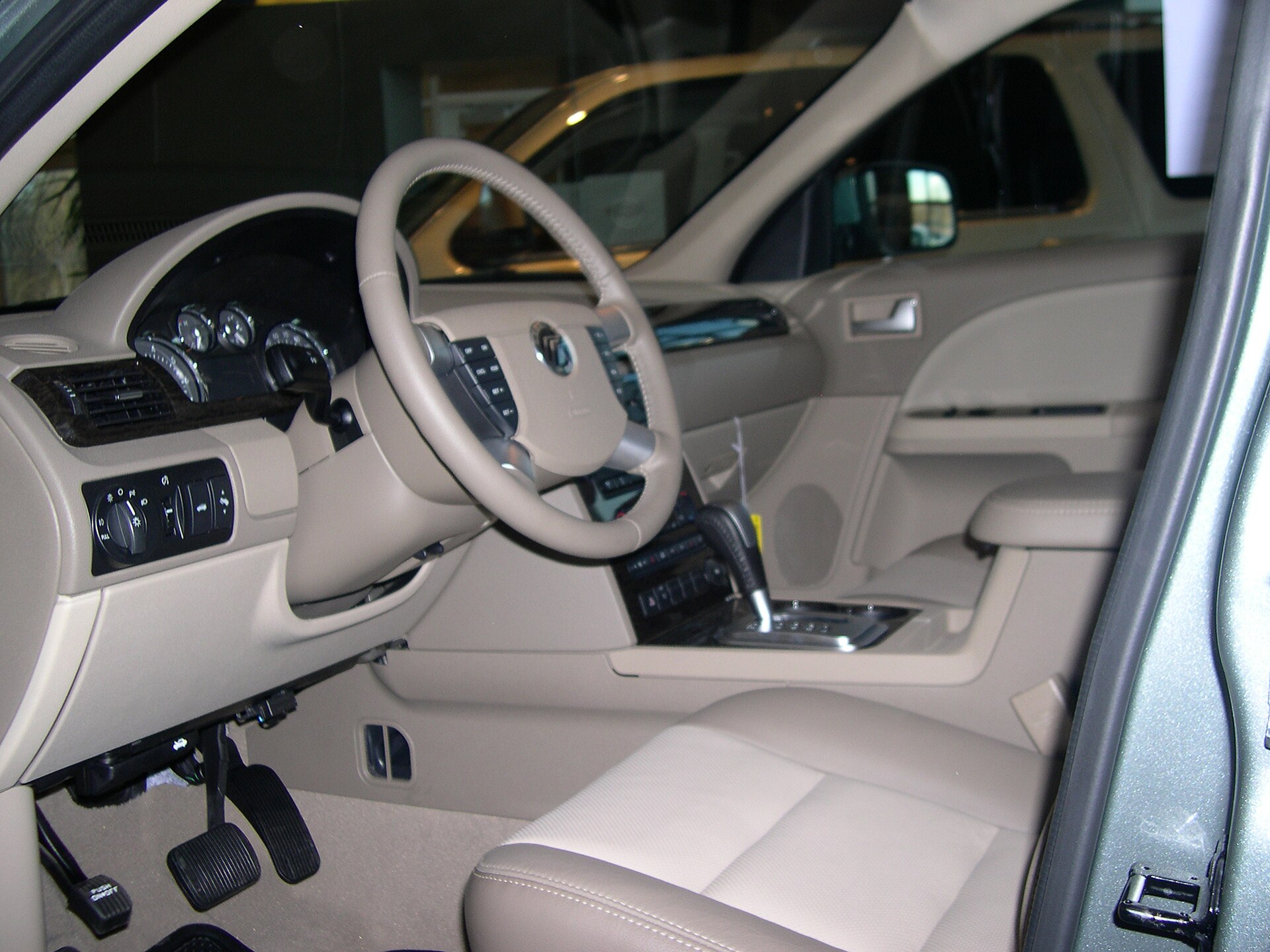
The only engine was the 3.0-litre Duratec V6 with 151 kW (203 hp). Front-wheel-drive cars used an Aisin six-speed automatic, all-wheel-drive cars a ZF Batavia continuously variable transmission (CVT). There were two trims: Luxury, with cloth seats and optional leather, and Premier, with leather, optional all-wheel drive and a sunroof. HID headlamps and LED tail lamps were standard, side-impact protection came from Volvo's SIPS design, and the boot held 21 cu ft (595 l). A raised "Command Seating" position gave a higher view of the road.
| Year | US sales |
|---|---|
| 2004 | 2,974 |
| 2005 | 27,007 |
| 2006 | 22,332 |
| 2007 | 10,755 |

From Montego to Sable
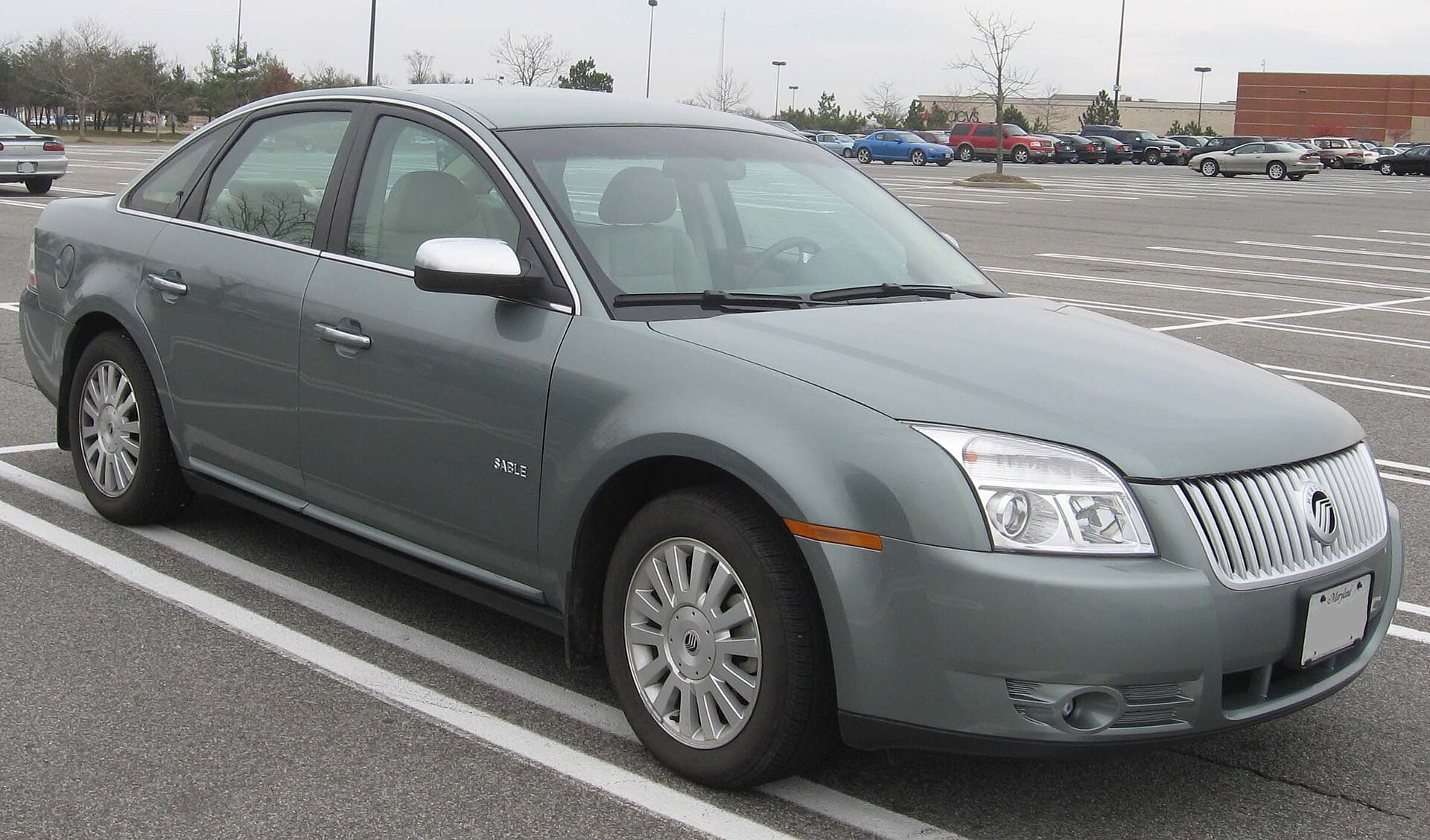
For 2008 the car received a 3.5-litre V6 with 196 kW (263 hp) and a Ford six-speed automatic. Before production started, Mercury renamed it Sable, the name of the car the Montego had replaced, and the Ford Five Hundred became the Ford Taurus.

Photo gallery


Mercury Montego in our rankings
- No. 92 of 174 · Most powerful sedans (151 kW · top 53%)
- No. 128 of 201 · Most powerful cars of the 2000s (151 kW · top 64%)
- No. 666 of 1011 · Most powerful cars (151 kW · top 66%)
- No. 137 of 168 · Most powerful American cars (151 kW · top 82%)
- No. 993 of 1082 · Longest-running car nameplates (2 years · top 96%)
- No. 317 of 411 · Cars with the most generations (2 generations)
More powerful than 47% of ranked sedans in the 1CARS catalog (No. 92 of 174).
Mercury Montego photos 7
FAQ
How many generations of the Mercury Montego are there?
Three: 1968–1971 and 1972–1976 (mid-size, rear-wheel drive) and 2005–2007 (full-size, front- or all-wheel drive).
What is the Ford equivalent of the Mercury Montego?
The Ford Torino and Gran Torino for 1968–1976, and the Ford Five Hundred for 2005–2007.
Was the 2005–2007 Montego available with all-wheel drive?
Yes. All-wheel drive was optional and came with a ZF continuously variable transmission.
What replaced the Mercury Montego?
The Mercury Cougar replaced it for 1977; the 2005–2007 Montego was renamed Mercury Sable for 2008.
What engine does the 2005–2007 Montego have?
A 3.0-litre Duratec V6 with 151 kW (203 hp).
Data sources
Data checked by an editor against the sources below.