 Ford Explorer
All generations, specs and history
Published Sources (2) Report an error
By Felix Hartmann, Automotive Technology & EV Contributor
- Built
- 1990–present
- Generations
- 6
- Top power
- 336 kW (457 PS)
Timeline
Explorer generations
Click a generation for its own page


UN105 and U152 overlapped in 2001–2003, so U152 sits on a second lane
- Explorer I UN46 1990–1994 · SUV · 116–120 kW (158–163 PS)
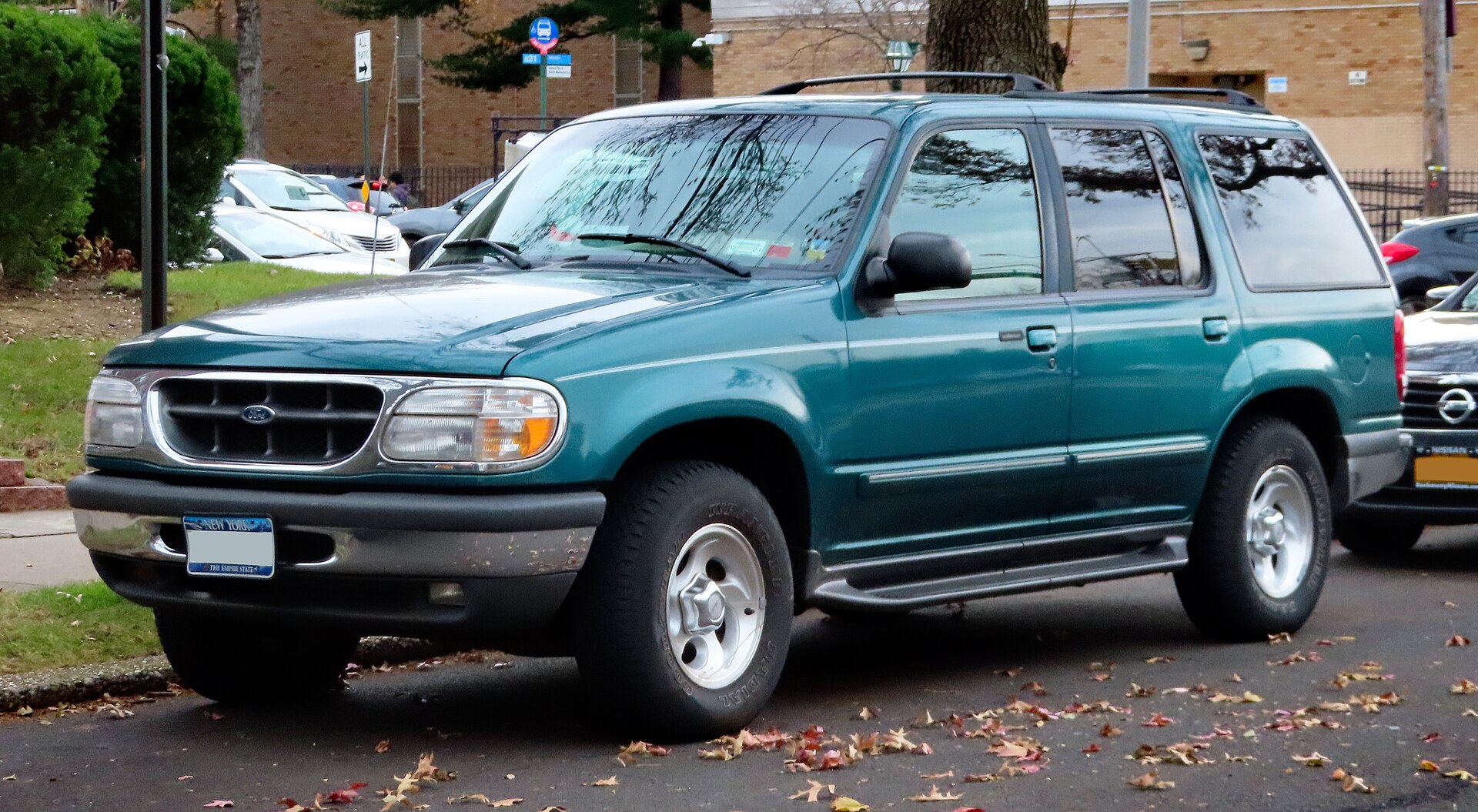
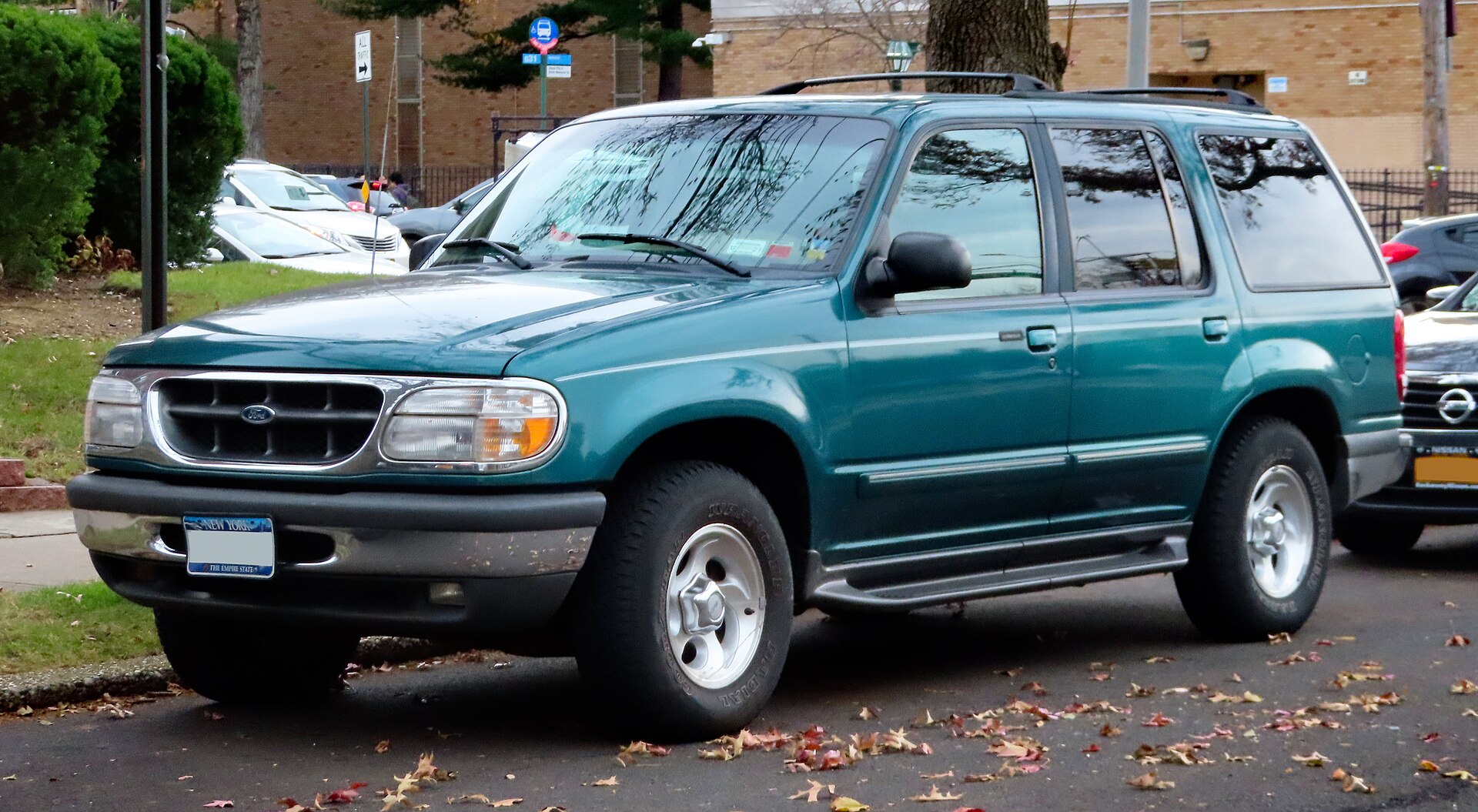
- Explorer UN105 1994–2003 · SUV · 119–160 kW (162–218 PS)
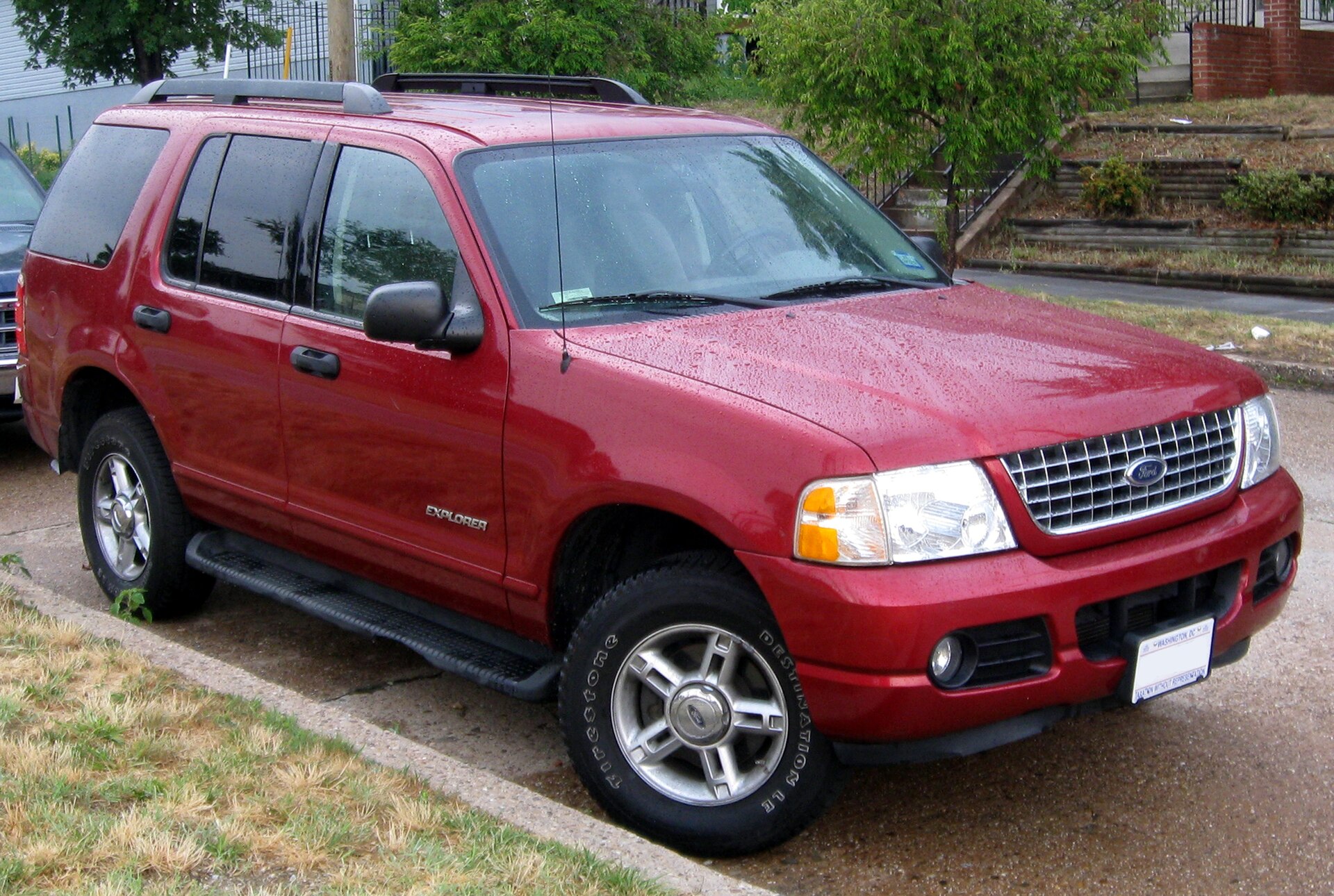
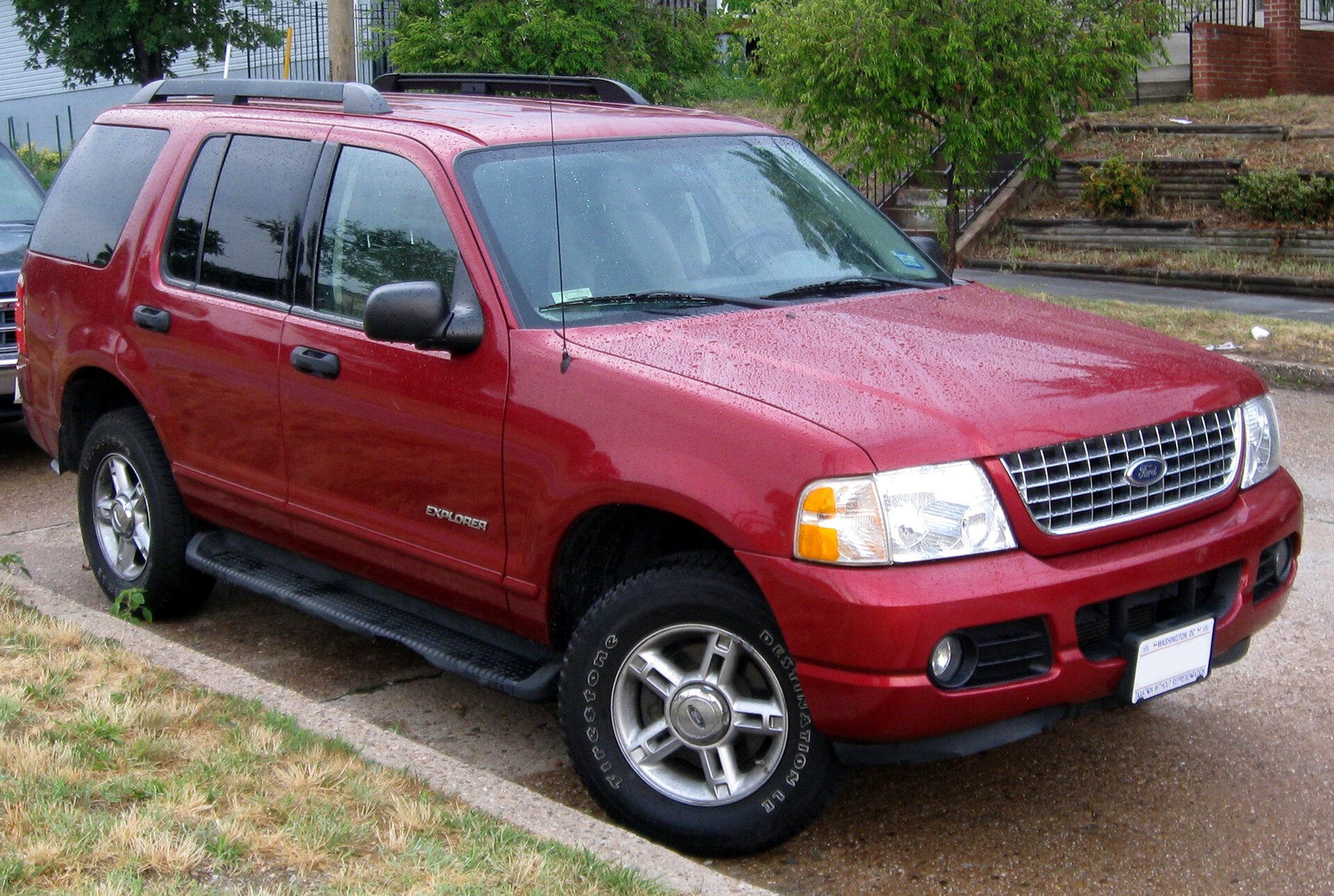
- Explorer III U152 2001–2005 · SUV · 157–178 kW (213–242 PS)
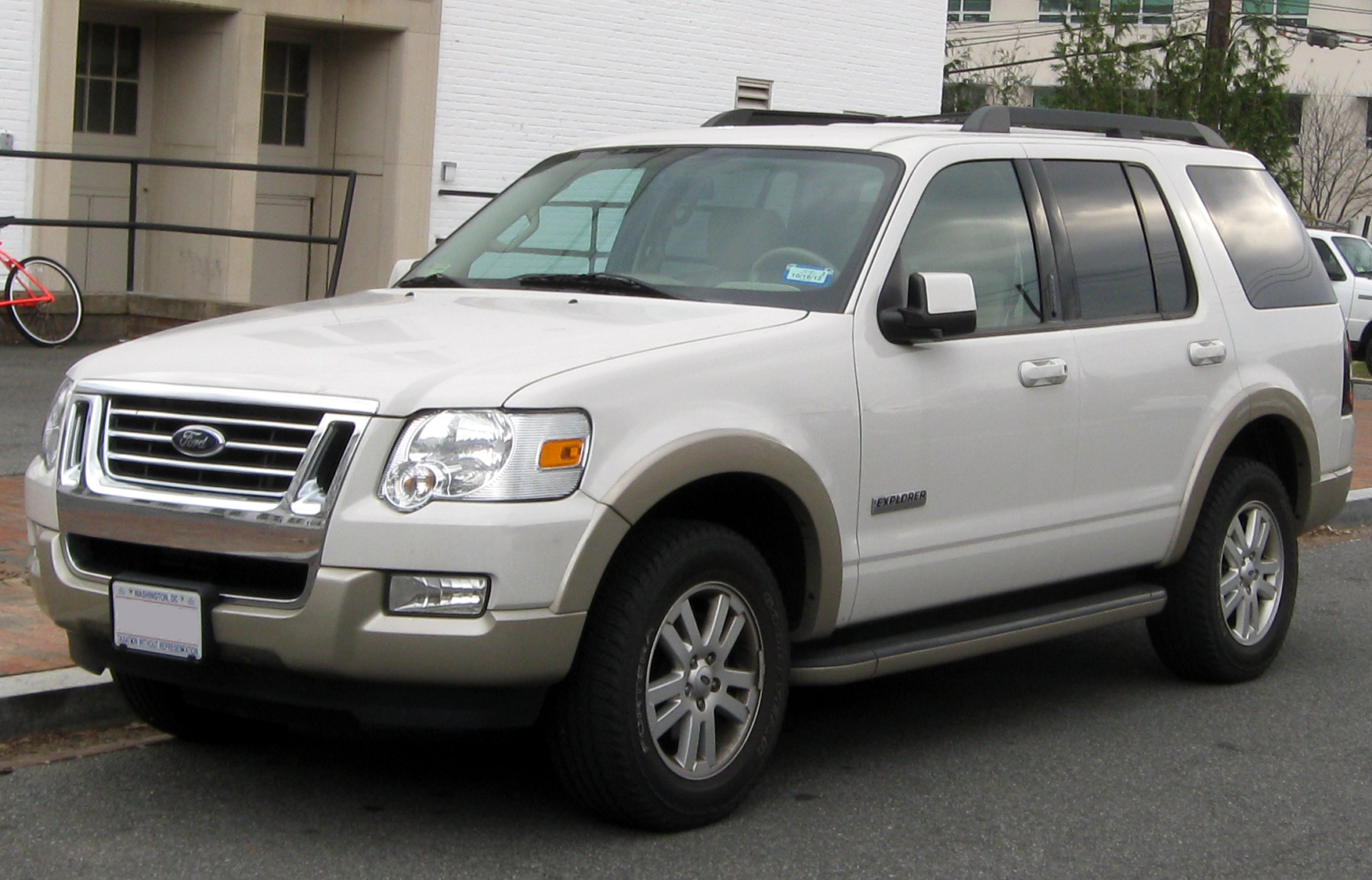
- Explorer IV 2005–2010 · SUV · 157–218 kW (213–296 PS)
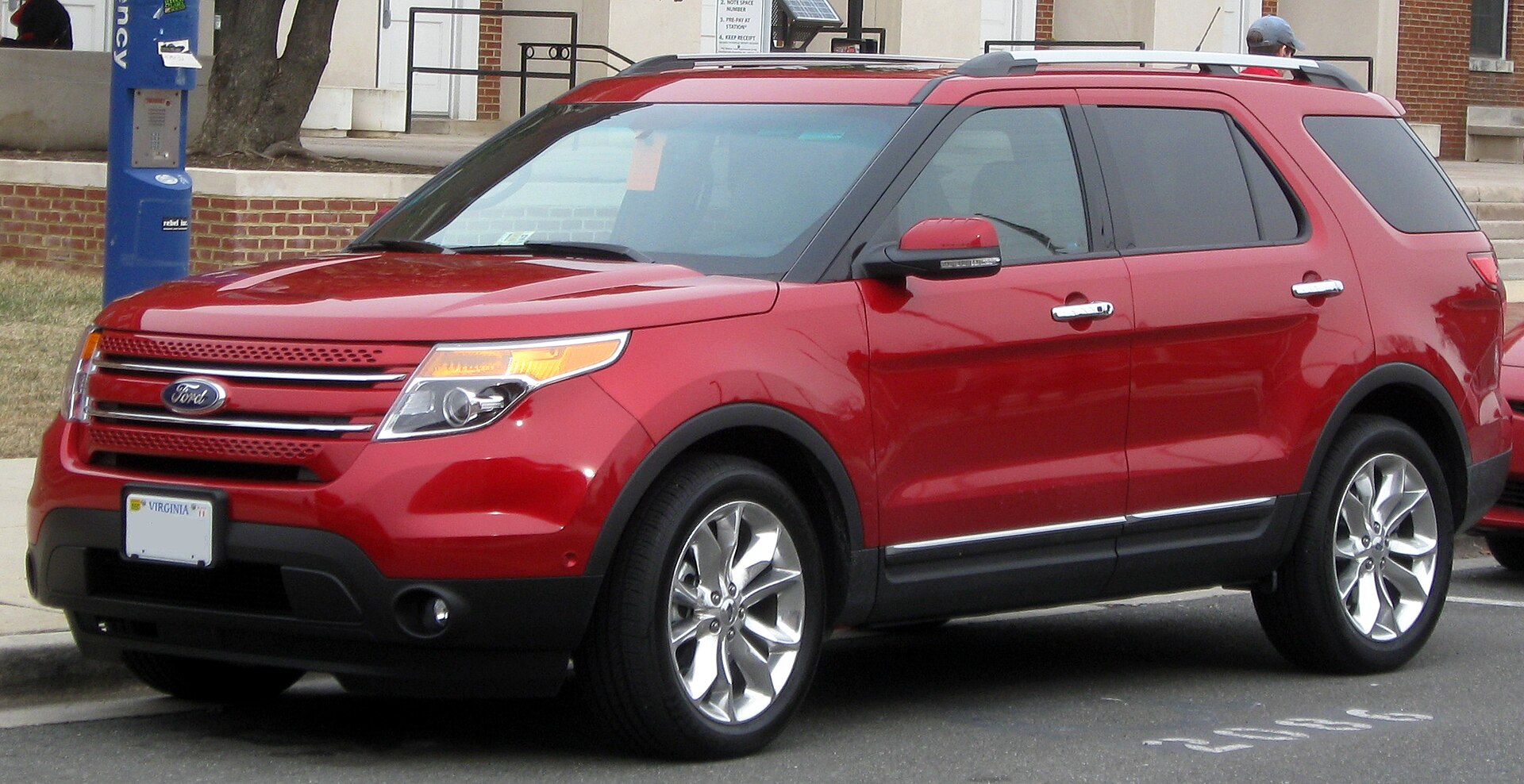
- Explorer V 2010–2019 · SUV · 179–272 kW (243–370 PS)
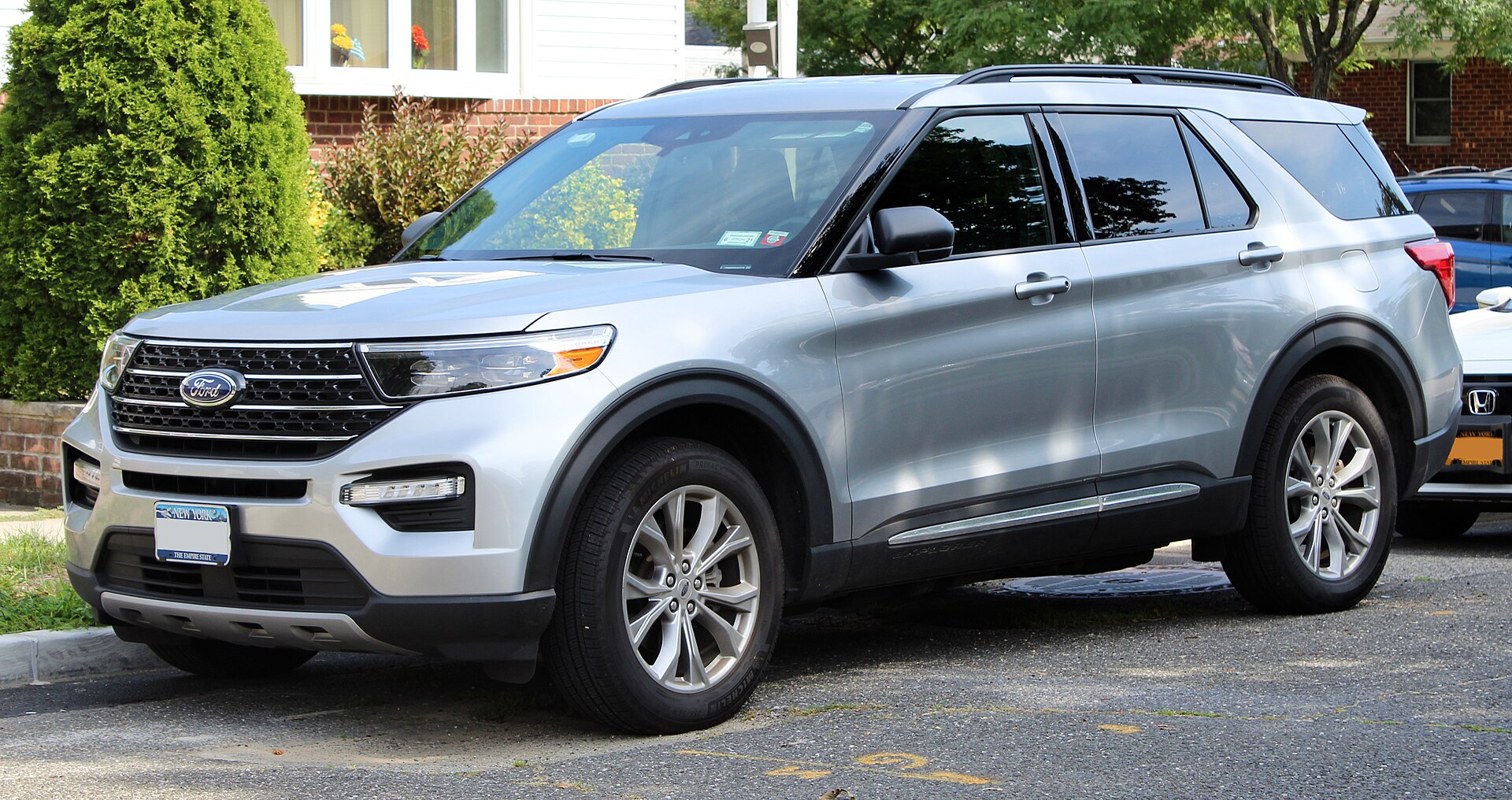
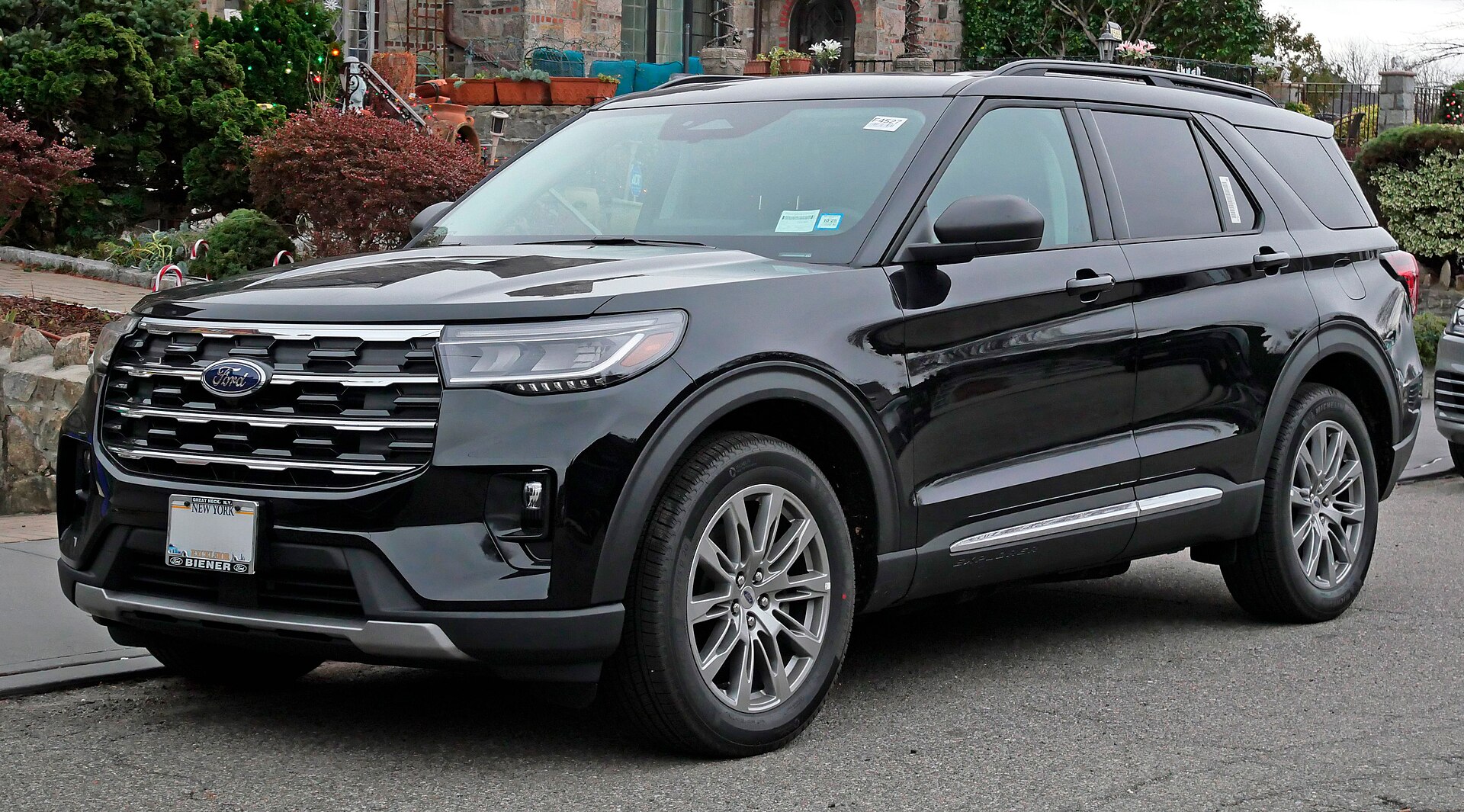
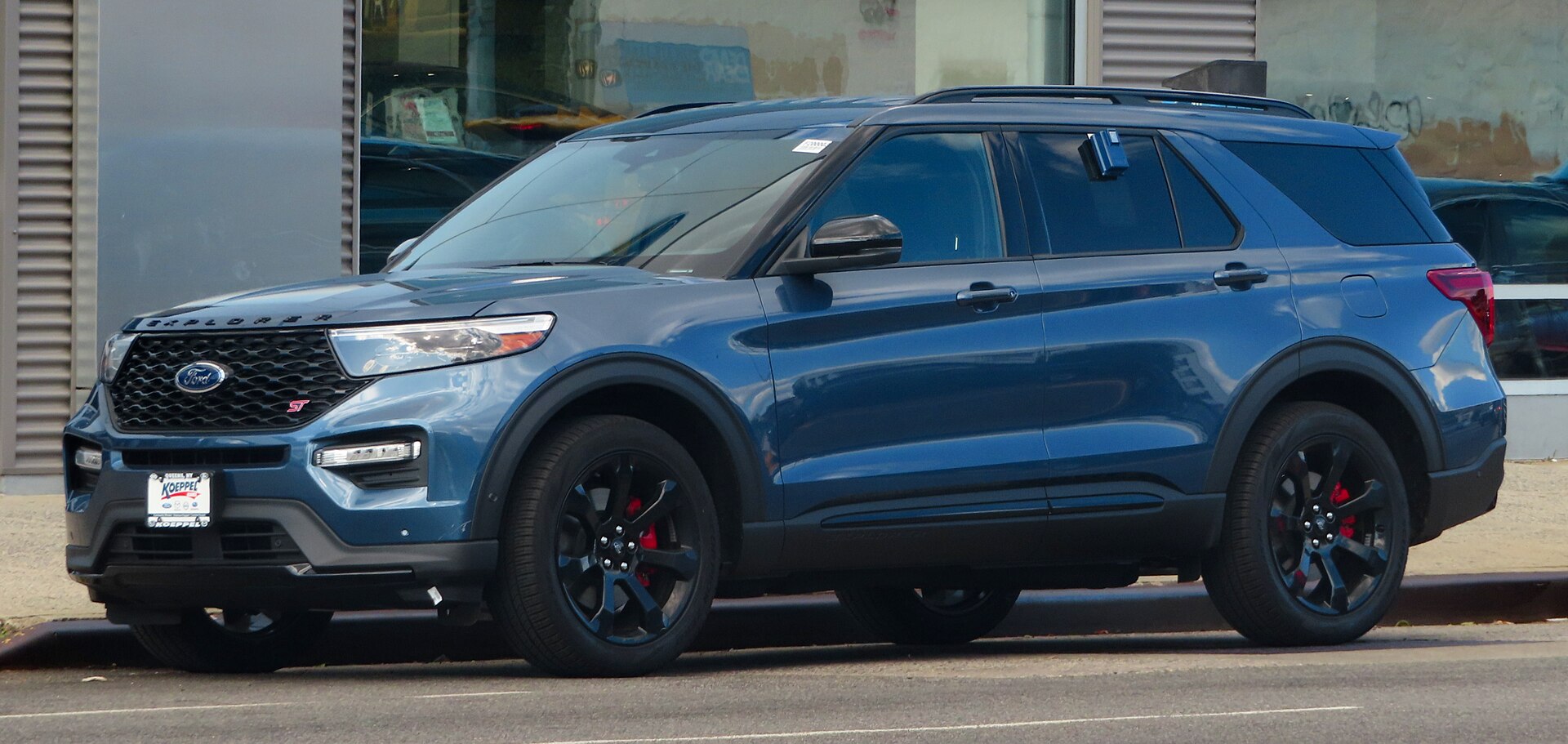
- Explorer VI Current 2019–now · SUV · 224–336 kW (305–457 PS)
Newest first · 6 generations since 1990
-
2019
-
2010
-
2005
-
2001
-
1994
-
1990
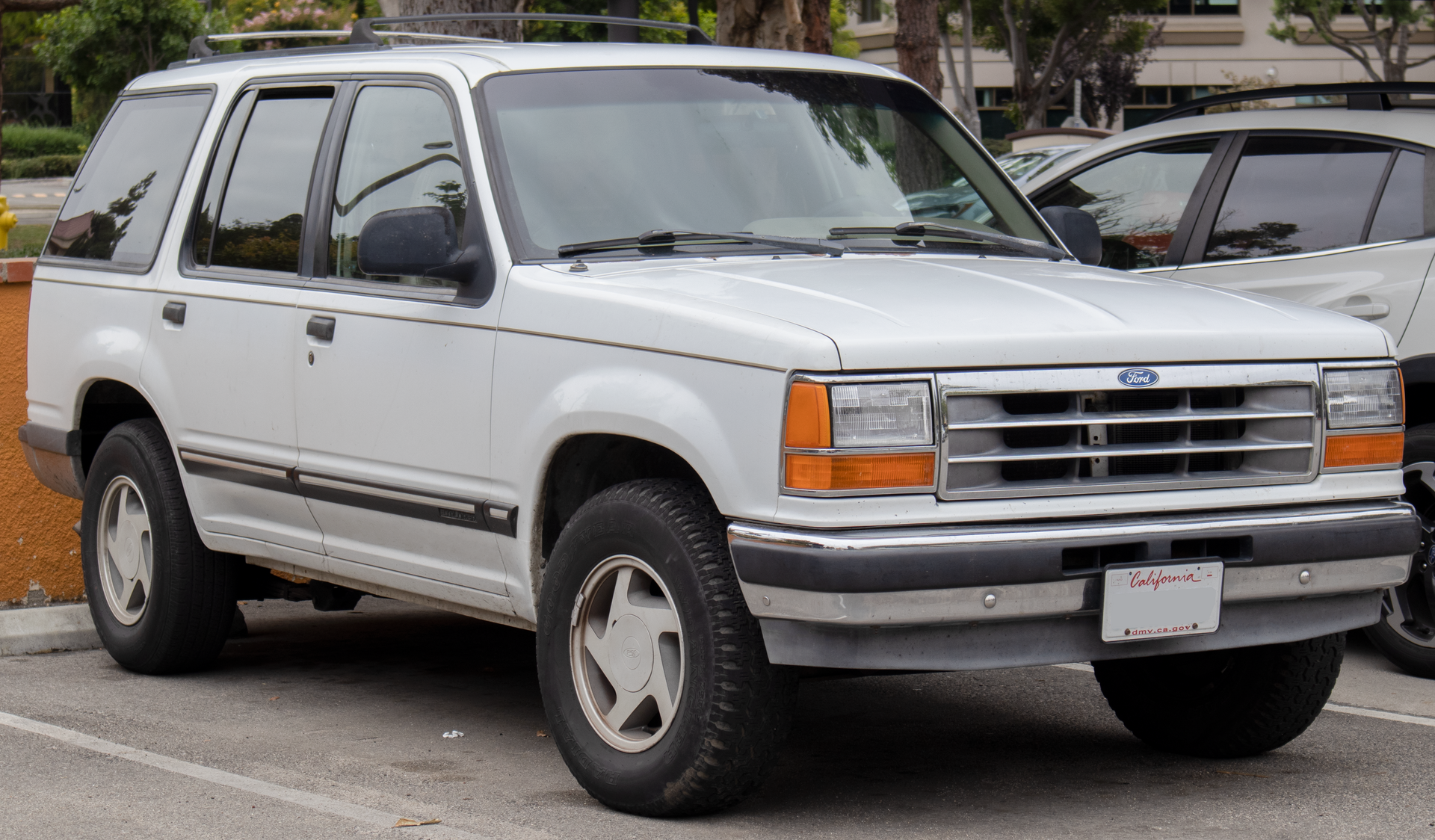
All generations by year: Explorer VI (2019–now) · Explorer V (2010–2019) · Explorer IV (2005–2010) · Explorer III U152 (2001–2005) · Explorer UN105 (1994–2003) · Explorer I UN46 (1990–1994)
Which one is mine?
Pick the year of first registration to see which generation it is.
- Explorer VI 2019–present
- Explorer V 2010–2019
- Explorer IV 2005–2010
- U152 2001–2005
- UN105 1994–2003
- UN46 1990–1994
Which Explorer to choose
Our verdict · Felix Hartmann
- For the USA today: the 2.3 EcoBoost for the price, the 3.3 hybrid for economy or the 3.0 EcoBoost ST for performance.
- For Europe: a used 2020–2023 plug-in hybrid; the ADAC catalogue lists no Explorer of this line in Germany between 2001 and 2020.
- For towing: a sixth-generation car with the 3.0 EcoBoost, rated at 2,540 kg (5,600 lb) in the USA.
- For a classic: an early first-generation car or its Mazda Navajo twin.
Ford's pickups are described in our guides to the Ford F-150 and the Ford Ranger, the off-roader in the history of the Ford Bronco, and the smaller SUV in the article on the Ford Escape. All versions are in the Ford catalogue.
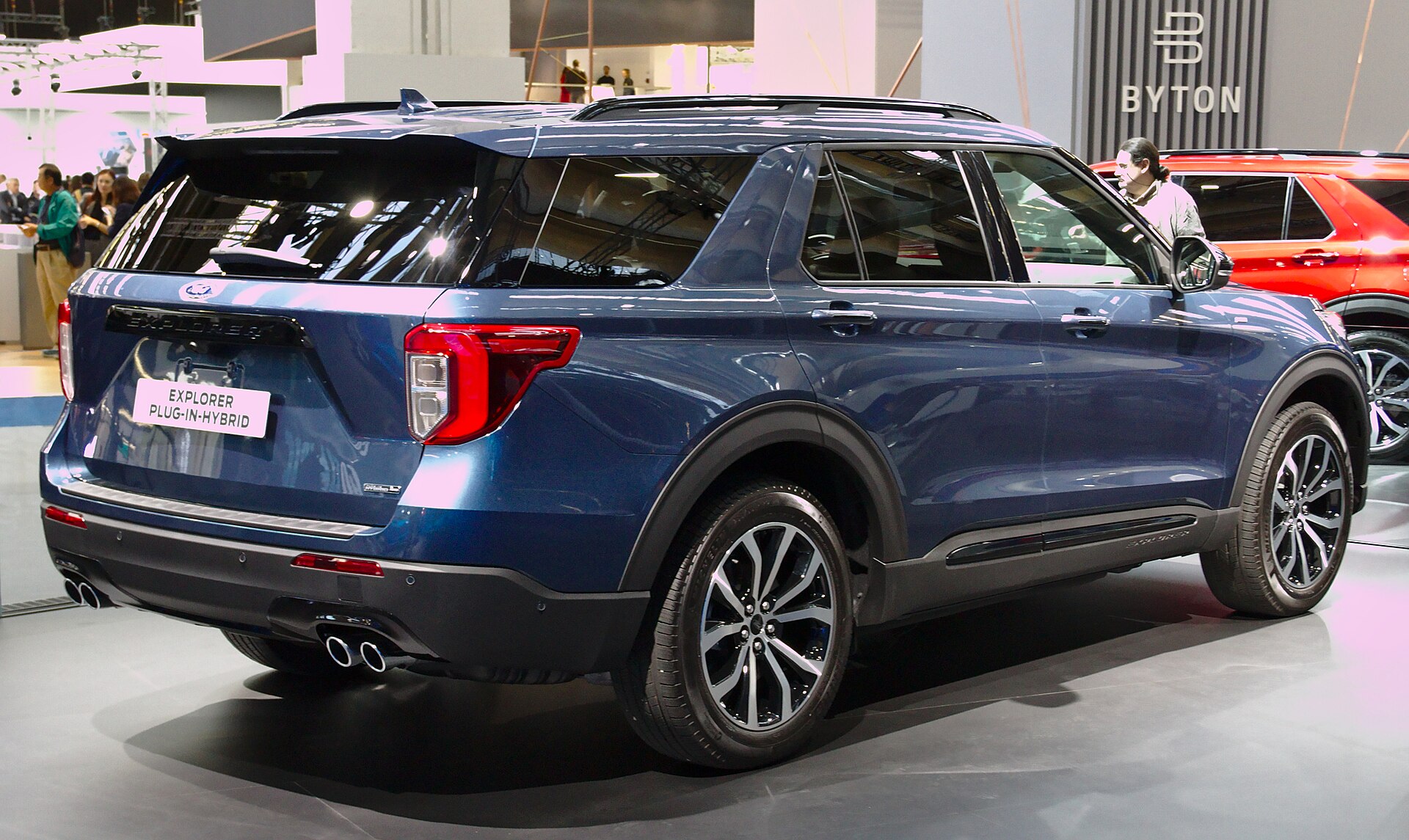
The Ford Explorer is a mid-size SUV introduced in March 1990 as a 1991 model and is now in its sixth generation. In 2020 it was the best-selling SUV in the American market. The first four generations were body-on-frame trucks built in Louisville and St. Louis, the fifth (2011) switched to a unibody, and the sixth (2020) moved to the rear-wheel-drive-based CD6 platform shared with the Lincoln Aviator. From 2020 to 2023 Ford also sold a plug-in hybrid Explorer in Europe.
In short
- Six generations since 1990; codes UN46, UN105/UN150 and U152 for the first three, CD6 platform for the current one.
- Engines from the 4.0 Cologne V6 with 116 kW (155 hp) to the 3.0 EcoBoost V6 with 298 kW (400 hp); hybrid since 2020.
- European plug-in hybrid (2020–2023): 336 kW (457 PS), 825 Nm, 13.6 kWh battery, 42 km WLTP electric range.
- German list price of the plug-in hybrid from €74,084 (ST-Line, January–August 2020, ADAC).
Size at a glance
| Dimensions | Ford Explorer VI |
|---|---|
| Length | 5,063 mm199.3 in |
| Width | 2,004 mm78.9 in |
| Height | 1,778 mm70.0 in |
| Wheelbase | 3,025 mm119.1 in |
| Boot | 330 L11.7 cu ft |
Running cost
Fuel · Explorer 3.0 EcoBoost Plug-in Hybrid
about 800 EUR fuel a year at 15,000 km
3.1 l/100 km · petrol at 1.75 EUR/l · change mileage, fuel price or version
Specs by version
Engines
| Version | Engine | Power | Torque | Gearbox | Production years |
|---|---|---|---|---|---|
| Hybrid · 1 version | |||||
| Explorer VI · 3.3 Hybrid | 6 cyl · Hybrid | 237 kW 322 PS318 hp | 450 Nm332 lb-ft | 10-sp Automatic | 2019 |
| Plug-in hybrid · 1 version | |||||
| Explorer VI · 3.0 EcoBoost Plug-in Hybrid | 6 cyl · Plug-in hybrid | 336 kW 457 PS451 hp | 825 Nm608 lb-ft | 10-sp Automatic | 2020–2023 |
| Petrol · 8 versions | |||||
| UN46 · 4.0 V6 | 6 cyl · Petrol | 116 kW 158 PS156 hp | 298 Nm220 lb-ft | — | 1990–1992 |
| UN105 · 5.0 V8 | 8 cyl · Petrol | 160 kW 218 PS215 hp | — | — | 1996–2001 |
| U152 · 4.6 V8 | 8 cyl · Petrol | 178 kW 242 PS239 hp | 382 Nm282 lb-ft | — | 2001–2005 |
| Explorer IV · 4.6 V8 | 8 cyl · Petrol | 218 kW 296 PS292 hp | 407 Nm300 lb-ft | — | 2005–2010 |
| Explorer V · 3.5 V6 | 6 cyl · Petrol | 216 kW 294 PS290 hp | 346 Nm255 lb-ft | — | 2010–2019 |
| Explorer V · 3.5 EcoBoost Sport | 6 cyl · Petrol | 272 kW 370 PS365 hp | 475 Nm350 lb-ft | — | 2012–2019 |
| Explorer VI · 2.3 EcoBoost | 4 cyl · Petrol | 224 kW 305 PS300 hp | 420 Nm310 lb-ft | 10-sp Automatic | 2019 |
| Explorer VI · 3.0 EcoBoost ST | 6 cyl · Petrol | 298 kW 405 PS400 hp | 563 Nm415 lb-ft | 10-sp Automatic | 2021 |
Performance
Show all 1 versions
| Version | 0–100 km/h | Top speed | Fuel consumption | Range | CO₂ |
|---|---|---|---|---|---|
| Explorer VI · 3.0 EcoBoost Plug-in Hybrid | 6.0 s 0–62 mph | 230 km/h143 mph | 3.1 l/100 km75.9 mpg US · 91.1 mpg UK | 42 km26 mi | 71 g/km |
Dimensions and weight
Show all 1 versions
| Version | Length | Width | Height | Wheelbase | Kerb weight | Boot | Fuel tank | Battery |
|---|---|---|---|---|---|---|---|---|
| Explorer VI · 3.0 EcoBoost Plug-in Hybrid | 5,063 mm199.3 in | 2,004 mm78.9 in | 1,778 mm70.0 in | 3,025 mm119.1 in | 2,466 kg5,437 lb | 330 l11.7 cu ft | 72 l19.0 gal US | 14 kWh |
Verified Manufacturer and type-approval data from our catalog · Sources and methodology
Ford Explorer at a glance
| Generation | Production | Platform / layout | Notable engines |
|---|---|---|---|
| I (UN46) | 1990–1994 | Ranger-based body-on-frame | 4.0 V6, 116–120 kW |
| II (UN105/UN150) | 1994–2003 | Ford U1, body-on-frame | 4.0 OHV and SOHC V6, 4.9 V8 |
| III (U152) | 2001–2005 | U152 body-on-frame, independent rear suspension | 4.0 V6, 4.6 V8 (178 kW) |
| IV | 2005–2010 | body-on-frame (frame by Magna) | 4.0 V6, 4.6 V8 (218 kW) |
| V | 2010–2019 | D4 unibody | 2.0/2.3 EcoBoost, 3.5 V6, 3.5 EcoBoost |
| VI | since 2019 | CD6 (rear-wheel-drive based) | 2.3 EcoBoost, 3.0 EcoBoost, 3.3 hybrid, PHEV (Europe) |
First and second generation (1990–2003)
The first Explorer shared its chassis with the 1983–1992 Ranger pickup, with Twin I-Beam front suspension on 4x2 models, Twin-Traction Beam on 4x4 models and a leaf-sprung rear axle. It was offered with three or five doors and a 4.0-litre Cologne V6 with 116 kW (155 hp), raised to 120 kW (160 hp) for 1993. Mazda sold a version as the Navajo, which won the 1991 Motor Trend Truck of the Year title.
The second generation arrived in November 1994 with short/long-arm front suspension on the new U1 platform. The 4.0 V6 was joined by a SOHC version with 157 kW (210 hp) in 1997 and a 4.9-litre V8 with up to 160 kW (215 hp). It was the first American-brand SUV with dual airbags. The Mercury Mountaineer twin arrived in 1997 and the Sport Trac pickup in 2001.

The Firestone tyre crisis
In May 2000 the US safety agency NHTSA contacted Ford and Firestone about the high failure rate of Firestone tyres on Explorers, Mercury Mountaineers and Mazda Navajos. Wikipedia attributes 240 deaths and 3,000 catastrophic injuries to the combination of early Explorers and these tyres. The crisis damaged the Explorer's reputation.
Third and fourth generation (2001–2010)
The third generation went on sale in January 2001 as a 2002 model, now only with five doors. It had a purpose-built frame with independent rear suspension, a 4.0 V6 with 157 kW (210 hp) and a 4.6 V8 with 178 kW (239 hp). AdvanceTrac stability control was optional and became standard as AdvanceTrac RSC for 2005.
The fourth generation entered production in July 2005 with a new frame from Magna International. Its 4.6 V8 produced 218 kW (292 hp). It was the last body-on-frame Explorer and the last with a Mercury Mountaineer twin; the last one was built on 16 December 2010.

Fifth generation (2010–2019)
Ford presented the fifth generation on 26 July 2010. It was the first unibody Explorer, built on the D4 platform shared with the Ford Flex and Lincoln MKT at Chicago Assembly. It won the 2011 North American Truck of the Year award and introduced rear inflatable seat belts, a first for any vehicle.
| Engine | Power | Torque | Years |
|---|---|---|---|
| 2.0 EcoBoost I4 | 179 kW (240 hp) | 366 Nm | 2012–2015 |
| 2.3 EcoBoost I4 | 209 kW (280 hp) | 420 Nm | 2016–2019 |
| 3.5 Duratec V6 | 216 kW (290 hp) | 346 Nm | 2011–2019 |
| 3.5 EcoBoost V6 (Sport) | 272 kW (365 hp) | 475 Nm | 2013–2019 |
The Police Interceptor Utility based on this generation became the most popular US police vehicle by 2013 sales, according to R.L. Polk.

Sixth generation (since 2019)
The current Explorer was shown on 9 January 2019 for the 2020 model year. It returned to a rear-wheel-drive-based layout on the CD6 platform of the Lincoln Aviator and is built in Chicago. The standard engine is the 2.3 EcoBoost with 224 kW (300 hp) and 420 Nm. The 3.3 hybrid V6 has 237 kW (318 hp) and 450 Nm, and the 3.0 EcoBoost V6 of the ST and Platinum has 298 kW (400 hp) and 563 Nm. The 2025 model-year facelift, revealed on 1 February 2024, reorganised the range into Active, ST-Line, ST and Platinum; the 2026 model year added Tremor.

The European plug-in hybrid (2020–2023)
| Figure | Explorer 3.0 EcoBoost Plug-in-Hybrid (ADAC) |
|---|---|
| System power / torque | 336 kW (457 PS) / 825 Nm |
| Gearbox | 10-speed automatic |
| 0–100 km/h / top speed | 6.0 s / 230 km/h (135 km/h electric) |
| Battery / electric range | 13.6 kWh / 42 km WLTP |
| WLTP consumption | 3.1 l/100 km plus 22.0 kWh/100 km, 71 g/km CO2 |
| Length / width / height | 5,063 / 2,004 / 1,778 mm |
| Wheelbase / kerb weight | 3,025 mm / 2,466 kg |
| Boot | 330 to 2,274 l |
| Towing | 2,500 kg braked |
Autonotizen.de drove it in June 2020. Seven seats in three rows were standard, the boot grew from 330 to 1,137 litres with the third row folded, and the long-term memory of the test car's on-board computer showed 12.8 l/100 km.

Generations compared
| Figure | Explorer I (1991) | Explorer V (3.5 V6) | Explorer VI PHEV (Europe) |
|---|---|---|---|
| Power | 116 kW | 216 kW | 336 kW |
| Construction | body-on-frame | unibody | unibody, RWD-based |
- The European PHEV has 2.9 times the power of the first Explorer.
- Its WLTP figure of 3.1 l/100 km compares with 12.8 l/100 km in the long-term memory of the Autonotizen.de test car, which shows how much the real figure depends on charging.
- Kerb weight per kW of the PHEV: 7.3 kg per kW (2,466 kg and 336 kW), by our calculation.
Prices in Germany (plug-in hybrid)
| Version | List price (ADAC) | Valid |
|---|---|---|
| 3.0 EcoBoost PHEV ST-Line | €74,084 | January – August 2020 |
| 3.0 EcoBoost PHEV Platinum | €75,059 | January – August 2020 |
| 3.0 EcoBoost PHEV ST-Line | €86,490 | August 2020 – October 2023 |
| 3.0 EcoBoost PHEV Platinum | €87,490 | August 2020 – October 2023 |
Since 2024 the Explorer name in Europe is used for a different car, a compact electric SUV, which the catalogue lists separately as the Explorer EV.
Photo gallery


Ford Explorer evolution in numbers
Did you know?
- The Ford Explorer has been around for 36 years: 6 generations in our catalog since 1990.
- The biggest jump in power came with the Explorer VI: up to 336 kW (457 PS), 64 kW more than the Explorer V.
Most powerful version, kW
Figures from the 1cars catalog: power is the strongest version of each generation; generations without the figure are left out.
Ford Explorer: first vs latest generation
| Spec | Explorer I UN46 | Explorer VI | Change |
|---|---|---|---|
| Years | 1990–1994 | 2019–present | 29 years apart |
| Most powerful version | 120 kW (163 PS) | 336 kW (457 PS) | +216 kW (+180%) |
Oldest and newest generation in the 1cars catalog. Power is the strongest version of each; other rows are shown only when both generations have the figure.
Image credits · Photos from Wikimedia Commons under free licences
- Ford Explorer I UN46 · Photo: LukaCali / Wikimedia Commons, CC BY-SA 4.0
- Ford Explorer UN105 · Photo: Kevauto / Wikimedia Commons, CC BY-SA 4.0
- Ford Explorer III U152 · Photo: IFCAR / Wikimedia Commons, Public domain
- Ford Explorer IV · Photo: IFCAR / Wikimedia Commons, Public domain
Ford Explorer in our rankings
- No. 5 of 146 · Longest SUVs and crossovers (5,063 mm)
- No. 8 of 18 · Quickest American cars, 0–100 (6.0 s)
- No. 41 of 912 · Longest-running car nameplates (36 years · top 5%)
- No. 30 of 420 · Longest cars (5,063 mm · top 8%)
- No. 22 of 304 · Heaviest cars (2,466 kg · top 8%)
- No. 35 of 403 · Widest cars (2,004 mm · top 9%)
Longer than 96% of ranked SUVs and crossovers in the 1CARS catalog (No. 5 of 146).
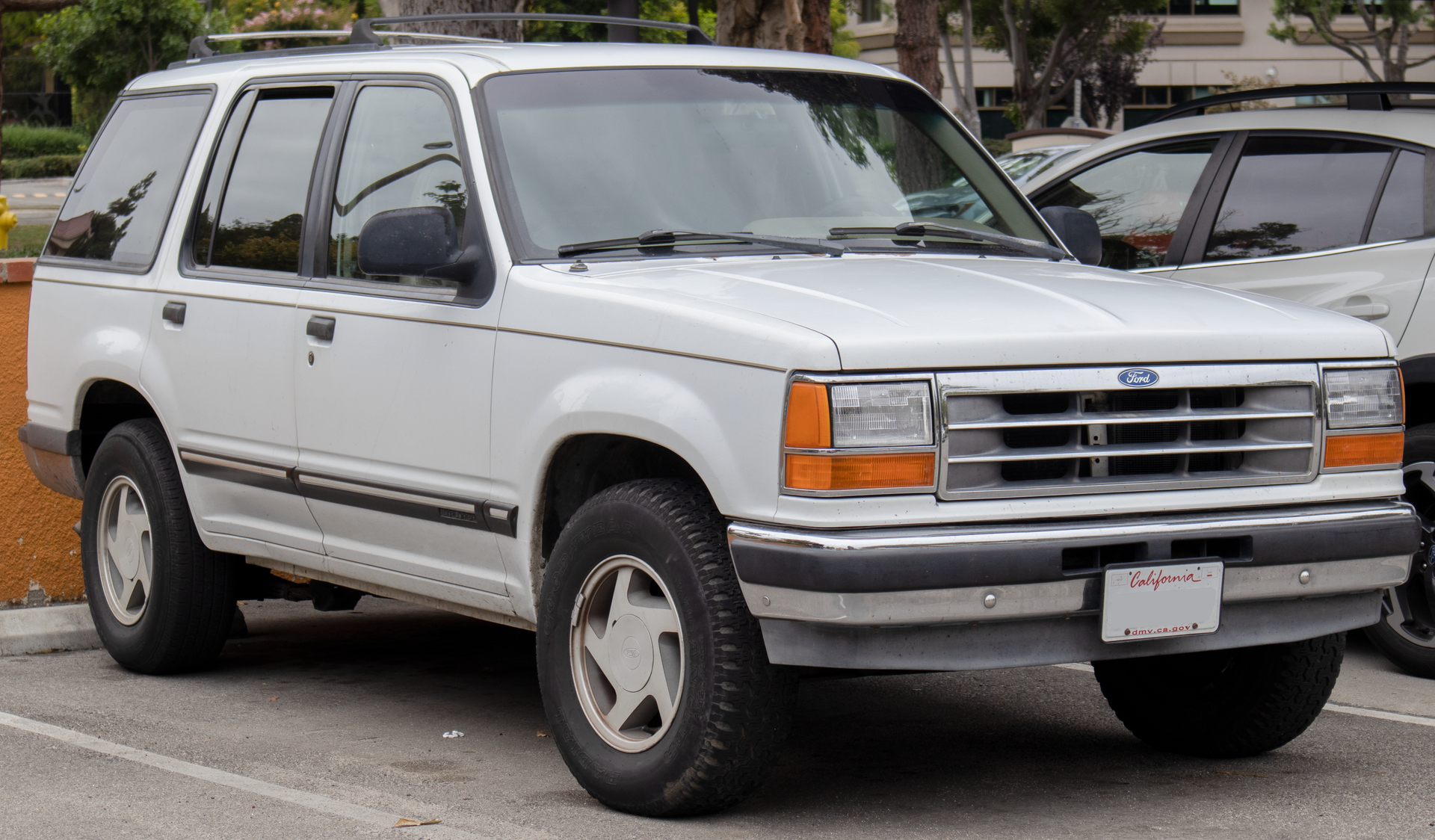
Ford Explorer photos 7
FAQ
How many generations of the Ford Explorer are there?
Six: 1990–1994, 1994–2003, 2001–2005, 2005–2010, 2010–2019 and the current model since 2019.
When did the Explorer become a unibody?
With the fifth generation for the 2011 model year; the sixth moved to the rear-wheel-drive-based CD6 platform.
Was the Explorer sold in Europe?
Yes, among others as a plug-in hybrid with 336 kW (457 PS) from 2020 to 2023. The 2024 electric Explorer for Europe is a different car.
What was the Firestone controversy?
In 2000 NHTSA investigated high failure rates of Firestone tyres on Explorers; Wikipedia attributes 240 deaths to the problem.
How much can the Explorer tow?
Up to 2,540 kg with the 3.0 EcoBoost in the USA and 2,500 kg for the European plug-in hybrid.
Data sources
Data checked by an editor against the sources below.