 Renault Twingo
All generations, specs and history
Published Sources (5) Report an error
By Felix Hartmann, Automotive Technology & EV Contributor
- Built
- 1992–present
- Generations
- 4
- Top power
- 98 kW (133 PS)
Timeline
Twingo generations
Click a generation for its own page
- Twingo I 1992–2007 · Hatchback · 43–44 kW (58–60 PS)
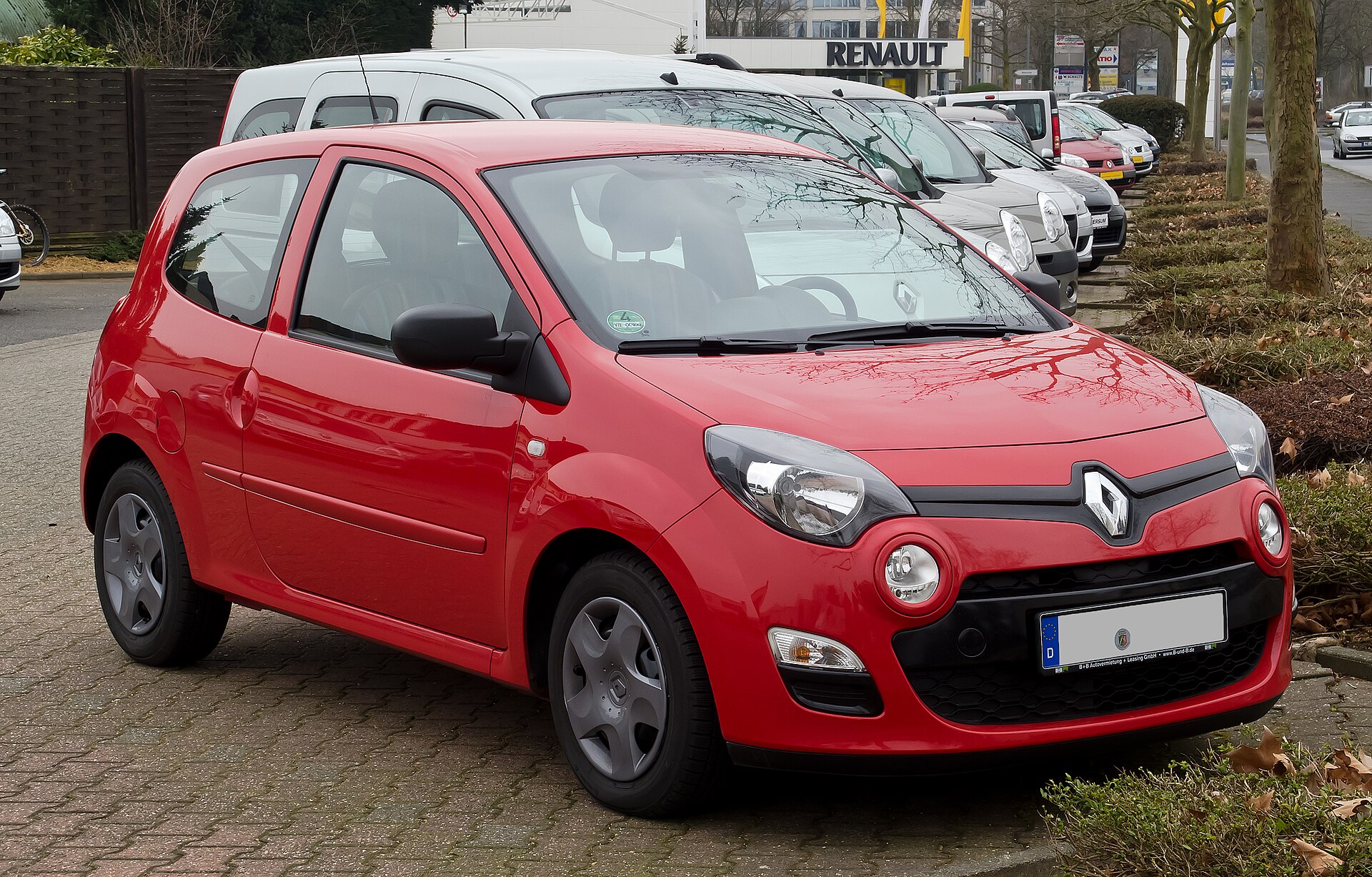
- Twingo II 2007–2014 · Hatchback · 44–98 kW (60–133 PS)
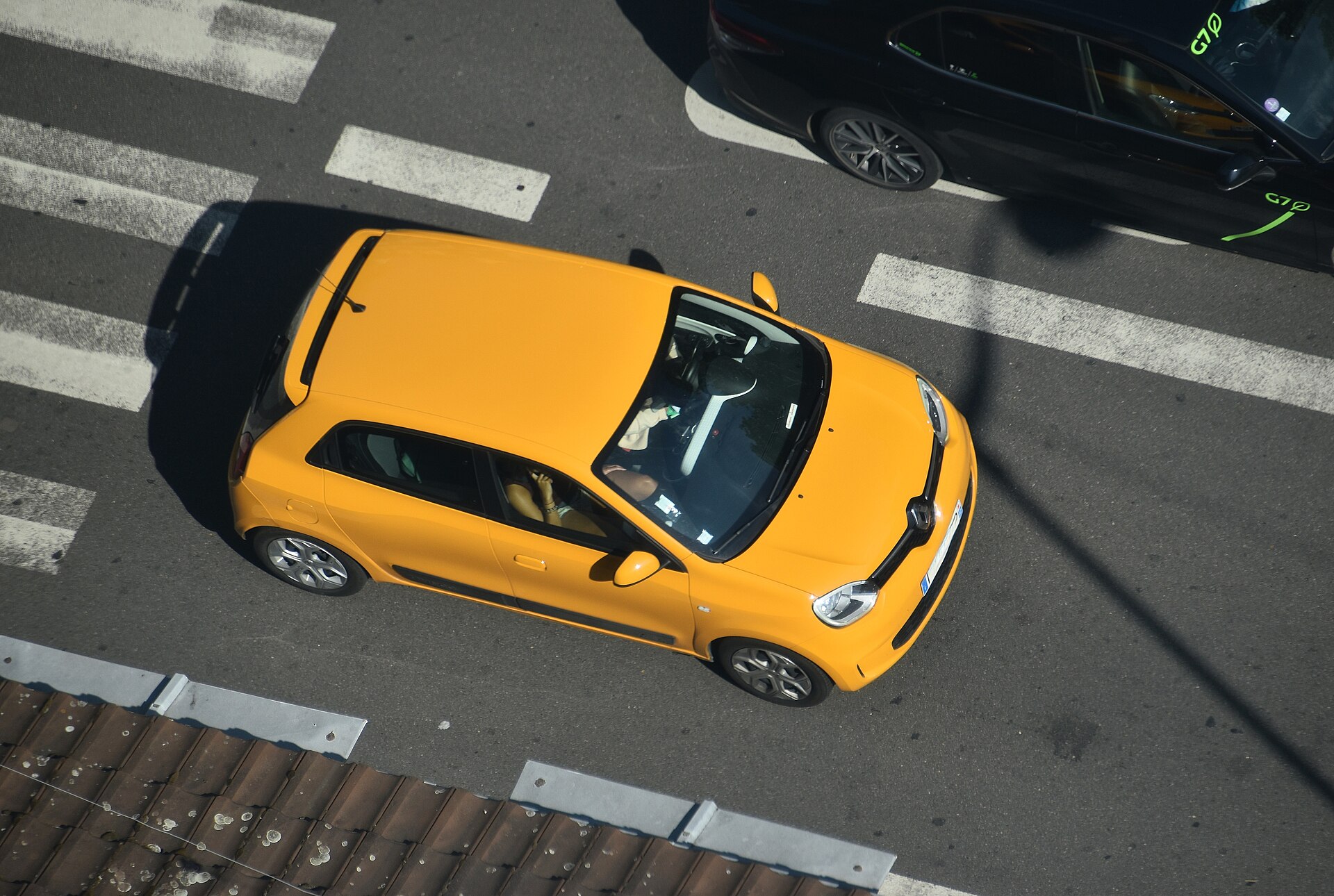
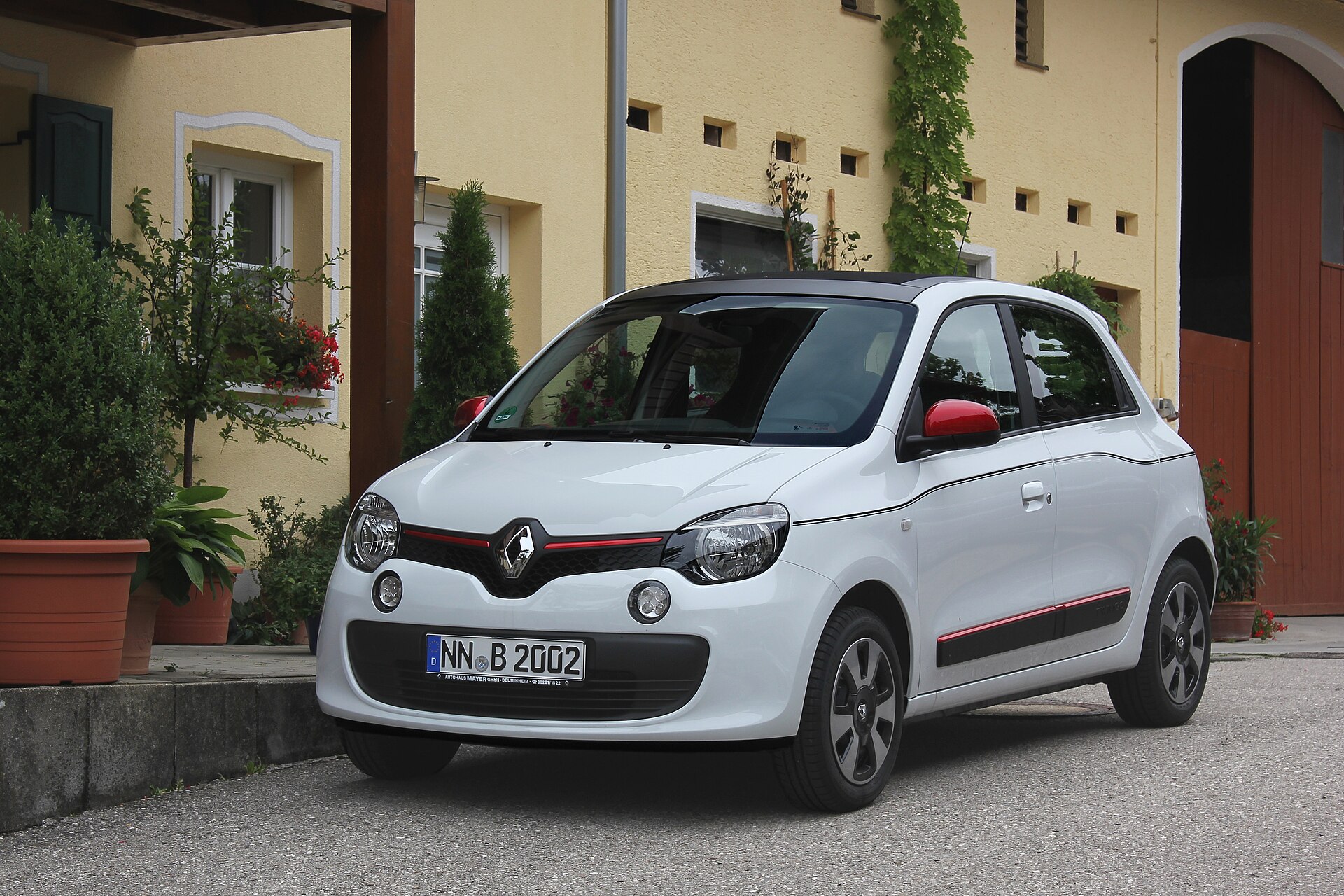
- Twingo III 2014–2024 · Hatchback · 51–80 kW (69–109 PS)
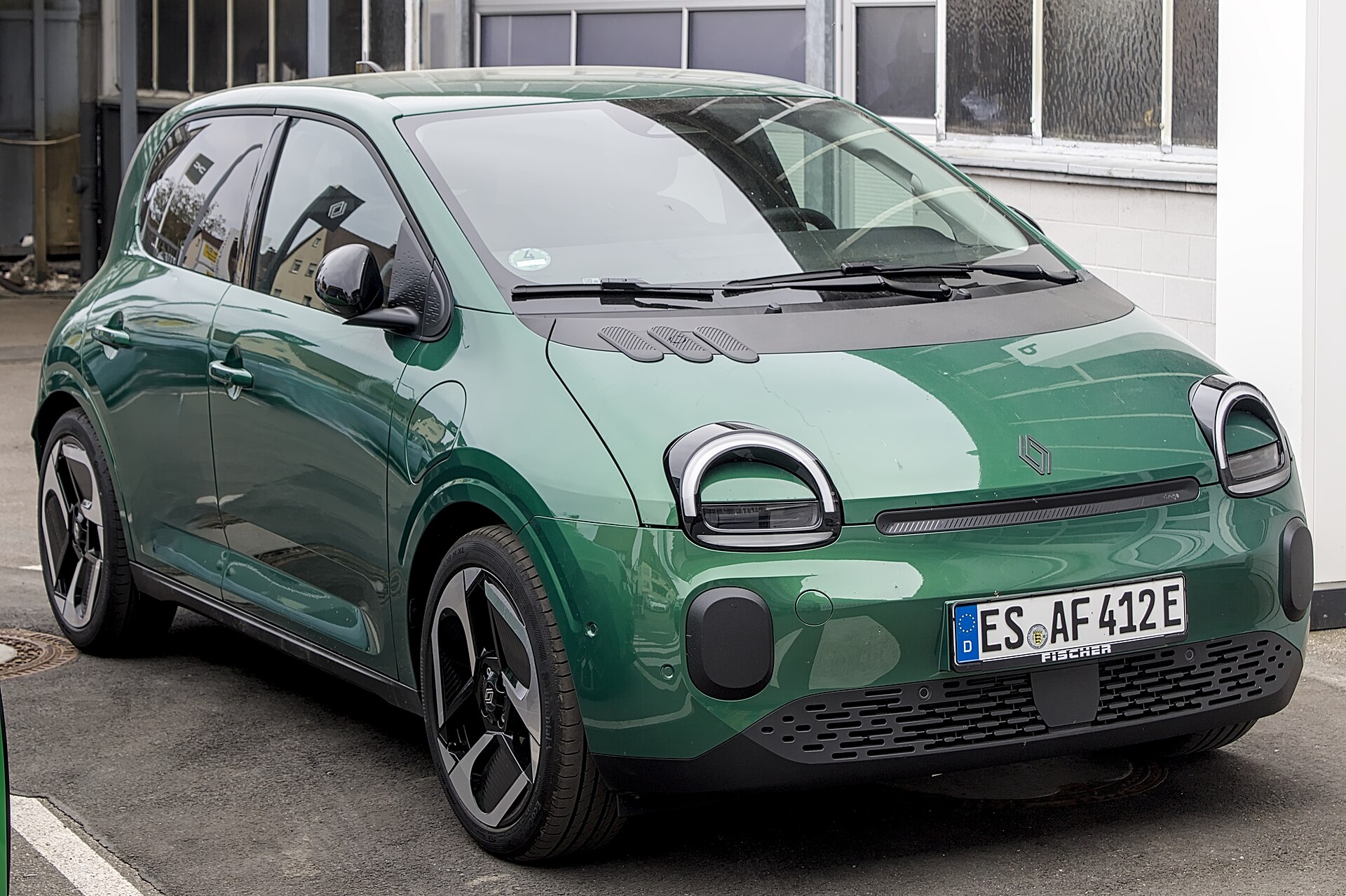
- Twingo IV Current 2026–now · Hatchback · 60 kW (82 PS)
Newest first · 4 generations since 1992
-
2026
-
2014
-
2007
-
1992
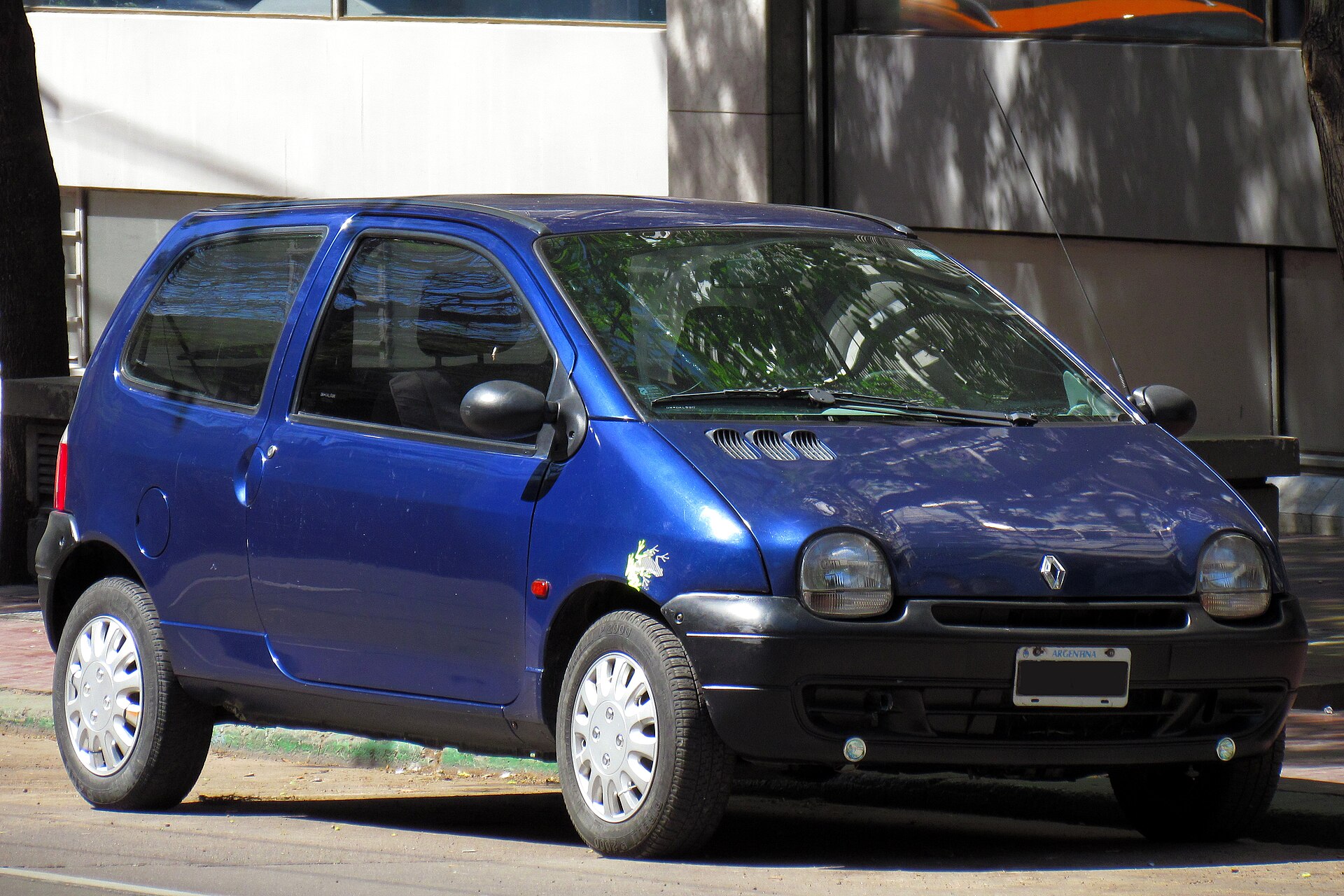


All generations by year: Twingo IV (2026–now) · Twingo III (2014–2024) · Twingo II (2007–2014) · Twingo I (1992–2007)
Which one is mine?
Pick the year of first registration to see which generation it is.
- Twingo IV 2026–present
- Twingo III 2014–2024
- Twingo II 2007–2014
- Twingo I 1992–2007
Which Twingo to choose
Our verdict · Felix Hartmann
- For a classic: an early Twingo I with the 1,239 cc engine, from the first years of production.
- For a quick used car: the Twingo II Renaultsport 133 with 98 kW.
- For tight city streets: a Twingo III, with the 8.6-metre turning circle; the TCe 90 is the stronger everyday engine than the SCe 70.
- For an electric car on a budget: the 2026 Twingo E-Tech Evolution, with 262 km WLTP and DC charging, which the 2020 Twingo Electric lacks.
The Renault Twingo is a city car made since 1992 in four generations. The first two had a front engine and front-wheel drive, the second on the Clio II floorpan. The third moved its engine to the back and drove the rear wheels. The fourth, on sale since 2026, is purely electric with 60 kW and a German starting price of €19,990.
In short
- Twingo I (1992–2007): about 2.6 million built; 1.2-litre engines with 43–44 kW; 55,000 FF (about €8,400) in 1993.
- Twingo II (2007–2014): Clio II floorpan, 44–98 kW including the Renaultsport 133.
- Twingo III (2014–2024): rear engine and rear-wheel drive, shared with the Smart Forfour; Twingo Electric from 2020.
- Twingo E-Tech (since 2026): 27.5 kWh LFP battery, 60 kW (82 PS), up to 262 km WLTP.
Size at a glance
Renault Twingo III
The Renault Twingo IV is 174 mm longer, 74 mm wider and 50 mm lower than the Renault Twingo III.
| Dimensions | Renault Twingo IV | Renault Twingo III | Difference |
|---|---|---|---|
| Length | 3,789 mm149.2 in | 3,615 mm142.3 in | +174 mm+6.9 in |
| Width | 1,720 mm67.7 in | 1,646 mm64.8 in | +74 mm+2.9 in |
| Height | 1,491 mm58.7 in | 1,541 mm60.7 in | −50 mm−2.0 in |
| Wheelbase | 2,493 mm98.1 in | 2,492 mm98.1 in | +1 mm |
| Boot | 305 L10.8 cu ft | 219 L7.7 cu ft | +86 L+3.0 cu ft |
Running cost
Fuel · Twingo SCe 70
about 1,300 EUR fuel a year at 15,000 km
4.9 l/100 km · petrol at 1.75 EUR/l · change mileage, fuel price or version
Specs by version
Engines
| Version | Engine | Power | Drive | Production years |
|---|---|---|---|---|
| Electric · 2 versions | ||||
| Twingo III · Electric 22 kWh | Electric | 60 kW 82 PS80 hp | Rear-wheel drive | 2020–2024 |
| Twingo IV · E-Tech Electric | Electric | 60 kW 82 PS80 hp | Front-wheel drive | 2026 |
| Diesel · 1 version | ||||
| Twingo II · 1.5 dCi | 1.5 l · Diesel 1,461 cc | 63 kW 86 PS84 hp | Front-wheel drive | 2007 |
| Petrol · 9 versions | ||||
| Twingo I · 1.2 (58 hp) | 1.1 l · 4 cyl · Petrol 1,149 cc | 43 kW 58 PS58 hp | Front-wheel drive | 1996 |
| Twingo I · 1.2 (60 hp) | 1.2 l · 4 cyl · Petrol 1,239 cc | 44 kW 60 PS59 hp | Front-wheel drive | 1993–1996 |
| Twingo II · 1.2 D7F | 1.1 l · Petrol D7F | 44 kW 60 PS59 hp | Front-wheel drive | 2007 |
| Twingo II · 1.2 16V D4F | 1.1 l · Petrol D4F | 55 kW 75 PS74 hp | Front-wheel drive | 2007 |
| Twingo II · 1.2 TCe GT | 1.1 l · Petrol 1,149 cc | 74 kW 101 PS99 hp | Front-wheel drive | 2007 |
| Twingo II · Renaultsport 133 | 1.6 l · Petrol 1,598 cc | 98 kW 133 PS131 hp | Front-wheel drive | 2008–2013 |
| Twingo III · SCe 70 | 1.0 l · Petrol 999 cc | 51 kW 69 PS68 hp | Rear-wheel drive | 2014 |
| Twingo III · TCe 90 | 0.9 l · Petrol 898 cc | 66 kW 90 PS89 hp | Rear-wheel drive | 2014 |
| Twingo III · TCe 110 GT | 0.9 l · Petrol 898 cc | 80 kW 109 PS107 hp | Rear-wheel drive | — |
Performance
Show all 10 versions
| Version | Fuel consumption | CO₂ |
|---|---|---|
| Electric · 2 versions | ||
| Twingo III · Electric 22 kWh | 15.2 kWh/100 km24.5 kWh/100 mi | — |
| Twingo IV · E-Tech Electric | 12.7 kWh/100 km20.4 kWh/100 mi | — |
| Diesel · 1 version | ||
| Twingo II · 1.5 dCi | — | 94 g/km |
| Petrol · 7 versions | ||
| Twingo II · 1.2 D7F | — | 132 g/km |
| Twingo II · 1.2 16V D4F | — | 135 g/km |
| Twingo II · 1.2 TCe GT | — | 140 g/km |
| Twingo II · Renaultsport 133 | — | 160 g/km |
| Twingo III · SCe 70 | 4.9 l/100 km48.0 mpg US · 57.6 mpg UK | 126 g/km |
| Twingo III · TCe 90 | 5.3 l/100 km44.4 mpg US · 53.3 mpg UK | 111 g/km |
| Twingo III · TCe 110 GT | — | 128 g/km |
Dimensions and weight
Show all 6 versions
| Version | Length | Width | Height | Wheelbase | Kerb weight | Boot | Battery |
|---|---|---|---|---|---|---|---|
| Electric · 2 versions | |||||||
| Twingo III · Electric 22 kWh | 3,615 mm142.3 in | 1,646 mm64.8 in | 1,541 mm60.7 in | 2,492 mm98.1 in | 1,112 kg2,452 lb | 219 l7.7 cu ft | 22 kWh |
| Twingo IV · E-Tech Electric | 3,789 mm149.2 in | 1,720 mm67.7 in | 1,491 mm58.7 in | 2,493 mm98.1 in | 1,275 kg2,811 lb | 305 l10.8 cu ft | 28 kWh |
| Petrol · 4 versions | |||||||
| Twingo II · 1.2 D7F | 3,602 mm141.8 in | 1,655 mm65.2 in | 1,470 mm57.9 in | 2,367 mm93.2 in | — | 230 l8.1 cu ft | — |
| Twingo III · SCe 70 | — | — | — | — | 993 kg2,189 lb | — | — |
| Twingo III · TCe 90 | — | — | — | — | 1,032 kg2,275 lb | — | — |
| Twingo III · TCe 110 GT | — | — | — | — | 1,076 kg2,372 lb | — | — |
Verified Manufacturer and type-approval data from our catalog · Sources and methodology
Renault Twingo at a glance
| Generation | Years | Layout | Power | Main plant |
|---|---|---|---|---|
| Twingo I | 1992–2007 (Colombia to 2012) | front engine, front-wheel drive | 43–44 kW | Flins, France |
| Twingo II | 2007–2014 | front engine, front-wheel drive | 44–98 kW | Flins, then Novo Mesto, Slovenia |
| Twingo III | 2014–2024 | rear engine, rear-wheel drive | 51–80 kW; Electric 60 kW | Novo Mesto |
| Twingo E-Tech | since 2026 | electric | 60 kW | Novo Mesto |
Twingo I (1992–2007): the original
Renault showed the first Twingo at the Paris Motor Show on 5 October 1992. Sales in continental Europe began in April 1993, at 55,000 French francs (about €8,400). Patrick Le Quément, Renault's chief designer, directed the project, and a proposal by Jean-Pierre Ploué was chosen for production.
At launch the only engine was a 1,239 cc four-cylinder with 44 kW (60 hp) at 5,300 rpm. From July 1996 a 1,149 cc unit with 43 kW (58 hp) at 5,250 rpm replaced it.
French production at Flins ended on 28 June 2007, when the second generation took over. By 30 June 2007 Renault had built 2,478,648 cars, and the total reached about 2.6 million. The car was also assembled in Taiwan, Spain, Uruguay and Colombia. Colombian production lasted until 8 June 2012. In Euro NCAP's older test the first Twingo scored 23 points for adult occupants and 11 for pedestrians.

Twingo II (2007–2014): on the Clio floorpan
The second Twingo appeared at the 2007 Geneva Motor Show. It sat on the floorpan of the Clio II. Production started at Flins and later moved to Revoz in Novo Mesto, Slovenia.
| Engine | Displacement | Power | CO₂ |
|---|---|---|---|
| 1.2 D7F | 1,149 cc | 44 kW (60 PS) | 132 g/km |
| 1.2 16V D4F | 1,149 cc | 55 kW (75 PS) | 135 g/km |
| 1.2 TCe GT | 1,149 cc | 74 kW (100 PS) | 140 g/km |
| 1.6 Renaultsport 133 | 1,598 cc | 98 kW (133 PS) | 160 g/km |
| 1.5 dCi | 1,461 cc | 63 kW (85 PS) | 94 g/km |
The Renaultsport 133 arrived in 2008 with a wider track of 1,688 mm and ended in August 2013. Euro NCAP gave the Twingo II 28 points for adult occupants. That test was made without the curtain airbags, which were optional.
Twingo III (2014–2024): engine in the back
The third generation made its debut at Geneva in 2014, and production in Novo Mesto began in May 2014. European sales started in September 2014. Renault developed it with Daimler on the "Edison" platform, which also carries the Smart Forfour. Renault was responsible for the engines and Daimler for the gearboxes.
The engine is mounted behind the passengers and powers the rear axle. The front wheels turn by up to 45 degrees, which gives a turning circle of only 8.6 m. The car is about 10 mm shorter than the Twingo II.
| Engine | Displacement | Power | 0–62 mph | CO₂ |
|---|---|---|---|---|
| SCe 70 | 999 cc | 51 kW (69 hp) | 14.5 s | 126 g/km |
| Energy TCe 90 | 898 cc | 66 kW (90 hp) | 10.8 s | 111 g/km |
| Energy TCe 110 | 898 cc | 80 kW (109 hp) | 9.6 s | 128 g/km |
With the EDC dual-clutch gearbox the TCe 110 needed 10.4 seconds to 62 mph. Euro NCAP awarded four stars in 2014: 78 % for adult occupants, 81 % for children, 68 % for pedestrians and 56 % for safety assistance. Production ended in June 2024.

Twingo Electric (2020–2024)
The battery-electric third-generation car was revealed in February 2020. A 22 kWh battery weighing 165 kg feeds a 60 kW (80 hp) rear motor with 160 Nm. The car weighs 1,112 kg, reaches 135 km/h and needs 12.6 seconds to 100 km/h.
Its WLTP range is 180 km in the combined cycle and 250 km in the city cycle. It charges only on alternating current, at up to 22 kW. A starting price of €21,350 was announced in September 2020. In 2022 the list ran from €21,550 for the Life trim to €26,650 for the Urban Night. Renault's earlier small electric car is described in our Renault Zoe article.

Twingo E-Tech (since 2026): the electric fourth generation
In November 2023 Renault announced that the Twingo would return as an electric car priced below €20,000, with consumption of about 10 kWh per 100 km. Renault says a model of this kind can now be developed in less than two years. The car is 3.79 metres long and is built in Novo Mesto, Slovenia.
| Parameter | Twingo E-Tech |
|---|---|
| Battery | 27.5 kWh lithium iron phosphate |
| Motor | 60 kW (82 PS) |
| Range | up to 262 km WLTP |
| Charging | 11 kW AC (bidirectional, standard in Germany); 50 kW DC, 10–80 % in about 30 minutes |
| Performance | 0–100 km/h in 12.1 s, 130 km/h |
| Boot | 260–360 litres (305 litres VDA maximum); 966 litres with seats folded |
| Rear seats | slide individually by up to 17 cm |
| Wheels | 16-inch, 18-inch optional |
German orders for the Techno trim opened in January 2026 at €21,590, which ecomento said was €500 more than in other markets. The Evolution entry version followed in spring 2026 at €19,990. Compared with the 2020 Twingo Electric, the new car has a 25 per cent larger battery and about 45 per cent more WLTP range.


How the Twingo changed
| Specification | Twingo I | Twingo II | Twingo III | Twingo E-Tech |
|---|---|---|---|---|
| Base | — | Clio II floorpan | Edison platform with Daimler | — |
| Drive | front wheels | front wheels | rear wheels | electric motor |
| Highest power | 44 kW | 98 kW | 80 kW | 60 kW |
More Renault history is in our Renault history, and the whole range is in the Renault catalogue. Other electric city cars are listed among our electric cars.
Photo gallery

Renault Twingo evolution in numbers
Did you know?
- The Renault Twingo has been around for 34 years: 4 generations in our catalog since 1992.
- The longest-running generation is the Twingo I (1992–2007): 15 years.
- The biggest jump in power came with the Twingo II: up to 98 kW (133 PS), 54 kW more than the Twingo I.
- The most powerful Renault Twingo is not the newest: the Twingo II (2007–2014) offered up to 98 kW (133 PS), the Twingo IV up to 60 kW (82 PS).
Most powerful version, kW
Length, mm
Figures from the 1cars catalog: power is the strongest version of each generation; generations without the figure are left out.
Renault Twingo: first vs latest generation
| Spec | Twingo I | Twingo IV | Change |
|---|---|---|---|
| Years | 1992–2007 | 2026–present | 34 years apart |
| Most powerful version | 44 kW (60 PS) | 60 kW (82 PS) | +16 kW (+36%) |
Oldest and newest generation in the 1cars catalog. Power is the strongest version of each; other rows are shown only when both generations have the figure.
Image credits · Photos from Wikimedia Commons under free licences
- Renault Twingo II · Photo: M 93 / Wikimedia Commons, CC BY-SA 3.0 de
Renault Twingo in our rankings
- No. 6 of 67 · Smallest hatchbacks (3,602 mm)
- No. 6 of 53 · Lightest hatchbacks (993 kg)
- No. 8 of 420 · Smallest cars (3,602 mm)
- No. 47 of 912 · Longest-running car nameplates (34 years · top 6%)
- No. 23 of 304 · Lightest cars (993 kg · top 8%)
- No. 37 of 305 · Oldest car models still on sale (34 years · top 13%)
Shorter than 98% of ranked cars in the 1CARS catalog (No. 8 of 420).
FAQ
Is the Renault Twingo rear-engined?
Only the third generation (2014–2024) and its electric version have the motor at the back. The first two generations used front engines driving the front wheels.
Is the Twingo related to the Smart Forfour?
Yes. The Twingo III and the second-generation Forfour share Daimler and Renault's "Edison" platform.
How many Twingo I cars were built?
About 2.6 million; 2,478,648 had been made by 30 June 2007.
What is the range of the new electric Twingo?
Up to 262 km on the WLTP cycle with a 27.5 kWh battery.
How much does the 2026 Twingo cost?
In Germany the Evolution starts at €19,990 and the Techno at €21,590 (2026 list prices).
Data sources
Data checked by an editor against the sources below.
- Wikipedia — Renault Twingo
- Co
- Euro NCAP — B802bc3f 01df 4711 Be17 891dfe720c6f
- ADAC
- EEA CO₂ monitoring (European Environment Agency, CC BY 4.0)