 Ford Escort
All generations, specs and history
Published Sources (2) Report an error
By Sarah Whitmore, Senior Automotive Writer
- Built
- 1968–2003
- Generations
- 9
- Top power
- 167 kW (227 PS)
Timeline
Escort generations
Click a generation for its own page
Mk III and North America I overlapped in 1981–1986, so North America I sits on a second lane
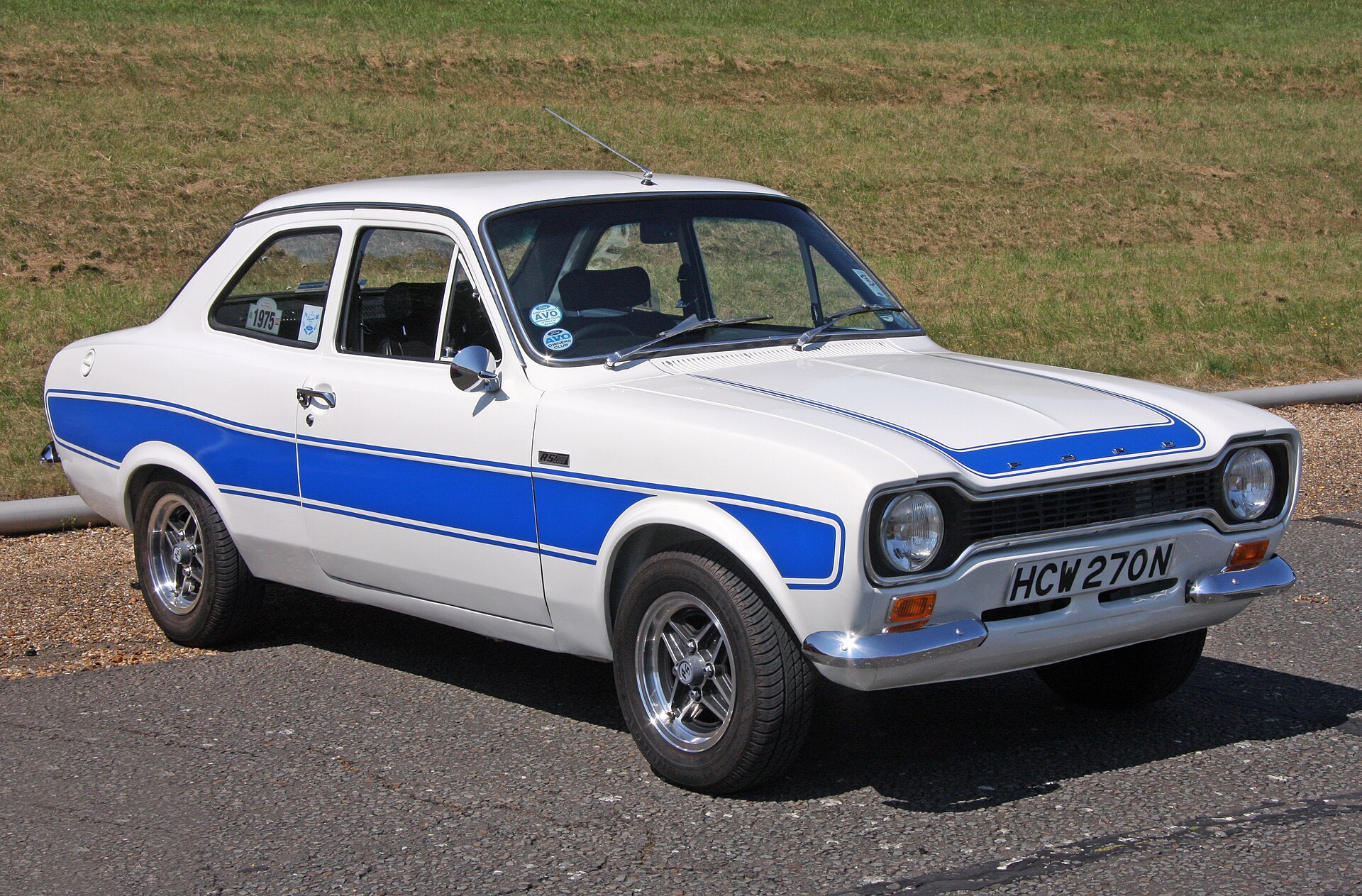
- Escort Mk I 1968–1975 · Sedan, Station wagon · 34–86 kW (46–117 PS)
- Escort Mk II 1975–1980 · Sedan, Station wagon · 86 kW (117 PS)
- Escort Mk III 1980–1986 · Hatchback, Station wagon · 40–97 kW (54–132 PS)
- Escort North America I 1981–1990 · Hatchback, Station wagon · 39–89 kW (53–121 PS)
- Escort Mk IV 1986–1990 · Hatchback, Station wagon
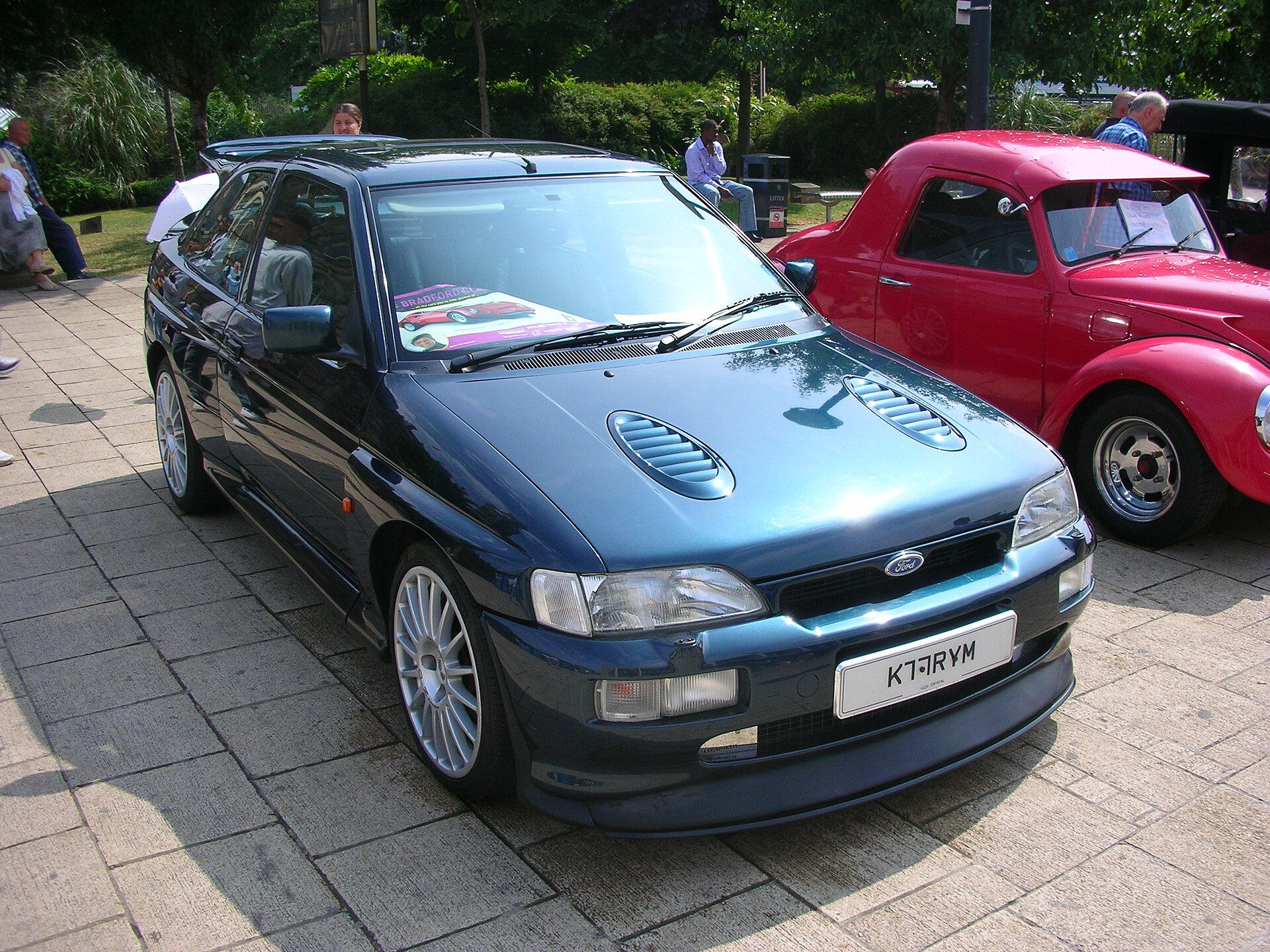
- Escort Mk V 1990–1995 · Sedan, Hatchback · 66–167 kW (90–227 PS)
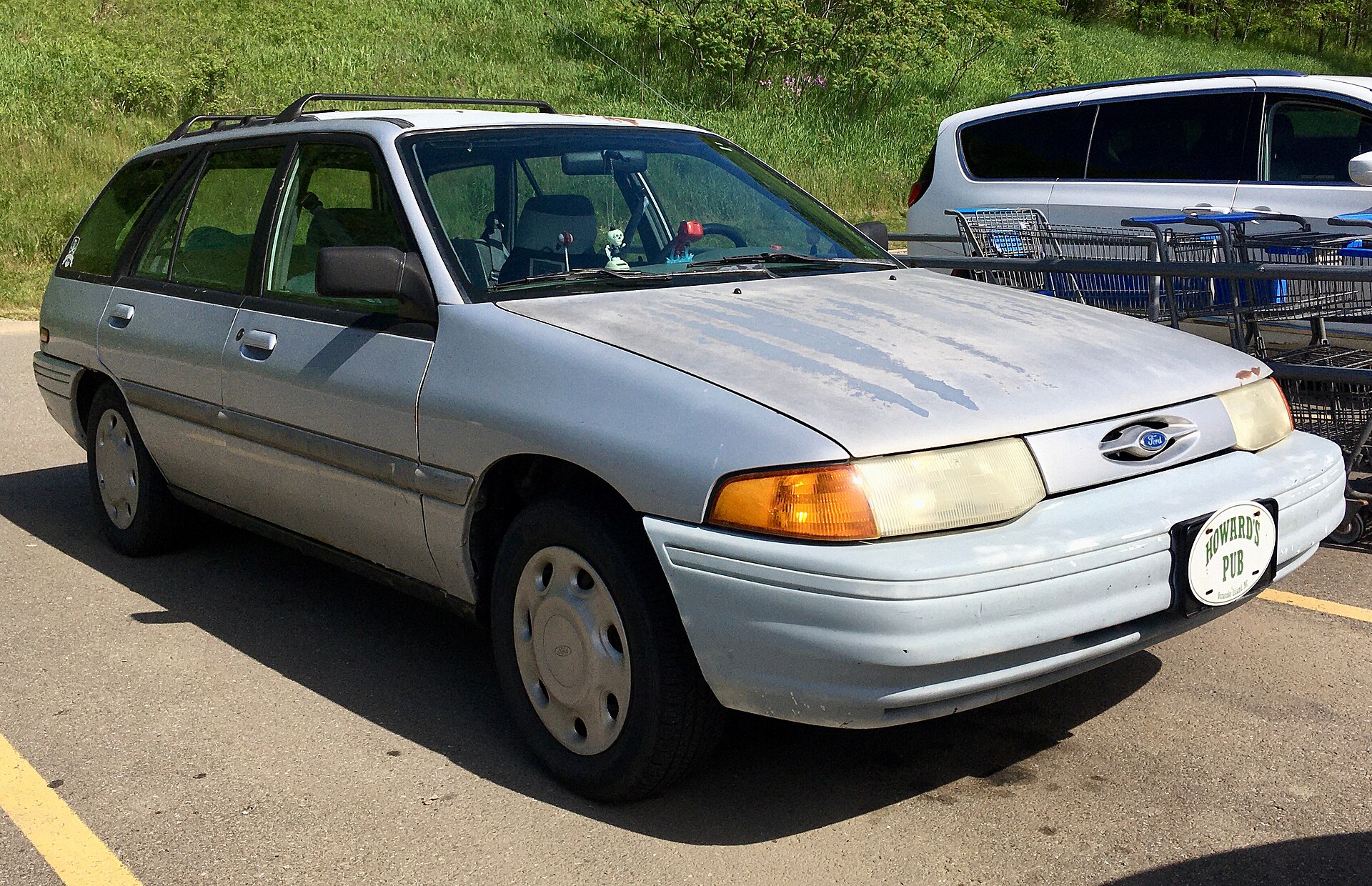
- Escort CT120 1991–1996 · Sedan, Hatchback · 66–95 kW (90–129 PS)
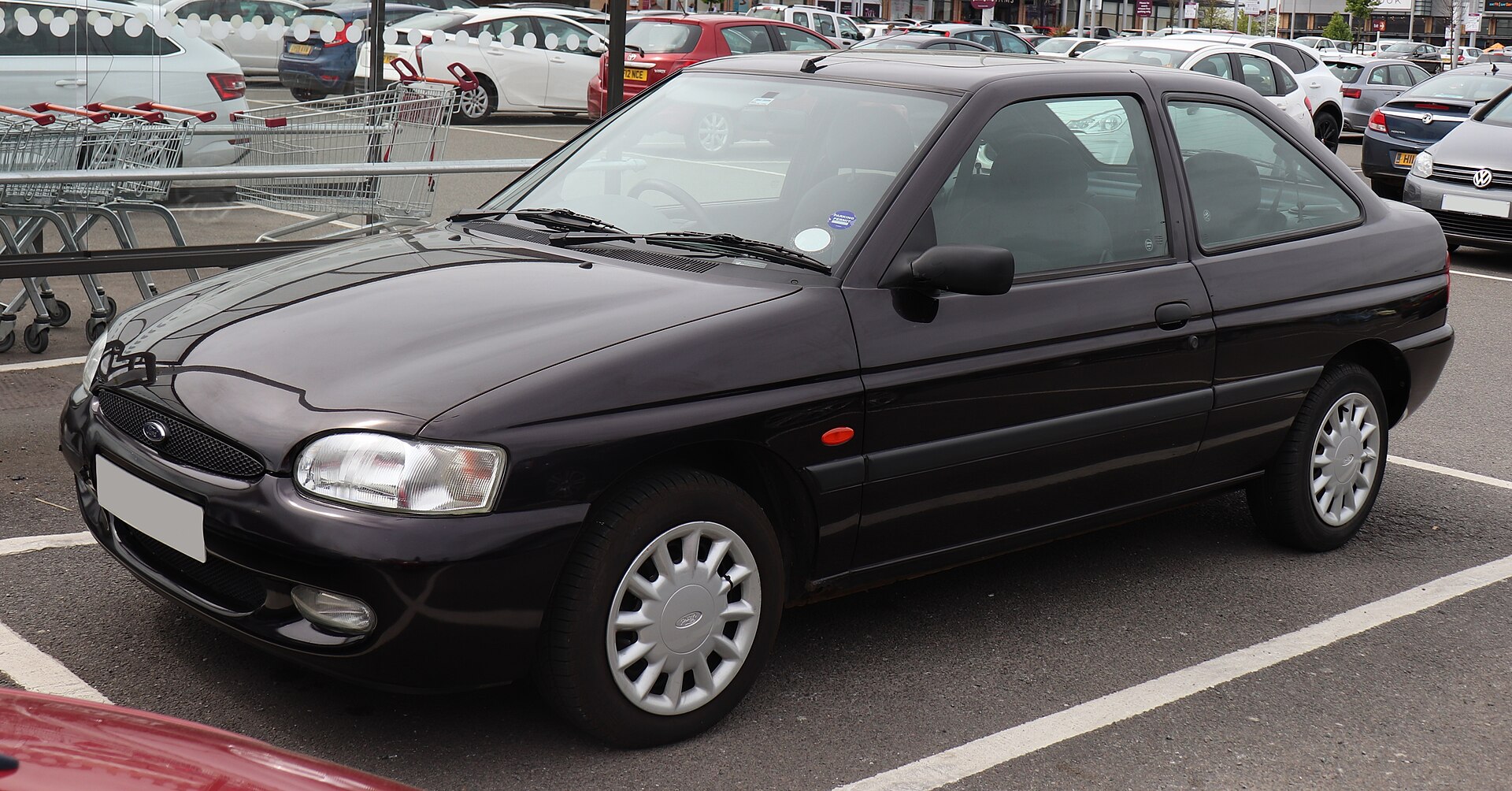
- Escort Mk VI 1995–2002 · Sedan, Hatchback
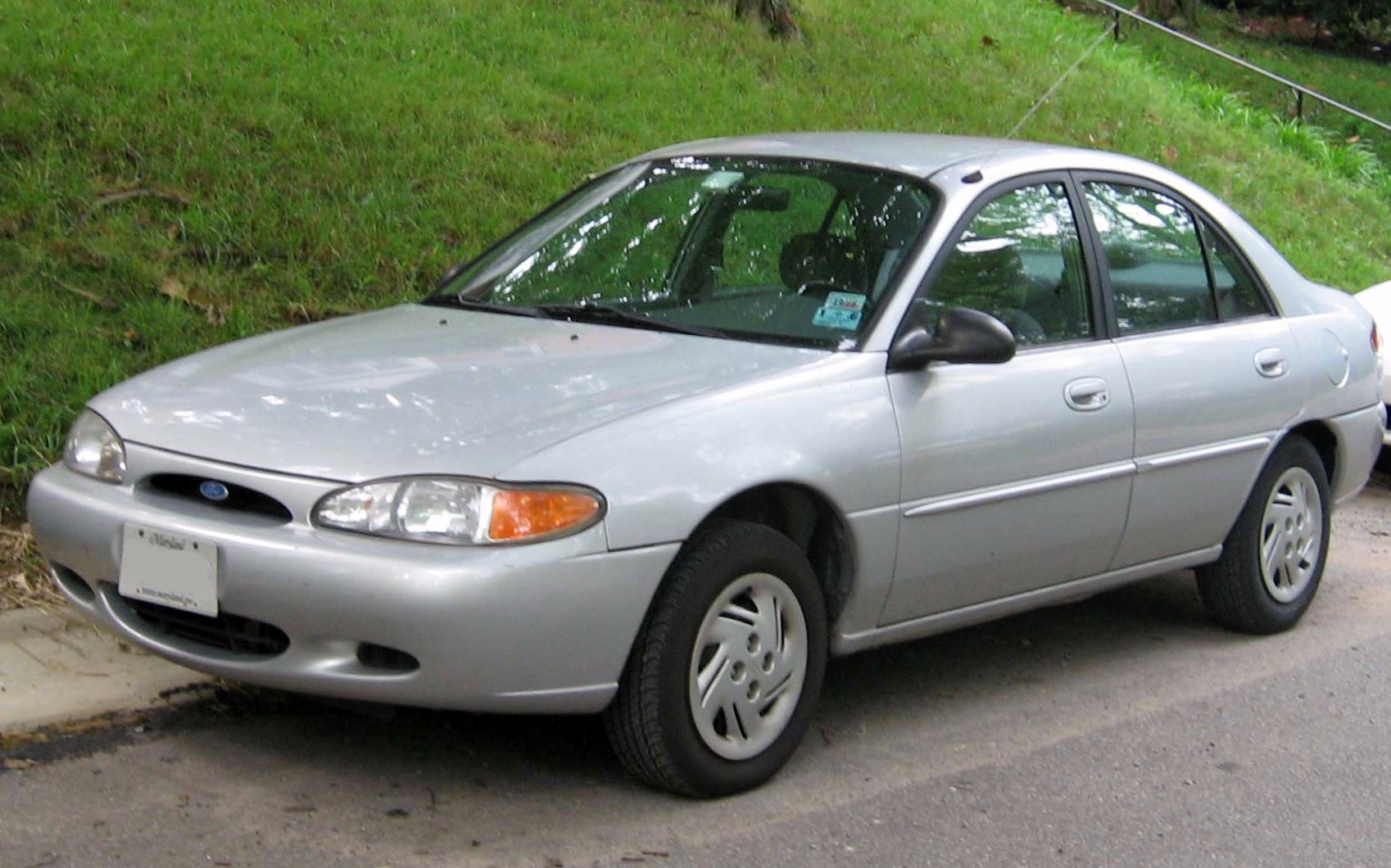
- Escort North America III 1997–2003 · Sedan, Station wagon · 82–107 kW (111–145 PS)
Newest first · 9 generations since 1968
-
1997
-
1995
-
1991
-
1990
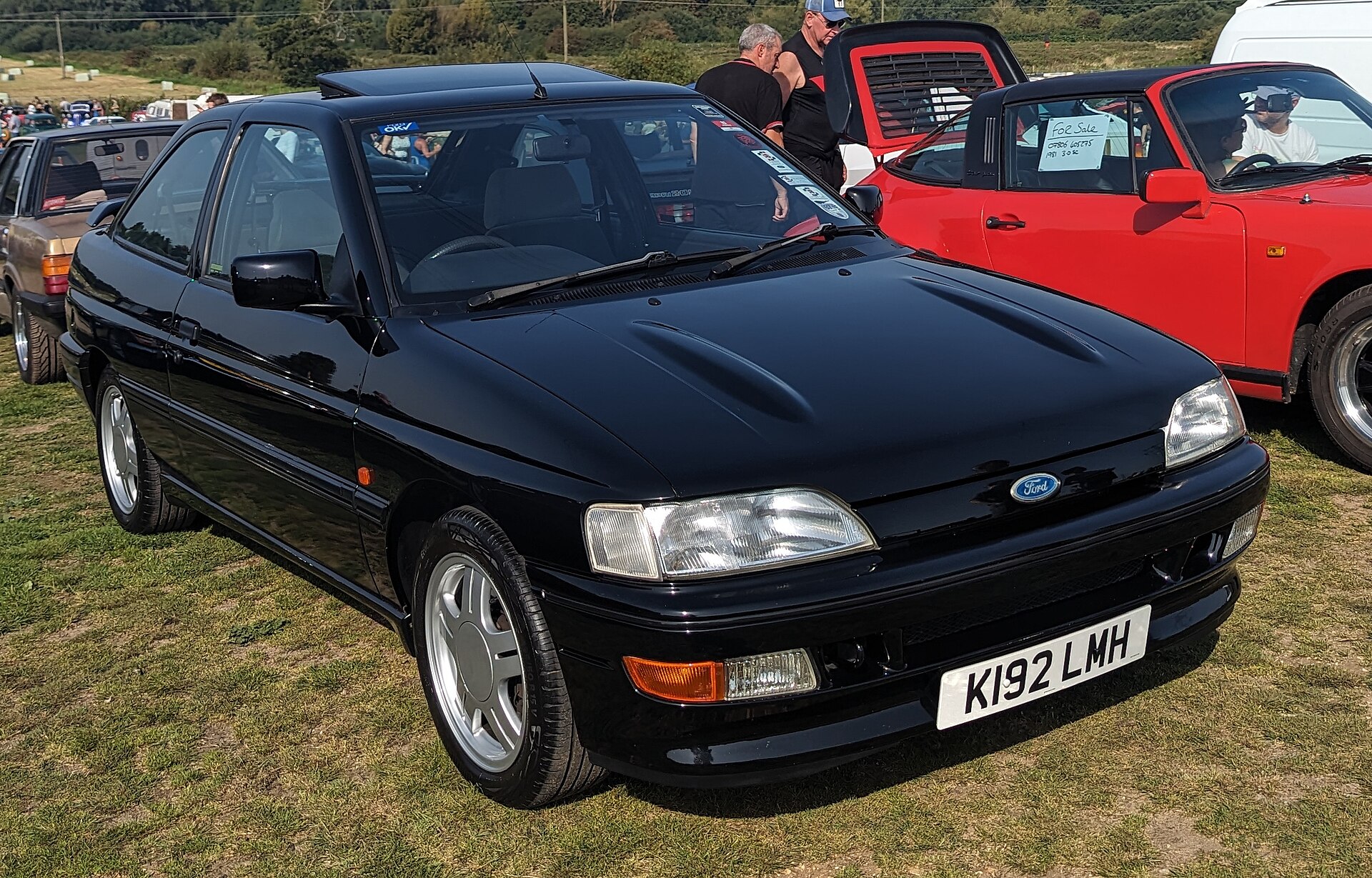
-
1986
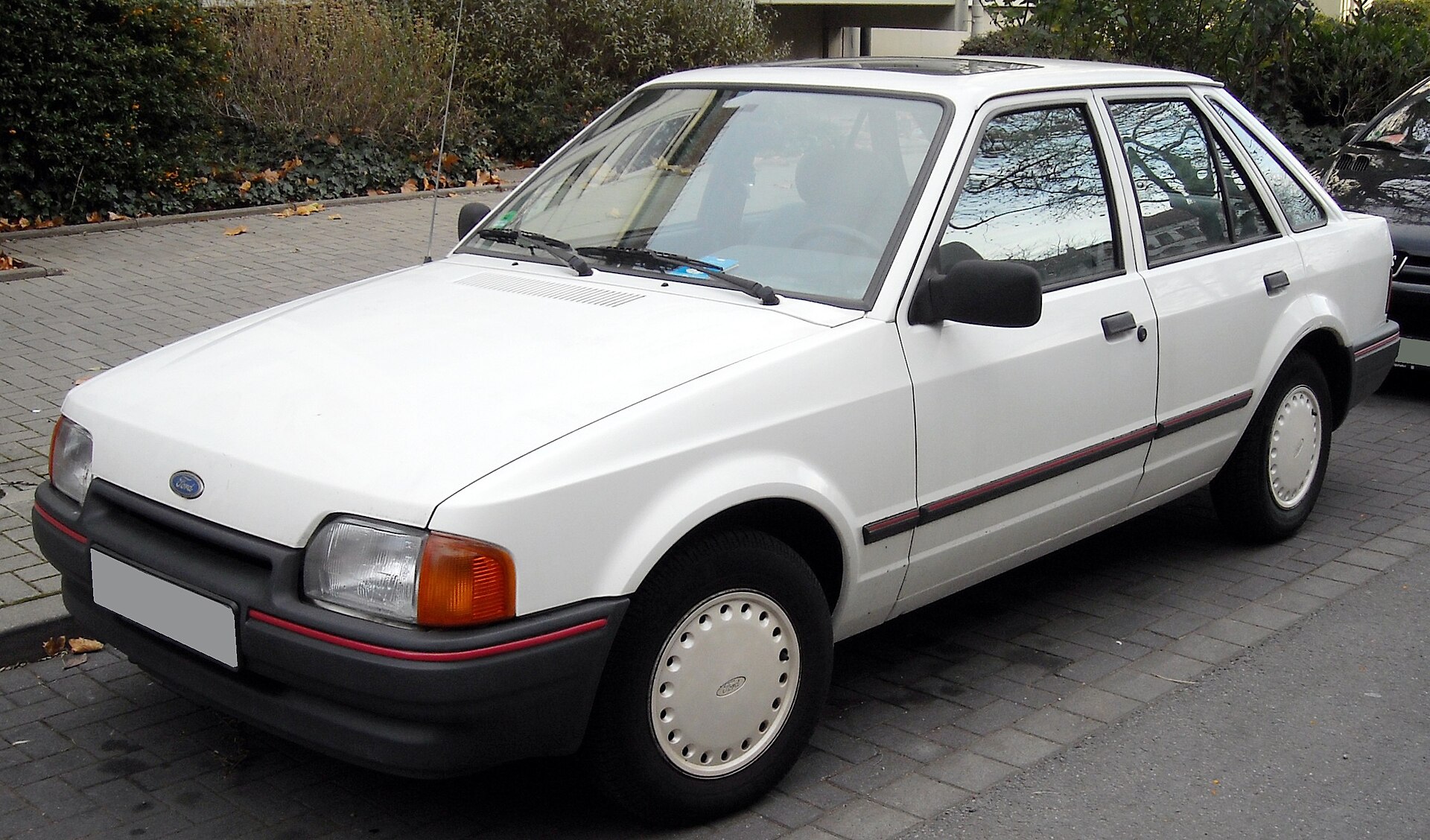
-
1981
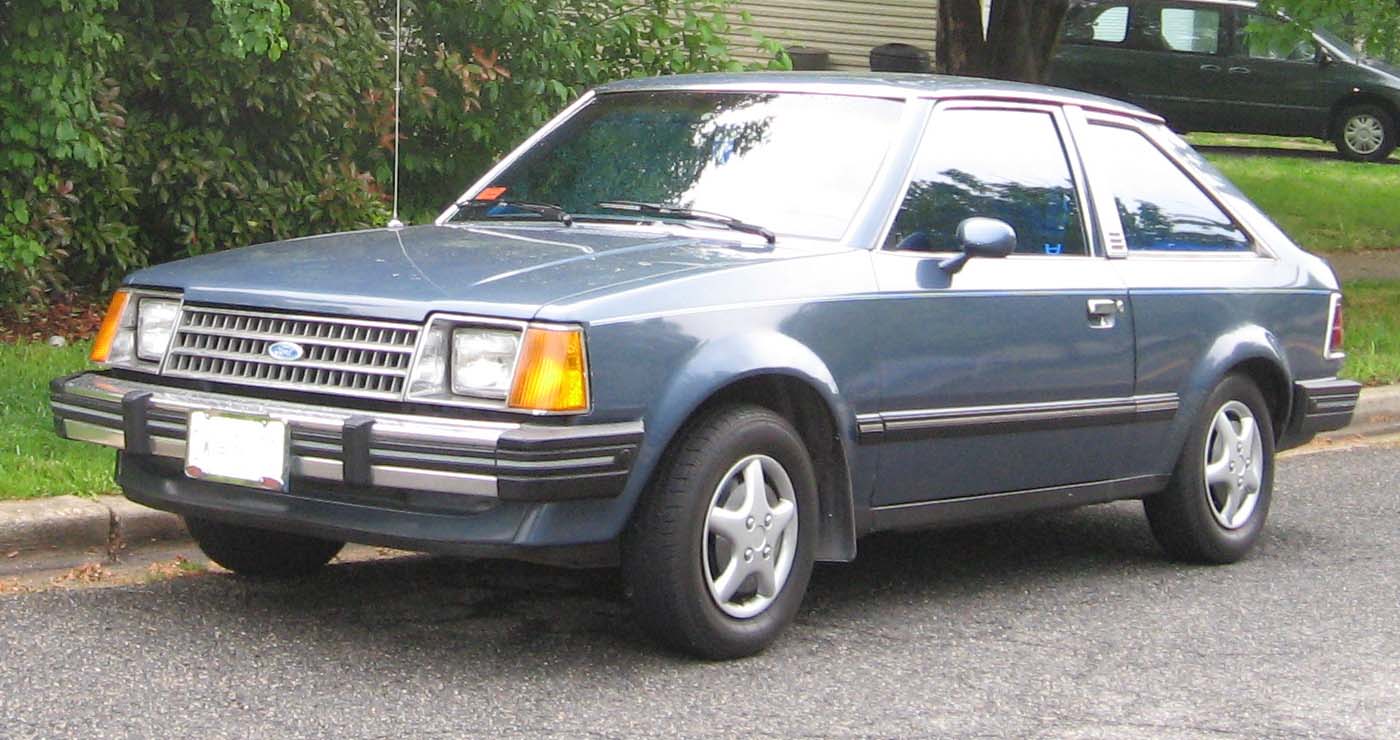
-
1980
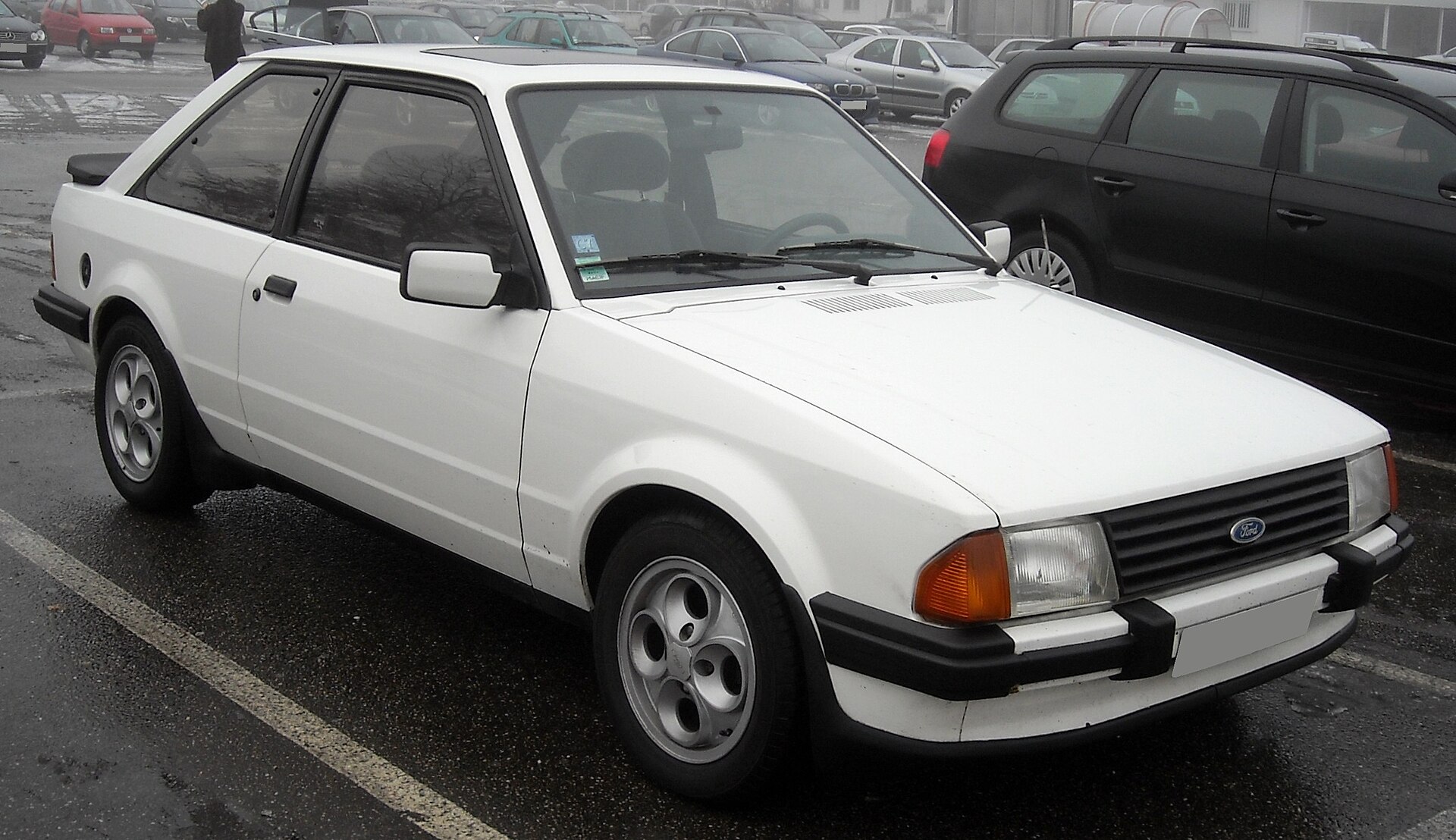
-
1975

-
1968
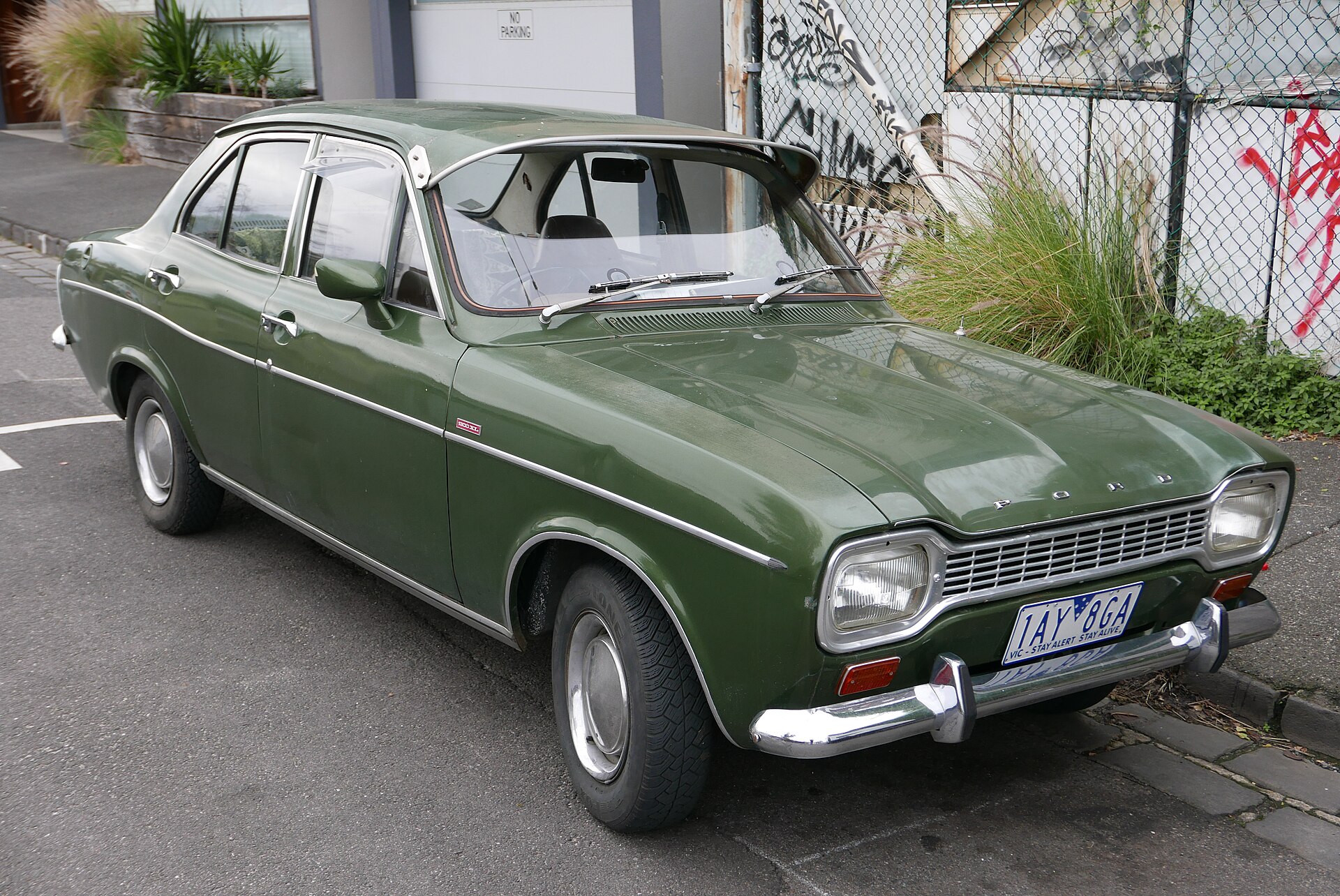


All generations by year: Escort North America III (1997–2003) · Escort Mk VI (1995–2002) · Escort CT120 (1991–1996) · Escort Mk V (1990–1995) · Escort Mk IV (1986–1990) · Escort North America I (1981–1990) · Escort Mk III (1980–1986) · Escort Mk II (1975–1980) · Escort Mk I (1968–1975)
Which one is mine?
Pick the year of first registration to see which generation it is.
- Escort North America III 1997–2003
- Mk VI 1995–2002
- CT120 1991–1996
- Mk V 1990–1995
- Mk IV 1986–1990
- Escort North America I 1981–1990
- Mk III 1980–1986
- Mk II 1975–1980
- Mk I 1968–1975
Which Escort to choose today
Our verdict · Sarah Whitmore
For a classic Escort, Lancaster's advice is to check for rust, fake sporting models and poorly done modifications, and to ask for the service history. The choice depends on what the car is for:
- Collectors look first at the Mk I and Mk II RS, Mexico and Twin Cam models. Replicas of these exist, so documented history matters more than paint.
- A usable classic is easier to find among ordinary Mk I and Mk II saloons, which use the same Kent and Pinto engine families as the sporting models.
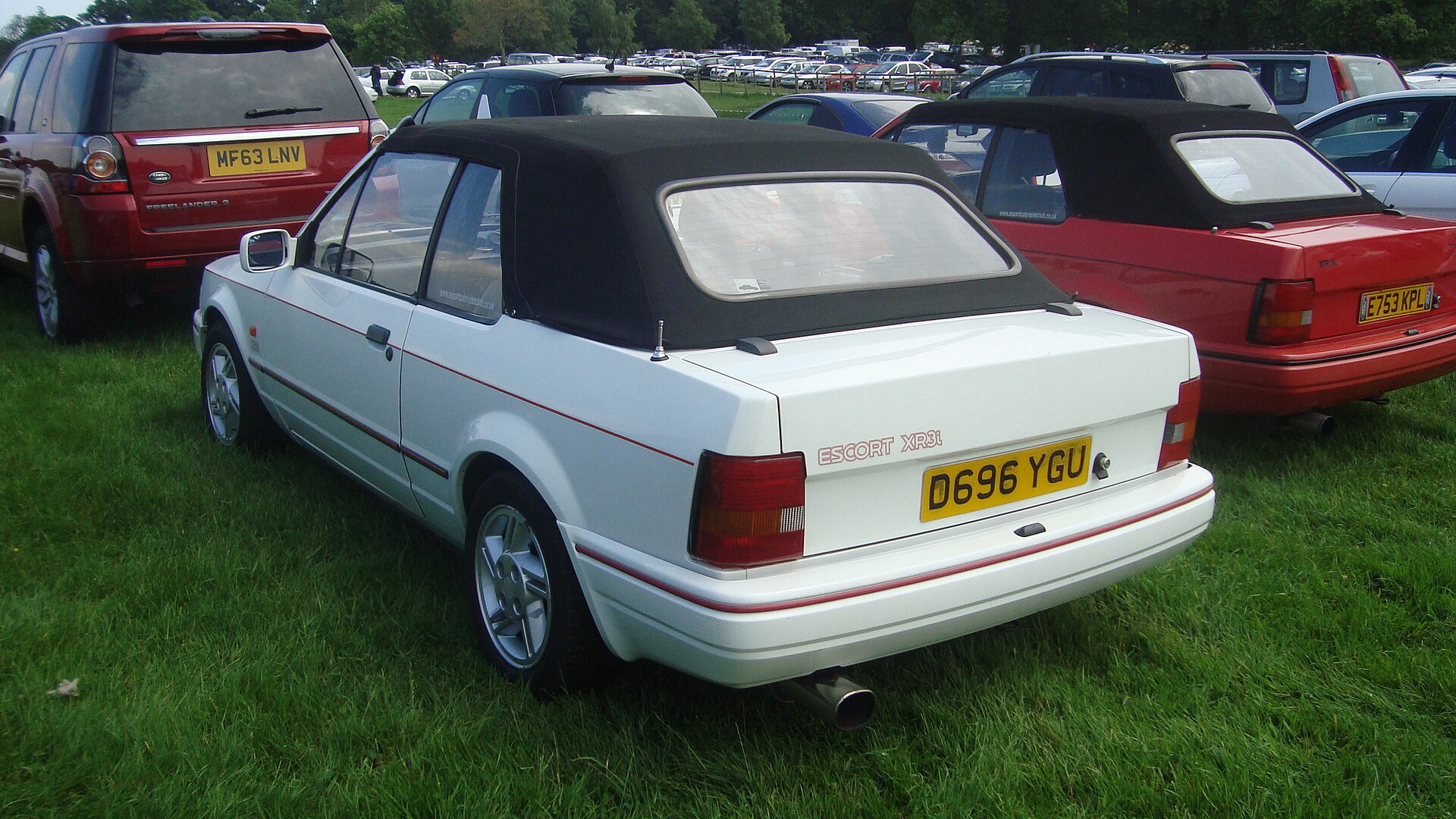
- 1980s fans can choose the XR3i, RS Turbo or Mk III convertible, the performance and open-top Escorts of that decade.
- Everyday transport is now better served by its successor; our article on the Ford Focus first and second generations explains what replaced the Escort.
The rest of the range is in our Ford catalogue, and the company background is in the history of Ford.
The Ford Escort was Ford of Europe's small family car from 1968 to the early 2000s and, under the same name, a separate compact car in North America from 1981 to 2003. In Europe it began as a rear-wheel-drive saloon that won the world's toughest rallies, then turned into a front-wheel-drive hatchback that topped the British sales charts for most of the 1980s. Six European generations and three American ones were built before the Focus took over.
In short
- European Escort: six generations from the Mk I of 1968 to the Mk VI, built until 2002 in Europe and 2004 in Argentina.
- Rally record: the 1970 London to Mexico World Cup Rally, every RAC Rally from 1975 to 1979 and the 1979 world manufacturers' title.
- Mk III: European Car of the Year 1981 and Britain's best-selling car for eight years.
- North American Escort (1981–2003): America's best-selling car of 1982, later built on Mazda 323 underpinnings.
Specs by version
Engines
| Version | Engine | Power | Production years |
|---|---|---|---|
| Diesel · 1 version | |||
| Mk III · diesel | 4 cyl · Diesel | 40 kW 54 PS54 hp | - |
| Petrol · 18 versions | |||
| Mk I · 1.1 Kent | 1.1 l · 4 cyl · Petrol 1,098 cc | 34 kW 46 PS46 hp | 1968 |
| Mk I · 1.3 GT Kent | 1.3 l · 4 cyl · Petrol 1,298 cc | 47 kW 64 PS63 hp | 1968 |
| Mk I · Mexico 1.6 | 1.6 l · 4 cyl · Petrol 1,598 cc | 63 kW 86 PS84 hp | 1970 |
| Mk I · RS2000 2.0 Pinto | 2.0 l · 4 cyl · Petrol 1,993 cc | 75 kW 102 PS101 hp | - |
| Mk I · Twin Cam 1.6 | 1.6 l · 4 cyl · Petrol 1,558 cc | 78 kW 106 PS105 hp | 1968 |
| Mk I · RS1600 1.6 BDA | 1.6 l · 4 cyl · Petrol 1,601 cc | 86 kW 117 PS115 hp | 1970 |
| Mk II · RS2000 2.0 Pinto | 4 cyl · Petrol | 82 kW 111 PS110 hp | - |
| Mk II · RS1800 1.8 BDE | 1.8 l · 4 cyl · Petrol 1,833 cc | 86 kW 117 PS115 hp | 1975 |
| Mk III · RS 1600i | 4 cyl · Petrol | 85 kW 116 PS114 hp | 1983 |
| Mk III · RS Turbo 1.6 | 4 cyl · Petrol | 97 kW 132 PS130 hp | 1985 |
| Escort North America I · 1.9 GT | 4 cyl · Petrol | 81 kW 110 PS109 hp | 1985–1988 |
| Escort North America I · 1.6 turbo | 4 cyl · Petrol | 89 kW 121 PS119 hp | 1984–1985 |
| Mk V · 1.6 Zetec | 1.6 l · 4 cyl · Petrol 1,598 cc | 66 kW 90 PS89 hp | 1992 |
| Mk V · 1.8 Zetec | 1.8 l · 4 cyl · Petrol 1,796 cc | 96 kW 131 PS129 hp | 1992 |
| Mk V · RS2000 2.0 16V | 2.0 l · 4 cyl · Petrol 1,998 cc | 110 kW 150 PS148 hp | - |
| CT120 · 1.8 DOHC GT | 4 cyl · Petrol | 95 kW 129 PS127 hp | 1991–1996 |
| Escort North America III · ZX2 2.0 Zetec | 4 cyl · Petrol | 97 kW 132 PS130 hp | 1998–2003 |
| Escort North America III · ZX2 S/R 2.0 Zetec | 4 cyl · Petrol | 107 kW 145 PS143 hp | 1999–2000 |
Performance
Show all 1 versions
| Version | 0–100 km/h | Top speed |
|---|---|---|
| Mk II · 1975–1980 | ||
| Mk II · RS2000 2.0 Pinto | 8.9 s 0–62 mph | 177 km/h110 mph |
Dimensions and weight
Show all 3 versions
| Version | Wheelbase |
|---|---|
| Mk V · 1990–1995 | |
| Mk V · 1.6 Zetec | 2,525 mm99.4 in |
| Mk V · 1.8 Zetec | 2,525 mm99.4 in |
| Mk V · RS2000 2.0 16V | 2,525 mm99.4 in |
Verified Manufacturer and type-approval data from our catalog · Sources and methodology
Ford Escort at a glance
| Item | Ford Escort |
|---|---|
| Production | 1968–2002 in Europe (Argentina to 2004); 1981–2003 in North America |
| Class | small family car (C segment) |
| Main European plants | Halewood and Dagenham (UK), Genk (Belgium), Saarlouis (Germany), Almussafes (Spain) |
| Bodies | two- and four-door saloon, three- and five-door hatchback, estate, convertible, van |
| Layout | front engine, rear-wheel drive (Mk I–II), front-wheel drive (from Mk III); four-wheel drive on the RS Cosworth |
| Engines | Kent, Pinto, Twin Cam and BDA petrol fours; CVH, Zetec; diesels from the Mk III |
| Power | 34 kW (Mk I 1.1) to 167 kW (RS Cosworth) |
| UK sales | more than 4.1 million over 33 years |
| Predecessor / successor | Ford Anglia / Ford Focus (1998) |
Escort generations
| Generation | Code | Years | Body styles | Engines | Power (kW / PS) |
|---|---|---|---|---|---|
| Mk I | - | 1968–1975 | 2/4-door saloon, estate, van | 1.1–1.3 Kent, 1.6 Twin Cam, 1.6 BDA, 2.0 Pinto | 34–86 kW (46–117 PS) |
| Mk II | - | 1975–1980 | 2/4-door saloon, estate, van | 1.6–2.0 Pinto, 1.8 BDE and others | up to 86 kW (117 PS) |
| Mk III | Erika | 1980–1986 | 3/5-door hatchback, estate, convertible, van | 1.3–1.6 CVH, diesel | 40–97 kW (55–132 PS) |
| Mk IV | Erika-86 | 1986–1990 | as Mk III | 1.1/1.3 Valencia, 1.4/1.6 CVH, 1.8 diesel | facelift of Mk III |
| Mk V | CE14 | 1990–1995 | 3/5-door hatchback, saloon, estate, convertible | CVH, 1.6/1.8 Zetec, 2.0 | 66–167 kW (90–225 PS) |
| Mk VI | - | 1995–2002 | hatchback, saloon, estate, convertible, van | revised Mk V range | - |
| North America I | - | 1981–1990 | 3/5-door hatchback, estate | 1.6 and 1.9 CVH, 2.0 Mazda diesel | 39–89 kW (52–120 hp) |
| North America II | CT120 | 1991–1996 | hatchback, saloon, estate | 1.9 CVH, 1.8 Mazda DOHC | 66–95 kW (88–127 hp) |
| North America III | - | 1997–2003 | saloon, estate, ZX2 coupe | 2.0 SPI, 2.0 Zetec | 82–107 kW (110–143 hp) |
Mk I: the rear-drive original (1968–1975)
Ford built the first Escorts in Britain at the end of 1967, and the car made its show debut at the Brussels Motor Show in January 1968. It replaced the Anglia, which had been in production in various forms since 1939, and brought rack-and-pinion steering to Ford's smallest car. The engines were Kent crossflow fours: the 1.1 had 34 kW (46 PS) and the 1.3 GT 47 kW (64 PS). Ford's advertising called it "the small car that isn't".
Production started at Halewood and Dagenham and spread to Genk in September 1968 and Saarlouis in 1970. A four-door saloon joined the two-door in 1969, and an estate and a panel van were also offered. By June 1974 Ford had built two million Escorts.
The sporting versions came from AVO, Ford's Advanced Vehicle Operations plant at Aveley in Essex:
- Twin Cam: 1.6 with 78 kW (106 PS);
- RS1600: 1.6 Cosworth BDA with 86 kW (117 PS);
- Mexico: 1.6 with 63 kW (86 PS), 10,352 built;
- RS2000: 2.0 Pinto with 75 kW (101 PS).
The Mexico celebrated the 1970 London to Mexico World Cup Rally, which Hannu Mikkola and Gunnar Palm won in an Escort.

Mk II and the rally years (1975–1980)
The squarer Mk II entered production on 2 December 1974 and kept the rear-drive layout, engines and body choices of its predecessor, with better seats, ride and ventilation. The RS1800 used a 1.8 Cosworth BDE engine of 86 kW (117 PS). The RS2000 had Ford's claimed 82 kW (110 bhp) and, according to Lancaster Insurance, a top speed of 177 km/h; the RS Mexico used a 1.6 Pinto.
The Mk II built most of the Escort's rally record. Escorts won the RAC Rally every year from 1975 to 1979. In 1979 Björn Waldegård took the world drivers' title, with Mikkola second, and Ford won the manufacturers' championship. Ari Vatanen then won the 1981 drivers' title in an RS1800. British production of the Mk II ended in August 1980.

Front-wheel drive: Mk III and Mk IV (1980–1990)
The Mk III, codenamed "Erika", arrived in September 1980 with front-wheel drive, a hatchback and new CVH engines, the layout the Volkswagen Golf had used since 1974. Jurors voted it European Car of the Year 1981. By 1982 it had overtaken the Cortina as Britain's best-selling car, a place the Escort held for eight years. In December 1989 the Mk III was the most common car on British roads, with almost 1.5 million registered.
The range widened quickly: a van in February 1981, a Karmann-built convertible, the Orion saloon in 1983 and a 40 kW (55 PS) diesel. The XR3i and RS 1600i, with 85 kW (115 PS), followed in 1983, and the RS Turbo with 97 kW (132 PS) in 1985.
The Mk IV of March 1986 was a facelift of the same car. It added 1.1 and 1.3 Valencia engines, a 1.4 CVH and a 1.8 diesel. European production ended in 1990, and Brazil kept building it until 1996.

Mk V and Mk VI (1990–2002)
The Mk V (project CE14) was launched in September 1990 with a torsion-beam rear suspension, and the motoring press received it coolly. Even so, it was first or second in the British sales charts from 1990 to 1992. Ford improved it step by step. The Zetec 16-valve engines arrived in 1992 with 66 kW (90 PS) from 1.6 litres and 96 kW (130 PS) from 1.8 litres. The Orion name was dropped in September 1993, and airbags followed in 1994. The RS2000 had a 2.0 engine with 110 kW (150 PS).
The Mk VI of January 1995 was a revision with new headlamps, bonnet and front wings, first built at Halewood. The Focus arrived in 1998, but European production of the Escort continued until October 2002, the van giving way to the Transit Connect. Argentina built it until 2004, and Ford also assembled it in Belarus, India, Poland, South Africa and Turkey.

The North American Escort (1981–2003)
Ford developed the first American Escort together with Ford of Europe as a "world car". It shared the 94.2-inch wheelbase, the CVH engine and the ATX automatic with the European Mk III, but no body panels. Built in Edison (New Jersey), San Jose (California), Wayne (Michigan) and Oakville (Ontario), it was America's best-selling car of 1982; the 1986 model year reached 430,053 cars. The range included a GT, the two-seat EXP coupe (1982–1988), a 1.6 turbo with 89 kW (120 hp) and a 2.0 Mazda diesel, which accounted for less than 1.2% of sales.
The second generation (1991–1996) dropped the European link and moved to the Mazda 323/Protegé platform, built in Wayne and in Hermosillo, Mexico. The GT used a 1.8 Mazda twin-cam with 95 kW (127 hp). This generation totalled 1,731,460 cars.
The third generation (1997–2003) kept that chassis. The ZX2 coupe of 1998, the first two-door Escort, had a 2.0 Zetec with 97 kW (130 hp); the 2,110 S/R cars had 107 kW (143 hp). The last sedan was built in June 2002 and the last ZX2 in June 2003, when the Focus took over completely.
Performance versions
| Version | Years | Engine | Power |
|---|---|---|---|
| Twin Cam (Mk I) | Mk I period | 1.6 DOHC | 78 kW (106 PS) |
| RS1600 (Mk I) | Mk I period | 1.6 BDA | 86 kW (117 PS) |
| RS2000 (Mk I) | Mk I period | 2.0 Pinto | 75 kW (101 PS) |
| RS1800 (Mk II) | 1975–1980 | 1.8 BDE | 86 kW (117 PS) |
| RS 1600i (Mk III) | 1983 | 1.6 CVH injection | 85 kW (115 PS) |
| RS Turbo (Mk III) | 1985 | 1.6 CVH turbo | 97 kW (132 PS) |
| RS2000 (Mk V) | Mk V period | 2.0 16V | 110 kW (150 PS) |
| RS Cosworth (Mk V) | from 1992 | 2.0 turbo, four-wheel drive | 167 kW (225 PS) |
The RS Cosworth, with its large rear wing, reached a top speed of about 225 km/h according to Lancaster. Readers who prefer horsepower can switch units with our power converter.

Photo gallery


Ford Escort evolution in numbers
Did you know?
- The Ford Escort ran for 35 years, from 1968 to 2003, over 9 generations in our catalog.
- The biggest jump in power came with the Escort Mk V: up to 167 kW (227 PS), 78 kW more than the Escort North America I.
- The most powerful Ford Escort is not the newest: the Escort Mk V (1990–1995) offered up to 167 kW (227 PS), the Escort North America III up to 107 kW (145 PS).
Most powerful version, kW
Figures from the 1cars catalog: power is the strongest version of each generation; generations without the figure are left out.
Ford Escort: first vs latest generation
| Spec | Escort Mk I | Escort North America III | Change |
|---|---|---|---|
| Years | 1968–1975 | 1997–2003 | 29 years apart |
| Most powerful version | 86 kW (117 PS) | 107 kW (145 PS) | +21 kW (+24%) |
Oldest and newest generation in the 1cars catalog. Power is the strongest version of each; other rows are shown only when both generations have the figure.
Image credits · Photos from Wikimedia Commons under free licences
- Ford Escort Mk I · Photo: OSX / Wikimedia Commons, Public domain
- Ford Escort Mk III · Photo: Rudolf Stricker / Wikimedia Commons, Attribution
- Ford Escort North America I · Photo: IFCAR / Wikimedia Commons, Public domain
- Ford Escort Mk IV · Photo: Rudolf Stricker / Wikimedia Commons, Attribution
- Ford Escort Mk V · Photo: Charlie from United Kingdom / Wikimedia Commons, CC BY 2.0
- Ford Escort CT120 · Photo: Cutlass / Wikimedia Commons, CC0
- Ford Escort Mk VI · Photo: Vauxford / Wikimedia Commons, CC BY-SA 4.0
- Ford Escort North America III · Photo: IFCAR / Wikimedia Commons, Public domain
Popular comparisons
Ford Escort in our rankings
- No. 10 of 16 · Fastest cars of the 1970s (177 km/h)
- No. 25 of 70 · Biggest engines: hatchbacks (1,998 cc · top 36%)
- No. 18 of 36 · Quickest sedans, 0–100 (8.9 s · top 50%)
- No. 53 of 106 · Most powerful hatchbacks (110 kW · top 53%)
- No. 31 of 48 · Fastest sedans (177 km/h · top 65%)
- No. 86 of 131 · Biggest engines: sedans (1,993 cc · top 68%)
Bigger engine than 64% of ranked hatchbacks in the 1CARS catalog (No. 25 of 70).
Ford Escort photos 6

FAQ
How many generations of the Ford Escort were there?
Six in Europe (Mk I to Mk VI, 1968–2002) and three in North America (1981–2003). The European Mk IV and Mk VI were deep revisions of the cars before them.
When did Ford stop making the Escort?
European production ended in October 2002, Argentina followed in 2004, and the last North American Escort, a ZX2 coupe, was built in June 2003.
Which Escort won the World Rally Championship?
The Mk II. Björn Waldegård won the 1979 drivers' title and Ford the manufacturers' title; Ari Vatanen won the 1981 drivers' title in an RS1800.
What replaced the Ford Escort?
The Ford Focus, launched in 1998 in Europe and in North America from 2000.
What was the most powerful Escort?
The RS Cosworth of 1992–1996, with a 2.0 turbo engine of 167 kW (225 PS) and four-wheel drive.
Data sources
Data checked by an editor against the sources below.
- Wikipedia - Ford Escort (Europe)
- Wikipedia - Ford Escort (North America)