 Audi A5
All generations, specs and history
Published Sources (2) Report an error
By Felix Hartmann, Automotive Technology & EV Contributor
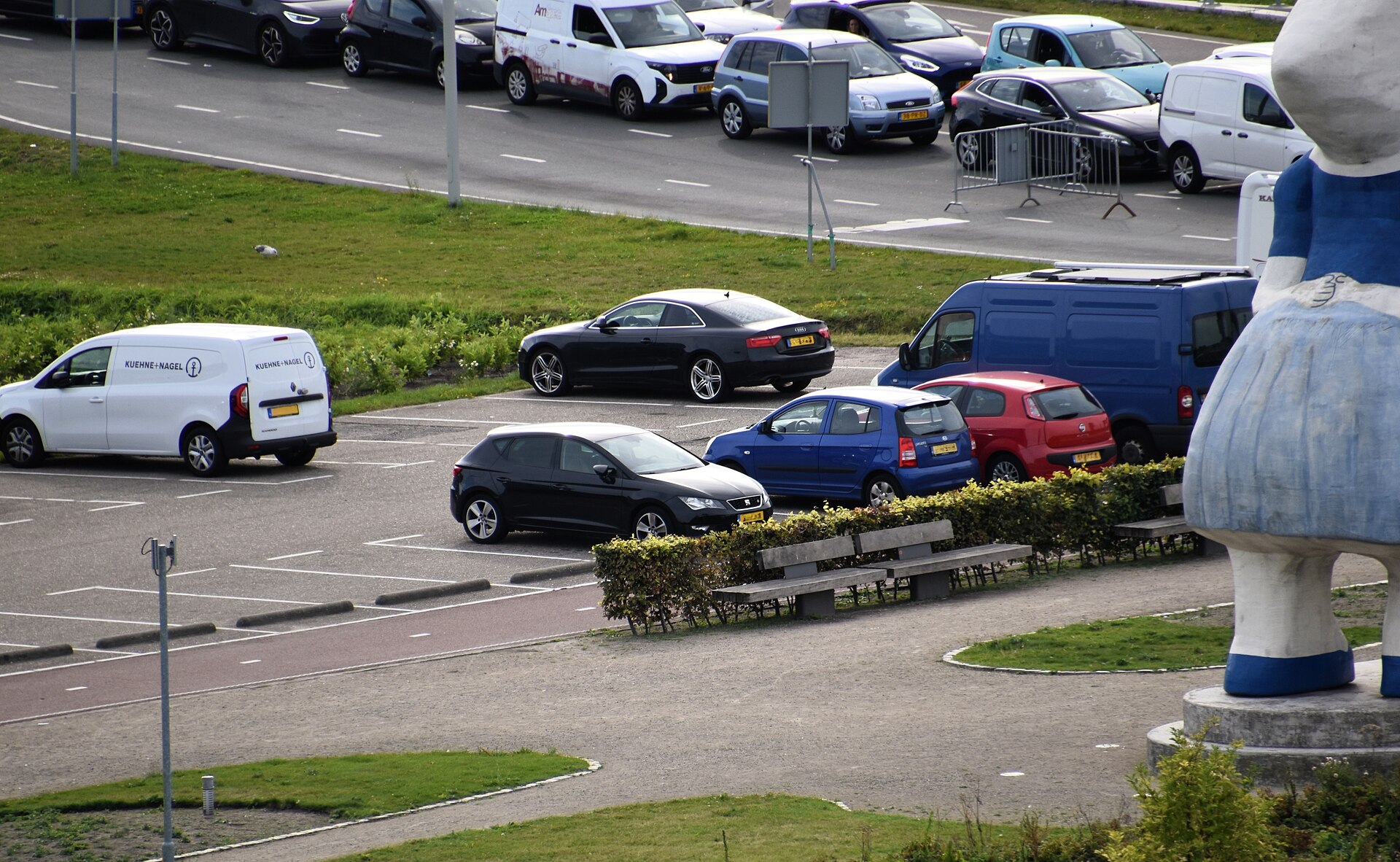
- Built
- 2007–present
- Generations
- 3 · 8T to B10
- Top power
- 470 kW (639 PS)
Timeline
A5 generations
Click a generation for its own page


- A5 8T 2007–2016 · Liftback, Coupe · 100–331 kW (136–450 PS)
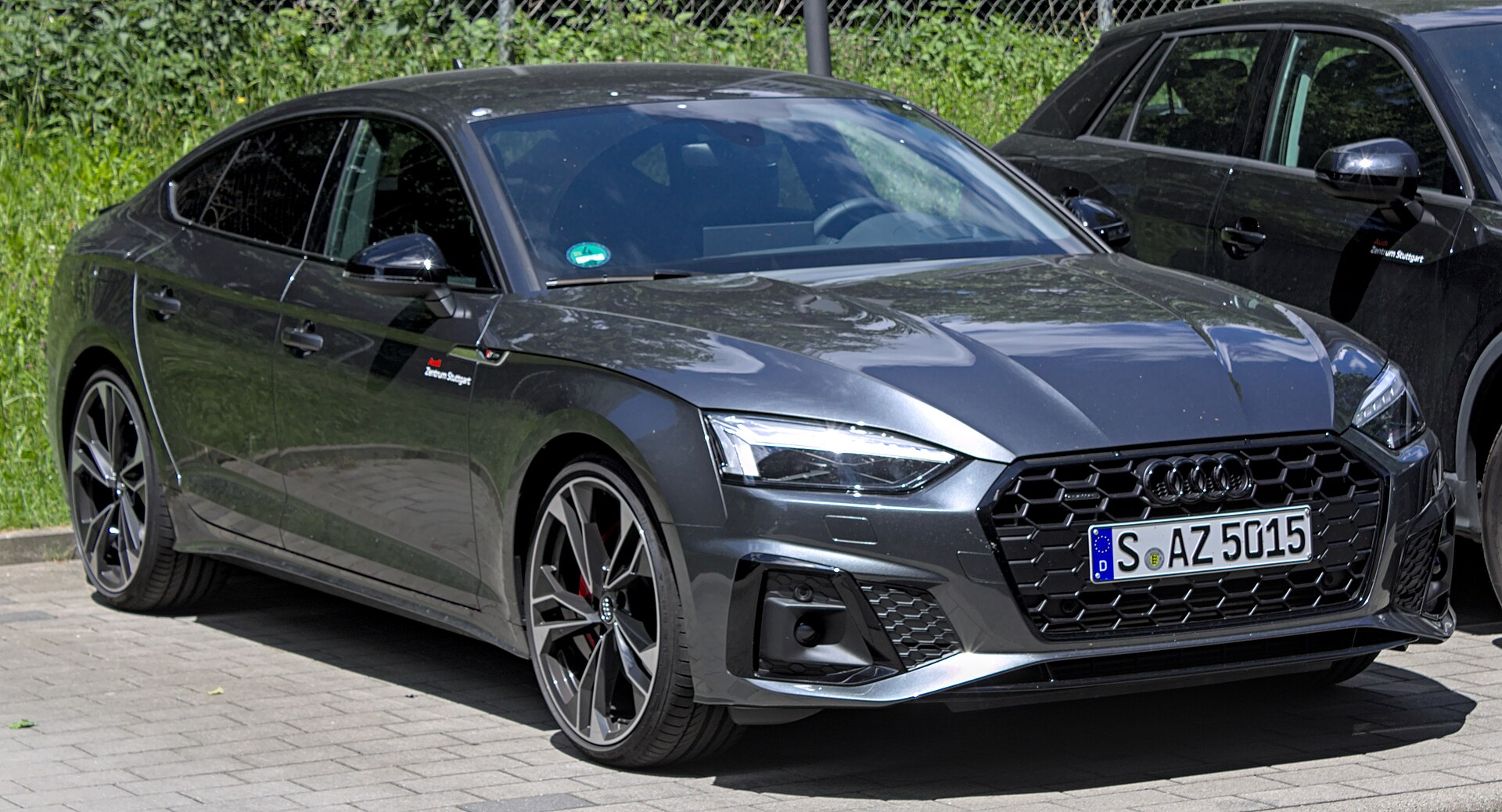
- A5 F5 2016–2024 · Liftback, Coupe · 140–331 kW (190–450 PS)
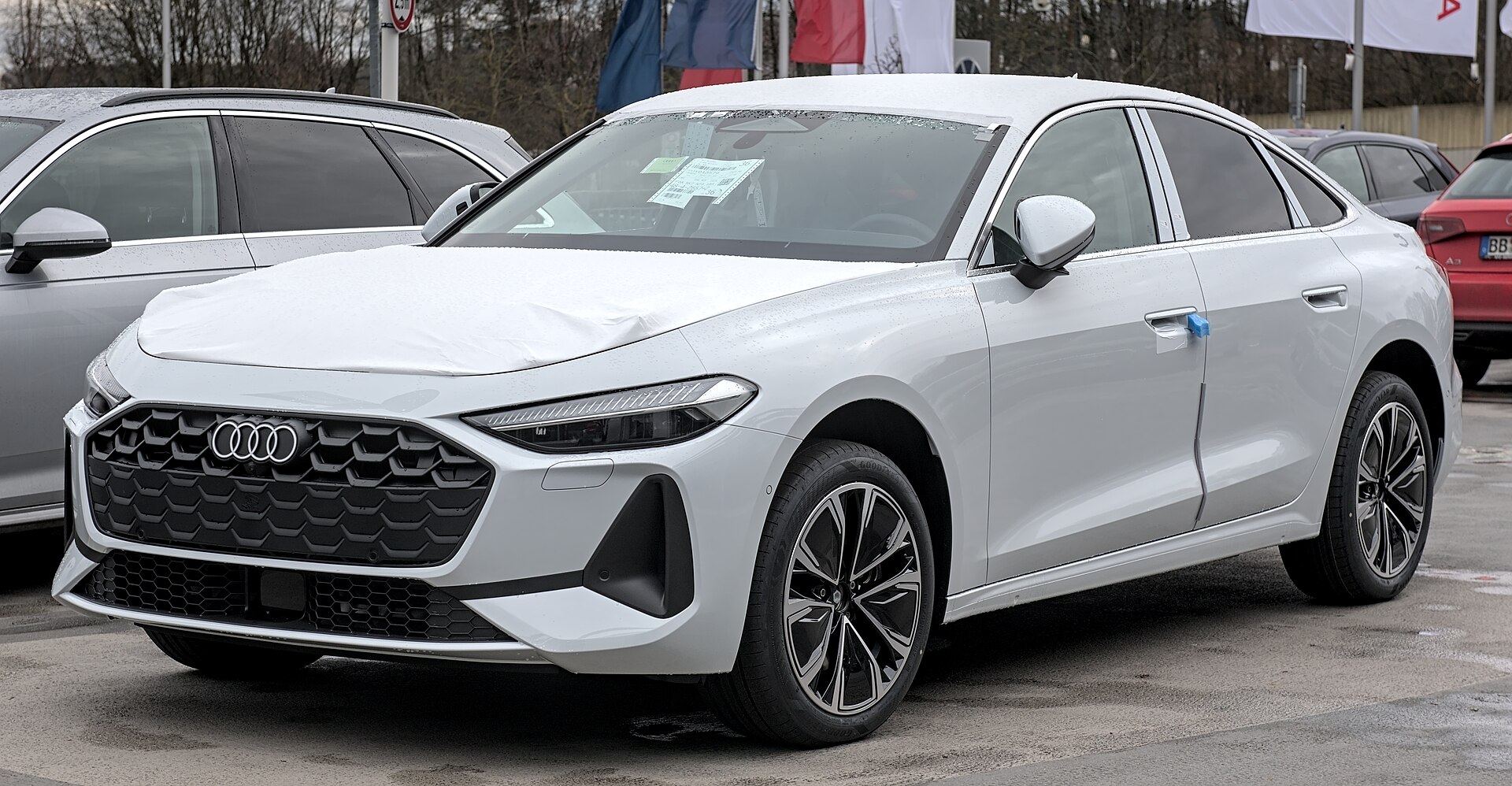
- A5 B10 Current 2024–now · Liftback, Station wagon · 110–470 kW (150–639 PS)
Newest first · 3 generations since 2007
-
2024
-
2016
-
2007
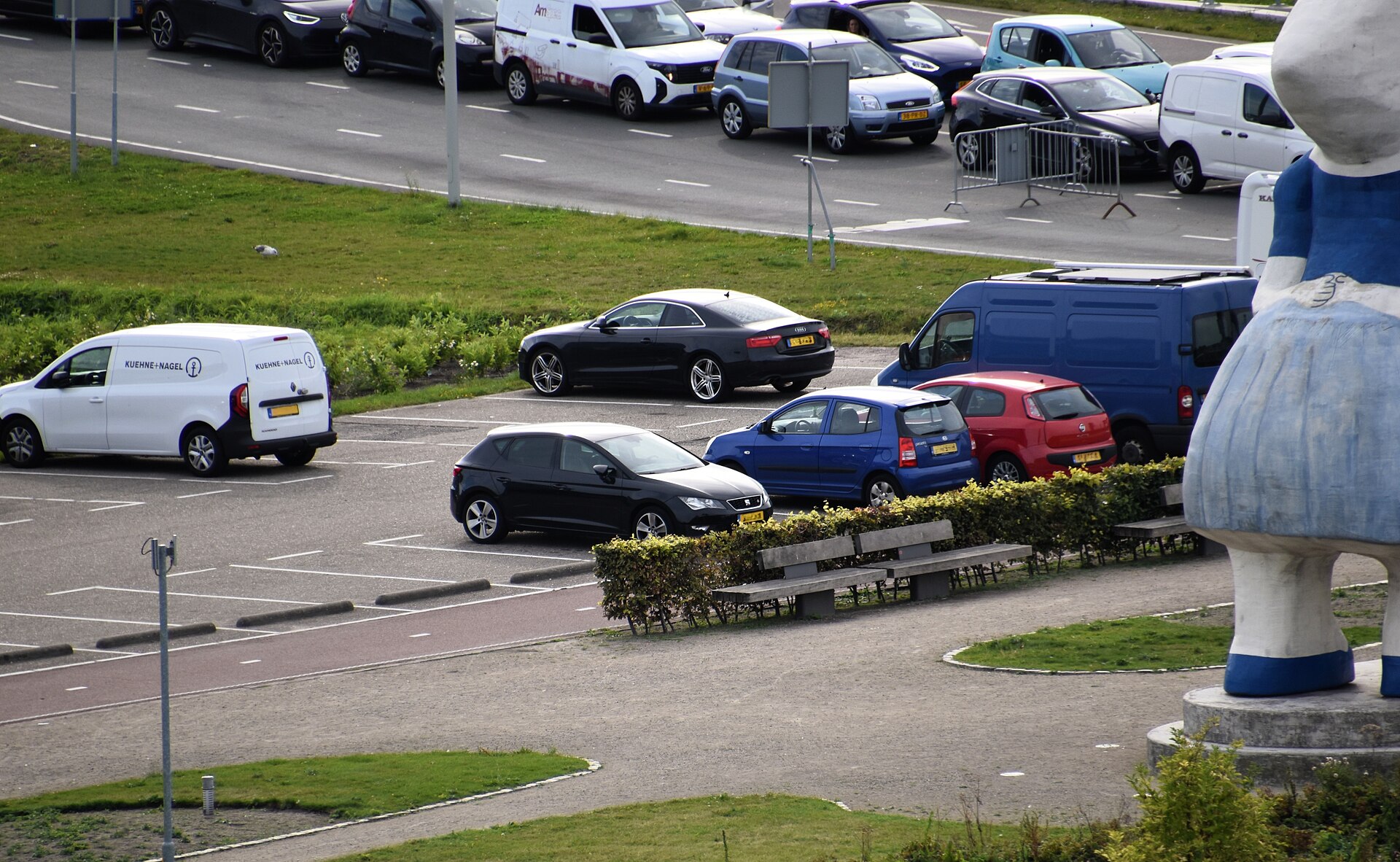
All generations by year: A5 B10 (2024–now) · A5 F5 (2016–2024) · A5 8T (2007–2016)
Which one is mine?
Pick the year of first registration to see which generation it is.
Check by VINWhich A5 to choose
Our verdict · Felix Hartmann
- For a classic coupé shape: a facelifted 8T coupé from 2012 with the 1.8 TFSI or 2.0 TDI, after checking oil use.
- For the best all-rounder of the older cars: an F5 Sportback, with five doors and the newer engines.
- For open-air driving: an F5 Cabriolet, since the B10 has no open version.
- For a new car: the B10 2.0 TDI or the e-hybrid, which covers short trips on electricity.
- For performance: the F5 RS 5 with 600 Nm, or the B10 S5. A 2016 rival test is in our Infiniti Q60 vs Audi A5 comparison.
The Audi A5 is a mid-size Audi built since 2007. For its first two generations it was the coupé, Cabriolet and five-door Sportback version of the A4 family; since July 2024 the third generation, the B10, has been a liftback saloon and Avant estate that replaces the A4 itself. Outputs range from 100 kW (136 PS) in an early 2.0 TDI to 470 kW (639 PS) in the plug-in hybrid RS 5 of 2026.
In short
- Generations: 8T (2007–2016), F5, also called B9 (2016–2024), and B10 (since 2024).
- Bodies: coupé and Cabriolet until 2024, Sportback from 2009, liftback saloon and Avant from 2024.
- Fast versions: S5 with a V8 and later V6 turbo engines, RS 5 with 331 kW (450 PS) in both earlier generations.
- Built at Ingolstadt and Neckarsulm; global output peaked at 119,595 cars in 2017.
Size at a glance
Audi A5 F5
The Audi A5 B10 is 156 mm longer, 14 mm wider and 73 mm taller than the Audi A5 F5.
| Dimensions | Audi A5 B10 | Audi A5 F5 | Difference |
|---|---|---|---|
| Length | 4,829 mm190.1 in | 4,673 mm184.0 in | +156 mm+6.1 in |
| Width | 1,860 mm73.2 in | 1,846 mm72.7 in | +14 mm+0.6 in |
| Height | 1,444 mm56.9 in | 1,371 mm54.0 in | +73 mm+2.9 in |
| Wheelbase | 2,892 mm113.9 in | 2,764 mm108.8 in | +128 mm+5.0 in |
| Boot | 445 L15.7 cu ft | 465 L16.4 cu ft | −20 L−0.7 cu ft |
Running cost
Fuel · A5 B10 2.0 TFSI (150 PS)
about 1,800 EUR fuel a year at 15,000 km
6.9 l/100 km · petrol at 1.75 EUR/l · change mileage, fuel price or version
Specs by version
Engines
| Version | Engine | Power | Torque | Gearbox | Drive | Production years |
|---|---|---|---|---|---|---|
| Plug-in hybrid · 2 versions | ||||||
| B10 · 2.0 e-hybrid quattro | 2.0 l · 4 cyl · Plug-in hybrid 1,984 cc | 220 kW 299 PS295 hp | 450 Nm332 lb-ft | — | All-wheel drive | 2025 |
| B10 · RS 5 2.9 TFSI quattro (plug-in hybrid) | 2.9 l · 6 cyl · Plug-in hybrid 2,894 cc | 470 kW 639 PS630 hp | 825 Nm608 lb-ft | 8-sp Automatic | All-wheel drive | 2026 |
| Diesel · 5 versions | ||||||
| 8T · 2.0 TDI | 2.0 l · Diesel 2,000 cc | 130 kW 177 PS174 hp | 380 Nm280 lb-ft | — | — | 2011–2016 |
| 8T · 3.0 TDI quattro | 3.0 l · 6 cyl · Diesel 3,000 cc | 176 kW 239 PS236 hp | 500 Nm369 lb-ft | — | All-wheel drive | 2007–2011 |
| F5 · 2.0 TDI (190 PS) | 2.0 l · 4 cyl · Diesel 1,968 cc | 140 kW 190 PS188 hp | — | — | — | 2016–2024 |
| F5 · 3.0 TDI quattro (286 PS) | 3.0 l · 6 cyl · Diesel 3,000 cc | 210 kW 286 PS282 hp | — | — | All-wheel drive | 2016 |
| B10 · 2.0 TDI (204 PS) | 2.0 l · 4 cyl · Diesel 1,968 cc | 150 kW 204 PS201 hp | 400 Nm295 lb-ft | 7-sp Dual-clutch | — | 2024 |
| Petrol · 12 versions | ||||||
| 8T · 1.8 TFSI | 1.8 l · Petrol 1,800 cc | 118 kW 160 PS158 hp | 250 Nm184 lb-ft | — | — | 2009–2016 |
| 8T · 2.0 TFSI | 2.0 l · Petrol 2,000 cc | 155 kW 211 PS208 hp | 350 Nm258 lb-ft | — | — | 2008–2016 |
| 8T · 3.2 FSI | 3.2 l · Petrol 3,200 cc | 195 kW 265 PS261 hp | 330 Nm243 lb-ft | — | — | 2007–2011 |
| 8T · S5 4.2 FSI quattro | 4.2 l · 8 cyl · Petrol 4,200 cc | 260 kW 354 PS349 hp | 440 Nm325 lb-ft | — | All-wheel drive | 2007–2012 |
| 8T · RS5 4.2 FSI quattro | 4.2 l · 8 cyl · Petrol 4,200 cc | 331 kW 450 PS444 hp | 430 Nm317 lb-ft | 7-sp Dual-clutch | All-wheel drive | 2010–2017 |
| F5 · 2.0 TFSI (190 PS) | 2.0 l · 4 cyl · Petrol 1,984 cc | 140 kW 190 PS188 hp | — | — | — | 2016–2024 |
| F5 · 2.0 TFSI (252 PS) | 2.0 l · 4 cyl · Petrol 1,984 cc | 185 kW 252 PS248 hp | — | — | — | 2016–2024 |
| F5 · S5 3.0 TFSI quattro | 3.0 l · 6 cyl · Petrol 2,995 cc | 260 kW 354 PS349 hp | — | 8-sp Automatic | All-wheel drive | 2016–2024 |
| F5 · RS 5 2.9 TFSI quattro | 2.9 l · 6 cyl · Petrol 2,900 cc | 331 kW 450 PS444 hp | 600 Nm443 lb-ft | 8-sp Automatic | All-wheel drive | — |
| B10 · 2.0 TFSI (150 PS) | 2.0 l · 4 cyl · Petrol 1,984 cc | 110 kW 150 PS148 hp | 280 Nm207 lb-ft | 7-sp Dual-clutch | — | 2024 |
| B10 · 2.0 TFSI (204 PS) | 2.0 l · 4 cyl · Petrol 1,984 cc | 150 kW 204 PS201 hp | 340 Nm251 lb-ft | 7-sp Dual-clutch | — | 2024 |
| B10 · S5 3.0 TFSI quattro | 3.0 l · 6 cyl · Petrol 2,995 cc | 270 kW 367 PS362 hp | 550 Nm406 lb-ft | 7-sp Dual-clutch | All-wheel drive | 2024 |
Performance
Show all 11 versions
| Version | 0–100 km/h | Fuel consumption | CO₂ |
|---|---|---|---|
| Plug-in hybrid · 2 versions | |||
| B10 · 2.0 e-hybrid quattro | 5.9 s 0–62 mph | — | — |
| B10 · RS 5 2.9 TFSI quattro (plug-in hybrid) | 3.6 s 0–62 mph | — | — |
| Diesel · 3 versions | |||
| F5 · 2.0 TDI (190 PS) | — | 5.4 l/100 km43.6 mpg US · 52.3 mpg UK | 152 g/km |
| F5 · 3.0 TDI quattro (286 PS) | — | 7.4 l/100 km31.8 mpg US · 38.2 mpg UK | 189 g/km |
| B10 · 2.0 TDI (204 PS) | 7.7 s 0–62 mph | 5.0 l/100 km47.0 mpg US · 56.5 mpg UK | 132 g/km |
| Petrol · 6 versions | |||
| F5 · 2.0 TFSI (190 PS) | — | 7.0 l/100 km33.6 mpg US · 40.4 mpg UK | 160 g/km |
| F5 · 2.0 TFSI (252 PS) | — | — | 176 g/km |
| F5 · RS 5 2.9 TFSI quattro | 3.9 s 0–62 mph | — | — |
| B10 · 2.0 TFSI (150 PS) | 9.8 s 0–62 mph | 6.9 l/100 km34.1 mpg US · 40.9 mpg UK | 157 g/km |
| B10 · 2.0 TFSI (204 PS) | 7.8 s 0–62 mph | 7.2 l/100 km32.7 mpg US · 39.2 mpg UK | 163 g/km |
| B10 · S5 3.0 TFSI quattro | 4.5 s 0–62 mph | — | — |
Dimensions and weight
Show all 8 versions
| Version | Kerb weight |
|---|---|
| Plug-in hybrid · 1 version | |
| B10 · 2.0 e-hybrid quattro | — |
| Diesel · 3 versions | |
| F5 · 2.0 TDI (190 PS) | 1,595 kg3,516 lb |
| F5 · 3.0 TDI quattro (286 PS) | 1,775 kg3,913 lb |
| B10 · 2.0 TDI (204 PS) | 1,963 kg4,328 lb |
| Petrol · 4 versions | |
| F5 · 2.0 TFSI (190 PS) | 1,465 kg3,230 lb |
| F5 · 2.0 TFSI (252 PS) | 1,644 kg3,624 lb |
| B10 · 2.0 TFSI (150 PS) | 1,770 kg3,902 lb |
| B10 · 2.0 TFSI (204 PS) | 1,814 kg3,999 lb |
Verified Manufacturer and type-approval data from our catalog · Sources and methodology
Audi A5 at a glance
| Parameter | Value |
|---|---|
| Production | since 2007 |
| Generations | 8T (2007–2016), F5/B9 (2016–2024), B10 (since 2024) |
| Bodies | coupé, Cabriolet, Sportback, liftback saloon, Avant |
| Platforms | Modular Longitudinal Platform, MLB, Premium Platform Combustion |
| Engines | 1.8–2.0 l four-cylinder, 2.7–3.2 l V6, 4.2 l V8, 2.9 l twin-turbo V6 |
| Power | 100–470 kW (136–639 PS) |
| Gearboxes | 6-speed manual (to 2024), multitronic CVT, 7-speed S tronic, 8-speed automatic |
| Drive | front-wheel drive or quattro |
| Plants (8T) | Ingolstadt (coupé, Sportback), Neckarsulm (Cabriolet) |
| Related models | Audi A4, S5, RS 5 |
First generation (8T, 2007–2016): coupé, Cabriolet and Sportback
Audi unveiled the A5 coupé on 6 March 2007 at the Geneva Motor Show, took orders the same day and delivered the first cars in June 2007. Satoshi Wada drew the design in 2003, and Walter de Silva later called the coupé his most beautiful design ever. The Cabriolet with a fabric roof went into production at Neckarsulm in early 2009, and the five-door Sportback, styled by Markus Gleitz, went on sale in September 2009. A facelift shown at the 2011 Frankfurt show reached Europe as the 2012 model.
The S5 coupé arrived with the A5 and used a 4.2-litre V8 with 260 kW (354 PS); from 2009 a supercharged 3.0 TFSI V6 with 245 kW (333 PS) took over. The RS 5, shown at Geneva in 2010, used a 4.2-litre V8 with 331 kW (450 PS), a crown-gear centre differential and torque vectoring. It weighed 1,800 kg, and production ended in June 2015. Data for every S5 and RS 5 version is listed in our Audi catalogue.
Second generation (F5, 2016–2024): lighter and on MLB
The second A5 was revealed as a coupé and S5 coupé on 2 June 2016, followed by the Sportback on 8 September and the Cabriolet on 3 November 2016. Its platform was the MLB, as in the B9 A4. The Sportback grew to 4,733 mm with a 2,824 mm wheelbase, and the coupé kept a shorter 2,765 mm wheelbase in S5 form. A six-speed manual remained in some countries, while most cars used the seven-speed S tronic or eight-speed Tiptronic.
The S5 switched to a 3.0-litre turbo V6 with 260 kW (354 PS) and an eight-speed automatic. The RS 5 dropped the V8 for a 2.9-litre twin-turbo V6 shared with the Porsche Panamera 4S: 331 kW (450 PS) as before, but 600 Nm instead of 430 Nm, 0–100 km/h in 3.9 seconds and a car 60 kg lighter than the old RS 5. An RS 5 Sportback followed at the 2018 New York show and a facelifted RS 5 in December 2019. When the A4 range was reorganised in 2024, the coupé and Cabriolet were dropped without a direct successor.

Third generation (B10, since 2024): the A5 replaces the A4
On 16 July 2024 Audi changed its naming scheme: odd numbers would mark cars with combustion engines, even numbers electric models. The A5 name therefore went to the new mid-size saloon and estate that replaced the A4. Orders opened that month, and European deliveries began in November 2024. The B10 is built on the Premium Platform Combustion (PPC) and uses the E3 1.2 electronics architecture from Cariad. The four-door body is a liftback, so the boot lid opens with the rear window, and an Avant estate is offered alongside it.
The car is 4,829 mm long, 1,860 mm wide and has a 2,900 mm wheelbase, 76 mm longer than the F5 Sportback. Manual gearboxes are no longer offered. A 48-volt mild-hybrid system adds 18 kW and 230 Nm on some versions, and the e-hybrid plug-in arrived in March 2025 with a 25.9 kWh battery. In China Audi sells longer A5L models, and the RS 5 saloon and Avant shown on 19 February 2026 combine the V6 with an electric motor and a battery of about 22 kWh. In the 2024 ANCAP test, aligned with Euro NCAP, the B10 scored 87 % for adult and child occupants, 78 % for pedestrians and 79 % for safety assistance.

Engines and performance
| Version | Generation | Engine | Power | Torque |
|---|---|---|---|---|
| 1.8 TFSI | 8T | 1,798 cc I4 turbo | 118 kW (160 PS) | 250 Nm |
| 2.0 TFSI | 8T | 1,984 cc I4 turbo | 155 kW (211 PS) | 350 Nm |
| 3.0 TDI quattro | 8T | 2,967 cc V6 diesel | 176 kW (239 PS) | 500 Nm |
| S5 4.2 FSI | 8T | 4,163 cc V8 | 260 kW (354 PS) | 440 Nm |
| RS 5 4.2 FSI | 8T | 4,163 cc V8 | 331 kW (450 PS) | 430 Nm |
| 2.0 TFSI | F5 | I4 turbo | 140 or 185 kW (190 or 252 PS) | — |
| 3.0 TDI | F5 | V6 diesel | 210 kW (286 PS) | — |
| RS 5 2.9 TFSI | F5 | twin-turbo V6 | 331 kW (450 PS) | 600 Nm |
| 2.0 TFSI | B10 | 1,984 cc I4 | 110 or 150 kW (150 or 204 PS) | 280–340 Nm |
| 2.0 TDI | B10 | 1,968 cc I4 | 150 kW (204 PS) | 400 Nm |
| S5 3.0 TFSI | B10 | 2,995 cc V6 | 270 kW (367 PS) | 550 Nm |
| 2.0 e-hybrid quattro | B10 | I4 + electric motor | 220–270 kW (299–367 PS) | 450–500 Nm |
| RS 5 | B10 | 2,894 cc V6 + electric motor | 470 kW (639 PS) | 825 Nm |
The B10 S5 needs 4.5 seconds to 100 km/h and the RS 5 3.6 seconds, while the 110 kW base saloon takes 9.8 seconds. The step from the first RS 5 to the latest is 139 kW, or 42 %. To convert any of these outputs into horsepower, use our power converter.

Production and sales
| Year | Global production |
|---|---|
| 2008 | 57,650 |
| 2011 | 111,758 |
| 2014 | 88,545 |
| 2017 | 119,595 |
| 2020 | 56,786 |
| 2023 | 75,584 |
Production rose quickly after the Cabriolet and Sportback joined the range, fell with the ageing first generation and peaked in 2017, the first full year of the F5. In 2023 the A5 sold 23,777 cars in the United States and 15,031 in China. For the company's past, see our history of Audi.
Common problems of the first generation
HonestJohn's reader reports on the 2007–2016 A5 point to a few recurring faults. Several 2.0 TFSI petrol engines used large amounts of oil, and Wikipedia also records an oil-consumption problem with engines built between 2009 and 2011. Owners reported early clutch and dual-mass flywheel failures, jerky behaviour of the S tronic, MMI and Bluetooth glitches, and an electric parking brake fault that dealers struggled to fix. A service history with oil-consumption checks and any gearbox work is the key document when buying.
Photo gallery


Audi A5 evolution in numbers
Did you know?
- The Audi A5 has been around for 19 years: 3 generations in our catalog since 2007.
- The longest-running generation is the A5 8T (2007–2016): 9 years.
- The biggest jump in power came with the A5 B10: up to 470 kW (639 PS), 139 kW more than the A5 F5.
Most powerful version, kW
Figures from the 1cars catalog: power is the strongest version of each generation; generations without the figure are left out.
Audi A5: first vs latest generation
| Spec | A5 8T | A5 B10 | Change |
|---|---|---|---|
| Years | 2007–2016 | 2024–present | 17 years apart |
| Most powerful version | 331 kW (450 PS) | 470 kW (639 PS) | +139 kW (+42%) |
Oldest and newest generation in the 1cars catalog. Power is the strongest version of each; other rows are shown only when both generations have the figure.
Image credits · Photos from Wikimedia Commons under free licences
- Audi A5 8T · Photo: Charles from Port Chester, New York / Wikimedia Commons, CC0
Audi A5 in our rankings
- No. 1 of 51 · Most economical coupes (5.4 l/100 km)
- No. 2 of 51 · Quickest hatchbacks, 0–100 (3.6 s)
- No. 2 of 20 · Biggest boot: coupes (465 l)
- No. 3 of 65 · Most torque: hatchbacks (825 Nm)
- No. 4 of 106 · Most powerful hatchbacks (470 kW)
- No. 5 of 70 · Biggest engines: hatchbacks (2,995 cc)
More economical than 98% of ranked coupes in the 1CARS catalog (No. 1 of 51).
FAQ
Is the Audi A5 a coupé or a saloon?
Both. From 2007 to 2024 it was a coupé, Cabriolet and Sportback; since 2024 the name belongs to a four-door liftback and an Avant estate, the successors of the A4.
Why did Audi replace the A4 with the A5?
In July 2024 Audi decided to give odd numbers to combustion-engined cars and even numbers to electric cars, so the new combustion saloon became the A5.
What is the difference between the A5 and the S5?
The S5 is the fast version: a 4.2 V8 at first, then V6 turbo engines with up to 270 kW (367 PS) and quattro as standard.
How powerful is the Audi RS 5?
331 kW (450 PS) in the first two generations; the 2026 RS 5 plug-in hybrid has 470 kW (639 PS) and 825 Nm.
What are the common problems of a used A5?
On the first generation: oil consumption of the 2.0 TFSI, clutch and flywheel wear, S tronic behaviour and MMI faults, according to HonestJohn owner reports.
Data sources
Data checked by an editor against the sources below.
- Wikipedia — Audi A5
- EEA CO₂ monitoring (European Environment Agency, CC BY 4.0)