 McLaren 650S
Specs, engines and history
Published Sources (1) Report an error
By Felix Hartmann, Automotive Technology & EV Contributor
- Built
- 2014–2017
- Top power
- 478 kW (650 PS)
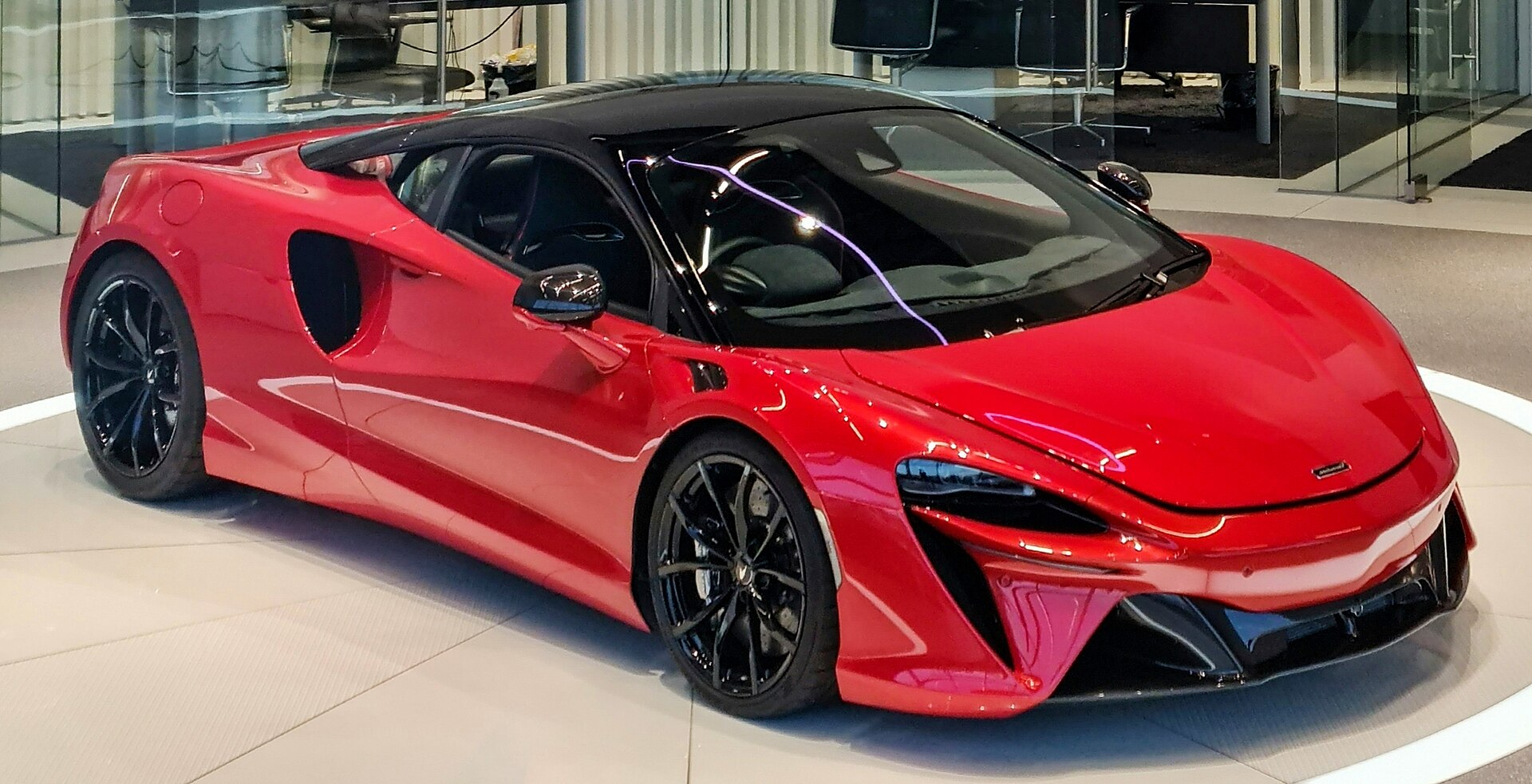
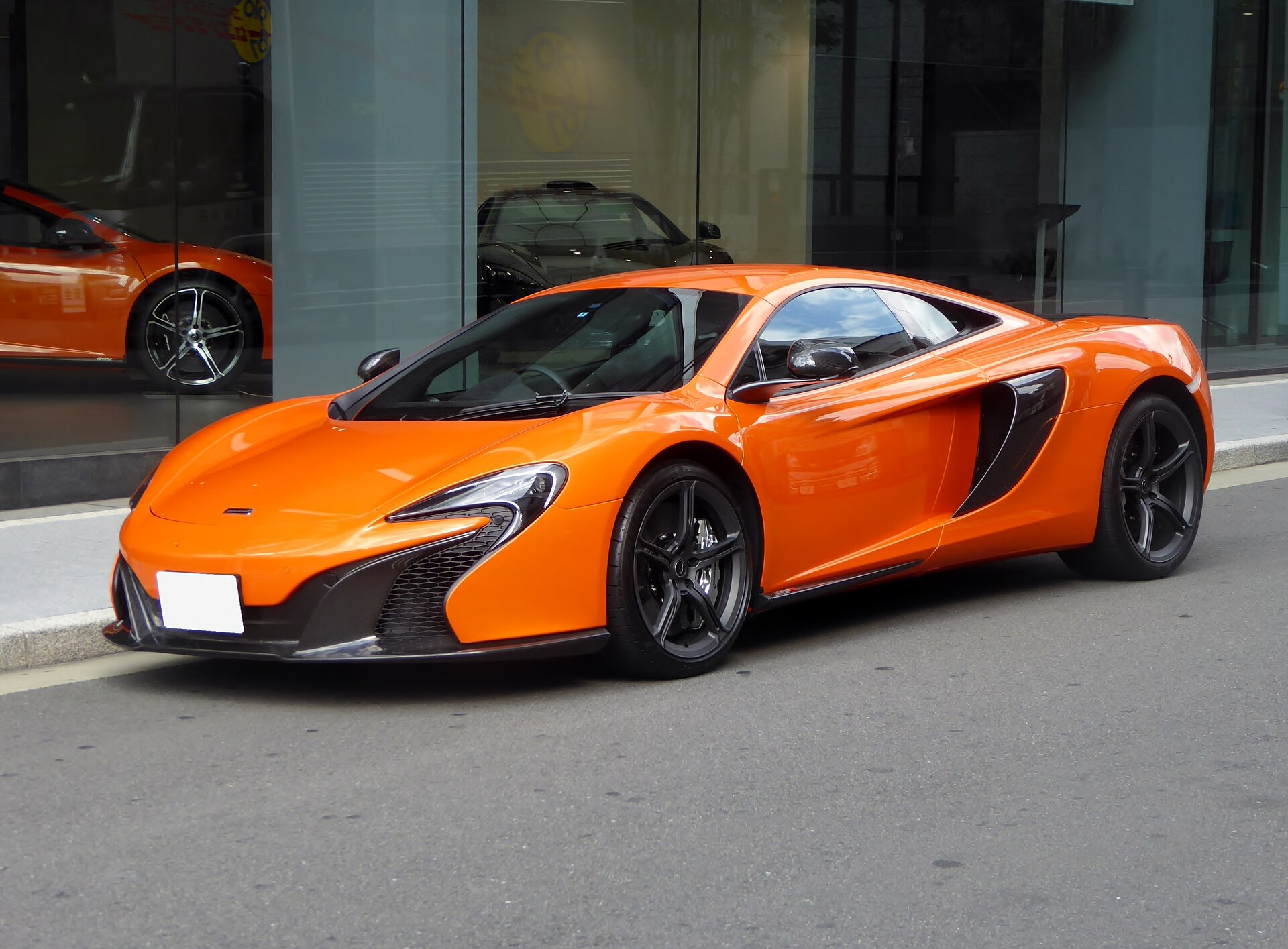
The McLaren 650S is the mid-engined twin-turbo V8 sports car that McLaren Automotive built from 2014 to 2017 as the successor of the MP4-12C. About a quarter of its parts were new, and its front end, aerodynamics and chassis tuning borrowed ideas from the P1 hypercar. It was sold as a coupé and as a Spider with a folding hard top, spawned several limited editions and a GT3 racing car, and was replaced by the 720S.
In short
- Announced in February 2014 and unveiled at the Geneva motor show the following month; built until 2017.
- M838T 3,799 cc twin-turbo V8: 478 kW (650 PS) at 7,250 rpm and 678 Nm at 6,000 rpm, seven-speed dual-clutch gearbox.
- Carbon-fibre MonoCell, kerb weight 1,428 kg; 0–100 km/h in 3.0 s, 0–200 km/h in 8.4 s, 333 km/h.
- Versions included the 650S Spider, the 625C for Asia-Pacific markets, limited Le Mans and Can-Am editions and the 650S GT3, winner of the 2016 Bathurst 12 Hour.
At a glance: McLaren 650S
| Specification | McLaren 650S |
|---|---|
| Production | 2014–2017 |
| Body | two-door coupé with dihedral doors; Spider with folding hard top |
| Layout | mid-engine, rear-wheel drive |
| Engine | M838T, 3,799 cc twin-turbo V8 |
| Power | 478 kW (650 PS) at 7,250 rpm |
| Torque | 678 Nm at 6,000 rpm |
| Gearbox | seven-speed Graziano SSG dual-clutch |
| Kerb weight | 1,428 kg (coupé), 1,469 kg (Spider) |
| Dimensions | 4,511 mm long, 1,895 mm wide, 1,199 mm high, 2,670 mm wheelbase |
| Predecessor / successor | MP4-12C / 720S |
The 650S stands between the McLaren MP4-12C and the McLaren 720S, and it was the base of the lighter McLaren 675LT. All models are in the McLaren catalogue.
From the 12C to the 650S
McLaren announced the 650S in February 2014 and showed it at the Geneva motor show. The car was a deep update of the MP4-12C: about 25% of its parts were new. The number in the name is the power output in PS. The design work was led by Frank Stephenson, and Wikipedia notes the influence of the P1 hypercar.
Production ran until 2017, and the 720S succeeded it.
Design and aerodynamics
The most visible change from the 12C is the new front end, influenced by the P1. A new front splitter and new blades on the wings increase downforce by 24% compared with the 12C. The rear diffuser was taken from the 12C GT3 racing car.
At the rear, the 650S has an active air brake. It is computer-controlled and uses data from accelerometers. The car also has a drag reduction system (DRS).

Engine and performance
The engine is the M838T, a 3,799 cc twin-turbo V8 mounted behind the cabin. In the 650S it produces 478 kW (650 PS) at 7,250 rpm and 678 Nm at 6,000 rpm, and it revs to 8,500 rpm. A seven-speed Graziano dual-clutch gearbox, called SSG by McLaren, drives the rear wheels.
| Version | Power | Torque | Kerb weight | 0–100 km/h | 0–200 km/h | Top speed |
|---|---|---|---|---|---|---|
| 650S Coupé | 478 kW (650 PS) at 7,250 rpm | 678 Nm at 6,000 rpm | 1,428 kg | 3.0 s | 8.4 s | 333 km/h |
| 650S Spider | 478 kW (650 PS) | 678 Nm | 1,469 kg | 3.0 s | not stated | 328 km/h |
| 625C (Asia-Pacific) | 460 kW (625 PS) | not stated | not stated | 3.1 s | not stated | as 650S |
| 650S GT3 (racing) | 368 kW (500 PS) | not stated | not stated | — | — | — |

Chassis and cabin
The structure is a carbon-fibre MonoCell weighing about 75 kg, made by Carbo Tech using resin transfer moulding, with aluminium subframes front and rear. The suspension uses McLaren's ProActive Chassis Control, a system of hydraulically linked dampers developed from the active suspension McLaren used in Formula 1. Carbon-ceramic brakes by Akebono are standard.
The cabin is trimmed in Alcantara, and the dihedral doors open upwards as on the 12C. Optional carbon-fibre seats save 15 kg.

The 650S Spider
The 650S Spider was announced at the same time as the coupé, in February 2014, so both bodies were available from the start of production. Its roof is a three-piece retractable hard top made of carbon fibre that opens or closes in 17 seconds. The Spider weighs 1,469 kg, about 40 kg more than the coupé, and reaches 100 km/h in 3 seconds; its top speed is 328 km/h. Compared with the 12C Spider, up to 25% of its parts are new.

Special editions and 625C
- 625C (September 2014): a version for Asia-Pacific markets with 460 kW (625 PS), cast-iron brakes and softer springs; 0–100 km/h in 3.1 seconds. It was offered as a coupé and a Spider.
- MSO 650S (2014): 50 cars by McLaren Special Operations, with matt carbon finishes, lighter wheels and titanium wheel bolts.
- 650S Le Mans (2015): 50 coupés celebrating McLaren's victory at Le Mans in 1995, in Sarthe Grey with a roof snorkel and louvres on the front wings.
- 650S Can-Am (2015): 50 Spiders marking 50 years of the Can-Am series, with a carbon-fibre bonnet, roof, air brake, door blades and splitter.
Racing: 650S GT3
McLaren announced the 650S GT3 in June 2014. It has about 368 kW (500 PS), a six-speed sequential gearbox, 380 mm brake discs and a track 52 mm wider than the road car. Its biggest success was overall victory at the Bathurst 12 Hour in 2016.
Legacy
The 650S bridged the first generation of McLaren road cars and the more radical 720S. It also led directly to the 675LT, announced in February 2015 and shown at that year's Geneva motor show. The name "LT" recalls the "Long Tail" McLaren F1 GT of 1997. With 496 kW (675 PS) at 7,100 rpm, 700 Nm and a dry weight of 1,230 kg — 100 kg less than the 650S on a comparable basis — it reached 100 km/h in 2.9 seconds and 200 km/h in 7.9 seconds. Its rear wing and air brake were 50% larger and its front splitter 80% larger, for 40% more downforce in total. McLaren built 500 coupés and 500 Spiders, plus 25 Carbon Series Spiders in 2016.
The last derivatives came from McLaren Special Operations: the MSO HS of 2016, with 506 kW (688 PS), 220 kg of downforce at 241 km/h and 25 cars built, and two one-off MSO R cars in 2017. More about the company is in our history of McLaren.
McLaren 650S in our rankings
- No. 43 of 312 · Most powerful cars of the 2010s (478 kW · top 14%)
- No. 112 of 859 · Most powerful cars (478 kW · top 14%)
- No. 25 of 109 · Most powerful British cars (478 kW · top 23%)
- No. 82 of 313 · Most powerful coupes (478 kW · top 27%)
- No. 785 of 912 · Longest-running car nameplates (3 years · top 89%)
More powerful than 86% of ranked cars of the 2010s in the 1CARS catalog (No. 43 of 312).
FAQ
How powerful is the McLaren 650S?
The 3.8-litre twin-turbo V8 produces 478 kW (650 PS) at 7,250 rpm and 678 Nm at 6,000 rpm.
How fast is the McLaren 650S?
The coupé reaches 100 km/h in 3.0 seconds and 200 km/h in 8.4 seconds, with a top speed of 333 km/h. The Spider's top speed is 328 km/h.
What is the difference between the 650S and the 12C?
About 25% of the parts are new, including a P1-inspired front end and aerodynamics that give 24% more downforce than the 12C.
What is the McLaren 625C?
A version of the 650S for Asia-Pacific markets with 460 kW (625 PS), cast-iron brakes and softer springs.
What replaced the 650S?
The McLaren 720S in 2017.
Data sources
Data checked by an editor against the sources below.