 Lotus Eclat
Specs, engines and history
Published Sources (1) Report an error
By Felix Hartmann, Automotive Technology & EV Contributor
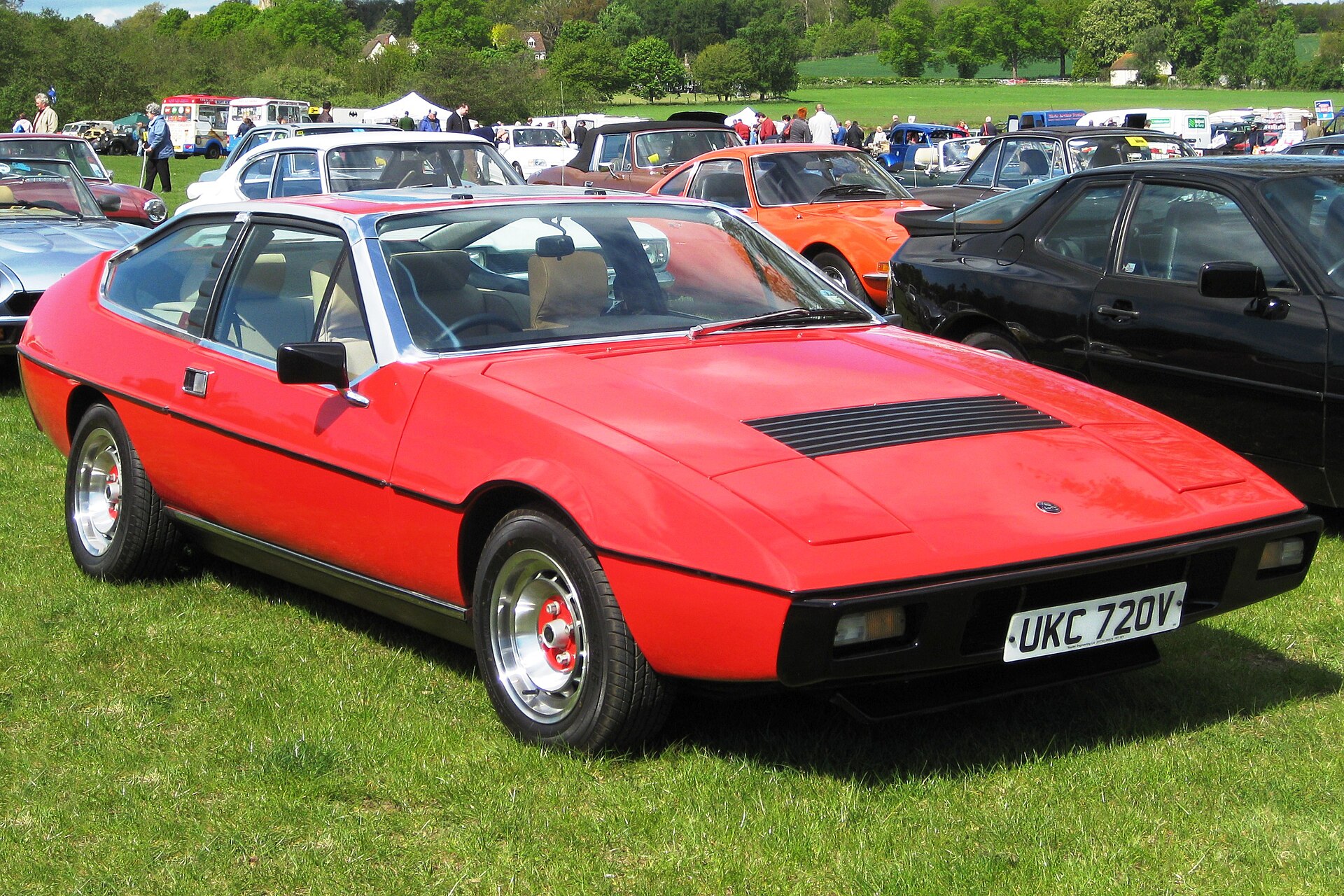
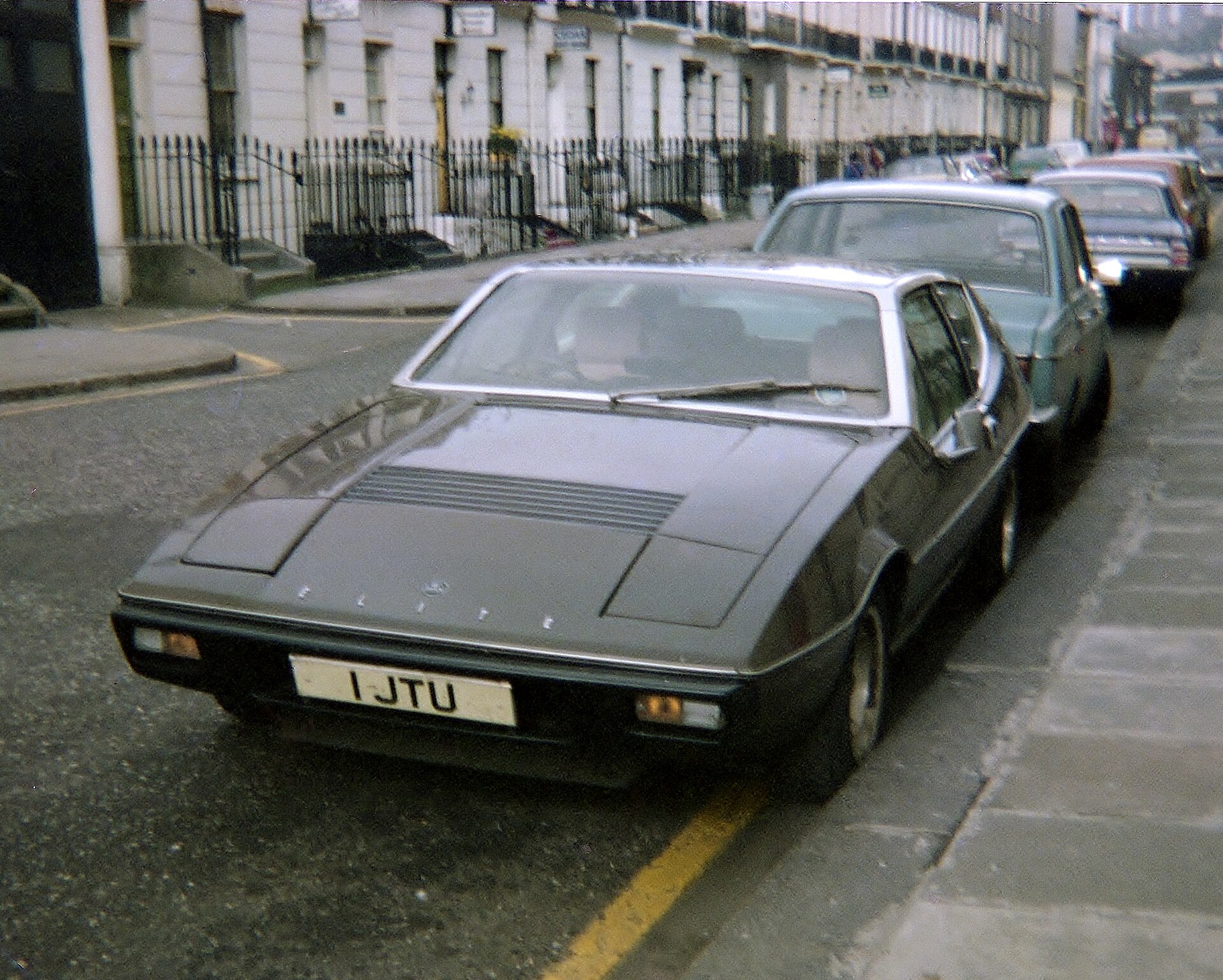
The Lotus Eclat is a four-seat fastback coupé that Lotus built from 1975 to 1982. Designed by Oliver Winterbottom, it shared its lower body, its steel backbone chassis and its 2.0-litre Lotus engine with the Elite of 1974, but replaced the Elite's upright tail with a sloping fastback. Lotus describes it as part of Colin Chapman's plan to build more practical sports cars and move the brand towards the mainstream. About 1,500 were made before the Eclat evolved into the Excel.
In short
- Built 1975–1982: 1,299 Series 1 cars (Type 76) and 223 Series 2.2 cars (Type 84), according to Lotus — about 1,500 in total.
- Lotus four-cylinder engines: 1,973 cc type 907 and, from 1980, 2,174 cc type 912, both with 120 kW (160 bhp).
- Steel backbone chassis with a glass-fibre body; four-speed and later five-speed manual gearboxes, automatic optional.
- Replaced in 1982 by the Eclat Excel, later simply called the Lotus Excel.
Lotus Eclat at a glance
| Specification | Lotus Eclat |
|---|---|
| Production | 1975–1982 |
| Cars built | about 1,500 (1,299 S1, 223 S2.2) |
| Body | two-door 2+2 fastback coupé, glass-fibre |
| Designer | Oliver Winterbottom |
| Chassis | steel backbone |
| Engine | 1,973 cc (907) or 2,174 cc (912) four-cylinder, front-mounted |
| Power | 120 kW (160 bhp) |
| Gearbox | four- or five-speed manual; three-speed automatic optional |
| Weight | 980 kg (S1), 1,152 kg (S2.2) according to Lotus |
| Successor | Eclat Excel / Excel |
The Eclat belongs to the generation of 1970s Lotus models that also included the mid-engined Lotus Esprit. All models are listed in the Lotus catalogue, and the story of the company is told in our history of Lotus.
History and design
The Eclat was announced in October 1975 and shown at the Earls Court motor show. During development it was to be called the "Elite Coupé". Lotus's in-house designer Oliver Winterbottom had already drawn the angular Elite (Type 75); for the Eclat he extended that profile into a fastback.
The lower half of the glass-fibre body was identical to that of the Elite. The fastback shape gave the Eclat a cleaner silhouette and a proper boot, but less headroom for the rear passengers than in the Elite. According to Lotus, Colin Chapman wanted more practical sports cars to bring the brand into the mainstream, and the Eclat was aimed at grand touring and everyday driving rather than outright track performance.
| Specification | Lotus Elite (Type 75) | Lotus Eclat |
|---|---|---|
| Rear body | upright, hatchback-style tail | sloping fastback with a boot |
| Lower body | shared | shared |
| Rear headroom | more | less |
| Designer | Oliver Winterbottom | Oliver Winterbottom |
Lotus itself presents the two cars together as a bold new direction for the brand in the 1970s: larger, more comfortable four-seaters that could be used every day.

Engine, gearbox and chassis
The Series 1 used the Lotus type 907 engine, a 1,973 cc four-cylinder with 120 kW (160 bhp). For the Series 2.2 of 1980, Lotus fitted the 2,174 cc type 912. Because of emissions rules its power stayed at 120 kW (160 bhp), but it produced more torque over a wider range, which improved performance and fuel economy at a time of rising petrol prices.
| Version | Lotus type | Years | Engine | Power | Gearbox | Weight (Lotus) | Built |
|---|---|---|---|---|---|---|---|
| Eclat (S1) | 76 | 1975–1980 | 1,973 cc type 907 | 120 kW (160 bhp) | four-speed | 980 kg | 1,299 |
| Eclat S2.2 | 84 | 1980–1982 | 2,174 cc type 912 | 120 kW (160 bhp) | five-speed | 1,152 kg | 223 |
Early cars could be ordered with a four-speed Ford gearbox or a five-speed Lotus gearbox using Austin Maxi components; later cars used a Getrag five-speed. A three-speed automatic was optional. The brakes were discs at the front and inboard drums at the rear.
The chassis is Lotus's steel backbone. On the first cars it was made of mild steel, and a felt strip between the body and a steel cross-member trapped water in damp climates, which led to corrosion at the rear. The Series 2 cars received a galvanised chassis as standard, and many Series 1 cars have since been fitted with galvanised replacements.
Series 2.2, Riviera and Sprint
Besides the larger engine, the Series 2.2 brought a front spoiler blended more smoothly into the body, new sills below the doors, electrically operated (instead of vacuum-operated) pop-up headlamps and a new external tailgate catch.
The Eclat Sprint was essentially a Series 1 with a special paint scheme in Union Jack colours on the rear quarter panels; its name referred to the Elan Sprint. Wikipedia adds that the Sprint versions of the 520 and 521 trim levels also had an oil cooler and performance upgrades.
The Eclat S2.2 Riviera of 1981–1982 mirrored the Elite Riviera announced in December 1981. It had a removable roof panel, a vinyl roof covering, a vented bonnet and a rear spoiler, with luxuries such as air conditioning, leather seats and electric windows. According to Wikipedia, 73 of the 223 Series 2.2 cars were Rivieras.

Trim levels
Series 1 cars were sold in several trim levels with numbers from 520 to 524. The 524 had the automatic gearbox. The motoring press of the time praised the Eclat's handling and grip, and its fuel consumption was considered reasonable compared with larger multi-cylinder grand tourers.
Legacy
In 1982 the Eclat developed into the Eclat Excel, later sold simply as the Lotus Excel. It kept the same engine but had a modified chassis, a revised body and a Toyota gearbox, driveline and brakes.

Lotus Eclat in our rankings
In production longer than 40% of ranked nameplates in the 1CARS catalog (No. 497 of 912).
FAQ
How many Lotus Eclats were built?
About 1,500: 1,299 Series 1 cars and 223 Series 2.2 cars, according to Lotus.
What engine does the Lotus Eclat have?
A Lotus four-cylinder of 2.0 litres (type 907) or 2.2 litres (type 912), both with 120 kW (160 bhp).
Who designed the Lotus Eclat?
Oliver Winterbottom, Lotus's in-house designer, who had also drawn the Elite.
What replaced the Eclat?
The Eclat Excel of 1982, later called the Lotus Excel.
What is the Lotus Eclat Riviera?
A 1981–1982 version of the Series 2.2 with a removable roof panel and extra equipment such as air conditioning, leather seats and electric windows; 73 were built.
Data sources
Data checked by an editor against the sources below.