 Peugeot EXPERT
All generations, specs and history
Published Sources (1) Report an error
By Felix Hartmann, Automotive Technology & EV Contributor
- Built
- 1995–present
- Generations
- 3
Timeline
EXPERT generations
Click a generation for its own page

I and II overlapped in 2006–2007, so II sits on a second lane
- Expert I 1995–2007 · Van, Minibus
- Expert II 2006–2016 · Van, Minibus
- Expert III Current 2016–now · Van, Minibus
Newest first · 3 generations since 1995
-
2016
- 2006 II 2006–2016 · Van, Minibus I and II overlapped in 2006–2007
- 1995 I 1995–2007 · Van, Minibus
All generations by year: Expert III (2016–now) · Expert II (2006–2016) · Expert I (1995–2007)
Which one is mine?
Pick the year of first registration to see which generation it is.
- Expert III 2016–present
- Expert II 2006–2016
- Expert I 1995–2007
Verdict
Our verdict · Felix Hartmann
The third-generation Expert has changed noticeably — not only in appearance but also in its interior and technology. The cabin is more modern and stylish, and the assistance systems make driving easier. Decent ground clearance, a wide choice of versions and optional all-wheel drive add confidence. Noise insulation could be better and the cabin is behind some rivals, but buyers expect practicality and functionality from this van, and in that respect — and on value for money — it delivers. It suits both families and business users.
The Peugeot Expert is a front-wheel-drive light commercial vehicle (LCV) built by the French manufacturer Peugeot as a panel van, a crew van and a passenger vehicle. It is offered in many versions that differ in size, payload and power. The Expert belongs to a family of vans developed jointly by PSA and Fiat and also sold as the Citroën Jumpy, Fiat Scudo, Toyota ProAce and, from 2019, Opel/Vauxhall Vivaro.
In short
- Three generations: the mid-1990s original, the 2007 second generation (facelift 2012) and the third generation, presented in 2016.
- The third generation is built on the EMP2 platform and comes in several lengths, as a van, crew van or passenger vehicle with two to nine seats.
- Diesel engines described here: 1.6 with 66 kW (90 PS) and 2.0 with 110 kW (150 PS); front-wheel drive or optional 4x4; electric versions later joined the range.
- Up to 6.1 m³ of load space (6.6 m³ with Moduwork) and payloads of up to 1.5 tonnes.
Peugeot Expert at a glance
More Peugeot models are listed in our Peugeot catalogue, and the company's story is told in our history of Peugeot.
| Generation | Years | Notes |
|---|---|---|
| First | 1995–2006 | Developed with Fiat and Citroën, built by the Sevel joint venture |
| Second | 2007–2016 | More load space and body styles; facelift 2012; Toyota ProAce twin from 2013 |
| Third | 2016 onwards | EMP2 platform; Opel Vivaro and Fiat Scudo twins later; electric versions; facelift 2023 |
History
The Expert's history as a production model began in the mid-1990s. From the start it was offered not only as a van but also in crew and passenger versions, and it became a success in many markets. The second generation was unveiled in 2007 and updated in 2012 with an improved exterior and cabin and a longer list of options; it was built in France until 2016. In spring 2016 Peugeot showed the third-generation Expert online, with an elegant look, a wide range of factory versions, modern equipment and powerful yet economical engines.
Exterior
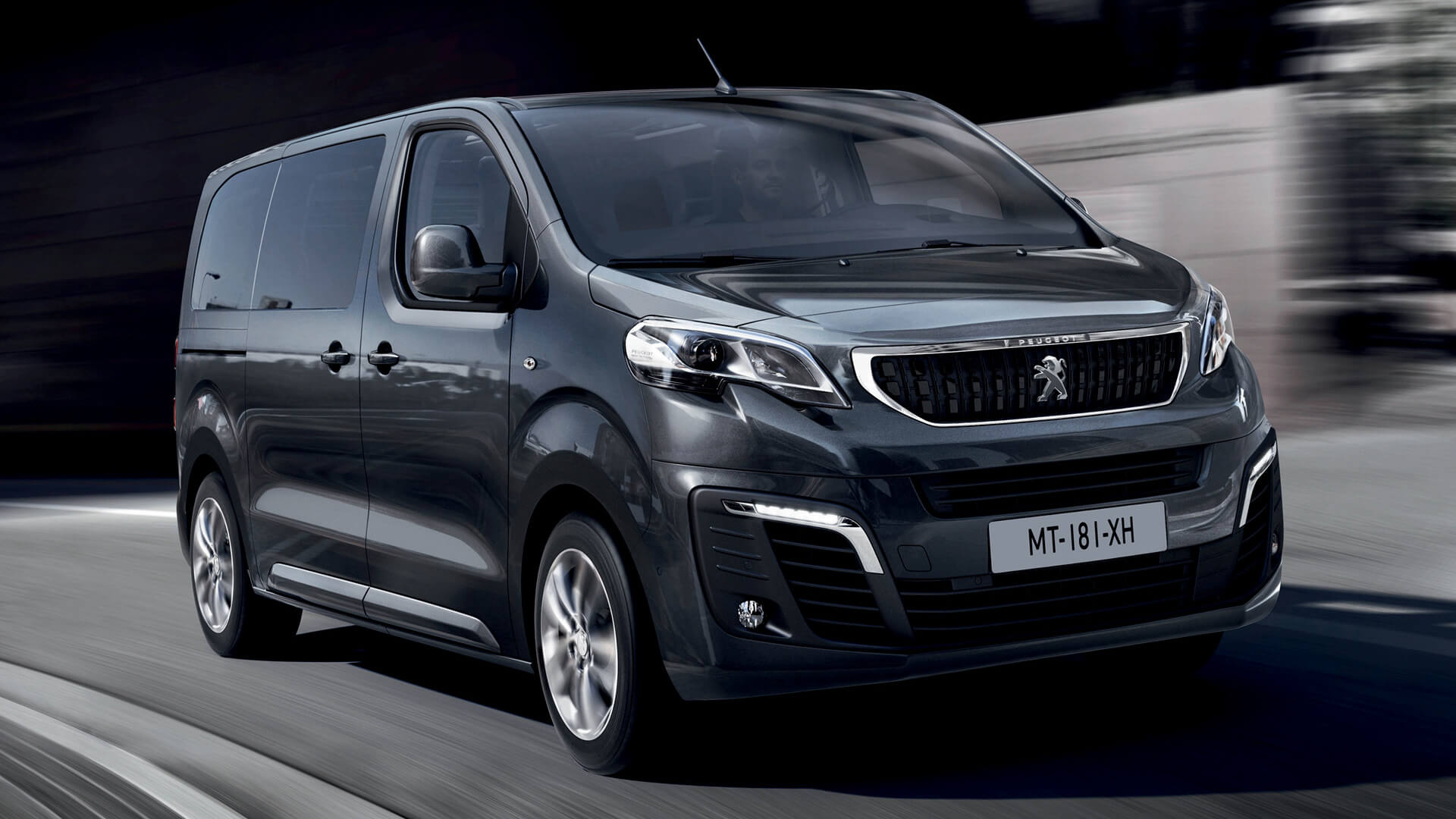
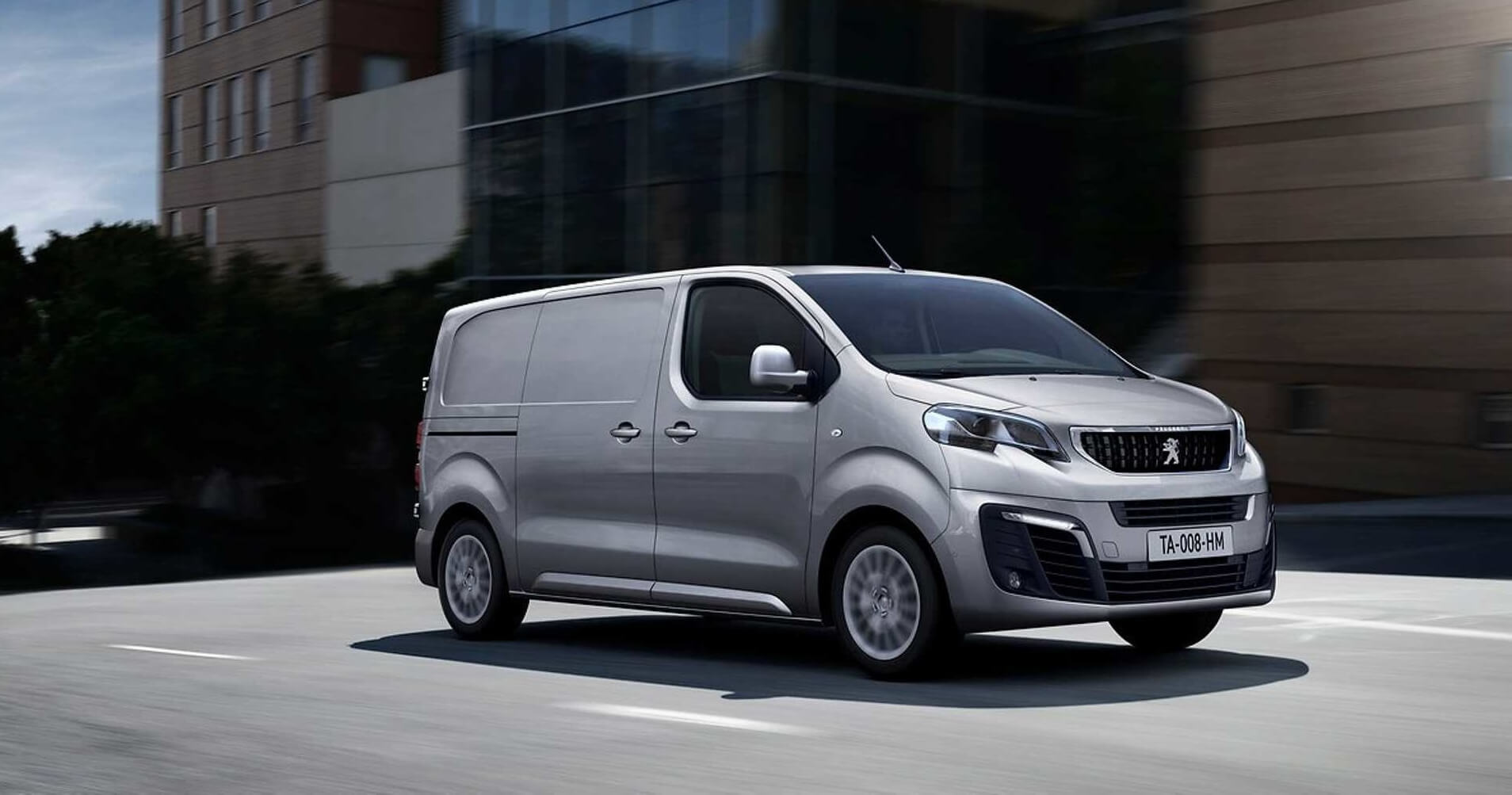
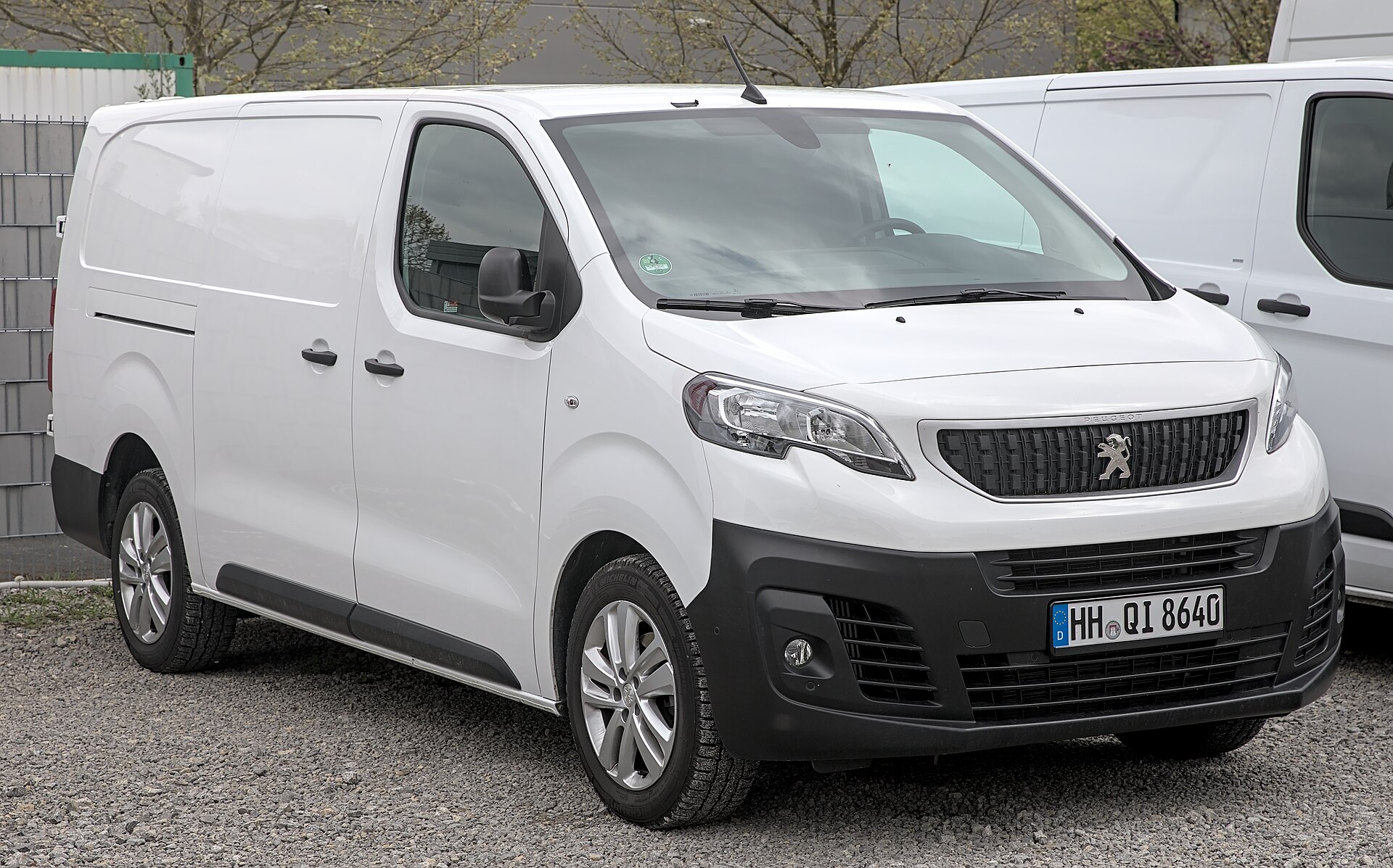
Although it is a commercial vehicle, the third-generation Expert looks stylish and bright and attracts attention on the road, with some sculpting and plenty of decorative details. Most of the changes are at the front, which is short but tall and wide. The bonnet is slightly recessed in the centre and raised at the sides. The small trapezoidal grille sits directly below the bonnet, with a grid of wide horizontal and vertical bars and chrome trim around its edge. The oval headlights, with several recesses at the bottom, wrap well around onto the sides of the body.
Almost all the lower bumper is given over to cooling: a small rectangular opening at the top and a wide, long U-shaped intake below, flanked by LED daytime running-light strips, with small round fog lamps further down.
In profile the wheel arches have small flares, the lower body is slightly recessed, and a neat skirt runs along the bottom. The mirrors are square with integrated indicators. Depending on the body, there are two or six side windows. Each side can have a wide sliding door. Standard wheels are 16-inch steel wheels with an interesting design, and ground clearance is an average 175 mm — enough for everyday city driving. More expensive versions can have an improved traction package, ground clearance raised by 20 mm, underbody protection and larger 17-inch wheels.
The rear is less striking. Half of it is taken up by large rear-door windows, with modest vertical rectangular lights at the sides. A small step at the bottom makes it easier to reach the load area and carries a pair of rear lights. Thanks to its compact dimensions, the Expert is easy to park.
Interior
The third generation offers several cabin layouts: two or three front seats, passenger versions and cargo versions. Materials include leather, fabric, plastics and a little metal. The driver has a three-spoke multifunction steering wheel, slightly flattened at the bottom and trimmed in plastic and leather, with buttons for the audio system and assistance systems. The instrument panel is modest, with an analogue speedometer and rev counter in large, easy-to-read dials and a trip computer between them showing fuel level, oil temperature and more.
The seats in the van are comfortable, upholstered in good-quality fabric, with a wide range of adjustment and decent side support; the trim is hard but well finished. There are nets for magazines or documents, factory-tinted windows, large door pockets and a big, ventilated glovebox. The centre console is not crowded with technology: a compact 7-inch touchscreen with Android Auto, Apple CarPlay and voice control, surrounded by a few buttons, with more rows of switches for comfort functions below. Base versions are simpler. As in most modern vans, there is no tunnel, so the gear lever and a storage tray are mounted on the dashboard.
Passenger versions carry two to nine people. Cargo versions offer 4.6 to 6.1 m³ of load space and a load floor length of 2,162 to 2,862 mm, with a payload of up to 1.5 tonnes depending on the version. The optional Moduwork system, with a folding passenger-seat cushion and a hatch in the bulkhead, allows items 3,324 to 4,024 mm long to be carried and increases load volume to 5.1–6.6 m³. The load area is reached through sliding doors on both sides and rear doors that open to 180 degrees.
Engines and transmissions
| Engine | Power (kW / PS) | Torque | Gearbox |
|---|---|---|---|
| 1.6 four-cylinder turbodiesel (HDi), common-rail | 66 kW / 90 PS | 215 Nm | 5-speed manual |
| 2.0 four-cylinder turbodiesel (HDi), common-rail | 110 kW / 150 PS | 370 Nm | 6-speed manual or 6-speed automatic |
These two engines were offered in some markets; in Europe the range centred on 1.5 BlueHDi diesels with 75 and 88 kW (102 and 120 PS) and 2.0 BlueHDi units with up to 130 kW (177 PS), and electric versions with up to a 75 kWh battery followed later. Both diesels have 16 valves, a turbocharger and an intercooler. Depending on the version, the Expert reaches 100 km/h in 9.5–15.3 seconds and has a top speed of 145–185 km/h, with combined consumption of 5.9–6.2 l/100 km — a good result.
The Expert is front-wheel drive as standard, and a 4x4 version is available. It uses a viscous coupling that automatically sends torque to the rear wheels when needed, and the driver can select a mode with a switch on the dashboard: ECO, which drives only the front wheels, and 4WD, which makes driving on slippery or wet surfaces easier and helps on difficult terrain. Versions for rough roads have reinforced suspension, extra protection for the electrical systems against moisture and heat, ground clearance raised by 25 mm and steel underbody protection for the engine and gearbox. Grip Control traction management is optional.
Chassis
The third-generation Expert van uses the modular EMP2 platform, with front-wheel drive, a transverse engine and a body made largely of high-strength steel. The front suspension uses MacPherson struts and the rear a semi-independent design, with anti-roll bars and hydraulic dampers at both axles. Steering is rack-and-pinion with power assistance. All four wheels have disc brakes, ventilated at the front, with ABS, EBD and other electronic aids.
Safety and equipment
Although the Expert is designed for practicality rather than comfort, Peugeot did not neglect safety. Depending on the version it offers lane departure warning, speed-limit sign recognition, driver attention monitoring with an interior camera, automatic high beam, adaptive cruise control, automatic emergency braking, a distance alert, airbags and ABS and ESP.
Even a typical entry version has central locking that locks automatically when driving, ABS with emergency brake assist, stability and traction control, a tyre-puncture warning, driver and passenger front airbags, a full-size steel spare wheel, one-touch electric windows, heated electric mirrors, cruise control, three-stage heated front seats, front fog lamps, a right-hand sliding door, 16-inch steel wheels and heated washer jets. Higher trims add hill-start assist, air conditioning, a driver fatigue reminder, the 7-inch infotainment system, reinforced suspension, engine and gearbox protection, Moduwork and the more powerful engine with an automatic gearbox.
What owners say
Owners praise the Expert's modern, attractive looks, decent rough-road ability, affordable price, build quality and good chassis. They also mention good performance, payload, low running costs, economical yet torquey diesels and helpful electronic systems, and they appreciate the range of versions — including raised, all-wheel-drive models for use outside the city. On the downside, noise insulation is mediocre, repairs to the diesel injection system are not cheap and not every workshop has the expertise, some settings take time to master and the cabin can be tiring on long journeys.
Rivals
The Expert competes with the Volkswagen Transporter, Mercedes-Benz Vito, Renault Trafic, Citroën Jumpy (Dispatch), Toyota ProAce and Ford Transit Custom.
Peugeot EXPERT evolution in numbers
Did you know?
- The Peugeot EXPERT has been around for 31 years: 3 generations in our catalog since 1995.
- The longest-running generation is the Expert I (1995–2007): 12 years.
Image credits · Photos from Wikimedia Commons under free licences
- Peugeot Expert III · Photo: Alexander Migl / Wikimedia Commons, CC BY-SA 4.0
FAQ
What is the Peugeot Expert related to?
It is part of a family of vans also sold as the Citroën Jumpy, Fiat Scudo, Toyota ProAce and Opel/Vauxhall Vivaro.
How much can the Peugeot Expert carry?
Up to 1.5 tonnes, with 4.6–6.1 m³ of load space, or up to 6.6 m³ with Moduwork.
Is there a four-wheel-drive Peugeot Expert?
Yes. A 4x4 version with a viscous coupling and selectable ECO and 4WD modes is available.
How many seats does the passenger Peugeot Expert have?
Between two and nine, depending on the version.
Data sources
Data checked by an editor against the sources below.