
The History of Abarth: From a Bologna Workshop to Stellantis
Abarth is an Italian performance brand founded in Bologna on 31 March 1949 by the Austrian-born racer Carlo Abarth. It made its name with exhausts, tuning kits and fast versions of small Fiats, won thousands of class races and set speed records. Fiat bought the company in 1971, used it as a rally department, and relaunched Abarth as a separate brand in 2007.
Key takeaways
- Founder: Karl Albert Abarth (1908–1979), born in Vienna, who became Carlo Abarth after taking Italian citizenship.
- Business: performance exhausts and conversion kits, then complete cars based on the Fiat 600, 500 and others.
- Fiat era: sold to Fiat on 31 July 1971; Abarth engineering behind the 124 and 131 rally cars and Lancia's 037.
- Today: re-established on 1 February 2007, now a Stellantis brand selling the electric 500e and 600e.
Abarth at a glance
| Fact | Detail |
|---|---|
| Founded | 31 March 1949, Bologna, as Abarth & C. |
| Founder | Carlo (Karl) Abarth, 15 November 1908 to 24 October 1979 |
| Headquarters | Turin from the early 1950s |
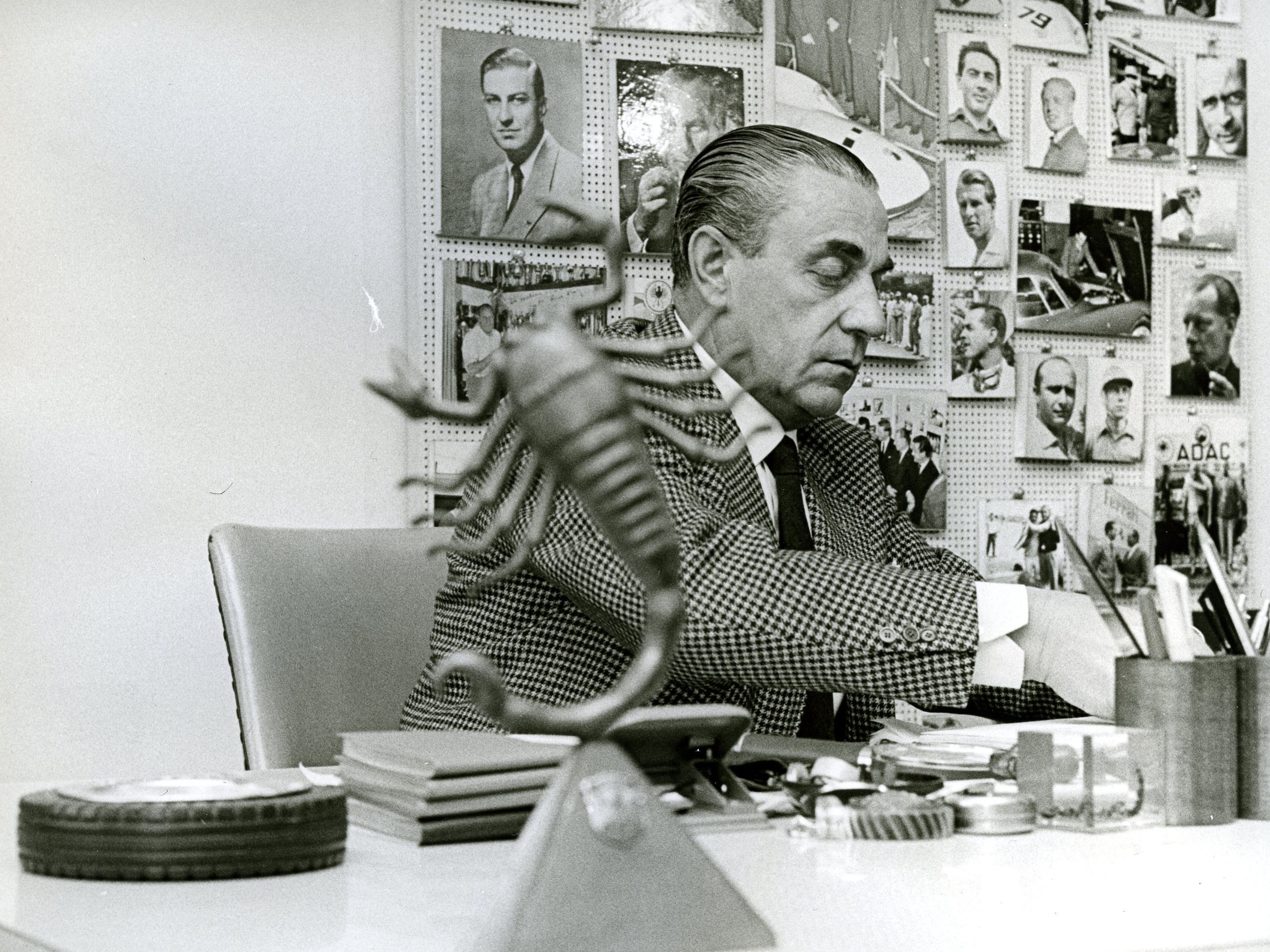
| Emblem | Scorpion, Carlo Abarth's star sign |
| Sold to Fiat | 31 July 1971 (announced 15 October 1971) |
| Old company ended | 1 October 1981, merged into Fiat Auto's sport division |
| Brand relaunched | 1 February 2007 |
| Owner today | Stellantis, through the former Fiat Chrysler group |
Karl Albert's years before the scorpion
He was born Karl Albert Abarth in Vienna on 15 November 1908. Young Karl raced motorcycles from the late 1920s and won a first race on a James motorcycle in Salzburg in July 1928. Crashes ended that career: one in Linz ended the motorcycle years, and an accident at Ljubljana in 1939 meant a long stay in hospital. By then Karl had settled in Italy, and Italian citizenship later turned Karl Albert into Carlo Alberto.
After the war Carlo worked with Piero Dusio and Rudolf Hruska on Cisitalia, the Turin company that also held the Italian agency for Ferdinand Porsche's design office. Their most ambitious project was the Porsche-designed Cisitalia 360 Grand Prix car, which never raced successfully. Carlo became Cisitalia's sporting director in 1947, but the company collapsed in 1948 and Dusio left for Argentina. You can read about the Porsche connection on our Ferdinand Porsche page.
1949: a workshop opens in Bologna
On 31 March 1949 Abarth founded Abarth & C. in Bologna, backed by the Scagliarini family, and took over what remained of the Cisitalia racing operation, including several 204 sports cars. The scorpion emblem came from the founder's star sign, Scorpio. On 10 April 1950 the pre-war champion Tazio Nuvolari won his class at the Palermo–Monte Pellegrino hill climb in an Abarth 204A. It was the last victory of Nuvolari's career.
The company moved to Turin in the early 1950s, close to Fiat and the coachbuilders. Its first steady income came from exhausts. Abarth silencers and tailpipes made cars faster and louder, grew into a large business of their own, and helped Lambretta scooters set 125 cc speed records. Exhausts still carry the Abarth name today.
Tuning kits and the first Fiat-based cars
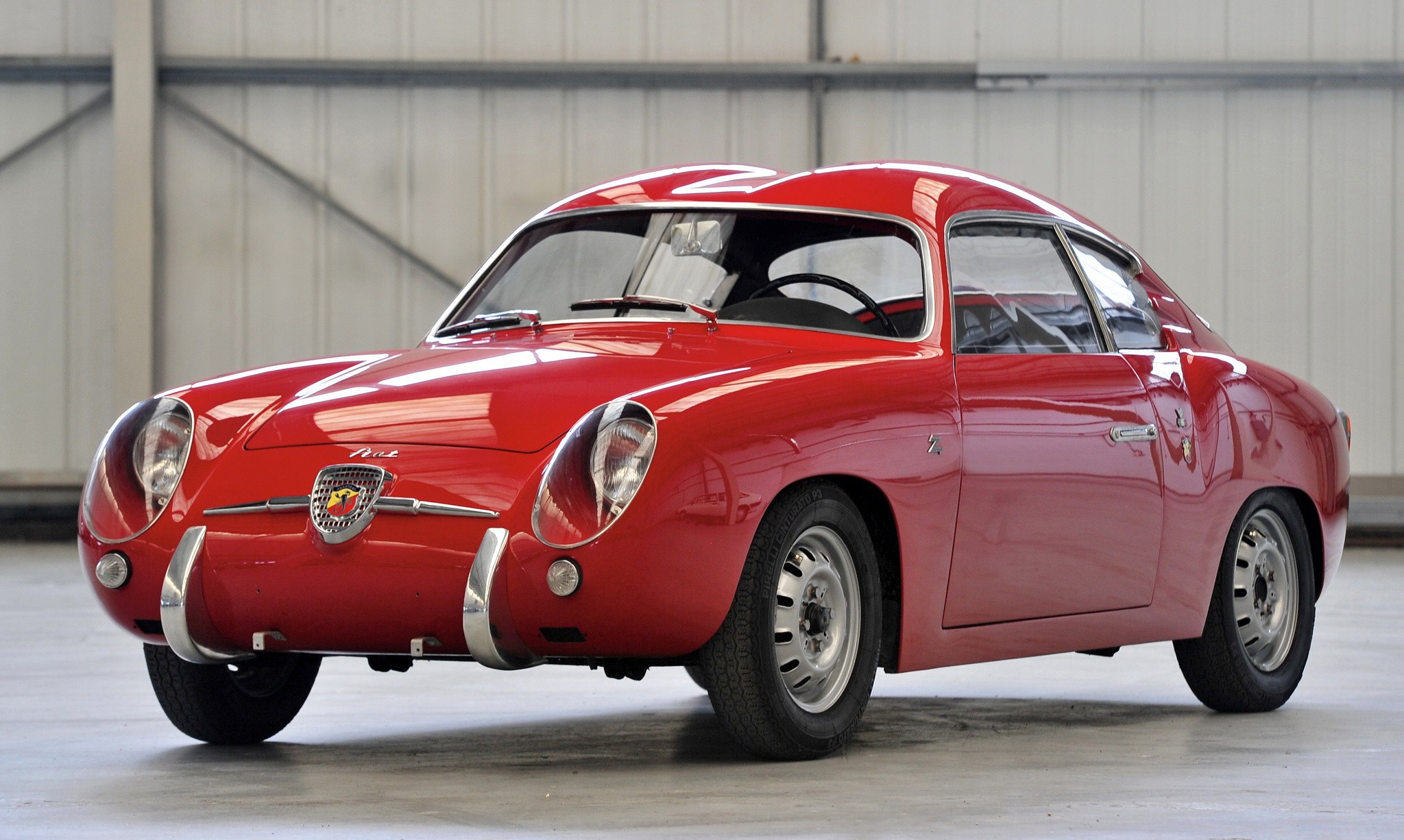
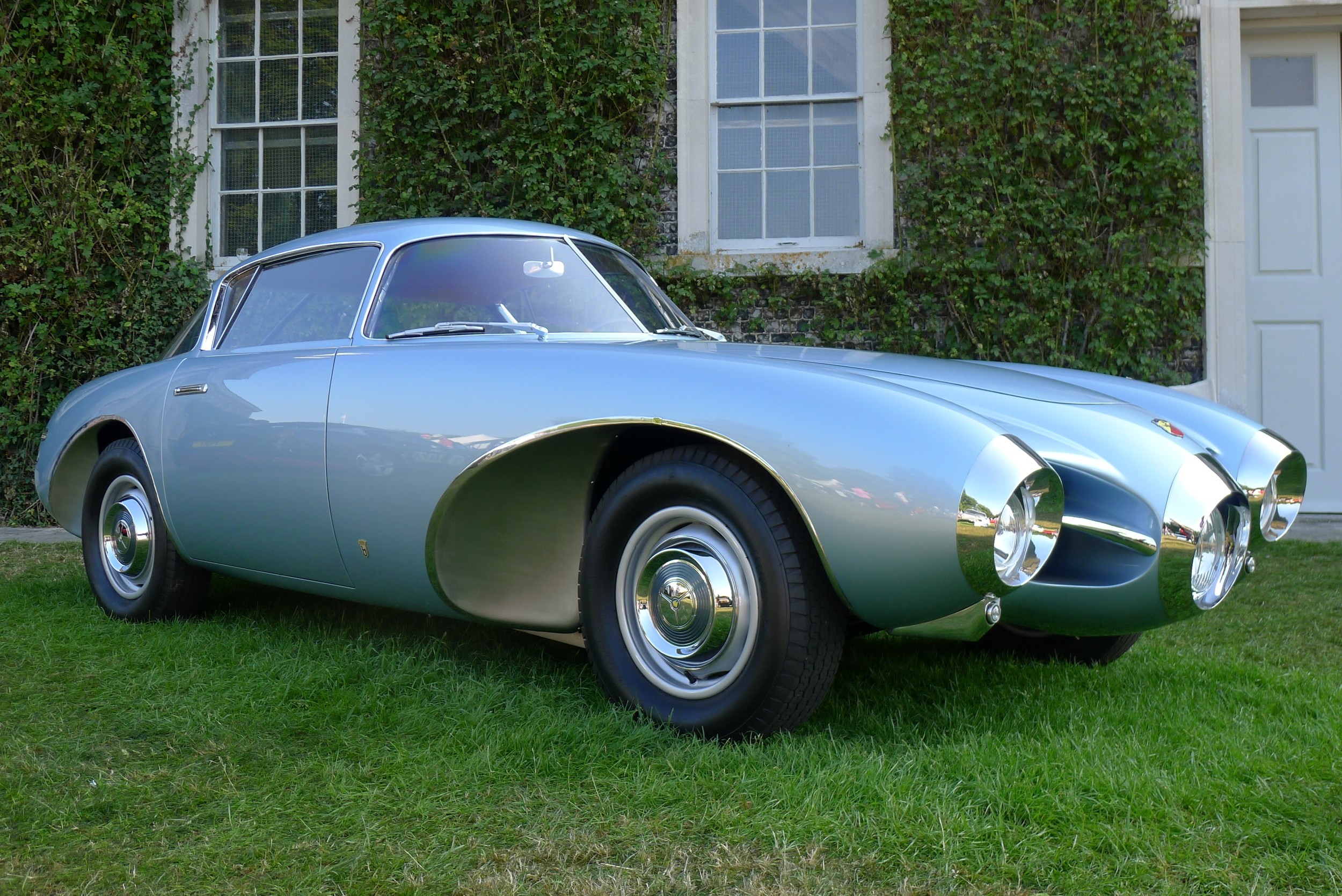
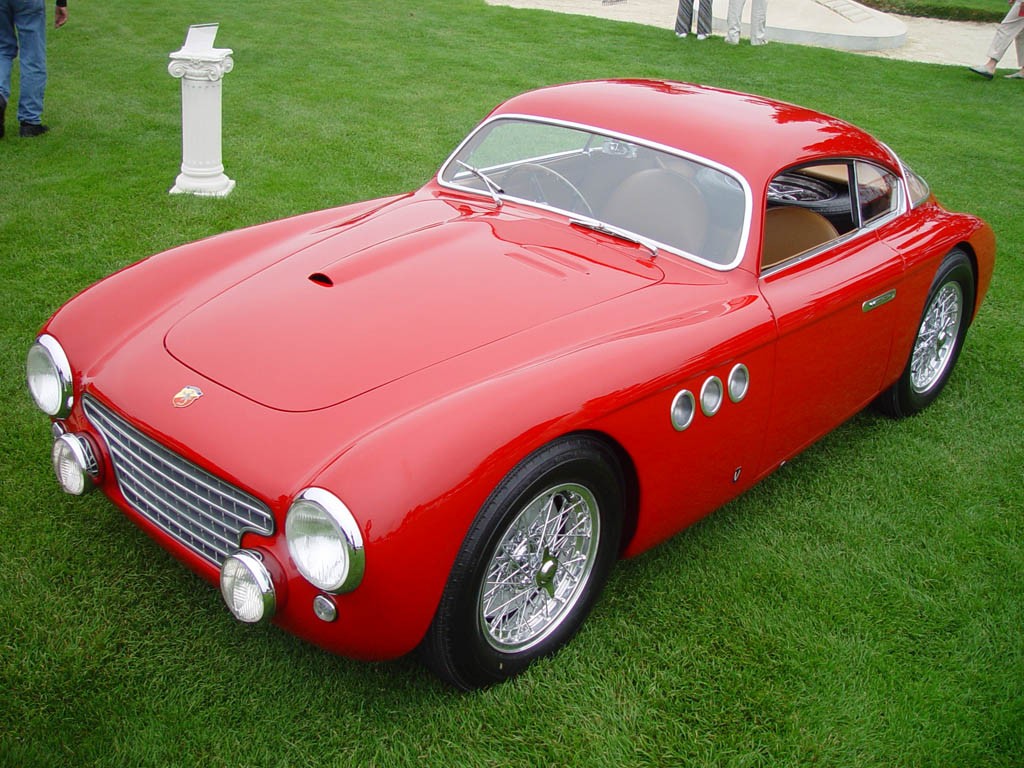
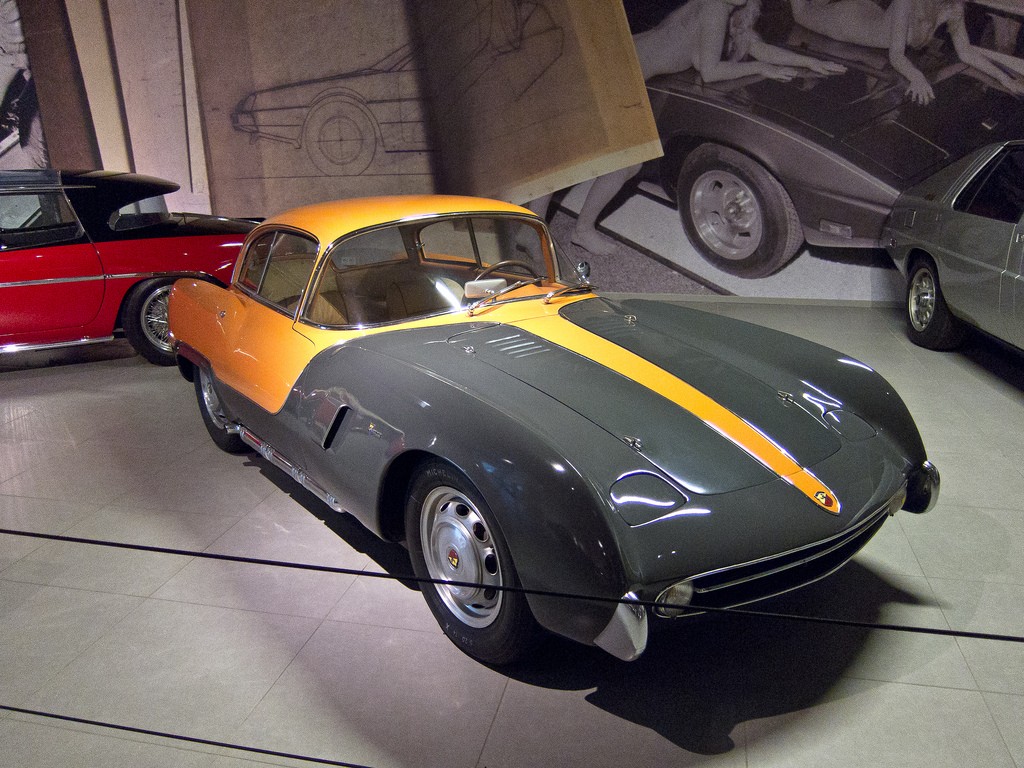
The formula was simple: take a cheap, light Fiat, give it more power, better brakes and a lower stance, and sell it either as a complete car or as a kit for the owner's own car. Early specials such as the 1500 Biposto of 1952 used Fiat mechanicals with bodies from Italian coachbuilders including Bertone, Ghia and Zagato.
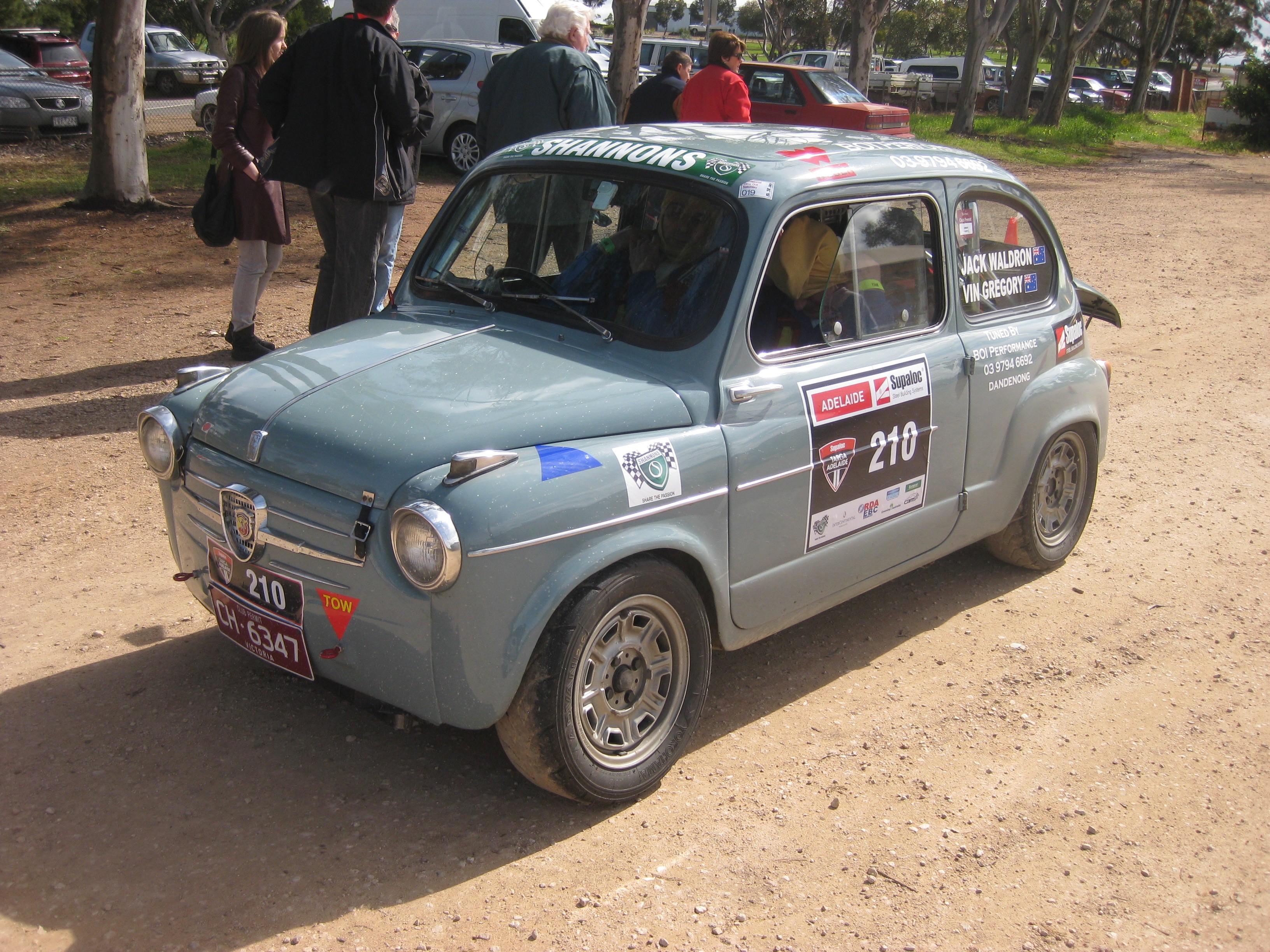
The real breakthrough came with the rear-engined Fiat 600 of 1955. The company bored and stroked its four-cylinder engine to about 750 cc and sold the result as the 750 Derivazione. The 750 GT with a light Zagato body followed in 1956. Demand outran the small factory in Turin, which is why conversion kits mattered so much. The original small Fiats are covered in our Fiat history.
The tuned Fiats that built the name
| Model | Introduced | Base | Engine | Power | Notes |
|---|---|---|---|---|---|
| 750 Derivazione / 750 GT Zagato | 1955–1956 | Fiat 600 | about 750 cc four-cylinder | not published consistently | First Abarth sold in quantity |
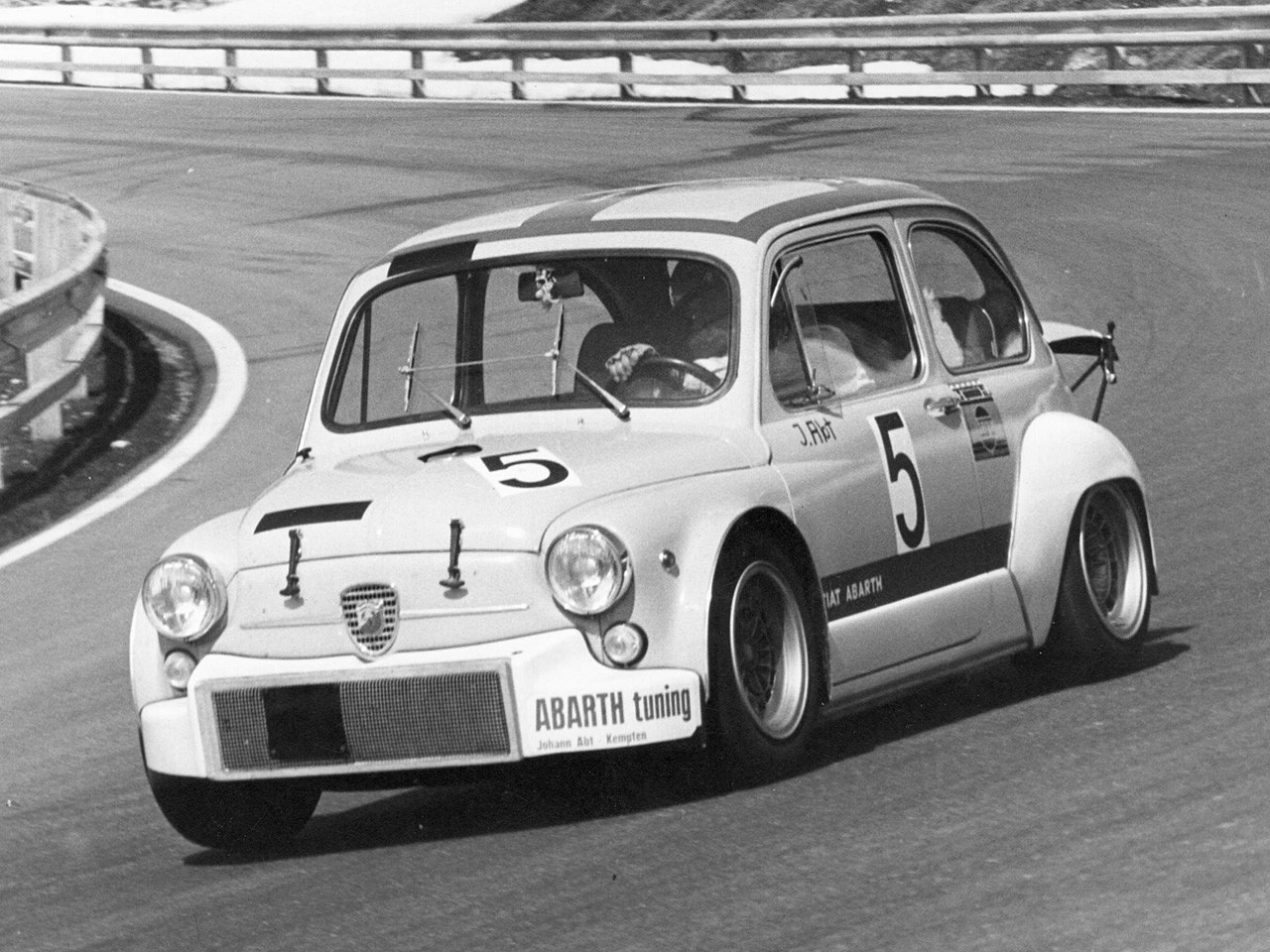
| 850 TC | homologated 1961 | Fiat 600 | about 850 cc four-cylinder | 57 kW (78 PS) in Corsa form | Best-selling Abarth racer; about 180 km/h |
| 1000 TC / TCR | 1960s | Fiat 600 | about 1.0 litre | varied by version | Touring-car class winner |
| 595 Berlina | 1963 | Fiat 500 | 594 cc two-cylinder | 20 kW (27 PS) | Tuned Nuova 500 |
| 695 SS | 1964 | Fiat 500 | about 690 cc two-cylinder | 28 kW (38 PS) | About 140 km/h |
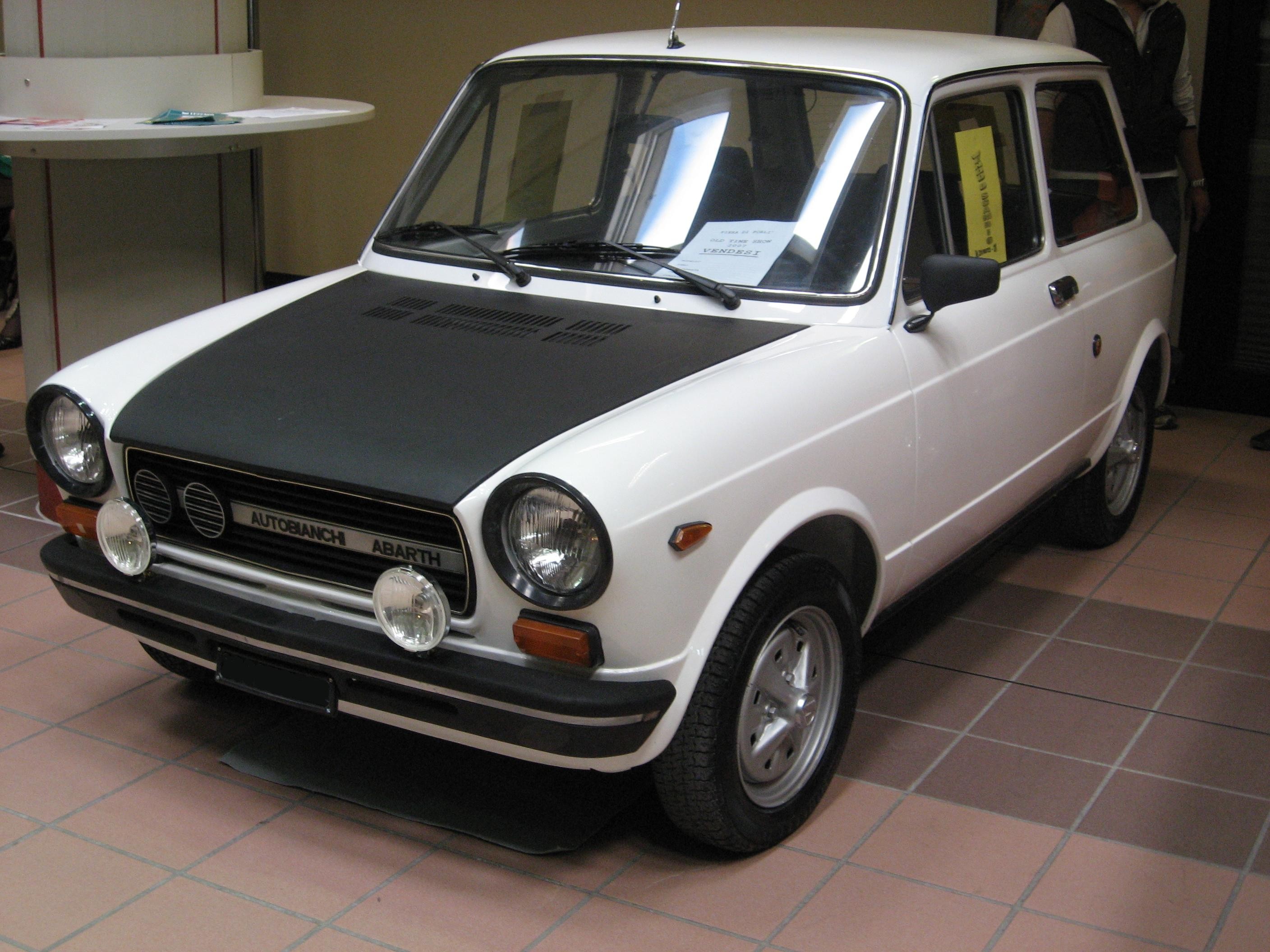
| A112 Abarth | 1971 | Autobianchi A112 | 1.0, later 1.05 litres | up to 51 kW (70 PS) | Last car developed under Carlo Abarth |
By our calculation, the 850 TC in Corsa form produced about 67 kW per litre; compared with the 595 road car's 20 kW, it had almost three times the power from a little over 40 % more displacement. The A112 Abarth, at about 700 kg with 51 kW, carried roughly 14 kg per kW, which you can check with our power-to-weight calculator.
Records, racing and the Fiat bonus deal
Records were the company's advertising. A streamlined 750 record car built on Fiat 600 parts set a series of world and class endurance records at Monza in 1956, and record cars were built until 1966. On 20 October 1965, aged 56, Carlo Abarth drove one himself and set further records at Monza.

In 1957 Carlo signed an agreement under which Fiat paid the company for every competition success won by its tuned Fiats. That deal turned class wins into income, and the company reportedly collected up to 600 race and class victories a year in the 1960s. The firm also worked with Alfa Romeo on a 1000 model in 1958 and with Simca on the Abarth-Simca 1300 of the early 1960s. Works driver Hans Herrmann won the 1963 Nürburgring 500 km.
Not every project reached the track. In 1967 the engineers in Turin designed the T140, a mid-engined prototype with a 5,982 cc V12. New rules limited this class of sports prototypes to 3.0 litres, so the car was never completed and the big V12 never raced.
1971: Fiat buys Abarth
Racing on this scale cost more than a small company could carry. On 31 July 1971 Carlo Abarth sold the business and its name to Fiat, which announced the purchase on 15 October 1971. Carlo stayed on as a director for a short time and then left. A former employee, Enzo Osella, took over part of the racing activity and founded Osella Squadra Corse, which later raced in Formula One from 1980 to 1990. Carlo Abarth died in Vienna on 24 October 1979.
Inside Fiat, the Turin team became the competition department. It prepared the 124 Abarth Rally and the 131 Abarth, which won the World Rally Championship for manufacturers for Fiat in 1977, 1978 and 1980. In December 1977 the department merged with Lancia's competition team ahead of the 1978 season. Its engineers then worked on the Lancia Beta Montecarlo Turbo, world champion of makes in 1980 and 1981, and on the Lancia 037, which won the rally manufacturers' title in 1983. Lancia's side of that story is told in our Lancia history. On 1 October 1981 Abarth & C. ceased to exist as a company, and for road buyers the name survived mainly as a badge on sporty Fiats and Autobianchis.
2007: the scorpion returns
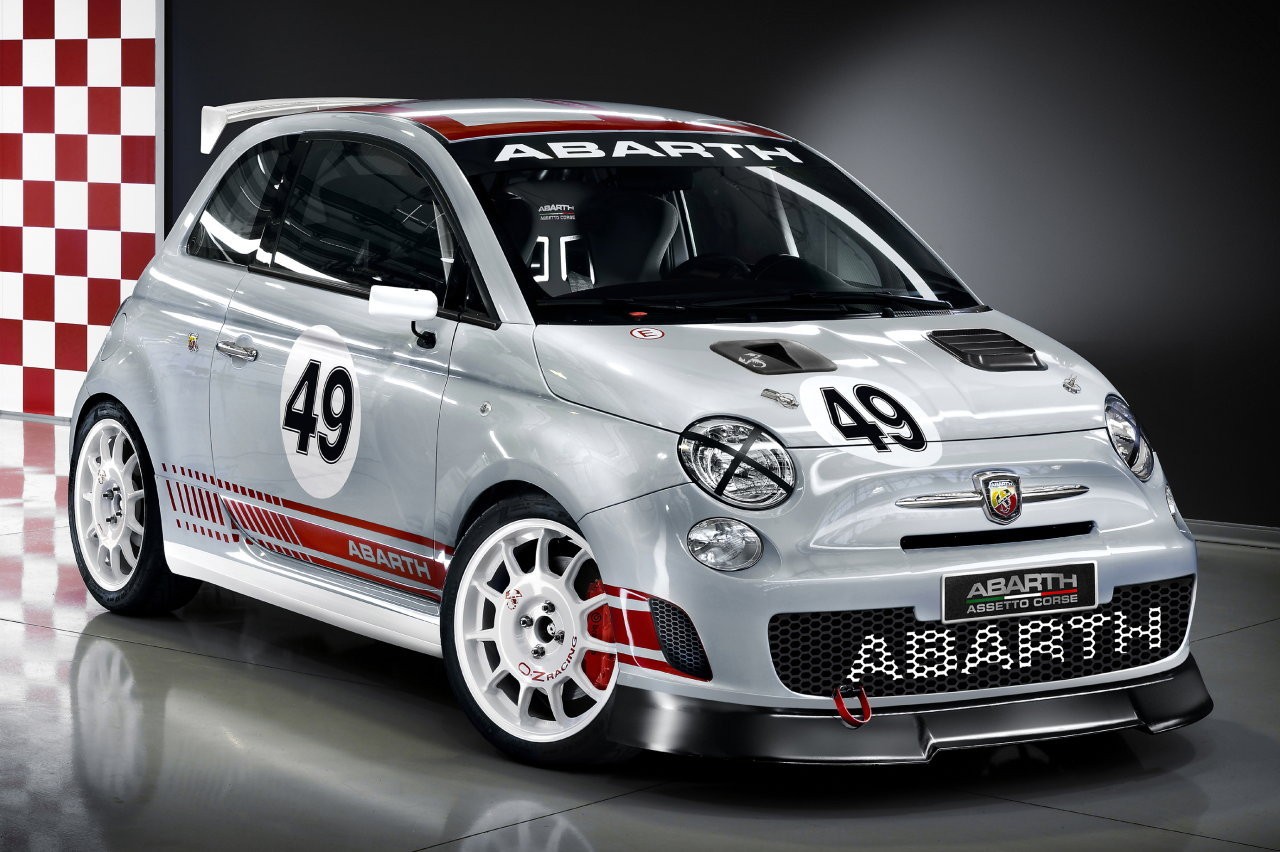
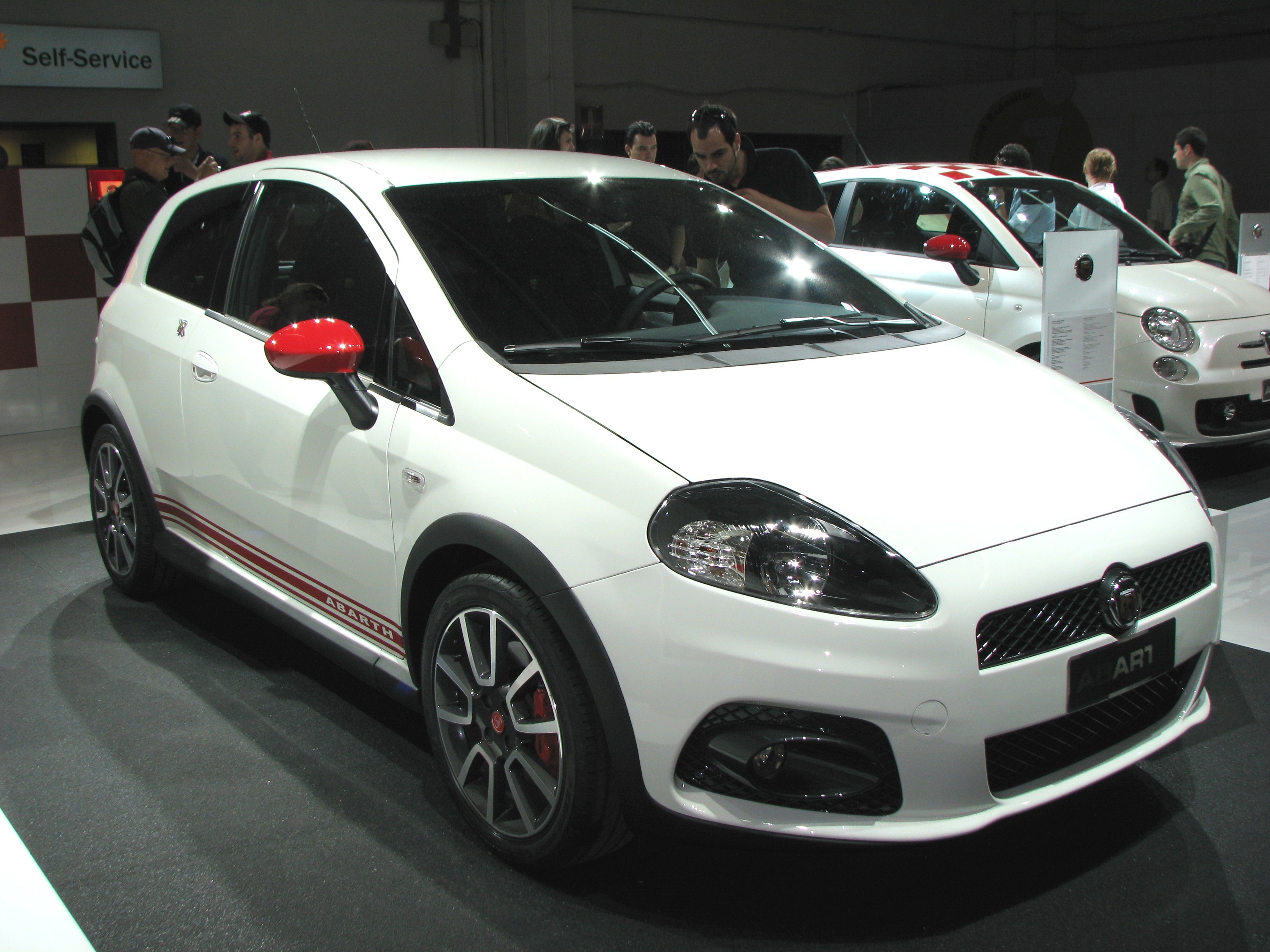
Fiat re-established Abarth as a separate business on 1 February 2007, with its own dealers and identity. The first products were the Grande Punto Abarth, with a 1.4-litre turbo of 114 kW (155 PS), and the Grande Punto S2000 rally car. The Abarth 500, based on the new Fiat 500, followed in July 2008 with 99 kW (135 PS), and an open-roof Abarth 500C arrived in 2010.
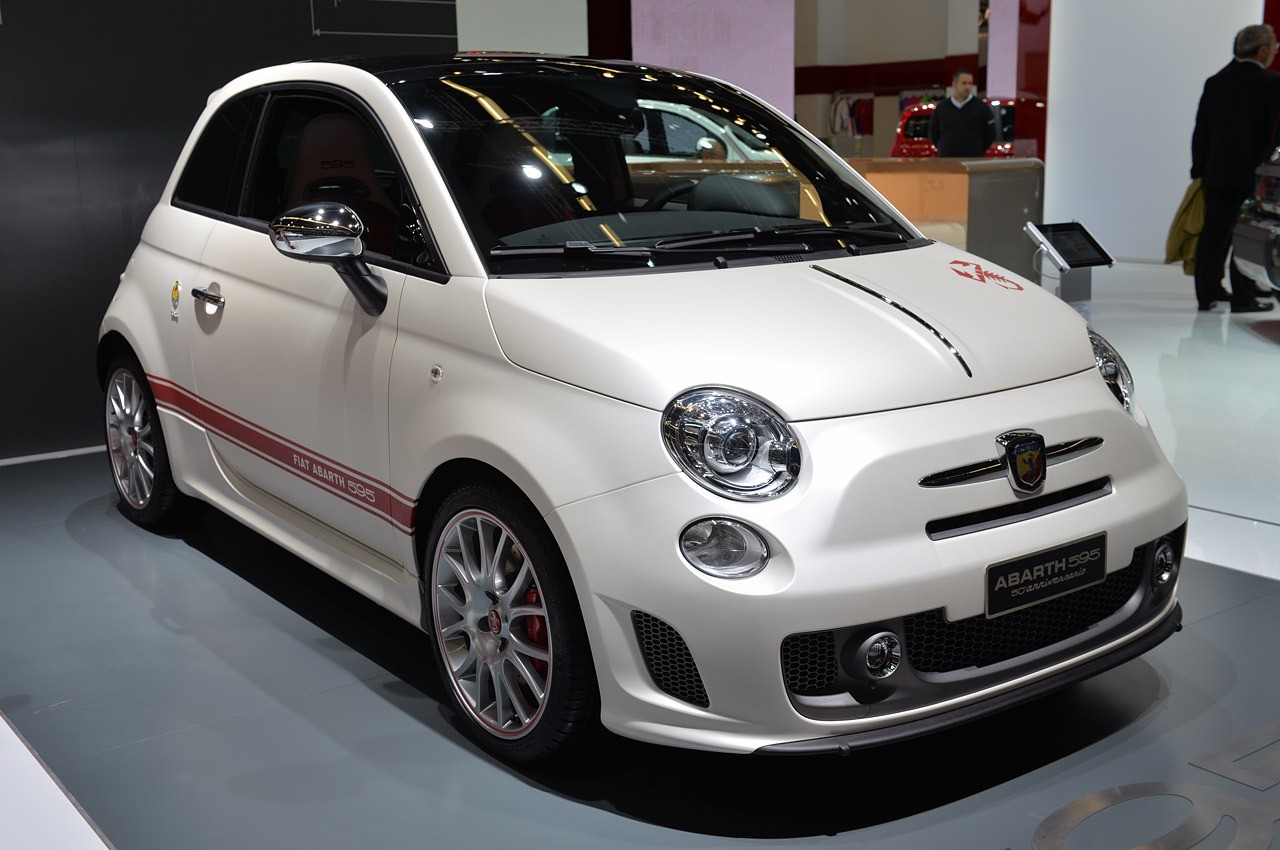
The 595 and 695 names came back as power levels of the same small car. Limited series included the 695 Tributo Ferrari with 132 kW (180 PS), built in 1,695 units, and the 695 Biposto with 140 kW (190 PS), sold from 2014 to 2016. The 124 Spider of 2016–2020 was built in Japan alongside the Mazda MX-5 and rated at 125 kW (170 PS). It revived the rally link, as the 124 Rally version won the FIA R-GT Cup in 2018, 2019 and 2020. For the base car, see our Fiat 500 page; older ratings in PS or bhp can be checked with our power converter.
Key dates from 1908 to 2024
| Year | Event |
|---|---|
| 1908 | Karl Albert Abarth born in Vienna (15 November) |
| 1947 | Sporting director of Cisitalia |
| 1949 | Abarth & C. founded in Bologna (31 March) |
| 1950 | Nuvolari's last win, in an Abarth 204A (10 April) |
| 1955–1956 | Fiat 600-based 750 models; first records at Monza |
| 1957 | Agreement with Fiat on payments for race wins |
| 1961–1964 | 850 TC, 595 and 695 |
| 1965 | Carlo Abarth sets records at Monza himself (20 October) |
| 1971 | Company sold to Fiat (31 July) |
| 1977–1980 | Fiat 131 Abarth wins three world rally titles |
| 1981 | Abarth & C. dissolved into Fiat Auto (1 October) |
| 2007 | Brand re-established (1 February) |
| 2008 | Abarth 500 launched |
| 2021 | Fiat Chrysler and PSA merge into Stellantis |
| 2023–2024 | Electric Abarth 500e and 600e |
Under Stellantis: the electric era
Since January 2021 the brand has belonged to Stellantis, the group formed by the merger of Fiat Chrysler and PSA, and Olivier François has led the brand since 2011. Petrol production of the 595 and 695 ended in 2024. The range moved to battery-electric cars: the Abarth 500e from 2023 and the larger 600e from 2024. Outside Europe the scorpion also appears on sporty versions of the South American Fiat Pulse and Fastback.
The electric cars keep the scorpion, the sound generator and the hot-hatch character, but they mark a clear break from Carlo Abarth's original business of making small petrol engines breathe harder. Whether buyers accept a silent Abarth is the brand's main question for the late 2020s.
Which scorpion to buy or collect
For collectors, the 1960s cars are the heart of the story. Original 850 TC and 1000 TC saloons, Zagato coupés and genuine 595 and 695 models carry the highest values. Many cars sold with the scorpion today are later conversions, so chassis numbers and documented history matter more than the badge. The A112 Abarth is a more affordable way into the classic side.
For daily driving, a petrol 500, 595 or 695 from 2008–2024 offers the most character per euro, with simple mechanicals and wide parts supply. The 124 Spider suits buyers who want rear-wheel drive. Anyone who values the brand's racing history should choose a petrol car, while the 500e and 600e suit drivers who mainly want a quick, compact electric hatchback. Current and past models are listed in the Abarth catalogue.
FAQ
Who founded Abarth and when?
Carlo Abarth, born Karl Albert Abarth in Vienna in 1908, founded Abarth & C. in Bologna on 31 March 1949. The founder was a former motorcycle racer and Cisitalia's sporting director, and the company soon moved to Turin to work closely with Fiat.
Why is the Abarth logo a scorpion?
Carlo Abarth was born on 15 November 1908, under the star sign Scorpio, and chose the scorpion as his company emblem in 1949. The red and yellow shield with the scorpion has stayed the brand's symbol through the Fiat years and the 2007 relaunch.
When did Fiat buy Abarth?
Carlo Abarth sold the company and its name to Fiat on 31 July 1971, and the purchase was announced on 15 October 1971. Fiat used Abarth as its competition department, and the original company was dissolved into Fiat Auto on 1 October 1981.
Is Abarth a separate brand from Fiat?
Yes. Since 1 February 2007 Abarth has again operated as its own company, with dedicated dealers and models, beginning with the Grande Punto Abarth. Today it is one of the Stellantis brands, although its cars are still based on Fiat models such as the 500 and 600.
Does Abarth still make petrol cars?
In Europe, petrol production of the Abarth 595 and 695 ended in 2024, and the range there is now electric with the 500e and 600e. In South America the brand has also sold petrol versions of the Fiat Pulse and Fastback, built from 2022 and 2023, under the Abarth name.



