 Opel Combo
All generations, specs and history
Published Sources (3) Report an error
By Felix Hartmann, Automotive Technology & EV Contributor
- Built
- 1986–present
- Generations
- 5 · A to E
- Top power
- 100 kW (136 PS)
Timeline
Combo generations
Click a generation for its own page


- Combo A 1986–1993 · Van · 66 kW (90 PS)
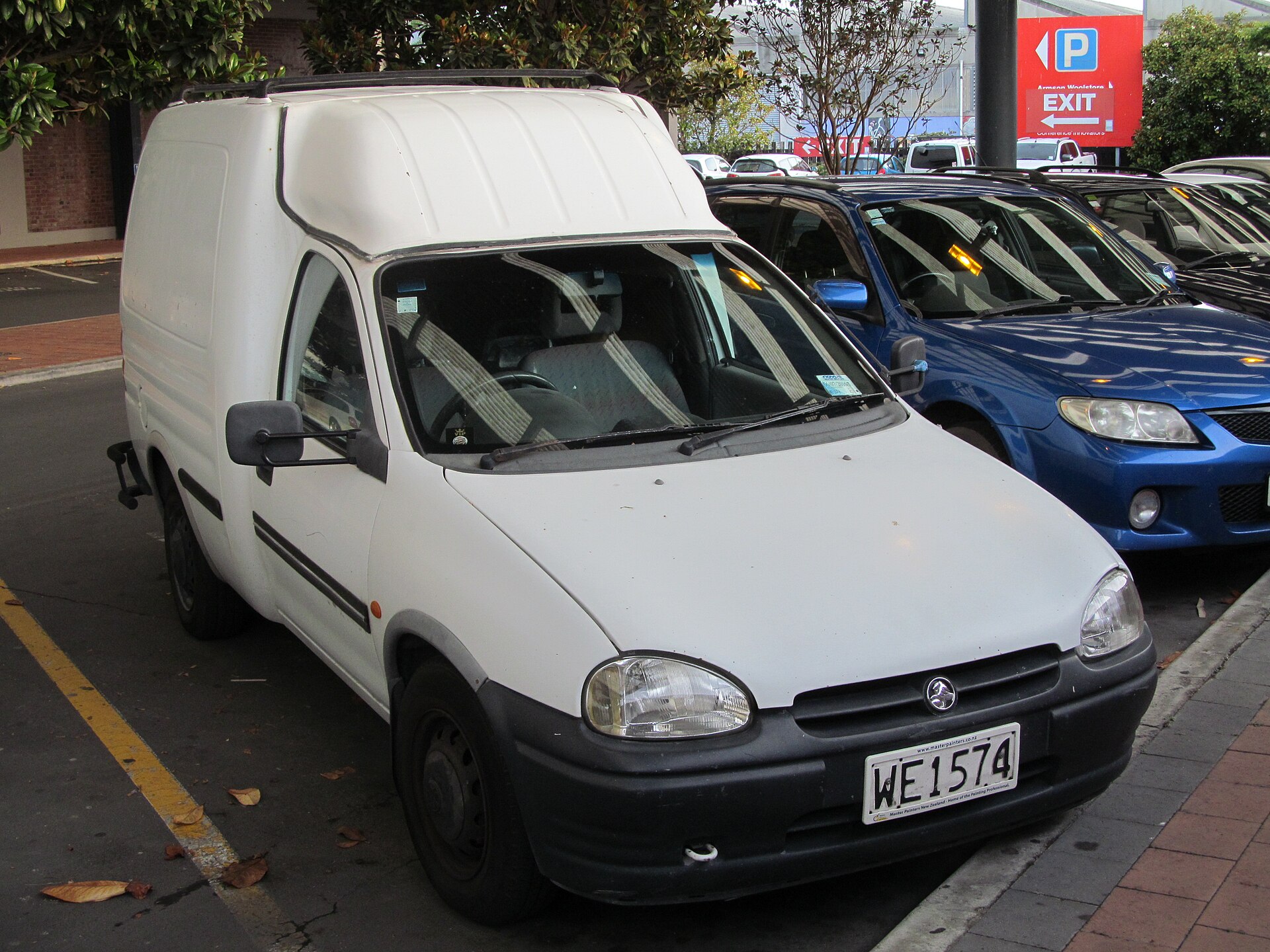
- Combo B 1993–2001 · Minivan / MPV, Van · 44–60 kW (60–82 PS)
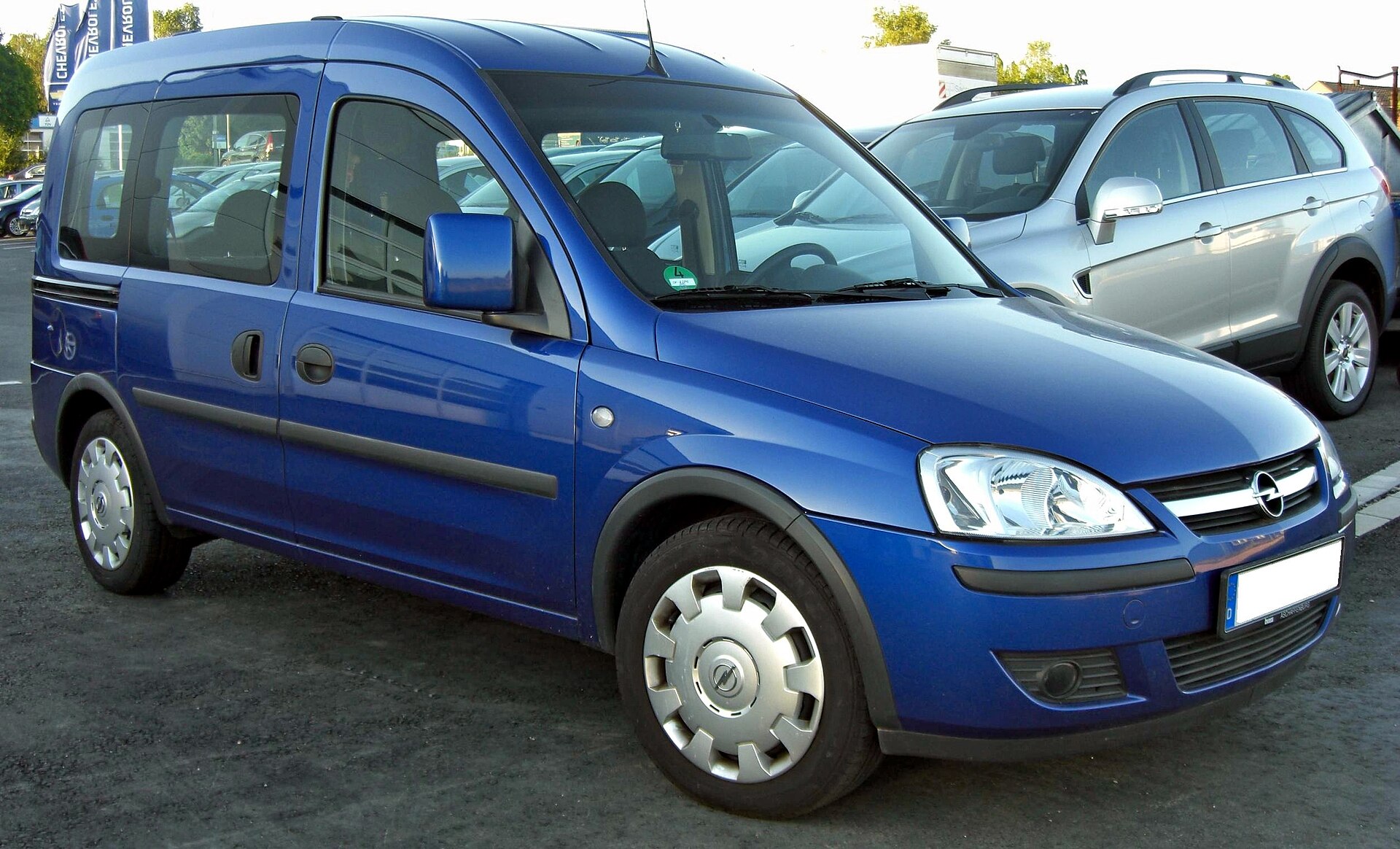
- Combo C 2001–2011 · Minivan / MPV, Van · 48–74 kW (65–101 PS)
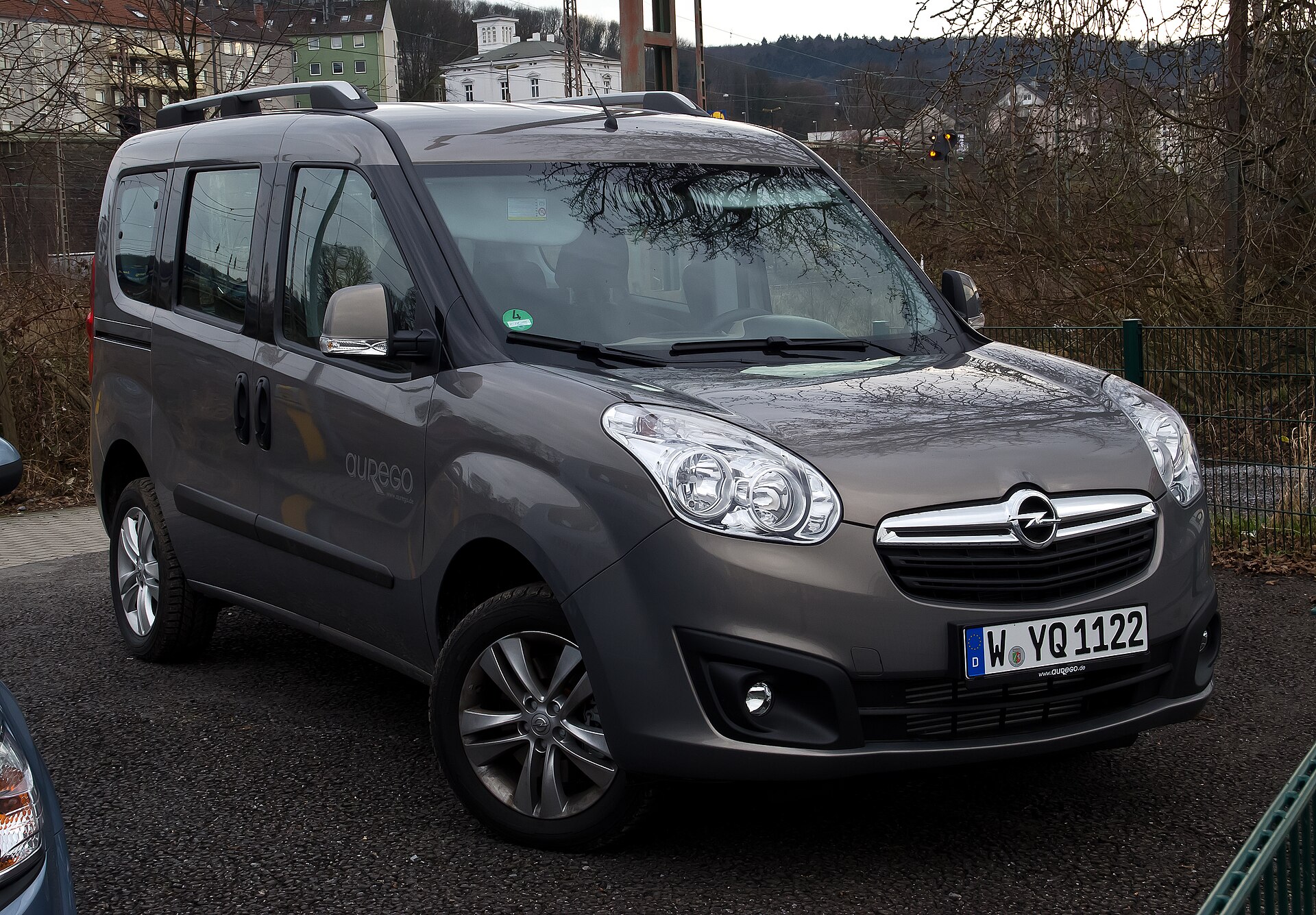
- Combo D 2011–2018 · Minivan / MPV, Van · 66–99 kW (90–135 PS)
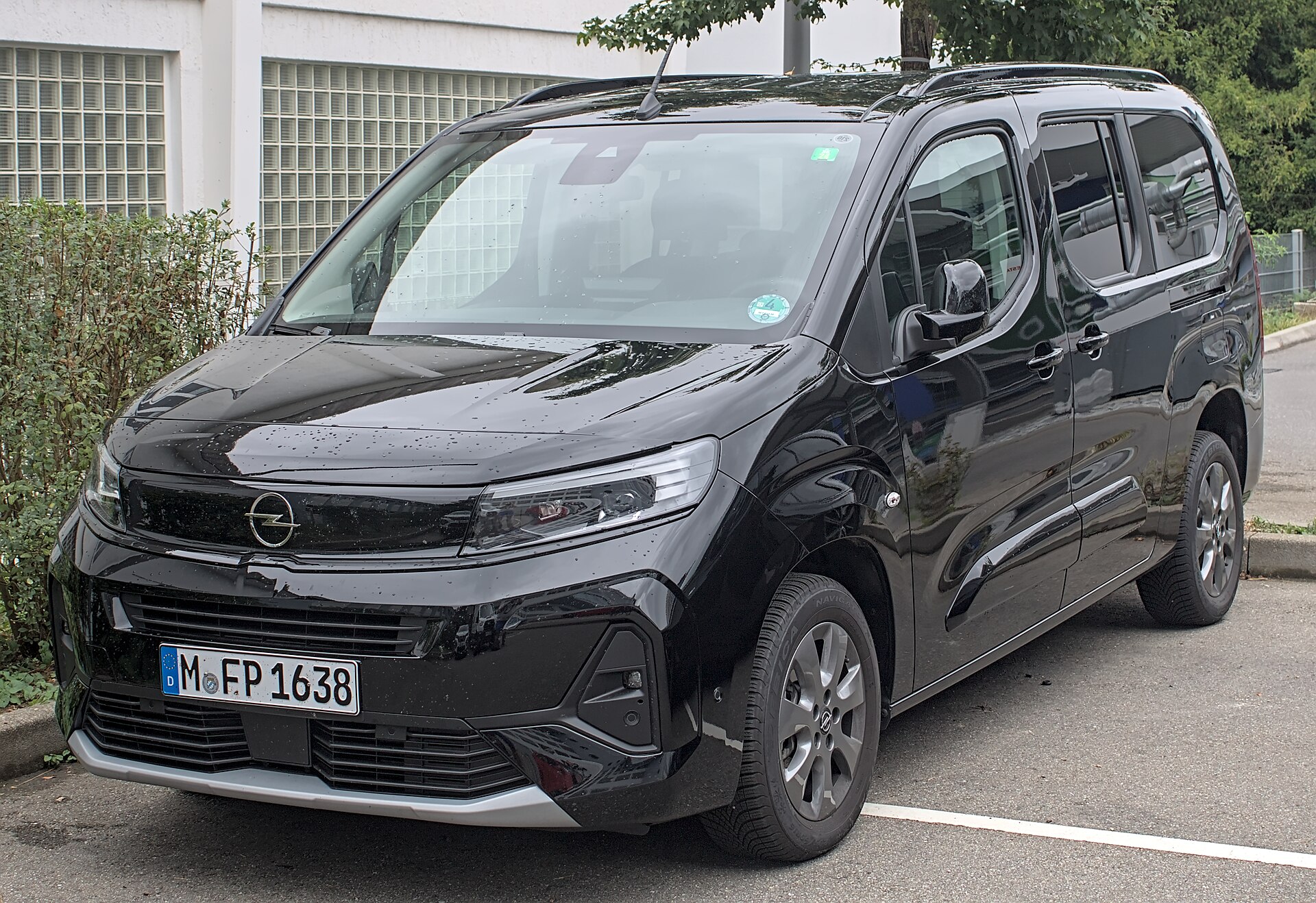
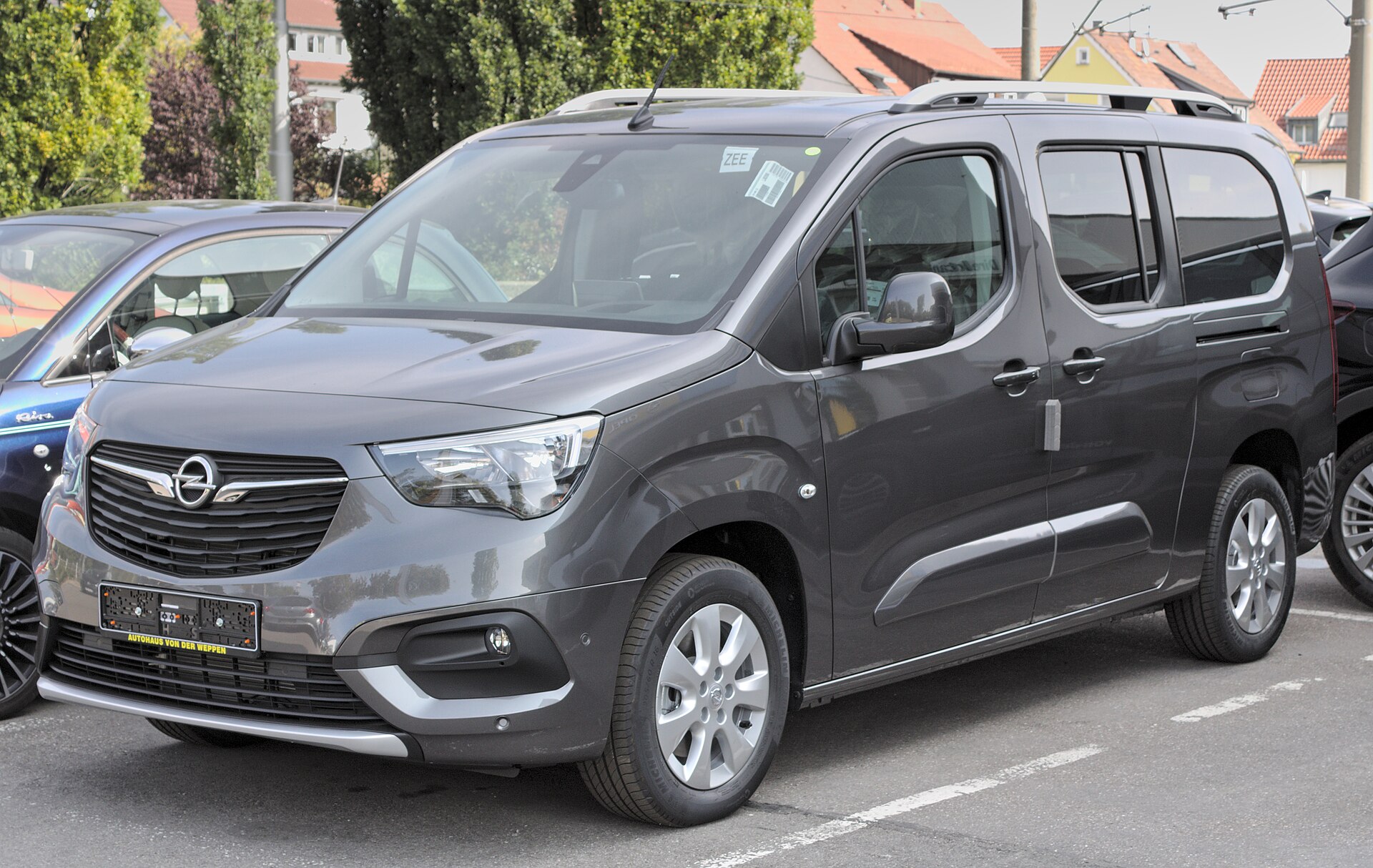
- Combo E Current 2018–now · Minivan / MPV, Van · 75–100 kW (102–136 PS)
Newest first · 5 generations since 1986
-
2018
-
2011
-
2001
-
1993
-
1986
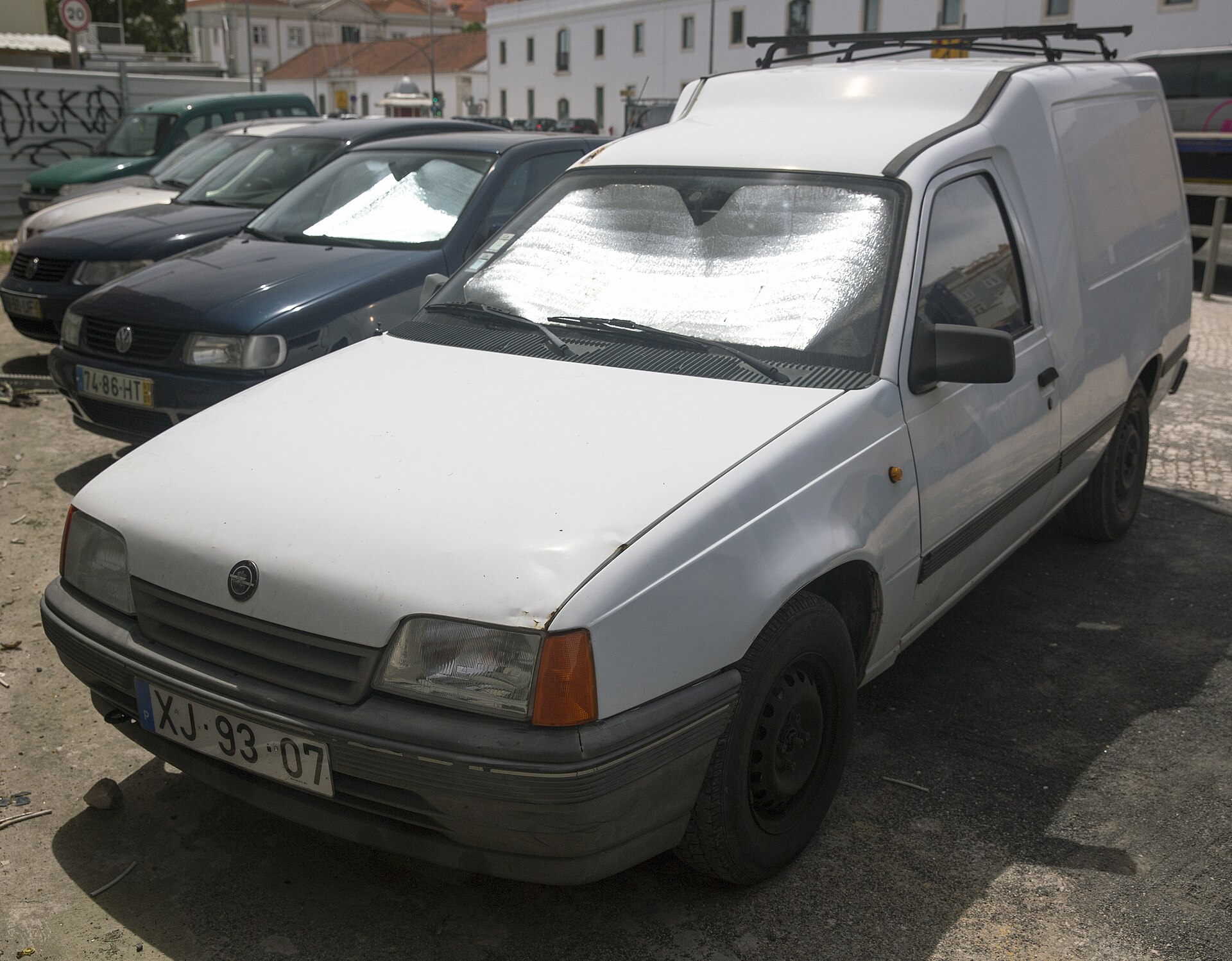
All generations by year: Combo E (2018–now) · Combo D (2011–2018) · Combo C (2001–2011) · Combo B (1993–2001) · Combo A (1986–1993)
Which one is mine?
Pick the year of first registration to see which generation it is.
Check by VINWhich Combo to buy
Our verdict · Felix Hartmann
- For a working van: the Combo E Cargo 1.5 Diesel with 96 kW, the best balance of pulling power and economy, available with the eight-speed automatic.
- For city deliveries: the Combo Electric with the 50 kWh battery and up to 330 km of range.
- For families: a Combo Life, ideally the long version for seven seats.
- On a budget: a Combo D, which offers a large load bay and Fiat's 1.6 and 2.0 CDTI diesels.
The Opel Combo is Opel's small van and its passenger version, built since 1986 in five generations. The first was a Kadett with a box on the back, the second and third grew out of the Corsa, the fourth was a Fiat Doblo underneath, and the current Combo E, launched in 2018, is a twin of the Citroen Berlingo and Peugeot Partner/Rifter. In Britain the same vans carry the Vauxhall badge.
In short
- Five generations: Combo A (1986-1993), B (1993-2001), C (2001-2011), D (2011-2018) and E (since 2018, facelifted for 2024).
- Current engines: 1.2 turbo petrol with 81 kW (110 PS), 1.5 diesel with 75 kW (102 PS) or 96 kW (130 PS), and Combo Electric with 100 kW (136 PS).
- Combo Electric since the 2024 facelift: 50 kWh battery, up to 330 km WLTP, 100 kW DC charging.
- Up to 4.4 m3 of load volume and 780 kg of payload, according to Opel; in Germany the Combo Cargo starts at EUR 26,656 (ADAC, October 2026).
Size at a glance
| Dimensions | Opel Combo E |
|---|---|
| Length | 4,401 mm173.3 in |
| Width | 1,848 mm72.8 in |
| Height | 1,825 mm71.9 in |
| Wheelbase | 2,785 mm109.6 in |
| Boot | 3,300 L116.5 cu ft |
Running cost
Fuel · Combo E Combo Cargo L1H1 1.5 Diesel 75 kW
about 1,300 EUR fuel a year at 15,000 km
5.2 l/100 km · diesel at 1.65 EUR/l · change mileage, fuel price or version
Specs by version
Engines
| Version | Engine | Power | Torque | Gearbox | Drive | Production years |
|---|---|---|---|---|---|---|
| Electric · 1 version | ||||||
| Combo Electric 50 kWh | Electric | 100 kW 136 PS134 hp | 270 Nm199 lb-ft | Single-speed | Front-wheel drive | 2024 |
| Diesel · 1 version | ||||||
| Combo Cargo L1H1 1.5 Diesel 75 kW | 1.5 l · Diesel 1,499 cc | 75 kW 102 PS101 hp | 250 Nm184 lb-ft | 6-sp Manual | Front-wheel drive | 2024 |
Performance
Show all 2 versions
| Version | Top speed | Fuel consumption | Range | CO₂ |
|---|---|---|---|---|
| Electric · 1 version | ||||
| Combo Electric 50 kWh | 130 km/h81 mph | - | 330 km205 mi | - |
| Diesel · 1 version | ||||
| Combo Cargo L1H1 1.5 Diesel 75 kW | 150 km/h93 mph | 5.2 l/100 km45.2 mpg US · 54.3 mpg UK | - | 136 g/km |
Dimensions and weight
Show all 2 versions
| Version | Length | Width | Height | Wheelbase | Kerb weight | Boot | Fuel tank | Battery |
|---|---|---|---|---|---|---|---|---|
| Electric · 1 version | ||||||||
| Combo Electric 50 kWh | - | - | - | - | - | - | - | 50 kWh |
| Diesel · 1 version | ||||||||
| Combo Cargo L1H1 1.5 Diesel 75 kW | 4,401 mm173.3 in | 1,848 mm72.8 in | 1,825 mm71.9 in | 2,785 mm109.6 in | 1,371 kg3,023 lb | 3,300 l116.5 cu ft | 53 l14.0 gal US | - |
Verified Manufacturer and type-approval data from our catalog · Sources and methodology
Opel Combo at a glance
The Combo has always had front-wheel drive and a front-mounted engine, and it has always come first as a panel van, with a passenger version (Combo Tour, later Combo Life) alongside. Production moved with each partner: Ellesmere Port and Azambuja for the Kadett and Corsa-based vans, Zaragoza from 2007, Turkey for the Fiat-based Combo D, and the Stellantis plants in Vigo (Spain) and Mangualde (Portugal) for today's Combo E.
| Parameter (Combo E Cargo L1H1, 2026) | Metric | Imperial |
|---|---|---|
| Length | 4,401 mm | 173.3 in |
| Width (without mirrors) | 1,848 mm | 72.8 in |
| Height | 1,825 mm | 71.9 in |
| Wheelbase | 2,785 mm | 109.6 in |
| Load volume | 3,300 l | 116.5 cu ft |
| Payload, 1.5 Diesel 75 kW | 649 kg | 1,431 lb |
| Towing (braked) | 1,350 kg | 2,976 lb |
| Fuel tank | 53 l | 11.7 UK gal |
Figures from ADAC for the short-wheelbase 1.5 Diesel van. The long L2 version and the passenger Combo Life XL are longer; carwow lists the Combo Life at 4,760 mm.
Generations
| Generation | Code | Years | Body styles | Engines | Power (kW / hp) |
|---|---|---|---|---|---|
| Combo A (Kadett Combo) | A | 1986-1993 | van | 1.3/1.4 and 1.6 petrol, 1.6/1.7 diesel | up to 66 kW / 90 PS |
| Combo B | B | 1993-2001 | van, Combo Tour | 1.4, 1.6 petrol, 1.7 diesel | 44-60 kW / 60-82 PS |
| Combo C | C | 2001-2011 | van, Combo Tour, Tour Arizona | 1.4, 1.6 petrol, 1.6 CNG, 1.3 and 1.7 diesel | 48-74 kW / 65-101 PS |
| Combo D | D | 2011-2018 | van, LWB van, Combo Tour | 1.4 and 1.4 turbo petrol, CNG, 1.3, 1.6, 2.0 diesel | 66-99 kW / 90-135 PS |
| Combo E | E | 2018- | van, LWB van, crew van, Combo Life | 1.2 turbo petrol, 1.5 and 1.6 diesel, electric | 75-100 kW / 102-136 PS |
Dates follow Wikipedia; ADAC's catalogue starts the Combo A in 1989 and the Combo B in 1995.
Combo A (1986-1993): the Kadett van
The first Combo, launched in January 1986, was a Kadett E with a tall cargo box behind the front doors. It was built at Ellesmere Port until January 1989 and then at Azambuja in Portugal; a facelift in January 1989 separated the grille from the bumper. German buyers got a 1.3 petrol (later 1.4) and a 1.6 diesel (later 1.7), and some markets, including Britain, also had a 1.6 petrol with 66 kW (90 PS). In the UK the van was first a Bedford, and from 1 June 1990 a Vauxhall.

Combo B (1993-2001): Corsa front, Euro-pallet back
Launched in October 1993, six months after the Corsa B, the second Combo used the Corsa's front up to the B-pillar and a stretched platform behind it. The square load area takes a Euro-pallet, and twin side-hinged rear doors were standard. The five-seat Combo Tour arrived in summer 1995. Engines ranged from a 1.4 petrol with 44 kW (60 PS) to 1.4 and 1.6 petrols with 60 kW (82 PS), plus a 1.7 diesel with 44 kW (60 PS). Holden sold it in Australia, and SAIC built a version in China until 2005.

Combo C (2001-2011): sliding doors
The third Combo was shown at the Frankfurt Motor Show in September 2001 and went on sale in January 2002, again on the Corsa's Gamma platform. It brought sliding side doors, and the passenger Combo Tour gained a raised Tour Arizona (Tramp) version with extra ground clearance. Azambuja closed in December 2006, and production moved to Zaragoza in 2007.
| Combo C engine | Power | Torque | CO2 |
|---|---|---|---|
| 1.4 Twinport ecoFLEX | 66 kW (90 PS) | 125 Nm | 151 g/km |
| 1.6 CNG ecoFLEX | 69 kW (94 PS) | 133 Nm | 133 g/km |
| 1.3 CDTI | 51 kW (69 PS) | 170 Nm | 138 g/km |
| 1.7 CDTI | 74 kW (101 PS) | 240 Nm | 140 g/km |

Combo D (2011-2018): built by Tofas
For the fourth generation Opel turned to Fiat: the Combo D, on sale from January 2012, was a rebadged Fiat Doblo built by Tofas in Turkey. It was much larger than before, with a long-wheelbase version reaching 4,740 mm on a 3,105 mm wheelbase. Engines came from Fiat: a 1.4 petrol with 70 kW (95 PS), a 1.4 turbo with 88 kW (120 PS), a 1.4 turbo CNG, a 1.3 CDTI, a 1.6 CDTI with up to 88 kW and a 2.0 CDTI with 99 kW (135 PS) and 320 Nm.

Combo E (since 2018): the Stellantis triplet
Opel joined Groupe PSA in March 2017, and the fifth Combo, shown at the 2018 Geneva Motor Show, shares its body and platform with the Citroen Berlingo and Peugeot Partner and Rifter; the Toyota Proace City and the current Fiat Doblo are further siblings. Apart from the front end, the triplets are almost identical, as ADAC notes. The van comes in two lengths and as a five-seat crew van, and the passenger version is the Combo Life, with two lengths and up to seven seats.
The facelift for 2024 brought Opel's Vizor face, Intelli-Lux LED matrix headlights with 14 elements, two 10-inch screens and 18 driver-assistance systems. The electric version, first sold as Combo-e from 2021, gained a 50 kWh battery, a 100 kW (136 PS) motor with 270 Nm, a standard heat pump and up to 330 km of WLTP range, about 50 km more than before (Motor1).
| Combo E version (2026) | Power | Torque | Gearbox | WLTP |
|---|---|---|---|---|
| 1.2 DI Turbo | 81 kW (110 PS) | - | manual | - |
| 1.5 Diesel | 75 kW (102 PS) | 250 Nm | 6-speed manual | 5.2 l/100 km |
| 1.5 Diesel | 96 kW (130 PS) | - | 6-speed manual or 8-speed auto | - |
| Combo Electric | 100 kW (136 PS) | 270 Nm | single speed | up to 330 km |

Space, payload and towing
Opel quotes up to 4.4 m3 of load volume and up to 780 kg of payload for the facelifted Combo, the same for the electric and combustion versions, plus up to 750 kg of towing for the Electric. The diesel van tows more: ADAC lists 1,350 kg braked for the 1.5 Diesel 75 kW. The Combo Life offers almost 600 litres behind the second row and 2,126 litres with the rear seats folded, according to carwow, and fits three child seats across the back. Check the van against your garage with the garage fit checker.
Running costs and prices
ADAC lists the 1.5 Diesel 75 kW van at 5.2 l/100 km and 136 g/km on the WLTP cycle, rising to 6.1 l/100 km on the motorway. The Electric charges at 7.4 kW AC as standard, 11 kW as an option and up to 100 kW DC, reaching 80 percent in under 30 minutes.
| Combo Cargo (Germany) | Price | Listed from |
|---|---|---|
| L1H1 1.2 DI Turbo Start, 81 kW | EUR 26,656 | 10/2026 |
| L1H1 1.5 Diesel Start, 75 kW | EUR 27,608 | 10/2026 |
| L1H1 1.5 Diesel Start, 96 kW | EUR 28,798 | 10/2026 |
| L1H1 1.5 Diesel Ultra Automatik, 96 kW | EUR 34,748 | 09/2026 |
ADAC list prices; ADAC does not state whether these commercial-vehicle prices include VAT. Compare costs with the cost of ownership calculator.
Safety
Euro NCAP published the Combo E's rating in October 2018 on the basis of tests on the Peugeot Rifter, which Euro NCAP considers identical apart from details that only affect pedestrian protection; the rating was four stars. A 2022 update confirmed that it also applies to the electric Combo-e Life. Our safety ratings page has the full list.
Reliability and known issues
None of the sources used for this article document generation-specific faults, so we do not list any. The Combo E shares its mechanical parts with the Citroen, Peugeot, Fiat and Toyota versions, so parts and specialist knowledge are easy to find.
Rivals
| Model | Engines | Power (hp) | Boot (l) | Price from (EUR) |
|---|---|---|---|---|
| Opel Combo Cargo | 1.2 petrol, 1.5 diesel, electric | 102-136 | 3,300 (load space) | 26,656 (2026) |
| Renault Kangoo (passenger) | petrol, diesel, electric | 95-130 | 775 | 30,000 (2025) |
ADAC figures; the Kangoo row is the five-seat passenger model. The Citroen Berlingo, Peugeot Partner, Toyota Proace City, Fiat Doblo and Volkswagen Caddy compete in the same class.
Photo gallery

Opel Combo evolution in numbers
Did you know?
- The Opel Combo has been around for 40 years: 5 generations in our catalog since 1986.
- The longest-running generation is the Combo C (2001–2011): 10 years.
- The biggest jump in power came with the Combo D: up to 99 kW (135 PS), 25 kW more than the Combo C.
Most powerful version, kW
Figures from the 1cars catalog: power is the strongest version of each generation; generations without the figure are left out.
Opel Combo: first vs latest generation
| Spec | Combo A | Combo E | Change |
|---|---|---|---|
| Years | 1986–1993 | 2018–present | 32 years apart |
| Most powerful version | 66 kW (90 PS) | 100 kW (136 PS) | +34 kW (+52%) |
Oldest and newest generation in the 1cars catalog. Power is the strongest version of each; other rows are shown only when both generations have the figure.
Opel Combo in our rankings
More powerful than 22% of ranked vans and minibuses in the 1CARS catalog (No. 14 of 18).
Opel Combo photos 6
FAQ
How many generations of the Opel Combo are there?
Five: Combo A (1986-1993), B (1993-2001), C (2001-2011), D (2011-2018) and E (since 2018).
Is the Opel Combo the same as the Citroen Berlingo?
The current Combo E shares its platform and body with the Citroen Berlingo and Peugeot Partner/Rifter; they differ mainly at the front. The previous Combo D was a Fiat Doblo.
What is the range of the Opel Combo Electric?
Up to 330 km on the WLTP cycle with the 50 kWh battery introduced for 2024.
How much can an Opel Combo carry?
Opel quotes up to 4.4 m3 of load volume and up to 780 kg of payload for the current van.
Where is the Opel Combo built?
The current Combo E is built at Stellantis plants in Vigo, Spain, and Mangualde, Portugal.
Data sources
Data checked by an editor against the sources below.
- Wikipedia - Opel Combo
- ADAC
- Motor1 - Opel Combo 2024 Facelift Antriebe