
 Opel Ampera-e
Specs, engines and history
Updated Published Sources (5) Report an error
By Felix Hartmann, Automotive Technology & EV Contributor Reviewed by Oleksandr Hnatiuk

- Built
- 2016–2018
- Top power
- 150 kW (204 PS)
Which Opel Ampera-e to buy
Our verdict · Felix Hartmann
Every Ampera-e has the same motor and battery. The choice is about condition, equipment and history:
- Check the recall first: ask for proof that the battery recall work has been done.
- Check the charging set-up: if you can only charge at home on AC, single-phase charging means long sessions.
- Look for the packs: heated seats and the driver-assistance pack make a big difference in daily use.
- Who it suits: drivers who want long range at a used-car price and can use CCS fast chargers on trips.
If you need faster AC charging or a newer design, a Kona Electric or a later PSA-based Opel is the better buy. For the wider story of the brand, read the history of Opel.
The Opel Ampera-e is a five-door electric hatchback that Opel sold in Europe from 2017 until stock ran out around 2020. It is a rebadged first-generation Chevrolet Bolt, built in Orion, Michigan, with a 150 kW (204 PS) motor and a 60 kWh LG Chem battery. Its NEDC range of 520 km was among the longest of any affordable electric car of its time.
In short
- Debut at the Paris Motor Show in 2016; European production started in February 2017; first deliveries in Norway on 17 May 2017.
- 150 kW, 360 Nm, front-wheel drive, 0–100 km/h in 7.3 seconds, top speed 150 km/h.
- Range 520 km (NEDC) or about 380 km (WLTP); DC charging at up to 50 kW through a CCS socket.
- Sales stayed small after PSA bought Opel in 2017; fewer than 5,000 were delivered in Europe by February 2019.

Specs by version
Engines
Dimensions and weight
Show all 1 versions
| Version | Kerb weight |
|---|---|
| 150 kW (204 PS) Hatchback | 1,691 kg3,728 lb |
Verified Manufacturer and type-approval data from our catalog · Sources and methodology
Opel Ampera-e at a glance
| Item | Detail |
|---|---|
| Body | Five-door compact hatchback, five seats |
| Built | Orion Assembly, Michigan (USA); battery and drive unit from LG in Incheon, South Korea |
| Platform | GM BEV2, shared with the Chevrolet Bolt EV |
| European production | From February 2017 (model years 2017–2019) |
| Main markets | Norway, Germany, the Netherlands, Switzerland, Austria |
| Motor | Permanent-magnet electric motor, 150 kW (204 PS), 360 Nm |
| Battery | 60 kWh lithium-ion (NMC), 288 cells |
| Successor | None; Opel's next electric cars used PSA platforms |
A Bolt with an Opel badge: how it came about
General Motors showed the production Chevrolet Bolt at CES in January 2016. In February 2016 GM said that a European version would follow in 2017, and the Ampera-e appeared at the Paris Motor Show that autumn. Apart from badges, the grille and the front bumper, it is the same car as the Chevrolet Bolt.

The name links it to the earlier Opel Ampera, a range-extended hybrid twin of the Chevrolet Volt that Opel showed in 2011. The Ampera-e, however, is fully electric. GM Korea led development from 2012 with a team of 180 people, and the car was assembled in Michigan.
To show its range, Opel drove an Ampera-e from London to Paris before the 2016 show. It covered 417 km on one charge and still had about 80 km left. In a later test, the Norwegian YouTuber Bjørn Nyland managed 470 km with roughly 30 km of range remaining.
Motor, performance and driving
| Parameter | Metric | Imperial |
|---|---|---|
| Power | 150 kW (204 PS) | 201 hp |
| Torque | 360 Nm | 266 lb-ft |
| Drive | Front-wheel drive, single-speed reduction gear | - |
| 0–100 km/h | 7.3 s | 0–60 mph under 7 s |
| 0–50 km/h | 3.2 s (Opel data) | - |
| Top speed | 150 km/h (limited) | 93 mph |
| Kerb weight | 1,625 kg | 3,583 lb |
By our calculation, the car carries 10.8 kg per kW. The low battery gives a low centre of gravity, and the front suspension uses MacPherson struts with a torsion beam at the rear.

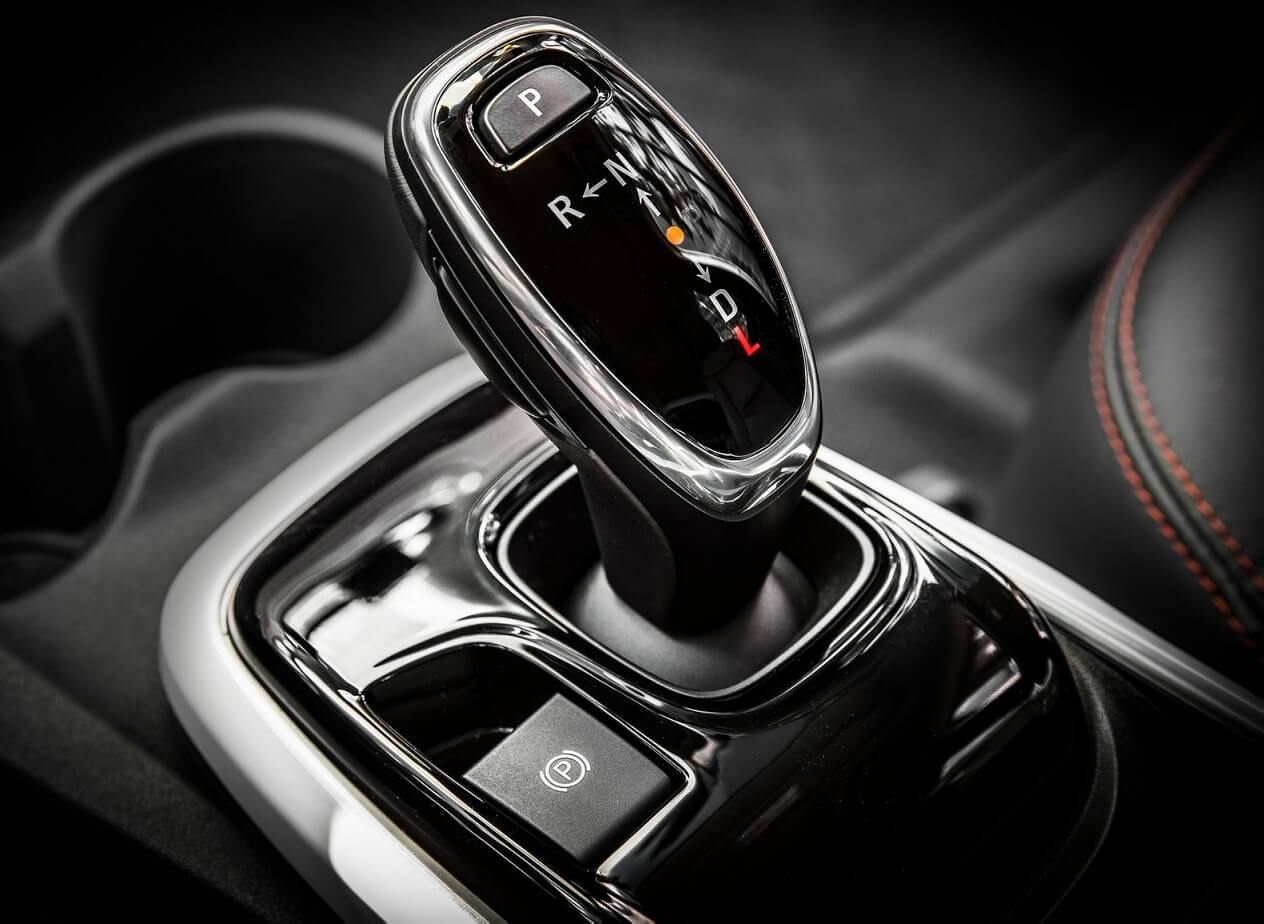
Drivers can choose strong regeneration with the L position of the gear selector, and a paddle on the steering wheel adds more. In daily use this allows one-pedal driving: Opel said that on its London–Paris drive the brake pedal was barely needed.
Battery, range and charging
The battery is a 60 kWh pack with 57 kWh usable, built from 288 LG Chem cells in 96 groups of three. It weighs about 435–440 kg and sits under the floor. Opel gave an eight-year or 160,000 km warranty on it.

| Range or charging figure | Value |
|---|---|
| NEDC range | 520 km |
| WLTP range | about 380 km |
| WLTP consumption | 15.0 kWh/100 km |
| DC fast charging (CCS) | up to 50 kW; Opel quoted 150 km of range in 30 minutes |
| AC charging, public (single-phase, 32 A) | up to 7.4 kW |
| AC charging, German home socket | limited to 4.6 kW |
The weak point is AC charging. The car charges on one phase only, so a three-phase wall box cannot speed it up. A full charge on a home wall box takes most of a night. Owners who drive long distances should plan around CCS stations, which in 2017 were mainly found along European motorways.
By our calculation, the WLTP figure is 27 % lower than the NEDC claim. That gap is typical of the change from the old to the new test cycle. You can compare charging and energy costs with petrol cars in the 1cars fuel cost comparison.
Dimensions and boot space
| Parameter | Metric | Imperial |
|---|---|---|
| Length | 4,166 mm | 164.0 in |
| Width (without / with mirrors) | 1,765 / 2,040 mm | 69.5 / 80.3 in |
| Height | 1,594 mm | 62.8 in |
| Wheelbase | 2,600 mm | 102.4 in |
| Ground clearance | 136 mm | 5.4 in |
| Boot | 478 l, 1,603 l with the seats folded (spec databases); German sources list 310 l / 1,005 l | 16.9 / 56.6 cu ft |
The two boot figures come from different ways of measuring. Either way, the boot is usable for a compact car, and the flat floor without a centre tunnel helps rear passengers. The cabin is tall, so head room is good in both rows. The old 1cars review criticised the hard plastics and the American-style seats with modest side support.

Equipment and prices
In Germany the Ampera-e cost about €39,330–40,000 at launch in 2017, before national subsidies. In Norway, the first European market, it cost 299,900 kroner in December 2016, about €33,500. In the Netherlands the price was €46,699 in November 2018, and remaining cars were cut to €34,149 in early 2020.

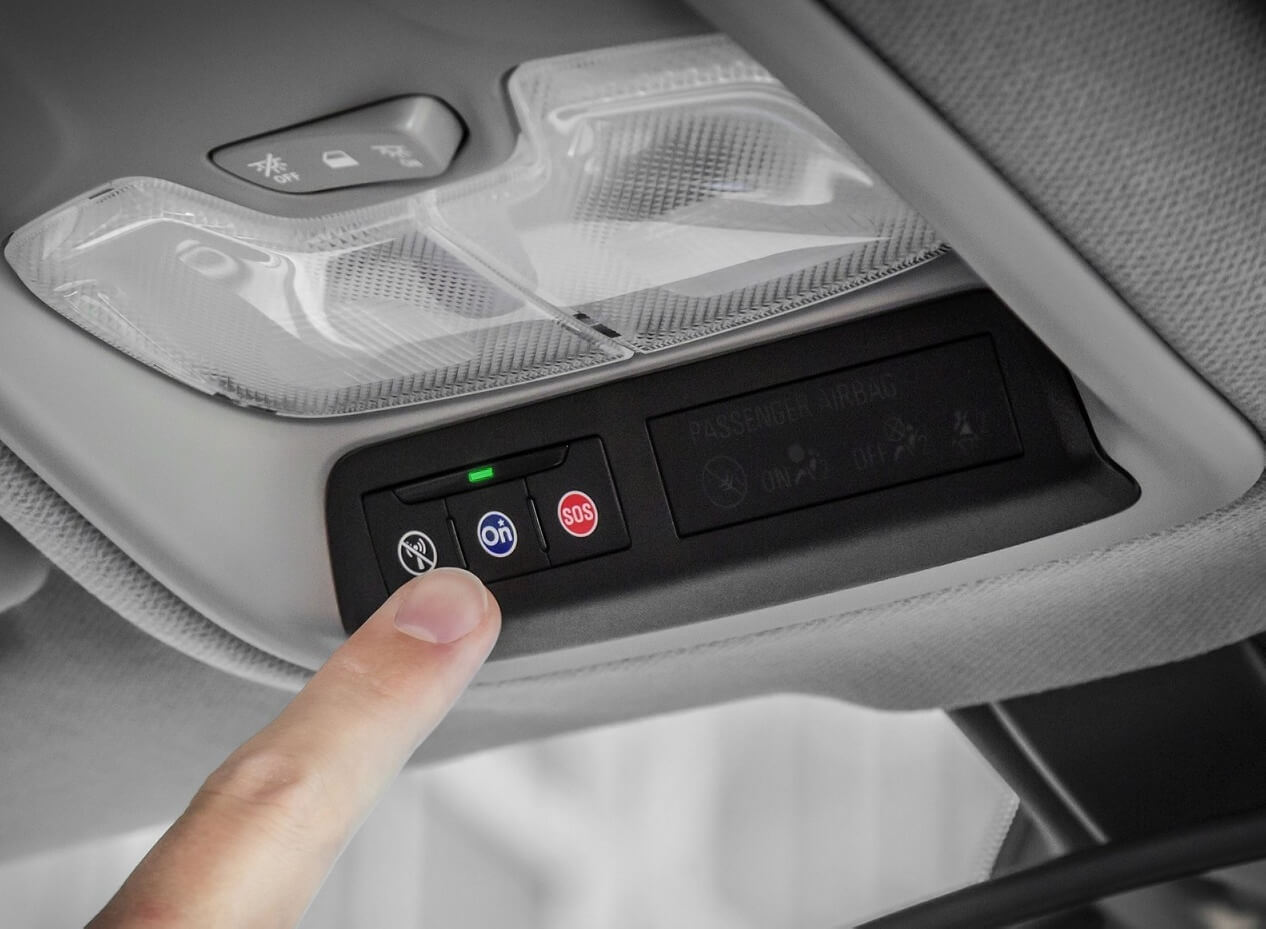
The old 1cars text listed the standard equipment of the German base version. It included 17-inch wheels, bi-xenon headlights with LED daytime lights, keyless entry and start, wireless phone charging, Opel OnStar with a Wi-Fi hotspot, a 10.2-inch touchscreen and an 8-inch digital instrument panel. Packs added heated seats front and rear, a heated steering wheel, a Bose sound system and driver assistance with blind-spot warning and parking sensors.
Safety: Euro NCAP and the battery recall
Euro NCAP tested the Ampera-e in 2017 and gave it four stars. Its American twin earned five stars from NHTSA for model year 2018, and the 2017 Bolt was an IIHS Top Safety Pick. Standard equipment included ten airbags, stability control and a rear camera.

The bigger safety issue came later. Bolt and Ampera-e batteries could catch fire because of manufacturing defects in some LG cells. GM recalled nearly 142,000 Bolts worldwide, and in August 2021 the recall covered 1,489 Ampera-e cars in Germany. LG Chem agreed to pay 1.9 billion US dollars (about €1.6 billion at the time) towards the costs.
Why the Ampera-e stayed rare
The Ampera-e had a short and difficult life. In March 2017, just after European production began, PSA agreed to buy Opel from GM. The car was built by GM in the United States, so Opel had little control over supply. In October 2017 Opel stopped taking new orders in Europe because the year's allocation was sold out, and delivery dates moved into 2019.

| Market figure | Value |
|---|---|
| Norway, 2017 registrations | 1,121 |
| Europe, by February 2018 | 1,971 |
| Europe, by February 2019 | fewer than 5,000 |
| Germany, 2017–2021 registrations | 1,430 |
| Bolt and Ampera-e worldwide, by end of 2020 | 112,000 |
By our calculation, the 1,430 German registrations equal only about 1.3 % of the Bolt family's worldwide sales by 2020. Opel ended the model after 2018 production and later moved to PSA-based electric cars such as the Corsa-e and the electric Opel Mokka.
Opel Ampera-e vs rivals
| Model | Battery | Power | Range claim of the time |
|---|---|---|---|
| Opel Ampera-e (2017) | 60 kWh | 150 kW | 520 km NEDC |
| Hyundai Kona Electric (2018) | 64 kWh | 150 kW | 482 km WLTP |
| Renault Zoe Z.E. 40 (2017) | 41 kWh | 68 kW | 400 km NEDC |
| BMW i3 94 Ah (2016) | 33 kWh | 125 kW | 300 km NEDC |
Compared with the Zoe, the Ampera-e has 82 kW more power and a battery about 46 % larger, by our calculation. The Kona Electric arrived a year later with similar figures and a crossover body. For a side-by-side view of electric models, see the 1cars electric cars section.

Opel Ampera-e in our rankings
- No. 13 of 76 · Heaviest hatchbacks (1,691 kg · top 18%)
- No. 25 of 91 · Most torque: hatchbacks (360 Nm · top 29%)
- No. 45 of 141 · Most powerful hatchbacks (150 kW · top 32%)
- No. 32 of 76 · Power-to-weight: hatchbacks (89 kW/t · top 43%)
- No. 171 of 391 · Heaviest cars (1,691 kg · top 44%)
- No. 204 of 354 · Most powerful cars of the 2010s (150 kW · top 58%)
Heavier than 82% of ranked hatchbacks in the 1CARS catalog (No. 13 of 76).
Opel Ampera-e photos 33



Opel Ampera-e videos 3

Opel Ampera-e video 1

Test drive

Video review
FAQ
Is the Opel Ampera-e the same as the Chevrolet Bolt?
Yes. The Ampera-e is the European version of the first-generation Chevrolet Bolt EV. Both were built in Orion, Michigan, and share the 150 kW motor and the 60 kWh battery; the Opel has its own badges, grille and front bumper.
What is the real range of the Opel Ampera-e?
The official NEDC figure is 520 km and the WLTP figure about 380 km. Real tests show what is possible: Opel drove 417 km from London to Paris on one charge, and a Norwegian tester reached 470 km.
How fast does the Opel Ampera-e charge?
At a CCS fast charger it takes up to 50 kW, which Opel said adds about 150 km of range in 30 minutes. On AC it charges on one phase only, at up to 7.4 kW, so a full home charge takes several hours.
Why was the Opel Ampera-e discontinued?
PSA bought Opel from General Motors in 2017, while the Ampera-e itself came from a GM factory in Michigan. Supply was limited, orders were stopped in October 2017, and the model ended after 2018 production.
Is the Opel Ampera-e a good used buy?
It can be, if the battery recall work has been completed and the car has been serviced. It offers a long range for its age, but slow single-phase AC charging and basic interior plastics are its weak points.
Data sources
Data checked by an editor against the sources below.
- The text of this article (1cars archive)
- Wikipedia - Chevrolet Bolt
- Wikipedia - Opel Ampera e
- Euro NCAP - Occupant Protection A Side Issue For Some
- EEA CO₂ monitoring (European Environment Agency, CC BY 4.0)


