 Fiat Seicento
All generations, specs and history
Published Sources (1) Report an error
By Felix Hartmann, Automotive Technology & EV Contributor
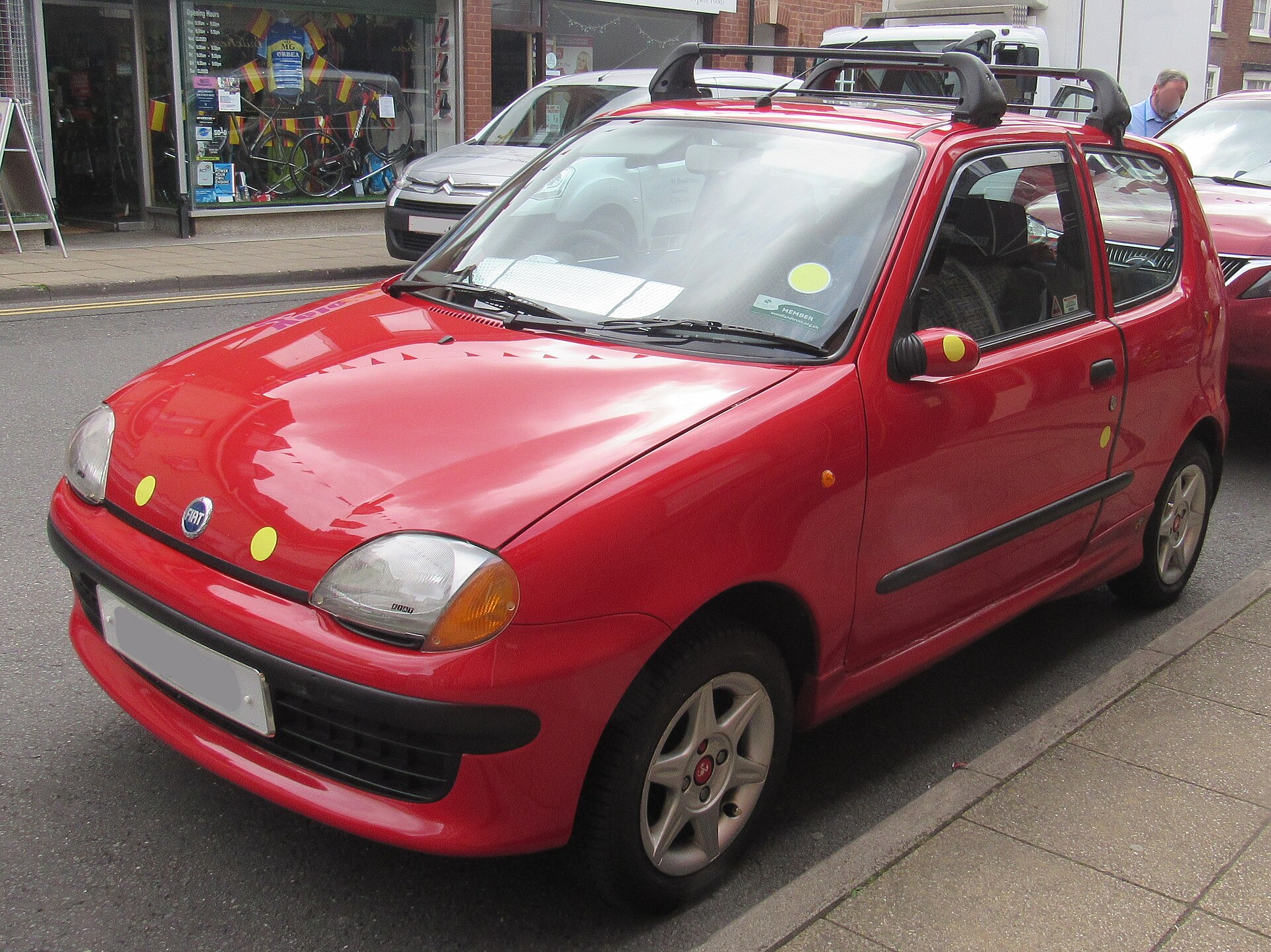
- Built
- 1998–2010
- Generations
- 3
Timeline
Seicento generations
Click a generation for its own page
- Seicento I 1998–2000
- Seicento II 2000–2005
- Seicento III 2005–2010
Newest first · 3 generations since 1998
-
2005
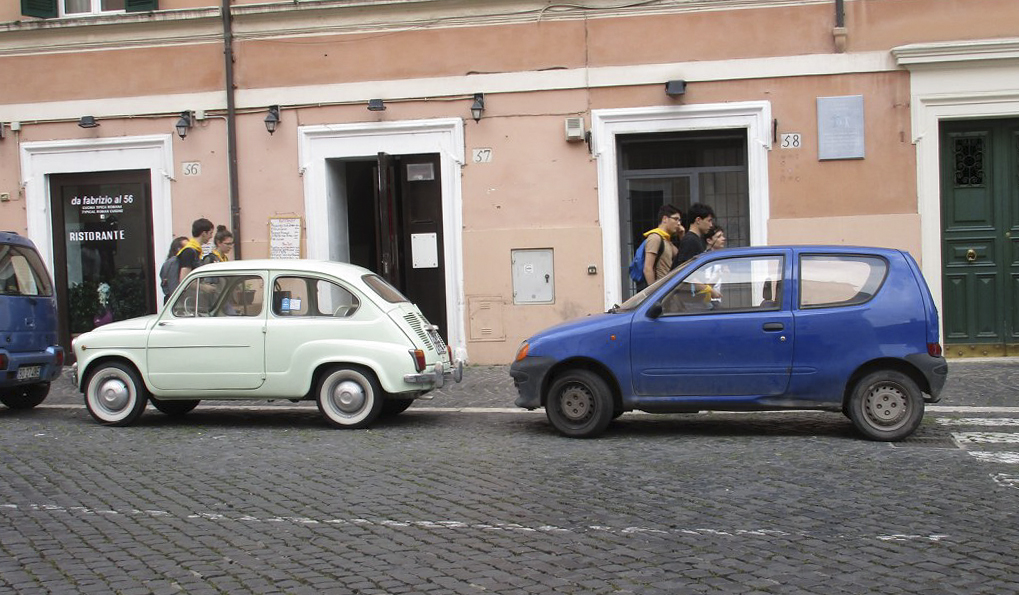
-
2000
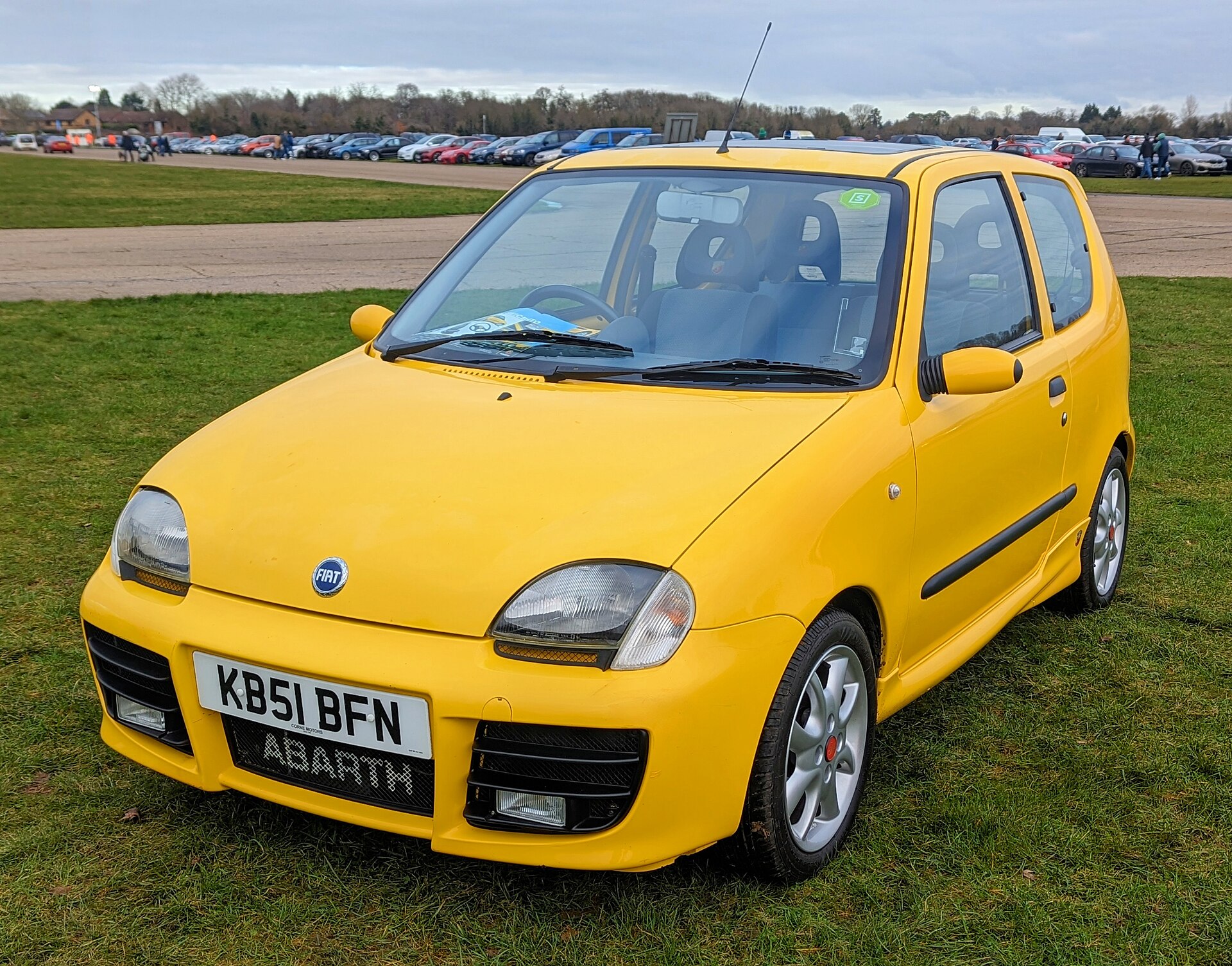
-
1998
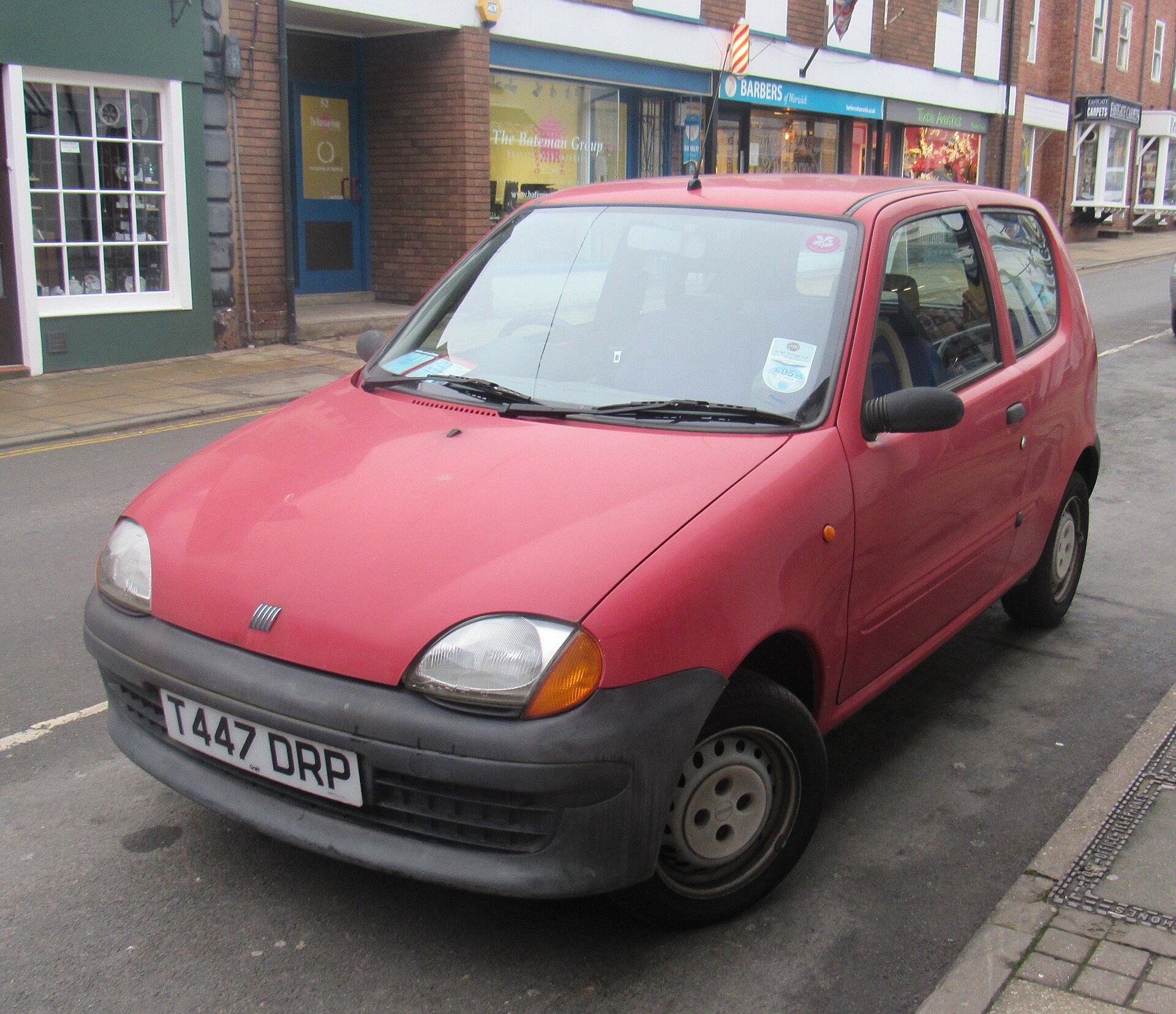


All generations by year: Seicento III (2005–2010) · Seicento II (2000–2005) · Seicento I (1998–2000)
Which one is mine?
Pick the year of first registration to see which generation it is.
- Seicento III 2005–2010
- Seicento II 2000–2005
- Seicento I 1998–2000
Which Seicento to choose
Our verdict · Felix Hartmann
The facelifted cars from autumn 2000 onwards are the better buy: they have the multi-point injected 1.1 FIRE engine and standard ABS. The Sporting and Sporting Abarth are the most interesting versions for enthusiasts, and the Schumacher edition is the rarest regular model. The poor Euro NCAP result is the main argument against a Seicento as a daily car today; a newer city car such as the Fiat Panda offers much better protection. To compare sizes and outputs with other small cars, use our car comparison tool.
The Fiat Seicento is the small city car Fiat built at Tychy in Poland from late 1997 to 2010 as the successor to the Cinquecento. It was based on the Cinquecento and was sold with 899 cc and 1.1-litre FIRE engines. In 2005 it was renamed Fiat 600 for the 50th anniversary of the 1955 original, and in total 1,328,973 were built.
In short
- Type 187, built at Tychy, Poland; 1,328,973 cars from 1997 to 2010, with a peak of 253,345 in 1999.
- Two petrol engines: 899 cc with 29 kW (40 PS) and 1,108 cc FIRE with 40 kW (54–55 PS).
- Electric Seicento Elettra with a 30 kW peak motor and 90 km range; 294 built according to German Wikipedia.
- Sold as the Fiat 600 from 2005; German sales ended in 2007.
Fiat Seicento at a glance
| Specification | Fiat Seicento / 600 |
|---|---|
| Production | late 1997–2010 (catalogue phases: 1998–2000, 2000–2005, 2005–2010 as "600") |
| Plant | Tychy, Poland |
| Segment | city car (A segment) |
| Body | three-door hatchback; van without rear seats |
| Layout | front engine (transverse), front-wheel drive; Elettra with rear-mounted electric motor |
| Engines | 899 cc OHV petrol, 1,108 cc FIRE petrol, electric |
| Length / wheelbase | 3,337–3,340 mm / 2,200 mm |
| Kerb weight | 710–750 kg |
| Boot | 170 litres (VDA) |
| Predecessor / successor | Fiat Cinquecento / no direct successor (Panda and 500 took over its role) |
The Seicento is listed in our Fiat catalogue. Its name, Italian for "six hundred", refers back to the rear-engined Fiat 600 of 1955, a sister of the car described in Fiat Nuova 500: history, engineering and legacy.
Seicento phases from 1998 to 2010
| Phase | Years | Changes | Engines | Power |
|---|---|---|---|---|
| Seicento I | 1998–2000 | launch range: S/Young, SX, Suite, Sporting, Citymatic | 899 cc, 1,108 cc | 29–40 kW |
| Seicento II | 2000–2005 | facelift autumn 2000: new bumpers, clear indicators, standard ABS; multi-point injection | 899 cc (outside Western Europe), 1,108 cc | 29–40 kW |
| Fiat 600 | 2005–2010 | renamed for the 50th anniversary of the Fiat 600 | 1,108 cc | 40 kW |
From Cinquecento to Seicento
The Seicento was introduced at the end of 1997 and reached most markets in early 1998. It was a development of the Cinquecento and was built in the same Polish plant, with a transverse front engine, MacPherson struts at the front and trailing arms at the rear. The car is 3,337 mm long, rides on a 2,200 mm wheelbase and weighs 710–750 kg.
Production started at 633 cars in 1997 and rose to 152,755 in 1998. The peak came in 1999 with 253,345 cars, and by April 2004 more than 1.1 million had been built.

Engines and versions
Two petrol engines were offered. The 899 cc four-cylinder from the old 100 series, with single-point injection and 29 kW (40 PS), powered the basic S/Young versions and the Citymatic with an automated clutch. It was removed from Western European markets because of emission rules, and the Citymatic ended in autumn 2000. The 1,108 cc FIRE engine produced 40 kW (54–55 PS); from October 2000 it had multi-point injection, which allowed a cheaper emissions class in Germany.
The Sound and Sole versions added equipment such as electric windows and, on the Sole, an electric folding roof. The Sporting had the 1.1 engine, suspension lowered by 20 mm, anti-roll bars, 13-inch alloy wheels, sports seats and shorter gearing. The Sporting Abarth added 14-inch alloys, a wider front track and Abarth details; ABS, air conditioning and power steering could be ordered, but few buyers did so. A van version without rear seats offered 810 litres up to the roof.
German tuners such as Novitec offered turbo kits for the FIRE engine with about 74 kW (100 PS) and a six-speed gearbox; German Wikipedia quotes 8.4 seconds from 0 to 100 km/h for the most powerful set-up.

Michael Schumacher edition and the 2000 facelift
The autumn 2000 facelift brought new bumpers with an optional integrated fog lamp, white indicator lenses, new wheel arch trims and standard ABS. At the same time Fiat launched the Michael Schumacher World Champion Edition, limited to 1,000 cars according to German Wikipedia. Based on the Sporting 1.1 with ABS and the Abarth kit, it had alloy wheels, a leather steering wheel and gear knob, aluminium trim, the driver's signature on the tailgate and sills, and a numbered plaque.
Seicento Elettra
The electric Seicento Elettra followed the earlier Cinquecento Elettra. Its Siemens asynchronous motor on the rear axle produced 15 kW (20 PS) continuously and 30 kW (40 PS) at peak, powered by eighteen 12-volt lead-acid batteries placed in the engine bay and under the rear seat. Range was about 90 km, top speed 100 km/h, and a full charge from a household socket took eight hours. Sources differ on production years: English Wikipedia says it was built in Italy and later in Poland to order until 2005, German Wikipedia gives 1999–2002 and 294 cars, mostly for Italian municipalities and car-sharing operators. A fuel-cell prototype, the Elettra H2, was shown in 2001.
Fiat 600 (2005–2010) and the end of production
In spring 2005 Fiat renamed the car Fiat 600 to mark the 50th anniversary of the original 1955 model, and offered a 50th Anniversary Edition with pastel paint and "600" badges written in numerals. German sales ended at the end of 2007, while production for other markets continued; only 9,152 cars were built in 2010, the final year. Fiat announced no direct successor. The second-generation Panda of 2003 and the Fiat 500 of 2007 had already taken over most of its market. In 2023 Fiat reused the 600 name for a much larger crossover.

Safety
Euro NCAP tested the Seicento in 2000 and gave it one and a half stars for adult occupant protection, narrowly ahead of the Rover 100 and the original Chrysler Voyager. The Smart Fortwo, an even shorter city car, received three stars at the time. Airbags were fitted even to basic versions, and ABS became standard with the 2000 facelift, but the structure was derived from the Cinquecento of 1991.
Photo gallery


Image credits · Photos from Wikimedia Commons under free licences
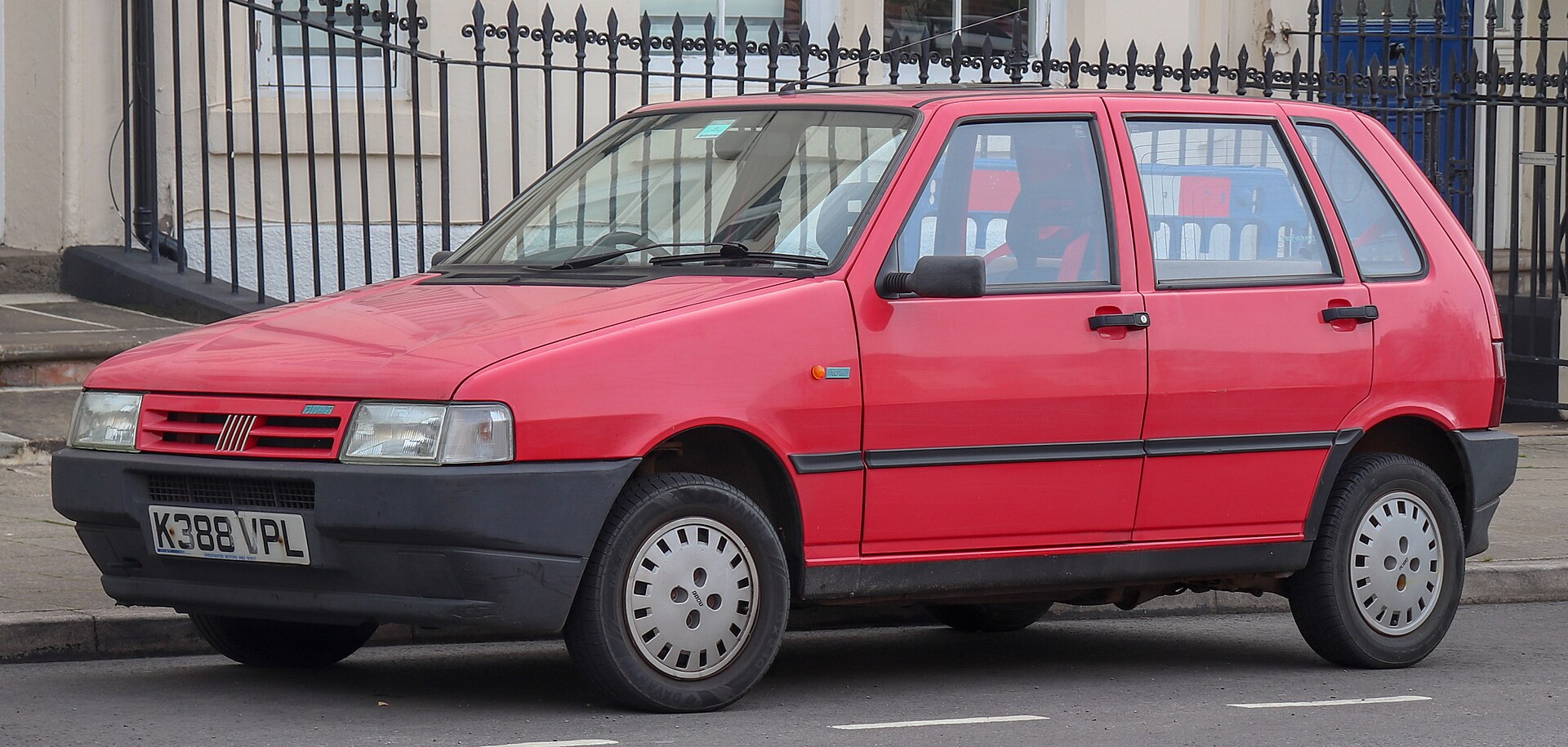
- Fiat Seicento I · Photo: Makizox / Wikimedia Commons, CC BY-SA 4.0
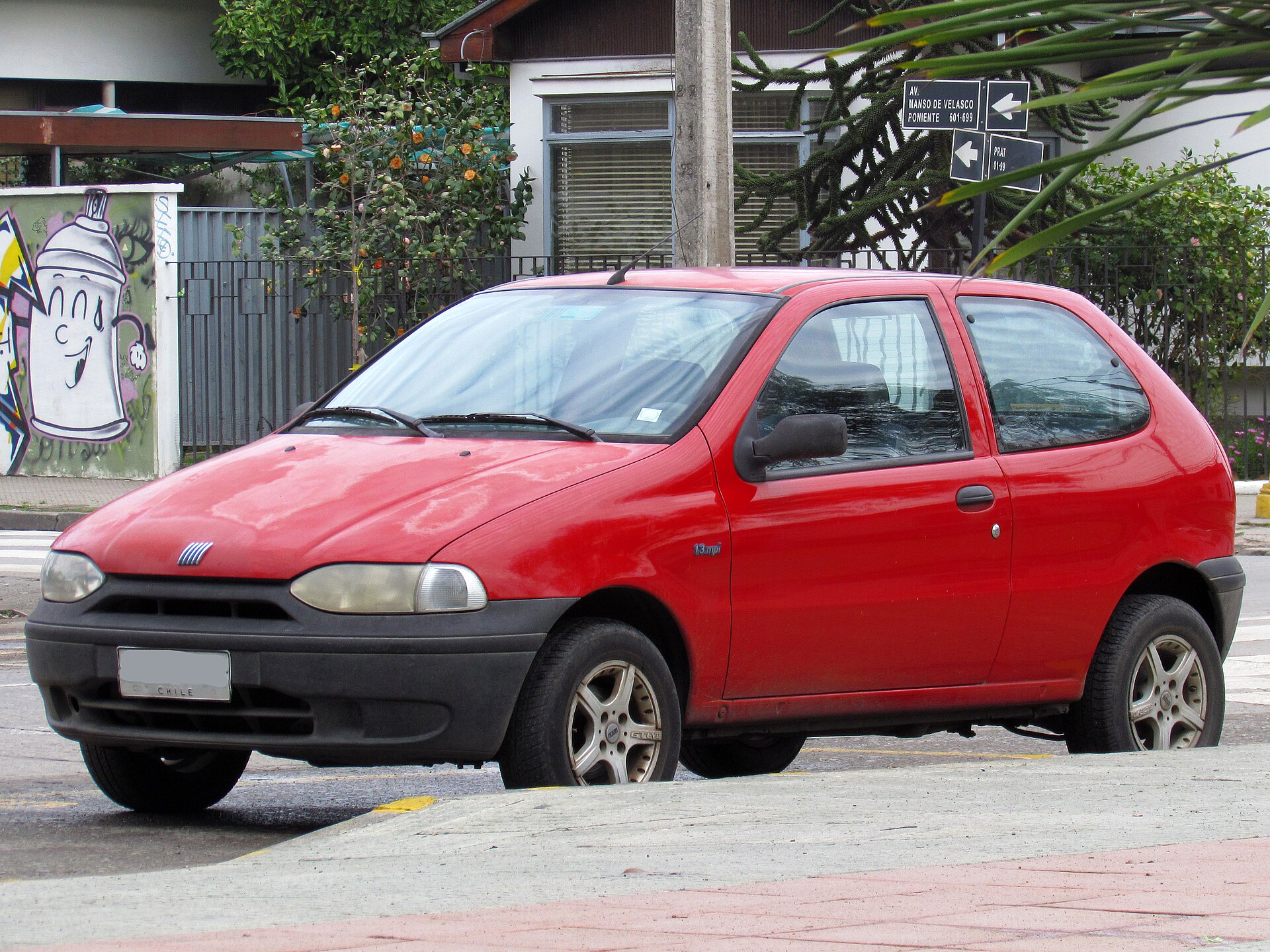
- Fiat Seicento II · Photo: Calreyn88 / Wikimedia Commons, CC BY 4.0
Fiat Seicento in our rankings
- No. 351 of 1082 · Longest-running car nameplates (12 years · top 35%)
- No. 194 of 411 · Cars with the most generations (3 generations · top 64%)
In production longer than 65% of ranked nameplates in the 1CARS catalog (No. 351 of 1082).
FAQ
Where was the Fiat Seicento built?
At Fiat's plant in Tychy, Poland, from late 1997 to 2010.
What engines did the Fiat Seicento have?
An 899 cc petrol engine with 29 kW (40 PS) and a 1,108 cc FIRE petrol engine with 40 kW (54–55 PS). The Elettra had an electric motor with 30 kW peak output.
How many Fiat Seicento cars were built?
1,328,973 between 1997 and 2010, according to the production table in English Wikipedia.
Why was the Seicento renamed Fiat 600?
In 2005 Fiat renamed it to mark the 50th anniversary of the rear-engined Fiat 600 of 1955; "Seicento" is Italian for six hundred.
How safe is the Fiat Seicento?
Euro NCAP gave it one and a half stars for adult occupants in 2000, only narrowly ahead of the Rover 100 and the first Chrysler Voyager.
Data sources
Data checked by an editor against the sources below.