
 Smart ForTwo
All generations, specs and history
Updated Published Sources (4) Report an error
By Felix Hartmann, Automotive Technology & EV Contributor Reviewed by Oleksandr Hnatiuk

- Built
- 1998–2024
- Generations
- 3
- Top power
- 66 kW (90 PS)
Timeline
ForTwo generations
Click a generation for its own page


- ForTwo I 1998–2007 · Hatchback, Convertible · 30–45 kW (41–61 PS)
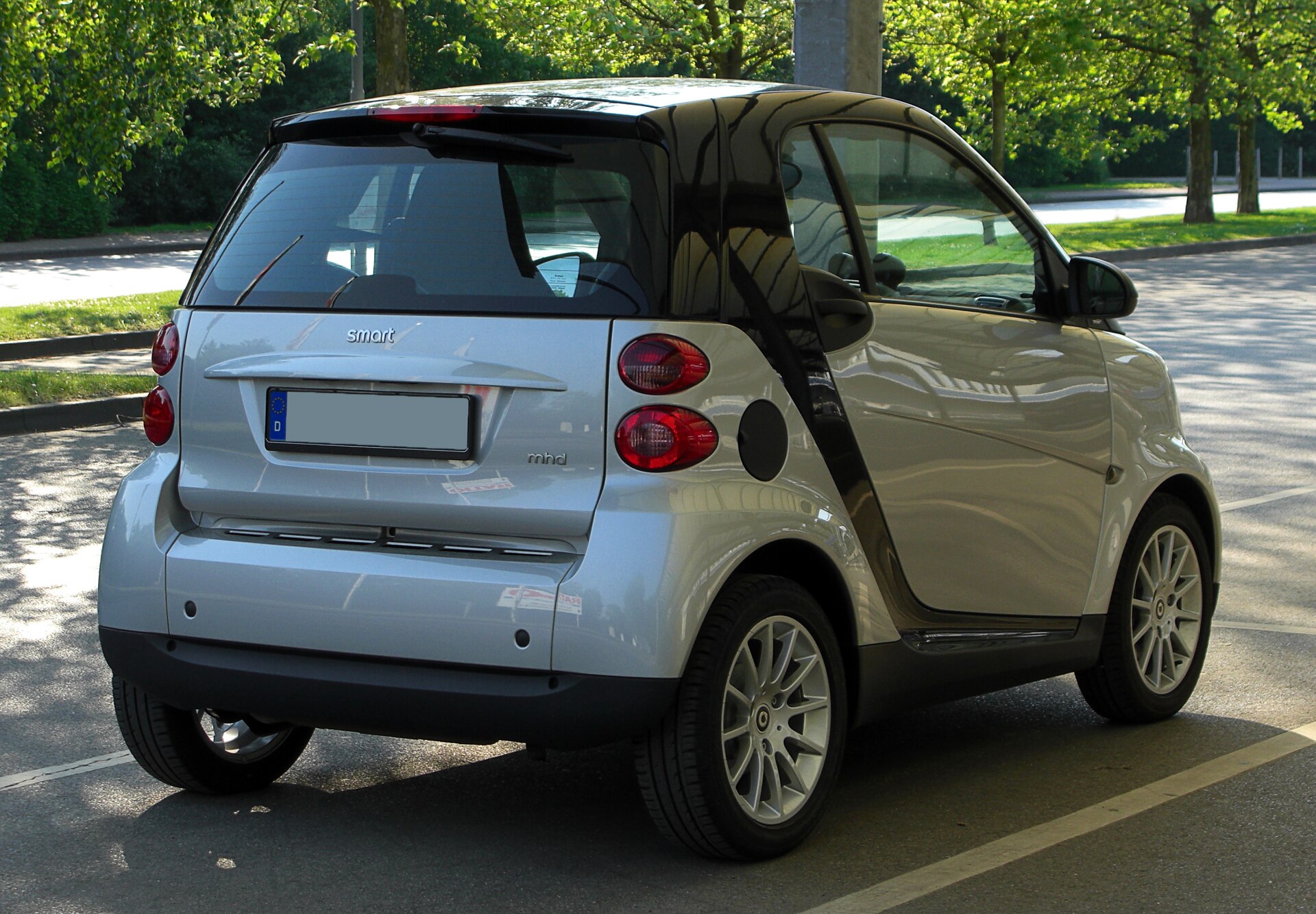
- ForTwo II 2007–2014 · Hatchback, Convertible · 52 kW (71 PS)
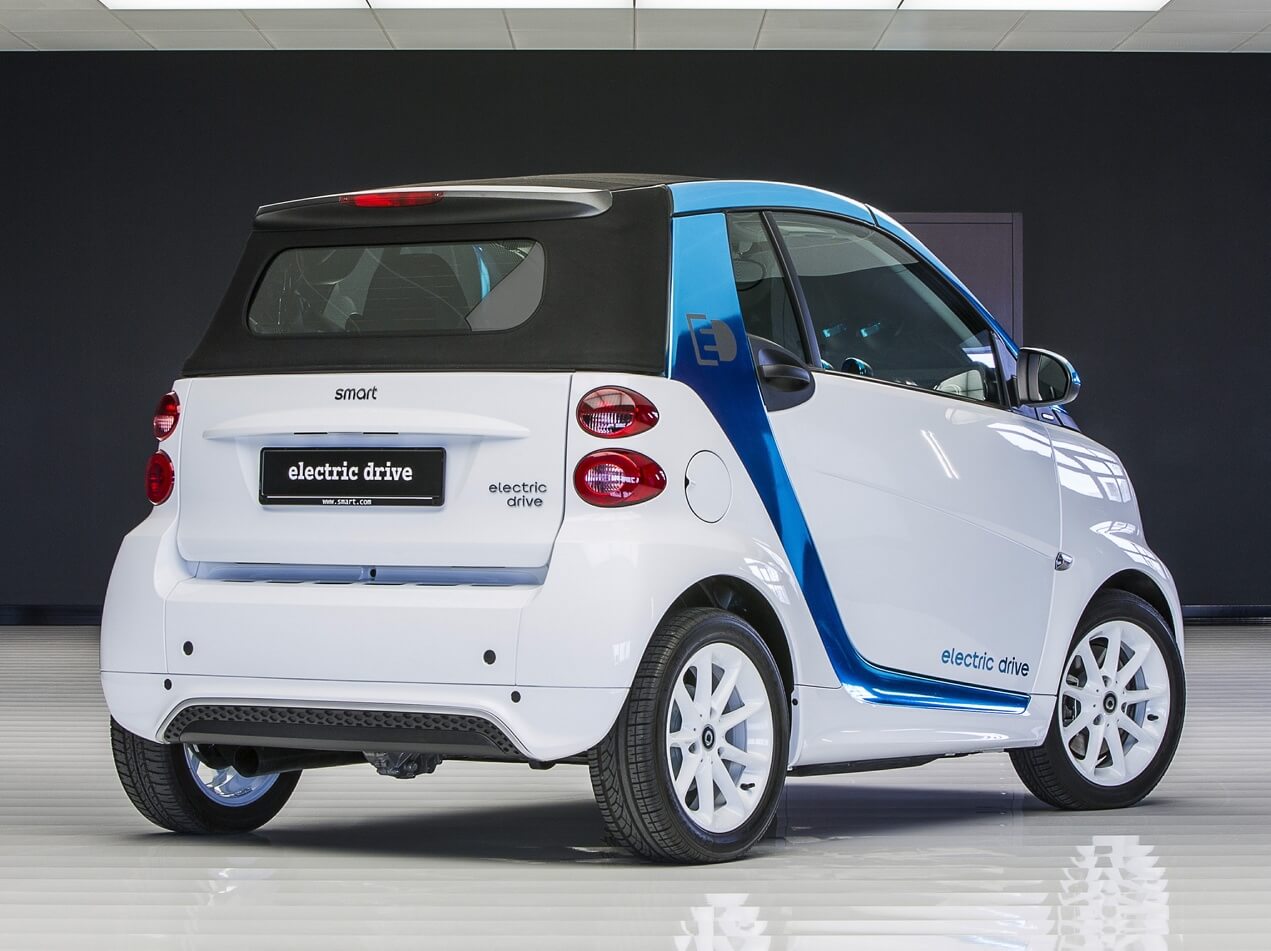
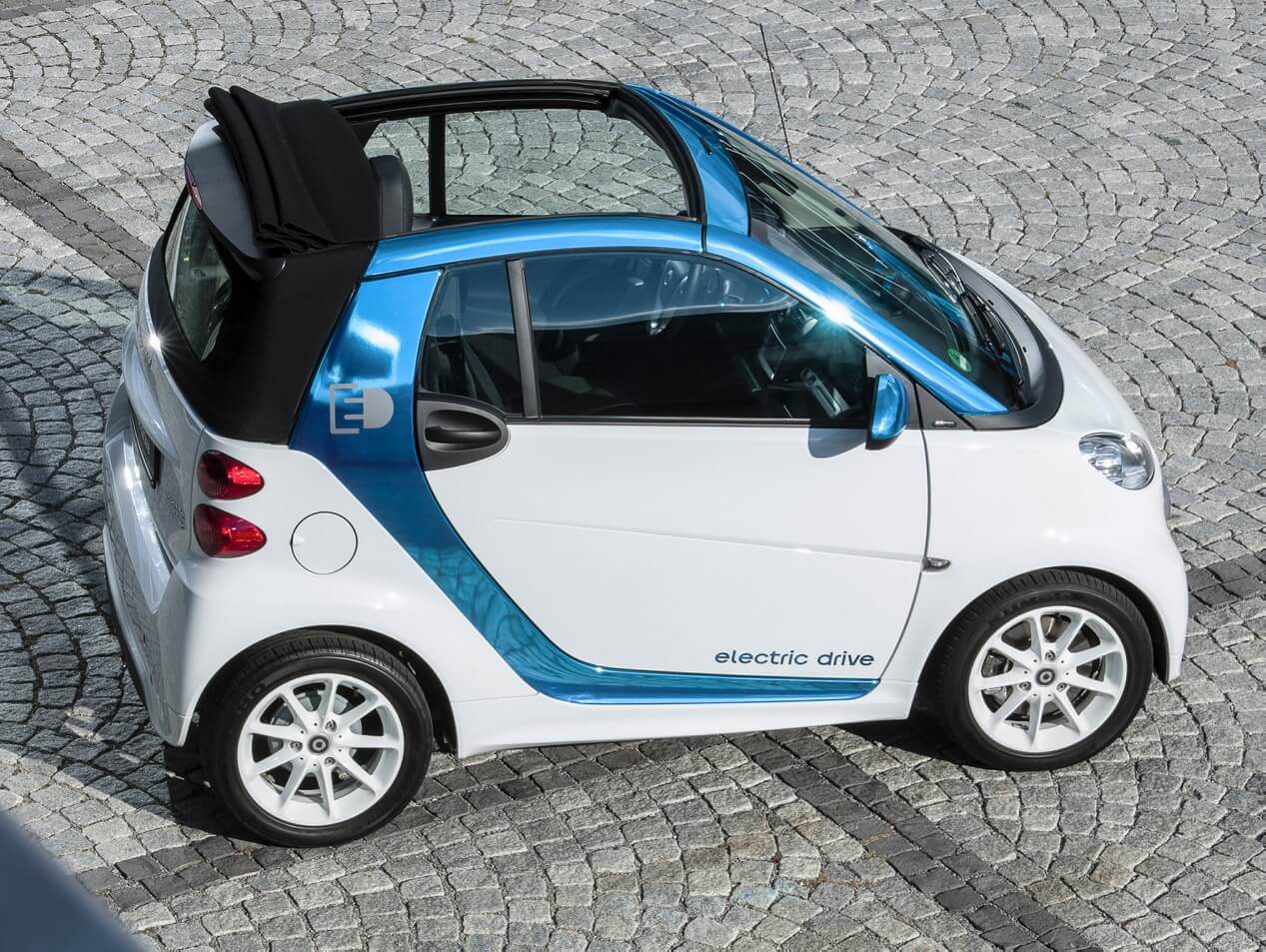
- ForTwo III 2014–2024 · Hatchback, Convertible · 53–66 kW (72–90 PS)
Newest first · 3 generations since 1998
-
2014

-
2007
-
1998
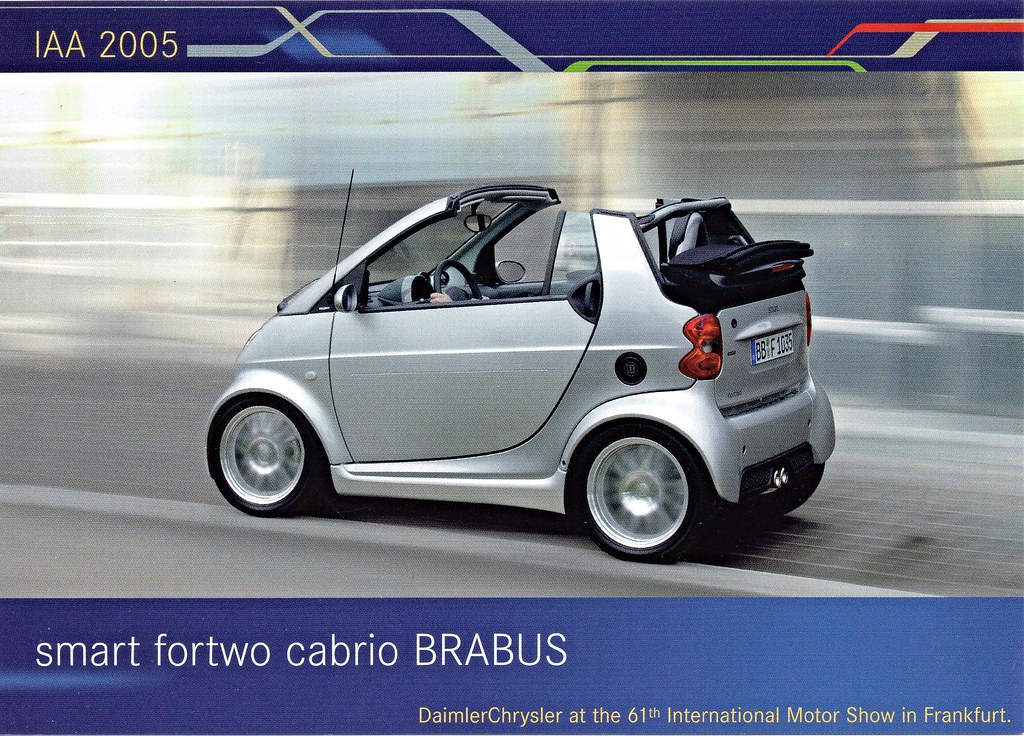
All generations by year: ForTwo III (2014–2024) · ForTwo II (2007–2014) · ForTwo I (1998–2007)
Which one is mine?
Pick the year of first registration to see which generation it is.
- ForTwo III 2014–2024
- ForTwo II 2007–2014
- ForTwo I 1998–2007
Which Smart ForTwo to buy
Our verdict · Felix Hartmann
The choice comes down to petrol or electric, and to age.
- C450: the oldest and simplest; owner reports point to gearbox and steering-joint faults, so take a long test drive.
- C451: according to the 2026 TÜV data, it does better at inspection than the C453, except for oil loss.
- C453 petrol: four Euro NCAP stars from 2014, a manual or twinamic gearbox and the widest body.
- EQ fortwo: the newest ForTwo, best suited to short urban trips; check whether the battery was bought or leased.
The Smart ForTwo is a two-seat city car with a rear-mounted engine and rear-wheel drive, built in three generations at Smartville in Hambach, France, from 1998 to 2024. Petrol and diesel versions came first, an electric version followed in 2009, and the last ForTwo, an EQ electric car, left the line at the end of March 2024 with no direct successor.
In short
- Three generations: C450 (1998–2007), C451 (2007–2014) and C453 (2014–2024); the electric EQ fortwo belongs to the third.
- Every ForTwo has two seats, a rear engine or motor and rear-wheel drive; none had all-wheel drive.
- Length grew from about 2.5 m (98 in) to 2,690 mm (105.9 in) in 2007.
- Euro NCAP gave four stars for adult protection in 2007 and four stars overall in 2014.

Specs by version
Engines
Performance
Show all 1 versions
| Version | Fuel consumption |
|---|---|
| ForTwo II · 1.0 52 kW (71 PS) | 4.6 l/100 km51.1 mpg US · 61.4 mpg UK |
Dimensions and weight
Show all 1 versions
| Version | Boot |
|---|---|
| ForTwo II · 1.0 52 kW (71 PS) | 340 l12.0 cu ft |
Verified Manufacturer and type-approval data from our catalog · Sources and methodology
Smart ForTwo at a glance
The ForTwo is a two-seat microcar built around a steel safety structure called the Tridion cell. Its body is a small two-door hatchback, which Smart calls a coupé, and each generation also had a cabrio. The name simply means "for two".

The brand grew out of a Swatch idea and was then run by Daimler, so the car is often grouped with German cars, although it was built in France (see our history of Smart). Hambach built 1,946,191 ForTwos up to January 2018; orders stopped in April 2023.
Smart ForTwo generations compared
Smart built three ForTwo generations. Daimler's internal codes are C450, C451 and C453 for the coupé and A450, A451 and A453 for the cabrio; some sources use W450, W451 and W453 instead.

| Generation | Code | Years | Body styles | Engines | Power (kW / PS) |
|---|---|---|---|---|---|
| I | C450 / A450 | 1998–2007 | coupé; cabrio from 2000 | 0.6 and 0.7 turbo petrol, 0.8 CDI diesel | petrol 33–45 / 45–61; diesel 30 / 41; Brabus 55 / 75 |
| II | C451 / A451 | 2007–2014 (2015 in some sources) | coupé, cabrio | 1.0 petrol, naturally aspirated or turbo; 0.8 CDI; electric drive | petrol 45–75 / 61–102; diesel 33–40 / 45–54; electric about 55 / 75 |
| III | C453 / A453 | 2014–2024 | coupé; cabrio from 2016 | 0.9 turbo and 1.0 petrol (to 2019); electric ED4 / EQ | petrol 45–66 / 61–90; Brabus 80 / 109; electric 60 / 81 |
First generation: C450 (1998–2007)
The original car, coded MC01 in some sources, was launched at the 1998 Paris Motor Show. It was about 2.5 m (98 in) long and weighed about 770 kg (1,698 lb). A facelift followed in 2002–2003, and the windscreen-less Crossblade roadster was built in a run of about 2,000 cars. Early cars now sit among the classic cars of the 1990s.
Second generation: C451 (2007–2014)
The second ForTwo was shown in Bologna in December 2006 and reached US showrooms in January 2008. At 2,690 mm (105.9 in) it was 195–200 mm longer than the first car, and it gained Mitsubishi three-cylinder petrol engines. A facelift shown in Geneva in 2012 updated the exterior for the 2013 model year.
Third generation: C453 (2014–2024)
The third generation was presented in Berlin on 16 July 2014 and went on sale on 22 November 2014. It was developed with Renault and shares much of its engineering with the Twingo III, including Renault-built petrol engines. Length stayed the same, but width grew to 1,660 mm (65.4 in), and 75% of the Tridion cell is high-strength steel. Orders for the 71 PS and 90 PS petrol versions closed on 31 March 2019, leaving only the electric car.
ForTwo engines, transmissions and performance
Every ForTwo uses a rear-mounted three-cylinder engine or an electric motor, and each generation brought new engines and gearboxes.

- C450: a 599 cc turbo petrol with 33 kW (45 PS) or 45 kW (61 PS), replaced after the facelift by a 698 cc unit with 37 kW (50 PS) or 45 kW (61 PS). From January 2000 a 799 cc CDI diesel offered 30 kW (41 PS). A six-speed Getrag automated manual had no clutch pedal, and top speed was limited to 135 km/h (84 mph).
- C451: the 999 cc Mitsubishi 3B2 with 45 kW (61 PS), 52 kW (71 PS) or, as a turbo, 62 kW (84 PS); the CDI gave 33–40 kW (45–54 PS). The Getrag gearbox now had five speeds. The turbo reached 0–100 km/h (0–62 mph) in 9.9 seconds and 145 km/h (90 mph).
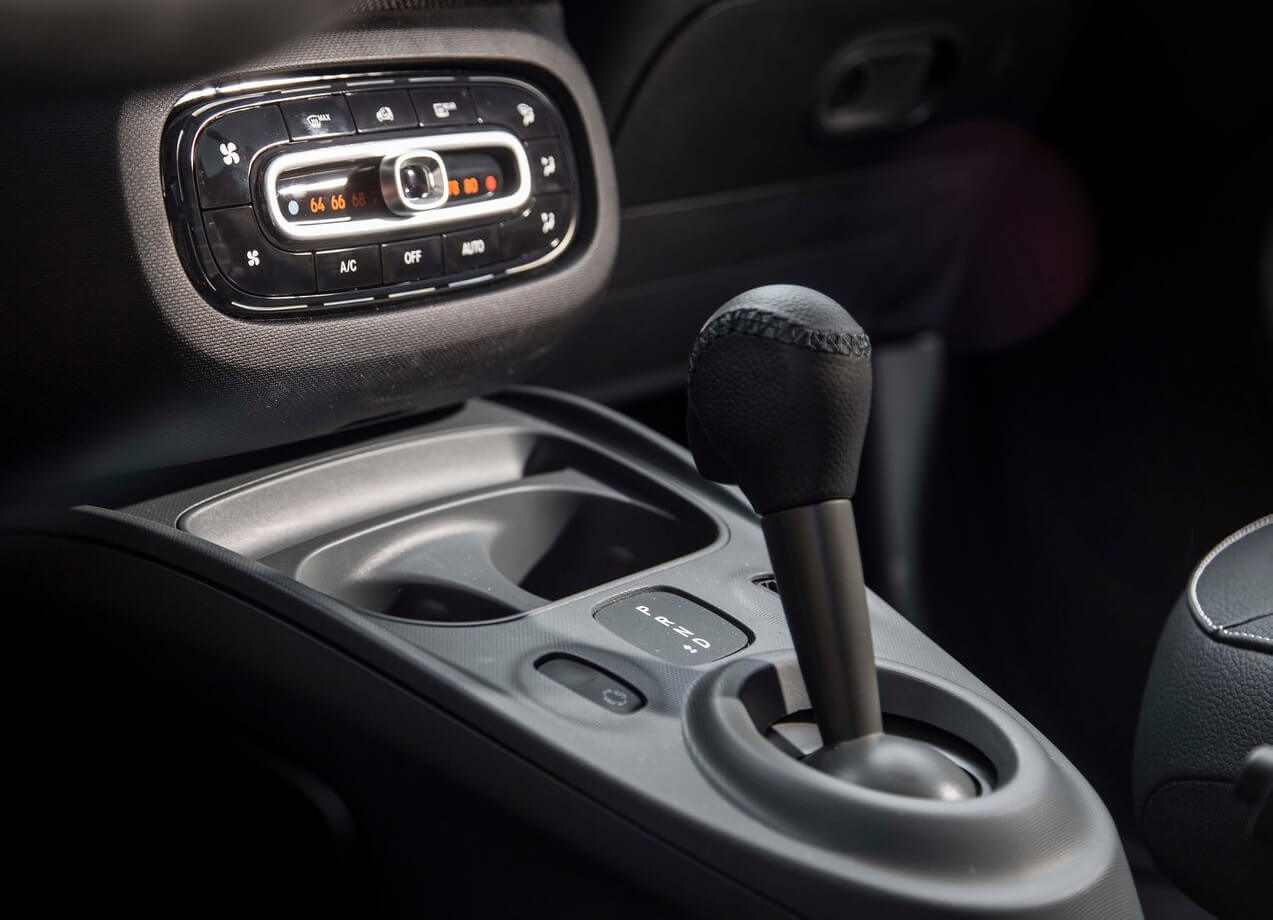
- C453: a 1.0-litre with 45 kW (61 PS) or 52 kW (71 PS) and a 0.9-litre turbo with 66 kW (90 PS), all Euro 6. Buyers chose a five-speed manual or the six-speed twinamic dual-clutch gearbox.
The second generation's "mhd" (micro hybrid drive) is a start-stop system with a belt-driven starter-generator, not a hybrid. It cut CO2 emissions from 112 to 103 g/km.
Brabus versions
Brabus tuned every generation: a 0.7-litre with 55 kW (75 PS) in 2003, a 1.0 turbo with 72 kW (98 PS) and later 75 kW (102 PS) in the C451, and a 0.9 turbo with 80 kW (109 PS) from July 2016. The 2017 Brabus Ultimate 125 had 92 kW (125 PS) and was limited to 125 cars.
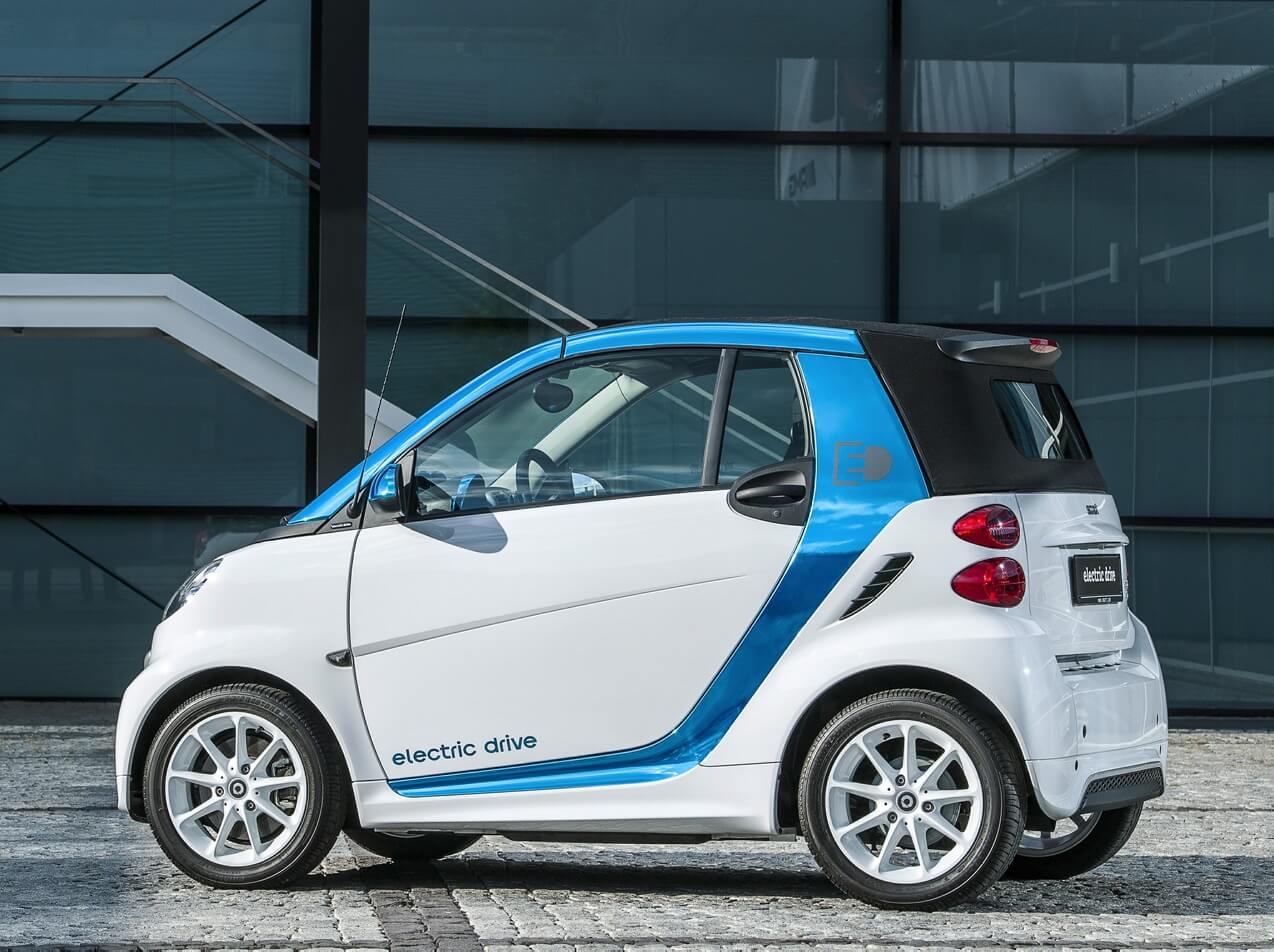
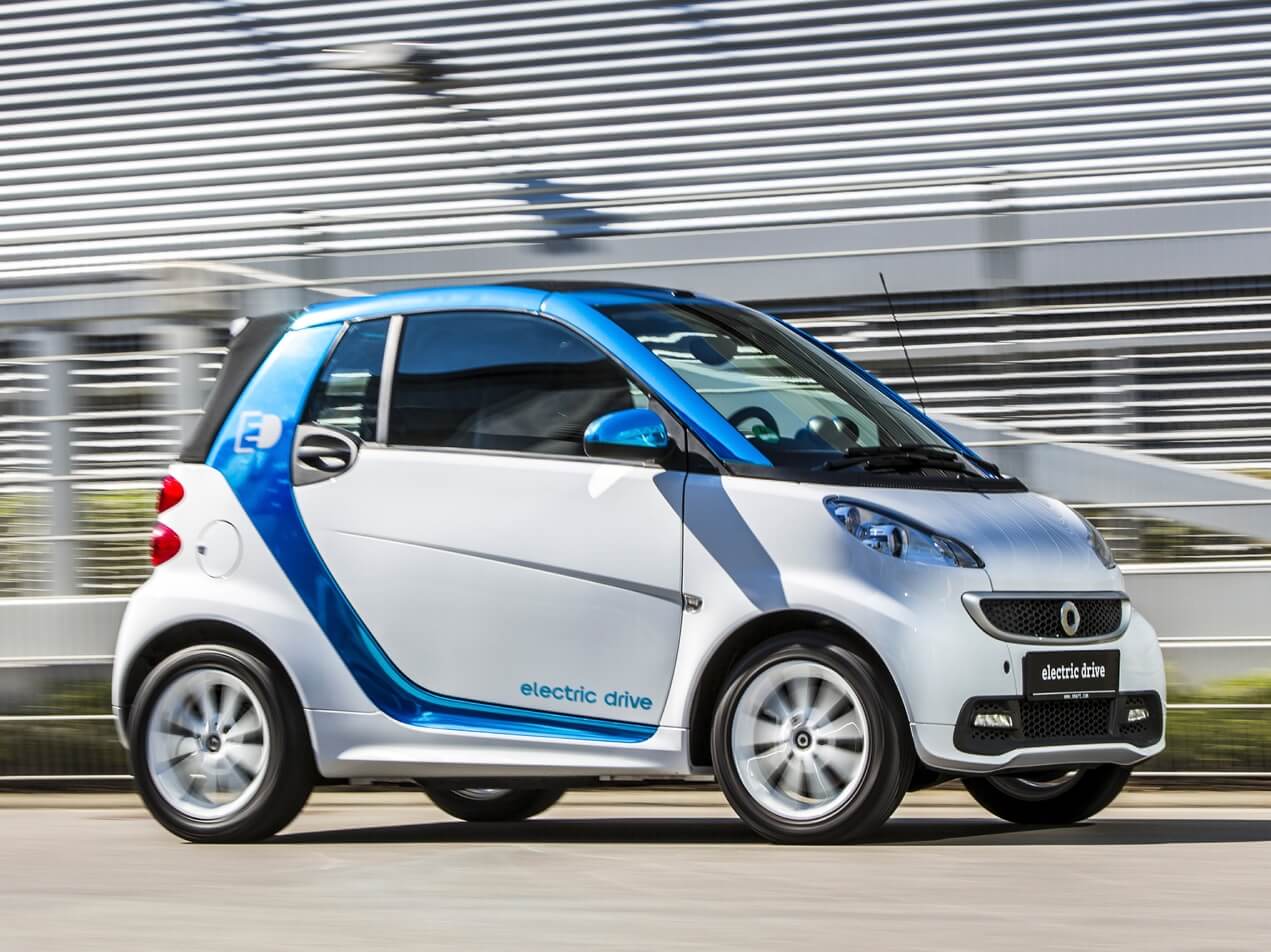
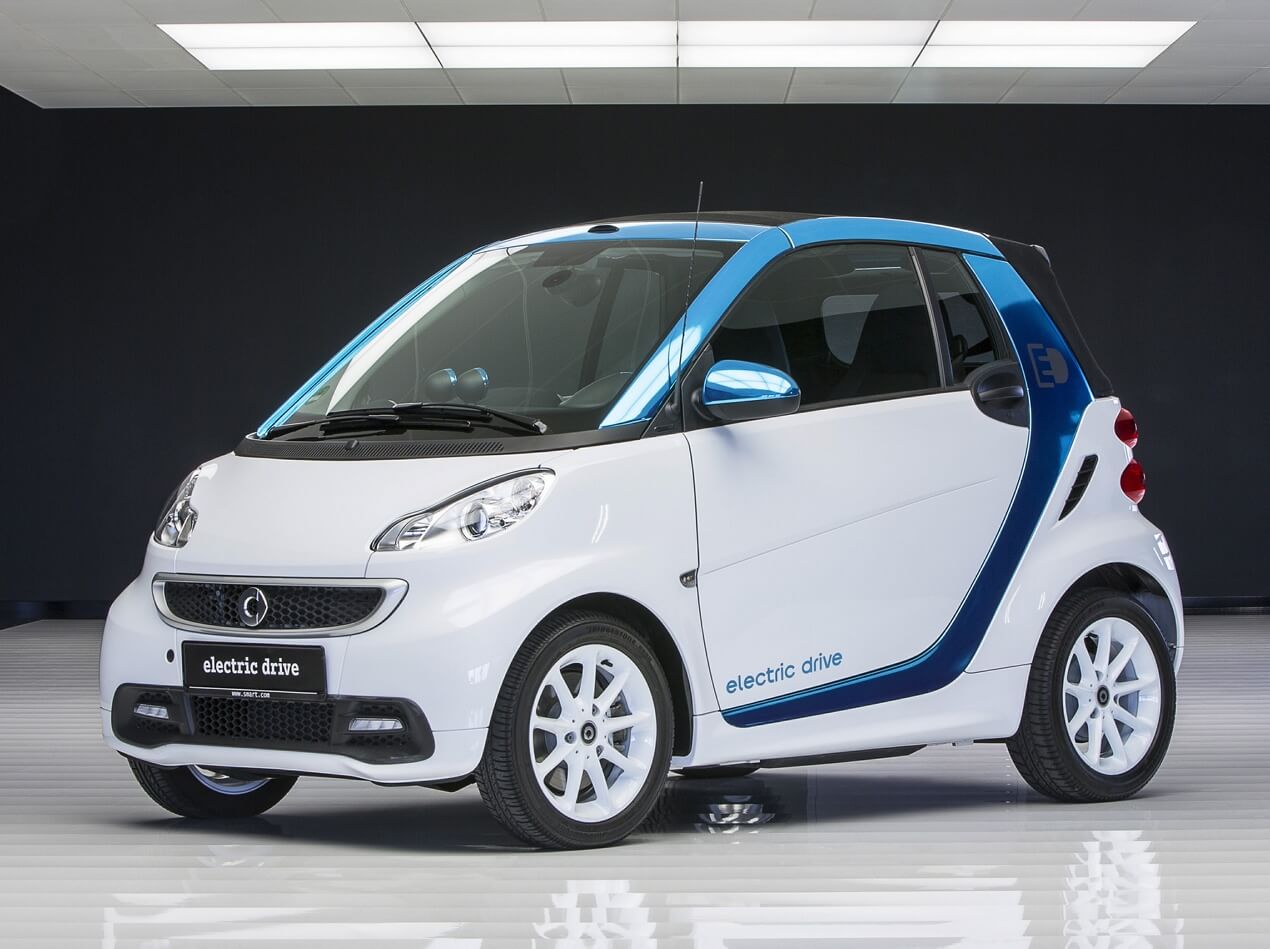
Electric drive and EQ fortwo
About 2,100 second-generation electric drive cars were built from late 2009. The ED 3, sold from mid-2012 to August 2015, had a 17.6 kWh battery, and ADAC measured 13.04 kWh/100 km; about 90% of buyers leased the battery. The third-generation ED4 of March 2017 was renamed EQ fortwo in March 2018 and gained an optional 22 kW onboard charger that May.
Key specifications: EQ fortwo (third generation)
The EQ fortwo was the final ForTwo, built until 2024.

| Parameter | Metric | Imperial |
|---|---|---|
| Layout | rear motor, rear-wheel drive | - |
| Motor output | 60 kW (81 PS) | 80 hp |
| Torque | 160 Nm | 118 lb-ft |
| Top speed | 130 km/h | 81 mph |
| Battery | 16.7 kWh usable (17.6 kWh in other sources) | - |
| Range | up to 160 km (European claim); 93 km (US EPA) | 99 mi; 58 mi (EPA) |
| Length / width / height | 2,690 / 1,660 / 1,550 mm | 105.9 / 65.4 / 61.0 in |
| Wheelbase | 1,870 mm | 73.6 in |
| Boot (to cover / to roof) | 260 / 350 L | 9.2 / 12.4 cu ft |
| Wallbox charging | about 3.5 h | - |
The two range figures come from different test cycles and cannot be compared directly.
ForTwo dimensions, interior space and boot
The ForTwo has no rear seat, so all the space goes to two occupants and the boot. The C453 carries a payload of 270 kg (595 lb) and turns in 6.95 m kerb to kerb (7.30 m between walls), which is the car's real advantage in town. The C451 weighed 780–820 kg (1,720–1,808 lb).
ForTwo fuel economy and running costs
All official figures below were measured on the older NEDC cycle.

| Version | Combined (NEDC) | mpg (UK) |
|---|---|---|
| C450 petrol | 5.5–6.5 L/100 km | 51–43 |
| C450 and C451 0.8 CDI | 3.3 L/100 km | 86 |
| C451 1.0 mhd | 4.3 L/100 km | 66 |
| C451 1.0 turbo | 4.9 L/100 km | 58 |
We found no dated, sourced running-cost data for the ForTwo, so we do not quote service prices.
Trims and equipment
Trim names such as "passion" changed often, so check equipment car by car. Dated launch prices give a sense of the range: the C453 started at €10,895 in November 2014, the 80 kW (109 PS) Brabus at €19,170 in July 2016 and the ED4 at €21,940 in March 2017.

Safety ratings by year
Each result applies only to the generation and year tested.

| Organisation, year | Generation | Result |
|---|---|---|
| Euro NCAP, 2007 | C451 | 4 stars adult occupant (28.0 points), pedestrian 2 of 4 stars; child not rated (no rear seat) |
| Euro NCAP, 2014 | C453 | 4 stars: adult 82%, child 80%, pedestrian 56%, safety assist 56% |
| ANCAP, 2003 | C450 | 1 star overall |
| ANCAP, 2008 | C451 | 1 star overall |
| IIHS, 2008 | C451 | "Good" in front and side tests |
The 2014 rating also covers the cabrio and electric drive; the tested car lacked automatic emergency braking.
ForTwo reliability and common problems by generation
The newest data comes from German TÜV inspections, published by AUTO BILD on 6 August 2026 for the C451 and C453 together.

| Car age | ForTwo with defects | All-model average |
|---|---|---|
| 2–3 years | 9.1% | 10.6% |
| 6–7 years | 20.8% | 21.2% |
| 10–11 years | 33.7% | 35.3% |
| 12–13 years | 38.4% | 44.0% |
Common findings were misaligned low beams, weakening rear lights and footbrake complaints. The C451 showed brake-line issues; the C453 had worn discs and worn suspension link mountings at five to nine years. Oil loss appears mainly on 11-year-old cars. For the C450, What Car cites owner reports of gearbox faults and steering joints needing attention, without a survey year.
Rivals: how the Smart ForTwo compares
UK reviewers such as Carbuyer measure the ForTwo against the four-seat Volkswagen up!; the Toyota Aygo and Citroën C1 are other alternatives. They offer rear seats, while the ForTwo is much shorter and turns tighter. Its closest relative is the Renault Twingo III. Browse all Smart models, including the four-seat forfour.

Smart ForTwo evolution in numbers
Did you know?
- The Smart ForTwo ran for 26 years, from 1998 to 2024, over 3 generations in our catalog.
- The longest-running generation is the ForTwo III (2014–2024): 10 years.
- The biggest jump in power came with the ForTwo III: up to 66 kW (90 PS), 14 kW more than the ForTwo II.
Most powerful version, kW
Figures from the 1cars catalog: power is the strongest version of each generation; generations without the figure are left out.
Smart ForTwo: first vs latest generation
| Spec | ForTwo I | ForTwo III | Change |
|---|---|---|---|
| Years | 1998–2007 | 2014–2024 | 16 years apart |
| Most powerful version | 45 kW (61 PS) | 66 kW (90 PS) | +21 kW (+47%) |
Oldest and newest generation in the 1cars catalog. Power is the strongest version of each; other rows are shown only when both generations have the figure.
Image credits · Photos from Wikimedia Commons under free licences
- Smart ForTwo I · Photo: aldenjewell / Flickr, CC BY 2.0
- Smart ForTwo II · Photo: M 93 / Wikimedia Commons, CC BY-SA 3.0 de
Rivals
Compare with…
Compare Smart ForTwo with
- Daewoo Matiz quick spec comparison
-
Ended 2009
- Years
- 1998–2009
- Body
- Hatchback
- Fuel
- Petrol
- Power
- 38–49 kW (52–67 PS)

Smart ForTwo in our rankings
- No. 111 of 1082 · Longest-running car nameplates (26 years · top 11%)
- No. 40 of 297 · Most economical cars (4.6 l/100 km · top 14%)
- No. 195 of 411 · Cars with the most generations (3 generations · top 64%)
- No. 248 of 321 · Biggest boot: cars (340 l · top 78%)
- No. 65 of 70 · Most powerful French cars (66 kW · top 93%)
- No. 953 of 1011 · Most powerful cars (66 kW · top 95%)
In production longer than 89% of ranked nameplates in the 1CARS catalog (No. 111 of 1082).
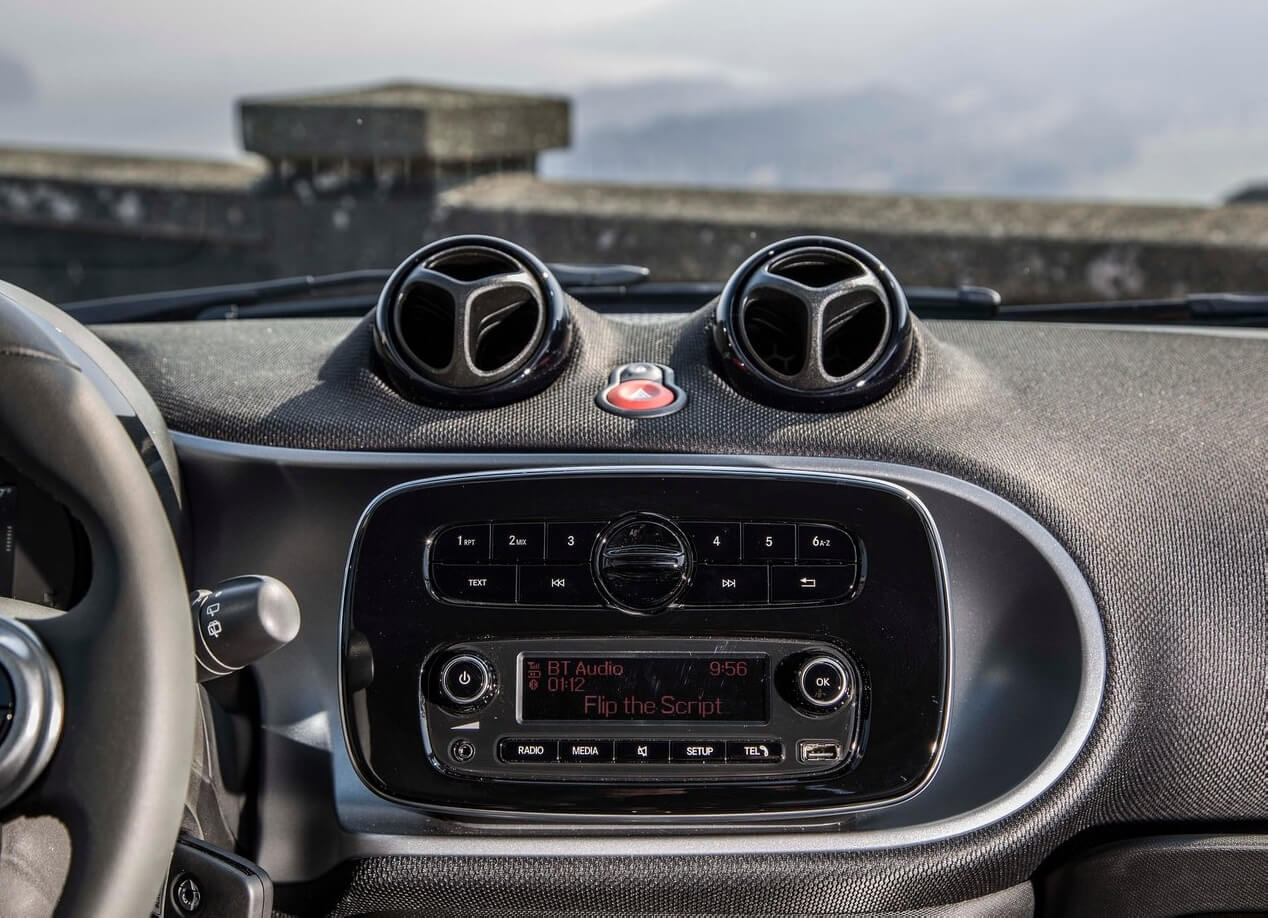
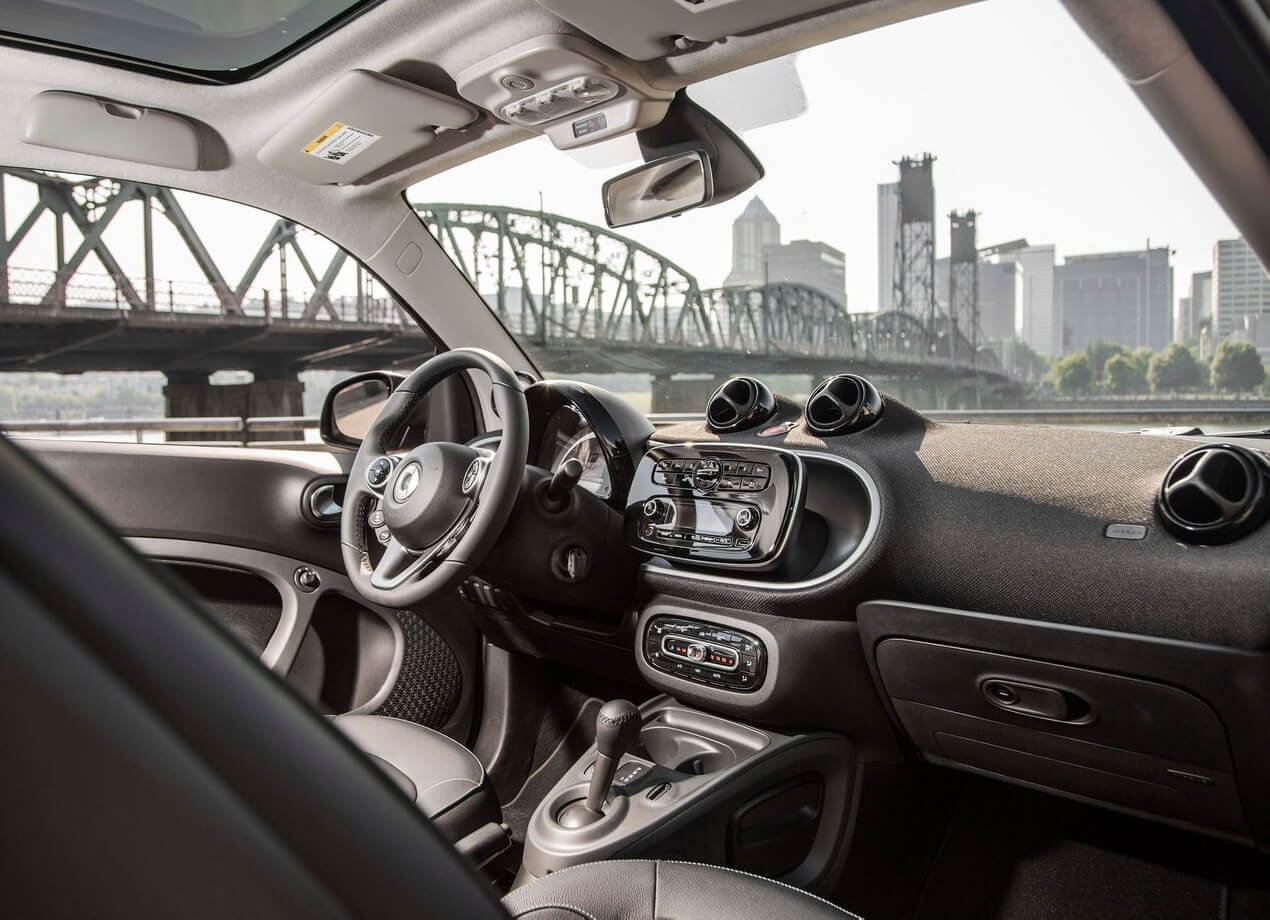
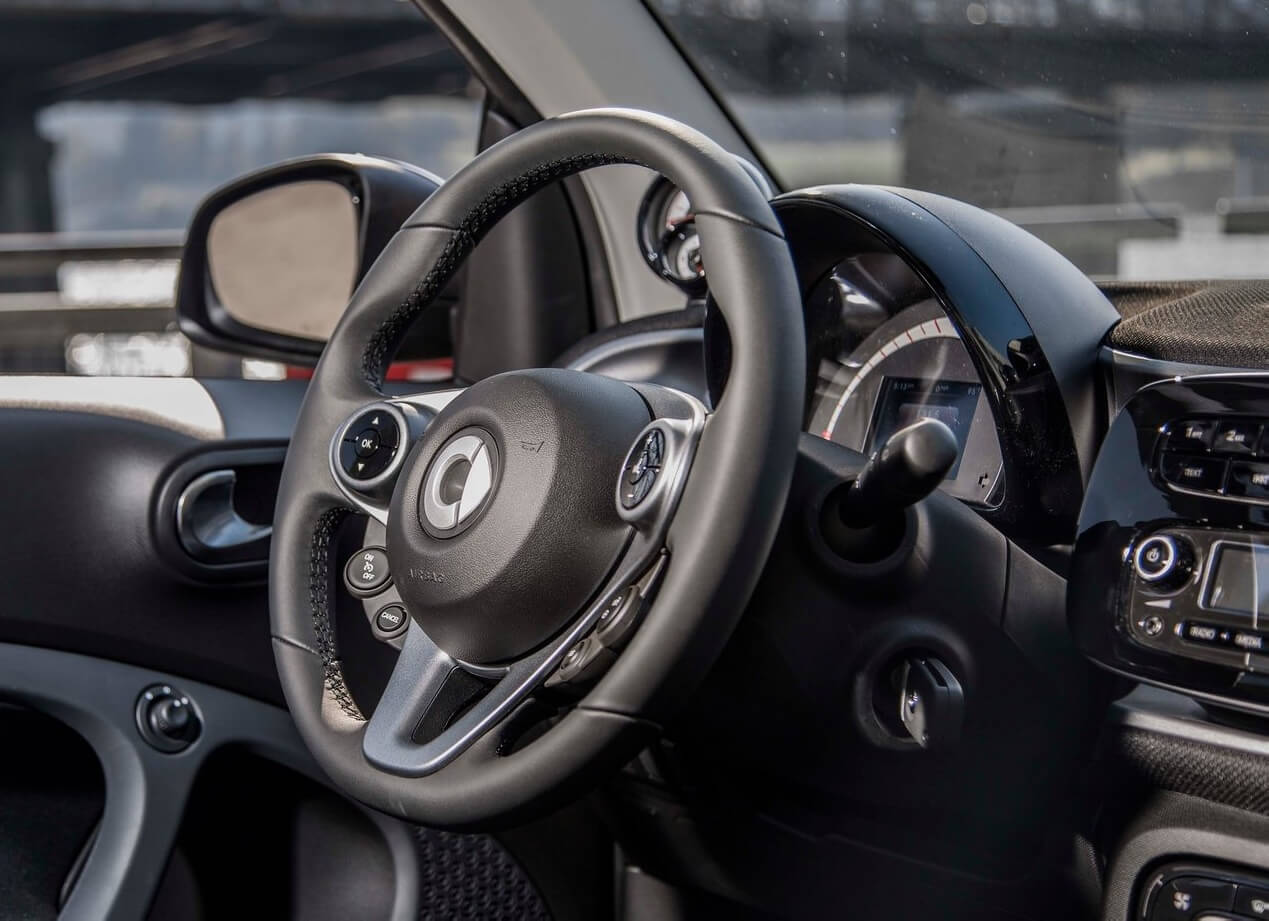
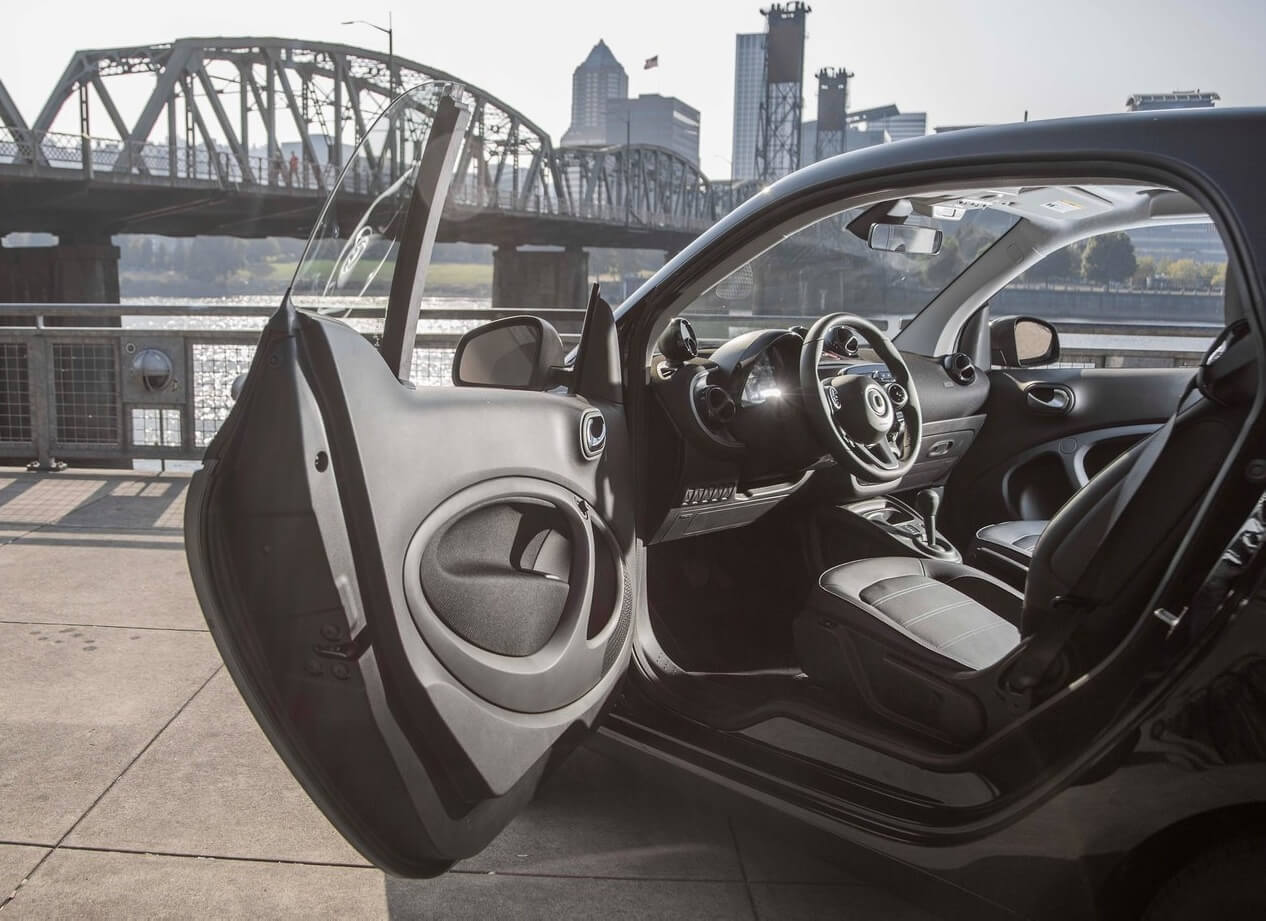
Smart ForTwo photos 39






Smart ForTwo videos 6

Smart ForTwo video 1

Smart ForTwo video 2

Smart ForTwo video 3

Smart ForTwo video 4

Smart ForTwo video 5

Smart ForTwo video 6
FAQ
How many generations of the Smart ForTwo are there?
Three: C450 (1998–2007), C451 (2007–2014) and C453 (2014–2024), which includes the electric EQ fortwo.
Which Smart ForTwo generation is the most reliable?
No source ranks all three. TÜV data published by AUTO BILD in August 2026 shows the C451 doing better at inspection than the C453, except for oil loss.
What is the fuel consumption of the Smart ForTwo?
On the NEDC cycle, the C451 1.0 mhd used 4.3 L/100 km (66 mpg UK) and the 0.8 CDI diesel 3.3 L/100 km. First-generation petrol cars used 5.5–6.5 L/100 km.
Is the Smart ForTwo available with all-wheel drive or as a hybrid?
No. Every ForTwo is rear-wheel drive, and the mhd was only a start-stop system. A fully electric version was sold from 2009 to 2024.
What are the main rivals of the Smart ForTwo?
City cars such as the Volkswagen up!, Toyota Aygo and Citroën C1, plus its cousin, the Renault Twingo III.
Is the Smart ForTwo still produced?
No. The last ForTwo, an electric car, was built at Hambach at the end of March 2024, with no direct successor.
Data sources
Data checked by an editor against the sources below.
- The text of this article (1cars archive)
- Wikipedia - Smart Fortwo
- Wikipedia - Smart Fortwo Electric Drive
- Co


