 Citroen Jumper
All generations, specs and history
Published Sources (3) Report an error
By Felix Hartmann, Automotive Technology & EV Contributor
- Built
- 1994–present
- Generations
- 3
- Top power
- 200 kW (272 PS)
Timeline
Jumper generations
Click a generation for its own page
- Jumper I 1994–2006 · Van, Minibus · 74–107 kW (101–145 PS)
- Jumper II X250 2006–2014 · Van, Minibus · 74–115 kW (101–156 PS)
- Jumper X290 Current 2014–now · Van, Minibus · 81–200 kW (110–272 PS)
Newest first · 3 generations since 1994
- 2014 X290 In production 2014–now · Van, Minibus · 81–200 kW (110–272 PS)
- 2006 X250 2006–2014 · Van, Minibus · 74–115 kW (101–156 PS)
- 1994 I 1994–2006 · Van, Minibus · 74–107 kW (101–145 PS)
All generations by year: Jumper X290 (2014–now) · Jumper II X250 (2006–2014) · Jumper I (1994–2006)
Which one is mine?
Pick the year of first registration to see which generation it is.
- X290 2014–present
- X250 2006–2014
- Jumper I 1994–2006
Which Jumper to buy: verdict
Our verdict · Felix Hartmann
- Best all-round diesel: the 2.2 BlueHDi 140 with the automatic gearbox.
- For heavy loads, towing or motorhomes: the BlueHDi 180 with 132 kW.
- For city and regional delivery: the 2024 ë-Jumper, with 110 kWh and up to 420 km WLTP.
- On a budget: a used 2014-2023 X290 with a Euro 6 BlueHDi engine.
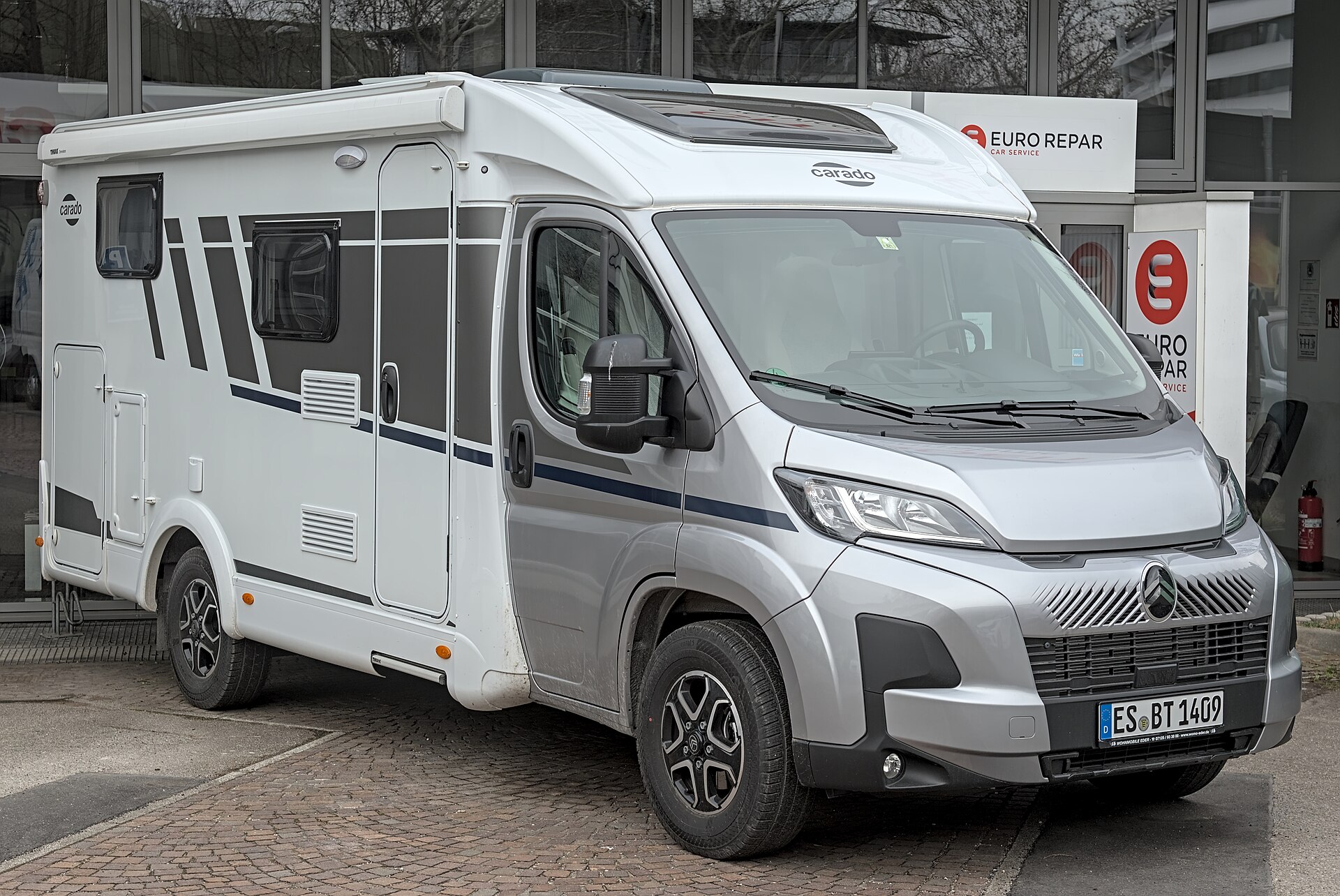
The Citroën Jumper is Citroën's large van, built since 1994 at the Sevel Sud plant in Atessa, Italy, alongside its twins, the Fiat Ducato and Peugeot Boxer; in the UK and Ireland it is sold as the Citroën Relay. The current van dates back to 2006 and was updated in 2014 and again in 2024, when it gained 2.2-litre diesels with 88-132 kW (120-180 hp) and an electric ë-Jumper with 200 kW (270 hp) and up to 420 km of WLTP range. It comes as a panel van, chassis cab and minibus, and is a common base for motorhomes.
In short
- Large van (3.0-4.0 t gross weight class), front-wheel drive, built in Atessa, Italy, by the Fiat-PSA joint venture Sevel.
- Generations: Jumper I (1994-2006), Jumper II (2006-2014) and the X290 (from 2014), facelifted in 2024.
- 2024 range: 2.2 BlueHDi diesel with 88, 103 or 132 kW (120, 140 or 180 hp), and the ë-Jumper with 110 kWh battery.
- Load volume up to 17 m³; payload up to about 2 tonnes; towing up to 2,500 kg.
Specs by version
Engines
| Version | Engine | Power | Gearbox | Drive | Production years |
|---|---|---|---|---|---|
| Electric · 1 version | |||||
| X290 · ë-Jumper 110 kWh | Electric | 200 kW 272 PS268 hp | 1-sp Automatic | Front-wheel drive | 2024 |
| Diesel · 3 versions | |||||
| X290 · 2.2 BlueHDi 120 | 2.2 l · 4 cyl · Diesel 2,184 cc | 88 kW 120 PS118 hp | 6-sp Manual | Front-wheel drive | 2024 |
| X290 · 2.2 BlueHDi 140 | 2.2 l · 4 cyl · Diesel 2,184 cc | 103 kW 140 PS138 hp | Automatic | Front-wheel drive | 2024 |
| X290 · 2.2 BlueHDi 180 | 2.2 l · 4 cyl · Diesel 2,184 cc | 132 kW 179 PS177 hp | Automatic | Front-wheel drive | 2024 |
Performance
Show all 1 versions
| Version | Range |
|---|---|
| X290 · 2014–present | |
| X290 · ë-Jumper 110 kWh | 420 km261 mi |
Dimensions and weight
Show all 1 versions
| Version | Battery |
|---|---|
| X290 · 2014–present | |
| X290 · ë-Jumper 110 kWh | 110 kWh |
Verified Manufacturer and type-approval data from our catalog · Sources and methodology
Citroën Jumper at a glance
| Specification | Citroën Jumper (2024) |
|---|---|
| Segment | large van (LCV) |
| Body styles | panel van, chassis cab, platform cab, minibus (Jumper Combi), motorhome base |
| Plant | Sevel Sud, Atessa, Italy |
| Twins | Fiat Ducato, Peugeot Boxer, Opel/Vauxhall Movano (from 2021), Toyota Proace Max (from 2024) |
| Lengths | 4,963-6,363 mm (L1-L4) |
| Heights | 2,254-2,764 mm (H1-H3) |
| Wheelbases | 3,000, 3,450 and 4,035 mm |
| Load volume | 8-17 m³ |
| Power | 88-132 kW diesel; 200 kW electric |
| UK name | Citroën Relay |
The Jumper sits above the mid-size Jumpy in our Citroën catalogue.
Generations and model history
| Generation | Code | Years | Body styles | Engines | Power (kW / hp) |
|---|---|---|---|---|---|
| Jumper I | - | 1994-2006 | van, chassis cab, minibus | 2.0 petrol (also petrol/LPG), 1.9-2.8 diesels | 74-107 kW (99-144 hp) for the main engines |
| Jumper II | X250 | 2006-2014 | van, chassis cab, platform cab, minibus | 2.2 HDi, 3.0 HDi | 74-115 kW (100-157 hp) |
| Jumper X290 | X290 | 2014-2024 | as above; ë-Jumper from about 2020 | 2.0 and 2.2 BlueHDi; electric | ë-Jumper 90 kW (121 hp) |
| Jumper X290, 2024 facelift | X290 | from 2024 | as above | 2.2 BlueHDi; electric | 88-132 kW (118-177 hp); ë-Jumper 200 kW (268 hp) |
Wikipedia counts the 2014 X290 as a separate generation. Many sources treat it as a heavily updated 2006 van instead, since the wheelbases and body lengths carried over.
Before the Jumper: the C25. Citroën's first Sevel van was the C25, built from October 1981. It had transverse engines: a petrol unit derived from the Peugeot 504 and a diesel from the Citroën CX.
Jumper I (1994-2006). The first Jumper arrived in January 1994 in a total of 58 versions. At launch it had a 2.5-litre naturally aspirated diesel and a turbodiesel with three valves per cylinder. A facelift followed in February 2002, together with two new engines: the 2.2 HDi common-rail diesel and a 2.0i petrol engine that could also run on LPG. Gearboxes were a five-speed manual or a four-speed automatic.
Jumper II (2006-2014). Launched in September 2006, the new Jumper raised the maximum load volume from 14 m³ to 17 m³. Citroën offered HDi diesels with 74, 88 and 115 kW (100, 120 and 157 hp), and front-wheel-drive versions could be rated above 3.5 tonnes gross weight.
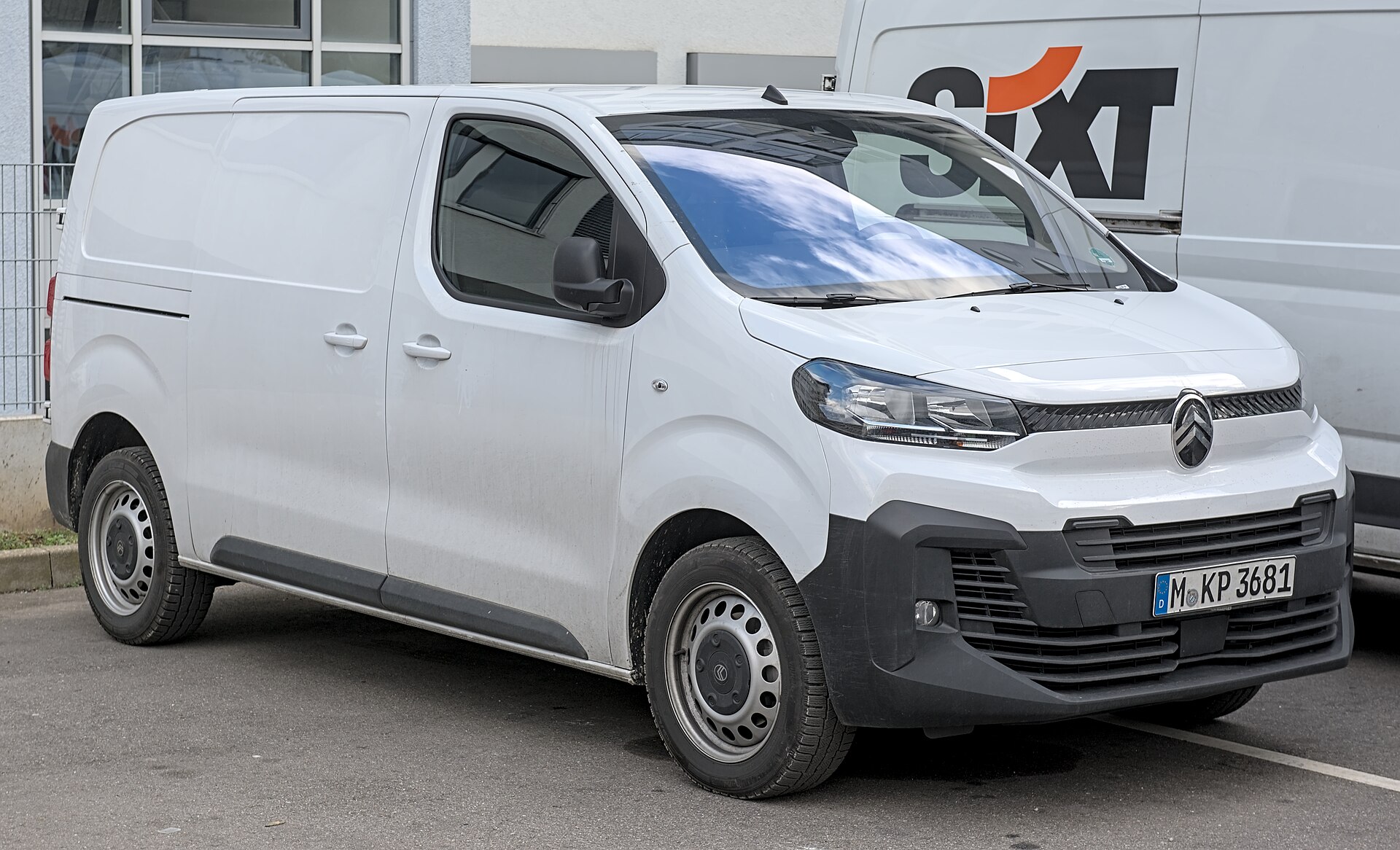
X290 (from 2014). The 2014 update introduced the X290 platform code and Stop & Start for the e-HDi engines, which Citroën says cut urban fuel use by 0.5 l/100 km. Euro 6 BlueHDi engines arrived for 2017, a 2.2-litre engine replaced the 2.0 in 2019, and the first electric ë-Jumper followed. The 2024 facelift, shown in late 2023, added a redesigned front with LED headlights, more aerodynamic bumpers and mirrors, and much more driver assistance.

Engines, transmissions and performance
| Engine | Power | Gearbox | Years |
|---|---|---|---|
| 2.0i petrol | 80 kW (109 PS) | 5-speed manual or 4-speed automatic | Jumper I |
| 2.5 TD | 76 kW (103 PS) | as above | Jumper I |
| 2.2 HDi | 74 kW (101 PS) | as above | 2002-2006 |
| 2.8 HDi | 94 kW (128 PS) | as above | Jumper I |
| 2.8 HDi Power | 107 kW (146 PS) | as above | 2004-2006 |
| 2.2 / 3.0 HDi | 74-115 kW (100-157 hp) | not sourced | 2006-2014 |
| 2.2 BlueHDi 120 | 88 kW (120 hp) | 6-speed manual | from 2024 |
| 2.2 BlueHDi 140 | 103 kW (140 hp) | automatic | from 2024 |
| 2.2 BlueHDi 180 | 132 kW (180 hp) | automatic | from 2024 |
| ë-Jumper (2024) | 200 kW (270 hp) | single-speed | from 2024 |
All Jumpers are front-wheel drive. Since 2024 every diesel is the 2,184 cc four-cylinder that Stellantis shares across the Sevel twins, built to Euro 6e. Citroën pairs the two stronger versions with an automatic gearbox as standard, while the 88 kW (120 hp) version keeps a six-speed manual.


ë-Jumper: the electric version
The first ë-Jumper used a 90 kW (122 PS) motor with 270 Nm and two battery sizes, a small pack of about 37 kWh and a larger one of about 70-75 kWh. For the 2024 facelift Citroën switched to the much stronger electric drivetrain shared with the Fiat E-Ducato:
| Parameter | ë-Jumper (2024) |
|---|---|
| Motor | 200 kW (270 hp) |
| Battery | 110 kWh |
| Range (WLTP) | up to 420 km |
| DC fast charging | 0-80% in 55 min at 150 kW |
Citroën has also announced a hydrogen fuel-cell version with a range of nearly 500 km. Electric vans and cars are collected in our electric cars section.
Dimensions, load space and payload
| Parameter | Metric | Imperial |
|---|---|---|
| Length L1 / L2 / L3 / L4 | 4,963 / 5,413 / 5,998 / 6,363 mm | 195.4 / 213.1 / 236.1 / 250.5 in |
| Height H1 / H2 / H3 | 2,254 / 2,522 / 2,764 mm | 88.7 / 99.3 / 108.8 in |
| Wheelbase | 3,000 / 3,450 / 4,035 mm | 118.1 / 135.8 / 158.9 in |
| Interior width | 1,870 mm | 73.6 in |
| Load volume | 8-17 m³ | 283-600 cu ft |
| Payload | up to about 2,000 kg | up to about 4,400 lb |
| Towing capacity | up to 2,500 kg | up to 5,500 lb |
These are the figures of the Sevel van since 2006; Auto Zeitung expected the 2024 facelift to keep the same body sizes. Gross weight classes run from 3.0 to 4.0 tonnes, so the heaviest versions need a C1 licence in the EU.

Running costs and prices
Before the 2024 facelift, the Jumper started from about EUR 33,500 in Germany (November 2023, as quoted by Auto Zeitung). Prices for the facelifted van and the ë-Jumper vary by body, length and market; Auto Zeitung expected them to be higher than before. Fuel use depends heavily on load, body size and roof height, so official figures are of limited use; you can model your own mileage with the cost of ownership calculator.
Equipment
Basic 2024 versions have a 5-inch screen; higher trims get a 10-inch touchscreen with wireless Apple CarPlay and Android Auto and inductive phone charging. Options include hands-free entry and start, a digital rear-view mirror fed by a rear camera and 360-degree parking sensors (14 to 16, depending on length). The Drive Assist package combines adaptive cruise control, lane keeping and traffic jam assistance up to 30 km/h.
Safety
Euro NCAP tests large vans in a separate commercial van programme. According to Euro NCAP, the Jumper (tested through its twin, the Fiat E-Ducato) was rated Gold in 2024. In the 2025 assessment it scored 25/25 for driver engagement, 28.3/50 for vehicle assistance and 80% for post-crash safety. Standard equipment counted in the test includes autonomous emergency braking for cars, pedestrians and cyclists, lane support, speed assistance and driver monitoring; steering assistance is not available.
Production and sales
More than 3.5 million Fiat Ducatos have been built since 1981, and the Jumper comes off the same Sevel lines. In 2011 Citroën produced 47,238 Jumpers and Relays and sold 46,094; by the end of 2012 the cumulative total had reached 726,500. The Ducato family is the base for about two-thirds of Europe's motorhomes, and Jumper-based campers are part of that market.
Rivals
| Model | Engines | Power (hp) | Boot (l) | Price from (EUR) |
|---|---|---|---|---|
| Citroën Jumper (2024) | 2.2 BlueHDi; electric | 120-180; 270 | 8,000-17,000 (load volume) | about 33,500 before facelift (Germany, 2023) |
| Fiat Ducato (twin) | 2.2 Multijet; electric | 120-180; 270 | same body range | not sourced |
| Peugeot Boxer (twin) | same as Jumper | same as Jumper | same body range | not sourced |
| Opel Movano (twin, from 2021) | same as Jumper | same as Jumper | same body range | not sourced |
Outside the Sevel family, the main large-van rivals are the Mercedes-Benz Sprinter, Volkswagen Crafter, Ford Transit, Renault Master and Iveco Daily. Our comparison tool lets you put them side by side.
Photo gallery

Citroen Jumper evolution in numbers
Did you know?
- The Citroen Jumper has been around for 32 years: 3 generations in our catalog since 1994.
- The biggest jump in power came with the Jumper X290: up to 200 kW (272 PS), 85 kW more than the Jumper II X250.
Most powerful version, kW
Figures from the 1cars catalog: power is the strongest version of each generation; generations without the figure are left out.
Citroen Jumper: first vs latest generation
| Spec | Jumper I | Jumper X290 | Change |
|---|---|---|---|
| Years | 1994–2006 | 2014–present | 20 years apart |
| Most powerful version | 107 kW (145 PS) | 200 kW (272 PS) | +93 kW (+87%) |
Oldest and newest generation in the 1cars catalog. Power is the strongest version of each; other rows are shown only when both generations have the figure.
Citroen Jumper in our rankings
More powerful than 88% of ranked vans and minibuses in the 1CARS catalog (No. 1 of 18).
FAQ
Is the Citroën Jumper the same as the Fiat Ducato?
Yes, in engineering terms. The Jumper, Ducato and Peugeot Boxer are built side by side at Sevel in Atessa, Italy, and differ mainly in styling, equipment and badges.
What is the Citroën Jumper called in the UK?
The Citroën Relay.
What is the range of the electric ë-Jumper?
The 2024 ë-Jumper has a 110 kWh battery and a WLTP range of up to 420 km.
How big is the Jumper's load area?
Between about 8 and 17 m³, depending on length (L1-L4) and roof height (H1-H3).
Which engines does the 2024 Jumper have?
A 2.2-litre BlueHDi diesel with 88, 103 or 132 kW (120, 140 or 180 hp), plus the electric ë-Jumper with 200 kW.
Data sources
Data checked by an editor against the sources below.
- Wikipedia - Fiat Ducato
- Stellantis - Citroen Jumper 30 Years Of Evolution Serving Professionals
- Autozeitung - Citroen Jumper Facelift 2024 Preis Reichweite 205047