 Ferrari 365 GTC/4
Specs, engines and history
Published Sources (1) Report an error
By Felix Hartmann, Automotive Technology & EV Contributor
- Built
- 1971–1972
- Top power
- 250 kW (340 PS)
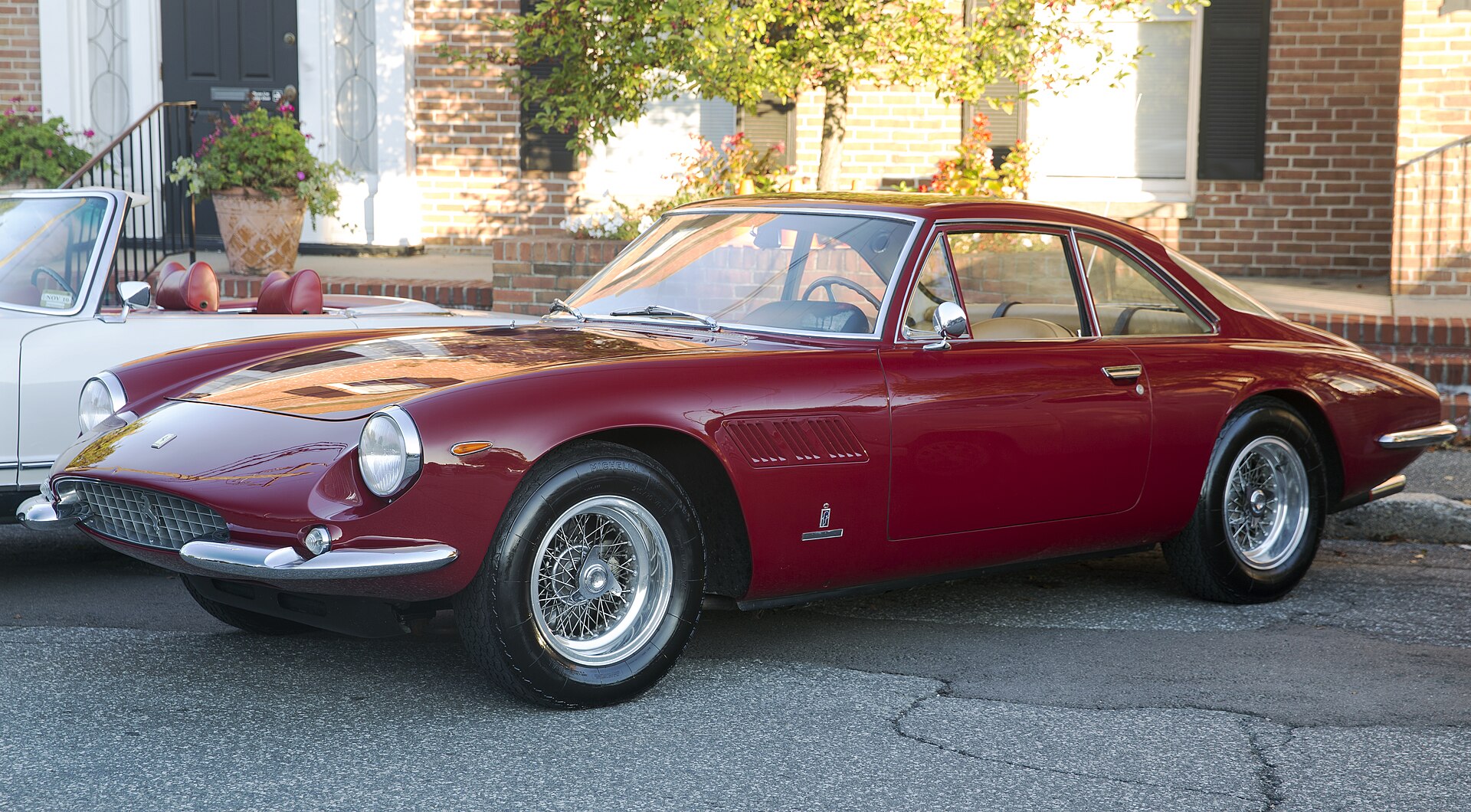
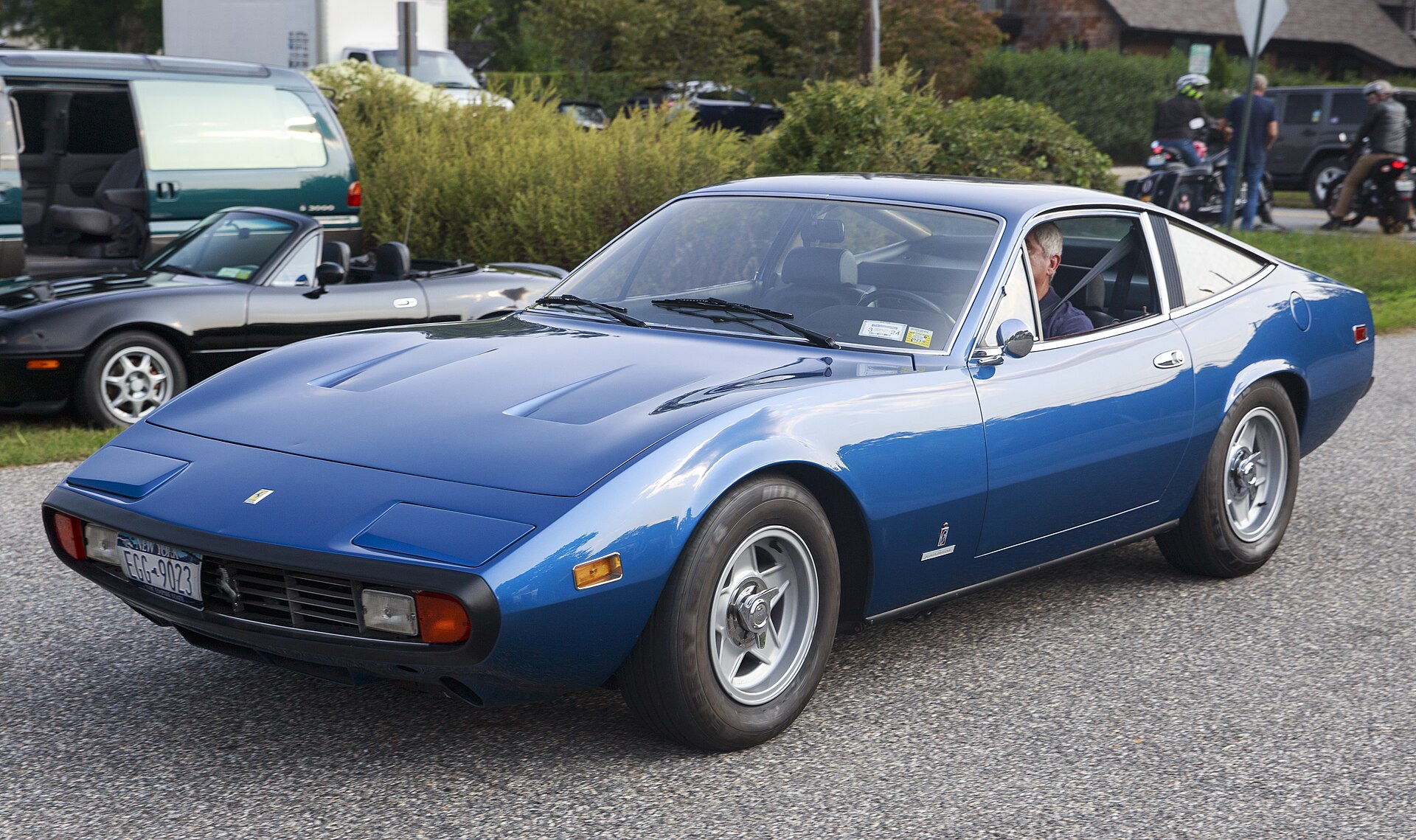
The Ferrari 365 GTC/4 is a 2+2 grand tourer that Ferrari built in 1971 and 1972. It used the chassis and wheelbase of the 365 GTB/4 "Daytona" but was tuned for comfort rather than speed, with softer springs, power steering, air conditioning and a less aggressive V12. Its sharp, wedge-shaped fastback body came from Pininfarina. Only 505 cars were made before the 365 GT4 2+2 replaced it.
In short
- Built 1971–1972, 505 cars; bodies made by Pininfarina in Turin, cars assembled by Ferrari in Modena.
- Tipo F 101 AC Colombo V12, 4,390 cc, four camshafts, six side-draught Weber carburettors: 250 kW (340 PS); US cars 235 kW (320 PS).
- Five-speed manual gearbox bolted to the engine, torque tube to the rear differential; kerb weight 1,450 kg, weight split about 51:49.
- Power steering, electric windows and air conditioning as standard.
At a glance: Ferrari 365 GTC/4
| Specification | Ferrari 365 GTC/4 |
|---|---|
| Production | 1971–1972, Modena (Italy) |
| Cars built | 505 |
| Body | 2+2 fastback coupé, steel body with aluminium doors and bonnet |
| Design | Filippo Sapino under Aldo Brovarone, Pininfarina |
| Engine | Tipo F 101 AC Colombo V12, 4,390 cc |
| Power | 250 kW (340 PS); US 235 kW (320 PS) |
| Gearbox | five-speed manual, torque tube |
| Kerb weight | 1,450 kg |
| Dimensions | 4,550 mm long, 1,780 mm wide, 1,270 mm high, 2,500 mm wheelbase |
| Predecessor / successor | 365 GTC / 365 GT4 2+2 |
The GTC/4 shares its mechanical base with the Daytona and belongs to the classic front-engined V12 Ferraris listed in the Ferrari catalogue.
History of the Ferrari 365 GTC/4
The two-seat 365 GTC was discontinued in 1970, and in 1971 Ferrari presented its successor, the 365 GTC/4. The new car had two small extra seats in the back and a softer, better-equipped character than the Daytona. Production lasted only until 1972, when the 365 GT4 2+2 took over, and 505 cars were built.
Like other Ferraris of the period, its name describes the engine: "365" is the capacity of one cylinder in cubic centimetres, and "4" refers to the four overhead camshafts.
Design by Pininfarina
The body was designed at Pininfarina, credited by Wikipedia to Filippo Sapino under the supervision of Aldo Brovarone. It is a wedge-shaped fastback with hidden headlamps. The body is steel, with aluminium doors and bonnet; Pininfarina built the bodies in Turin and Ferrari assembled the cars in Modena.
All GTC/4s have a matt black panel around the rear lights. Ferrari offered 48 factory colours, the same palette as for the 365 GTB/4 and the Dino 246. The interior combined leather and tartan cloth, with full leather as an option.

Engine and drivetrain
The engine is the Tipo F 101 AC version of the Colombo V12, with 4,390 cc, an aluminium block and heads with cast-iron liners, four chain-driven overhead camshafts and two valves per cylinder. Instead of the Daytona's downdraught carburettors it uses six twin-choke side-draught Webers, which allowed a lower bonnet line. Output is 250 kW (340 PS), less than in the Daytona, for a smoother response. American cars, with air injection, an evaporative emissions canister and a different exhaust, were rated at 235 kW (320 PS).
| Version | Engine | Power | Notes |
|---|---|---|---|
| 365 GTC/4 (Europe) | 4,390 cc V12, six side-draught Webers | 250 kW (340 PS) | five-speed manual |
| 365 GTC/4 (USA) | 4,390 cc V12, emissions equipment | 235 kW (320 PS) | three-point belts, side markers |
Unlike the Daytona, which has its gearbox at the rear axle, the GTC/4 has a five-speed all-synchromesh manual gearbox bolted directly to the engine, with a torque tube connecting it to the rear differential. The weight distribution is about 51:49 front to rear.

Chassis and equipment
The tubular spaceframe and the 2,500 mm wheelbase come from the 365 GTB/4. Suspension uses transverse wishbones with coil springs around the dampers - doubled at the rear - and anti-roll bars at both ends, with a softer spring rate than in the Daytona. Brakes are ventilated discs at all four wheels. The standard wheels are cast magnesium with Rudge knock-off hubs; Borrani wire wheels were optional.
Comfort was a priority. Hydraulic power steering, electric windows and air conditioning were all standard. The kerb weight is 1,450 kg.
Compared with the Daytona
The GTC/4 and the 365 GTB/4 Daytona share their basic mechanical design, but the two cars were tuned for different buyers.
| Specification | 365 GTC/4 | 365 GTB/4 Daytona |
|---|---|---|
| Seats | 2+2 | 2 |
| Power | 250 kW (340 PS) | 259 kW (352 PS) |
| Carburettors | six side-draught Webers | six downdraught Webers |
| Gearbox position | at the engine, torque tube to the rear axle | rear transaxle |
| Weight | 1,450 kg (kerb) | 1,200 kg (dry) |
| Cars built | 505 | about 1,406 |
The GTC/4 gave up some power and accepted more weight in exchange for two extra seats, power steering, air conditioning and a softer ride.
Legacy
The 365 GTC/4 was built for less than two years and is much rarer than the Daytona, of which about 1,400 were made. Its role as Ferrari's V12 2+2 passed to the 365 GT4 2+2 in 1972. For the history of the brand, see our history of Ferrari.
Photo gallery


Ferrari 365 GTC/4 in our rankings
- No. 29 of 88 · Most powerful cars of the 1970s (250 kW · top 33%)
- No. 364 of 859 · Most powerful cars (250 kW · top 44%)
- No. 72 of 127 · Most powerful Italian cars (250 kW · top 58%)
- No. 197 of 313 · Most powerful coupes (250 kW · top 65%)
- No. 884 of 912 · Longest-running car nameplates (1 year)
More powerful than 67% of ranked cars of the 1970s in the 1CARS catalog (No. 29 of 88).
FAQ
How many Ferrari 365 GTC/4s were built?
505 cars were built in 1971 and 1972, with bodies made by Pininfarina in Turin.
Is the 365 GTC/4 related to the Daytona?
Yes. It uses the chassis and wheelbase of the 365 GTB/4 Daytona and a version of its V12, but with side-draught carburettors, a gearbox at the front and softer suspension.
How powerful is the 365 GTC/4?
The 4.4-litre V12 produces 250 kW (340 PS); US cars were rated at 235 kW (320 PS).
How many seats does the 365 GTC/4 have?
It is a 2+2 with two small rear seats behind the front seats.
What replaced the 365 GTC/4?
The 365 GT4 2+2, introduced in 1972, took over the role of Ferrari's V12 2+2.
Data sources
Data checked by an editor against the sources below.