 Opel Vivaro
All generations, specs and history
Published Sources (1) Report an error
By Felix Hartmann, Automotive Technology & EV Contributor
- Built
- 2001–present
- Generations
- 3
Timeline
Vivaro generations
Click a generation for its own page


- Vivaro A 2001–2014 · Van, Minibus
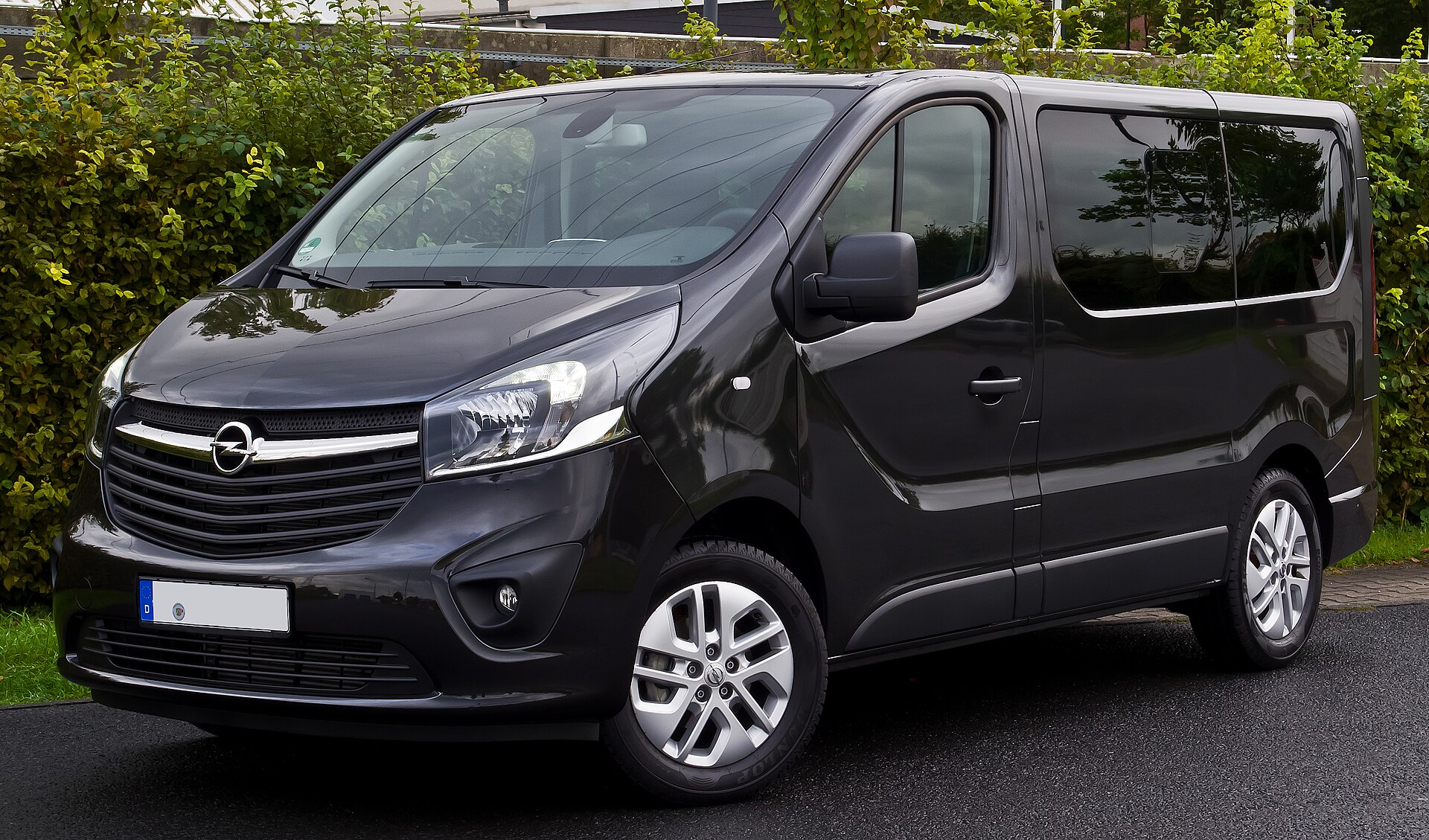
- Vivaro B 2014–2019 · Van, Minibus
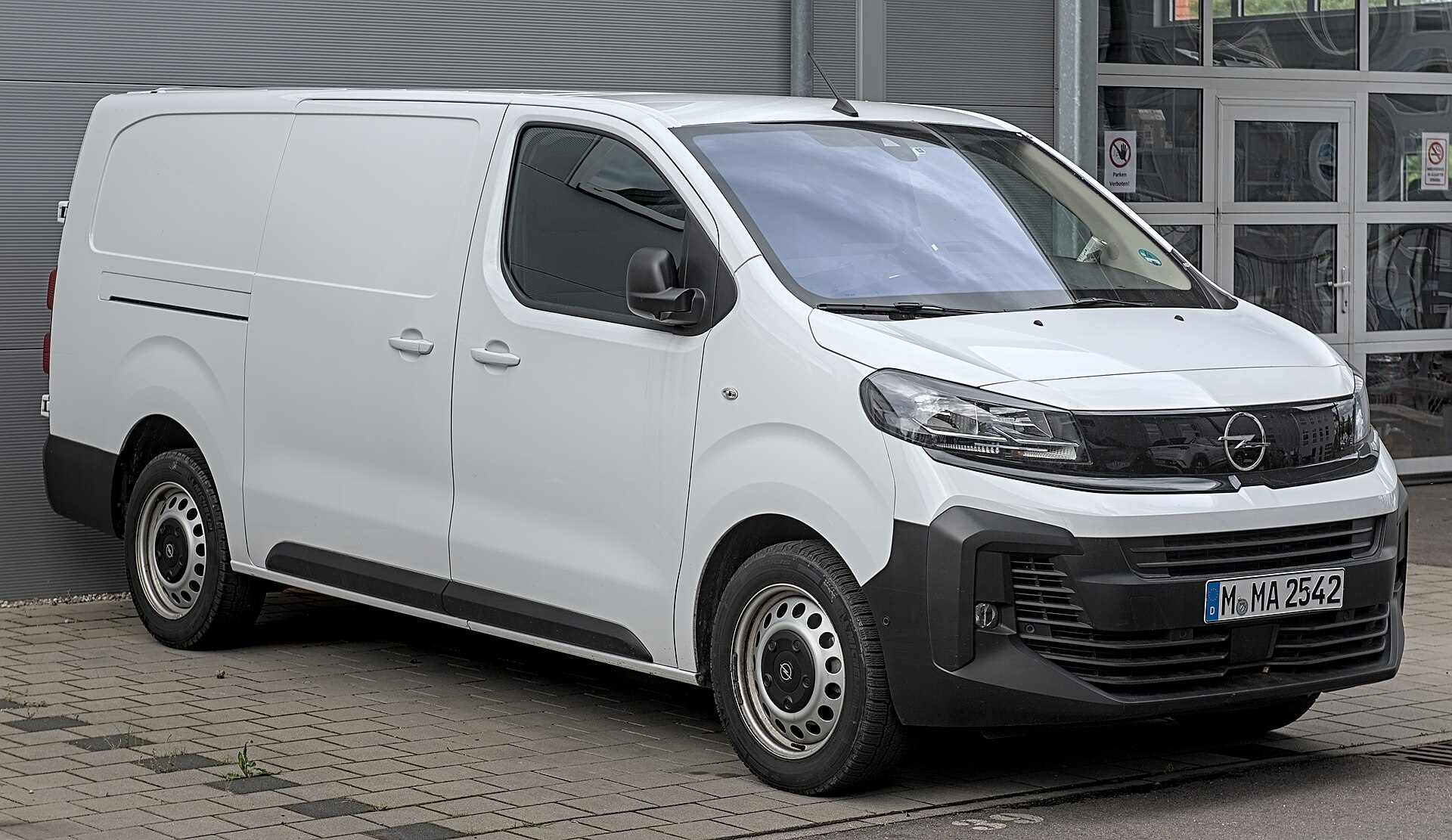
- Vivaro C Current 2019–now · Van, Minibus
Newest first · 3 generations since 2001
-
2019
-
2014
- 2001 A 2001–2014 · Van, Minibus
All generations by year: Vivaro C (2019–now) · Vivaro B (2014–2019) · Vivaro A (2001–2014)
Which one is mine?
Pick the year of first registration to see which generation it is.
- Vivaro C 2019–present
- Vivaro B 2014–2019
- Vivaro A 2001–2014
The Opel Vivaro is a front-wheel-drive van and minibus sold as the Opel Vivaro in mainland Europe and as the Vauxhall Vivaro in the UK. Its first two generations were developed with Renault and shared their engineering with the Renault Trafic and Nissan Primastar; the third, launched in 2019 after Opel joined the PSA Group, is a twin of the Citroën Jumpy, Peugeot Expert and Toyota ProAce. The Vivaro is a working vehicle first, but it is also the basis of Opel's passenger models, today the Zafira Life.
In short
- Vivaro A (2001–2014), based on the second-generation Renault Trafic, facelifted in October 2006.
- Vivaro B (2014–2019), based on the third-generation Renault Trafic.
- Vivaro C (since 2019) on PSA's EMP2-based van platform, with 1.5 and 2.0 diesels and lengths of 4.60, 4.95 and 5.30 m.
- Vivaro-e: 100 kW (136 PS) electric motor, 50 or 75 kWh battery and up to 330 km of WLTP range.
Opel Vivaro at a glance
The Vivaro is a monocoque mid-size van with a transverse front engine, available as a panel van, crew van, platform cab and minibus. More Opel models are listed in our Opel catalogue, news about the van is collected under the Opel Vivaro tag, and the passenger version is covered under Opel Zafira Life. The switch to the PSA platform is described in our report on how the Vivaro became a twin of the Peugeot and Citroën vans.
Opel Vivaro generations
| Generation | Years | Base | Main engines |
|---|---|---|---|
| Vivaro A | 2001–2014 | Renault Trafic II | 1.9 and 2.0 dCi, 2.5 dCi, 2.0 petrol; 59–110 kW (80–150 PS) |
| Vivaro B | 2014–2019 | Renault Trafic III | 1.6 dCi, 70–107 kW (95–145 PS), single or twin turbo; later 2.0 dCi |
| Vivaro C | 2019 onwards | Citroën Jumpy / Peugeot Expert | 1.5 and 2.0 diesel, 75–130 kW (102–177 PS); electric |
Vivaro A (2001–2014)
The first Vivaro was launched in September 2001 and was built mainly at GM's Luton plant in the UK and at Nissan's Barcelona plant in Spain, where high-roof versions were made because the Luton line could not handle the extra height. Engines included a 2.0 petrol with 88 kW (120 PS) and diesels from 59 kW (80 PS) to the 2.5 dCi with 110 kW (150 PS). An October 2006 facelift integrated the indicators into the headlights.
Vivaro B (2014–2019)
The second generation arrived in September 2014, based on the third-generation Trafic and built at Luton and at Renault's Sandouville plant in France. It used 1.6 dCi diesels with single or twin turbochargers and a six-speed manual or, later, an automatic option. It differed from the Renault mainly in its front end and equipment.
Vivaro C (2019 onwards)
The third Vivaro was unveiled in January 2019 and went on sale in late summer 2019. Since Opel was now part of the PSA Group, it switched to the PSA mid-size van platform shared with the Peugeot Expert and Citroën Jumpy. It is offered in three lengths — Small (4.60 m), M (4.95 m) and L (5.30 m) — with gross vehicle weights from about 2.8 to 3.1 tonnes.
Exterior
The new Vivaro keeps the mid-size proportions of the class but borrows details from Opel's cars and its twins. The steeply raked windscreen flows into a short, sloping bonnet with sculpted edges. The large, almost trapezoidal grille has a coarse mesh and thin horizontal bars meeting at the Opel badge, flanked by aggressive headlights; LED or xenon lighting was available depending on version. The bumper is largely unpainted protective plastic and has four intakes of different shapes, with round fog lights at the sides.
The panel-van profile is calm, with two side windows framed in black, large black mirrors with optional indicators and repeaters above the slightly flared wheel arches. Unpainted plastic protects the lower edge, ground clearance is about 175 mm and wheels are 16 inches, or 17 inches as an option. The upright rear is almost entirely taken up by side-hinged doors with tall rectangular lights in the pillars, and the rear bumper works as a step to make loading easier.
Interior and load space
The cabin is modern for a commercial vehicle, with durable plastics, fabric or artificial leather and a good infotainment system. The driver faces a three-spoke steering wheel with a flat bottom and a few buttons, two large dials and a central trip computer. Two or three seats are fitted, with mechanical adjustment, heating and headrests; the passenger bench can be folded to carry long items into the cab. The hard-plastic door pockets hold a 1.5-litre bottle, there is a deep tray on top of the dashboard, and the centre console carries the touchscreen, rectangular vents and climate controls, with the gear lever on a raised plinth.
The load area has a sliding side door, optionally with a window, lighting and two rear doors that lock at about 90 degrees. Depending on length, the panel van holds 4.6 to 6.6 m³ of cargo — 5.1 m³ in the Small version with the FlexCargo load-through bulkhead — and the M and L versions take three Euro pallets. Diesel versions carry up to 1,405 kg.
Engines and transmissions (Vivaro C)
| Engine | Power (kW / PS) | Torque |
|---|---|---|
| 1.5 Diesel | 75 kW / 102 PS | 270 Nm |
| 1.5 Diesel | 88 kW / 120 PS | 300 Nm |
| 2.0 Diesel | 110 kW / 150 PS | 370 Nm |
| 2.0 Diesel | 130 kW / 177 PS | 400 Nm |
| Electric (Vivaro-e) | 100 kW / 136 PS | 260 Nm |
The diesels are turbocharged four-cylinder common-rail engines with 16 valves. Lower-powered versions use manual gearboxes, while the most powerful diesel has an automatic. Front-wheel drive is standard, and a four-wheel-drive conversion by the French specialist Dangel was available. According to published figures, the 1.5 needs about 15.3 seconds to reach 100 km/h and the 2.0 about 9.5 seconds, with consumption of around 6 l/100 km.
The Vivaro-e went on sale in Germany in July 2020. Its 100 kW (136 PS) motor drives the front wheels, top speed is limited to 130 km/h and the 50 or 75 kWh battery provides up to 230 or 330 km of WLTP range. On a 100 kW DC charger the batteries reach 80% in about 30 and 45 minutes respectively, and on-board chargers of 7.4 or 11 kW handle AC charging. It carries up to 1,275 kg and can tow up to 1,000 kg.
Chassis
The Vivaro C uses a monocoque body with a transverse engine, independent MacPherson strut front suspension and a rear suspension designed for load carrying. Rack-and-pinion steering has electric assistance, and all four brakes are discs, ventilated at the front. ABS and ESP are standard.
Safety and equipment
Despite being a commercial vehicle, the Vivaro offers ABS, stability control, driver and passenger airbags, emergency brake assist and hill-start assist. Typical equipment includes daytime running lights, heated power mirrors, front fog lights, power front windows, a leather-trimmed multifunction steering wheel, a heated driver's seat, a colour infotainment display, cruise control and 16-inch steel wheels; more options are available at extra cost.
Key specifications (Vivaro C)
| Parameter | Value |
|---|---|
| Lengths | 4.60 / 4.95 / 5.30 m |
| Cargo volume | 4.6–6.6 m³ |
| Payload (diesel) | up to 1,405 kg |
| Gross vehicle weight | about 2.8–3.1 t |
| Ground clearance | about 175 mm |
| Diesel power | 75–130 kW / 102–177 PS |
| Electric range (WLTP) | up to 330 km |
Strengths and weaknesses
Owners of earlier Vivaros praise the space, comfort, decent reliability and practicality, and the pulling power and economy of the diesels; the van suits both cargo and passenger use, with a high seating position and plenty of storage. Complaints include maintenance costs, a lack of air conditioning in base versions, short timing-belt life and limited power from the old 1.9 diesel, as well as modest ground clearance and divisive styling. Rivals include the Volkswagen Transporter, Mercedes-Benz Vito, Ford Transit Custom, Renault Trafic and its own twins, the Peugeot Expert and Citroën Jumpy.
Opel Vivaro evolution in numbers
Did you know?
- The Opel Vivaro has been around for 25 years: 3 generations in our catalog since 2001.
- The longest-running generation is the Vivaro A (2001–2014): 13 years.
Image credits · Photos from Wikimedia Commons under free licences
- Opel Vivaro B · Photo: M 93 / Wikimedia Commons, CC BY-SA 3.0 de
- Opel Vivaro C · Photo: Alexander Migl / Wikimedia Commons, CC BY-SA 4.0
FAQ
Which vans is the Opel Vivaro related to?
The Vivaro A and B were twins of the Renault Trafic and Nissan Primastar; the Vivaro C shares its engineering with the Citroën Jumpy, Peugeot Expert and Toyota ProAce.
Is there an electric Opel Vivaro?
Yes, the Vivaro-e has a 100 kW (136 PS) motor and a 50 or 75 kWh battery for up to 230 or 330 km of WLTP range.
What engines does the current Opel Vivaro have?
1.5 and 2.0 diesels with 75–130 kW (102–177 PS), plus the electric version.
How long is the Opel Vivaro?
The Vivaro C comes in three lengths: 4.60, 4.95 and 5.30 metres.
Data sources
Data checked by an editor against the sources below.