 Chrysler Sebring
All generations, specs and history
Published Sources (5) Report an error
By Sarah Whitmore, Senior Automotive Writer
- Built
- 1995–2010
- Generations
- 3
Timeline
Sebring generations
Click a generation for its own page
- Sebring I 1995–2000 · Coupe, Convertible
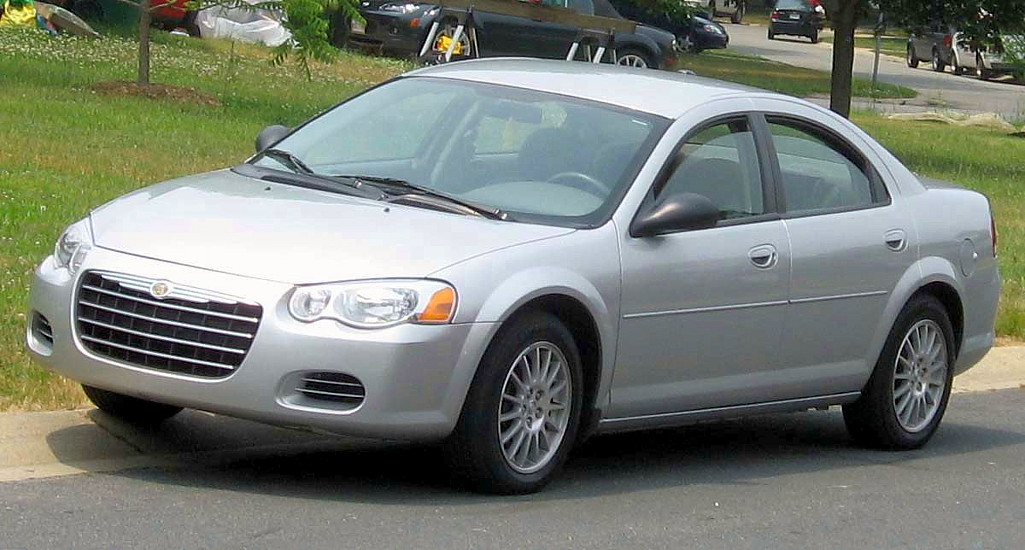
- Sebring II 2001–2006 · Sedan, Coupe
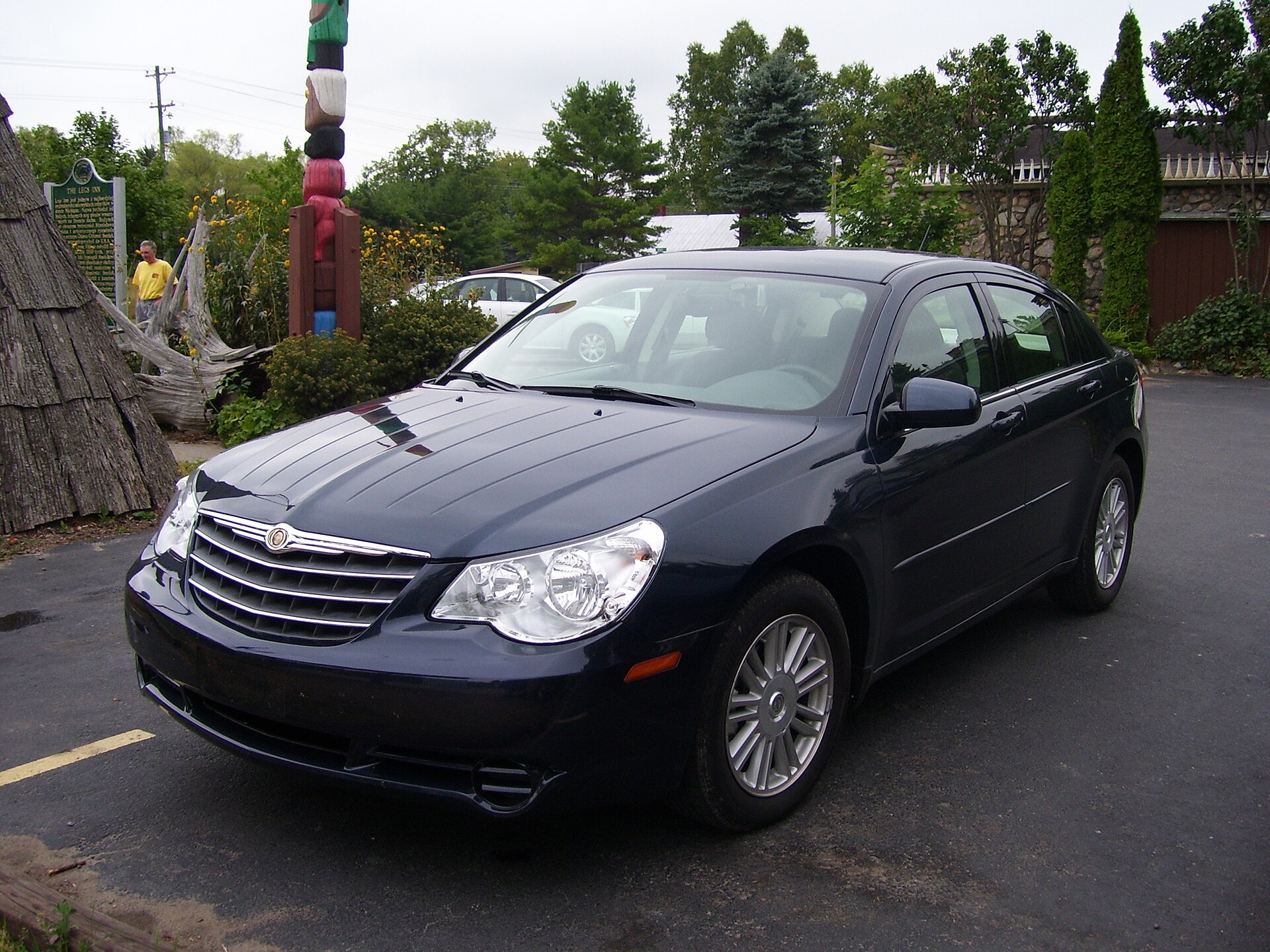
- Sebring III 2007–2010 · Sedan, Convertible
Newest first · 3 generations since 1995
-
2007
-
2001
-
1995
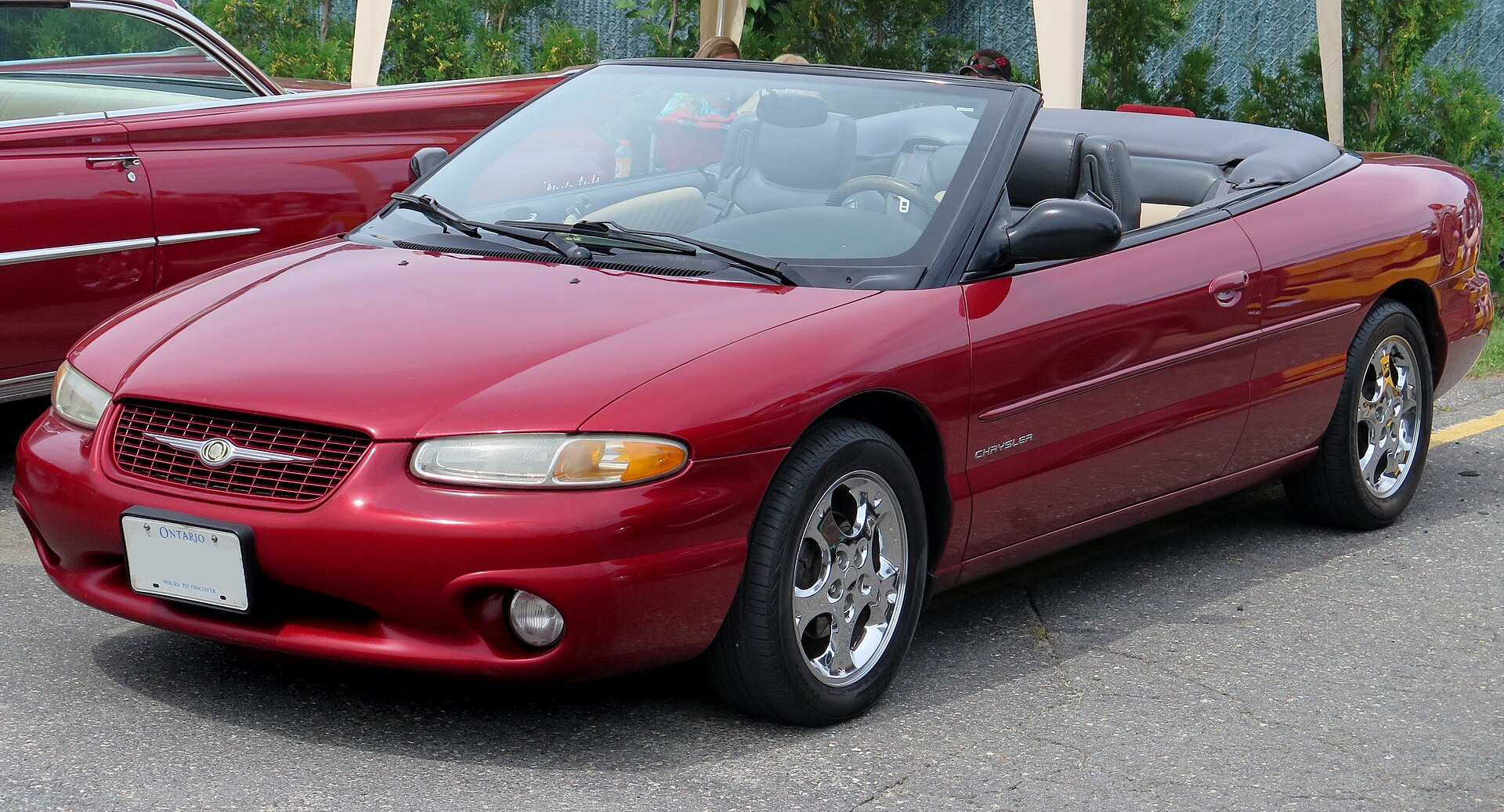


All generations by year: Sebring III (2007–2010) · Sebring II (2001–2006) · Sebring I (1995–2000)
Which one is mine?
Pick the year of first registration to see which generation it is.
- Sebring III 2007–2010
- Sebring II 2001–2006
- Sebring I 1995–2000
Verdict
Our verdict · Sarah Whitmore
The third-generation Sebring is a decent American car with good looks, a pleasant, roomy cabin and a fairly quick yet comfortable ride. It is not a car that breaks down constantly, and buyers had a wide choice of engines. The saloon and especially the convertible help the owner stand out in traffic, although parts can be hard to find and resale is not easy.
The Chrysler Sebring is a mid-size car that Chrysler built from 1995 to 2010. Over three generations it was offered in three body styles — coupe, saloon and convertible. The third and last generation appeared for the 2007 model year; by then the coupe had already been dropped, and only the saloon and convertible were built. For the 2011 model year the Sebring was extensively reworked and renamed the Chrysler 200.
In short
- Three generations: 1995–2000, 2001–2006 and 2007–2010; coupe, saloon and convertible bodies.
- The third generation (JS platform) was built in Sterling Heights, Michigan; the convertible joined for 2008 with a soft top or a retractable hardtop.
- Petrol engines from 2.4 to 3.5 litres with up to 175 kW (238 PS), a flex-fuel 2.7 V6 and, for export, a 2.0 diesel with 103 kW (140 PS).
- 441 litres of boot space in the saloon and 193 litres in the convertible.
Running cost
Fuel · Sebring 2.7 L 6 cyl Automatic 4-spd · 2009 (EPA)
about 2,800 EUR fuel a year at 15,000 km
10.7 l/100 km · petrol at 1.75 EUR/l · change mileage, fuel price or version
Specs by version
Engines
| Version | Engine | Gearbox | Drive | Production years |
|---|---|---|---|---|
| Sebring II · 2.4 L 4 cyl Automatic 4-spd · 2005 (EPA) | 2.4 l · 4 cyl 2,400 cc | 4-sp Automatic | Front-wheel drive | 2005 |
| Sebring II · 2.4 L 4 cyl Manual 5-spd · 2005 (EPA) | 2.4 l · 4 cyl 2,400 cc | 5-sp Manual | Front-wheel drive | 2005 |
| Sebring II · 2.4 L 4 cyl Automatic 4-spd · 2004 (EPA) | 2.4 l · 4 cyl 2,400 cc | 4-sp Automatic | Front-wheel drive | 2004 |
| Sebring II · 2.4 L 4 cyl Manual 5-spd · 2004 (EPA) | 2.4 l · 4 cyl 2,400 cc | 5-sp Manual | Front-wheel drive | 2004 |
| Sebring II · 2.4 L 4 cyl Automatic 4-spd · 2003 (EPA) | 2.4 l · 4 cyl 2,400 cc | 4-sp Automatic | Front-wheel drive | 2003 |
| Sebring II · 2.4 L 4 cyl Automatic 4-spd · 2003 (EPA) | 2.4 l · 4 cyl 2,400 cc | 4-sp Automatic | Front-wheel drive | 2003 |
| Sebring II · 2.4 L 4 cyl Manual 5-spd · 2003 (EPA) | 2.4 l · 4 cyl 2,400 cc | 5-sp Manual | Front-wheel drive | 2003 |
| Sebring II · 2.4 L 4 cyl Manual 5-spd · 2003 (EPA) | 2.4 l · 4 cyl 2,400 cc | 5-sp Manual | Front-wheel drive | 2003 |
| Sebring II · 3 L 6 cyl Automatic (S4) · 2005 (EPA) | 3.0 l · 6 cyl 3,000 cc | 4-sp Automatic | Front-wheel drive | 2005 |
| Sebring II · 3 L 6 cyl Automatic 4-spd · 2005 (EPA) | 3.0 l · 6 cyl 3,000 cc | 4-sp Automatic | Front-wheel drive | 2005 |
| Sebring II · 3 L 6 cyl Manual 5-spd · 2005 (EPA) | 3.0 l · 6 cyl 3,000 cc | 5-sp Manual | Front-wheel drive | 2005 |
| Sebring II · 3 L 6 cyl Automatic (S4) · 2004 (EPA) | 3.0 l · 6 cyl 3,000 cc | 4-sp Automatic | Front-wheel drive | 2004 |
| Sebring II · 3 L 6 cyl Automatic 4-spd · 2004 (EPA) | 3.0 l · 6 cyl 3,000 cc | 4-sp Automatic | Front-wheel drive | 2004 |
| Sebring II · 3 L 6 cyl Manual 5-spd · 2004 (EPA) | 3.0 l · 6 cyl 3,000 cc | 5-sp Manual | Front-wheel drive | 2004 |
| Sebring II · 3 L 6 cyl Automatic (S4) · 2003 (EPA) | 3.0 l · 6 cyl 3,000 cc | 4-sp Automatic | Front-wheel drive | 2003 |
| Sebring II · 3 L 6 cyl Automatic 4-spd · 2003 (EPA) | 3.0 l · 6 cyl 3,000 cc | 4-sp Automatic | Front-wheel drive | 2003 |
| Sebring II · 3 L 6 cyl Manual 5-spd · 2003 (EPA) | 3.0 l · 6 cyl 3,000 cc | 5-sp Manual | Front-wheel drive | 2003 |
| Sebring III · 2.4 L 4 cyl Automatic 4-spd · 2010 (EPA) | 2.4 l · 4 cyl 2,400 cc | 4-sp Automatic | Front-wheel drive | 2010 |
| Sebring III · 2.4 L 4 cyl Automatic 4-spd · 2009 (EPA) | 2.4 l · 4 cyl 2,400 cc | 4-sp Automatic | Front-wheel drive | 2009 |
| Sebring III · 2.4 L 4 cyl Automatic 4-spd · 2008 (EPA) | 2.4 l · 4 cyl 2,400 cc | 4-sp Automatic | Front-wheel drive | 2008 |
| Sebring III · 2.4 L 4 cyl Automatic 4-spd · 2007 (EPA) | 2.4 l · 4 cyl 2,400 cc | 4-sp Automatic | Front-wheel drive | 2007 |
| Sebring III · 2.7 L 6 cyl Automatic 4-spd · 2010 (EPA) | 2.7 l · 6 cyl · Petrol 2,700 cc | 4-sp Automatic | Front-wheel drive | 2010 |
| Sebring III · 2.7 L 6 cyl Automatic 4-spd · 2009 (EPA) | 2.7 l · 6 cyl · Petrol 2,700 cc | 4-sp Automatic | Front-wheel drive | 2009 |
| Sebring III · 2.7 L 6 cyl Automatic 4-spd · 2008 (EPA) | 2.7 l · 6 cyl · Petrol 2,700 cc | 4-sp Automatic | Front-wheel drive | 2008 |
| Sebring III · 2.7 L 6 cyl Automatic 4-spd · 2008 (EPA) | 2.7 l · 6 cyl 2,700 cc | 4-sp Automatic | Front-wheel drive | 2008 |
| Sebring III · 2.7 L 6 cyl Automatic 4-spd · 2007 (EPA) | 2.7 l · 6 cyl · Petrol 2,700 cc | 4-sp Automatic | Front-wheel drive | 2007 |
| Sebring III · 3.5 L 6 cyl Automatic 6-spd · 2010 (EPA) | 3.5 l · 6 cyl 3,500 cc | 6-sp Automatic | Front-wheel drive | 2010 |
| Sebring III · 3.5 L 6 cyl Automatic 6-spd · 2009 (EPA) | 3.5 l · 6 cyl 3,500 cc | 6-sp Automatic | Front-wheel drive | 2009 |
| Sebring III · 3.5 L 6 cyl Automatic 6-spd · 2008 (EPA) | 3.5 l · 6 cyl 3,500 cc | 6-sp Automatic | Front-wheel drive | 2008 |
| Sebring III · 3.5 L 4 cyl Automatic 6-spd · 2007 (EPA) | 3.5 l · 4 cyl 3,500 cc | 6-sp Automatic | Front-wheel drive | 2007 |
Performance
Show all 30 versions
| Version | Fuel consumption |
|---|---|
| Sebring II · 2.4 L 4 cyl Automatic 4-spd · 2005 (EPA) | 11.2 l/100 km21.0 mpg US · 25.2 mpg UK |
| Sebring II · 2.4 L 4 cyl Manual 5-spd · 2005 (EPA) | 9.8 l/100 km24.0 mpg US · 28.8 mpg UK |
| Sebring II · 2.4 L 4 cyl Automatic 4-spd · 2004 (EPA) | 11.2 l/100 km21.0 mpg US · 25.2 mpg UK |
| Sebring II · 2.4 L 4 cyl Manual 5-spd · 2004 (EPA) | 9.8 l/100 km24.0 mpg US · 28.8 mpg UK |
| Sebring II · 2.4 L 4 cyl Automatic 4-spd · 2003 (EPA) | 11.2 l/100 km21.0 mpg US · 25.2 mpg UK |
| Sebring II · 2.4 L 4 cyl Automatic 4-spd · 2003 (EPA) | 11.2 l/100 km21.0 mpg US · 25.2 mpg UK |
| Sebring II · 2.4 L 4 cyl Manual 5-spd · 2003 (EPA) | 9.8 l/100 km24.0 mpg US · 28.8 mpg UK |
| Sebring II · 2.4 L 4 cyl Manual 5-spd · 2003 (EPA) | 9.8 l/100 km24.0 mpg US · 28.8 mpg UK |
| Sebring II · 3 L 6 cyl Automatic (S4) · 2005 (EPA) | 11.2 l/100 km21.0 mpg US · 25.2 mpg UK |
| Sebring II · 3 L 6 cyl Automatic 4-spd · 2005 (EPA) | 11.2 l/100 km21.0 mpg US · 25.2 mpg UK |
| Sebring II · 3 L 6 cyl Manual 5-spd · 2005 (EPA) | 11.2 l/100 km21.0 mpg US · 25.2 mpg UK |
| Sebring II · 3 L 6 cyl Automatic (S4) · 2004 (EPA) | 11.2 l/100 km21.0 mpg US · 25.2 mpg UK |
| Sebring II · 3 L 6 cyl Automatic 4-spd · 2004 (EPA) | 11.2 l/100 km21.0 mpg US · 25.2 mpg UK |
| Sebring II · 3 L 6 cyl Manual 5-spd · 2004 (EPA) | 11.2 l/100 km21.0 mpg US · 25.2 mpg UK |
| Sebring II · 3 L 6 cyl Automatic (S4) · 2003 (EPA) | 11.8 l/100 km19.9 mpg US · 23.9 mpg UK |
| Sebring II · 3 L 6 cyl Automatic 4-spd · 2003 (EPA) | 11.8 l/100 km19.9 mpg US · 23.9 mpg UK |
| Sebring II · 3 L 6 cyl Manual 5-spd · 2003 (EPA) | 11.2 l/100 km21.0 mpg US · 25.2 mpg UK |
| Sebring III · 2.4 L 4 cyl Automatic 4-spd · 2010 (EPA) | 9.8 l/100 km24.0 mpg US · 28.8 mpg UK |
| Sebring III · 2.4 L 4 cyl Automatic 4-spd · 2009 (EPA) | 9.8 l/100 km24.0 mpg US · 28.8 mpg UK |
| Sebring III · 2.4 L 4 cyl Automatic 4-spd · 2008 (EPA) | 9.8 l/100 km24.0 mpg US · 28.8 mpg UK |
| Sebring III · 2.4 L 4 cyl Automatic 4-spd · 2007 (EPA) | 9.8 l/100 km24.0 mpg US · 28.8 mpg UK |
| Sebring III · 2.7 L 6 cyl Automatic 4-spd · 2010 (EPA) | 10.7 l/100 km22.0 mpg US · 26.4 mpg UK |
| Sebring III · 2.7 L 6 cyl Automatic 4-spd · 2009 (EPA) | 10.7 l/100 km22.0 mpg US · 26.4 mpg UK |
| Sebring III · 2.7 L 6 cyl Automatic 4-spd · 2008 (EPA) | 10.7 l/100 km22.0 mpg US · 26.4 mpg UK |
| Sebring III · 2.7 L 6 cyl Automatic 4-spd · 2008 (EPA) | 10.7 l/100 km22.0 mpg US · 26.4 mpg UK |
| Sebring III · 2.7 L 6 cyl Automatic 4-spd · 2007 (EPA) | 10.7 l/100 km22.0 mpg US · 26.4 mpg UK |
| Sebring III · 3.5 L 6 cyl Automatic 6-spd · 2010 (EPA) | 11.8 l/100 km19.9 mpg US · 23.9 mpg UK |
| Sebring III · 3.5 L 6 cyl Automatic 6-spd · 2009 (EPA) | 11.8 l/100 km19.9 mpg US · 23.9 mpg UK |
| Sebring III · 3.5 L 6 cyl Automatic 6-spd · 2008 (EPA) | 12.4 l/100 km19.0 mpg US · 22.8 mpg UK |
| Sebring III · 3.5 L 4 cyl Automatic 6-spd · 2007 (EPA) | 12.4 l/100 km19.0 mpg US · 22.8 mpg UK |
Verified Manufacturer and type-approval data from our catalog · Sources and methodology
Chrysler Sebring at a glance
More Chrysler models are listed in our Chrysler catalogue, and the company's background is told in our history of the Chrysler Corporation.
| Generation | Years | Bodies | Notes |
|---|---|---|---|
| First | 1995–2000 | Coupe; convertible from 1996 | Coupe on a Mitsubishi platform, built in Normal, Illinois; convertible on the Cirrus platform |
| Second | 2001–2006 | Saloon, coupe, convertible | Saloon and convertible on the JR platform; coupe ended after 2005 |
| Third | 2007–2010 | Saloon, convertible (from 2008) | JS platform, built in Sterling Heights, Michigan |
Exterior of the third generation
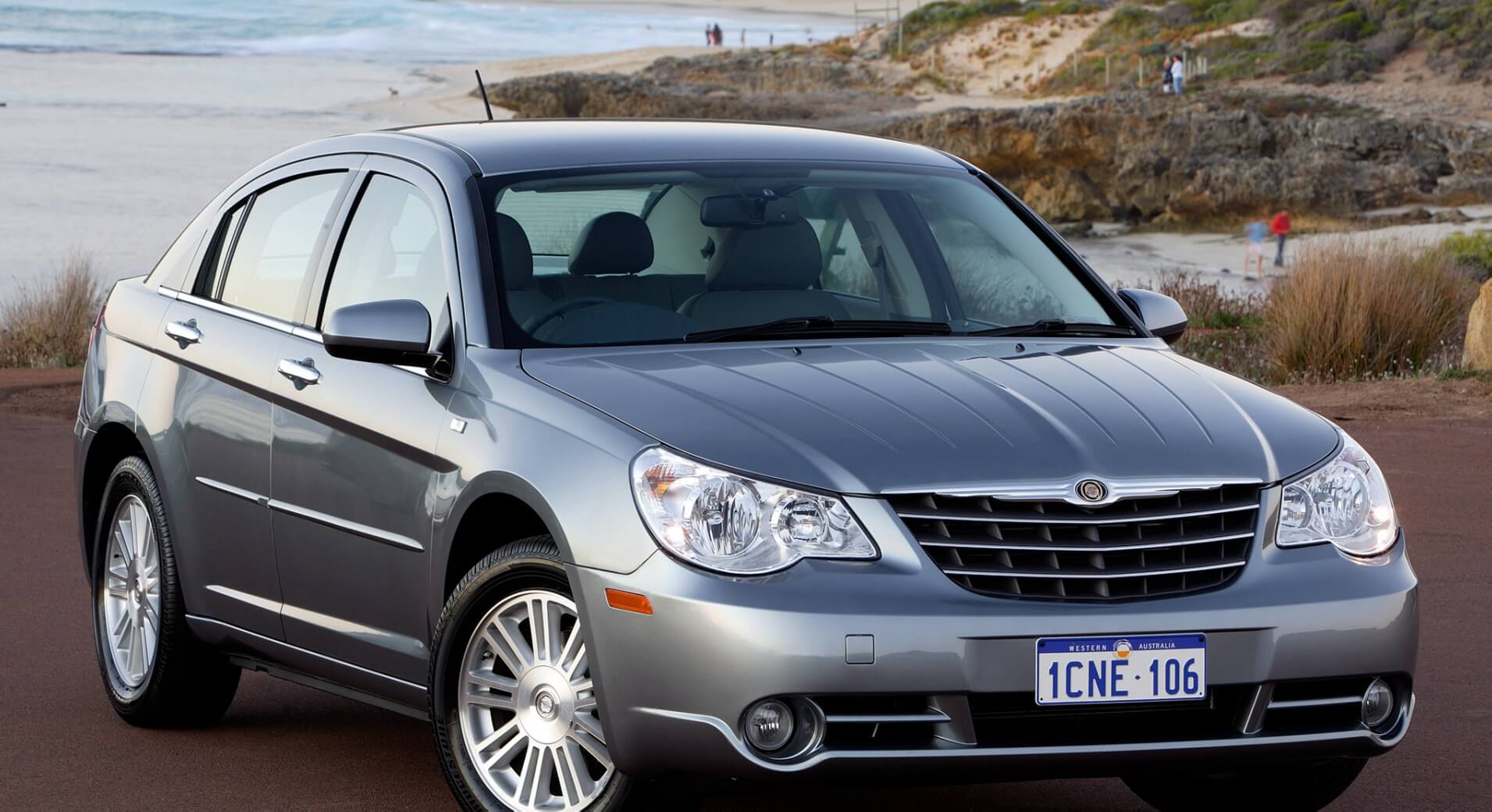
This article focuses on the last generation. Its exterior still looks good today, and it is hard to call the Sebring unattractive. The front has slightly aggressive headlights and a massive grille with the Chrysler badge. The bonnet has many lines that are there for design only; they do not affect aerodynamics, whatever it may seem at first. The large front bumper protrudes noticeably and carries headlight washers, air intakes and fog lamps.
The side has deep creases on the doors and large wheel arches. Whatever the body style, every model of this generation shares characteristic features, and almost every line shows that it is a Chrysler. The car rides on 18-inch wheels, and chrome details make it look sportier and more elegant. The convertible is a few centimetres longer than the saloon, and its styling recalls another Chrysler convertible, the Crossfire.
At the rear, the petal-shaped tail lights are partly mounted on the boot lid, and the bumper protrudes like the front one. The boot lid has a small spoiler-style lip with a brake light and the Chrysler badge, and there is one exhaust pipe on each side.
Interior
The third-generation Sebring has a roomy cabin with plenty of space in the front and rear. The driver has a simple four-spoke steering wheel, with audio buttons on some versions, and an instrument panel in which every gauge sits in its own deep cowl.
The centre console is neat and attractive. At the top is Chrysler's signature analogue clock, flanked by rectangular air vents, followed by the infotainment display and the climate controls below. Attractive, quality materials are used throughout, and the cabin offers good comfort and ergonomics. The console flows into the tunnel: below the three climate knobs is a covered compartment, then a stylish automatic gear lever, the parking-brake lever with two cupholders to its right and a comfortable armrest between the front seats. A cupholder that can heat or cool drinks is available.
Upholstery ranges from leather to more affordable materials, all of decent quality, with some wood-look trim. The front seats offer plenty of electric adjustment, but their comfort and side support are not outstanding. The rear seat is comfortable for two; the middle passenger is bothered by the transmission tunnel, though there are three full head restraints and a fold-down armrest. The saloon's boot holds 441 litres, while the convertible's is a modest 193 litres.
Engines and transmissions
Chrysler offered different engines for different countries, running on petrol, E85 bioethanol or diesel.
| Engine | Fuel | Power | Notes |
|---|---|---|---|
| 2.4 four-cylinder (World engine) | Petrol | 129 kW (176 PS) | Four-speed automatic or manual |
| 2.7 V6 | Petrol or E85 flex-fuel | 137 kW (186 PS) | Long-lived, low-stressed engine |
| 3.5 V6, multi-point injection | Petrol | 175 kW (238 PS), 315 Nm | Six-speed automatic; AWD available in 2008 |
| 2.0 turbodiesel (Volkswagen) | Diesel | 103 kW (140 PS) | Export markets only; manual gearbox |
The 2.7 V6 is not a performance engine — acceleration is unremarkable — but it is known for its durability. The 3.5 V6 saloon reaches 100 km/h in 7.3 seconds, a good result, and the most powerful versions top out at 228 km/h; combined fuel consumption is about 10.7 l/100 km. The 3.5 was paired with Chrysler's first six-speed automatic. Other gearboxes included four-speed automatics, a six-speed dual-clutch automatic and five- and six-speed manuals, depending on engine and market. All versions are front-wheel drive except the 2008 saloon with the 3.5 V6, which could be ordered with all-wheel drive.
Chassis
The suspension is independent at all four wheels, with MacPherson struts at the front and a multi-link rear axle. Steering is hydraulically assisted, and all four wheels have disc brakes, ventilated at the front. European versions received a retuned chassis that made the suspension tighter and firmer, improving handling and stability and reducing body movement, although the steering still lacked precision and sharpness.
The convertible
The Sebring convertible joined the third generation for the 2008 model year. The LX had a vinyl soft top, the Touring and Limited a cloth top, and a retractable metal hardtop was optional. The convertible was not available with all-wheel drive. With the roof stowed, the boot shrinks to 193 litres.
What owners say
Owners praise the Sebring's comfort, smooth ride and decent performance. It is almost trouble-free, the cabin is roomy, and owners describe it as reliable and predictable, with good stability at motorway speeds. On the downside, they mention a low seating position and ground clearance, a fairly small boot and limited visibility. Body parts can be hard to find, the steering is not precise, noise insulation is mediocre and the car can be difficult to resell.
Rivals
The Sebring competed mainly as a saloon, against American and Japanese models above all: the Honda Accord, Toyota Camry, Nissan Altima, Ford Fusion and Chevrolet Malibu.
Image credits · Photos from Wikimedia Commons under free licences
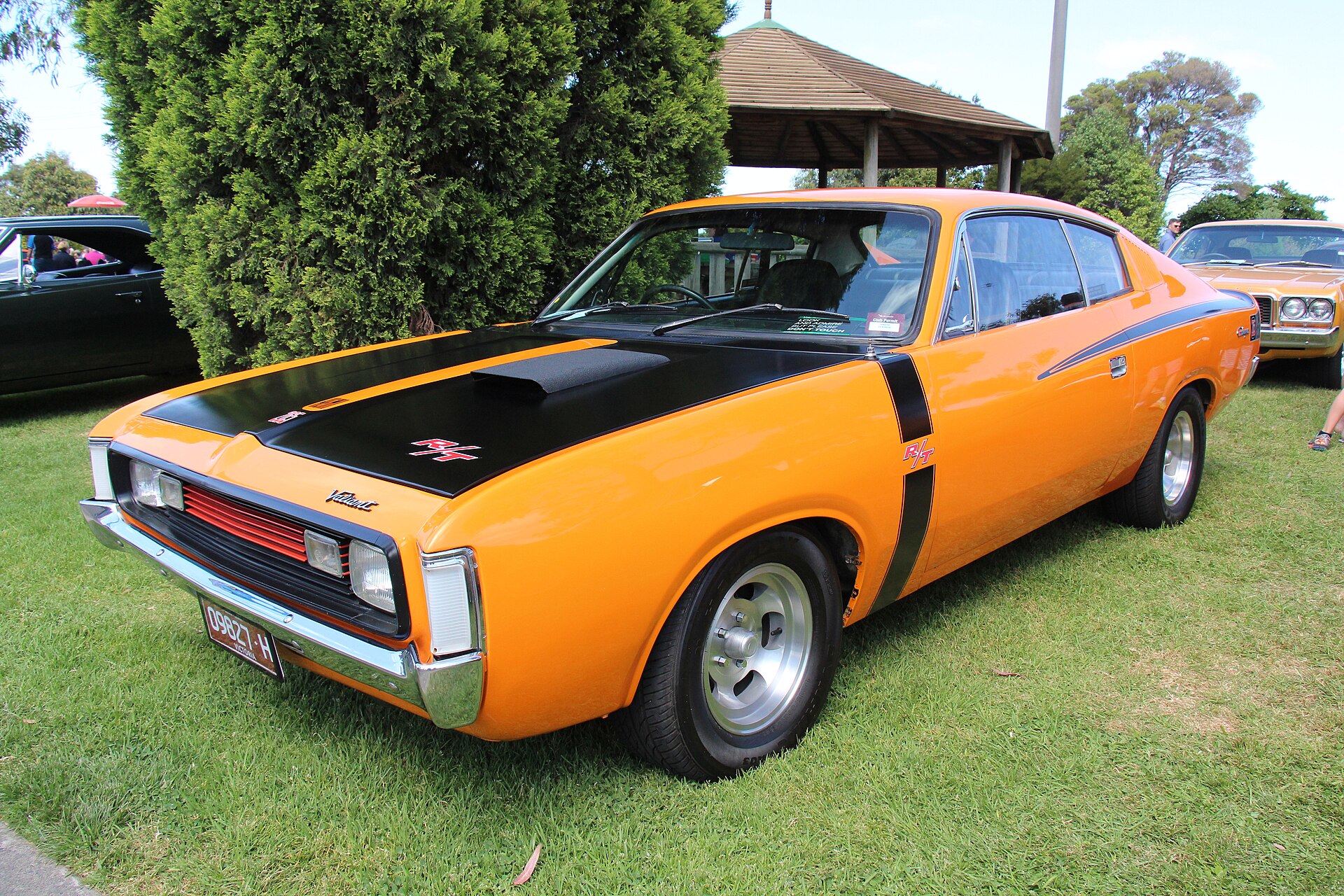
- Chrysler Sebring I · Photo: Elise240SX / Wikimedia Commons, CC BY-SA 4.0
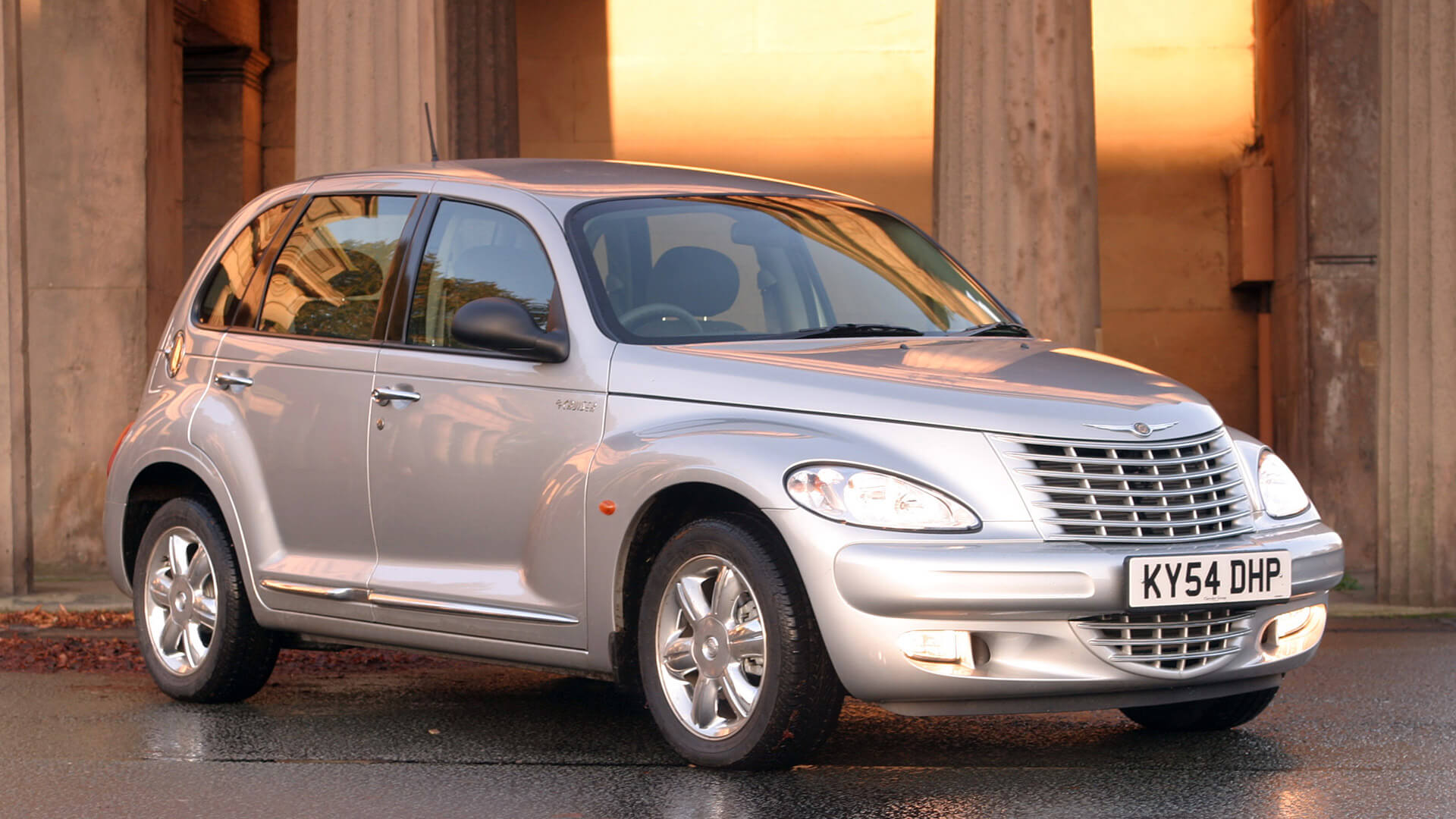
- Chrysler Sebring II · Photo: IFCAR / Wikimedia Commons, Public domain
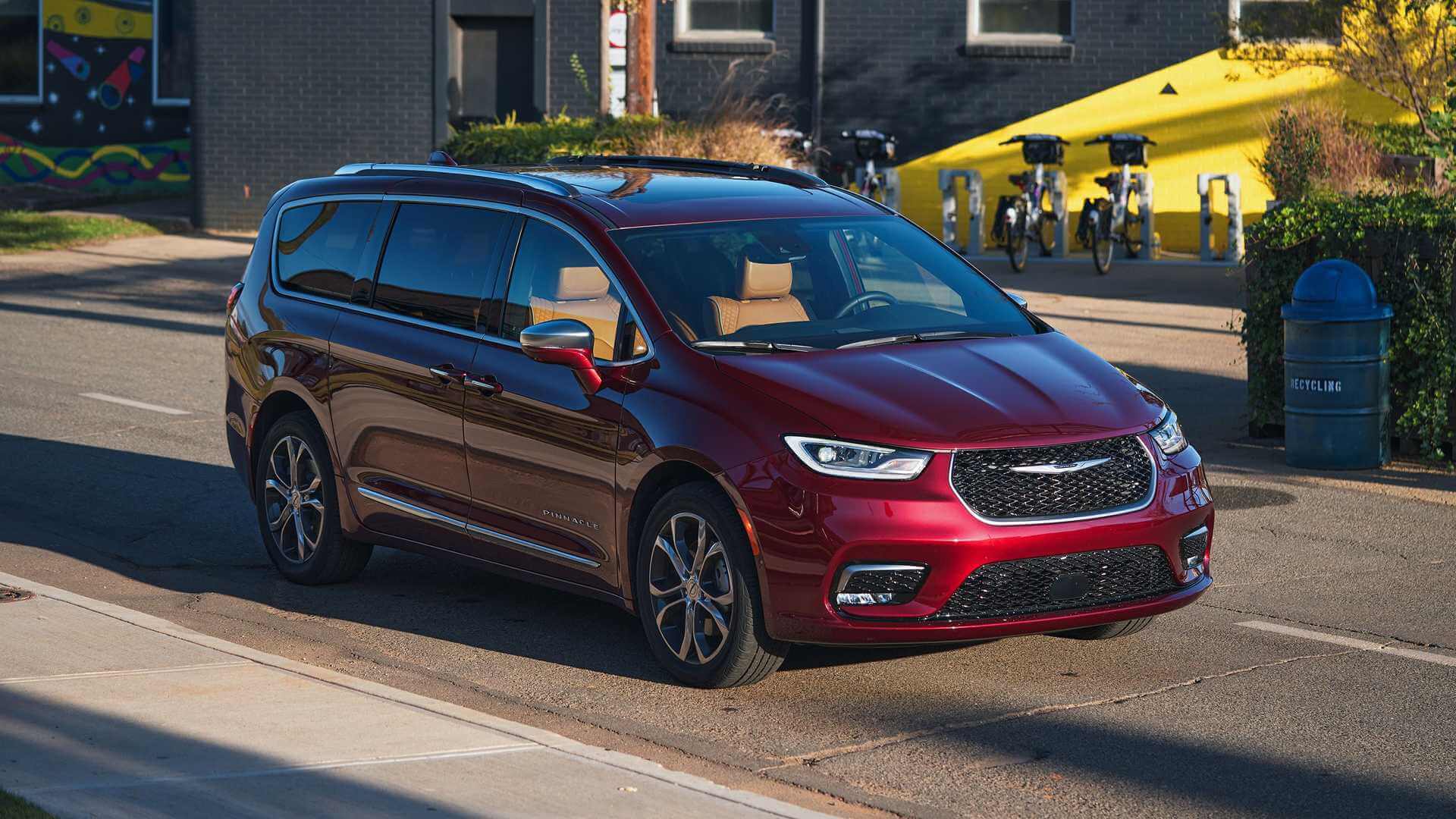
- Chrysler Sebring III · Photo: Crazytales / Wikimedia Commons, CC BY-SA 3.0
Chrysler Sebring in our rankings
- No. 245 of 912 · Longest-running car nameplates (15 years · top 28%)
- No. 232 of 557 · Biggest engines: cars (3,500 cc · top 44%)
- No. 156 of 256 · Most economical cars (9.8 l/100 km · top 62%)
- No. 163 of 345 · Cars with the most generations (3 generations · top 68%)
In production longer than 72% of ranked nameplates in the 1CARS catalog (No. 245 of 912).
FAQ
When was the Chrysler Sebring made?
From 1995 to 2010, in three generations. It was replaced by the Chrysler 200 for 2011.
What body styles did the Chrysler Sebring have?
Coupe, saloon and convertible; the coupe ended after 2005, and the last generation was a saloon and a convertible.
What engines does the third-generation Sebring have?
2.4 four-cylinder, 2.7 V6 (also flex-fuel) and 3.5 V6 petrol engines and, for export, a 2.0 Volkswagen diesel with 103 kW (140 PS).
How big is the Chrysler Sebring boot?
441 litres in the saloon and 193 litres in the convertible.
Data sources
Data checked by an editor against the sources below.
- Wikipedia — Chrysler Sebring
- US EPA fueleconomy.gov — 20692.shtml
- US EPA fueleconomy.gov — 20688.shtml
- US EPA fueleconomy.gov — 20690.shtml
- US EPA fueleconomy.gov — 20689.shtml