 Volkswagen Bora
All generations, specs and history
Published Sources (1) Report an error
By Felix Hartmann, Automotive Technology & EV Contributor
- Built
- 1999–2007
- Generations
- 2
- Top power
- 150 kW (204 PS)
Timeline
Bora generations
Click a generation for its own page


Newest first · 2 generations since 1999
All generations by year: Bora II (from 2007) · Bora 1J (1999–2006)
Which one is mine?
Pick the year of first registration to see which generation it is.
- Bora II 2007
- 1J 1999–2006
Which Bora to choose
Our verdict · Felix Hartmann
- For a European used car: a 1.9 TDI saloon or Variant from 2000–2005, with 96 or 110 kW; the V5 and V6 suit buyers who value smoothness over running costs.
- For a rare enthusiast car: the 2.8 V6 24V with 150 kW, the most powerful Bora.
- In China today: the MQB Bora with the 1.4 turbo and seven-speed dual-clutch gearbox, or the 1.2 turbo as the cheaper choice.
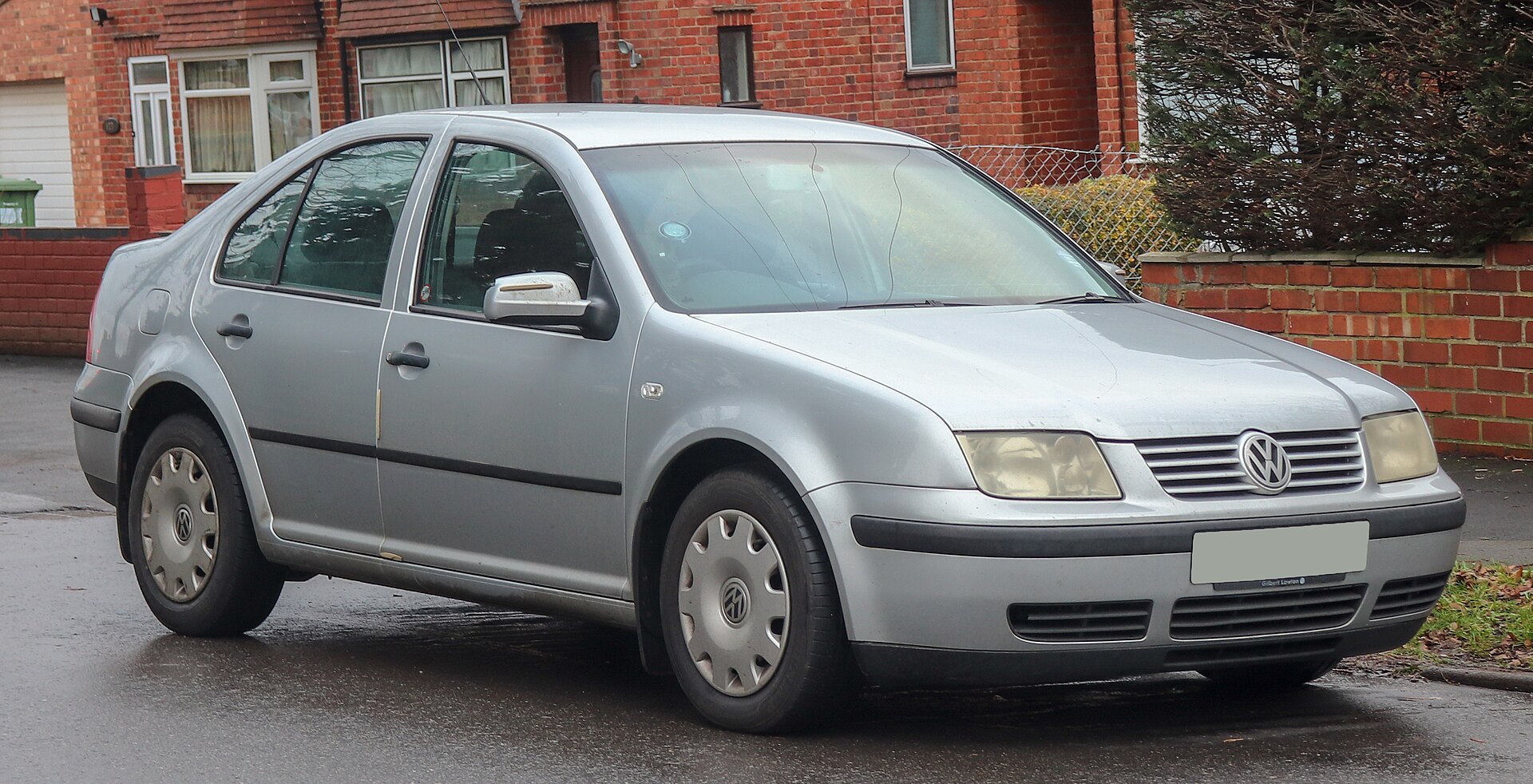
The Volkswagen Bora is a compact saloon that carries two different stories under one name. In Europe it was the fourth-generation Jetta, sold as the Bora from 1999 to 2006 as a saloon and a Variant estate. In China, FAW-Volkswagen first built that same car and then turned the Bora into a model of its own, developed locally and now in its fourth Chinese generation on the MQB platform. The name continues the wind names of earlier Jetta generations; its predecessor in Europe was the Vento.
In short
- Europe: Golf Mk4-based saloon and estate, built 1999–2006 in Wolfsburg, Bratislava and Poznań among other plants.
- China: FAW-Volkswagen Bora since 2001; China-specific generations from 2008, 2016 and 2018 (MQB, facelifted in 2022).
- European engines ranged from 55 kW to the 150 kW 2.8 V6; current Chinese cars use 1.2 and 1.4 turbo petrol engines of 85–110 kW.
- China sales: 160,171 in 2023, 101,848 in 2024 and 77,920 in 2025.
Bora at a glance
| Specification | Volkswagen Bora |
|---|---|
| Production | Europe 1999–2006; China since 2001; Mexico (as Bora/Clásico) to 2015 |
| Platform | A4 (PQ34) for the European car; Golf IV/PQ35 mix (China 2008–2018); MQB (China from 2018) |
| Body styles | 4-door saloon; 5-door Variant estate (Europe); Bora HS hatchback and C-Trek estate (China) |
| Layout | front engine, front-wheel drive; four-wheel drive available on the European car |
| Plants | Wolfsburg, Bratislava, Poznań, Puebla, Uitenhage; Changchun (FAW-Volkswagen) |
| Other names | Jetta (North America, South Africa), Bora Classic (China), City Jetta (Canada), Clásico (Mexico) |
| Predecessor | Volkswagen Vento (Europe) |
| Successor | Jetta Mk5 (Europe); Chinese Bora generations |
All Volkswagen models in the catalogue, including the Bora, are listed in our Volkswagen catalogue. The Jetta line that the European Bora belongs to is described in our Volkswagen Jetta history, and its hatchback twin in our overview of all Golf generations.
Bora generations
| Generation | Market | Years | Body styles | Engines | Power (kW / PS) |
|---|---|---|---|---|---|
| Bora (Jetta Mk4, code 1J) | Europe, China, Latin America | 1999–2006 (Europe) | saloon, Variant estate | 1.4–2.8 petrol, 1.9 SDI/TDI diesel | 50–150 kW (68–204 PS) |
| New Bora (second Chinese generation) | China | 2008–2015 | saloon | 1.4 TSI, 1.6, 2.0 | 75–96 kW (101–131 PS) |
| Third Chinese generation | China | 2016–2018, later as Bora Classic | saloon, C-Trek estate | 1.6, 1.4 turbo | 81–96 kW (110–131 PS) |
| Fourth Chinese generation (MQB) | China | 2018 onwards | saloon, e-Bora electric | 1.2 turbo, 1.4 turbo, 1.5 | 84–110 kW (115–150 PS) |
The European Bora (1999–2006)
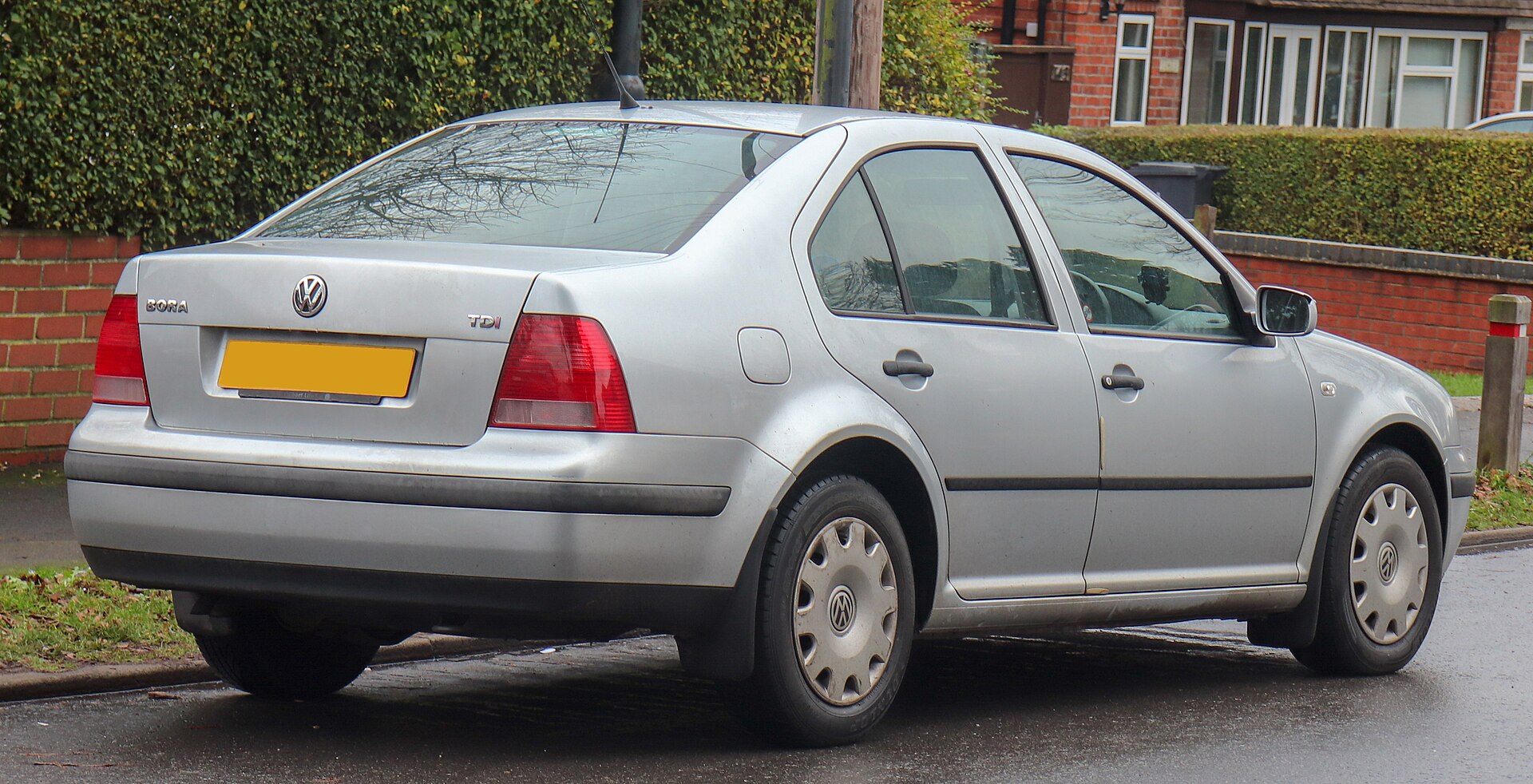
The Bora was Volkswagen's saloon version of the Golf Mk4 and replaced the Vento. It used the A4 (PQ34) platform shared with the Golf, the Audi A3, the SEAT León and Toledo and the Škoda Octavia, but as a notchback saloon it had its own rear end and different rear doors from the five-door Golf. In North America and South Africa the same car kept the Jetta name.
The saloon was 4,380 mm long on a 2,510 mm wheelbase; the estate measured 4,410 mm on 2,520 mm, so the Variant added only 30 mm of length. Width was 1,730 mm, height 1,440 mm for the saloon and 1,490 mm for the estate. The estate was sold in Europe as the Bora Variant and was positioned slightly above the Golf Variant in some countries; elsewhere Volkswagen sold it only as a Golf.
Engines of the European Bora
| Engine | Years | Power |
|---|---|---|
| 1.4 petrol (base engine) | - | 55 kW (75 PS) |
| 1.8 T 20V | 2000–2005 | 110 kW (150 PS) |
| 1.8 T 20V (AUQ) | 2001–2005 | 132 kW (180 PS) |
| 2.3 V5 10V | 1998–2001 | 110 kW (150 PS) |
| 2.3 V5 20V | 2000–2003 | 125 kW (170 PS) |
| 2.8 V6 12V | 1999–2001 | 132 kW (180 PS) |
| 2.8 V6 24V | 2001–2004 | 150 kW (204 PS) |
| 1.9 SDI diesel (base diesel) | - | 50 kW (68 PS) |
| 1.9 TDI (ASZ) | 2001–2005 | 96 kW (130 PS) |
| 1.9 TDI (ARL) | 2000–2005 | 110 kW (150 PS) |
Gearboxes were five- and six-speed manuals, a four-speed automatic, a five-speed Tiptronic and, late in production, a six-speed automatic. Four-wheel drive was available as an alternative to front-wheel drive.
In the United States the car, sold as the Jetta, received five stars from NHTSA for driver and passenger in the frontal crash test and four stars in the side test, and the IIHS rated it "Good" in its frontal offset test.


Volkswagen Bora in China
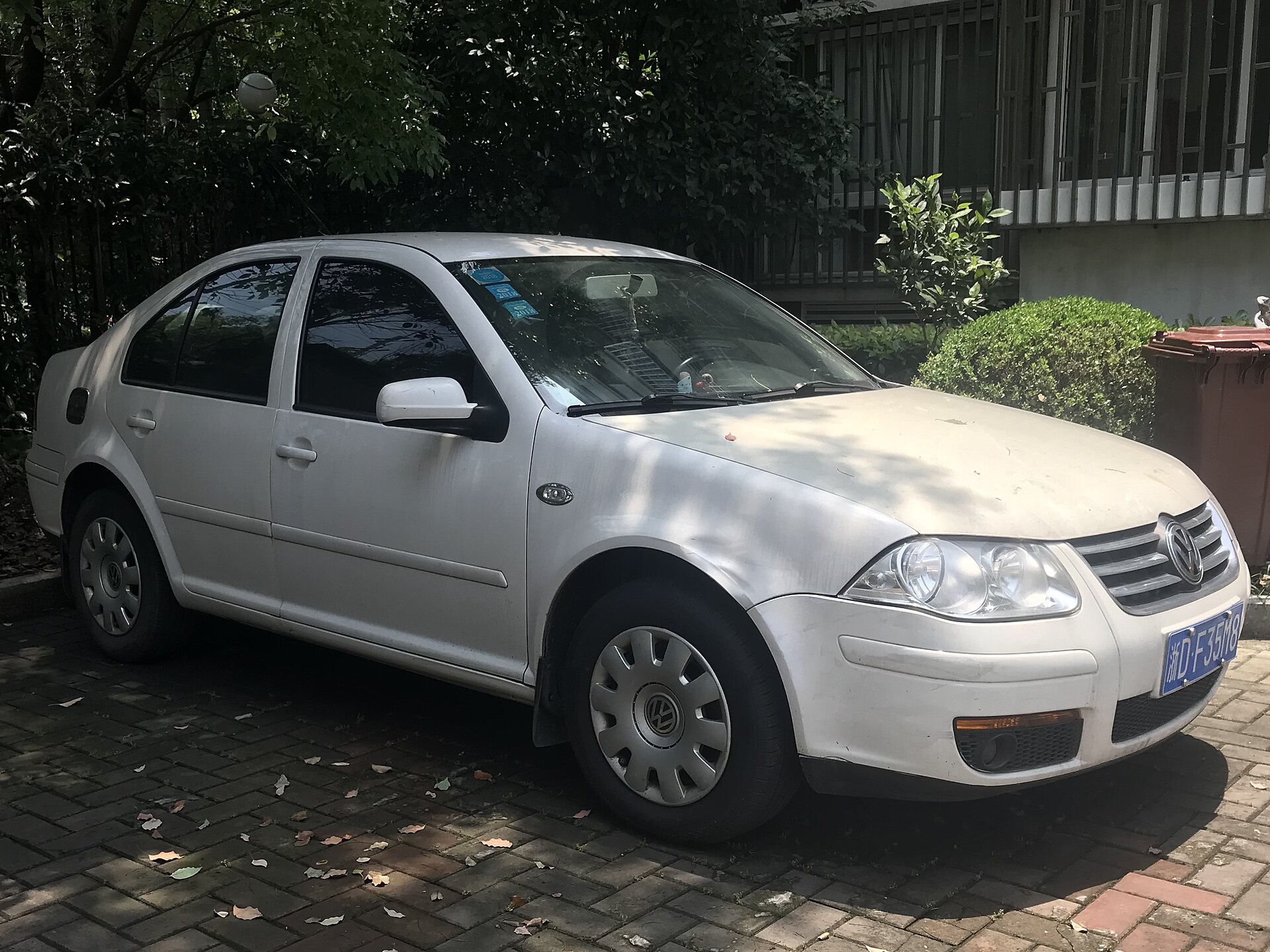
FAW-Volkswagen built the European Bora in Changchun from 2001. In summer 2006 it received a facelift with a front end in the style of the Passat of that time, and until 2008 it was sold as the Bora Classic, together with a short Bora HS hatchback (4,178 mm long).
New Bora (2008)
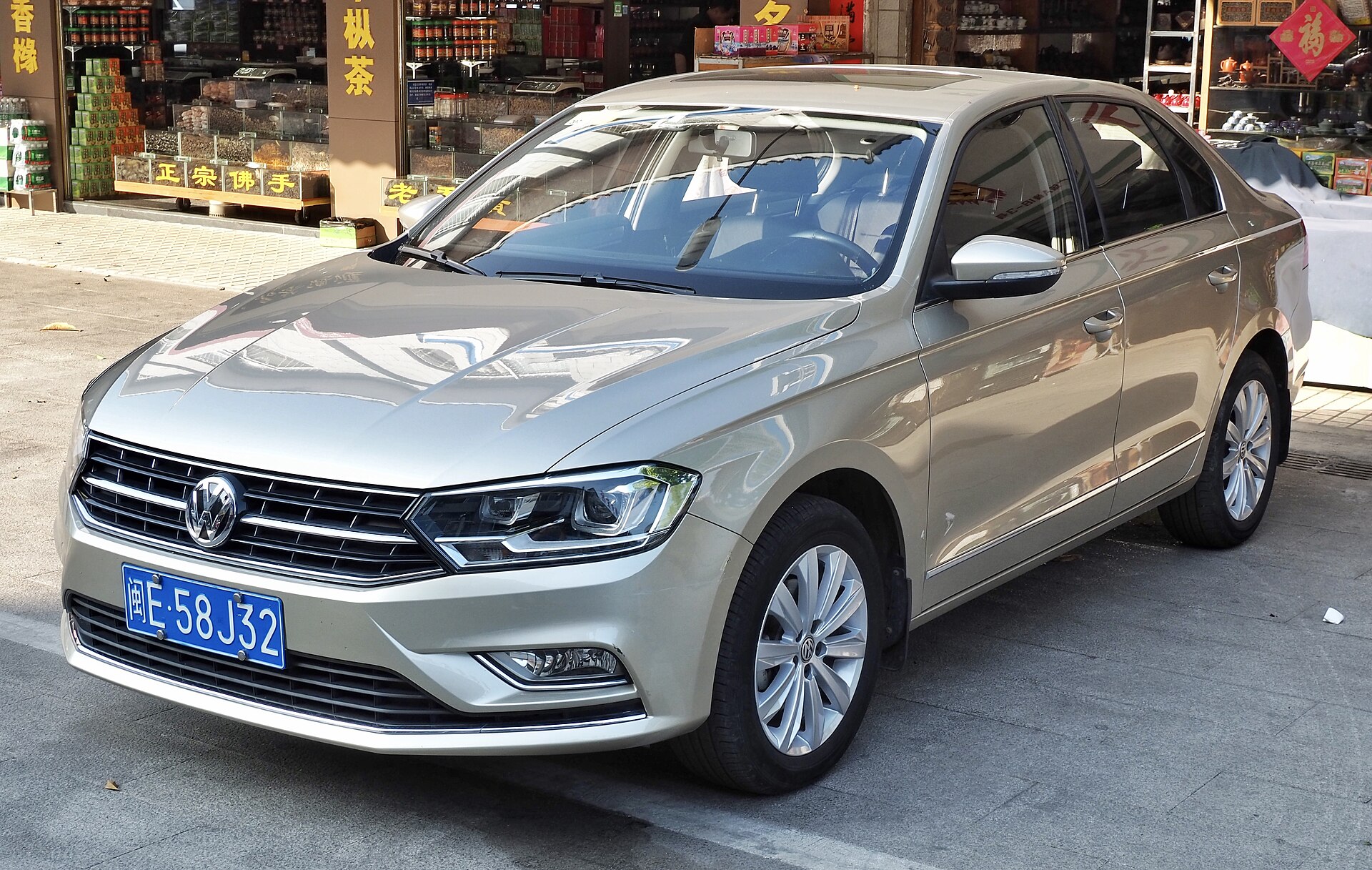
In 2008 FAW-Volkswagen launched the New Bora, a complete makeover developed in China on the Golf IV platform with some PQ35 components. It offered a 1.6 with 75–77 kW (101–104 PS), a 2.0 with 88 kW (120 PS) and, in the Bora Sport, a 1.4 TSI with 96 kW (131 PS). A six-speed manual and a seven-speed gearbox were offered. A facelift followed in December 2012, together with a sportier Bora Sportline.
Third generation (2016)
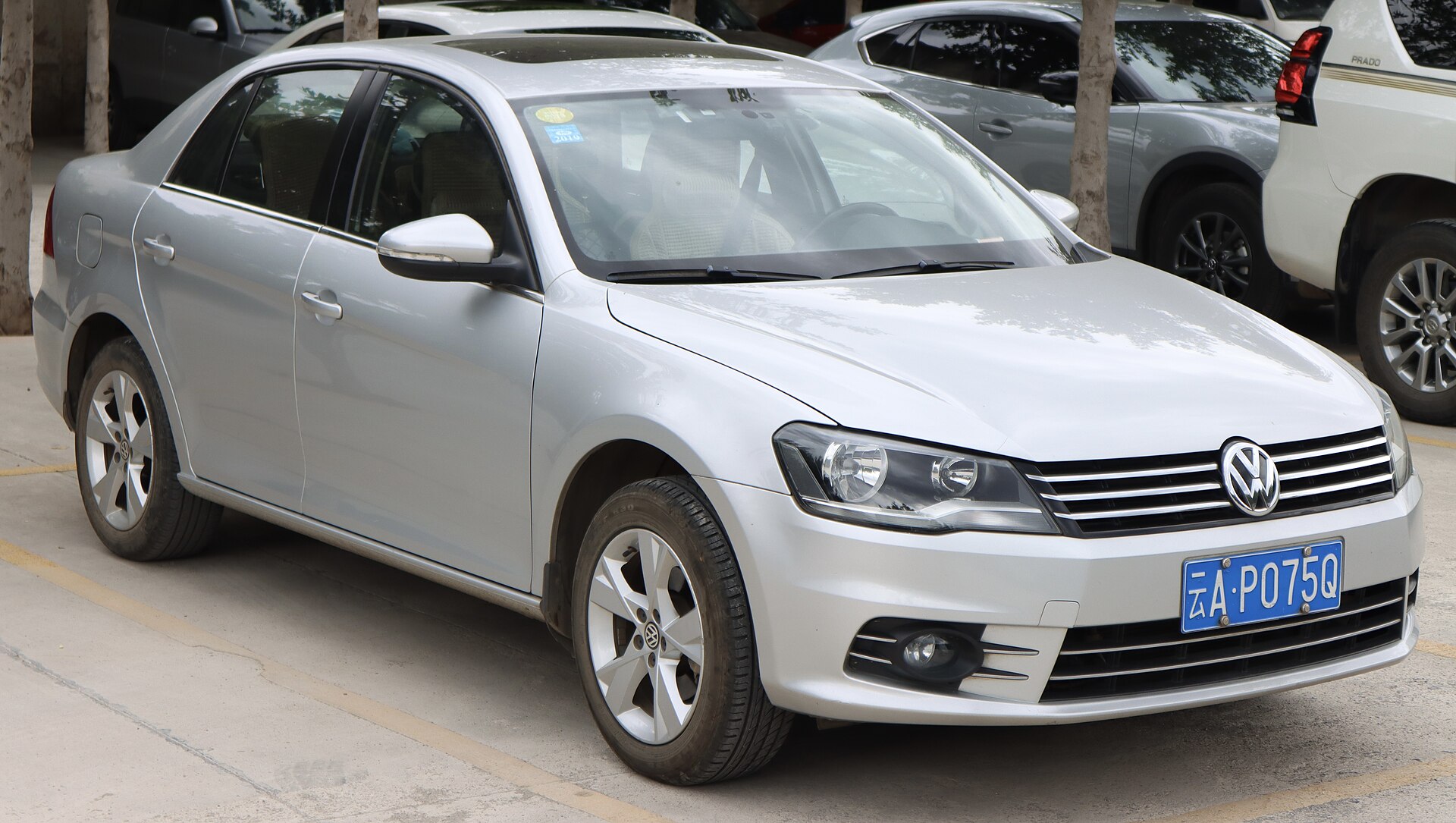
The third Chinese Bora of March 2016 had a new exterior but kept the platform, engines and interior of its predecessor. The 1.6 had 81 kW (110 PS) and 155 Nm with a five-speed manual or six-speed automatic; the 1.4 turbo had 96 kW (131 PS) and 225 Nm with a seven-speed dual-clutch gearbox. An estate version was sold as the C-Trek. In May 2019 the car was still on sale as the Bora Classic at 106,800–116,800 yuan in 2019 (about €13,800–15,100).
MQB generation (2018) and 2022 facelift
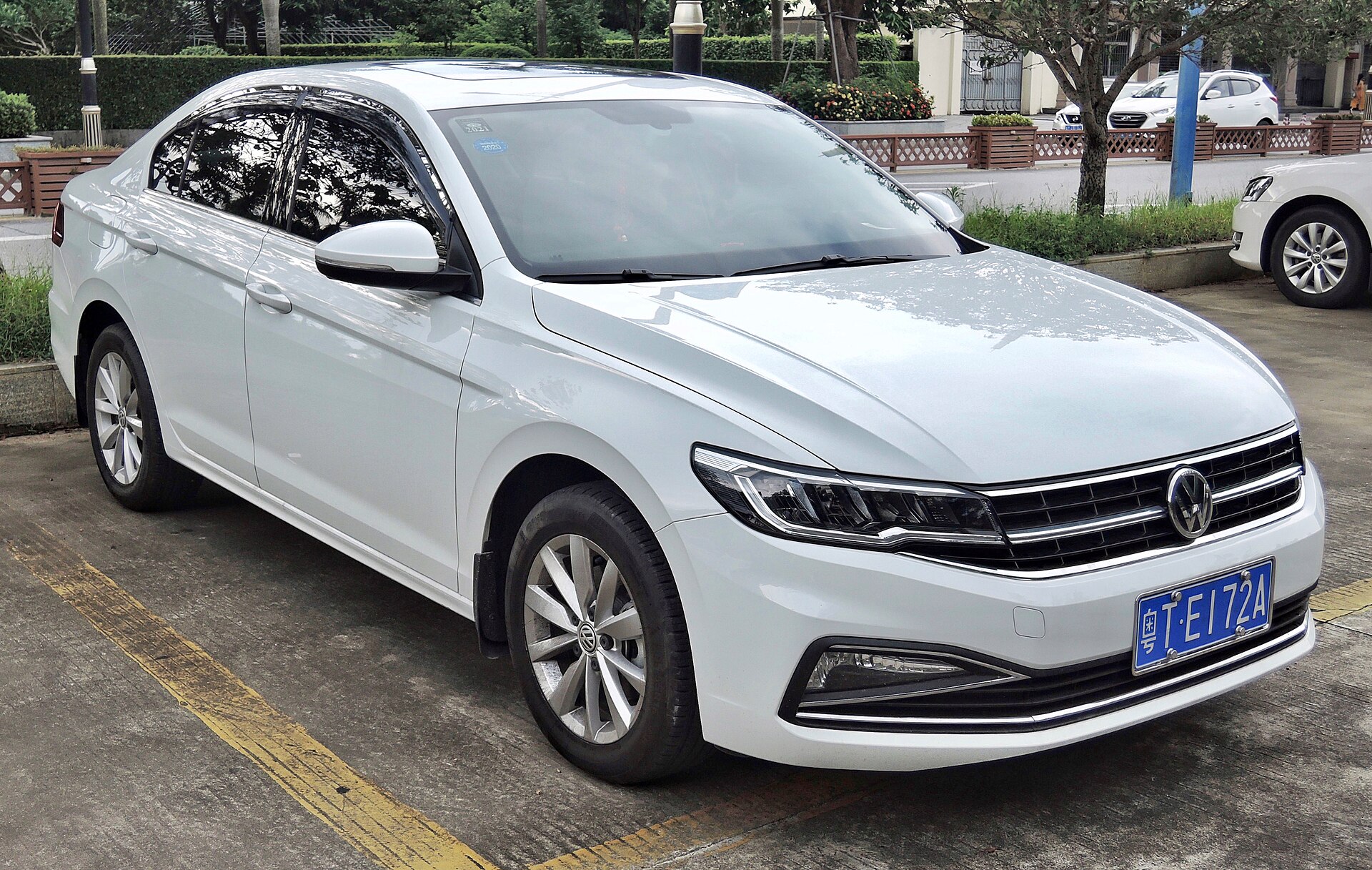
The current Bora was revealed in April 2018 and went on sale in September 2018 on the MQB platform, close in size to the Lavida Plus. It started at around 115,000 yuan in 2018 (about €14,700). Engines were a 1.5 with 84 kW (115 PS) and 150 Nm and a 1.4 turbo with 110 kW (150 PS) and 250 Nm. An electric e-Bora was added to the range.
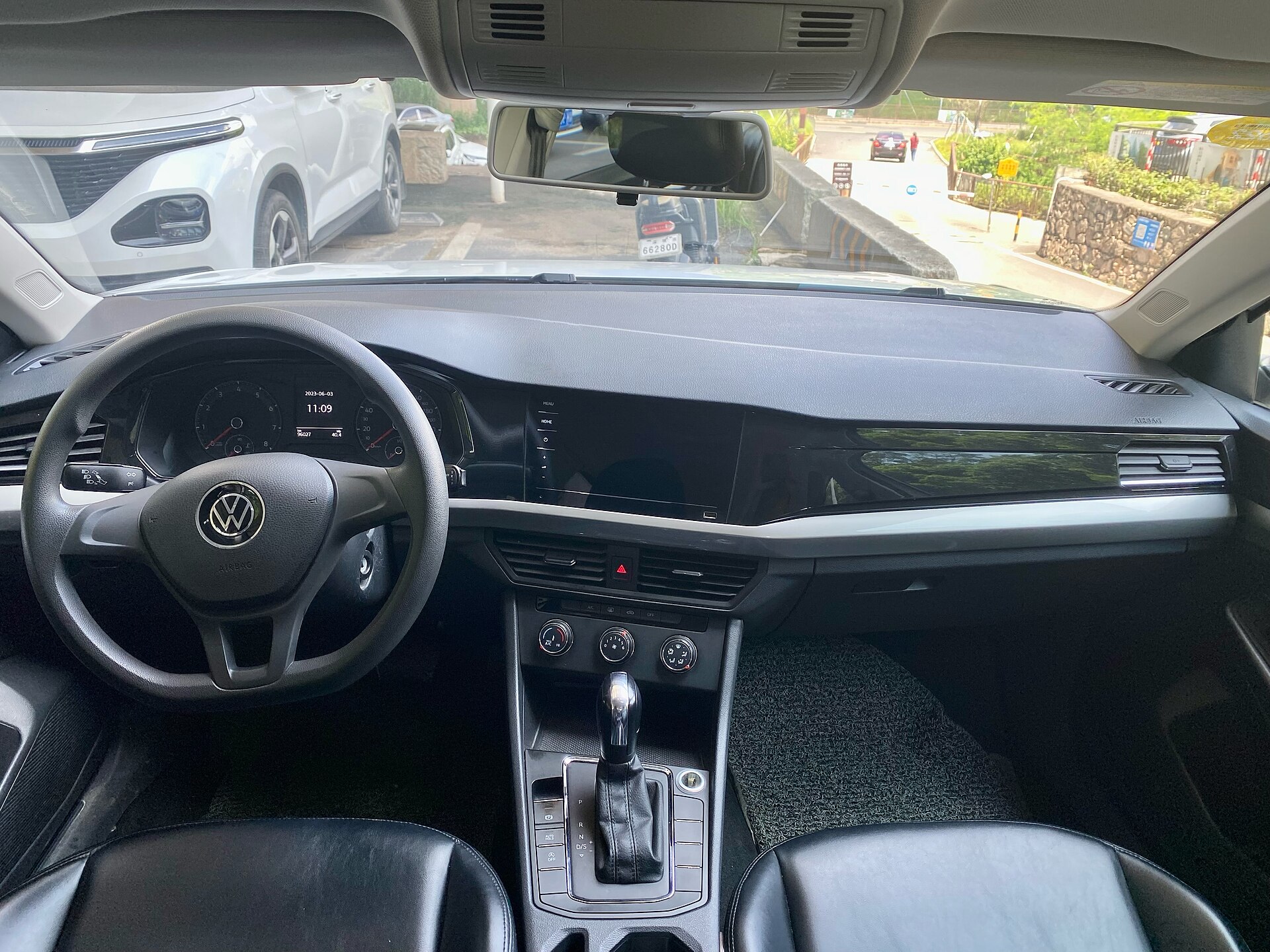
The facelift of June 2022 revised the exterior and dropped the 1.5. Since then the Bora has used a 1.2 turbo with 85 kW (116 PS) and 200 Nm or the 1.4 turbo with 110 kW (150 PS) and 250 Nm, with a five-speed manual or a seven-speed dual-clutch gearbox. Sales in China fell from 160,171 cars in 2023 to 77,920 in 2025.


Key specifications: Bora 1.4 turbo (China, 2022 facelift)
| Parameter | Metric | Imperial |
|---|---|---|
| Engine | 1.4-litre turbocharged four-cylinder petrol | 1.4-litre turbo |
| Power | 110 kW (150 PS) | 110 kW (148 hp) |
| Torque | 250 Nm | 184 lb-ft |
| Gearbox | 7-speed dual-clutch | 7-speed dual-clutch |
| Drive | front-wheel drive | front-wheel drive |

Latin America: Bora and Clásico
In Mexico the Mk4 saloon stayed in production at Puebla until 2015, built alongside the newer Jetta and sold as the Clásico from 2010. Latin NCAP tested the basic version with two airbags in 2012 and gave it three stars for adult and three for child occupants.
To compare the Bora with Chinese-market rivals such as the Nissan Sylphy, use our car comparison tool.
Photo gallery


Image credits · Photos from Wikimedia Commons under free licences
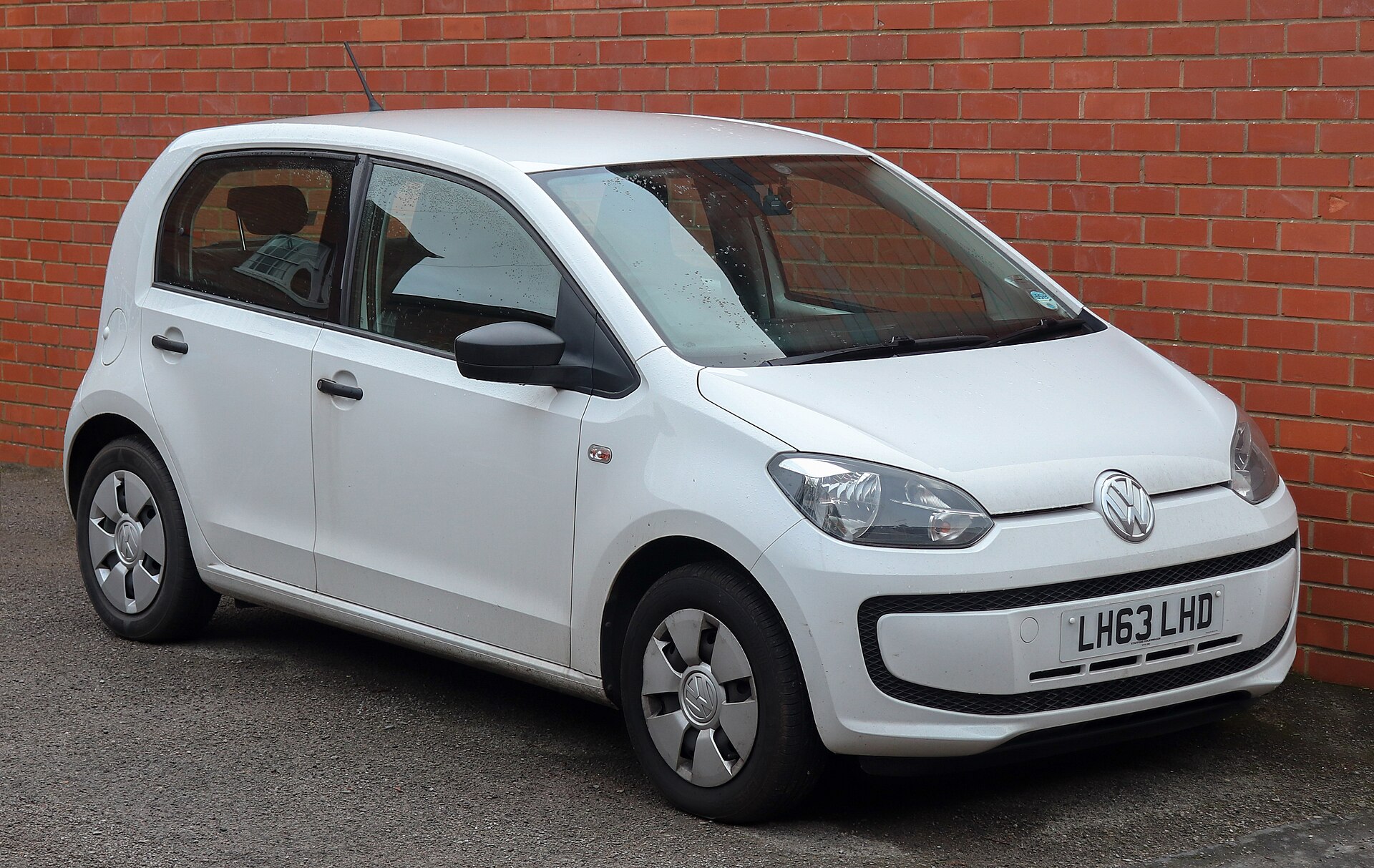
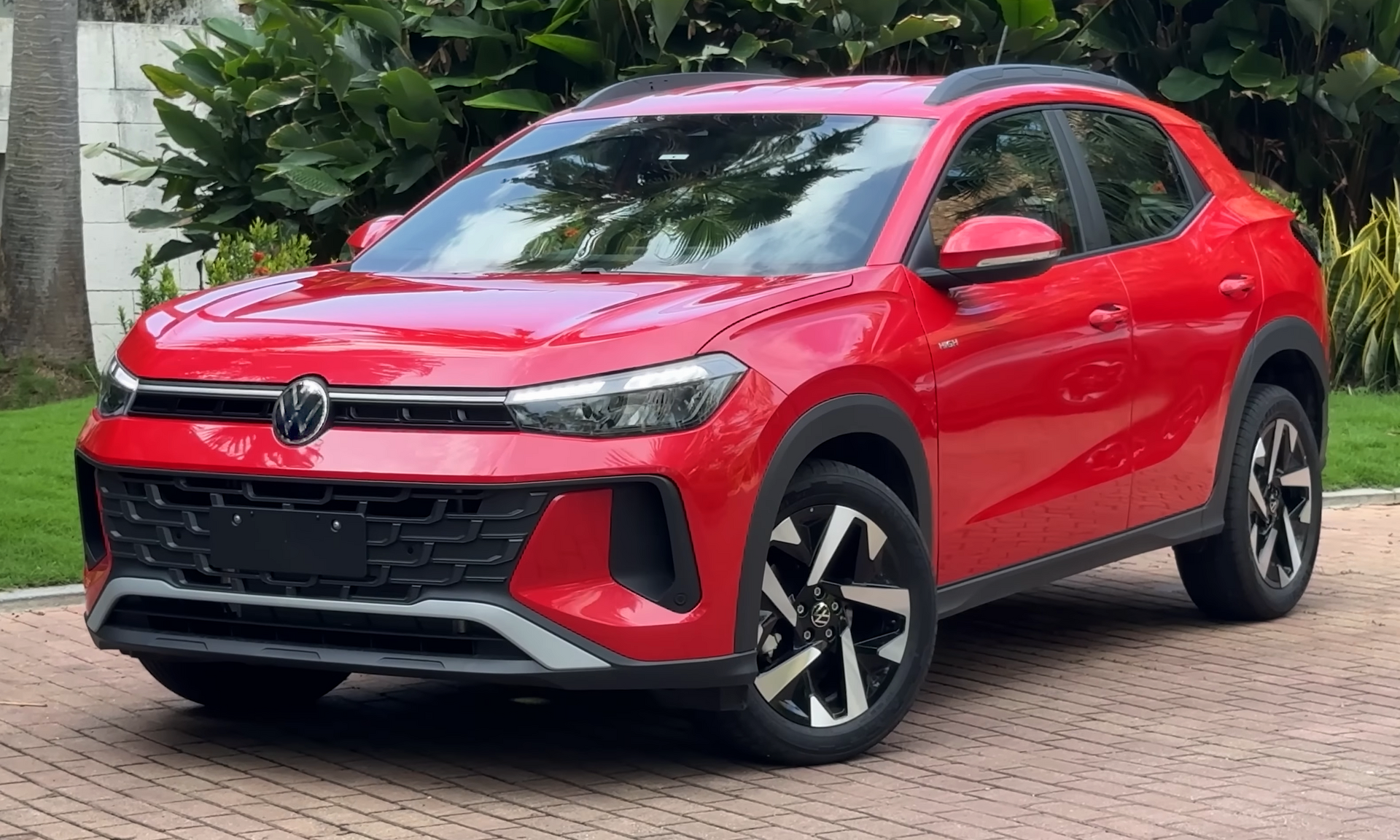
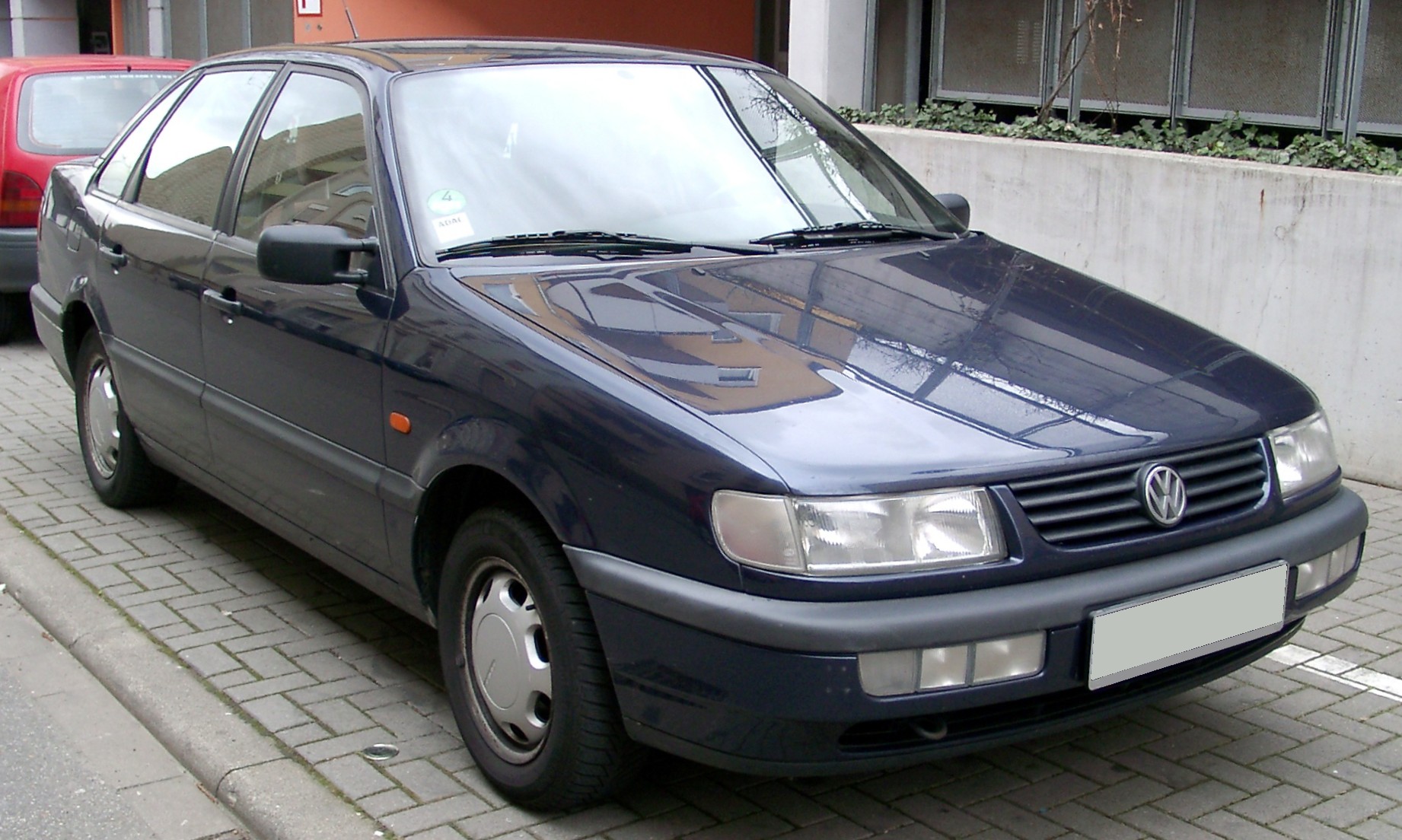
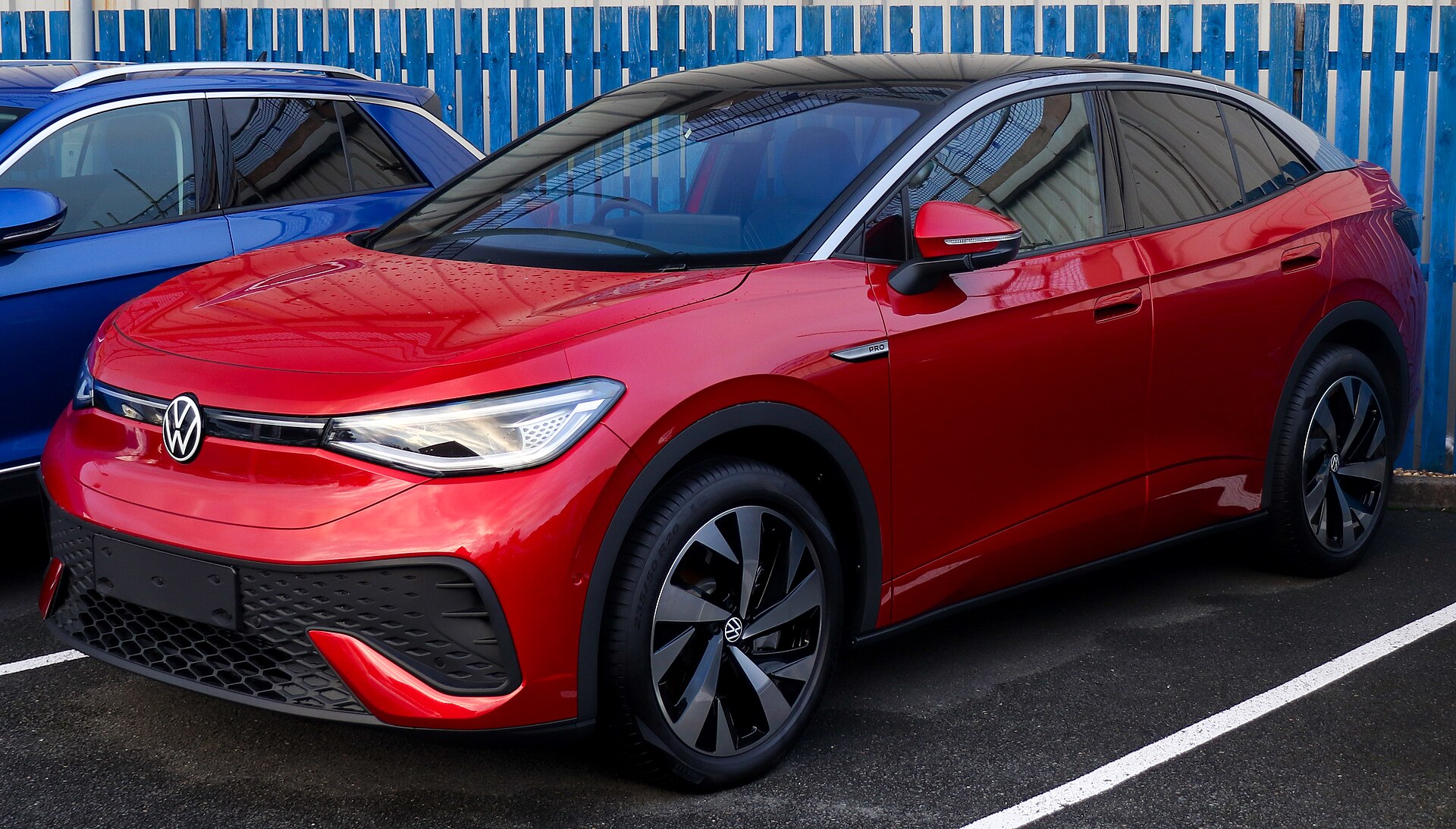
- Volkswagen Bora II · Photo: Just a Man / Wikimedia Commons, CC BY 4.0
Volkswagen Bora in our rankings
- No. 547 of 1082 · Longest-running car nameplates (8 years · top 54%)
- No. 679 of 1011 · Most powerful cars (150 kW · top 68%)
- No. 120 of 151 · Most powerful German cars (150 kW · top 80%)
- No. 300 of 411 · Cars with the most generations (2 generations)
In production longer than 46% of ranked nameplates in the 1CARS catalog (No. 547 of 1082).
Volkswagen Bora photos 6
FAQ
Is the Volkswagen Bora the same as the Jetta?
The European Bora of 1999–2006 is the fourth-generation Jetta; North America and South Africa kept the Jetta name. FAW-Volkswagen's Bora generations since 2008 are separate models.
Where does the name Bora come from?
It is the name of a wind, continuing the wind names used for earlier Jetta generations such as the Vento.
Is the Volkswagen Bora still made?
Yes, in China. FAW-Volkswagen builds the MQB-based Bora, facelifted in 2022.
What engines does the current Bora have?
A 1.2 turbo with 85 kW (116 PS) and a 1.4 turbo with 110 kW (150 PS).
Was the European Bora available as an estate?
Yes, as the Bora Variant, built from the same base as the Golf Variant.
Data sources
Data checked by an editor against the sources below.