 Lancia Fulvia
Specs, engines and history
Published Sources (1) Report an error
By Felix Hartmann, Automotive Technology & EV Contributor
- Built
- 1963–1976
- Top power
- 85 kW (116 PS)
Which Fulvia to choose
Our verdict · Felix Hartmann
- For everyday classic use: a Series 2 Coupé 1.3 S with the five-speed gearbox and servo brakes.
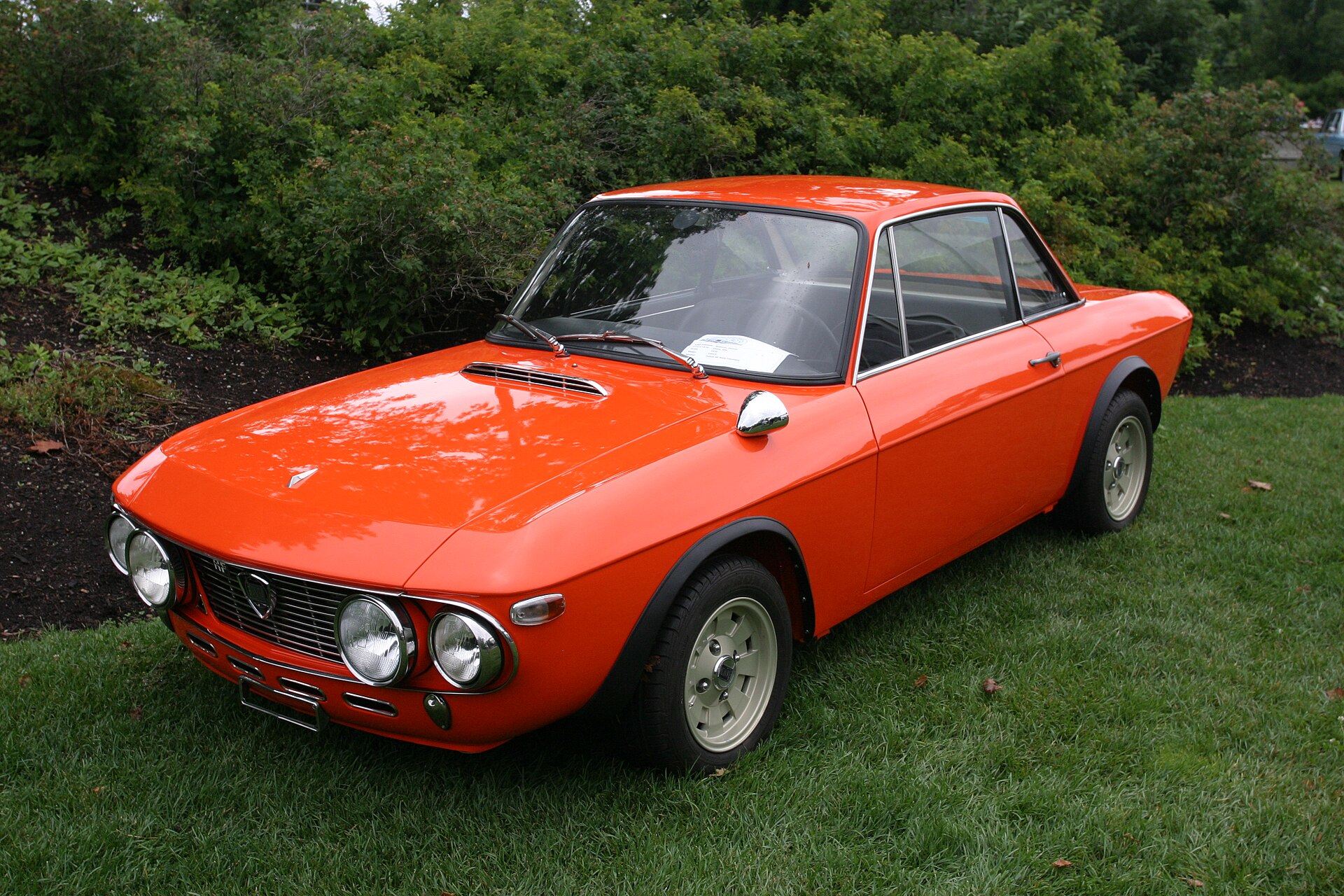
- For rally history: a Coupé HF, ideally a 1.6 HF "Fanalone".
- For style: a Sport by Zagato; the Series 1 aluminium cars (202 built) are the rarest.
- For space: a Berlina, the most common version with 192,097 built.
Other Lancia models are in the Lancia catalogue, and more cars of the period under 1960s classics.
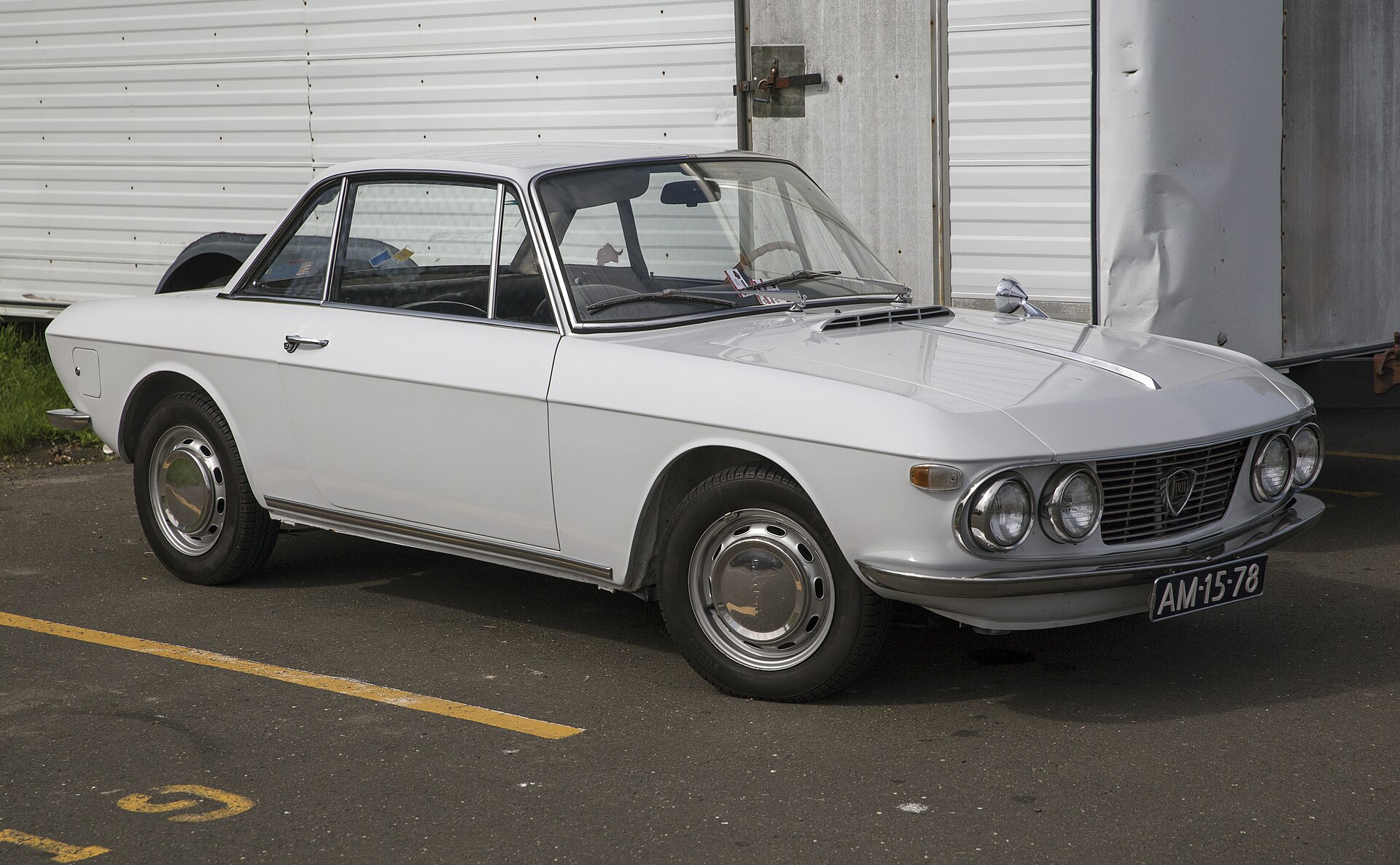
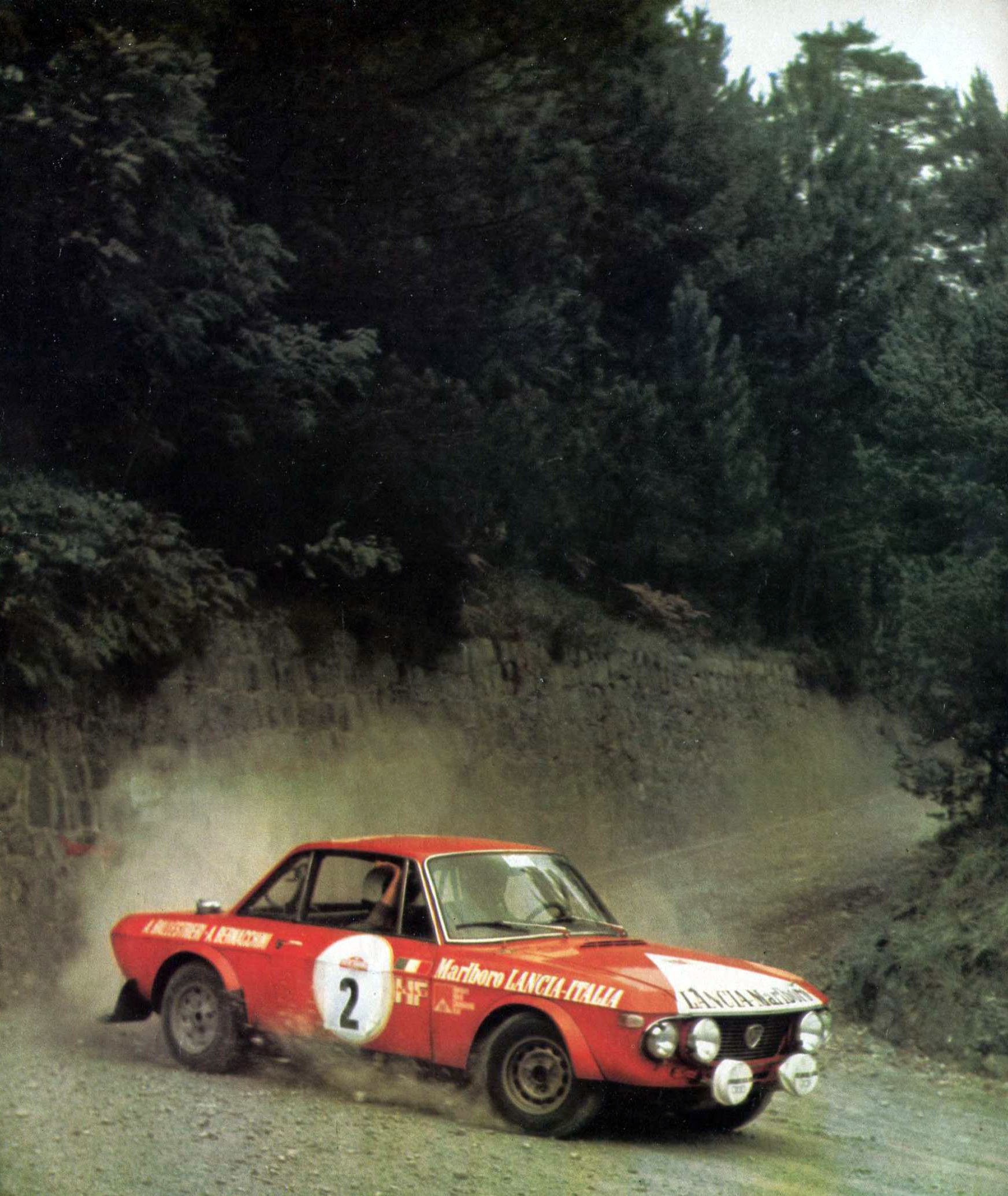
The Lancia Fulvia is the compact front-wheel-drive car with a narrow-angle V4 engine that Lancia built from 1963 to 1976 as a saloon (Berlina), a coupé and the Zagato-bodied Sport. Introduced at the 1963 Geneva Motor Show, it combined a twin-cam V4 of only 1.1 to 1.6 litres with disc brakes. The Coupé HF became one of the most successful rally cars of its time: it won the 1972 International Championship for Manufacturers and the Monte Carlo Rally that year.
In short
- Berlina from 1963, Coupé 1965–1976, Sport (Zagato) from 1965: 192,097, 139,797 and 7,102 built.
- Narrow-angle DOHC V4 from 1,091 cc with 43 kW (58 CV) to 1,584 cc with 85 kW (115 CV) in the 1.6 HF "Fanalone".
- Front-wheel drive with the engine mounted ahead of the front axle, longitudinally.
- Road & Track called it "a precision motorcar, an engineering tour de force".
Size at a glance
| Dimensions | Lancia Fulvia Berlina / Coupé / Sport |
|---|---|
| Length | 3,975 mm156.5 in |
| Width | 1,555 mm61.2 in |
| Height | 1,300 mm51.2 in |
| Wheelbase | 2,330 mm91.7 in |
Specs by version
Engines
| Version | Engine | Power | Gearbox | Drive | Production years |
|---|---|---|---|---|---|
| Berlina 1.1 (1091 cc) | 1.1 l · 4 cyl · Petrol 1,091 cc | 43 kW 58 PS58 hp | 4-sp Manual | Front-wheel drive | 1963 |
| Coupé 1.3 S Series 2 (1298 cc) | 1.3 l · 4 cyl · Petrol 1,298 cc | 66 kW 90 PS89 hp | 5-sp Manual | Front-wheel drive | 1970 |
| Sport 1.3 S Zagato (1298 cc) | 1.3 l · 4 cyl · Petrol 1,298 cc | 66 kW 90 PS89 hp | 5-sp Manual | Front-wheel drive | 1970 |
| Coupé 1.6 HF (1584 cc) | 1.6 l · 4 cyl · Petrol 1,584 cc | 85 kW 116 PS114 hp | Manual | Front-wheel drive | — |
Dimensions and weight
Show all 4 versions
| Version | Length | Width | Height | Wheelbase |
|---|---|---|---|---|
| Berlina 1.1 (1091 cc) | 4,110 mm161.8 in | 1,555 mm61.2 in | 1,400 mm55.1 in | — |
| Coupé 1.3 S Series 2 (1298 cc) | 3,975 mm156.5 in | 1,555 mm61.2 in | 1,300 mm51.2 in | 2,330 mm91.7 in |
| Sport 1.3 S Zagato (1298 cc) | 4,090 mm161.0 in | 1,570 mm61.8 in | 1,200 mm47.2 in | 2,330 mm91.7 in |
| Coupé 1.6 HF (1584 cc) | 3,975 mm156.5 in | 1,555 mm61.2 in | 1,300 mm51.2 in | 2,330 mm91.7 in |
Verified Manufacturer and type-approval data from our catalog · Sources and methodology
Lancia Fulvia at a glance
| Parameter | Value |
|---|---|
| Maker | Lancia, Italy |
| Production | 1963–1976 |
| Built | 192,097 Berlina, 139,797 Coupé, 7,102 Sport (338,996 together) |
| Body styles | four-door saloon (Berlina), two-door coupé, fastback Sport by Zagato |
| Engines | 1.1–1.6 l narrow-angle DOHC V4 |
| Power | 43 kW (58 CV) to 85 kW (115 CV); up to 97 kW (132 CV) in works rally tune |
| Layout | front engine, front-wheel drive |
| Designers | Antonio Fessia (engineering), Piero Castagnero (Coupé), Ercole Spada at Zagato (Sport) |
| Successor | Lancia Beta (Coupé from 1977); Trevi for the saloon range |
Development and production history
Antonio Fessia was responsible for the engineering of the Berlina, which was introduced at the Geneva Motor Show in 1963. The Coupé, styled by Piero Castagnero at the Centro Stile Lancia, followed in 1965. So did the Sport, a fastback two-seater by Zagato designed by Ercole Spada and first shown at the 1965 Turin Motor Show.
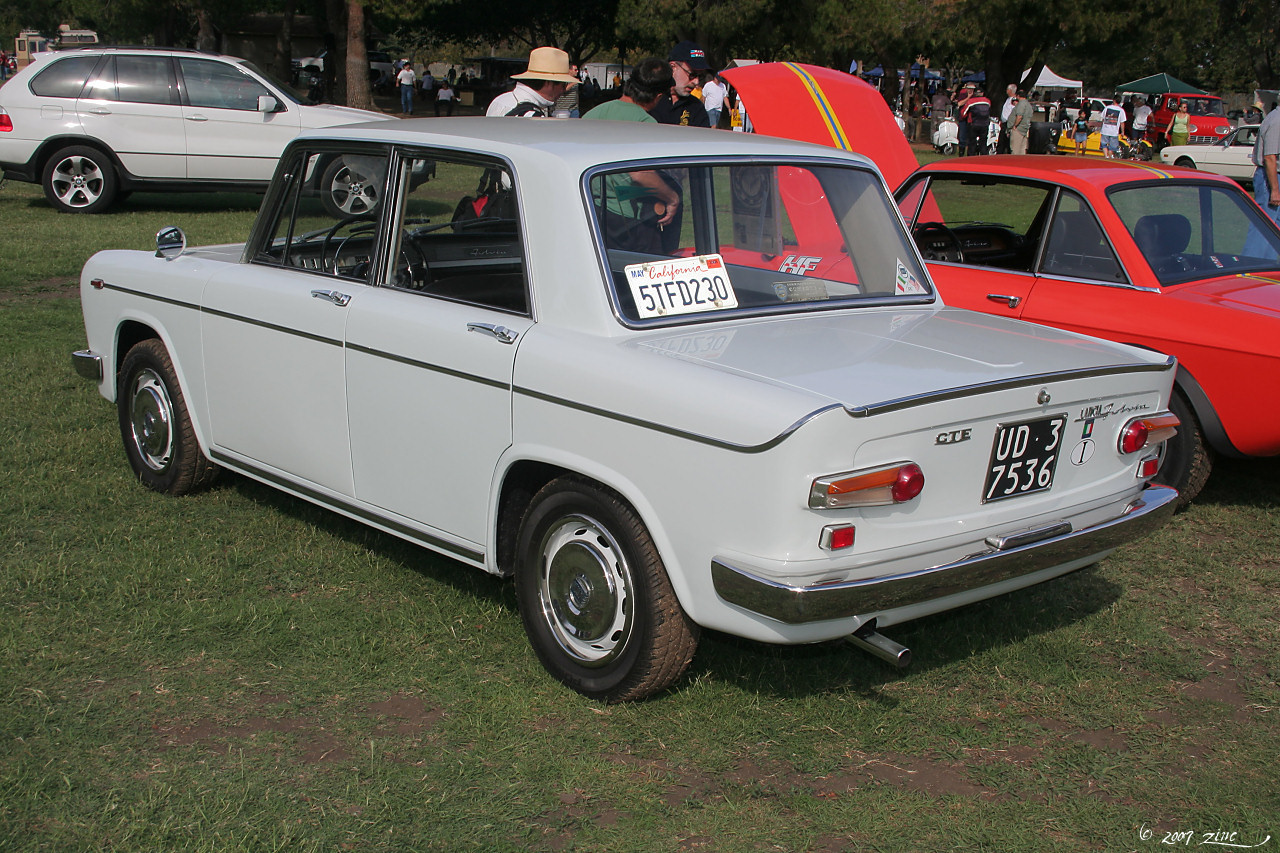
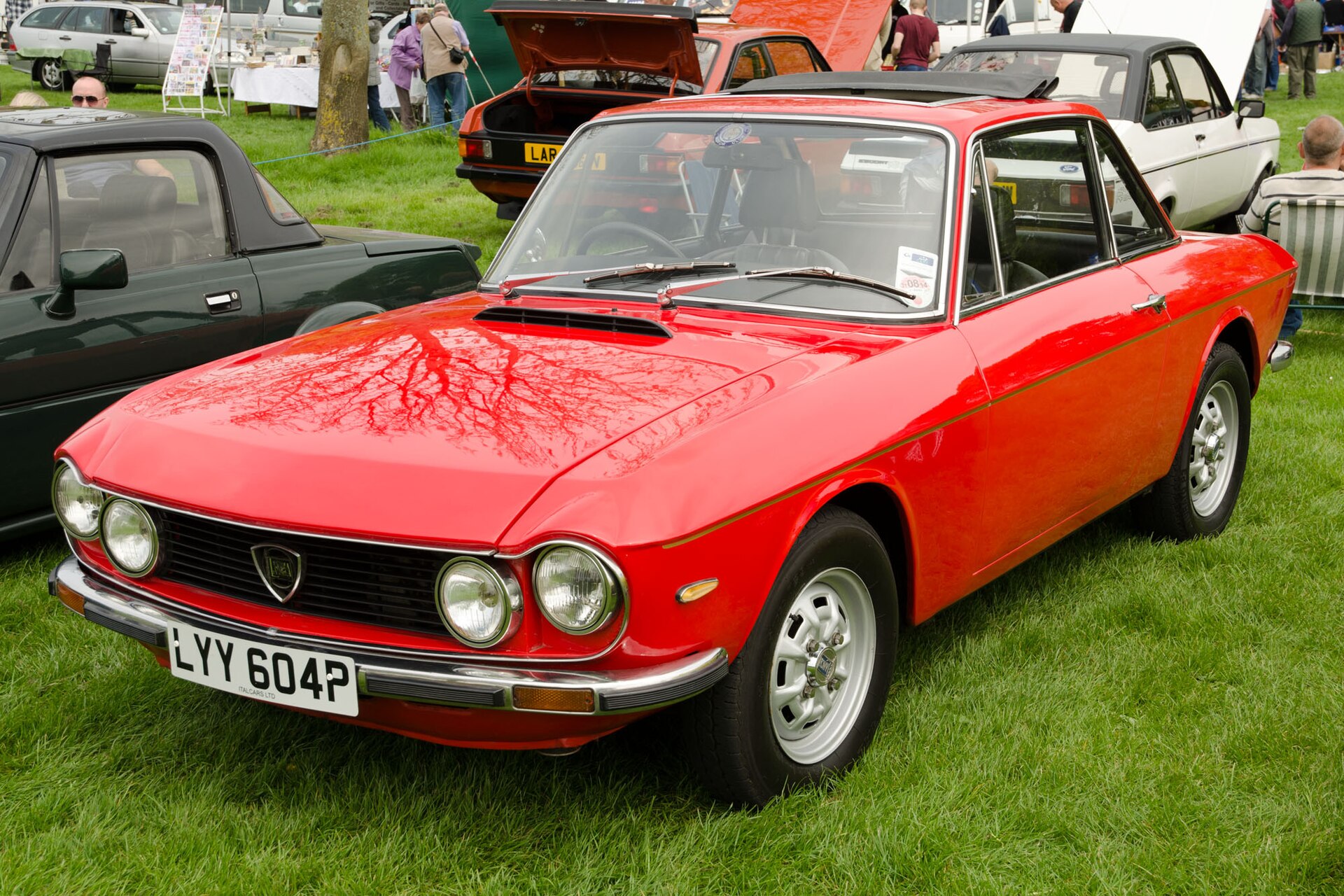
In August 1969 the Berlina was redesigned with a longer wheelbase, and in 1970 the Coupé and the Sport became Series 2 cars with a five-speed gearbox, larger Girling brake calipers and a servo. The Coupé remained in production until 1976, in its last years as the "Coupé 3"; the Berlina was dropped earlier. In 1977 the 1.3-litre Beta Coupé took the place of the Fulvia Coupé in the range.
| Year | Event |
|---|---|
| 1963 | Fulvia Berlina at the Geneva Motor Show |
| 1965 | Coupé introduced; Sport by Zagato shown in Turin; rally debut at the Tour de Corse |
| 1967 | 1,231 cc engine for the Berlina GT and Coupé |
| August 1969 | Series 2 Berlina with a longer wheelbase |
| 1970 | Series 2 Coupé and Sport, five-speed gearbox; steel-bodied Sport |
| 1972 | International Championship for Manufacturers; Monte Carlo Rally win |
| 1974 | Stratos HF replaces the Fulvia in rallying; Coupé 3 |
| 1976 | End of production |

Design and engineering
The Fulvia places its engine longitudinally ahead of the transaxle and drives the front wheels. The front suspension uses wishbones and a single leaf spring; at the rear there is a beam axle with a Panhard rod and leaf springs. Series 1 cars had Dunlop disc brakes, and Series 2 cars of 1970 larger Girling calipers with a servo.
The three bodies differ clearly in size. The Berlina is 4,110 mm long on a wheelbase of 2,480 mm (2,500 mm from 1969). The Coupé is shorter at 3,975 mm with a wheelbase of 2,330 mm and is 1,300 mm high. The Sport by Zagato is 4,090 mm long and only 1,200 mm high. The first Sport had an all-aluminium body, of which 202 were made, with a bonnet hinged on the right side. The Series 2 Sport of 1970 was steel-bodied, had a 2+2 interior and a front-hinged bonnet.
The narrow-angle V4
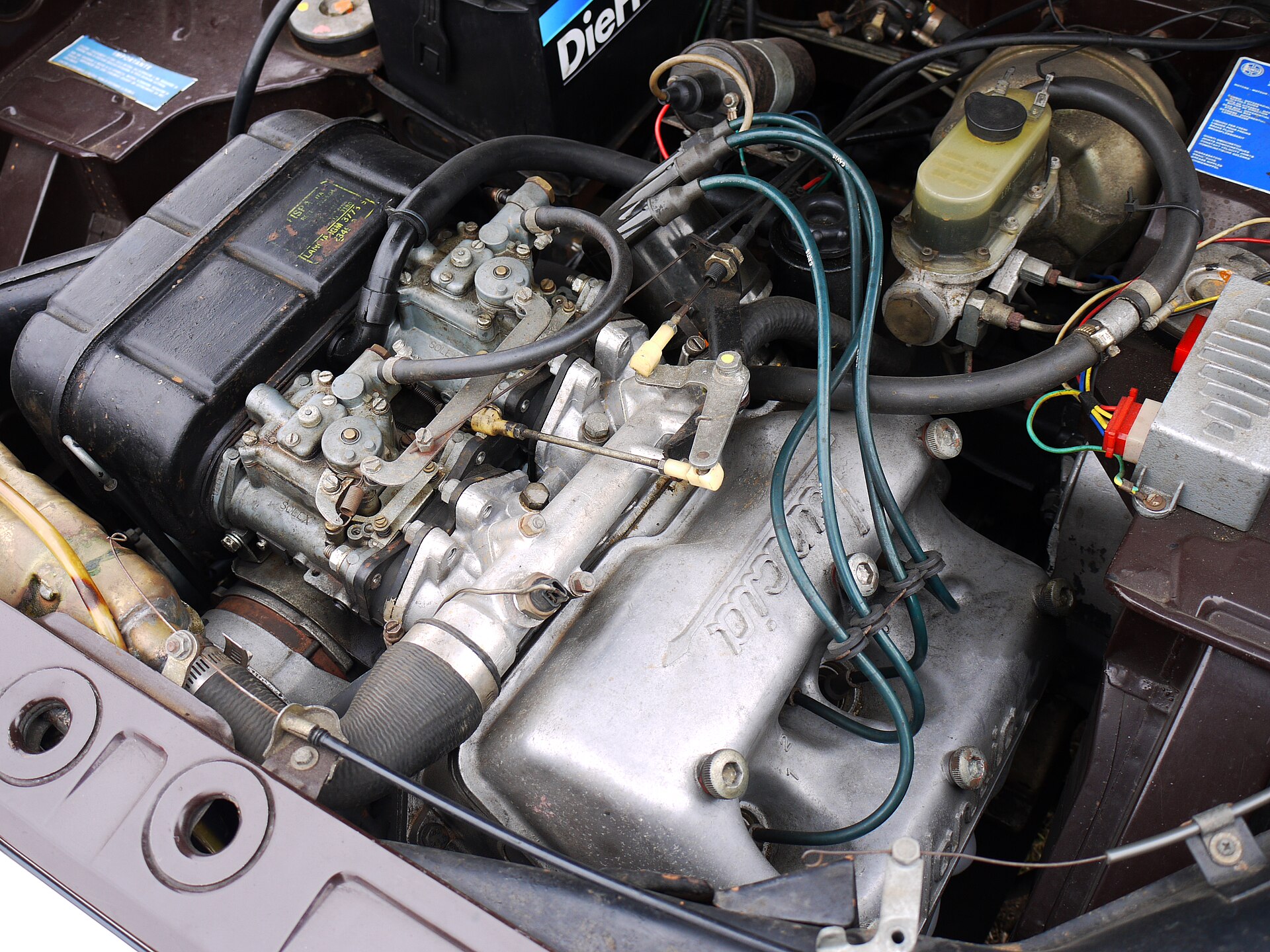
The engine is Lancia's signature. Designed by Zaccone Mina, it is a V4 with double overhead camshafts and an angle of only about 12 degrees between the cylinder banks. Later engines were narrower still: 12°45'28" for the 1967 engines and 11°20' for the 1.6.
| Engine | Use | Power |
|---|---|---|
| 1,091 cc | early Berlina | 43 kW (58 CV), single carburettor; later 52 kW (71 CV) with twin Solex carburettors |
| 1,216 cc | Coupé HF | 59–65 kW (80–88 CV) |
| 1,231 cc | Berlina GT and Coupé from 1967 | — |
| 1,298 cc | Coupé 1.3, Sport, Series 2 | 65–68 kW (87–92 CV); 66 kW (90 CV) in Series 2 |
| 1,298 cc | 1.3 HF | 74 kW (101 CV) |
| 1,584 cc | 1.6 HF "Fanalone" | 85 kW (115 CV) at 6,500 rpm; up to 97 kW (132 CV) in works rally tune |
A 1,199 cc Berlina with 58 kW (79 PS) was built for Greece only. The Sport 1600, with 86 kW (115 hp), was the fastest production Fulvia at about 190 km/h (118 mph). Our power converter gives the Italian CV figures in kW and hp.


Lancia Fulvia specifications
| Parameter | Berlina | Coupé | Sport |
|---|---|---|---|
| Length | 4,110 mm | 3,975 mm | 4,090 mm |
| Wheelbase | 2,480 / 2,500 mm | 2,330 mm | 2,330 mm |
| Width | 1,555 mm | 1,555 mm | 1,570 mm |
| Height | 1,400 mm | 1,300 mm | 1,200 mm |
| Gearbox | 4-speed; 5-speed from Series 2 | same | same |
| Brakes | discs all round (Dunlop, later Girling with servo) | same | same |

Variants and derivatives
| Variant | Years | Body / purpose | Engine | Notes |
|---|---|---|---|---|
| Berlina Series 1 | 1963–1969 | four-door saloon | 1.1 l V4 | wheelbase 2,480 mm |
| Berlina GT | from 1967 | saloon | 1,231 cc | — |
| Berlina Series 2 | 1969–1972 | saloon | — | wheelbase 2,500 mm |
| Berlina (Greece) | — | saloon | 1,199 cc, 58 kW (79 PS) | Greek market only |
| Coupé Series 1 | 1965–1970 | two-door coupé | 1.2–1.3 l V4 | 4-speed |
| Coupé HF | — | high-performance coupé, rally base | 1.2, 1.3 or 1.6 l V4 | 1.6 HF "Fanalone" 85 kW (115 CV) |
| Coupé Series 2 / Coupé 3 | 1970–1976 | coupé | 1.3 l V4 | 5-speed; Coupé 3 from 1974 |
| Sport (Zagato) Series 1 | from 1965 | fastback, aluminium | V4 | 202 built, right-hinged bonnet |
| Sport (Zagato) Series 2 | from 1970 | fastback 2+2, steel | 1.3 / 1.6 l V4 | Sport 1600: 86 kW (115 hp), 190 km/h |
Rallying and the 1972 championship
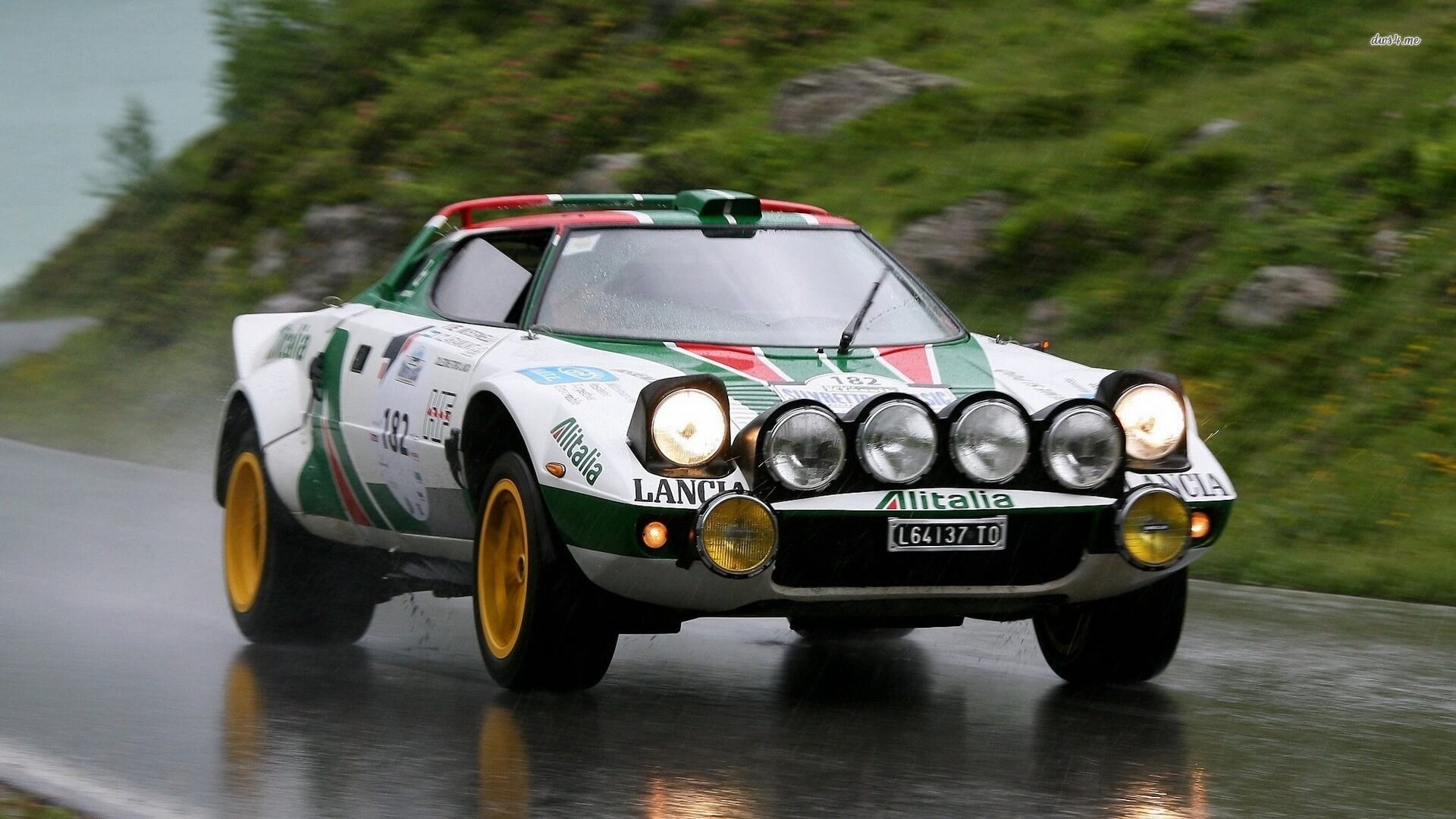
Lancia had left Formula One in 1955 and returned to motorsport with the Fulvia. The Coupé made its rally debut at the 1965 Tour de Corse, finishing eighth overall. Lancia won the Italian Rally Championship with it every year from 1965 to 1973, except 1970. At the 1972 Monte Carlo Rally Sandro Munari and Mario Mannucci won by 10 minutes 50 seconds, and Lancia took the International Championship for Manufacturers that year with two rounds to spare. In 1974 the Fulvia handed over to the Stratos HF, described in our Lancia Stratos article; the later rally champion is in the Lancia Delta article.

The Fulvia in numbers
Of the 338,996 Fulvias in the three model figures, 57% were Berlinas, 41% Coupés and only about 2% Sports. The 202 aluminium Sports of Series 1 make up less than 3% of all Sports. Power more than doubled across the range, from 43 kW in the first Berlina to 97 kW in works rally tune, while engine size grew by less than half, from 1,091 to 1,584 cc. The 1.6 HF engine produces about 54 kW per litre in road form, against about 39 kW per litre for the first 1,091 cc unit.
Legacy
After the Fulvia, Lancia's range moved to the Beta, whose 1.3-litre Coupé replaced the Fulvia Coupé in 1977, and the Trevi saloon of 1980–1984. The name returned in 2003 on a concept car, the Fulvia Coupé concept, which weighed 990 kg according to English Wikipedia. The rally record of the original remained the car's lasting reputation: eight Italian titles in the nine seasons from 1965 to 1973 and the 1972 international title, won with engines of just 1.3 and 1.6 litres. The company's successes from the Fulvia to the Delta are covered in our Lancia history.
Photo gallery


Lancia Fulvia in our rankings
- No. 4 of 89 · Smallest coupes (3,975 mm)
- No. 7 of 86 · Smallest sedans (4,110 mm)
- No. 36 of 420 · Smallest cars (3,975 mm · top 9%)
- No. 275 of 912 · Longest-running car nameplates (13 years · top 32%)
- No. 77 of 94 · Most powerful cars of the 1960s (85 kW · top 83%)
- No. 481 of 557 · Biggest engines: cars (1,584 cc · top 87%)
Shorter than 95% of ranked coupes in the 1CARS catalog (No. 4 of 89).
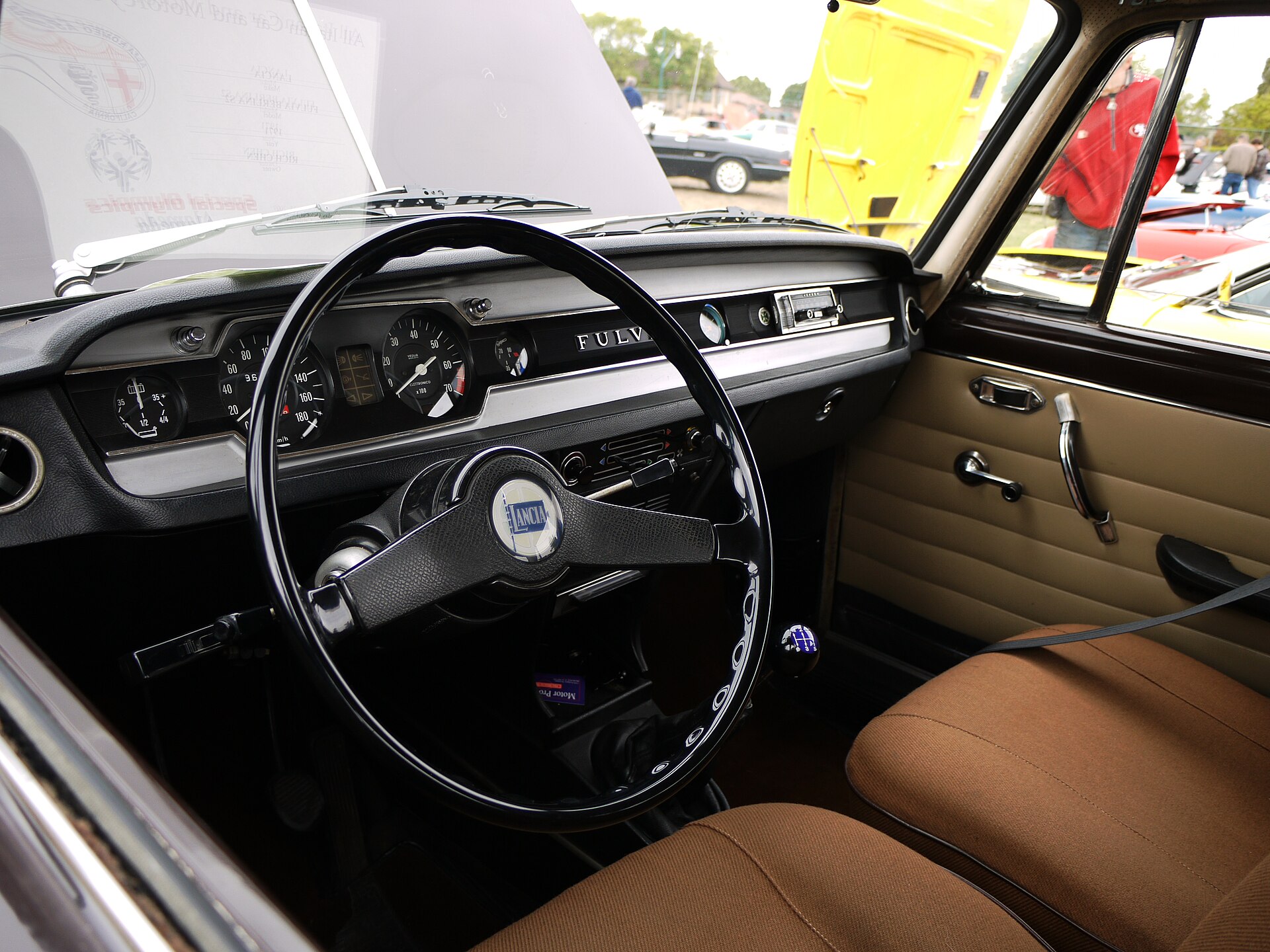
Lancia Fulvia photos 6
FAQ
When was the Lancia Fulvia produced?
From 1963 to 1976: the Berlina from 1963, the Coupé from 1965 to 1976 and the Sport by Zagato from 1965.
How many Lancia Fulvias were built?
192,097 Berlinas, 139,797 Coupés and 7,102 Sports, or 338,996 together.
What engine does the Lancia Fulvia have?
A narrow-angle DOHC V4 of 1,091 to 1,584 cc, from 43 kW (58 CV) to 85 kW (115 CV) in the 1.6 HF.
Which Fulvias are HF models?
The HF versions are the most powerful Coupés, used as the basis for rallying, such as the 1.3 HF with 74 kW (101 CV) and the 1.6 HF "Fanalone" with 85 kW (115 CV).
What did the Fulvia win in rallying?
The 1972 International Championship for Manufacturers, the 1972 Monte Carlo Rally with Sandro Munari and Mario Mannucci, and the Italian championship every year from 1965 to 1973 except 1970.
Data sources
Data checked by an editor against the sources below.