 Talbot Horizon
Specs, engines and history
Published Sources (1) Report an error
By Felix Hartmann, Automotive Technology & EV Contributor
- Built
- 1978–1987
- Top power
- 67 kW (91 PS)
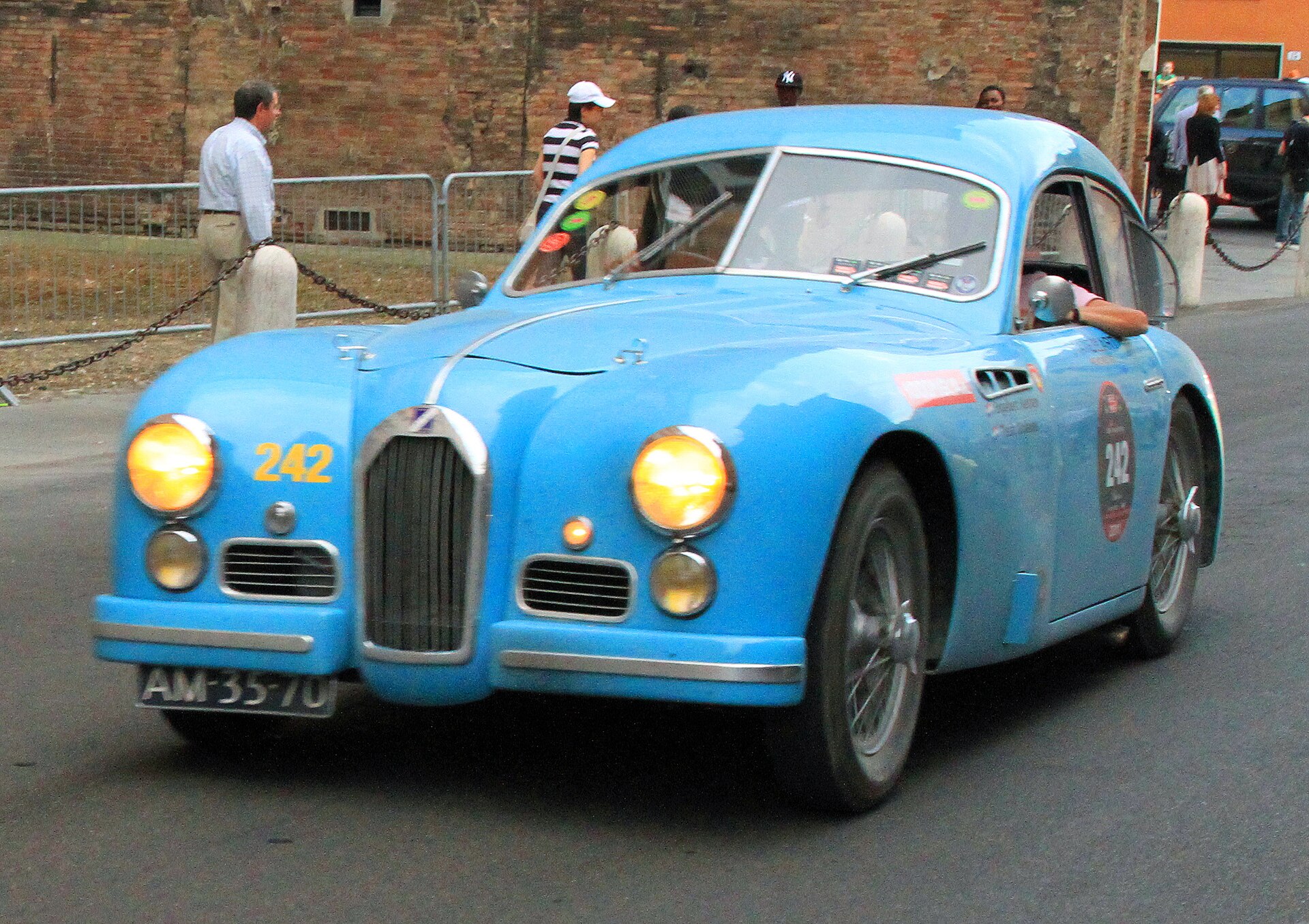
Talbot is a name with two lives. Clément-Talbot was founded in London in 1903 by Charles Chetwynd-Talbot, 20th Earl of Shrewsbury, and the car maker Adolphe Clément-Bayard. Darracq bought it in December 1919 and, after buying Sunbeam as well, became S.T.D. Motors (Sunbeam, Talbot, Darracq); in France, Antonio Lago built Talbot and Talbot-Lago cars until 1958. The dormant marque passed to Simca, and when PSA took over Chrysler's European business, from 1 January 1979, it revived Talbot as the badge for the former Chrysler, Rootes and Simca range. The last Talbot, the Express van, was dropped in 1994.
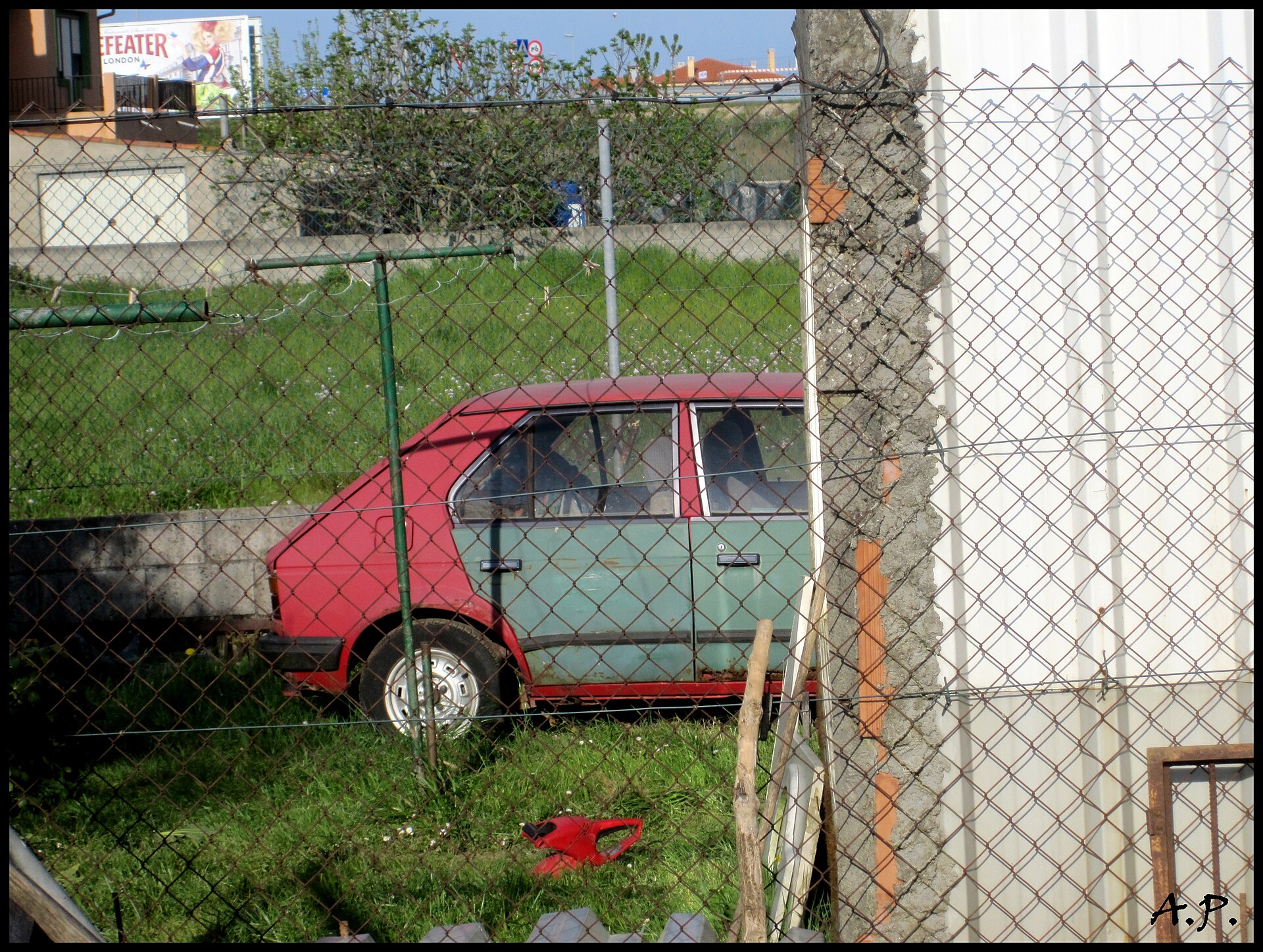
The Horizon is the five-door family hatchback that carried the Talbot revival. Chrysler Europe developed it as project C2: Roy Axe styled it in Britain, and Simca engineered it in Poissy. It went on sale in summer 1978 as a Simca in France and a Chrysler elsewhere, and was voted European Car of the Year for 1979. It became a Talbot in 1979, and 1,070,222 were built in Europe until 1987.
Specs by version
| Version | Engine | Gearbox | Drive |
|---|---|---|---|
| Diesel · 1 version | |||
| 1.9 D (1905 cc XUD9) | 1.9 l · 4 cyl · Diesel 1,905 cc | Manual | Front-wheel drive |
| Petrol · 3 versions | |||
| 1.1 (1118 cc) | 1.1 l · 4 cyl · Petrol 1,118 cc | Manual | Front-wheel drive |
| 1.3 (1294 cc) | 1.3 l · 4 cyl · Petrol 1,294 cc | Manual | Front-wheel drive |
| 1.5 (1442 cc) | 1.4 l · 4 cyl · Petrol 1,442 cc | Manual | Front-wheel drive |
Verified Manufacturer and type-approval data from our catalog · Sources and methodology
In short
- European production 1978–1987 in Poissy, Ryton, Villaverde (Madrid) and Uusikaupunki (Finland); 1,070,222 built.
- Transverse front engines driving the front wheels: Simca "Poissy" OHV petrol fours of 1,118, 1,294 and 1,442 cc and a 1,905 cc XUD9 diesel.
- 44–67 kW (59–90 hp), top speeds from 147 to 175 km/h (91–109 mph).
- European Car of the Year 1979; replaced by the Peugeot 309, which was planned as the Talbot Arizona.
Talbot Horizon at a glance
| Parameter | Metric | Imperial |
|---|---|---|
| Maker | Chrysler Europe; from 1979 PSA (Talbot) | - |
| Production | 1978–1987 (France and UK to June 1986) | - |
| Built | 1,070,222 in Europe | - |
| Project and design | C2; Roy Axe, Whitley design studio; engineering by Simca | - |
| Platform | L-body | - |
| Body | five-door hatchback (no three-door in Europe) | - |
| Layout | transverse front engine, front-wheel drive | - |
| Engines | Poissy OHV I4 1,118 / 1,294 / 1,442 cc; XUD9 diesel 1,905 cc | 68.2 / 79.0 / 88.0 / 116.2 cu in |
| Power | 44–67 kW (59–90 hp) | - |
| Gearboxes | four-speed; five-speed from 1982; automatic on most 1500s | - |
| Top speed | 147–175 km/h | 91–109 mph |
| 0–60 mph | 17.9 to 11.4 s | - |
| Predecessors | Simca 1100, Hillman Avenger | - |
| Successor | Peugeot 309 | - |
Talbot before the Horizon
Clément-Talbot's early history ran through the S.T.D. combine, which collapsed in 1934 and ceased to exist in 1936. Rootes took over the London company and in 1938 renamed Clément-Talbot as Sunbeam-Talbot. In France, Lago arranged a management buyout of the Paris business; his Talbot-Lago T26 of 4.5 litres finished fourth and fifth in the 1950 British Grand Prix, and the factory closed in 1958.
PSA paid a nominal US$1 (1978) for Chrysler Europe in August 1978 and took control on 1 January 1979. In Britain every former Chrysler product registered after 1 August 1979 carried the Talbot badge, and Chrysler and Talbot together sold nearly 120,000 cars in the UK that year. Alongside the Horizon, the revived range included the Avenger-derived Sunbeam (1977–1981) and the Alpine and Solara (1979–1986, renamed Minx and Rapier in 1984). It also had the Samba three-door based on the Peugeot 104 (1981–1986) and the Tagora saloon (1981–1983), of which 19,389 were built.
| Year | Event |
|---|---|
| 1903 | Clément-Talbot founded |
| 1919 | Darracq buys Clément-Talbot |
| 1938 | Rootes renames it Sunbeam-Talbot |
| 1958 | Talbot-Lago factory closes |
| summer 1978 | Horizon launched as Simca and Chrysler |
| October 1978 | Horizon SX with trip computer at the Paris Motor Show |
| 1979 | European Car of the Year; Talbot badge (UK from 1 August) |
| 4 January 1982 | production starts at Ryton |
| July 1982 | Series II with a five-speed gearbox |
| 1985 | new interior, instruments and door cards |
| June 1986 | production ends in France and the UK |
| 1987 | production ends in Spain and Finland |
| 1994 | Talbot marque dropped |
Project C2: a Chrysler car for Europe
The Horizon was developed by Chrysler Europe under the code name C2 at the Whitley design studio in the UK. Roy Axe styled it, and Simca engineered it in Poissy as the replacement for both the Simca 1100 and the Hillman Avenger. It was a shorter car than the larger Alpine, which gave it an unusually wide track for its length.
The mechanical layout came largely from the Simca 1100: transversely mounted Simca-designed overhead-valve engines, four-speed gearboxes and torsion-bar suspension. The old OHV engines were widely blamed for the car's lack of refinement. In North America, Chrysler developed the Dodge Omni and Plymouth Horizon alongside it. They looked similar but differed a great deal. The bodies and engines were not interchangeable, and the US cars used larger engines, at first from Volkswagen and PSA and later Chrysler's own 2.2-litre "Trenton" four. They also had MacPherson struts at the front instead of the European torsion bars.
Engines, gearboxes and performance
| Engine | Fuel | Notes |
|---|---|---|
| 1,118 cc Poissy OHV I4 | petrol | 1100 LE, LS, GL, GLE in the UK |
| 1,294 cc Poissy OHV I4 | petrol | 1300 LS, GL, LX, GLS |
| 1,442 cc Poissy OHV I4 | petrol | 1500 LS, GL, EX, GLS, S, SX; automatic on most |
| 1,905 cc XUD9 diesel | diesel | UK-market 1900 LD only, built in Spain |
Across the range, power ran from 44 to 67 kW (59 to 90 hp), top speed from 147 to 175 km/h (91 to 109 mph), and the 0–60 mph time from 17.9 to 11.4 seconds. The gearboxes were carried over from Simca at first and later replaced by the PSA BE unit. The automatic was available on most 1500 models and standard on the 1500 SX, which made its debut at the Paris Motor Show in October 1978 with a trip computer.
Series II, LEDs and limited editions
The Series II of July 1982 brought a five-speed gearbox, black bumpers and a smaller rear window, because a raised parcel shelf enlarged the boot. Some models had an LED "econometer" around the speedometer, and higher trims had an LED rev counter with lights at 250 rpm intervals. In 1985 the interior, instruments and door cards were updated. Limited editions included the Pullman, the Summertime Special, the Ultra of 1985 and the Silver Fox, and a Talbot Horizon turbo concept was built in 1984.

Built in four countries
| Plant | Country | Notes |
|---|---|---|
| Poissy | France | Simca's home plant |
| Ryton | United Kingdom | from 4 January 1982 |
| Villaverde, Madrid | Spain | until 1987; built the diesel for the UK |
| Uusikaupunki (Saab-Valmet) | Finland | from 1979 to 1987; 2,385 cars for kerosene or turpentine |
In Britain the Horizon was sold from early 1978 as a Chrysler and from 1 August 1979 as a Talbot. Sales were acceptable at first but were held back because it was a French import; they improved once Ryton began building the car in January 1982, then fell as newer rivals arrived. The Finnish plant's run of 2,385 cars that could run on kerosene or turpentine is one of the Horizon's odder footnotes.

Car of the Year and the end of Talbot
The European Car of the Year title for 1979 made the Horizon the second Car of the Year from the Simca side of the business in four years, after the Simca 1307 in 1976. Production in France and the UK ended in June 1986, and in Spain and Finland in 1987. The Peugeot 309, which went on sale in January 1986, replaced it; it had originally been planned as the Talbot Arizona. The Samba ended in May 1986, and after the Express van the Talbot marque was dropped in 1994. Stellantis, formed in 2021, owns the rights to the name.
In numbers, Chrysler's American L-body production of 2,213,367 hatchbacks and coupés was about twice the 1,070,222 European Horizons. The power converter converts the range of 44–67 kW (59–90 hp) into other units. The Horizon's two parents are covered on 1cars in the history of Chrysler Corporation and the history of Peugeot. The Talbot name also won the 1981 World Rally Championship for manufacturers with the Sunbeam Lotus.
The Horizon today
- Diesel: the 1900 LD with the XUD9 engine was sold only in the UK and built in Spain.
- Version: an SX automatic with the trip computer, a Series II with the LED instruments, or the UK-only 1900 LD diesel.
- Name: early cars carry Simca or Chrysler badges, later ones Talbot; the badge shows where and when the car was sold.
More cars of the period are in the 1970s classics section.

Photo gallery


Talbot Horizon in our rankings
- No. 33 of 70 · Biggest engines: hatchbacks (1,905 cc · top 48%)
- No. 399 of 912 · Longest-running car nameplates (9 years · top 49%)
- No. 422 of 557 · Biggest engines: cars (1,905 cc · top 76%)
- No. 93 of 106 · Most powerful hatchbacks (67 kW · top 88%)
- No. 806 of 859 · Most powerful cars (67 kW · top 94%)
- No. 53 of 56 · Most powerful French cars (67 kW · top 95%)
Bigger engine than 52% of ranked hatchbacks in the 1CARS catalog (No. 33 of 70).
FAQ
When was the Talbot Horizon made?
From 1978 to 1987: as a Simca or Chrysler until 1979, then as a Talbot; French and British production ended in June 1986.
How many Horizons were built?
1,070,222 in Europe; Chrysler in America built a further 1,639,799 Horizon and Omni hatchbacks and 573,568 related coupés.
What engines did the Talbot Horizon have?
Simca Poissy OHV petrol fours of 1,118, 1,294 and 1,442 cc, and a 1,905 cc XUD9 diesel in the UK-market 1900 LD.
Is the Talbot Horizon the same car as the Plymouth Horizon?
No. Chrysler's Dodge Omni and Plymouth Horizon were developed alongside it and looked similar, but bodies and engines were not interchangeable.
What replaced the Talbot Horizon?
The Peugeot 309, launched in January 1986 and originally planned as the Talbot Arizona.
Data sources
Data checked by an editor against the sources below.