 Ford Fairlane
All generations, specs and history
Published Sources (1) Report an error
By Sarah Whitmore, Senior Automotive Writer
- Built
- 1955–1970
- Generations
- 7
- Top power
- 317 kW (431 PS)
Timeline
Fairlane generations
Click a generation for its own page
- Fairlane I 1955–1956 · Sedan, Station wagon
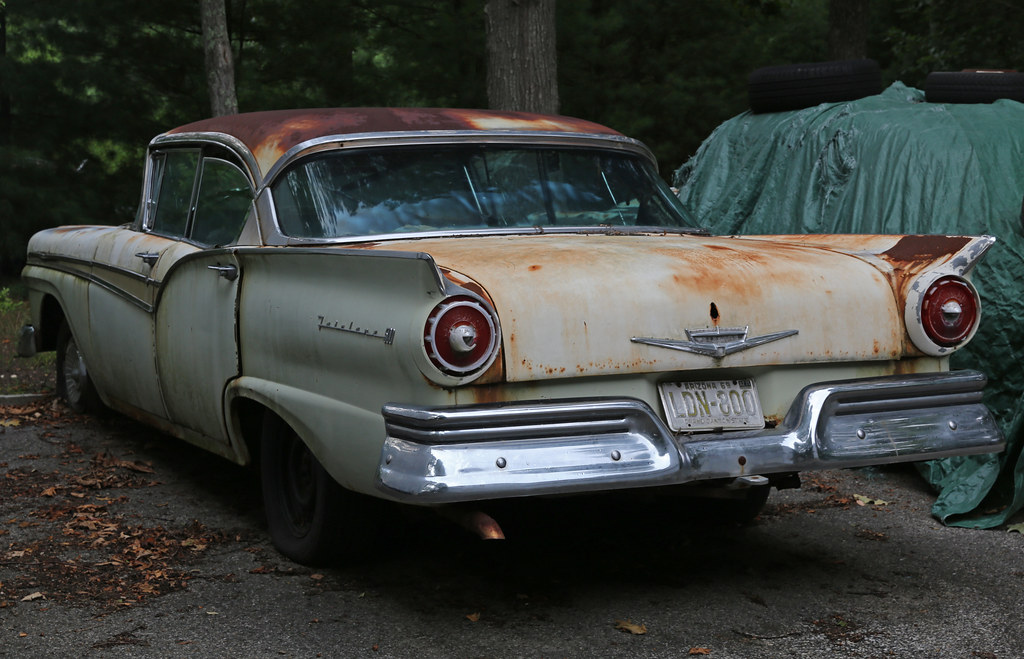
- Fairlane II 1957–1959 · Sedan, Station wagon
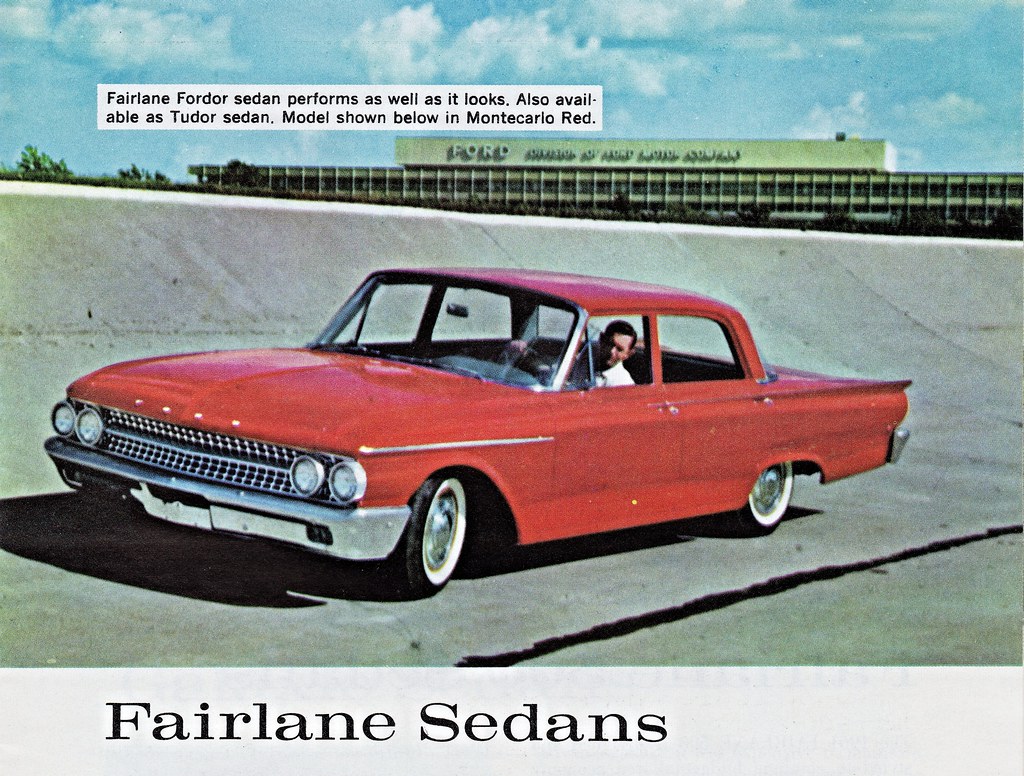
- Fairlane III 1960–1961 · Sedan
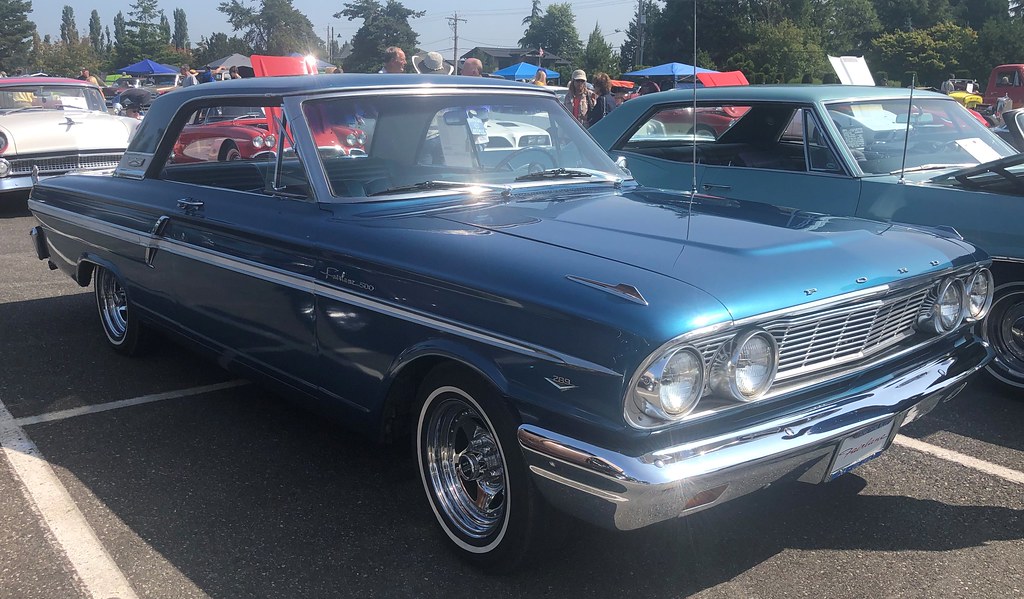
- Fairlane IV 1962–1965 · Sedan, Station wagon · 202 kW (275 PS)
- Fairlane V 1966–1967 · Sedan, Station wagon · 317 kW (431 PS)
- Fairlane VI 1968–1969 · Sedan, Station wagon · 250 kW (340 PS)
- Fairlane VII 1970 · Sedan, Station wagon · 276 kW (375 PS)
Newest first · 7 generations since 1955
-
1970
-
1968
-
1966
-
1962
-
1960
-
1957
-
1955
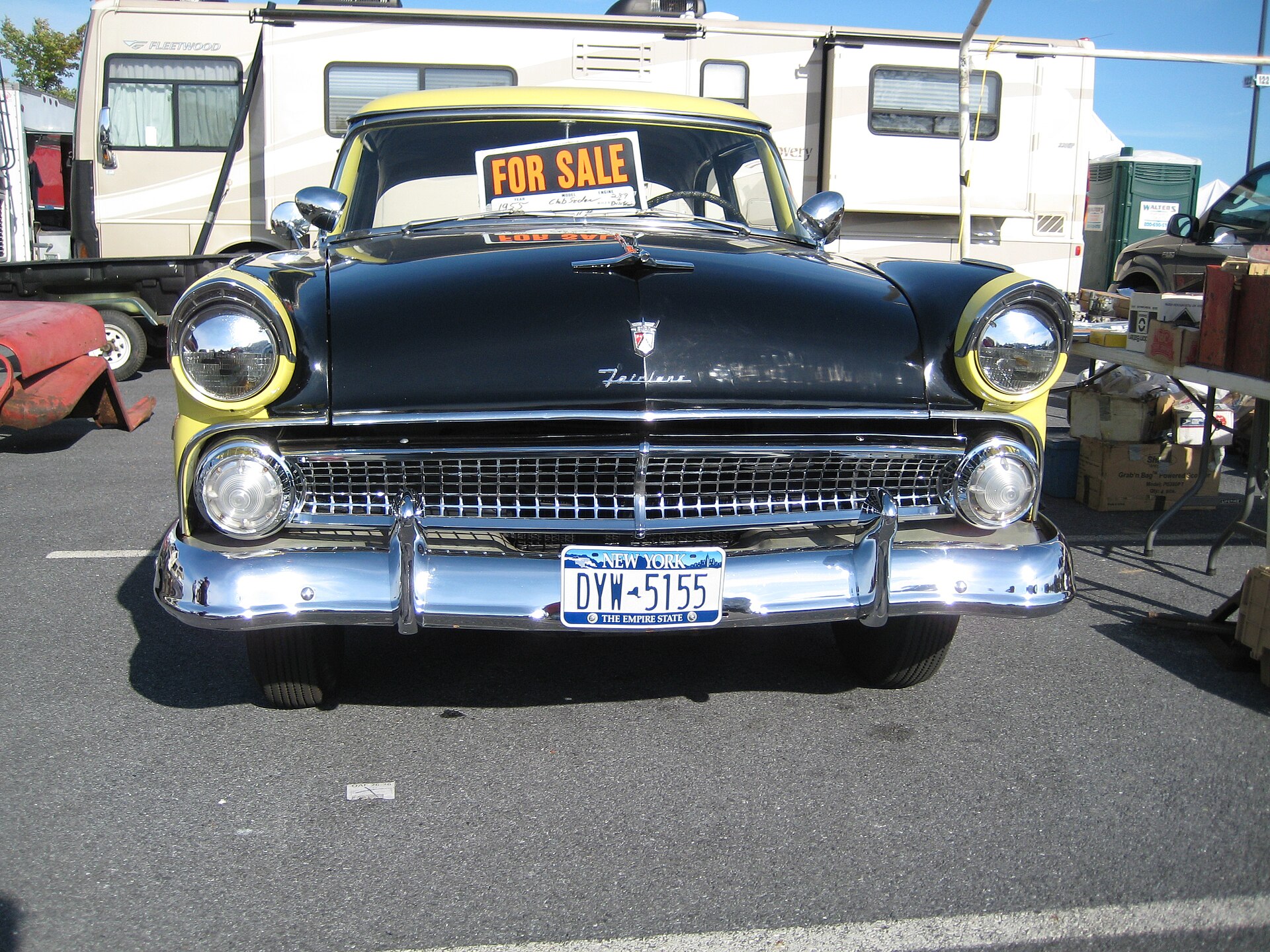


All generations by year: Fairlane VII (1970) · Fairlane VI (1968–1969) · Fairlane V (1966–1967) · Fairlane IV (1962–1965) · Fairlane III (1960–1961) · Fairlane II (1957–1959) · Fairlane I (1955–1956)
Which one is mine?
Pick the year of first registration to see which generation it is.
- Fairlane VII 1970
- Fairlane VI 1968–1969
- Fairlane V 1966–1967
- Fairlane IV 1962–1965
- Fairlane III 1960–1961
- Fairlane II 1957–1959
- Fairlane I 1955–1956
The Ford Fairlane carried a name from Henry Ford's estate in Dearborn, Michigan, and covered two very different eras. From 1955 to 1961 it was Ford's full-size car, the base of the Crown Victoria, the Fairlane 500 and the retractable-roof Skyliner. From 1962 it became Ford's new intermediate, and in that form it was the base of the 1964 Thunderbolt drag-racing car, the GT and GTA with the 390 V8 and the 1969 Cobra. The name was retired after 1970, when all Ford intermediates became Torinos.
In short
- Seven generations: full-size 1955–1961, intermediate 1962–1970.
- 1964 Thunderbolt: 427 V8 with 317 kW (425 hp), 111 to 127 built, NHRA Super Stock title.
- 1966 GT/GTA: 390 V8 with 250 kW (335 hp); 57 hardtops with the 427 R-code, 317 kW and 651 Nm.
- 1968–1970: 428 Cobra Jet, 1969 Cobra, 1970 429 with up to 280 kW (375 hp, Drag Pack).
Specs by version
| Version | Engine | Power | Drive | Production years |
|---|---|---|---|---|
| Fairlane I · 312 V8 | 5.1 l · 8 cyl · Petrol 5,100 cc | 168 kW 228 PS225 hp | Rear-wheel drive | 1956 |
| Fairlane V · GT/GTA 390 V8 | 6.4 l · 8 cyl · Petrol 6,400 cc | 250 kW 340 PS335 hp | Rear-wheel drive | 1966–1967 |
Verified Manufacturer and type-approval data from our catalog · Sources and methodology
Ford Fairlane at a glance
| Generation | Years | Class | Notable performance engine |
|---|---|---|---|
| I | 1955–1956 | full-size | 312 V8, 168 kW (225 hp) |
| II | 1957–1959 | full-size | 332 and 352 FE V8 (1958) |
| III | 1960–1961 | full-size | — |
| IV | 1962–1965 | intermediate | 289 High Performance, 202 kW (271 hp) |
| V | 1966–1967 | intermediate | 390 GT, 250 kW (335 hp); 427, 317 kW (425 hp) |
| VI | 1968–1969 | intermediate | 428 Cobra Jet, 250 kW (335 hp) |
| VII | 1970 | intermediate | 429 Cobra, 276 kW (370 hp) |
All ratings are SAE gross. The Fairlane belongs to our Ford catalogue, and its 1966–1970 performance versions to the golden age of the American muscle car guide.
The full-size Fairlane (1955–1961)
The first Fairlane replaced the Crestline as Ford's top full-size range. The 1955 Town Sedan was Ford's most popular sedan that year, with 254,437 built. Engines were a 223 cu in six and a 272 cu in V8, and the 292 was sold as the "Thunderbird V-8". For 1956 a 312 V8 with up to 168 kW (225 hp) was offered. The Crown Victoria Skyliner of 1955 had a tinted transparent plastic roof panel.
The 1957 Fairlane 500 Skyliner was a power retractable hardtop whose solid roof folded into the boot. That year Ford outsold Chevrolet for the first time since 1935. In 1958 the 332 and 352 FE big-block V8s arrived. After the Galaxie was introduced in the middle of 1959, the Fairlane became the lower full-size range.
A new size for 1962
For 1962 Ford moved the name to a new intermediate class between the compact Falcon and the full-size Galaxie: 197 in long on a 115.5 in wheelbase. The engines started with a 170 cu in six and the 221 Challenger V8 with 108 kW (145 hp); the 260 V8 followed mid-year. A Sports Coupe with bucket seats appeared at the same time.
The performance story began in 1963 with the 289 "K-code": 202 kW (271 hp) with solid lifters, identified by "289 High Performance" badges on the front wings. For 1964 it gained dual exhausts.

The 1964 Thunderbolt
The Thunderbolt was a Fairlane 500 two-door built for NHRA Super Stock drag racing. Its 427 V8 had two four-barrel carburettors on a high-riser manifold and ram-air induction, rated at 317 kW (425 hp) at 7,500 rpm. Ford fitted fibreglass bonnet, doors, wings and front bumper and acrylic windows, and removed the inner headlamps. The car came out so light that it needed a full fuel tank to reach the NHRA minimum of 3,200 lb (1,451 kg).
Depending on the source, 111 to 127 were built; the first 11 were maroon, the rest white, and 99 had manual gearboxes. Ford reportedly lost money on every car. In 1964 the Thunderbolt set records of 11.6 seconds and 124 mph (200 km/h) over the quarter mile and won the NHRA Super Stock title and the Manufacturer's Cup. Production stopped when the NHRA raised the requirement to 500 cars.


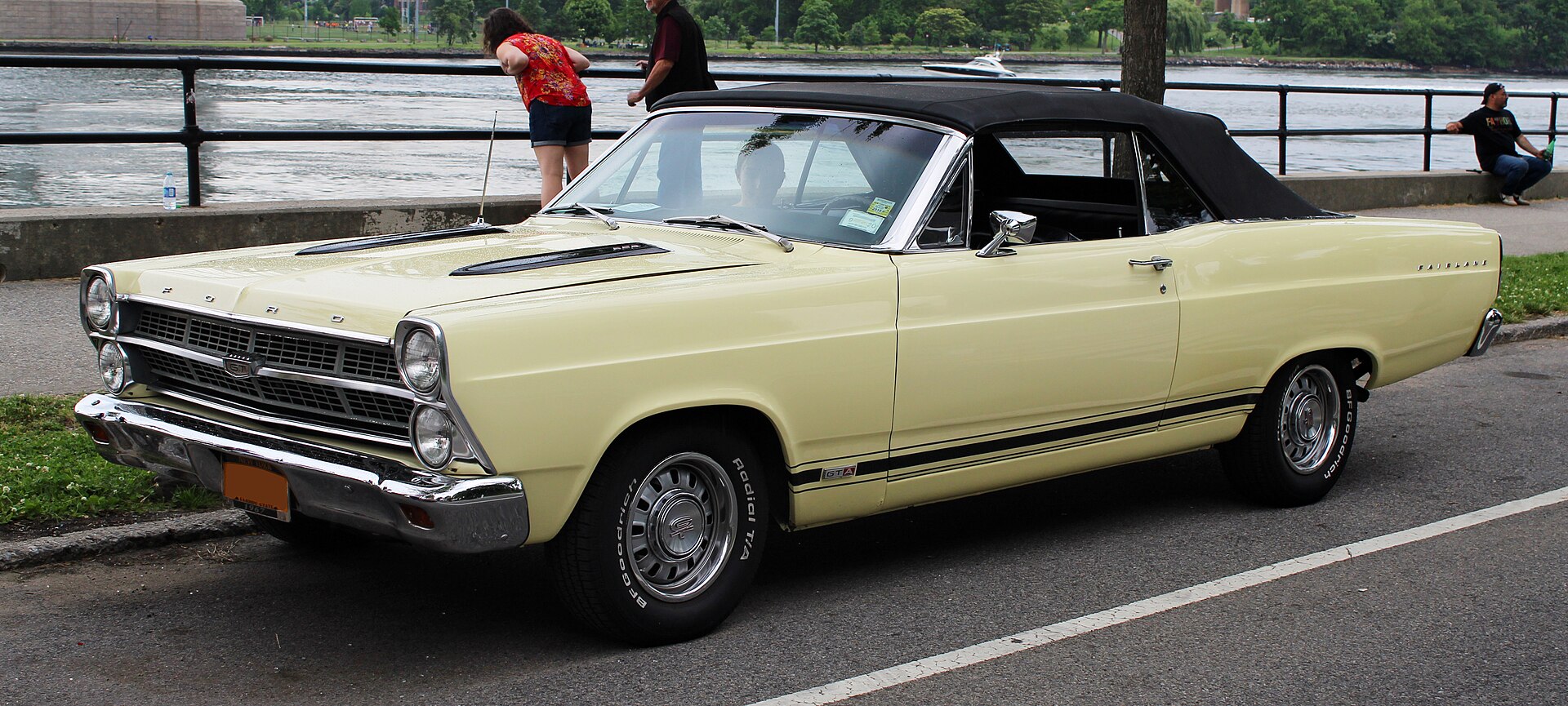
GT, GTA and the 427 (1966–1967)
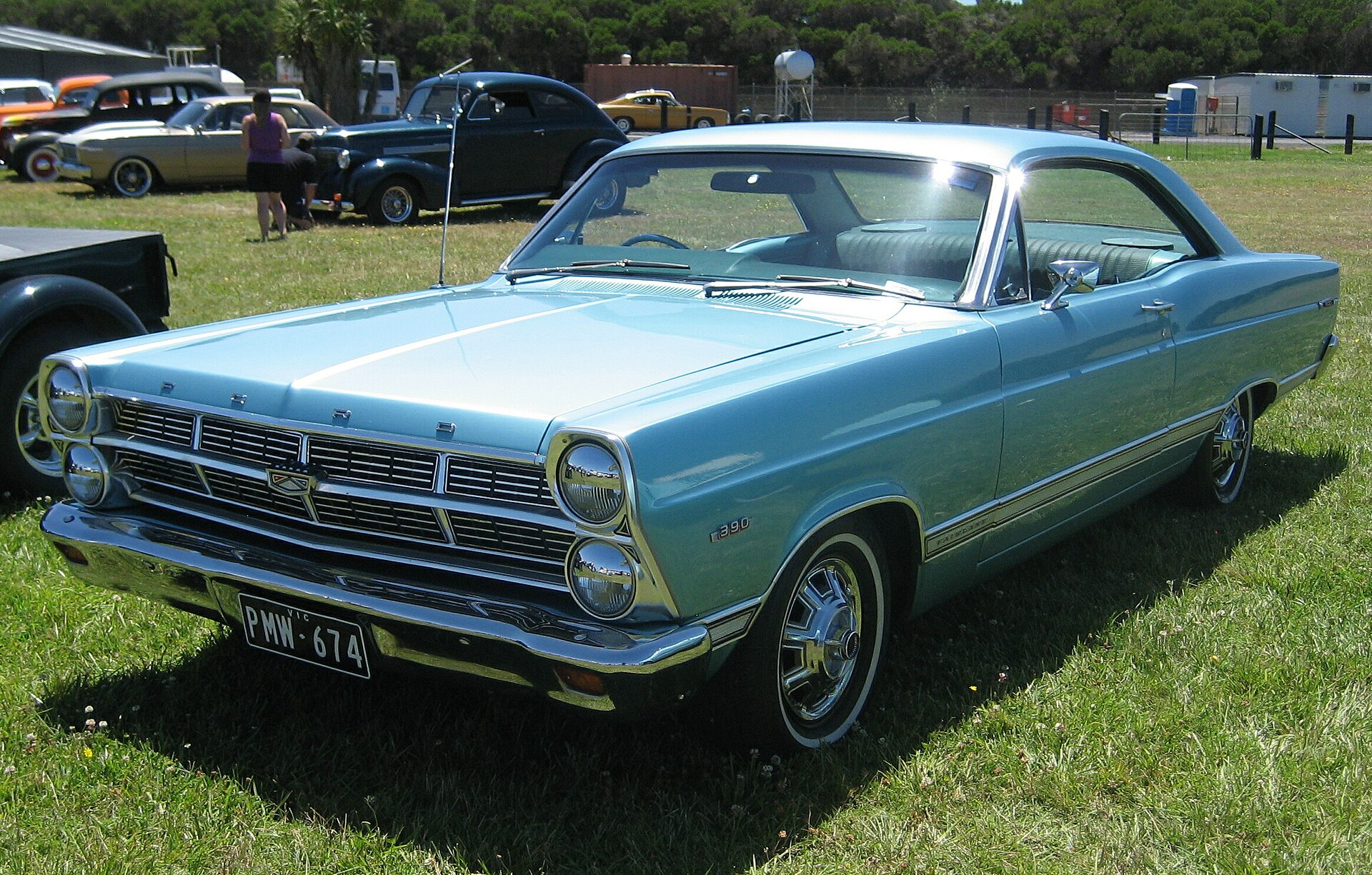
The fifth generation of 1966 rode on a revised Falcon platform with a long-wheelbase body. The new GT and GTA had a 390 FE V8 with higher compression and a four-barrel carburettor, rated at 250 kW (335 hp); the GTA came with the SportShift Cruise-O-Matic automatic. In the middle of the year Ford built 57 Fairlane 500 hardtops with the "R-code" 427: 317 kW (425 hp) at 6,000 rpm and 651 Nm at 3,700 rpm, with a four-speed manual.
For 1967 the 390 came in 205 and 239 kW (275 and 320 hp) versions, and the 427 was listed as W-code with 306 kW (410 hp) and R-code with 317 kW (425 hp). Very few were built.

Cobra Jet and Cobra (1968–1970)
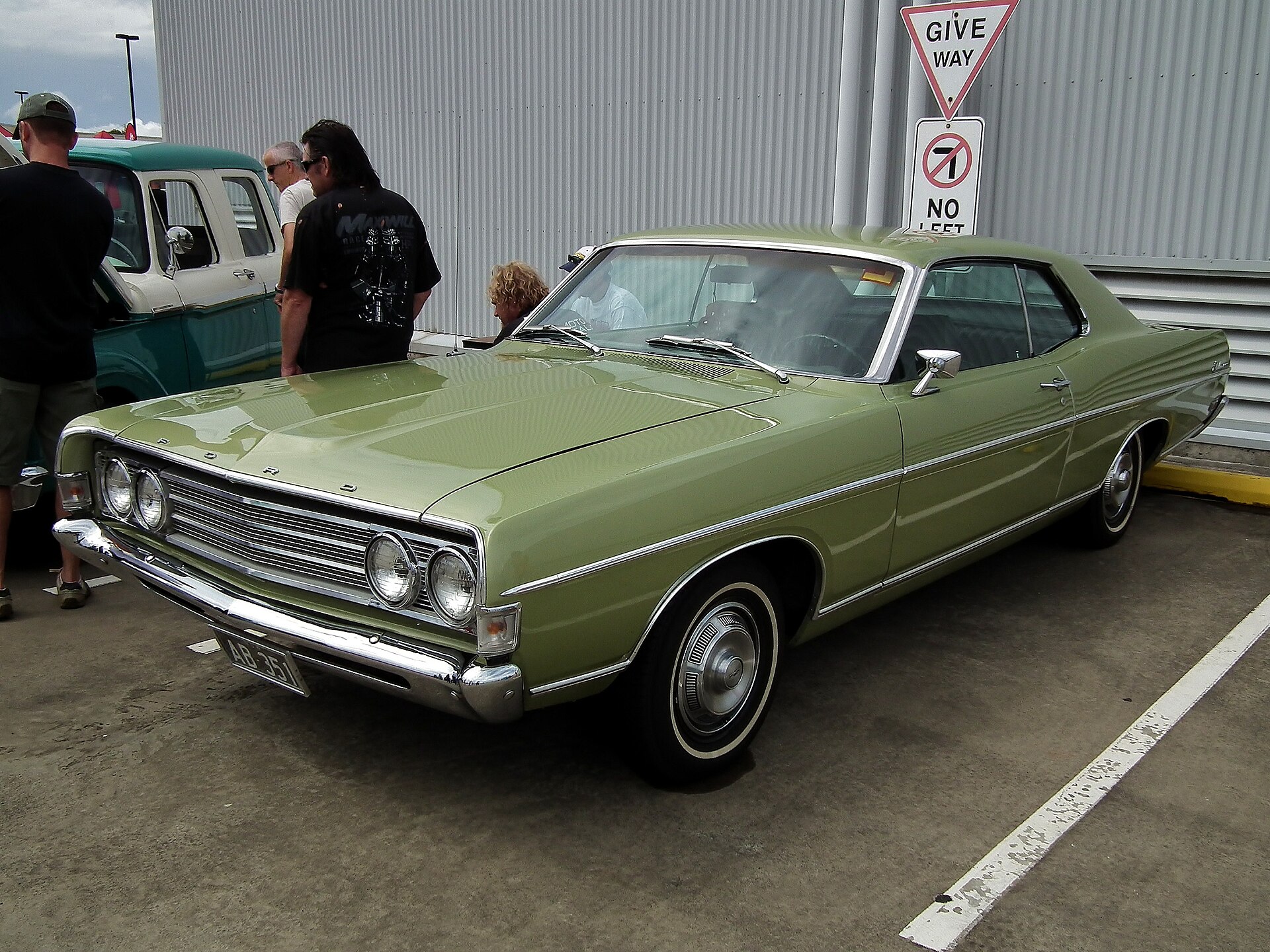
The 1968 Fairlane was four inches longer and about 200 lb heavier on the same 116 in wheelbase, and a Sportsroof fastback joined the range. The top versions now carried the Torino name, but the engines were shared: in the middle of 1968 the 428 Cobra Jet with 250 kW (335 hp) replaced the 390 four-barrel. Ford sold 371,787 Fairlanes that year, 172,083 of them Torinos.
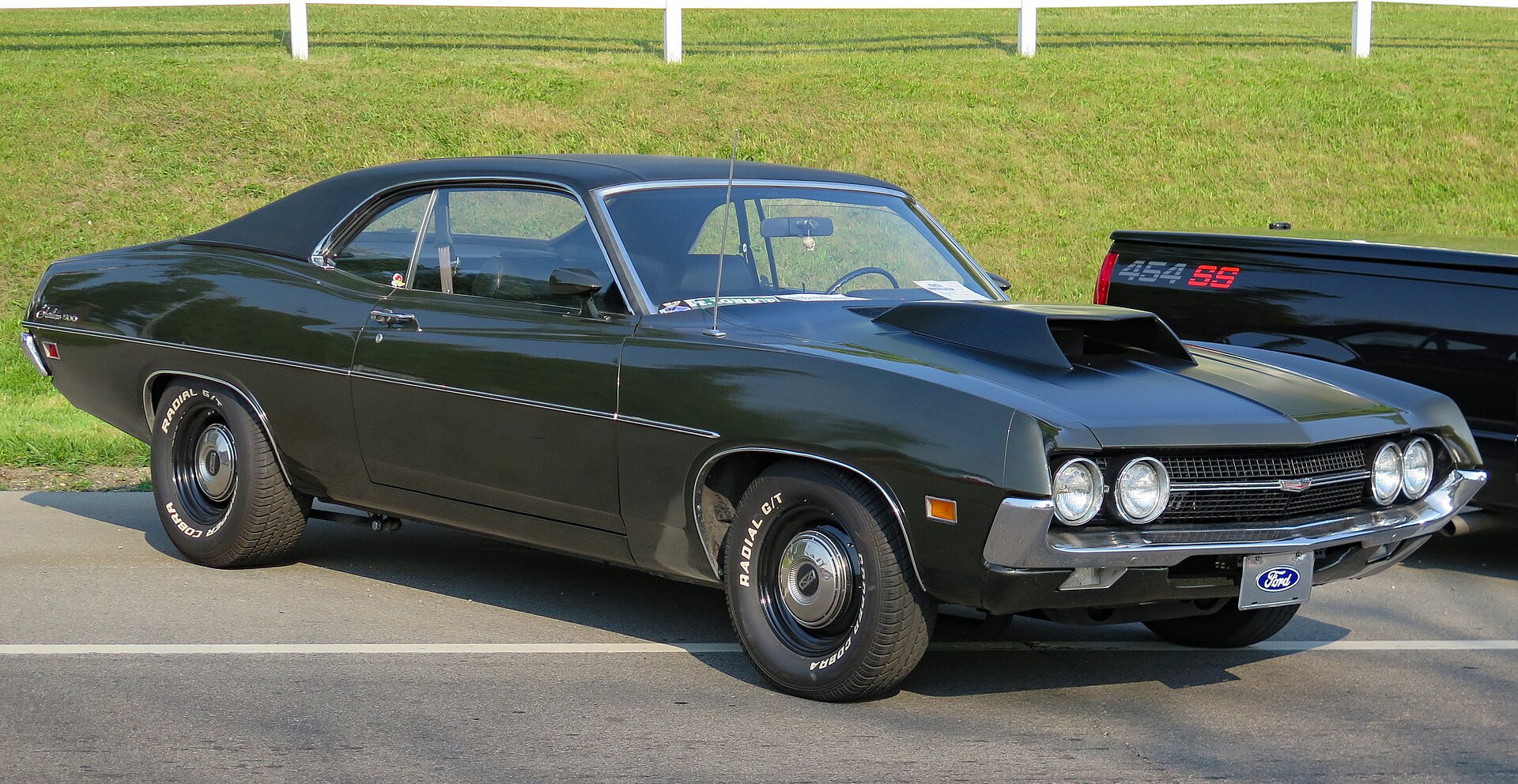
The 1969 Cobra answered the Plymouth Road Runner: a 302 V8 and three-speed manual as standard, with the 390 and two 428 V8s optional, plus bonnet scoop, tachometer, disc brakes and a 4.30:1 axle. The last Fairlane of 1970 offered a 429 with 268 kW (360 hp), 276 kW (370 hp) in Cobra form and 280 kW (375 hp) with the Drag Pack. For 1971 the Fairlane name was dropped. The story continues with the Ford Torino and the Gran Torino.

Photo gallery

Ford Fairlane evolution in numbers
Did you know?
- The Ford Fairlane ran for 15 years, from 1955 to 1970, over 7 generations in our catalog.
- The longest-running generation is the Fairlane IV (1962–1965): 3 years.
- The biggest jump in power came with the Fairlane V: up to 317 kW (431 PS), 115 kW more than the Fairlane IV.
- The most powerful Ford Fairlane is not the newest: the Fairlane V (1966–1967) offered up to 317 kW (431 PS), the Fairlane VII up to 276 kW (375 PS).
Most powerful version, kW
Figures from the 1cars catalog: power is the strongest version of each generation; generations without the figure are left out.
Ford Fairlane: first vs latest generation
| Spec | Fairlane I | Fairlane VII | Change |
|---|---|---|---|
| Years | 1955–1956 | 1970 | 15 years apart |
| Most powerful version | 168 kW (228 PS) | 276 kW (375 PS) | +108 kW (+64%) |
Oldest and newest generation in the 1cars catalog. Power is the strongest version of each; other rows are shown only when both generations have the figure.
Image credits · Photos from Wikimedia Commons under free licences
- Ford Fairlane I · Photo: JOHN LLOYD from Concrete, Washington, United States / Wikimedia Commons, CC BY 2.0
- Ford Fairlane II · Photo: vetaturfumare - thanks for 4 MILLION views!!! / Flickr, CC BY-SA 2.0
- Ford Fairlane III · Photo: aldenjewell / Flickr, CC BY 2.0
- Ford Fairlane IV · Photo: Hugo-90 / Flickr, CC BY 2.0
- Ford Fairlane VII · Photo: Elise240SX / Wikimedia Commons, CC BY-SA 4.0
Ford Fairlane in our rankings
- No. 20 of 345 · Cars with the most generations (7 generations · top 9%)
- No. 69 of 557 · Biggest engines: cars (6,400 cc · top 13%)
- No. 11 of 94 · Most powerful cars of the 1960s (317 kW · top 15%)
- No. 17 of 88 · Most powerful cars of the 1970s (276 kW · top 22%)
- No. 47 of 173 · Biggest engines: coupes (6,400 cc · top 28%)
- No. 239 of 912 · Longest-running car nameplates (15 years · top 28%)
More generations than 91% of ranked nameplates in the 1CARS catalog (No. 20 of 345).
FAQ
Where does the name Fairlane come from?
From Fair Lane, Henry Ford's estate in Dearborn, Michigan.
What was the Ford Fairlane Thunderbolt?
A 1964 Fairlane 500 two-door built for drag racing, with a 427 V8 rated at 317 kW (425 hp) and lightweight body panels; it won the 1964 NHRA Super Stock title.
Which Fairlane is a muscle car?
The 1966–1967 GT and GTA with the 390, the 427 cars and the 1968–1970 models with the 428 Cobra Jet and the 429, including the 1969 Cobra.
When did Ford stop making the Fairlane?
After the 1970 model year; from 1971 all Ford intermediates were called Torino. In Australia the name was used on a long-wheelbase Falcon until 2007.
Data sources
Data checked by an editor against the sources below.