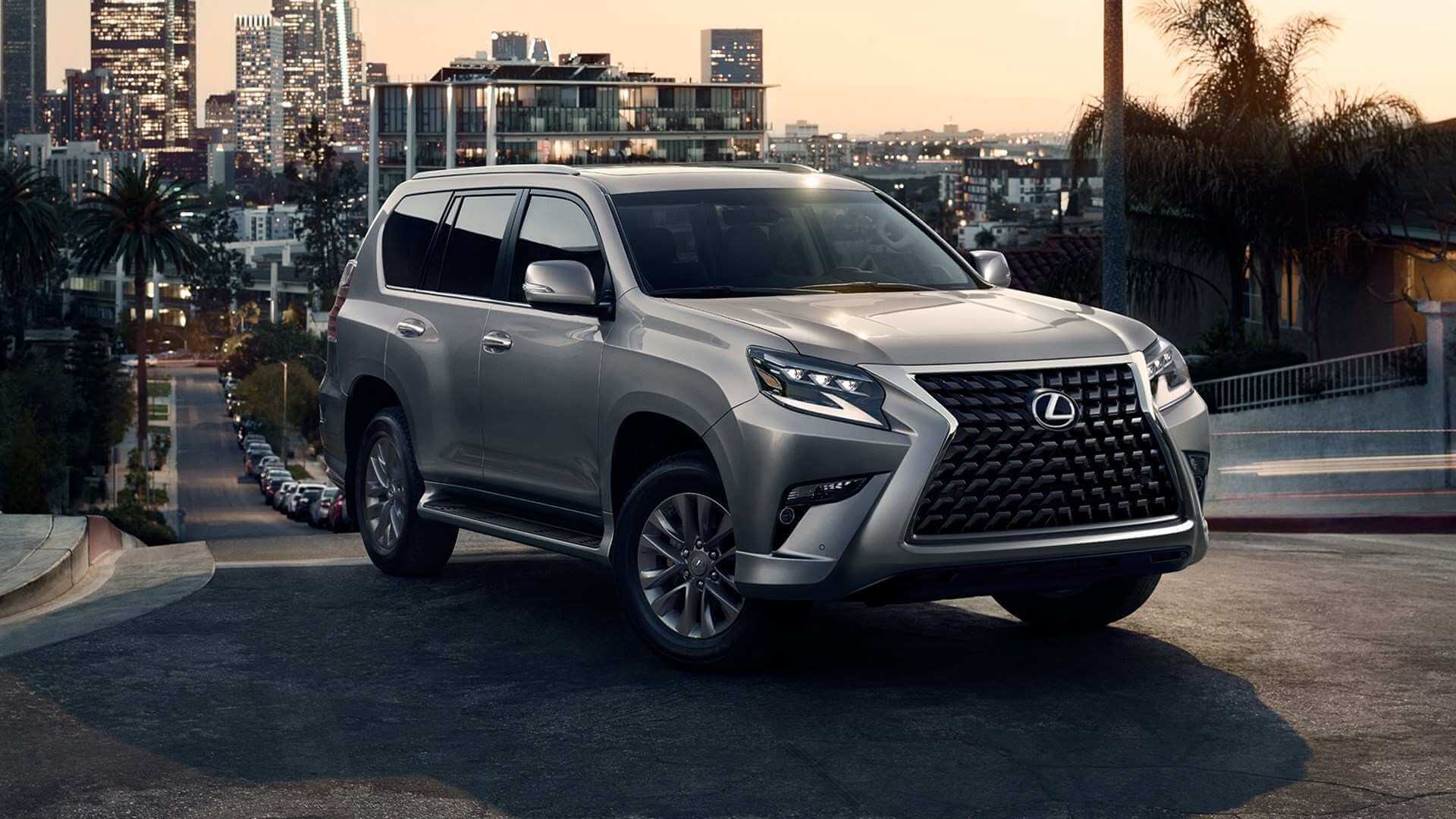
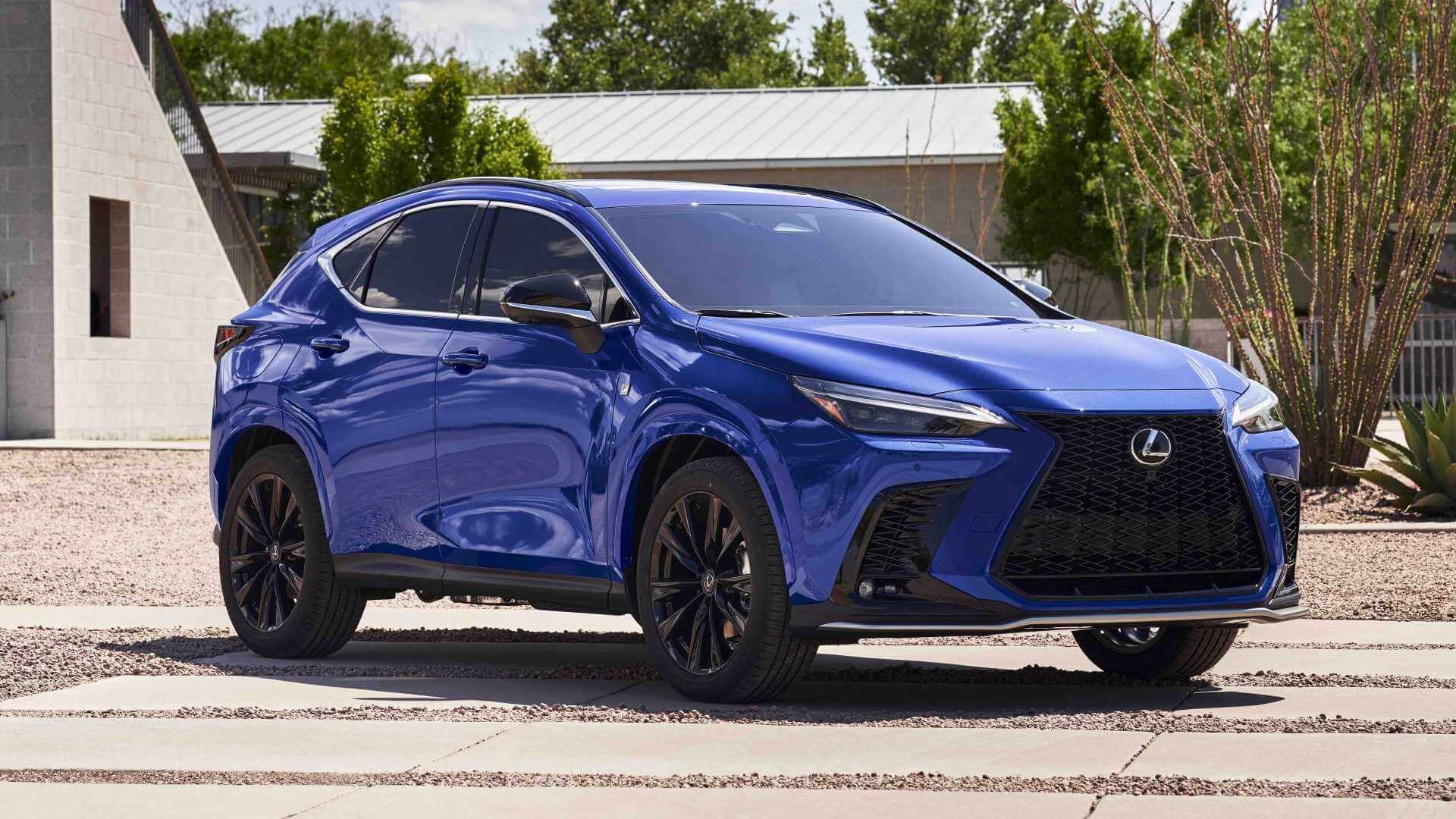
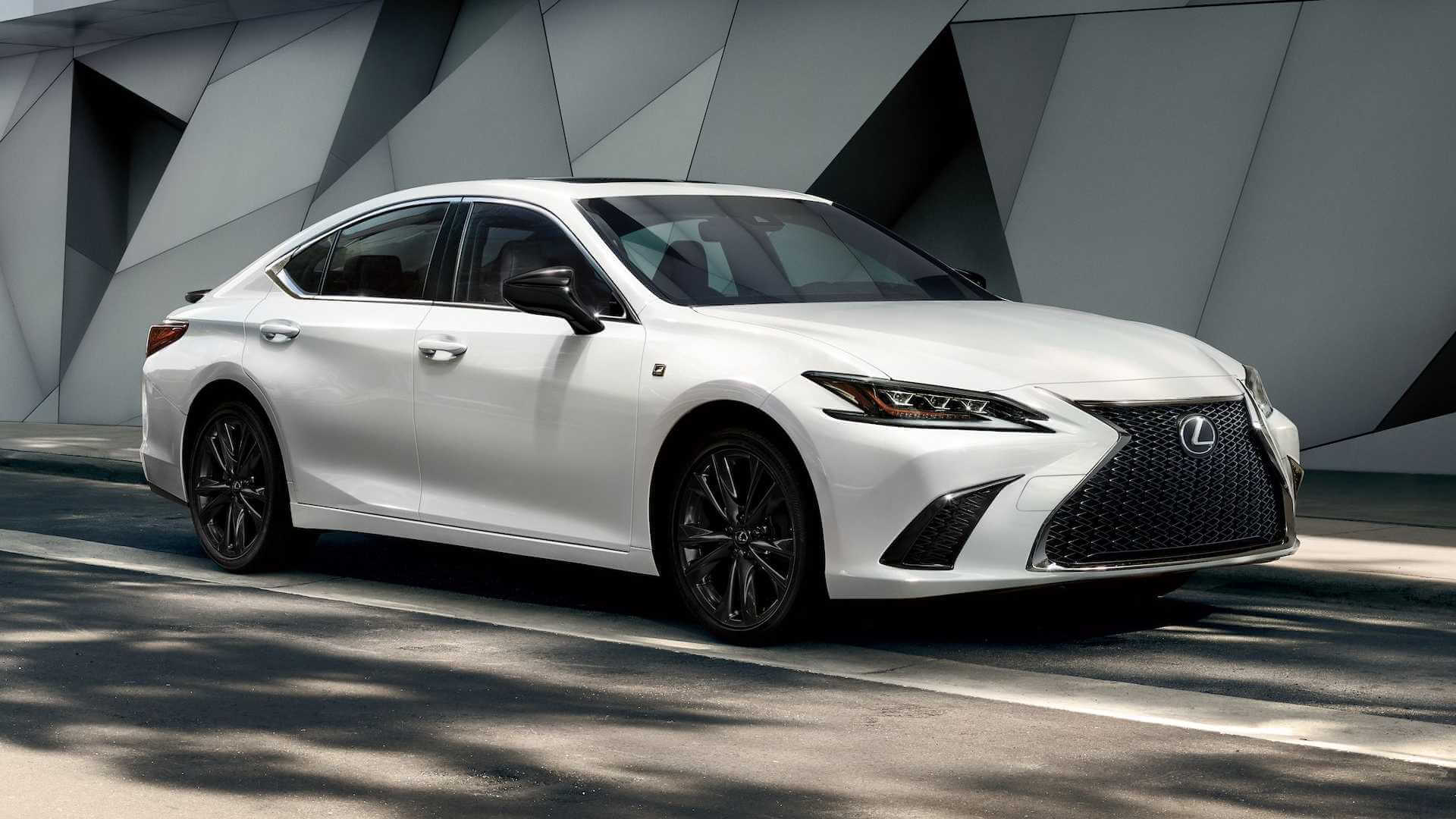
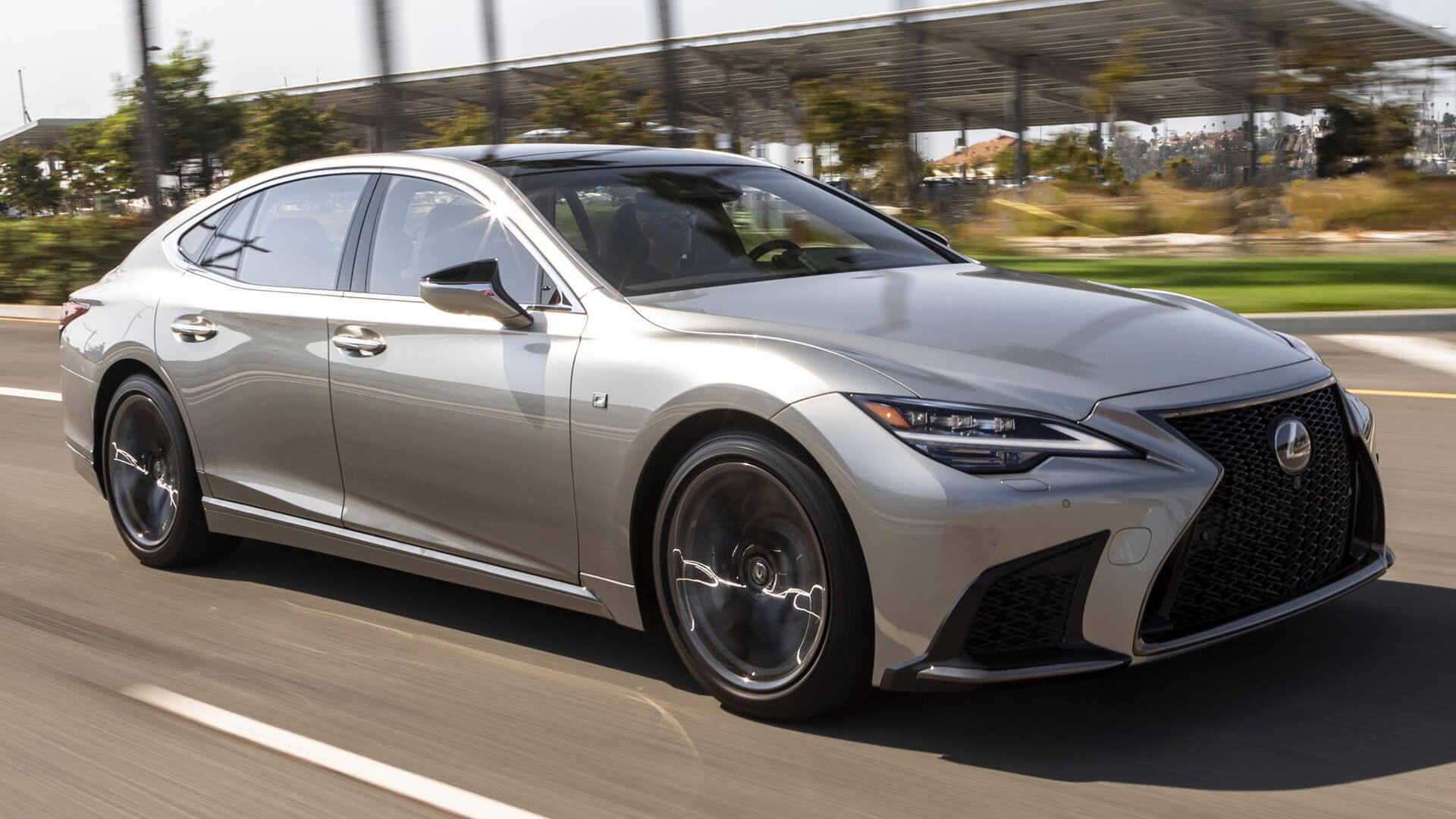
 Lexus RX
All generations, specs and history
Published Sources (1) Report an error
By Felix Hartmann, Automotive Technology & EV Contributor
- Built
- 1998–present
- Generations
- 5 · MCU10 to ALA10
Timeline
RX generations
Click a generation for its own page


- RX I (MCU10) 1998–2003 · SUV
- RX II (XU30) 2003–2008 · SUV
- RX III (AL10) 2008–2015 · SUV
- RX IV (AL20) 2015–2022 · SUV
- RX V (ALA10) Current 2022–now · SUV
Newest first · 5 generations since 1998
-
2022
-
2015
-
2008
-
2003
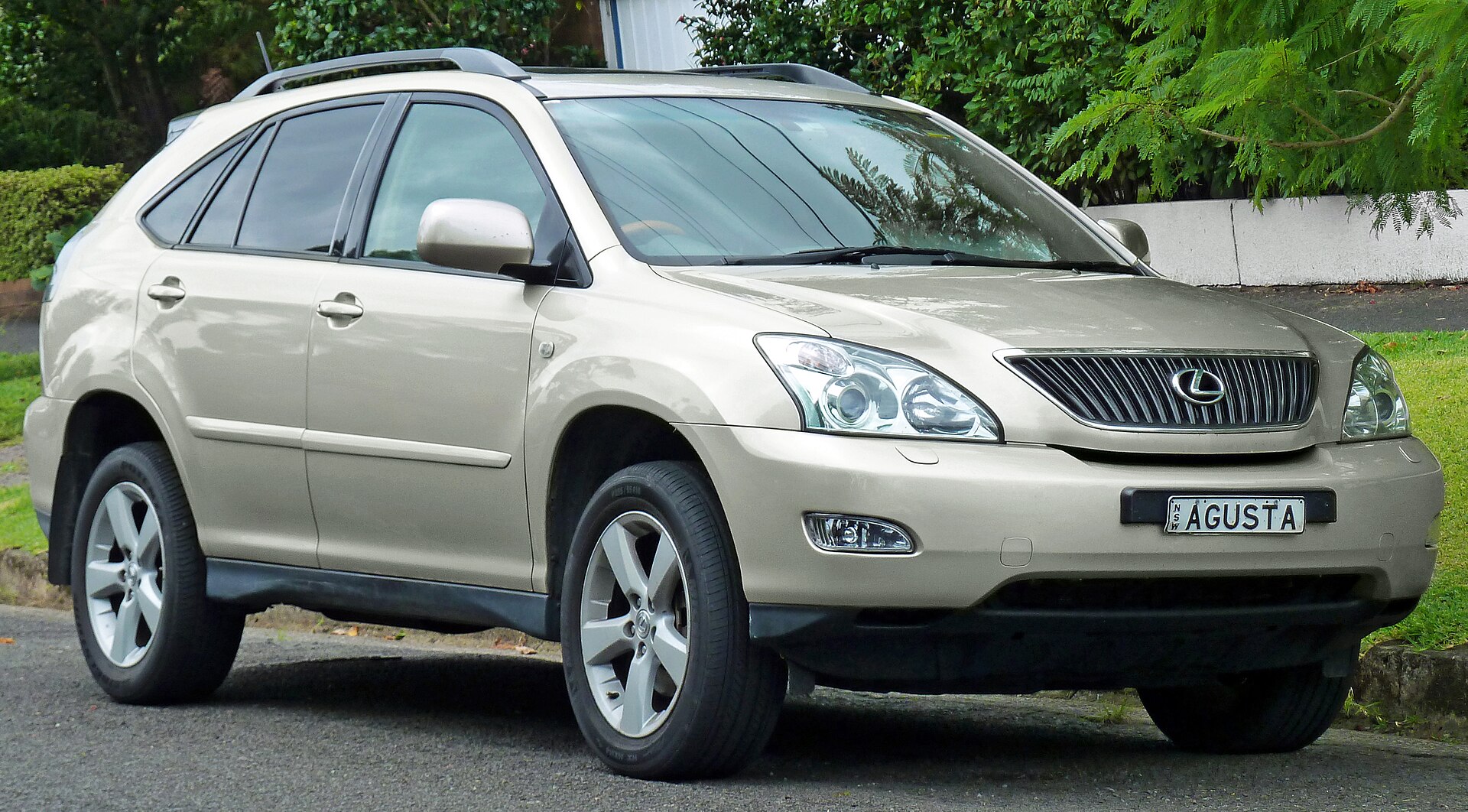
-
1998
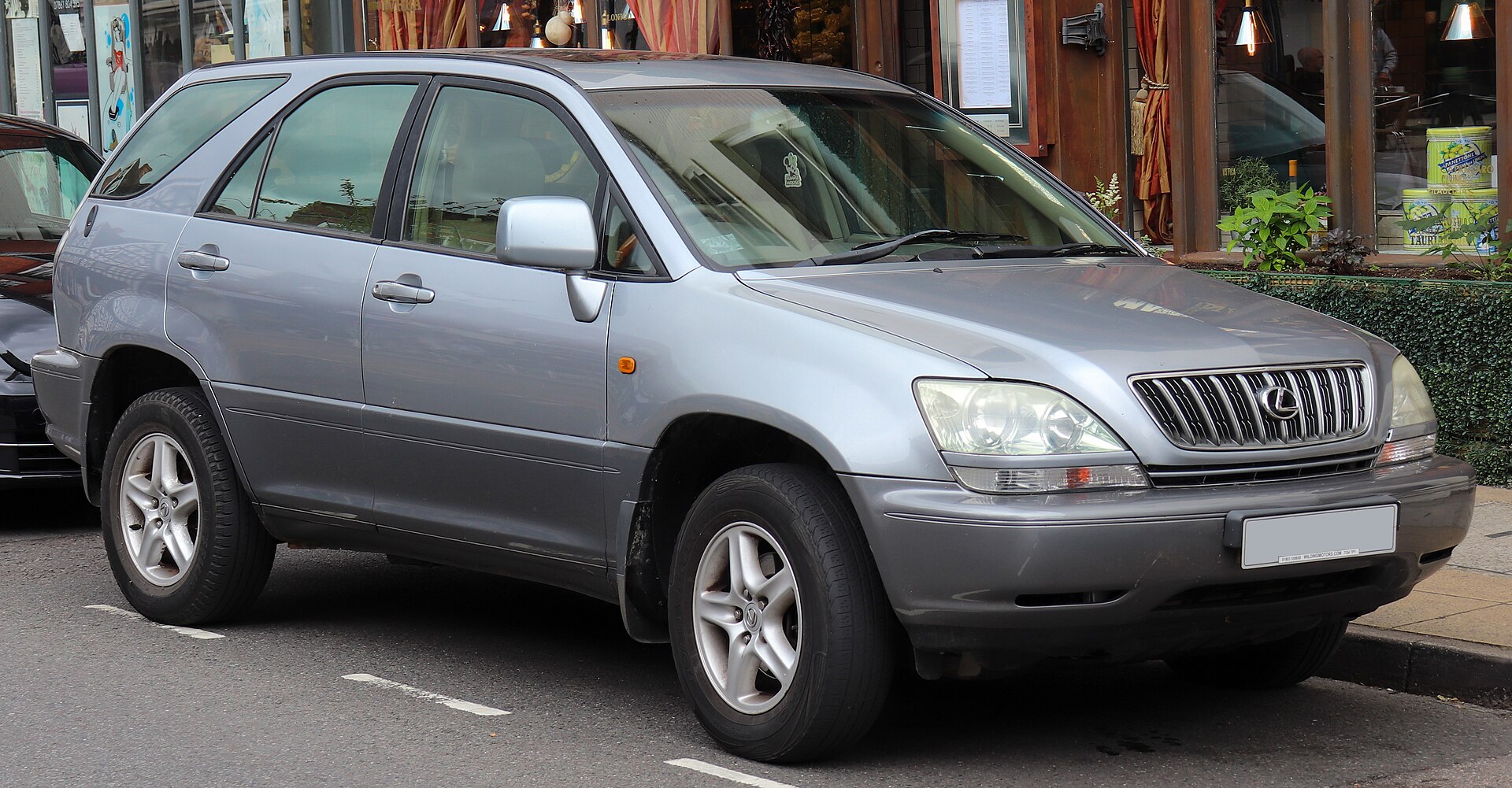
All generations by year: RX V (ALA10) (2022–now) · RX IV (AL20) (2015–2022) · RX III (AL10) (2008–2015) · RX II (XU30) (2003–2008) · RX I (MCU10) (1998–2003)
Which one is mine?
Pick the year of first registration to see which generation it is.
Check by VINThe Lexus RX is a front- or all-wheel-drive mid-size premium crossover from Toyota's luxury brand Lexus, and it is widely regarded as the vehicle that created the luxury crossover class. It combines expressive design, a luxurious cabin, a reliable construction and comfortable driving manners. Five generations have been built since 1998; the RX passed one million sales in 2009, and it pioneered hybrid drive in the premium SUV segment with the RX 400h.
In short
- Five generations: 1998–2003, 2003–2008, 2008–2015, 2015–2022 and from 2022.
- Previewed by the Lexus SLV concept at the Chicago motor show in February 1997.
- Engines have ranged from V6 petrol units to four-cylinder turbos, conventional hybrids and, in the fifth generation, a plug-in hybrid.
- The fourth generation offered a three-row RX L from 2017.
Lexus RX at a glance
The RX is a monocoque crossover with a transverse engine, front-wheel drive in some markets and all-wheel drive. In Japan, the first generations were sold as the Toyota Harrier. More Lexus models are listed in our Lexus catalogue.
Lexus RX generations
First generation (1998–2003)
The RX was previewed by the SLV concept at the Chicago motor show in February 1997, launched in Japan as the Toyota Harrier in December 1997 and went on sale as the Lexus RX in 1998. The RX 300 used a 3.0-litre V6 with 164 kW (220 hp) and a four-speed automatic, and it was built at Toyota's Kyushu plant in Japan. A facelift in 2000 brought revised lights and optional HID headlights.
Second generation (2003–2008)
The second RX was previewed at the Detroit motor show in January 2003. North American production moved to Cambridge, Ontario, in September 2003. Versions included the RX 330 with a 3.3-litre V6 producing 170 kW (230 hp) and a five-speed automatic, the RX 350 with a 3.5-litre V6 from the 2007 model year and the RX 400h of 2005, which combined a 3.3-litre V6 with two electric motors for 200 kW (268 hp) and is considered the first production premium hybrid SUV.
Third generation (2008–2015)
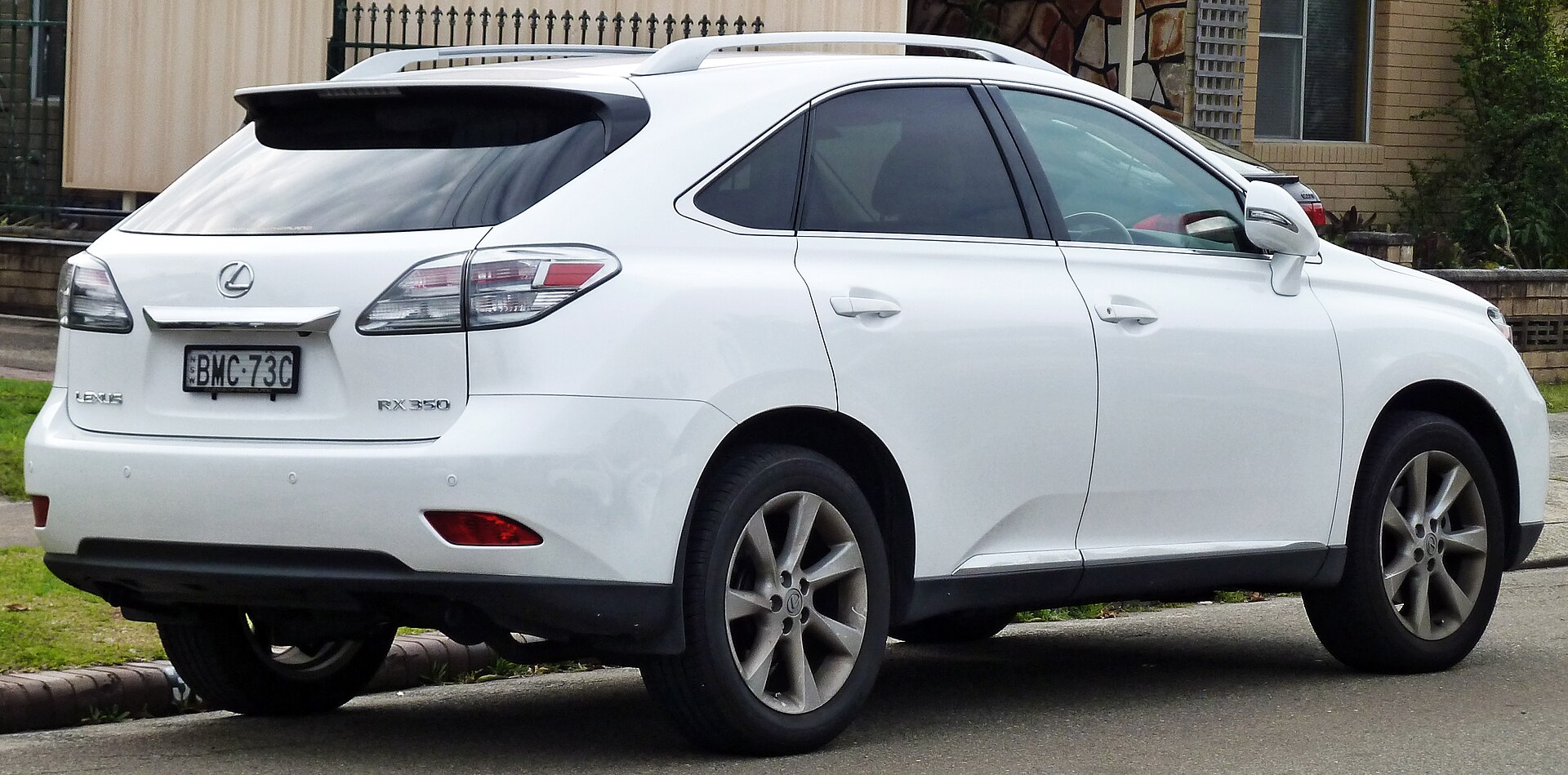
The third RX made its debut on 19 November 2008. The RX 350 used a 3.5-litre V6 with 205 kW (275 hp) and a six-speed automatic, the RX 450h hybrid produced 221 kW (297 hp), and some Asian markets had an RX 270 with a 2.7-litre four-cylinder. A facelift unveiled in Geneva in March 2012 introduced the F Sport version with an eight-speed automatic. Production took place in Japan and in Cambridge, Ontario.
Fourth generation (2015–2022)
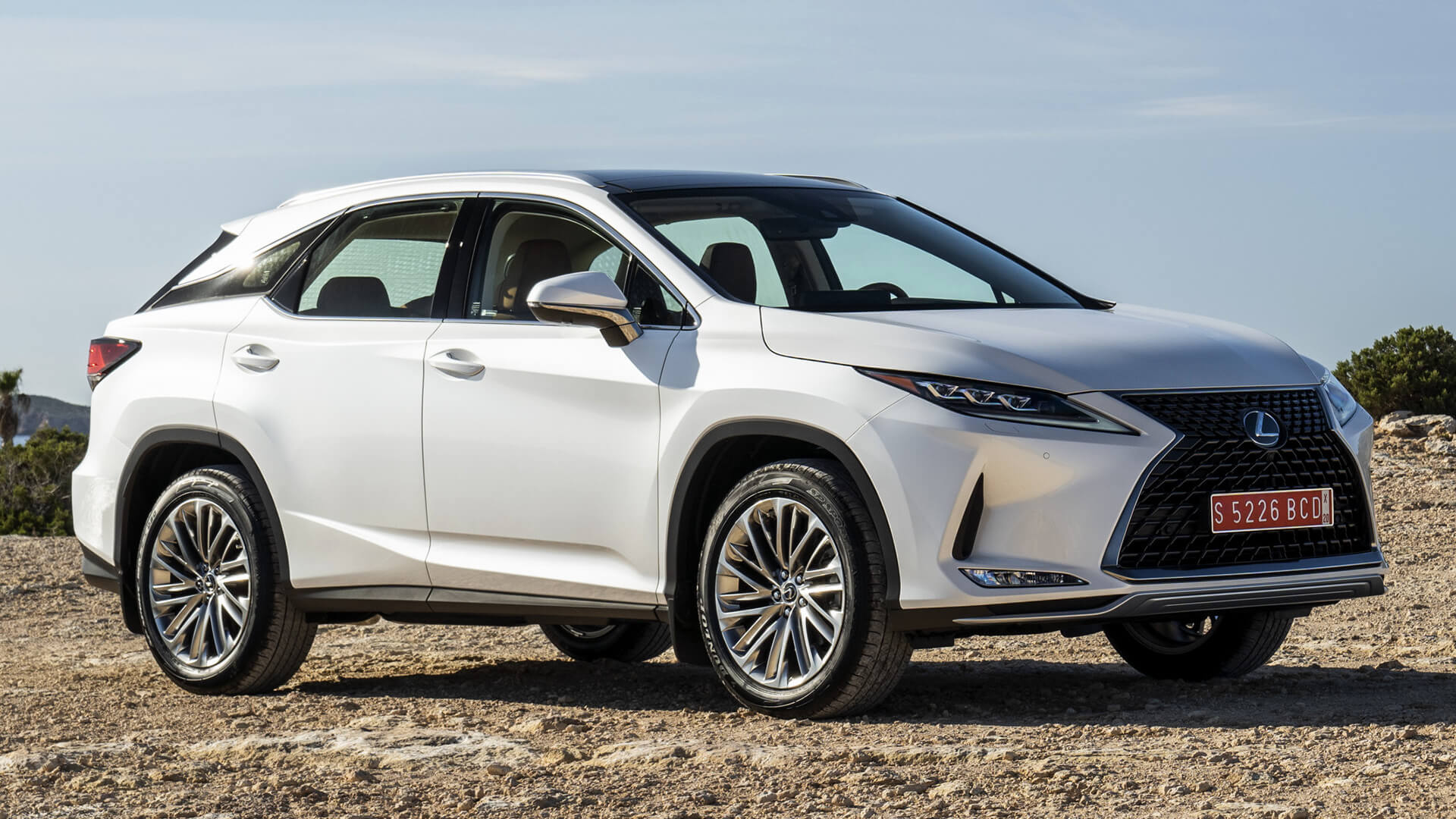
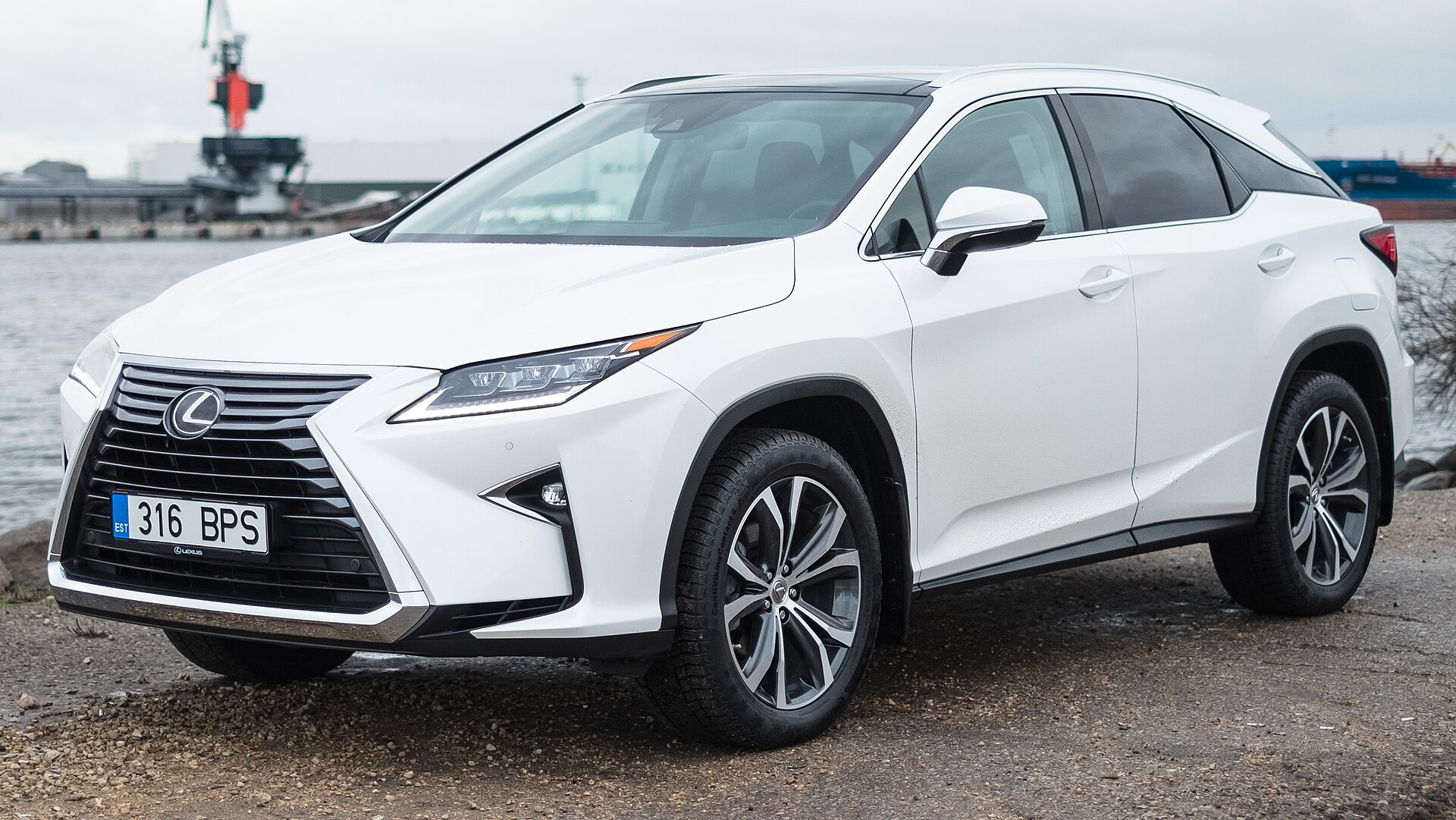
The fourth RX was unveiled at the New York motor show in April 2015 and released late that year. A facelift was shown at the end of May 2019 for the 2020 model year; it changed the exterior only subtly but improved the car in many ways.
The facelifted RX is easily recognisable. The front sits fairly low with a slight slope for good visibility. The bonnet has a recessed centre and prominent ridges, leading to a large spindle grille with a chrome or gloss-black surround and a black mesh. The headlights are more aggressive and now fully LED. Lower openings with mesh cool the engine and brakes, and fog lamps and unpainted plastic protection sit at the bottom of the bumper. In profile, the distinctive window graphic with a thin chrome line and gloss-black "floating" pillars remains, along with gloss-black mirrors with indicators, sculpted flanks, square-shaped flared arches and sporty sills. Ground clearance is 200 mm, and new 18- to 20-inch wheel designs were introduced. The rear has a steeply raked window, a small spoiler with brake lights, an upright tailgate with large, unusually shaped lights and chrome details. Twelve paint colours are offered.
The cabin keeps its impeccable build quality, high-quality materials and precise ergonomics. A modern multifunction steering wheel with paddle shifters faces instruments combining a large LCD display with analogue dials. The 12.3-inch infotainment screen became standard with the facelift (an 8-inch screen is mentioned for base versions in some markets), with Apple CarPlay and Android Auto; an analogue clock with audio and climate controls sits below. The glovebox can cool drinks, and aluminium trim adds a premium touch. Comfortable front seats have excellent side support and many adjustments, and the tunnel carries the gear selector, the electric parking brake, the drive-mode selector, an optional touchpad, cupholders and an armrest. The rear bench suits two, with room for a third. The three-row RX L (RX 350L and RX 450hL), announced in November 2017, has sliding third-row seats suitable for teenagers. The five-seat RX's boot holds 506 litres, rising to 1,626 litres with the second row folded.
Engines and transmissions (fourth generation)
| Version | Engine | Power (kW / hp) | Gearbox |
|---|---|---|---|
| RX 200t / RX 300 | 2.0 turbo I4 | 175 kW / 235 hp | 6-speed automatic |
| RX 350 | 3.5 V6 | 220 kW / 295–300 hp | 8-speed automatic |
| RX 450h | 3.5 V6 hybrid with electric motors | 230 kW / 308 hp (combined) | eCVT |
Published figures give 0–100 km/h in 9.2 seconds for the 2.0 turbo, 8.2 seconds for the RX 350 and 7.7 seconds for the RX 450h, a top speed of 200 km/h and combined consumption of about 7.8, 9.0 and 5.2 l/100 km respectively. Front-wheel drive is standard in some markets, with an all-wheel-drive system using a multi-plate clutch as an option.
The RX uses fully independent suspension with MacPherson struts at the front and double wishbones at the rear, with optional adaptive dampers and electric power steering with variable characteristics. All brakes are ventilated discs. For the facelift, engineers revised the anti-roll bars, springs and dampers and stiffened the body with 25 extra spot welds and 4.2 m of structural adhesive, reducing roll, vibration and noise. The F Sport package adds sporty styling details inside and out and retuned engine and suspension settings for sharper handling.
Fifth generation (2022 onwards)
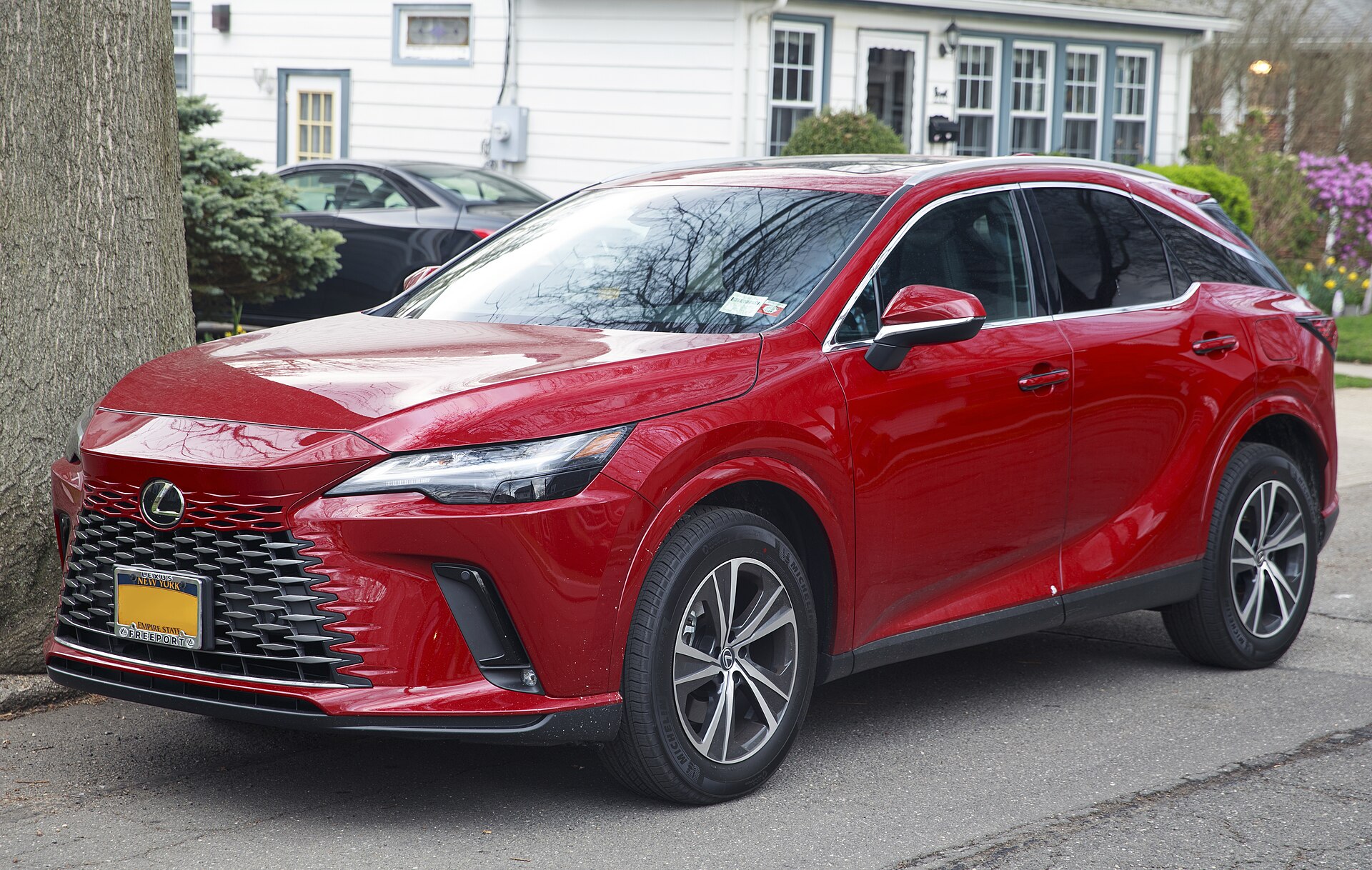
The fifth RX was unveiled on 31 May 2022 on Toyota's GA-K platform, as a five-seater only. Versions include the RX 350 with a 2.4-litre turbo four-cylinder producing 205 kW (275 hp) and an eight-speed automatic, the RX 350h hybrid with 183 kW (246 hp), the RX 450h+ plug-in hybrid with an 18.1 kWh battery and 227 kW (304 hp), and the RX 500h F Sport Performance, a turbocharged hybrid with about 273 kW (366 hp), a six-speed automatic and Direct4 all-wheel drive.
Safety
The facelifted fourth generation has Lexus Safety System+ 2.0, which detects pedestrians and cyclists even in poor light, Road Sign Assist, which shows traffic signs on the instrument panel, and lane tracing that keeps the car centred in its lane, following the vehicle ahead when markings cannot be detected. Equipment includes ten airbags, LED headlights and tail lights, headlight washers, a rear camera, heated front and second-row seats, active head restraints and, on higher trims, adaptive suspension, a head-up display, a panoramic camera, a power tailgate, a 15-speaker audio system, blind-spot monitoring and rear cross-traffic alert.
Key specifications by generation
| Generation | Years | Main versions | Power range (kW / hp) |
|---|---|---|---|
| 1st | 1998–2003 | RX 300 | 164 kW / 220 hp |
| 2nd | 2003–2008 | RX 300, RX 330, RX 350, RX 400h | 170–200 kW / 230–268 hp |
| 3rd | 2008–2015 | RX 270, RX 350, RX 450h | 140–221 kW / 188–297 hp |
| 4th | 2015–2022 | RX 200t/300, RX 350, RX 450h, RX L | 175–230 kW / 235–308 hp |
| 5th | 2022 onwards | RX 350, 350h, 450h+, 500h | 183–273 kW / 246–366 hp |
Strengths and weaknesses
Owners describe the RX as very reliable and comfortable across generations, with an excellent cabin, modern looks, good value for money, many driver assistants and comfortable seats. Drawbacks include modest performance in some versions, voice control that could be better, a long front overhang and limited ability in deep snow and off-road. Rivals include the Mercedes-Benz GLE, BMW X5, Audi Q5, Volvo XC60 and Acura MDX.
Image credits · Photos from Wikimedia Commons under free licences
- Lexus RX I (MCU10) · Photo: Vauxford / Wikimedia Commons, CC BY-SA 4.0
- Lexus RX II (XU30) · Photo: OSX / Wikimedia Commons, Public domain
- Lexus RX III (AL10) · Photo: OSX / Wikimedia Commons, Public domain
- Lexus RX IV (AL20) · Photo: Kārlis Dambrāns / Wikimedia Commons, CC BY 2.0
- Lexus RX V (ALA10) · Photo: Mr.choppers / Wikimedia Commons, CC BY-SA 3.0
Lexus RX in our rankings
- No. 81 of 912 · Longest-running car nameplates (28 years · top 9%)
- No. 61 of 305 · Oldest car models still on sale (28 years · top 20%)
- No. 77 of 345 · Cars with the most generations (5 generations · top 25%)
In production longer than 91% of ranked nameplates in the 1CARS catalog (No. 81 of 912).
FAQ
Was the Lexus RX the first luxury crossover?
It is widely regarded as the first luxury crossover; it was launched in 1998.
What is the Lexus RX called in Japan?
The first generations were sold in Japan as the Toyota Harrier.
When was the first Lexus RX hybrid?
The RX 400h of 2005, considered the first production premium hybrid SUV.
How many generations of the Lexus RX are there?
Five: 1998, 2003, 2008, 2015 and 2022.
Data sources
Data checked by an editor against the sources below.