 Lexus LS
All generations, specs and history
Published Sources (1) Report an error
By Felix Hartmann, Automotive Technology & EV Contributor
- Built
- 1989–present
- Generations
- 5 · UCF10 to VXFA50
Timeline
LS generations
Click a generation for its own page


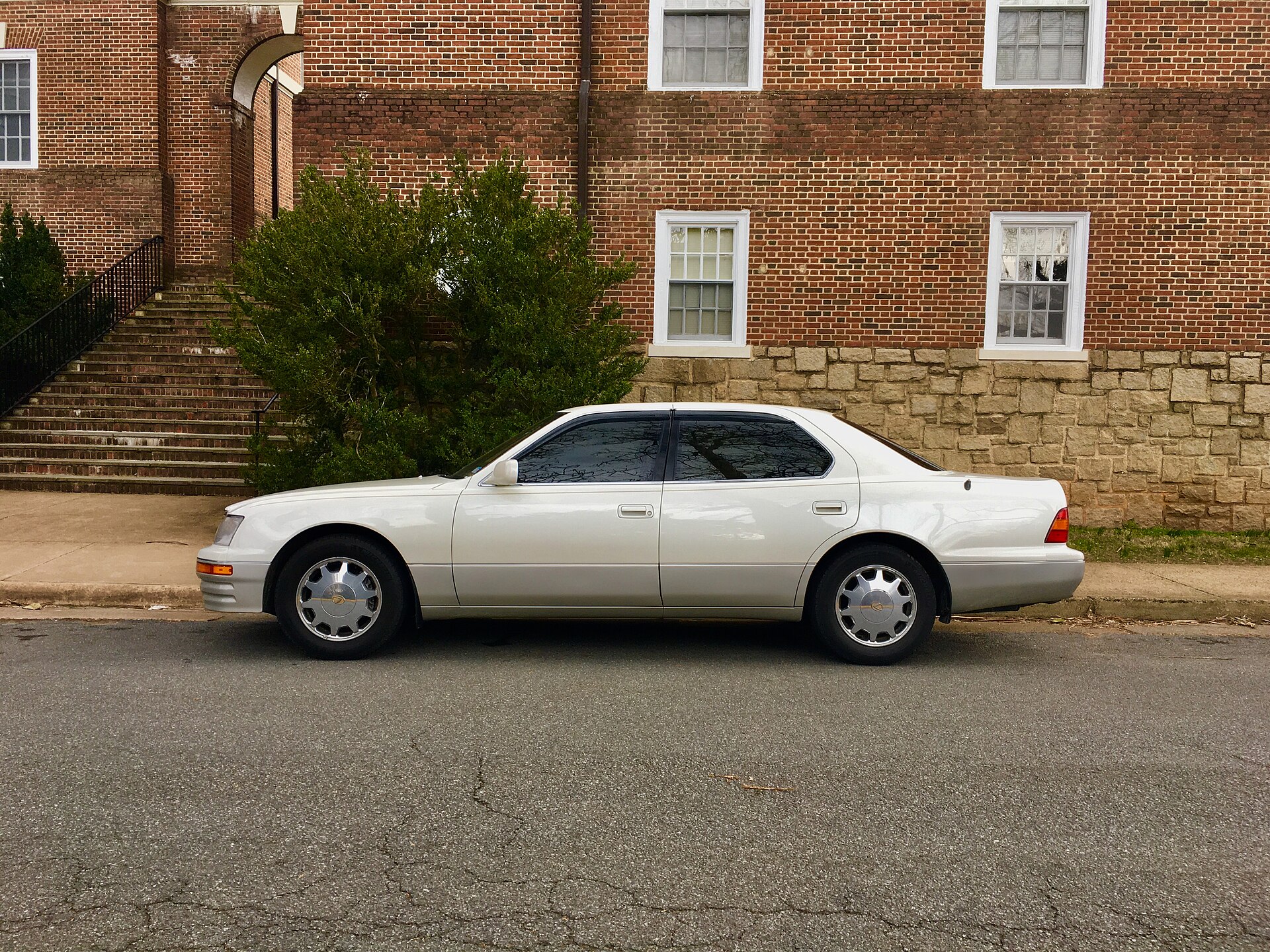
- LS I (UCF10) 1989–1994 · Sedan
- LS II (UCF20) 1994–2000 · Sedan
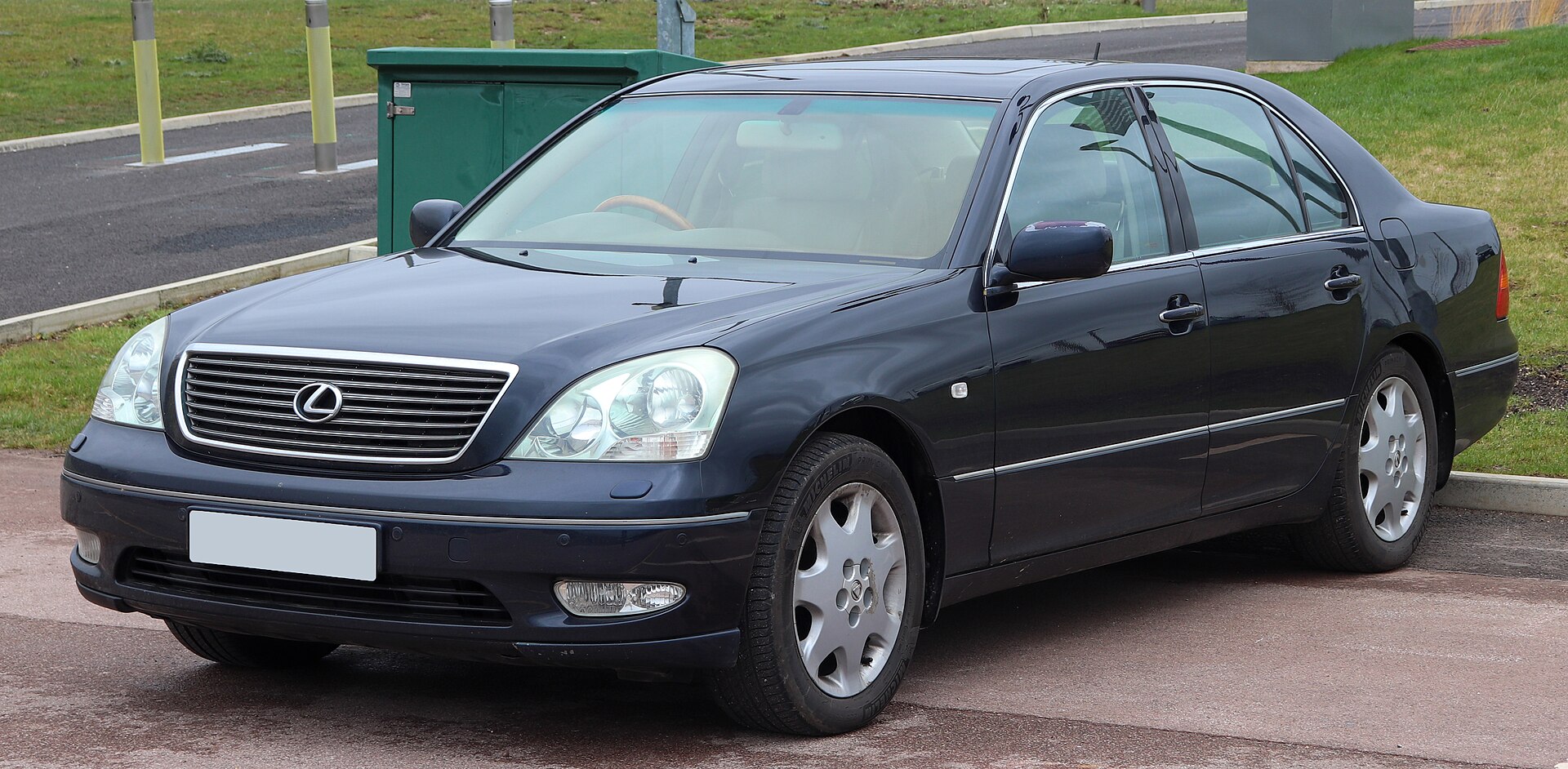
- LS III (UCF30) 2000–2006 · Sedan
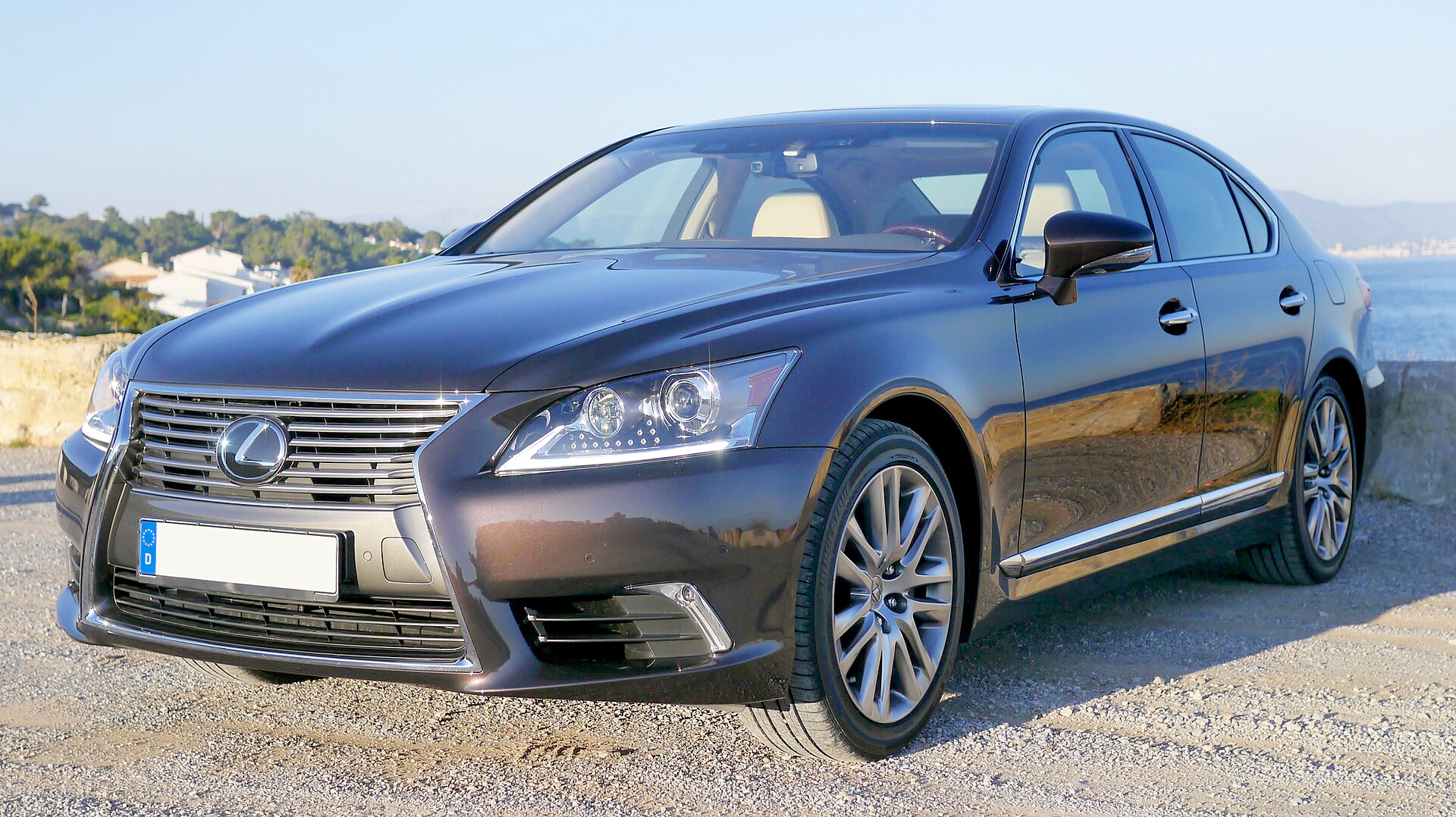
- LS IV (USF40) 2006–2017 · Sedan
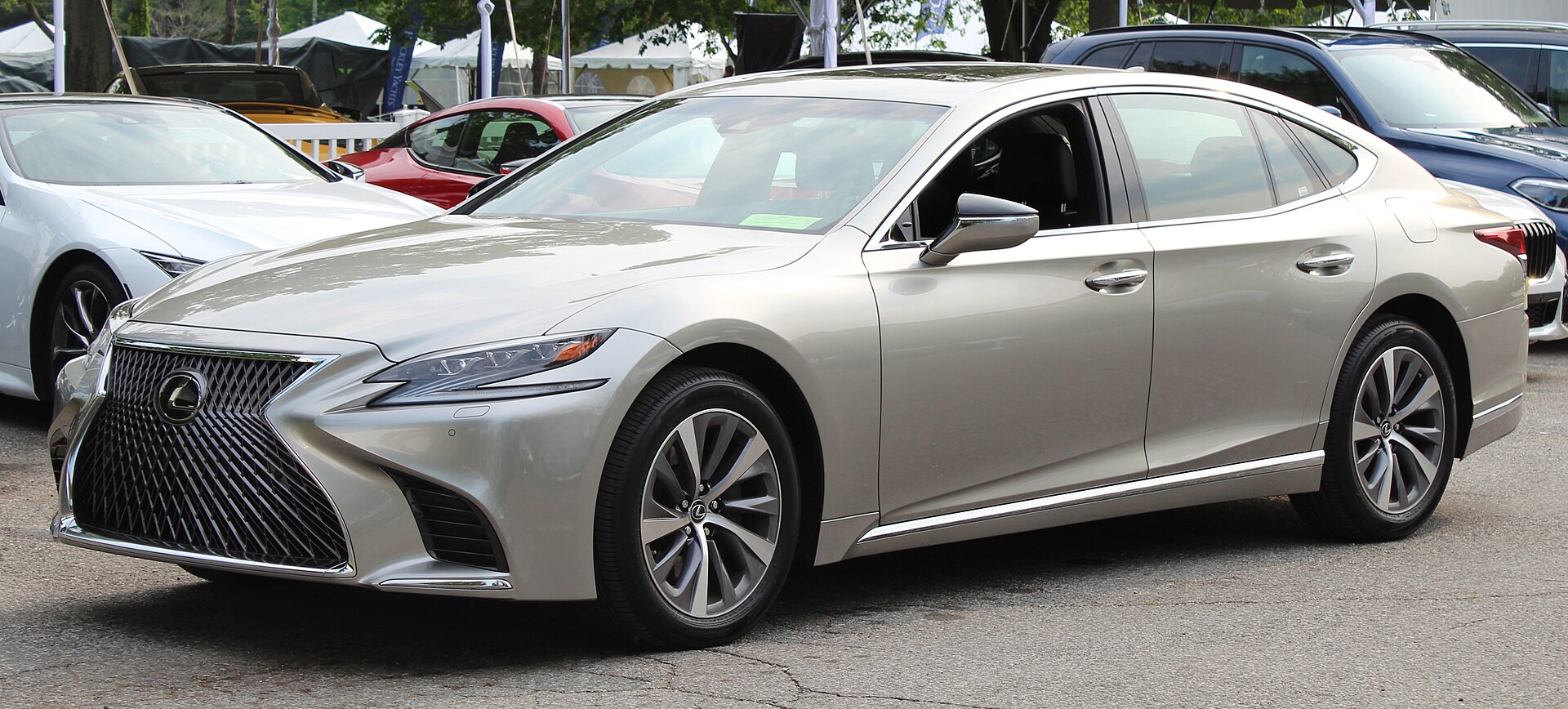
- LS V (VXFA50) Current 2017–now · Sedan
Newest first · 5 generations since 1989
-
2017
-
2006
-
2000
-
1994
-
1989
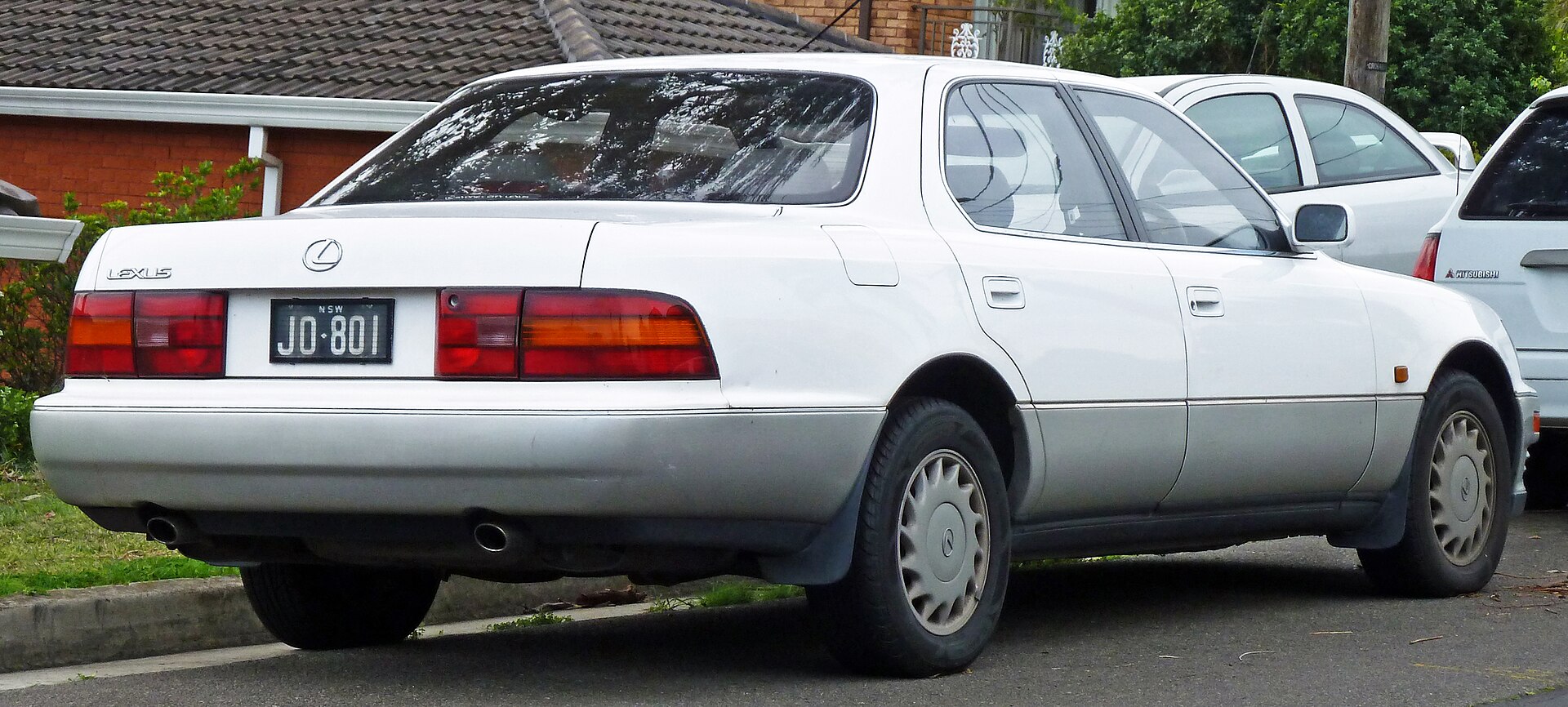
All generations by year: LS V (VXFA50) (2017–now) · LS IV (USF40) (2006–2017) · LS III (UCF30) (2000–2006) · LS II (UCF20) (1994–2000) · LS I (UCF10) (1989–1994)
Which one is mine?
Pick the year of first registration to see which generation it is.
- VXFA50 2017–present
- USF40 2006–2017
- UCF30 2000–2006
- UCF20 1994–2000
- UCF10 1989–1994
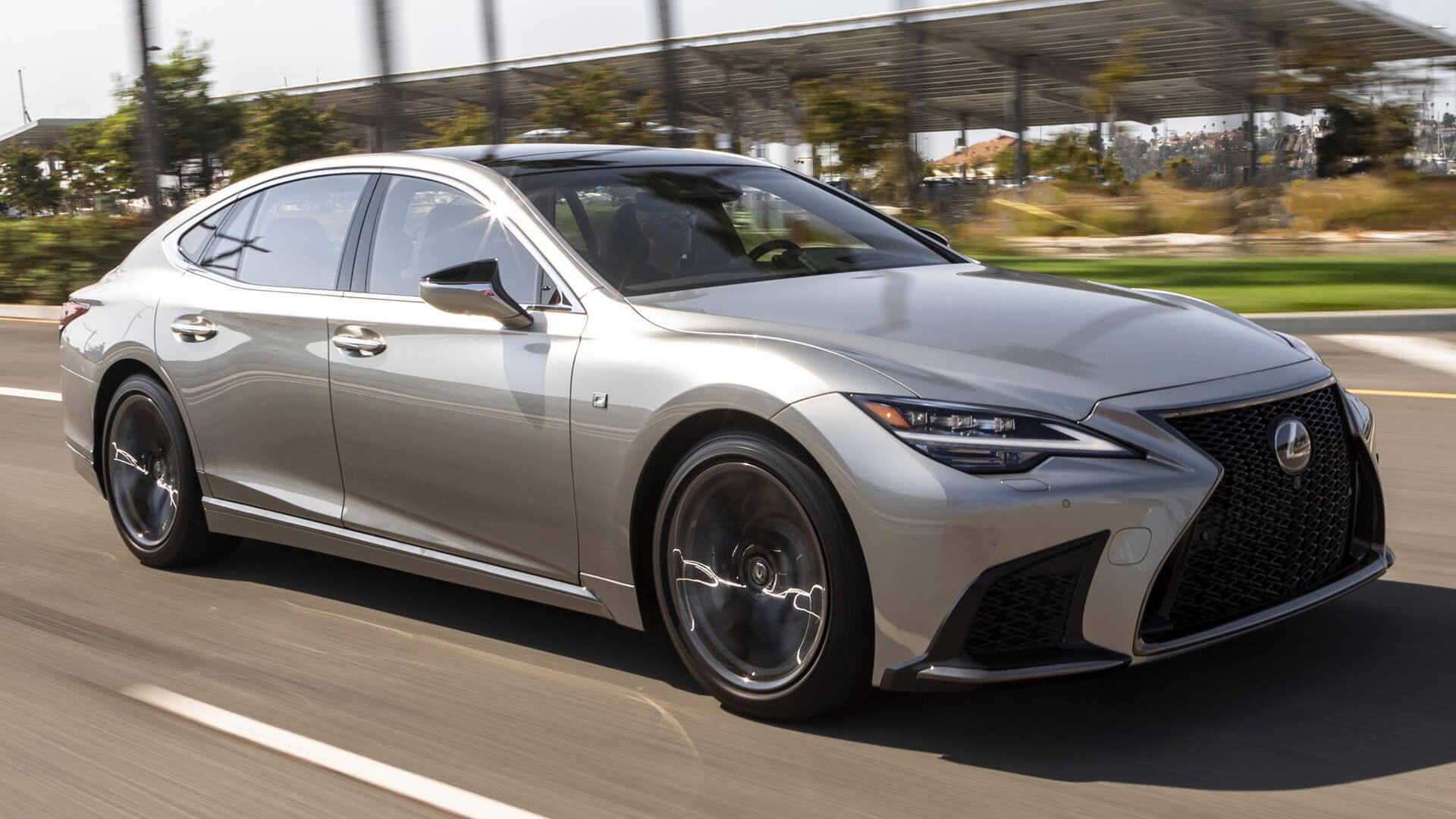
The Lexus LS is the full-size flagship saloon of Toyota's luxury brand and the car with which Lexus was launched. It stands out for striking design, a high level of luxury and advanced technology. Five generations have been built: the LS 400 made its debut at the Detroit motor show in January 1989, followed by a second generation in 1994, the LS 430 in 2000, the LS 460 in 2006 and the fifth generation, shown in Detroit in January 2017. A facelift of the fifth generation was revealed online in July 2020.
In short
- Five generations since 1989; the LS 400 was the first Lexus model.
- The LS 460 (2006) introduced the world's first production eight-speed automatic; the LS 600h was a V8 hybrid.
- Fifth generation on the GA-L platform: LS 500 with a 3.4 twin-turbo V6 producing 309 kW (421 PS) and a ten-speed automatic, and the LS 500h hybrid with 264 kW (359 PS).
- Sales ended in the UK in 2025, and model year 2026 is the last in the United States.
Lexus LS at a glance
The LS is a rear- or all-wheel-drive luxury saloon with a longitudinal engine. More Lexus models are listed in our Lexus catalogue.
Lexus LS generations
| Generation | Years | Debut | Main engines |
|---|---|---|---|
| LS 400 (UCF10) | 1989–1994 | January 1989, Detroit | 4.0 V8, 180 kW (242 hp), 4-speed automatic |
| LS 400 (UCF20) | 1994–2000 | November 1994 | 4.0 V8, 194 kW (260 hp), later 216 kW (290 hp); 5-speed automatic from 1997 |
| LS 430 (UCF30) | 2000–2006 | January 2000, Detroit | 4.3 V8, 216 kW (290 hp) |
| LS 460 / LS 600h (USF40) | 2006–2017 | January 2006, Detroit | 4.6 V8, 268–283 kW (360–380 hp); LS 600h V8 hybrid, 327 kW (438 hp) |
| LS 500 / LS 500h (XF50) | 2017–2025/26 | January 2017, Detroit | 3.4 twin-turbo V6, 309 kW (415 hp); hybrid, 264 kW (354 hp) |
The LS 430 was the first Lexus in the United States with adaptive cruise control, and the LS 460 brought the first production eight-speed automatic. The fifth generation was the first LS without a V8.
Fifth generation (2017 onwards)
Exterior
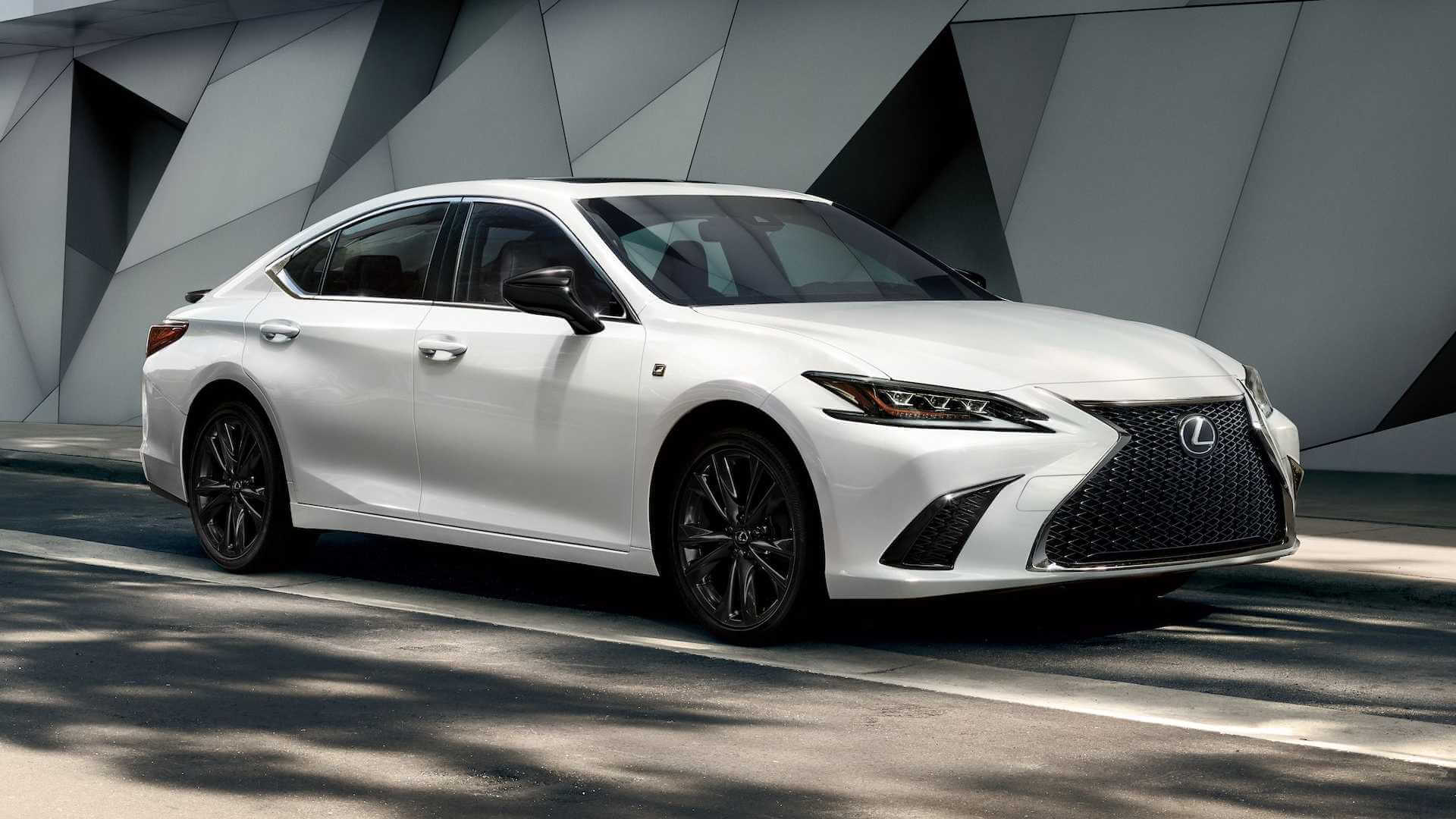
Many experts consider the LS one of the most striking luxury saloons. The 2020 facelift brought revised headlights without unnecessary zigzags and elongated chrome strips that wrap around the sides of the bumper. The headlights use rotating mirrors and sequentially activated LEDs to shape the light beam, illuminating hard-to-see areas such as crossings and verges without dazzling other road users. The F Sport has larger intakes, a unique grille and exclusive 20-inch wheels. In profile, a long, low silhouette with an almost hatchback-like rear pillar, expressive flanks and a sporty stance stand out; ground clearance is 147–169 mm. Base versions have 19-inch alloys and more expensive ones 20-inch wheels. At the rear, Piano Black trim links the large LED tail lights, which split into two segments towards the sides, replacing the earlier chrome.
Interior
The facelift moved the infotainment screen from the dashboard surface to a free-standing position. The driver's seat has 16-way adjustment with pronounced side and lumbar support. A digital instrument panel with "horn"-like controls at either side sits behind a sculpted multifunction steering wheel. A horizontal dashboard insert inspired by guitar strings, laser-cut real wood, aluminium and high-grade leather create a refined atmosphere. The touchscreen supports Apple CarPlay, Android Auto and SmartDeviceLink, alongside an analogue clock and an ergonomic climate panel. New Nishijin & Haku trim with traditional Japanese patterns, a larger digital rear-view mirror and seats with urethane cushions were added. All seats can have heating, massage and ventilation; rear passengers can have an ottoman and backrests adjustable from 24 to 48 degrees. Long-wheelbase versions offer a footrest, a 9-inch roof screen, separate climate control and two individual rear seats with a control armrest, while standard versions have a three-seat bench. The boot holds 480 litres and has a power, hands-free lid; run-flat tyres replace the spare.
Engines and transmissions (fifth generation)
| Version | Engine | Power (kW / PS) | Torque |
|---|---|---|---|
| LS 350 | 3.5 V6, naturally aspirated | 234 kW / 318 PS | — |
| LS 500 | 3.4 V6 twin-turbo, direct injection | 309 kW / 421 PS | 600 Nm |
| LS 500h | 3.5 V6 multi-stage hybrid | 264 kW / 359 PS (system) | — |
The LS 500's aluminium twin-turbo V6 has electrically controlled variable valve timing, and Lexus says it draws on motorsport know-how. The petrol versions use a ten-speed Aisin Direct-Shift automatic with manual mode. Base versions are rear-wheel drive, and higher trims have permanent all-wheel drive.
Chassis
The fifth LS is built on the GA-L platform for Lexus's premium models, with ultra-high-strength steel and aluminium alloys in the body and fully independent suspension; air suspension is optional. Normal, Sport and Sport+ modes change the engine and transmission responses. Electric power steering with a variable ratio gives light, precise handling, and all four brakes are ventilated discs.
Safety and equipment
The facelift replaced Lexus Safety System+ with the Lexus Teammate suite. Advanced Drive handles lane keeping, distance control, lane changes and overtaking on motorways, while Advanced Park helps park the car, steering, accelerating, braking and changing gear automatically with a surround-view display; the functions can be expanded through over-the-air updates. At least ten airbags are fitted. Base versions have 19-inch wheels, dual-zone climate control, surround cameras, leather, soft-close doors, heated, ventilated electric front seats and full-LED lights; higher trims add air suspension, 20-inch wheels, four-zone climate control, a Mark Levinson audio system, front massage seats, heated, ventilated electric rear seats, two rear entertainment screens and Japanese-style trim.
Strengths and weaknesses
Owners praise the LS's distinctive styling, unusual key, strong performance with refined cruising when speed is not needed, spacious interior, excellent sound insulation, rich equipment and many driver assistants, as well as fuel consumption that is reasonable for such a car. Rivals include the Mercedes-Benz S-Class, Audi A8, BMW 7 Series, Jaguar XJ and Porsche Panamera.
Lexus LS evolution in numbers
Did you know?
- The Lexus LS has been around for 37 years: 5 generations in our catalog since 1989.
- The longest-running generation is the LS IV (USF40) (2006–2017): 11 years.
Image credits · Photos from Wikimedia Commons under free licences
- Lexus LS I (UCF10) · Photo: OSX / Wikimedia Commons, Public domain
- Lexus LS II (UCF20) · Photo: 59buick / Wikimedia Commons, CC BY-SA 4.0
- Lexus LS III (UCF30) · Photo: Vauxford / Wikimedia Commons, CC BY-SA 4.0
- Lexus LS IV (USF40) · Photo: Lexus_LS_2013_launch_Cannes_01.jpg: Kārlis Dambrāns from Latvia derivative work: Altair78 / Wikimedia Commons, CC BY 2.0
- Lexus LS V (VXFA50) · Photo: Kevauto / Wikimedia Commons, CC BY-SA 4.0
Lexus LS in our rankings
- No. 38 of 912 · Longest-running car nameplates (37 years · top 5%)
- No. 31 of 305 · Oldest car models still on sale (37 years · top 11%)
- No. 64 of 345 · Cars with the most generations (5 generations · top 25%)
In production longer than 95% of ranked nameplates in the 1CARS catalog (No. 38 of 912).
FAQ
When was the first Lexus LS launched?
The LS 400 made its debut at the Detroit motor show in January 1989 and was the first Lexus model.
What engine does the Lexus LS 500 have?
A 3.4-litre twin-turbo V6 producing 309 kW (421 PS) and 600 Nm, with a ten-speed automatic.
Is there a hybrid Lexus LS?
Yes: the LS 600h of the fourth generation and the LS 500h of the fifth.
Is the Lexus LS still in production?
Sales ended in the UK in 2025, and model year 2026 is the final one in the United States; it continues in some other markets.
Data sources
Data checked by an editor against the sources below.