 Lexus ES
All generations, specs and history
Published Sources (1) Report an error
By Felix Hartmann, Automotive Technology & EV Contributor
- Built
- 1989–present
- Generations
- 8
Timeline
ES generations
Click a generation for its own page
- ES I (VZV21) 1989–1991 · Sedan
- ES II (VCV10) 1991–1996 · Sedan
- ES III (MCV20) 1996–2001 · Sedan
- ES IV (MCV30) 2001–2006 · Sedan
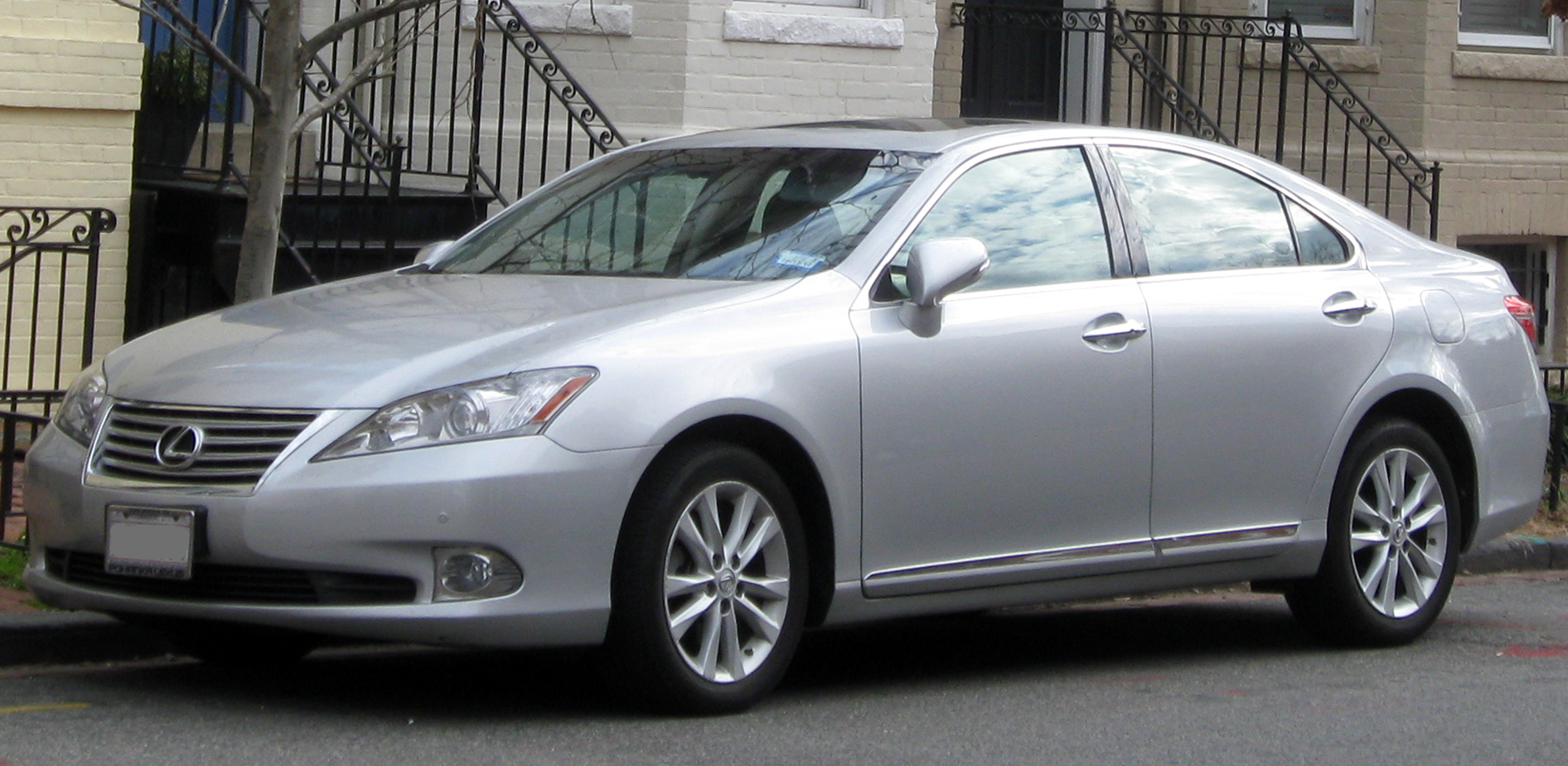
- ES V (GSV40) 2006–2012 · Sedan
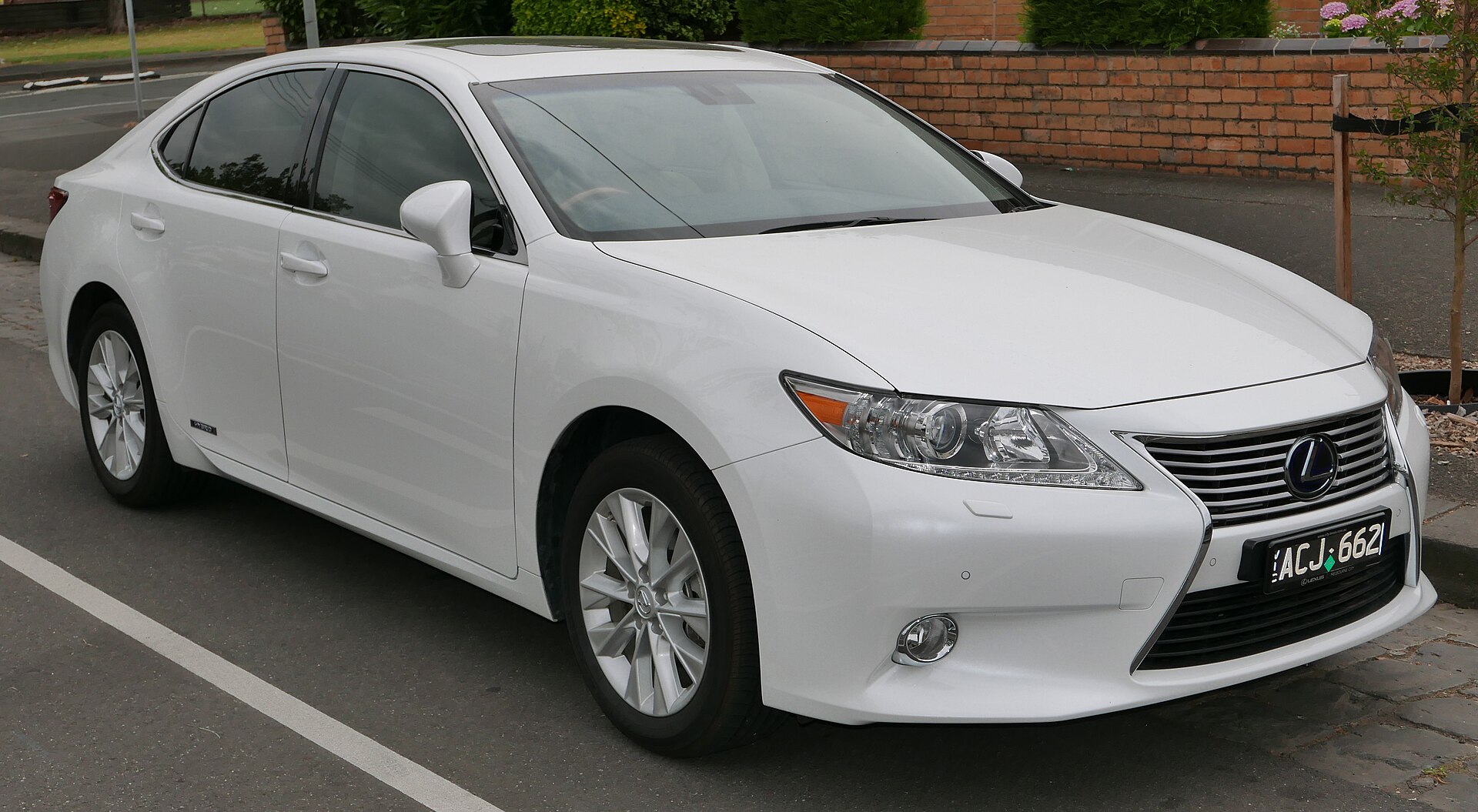
- ES VI (AVV60) 2012–2018 · Sedan
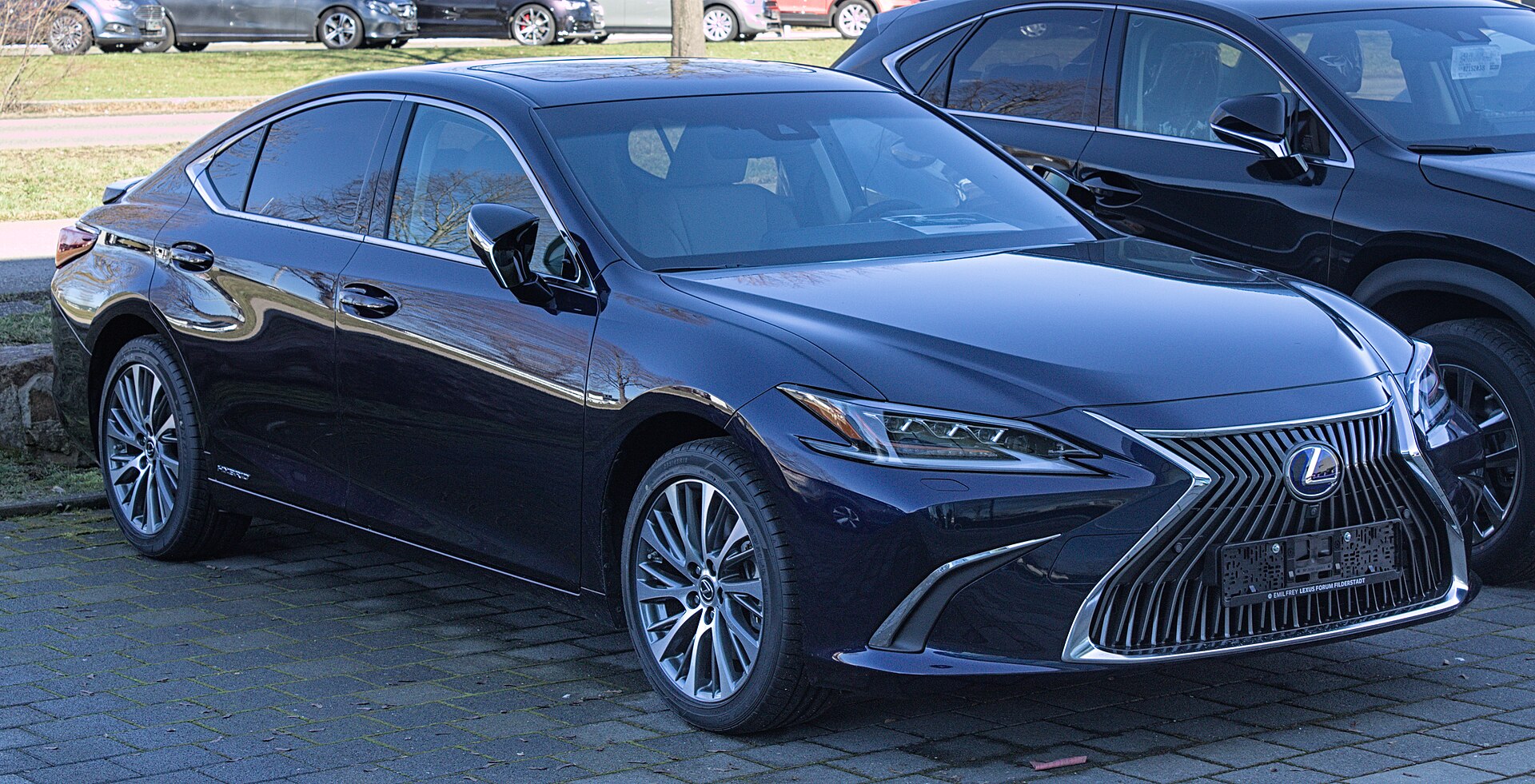
- ES VII (AXZH10) 2018–2025 · Sedan
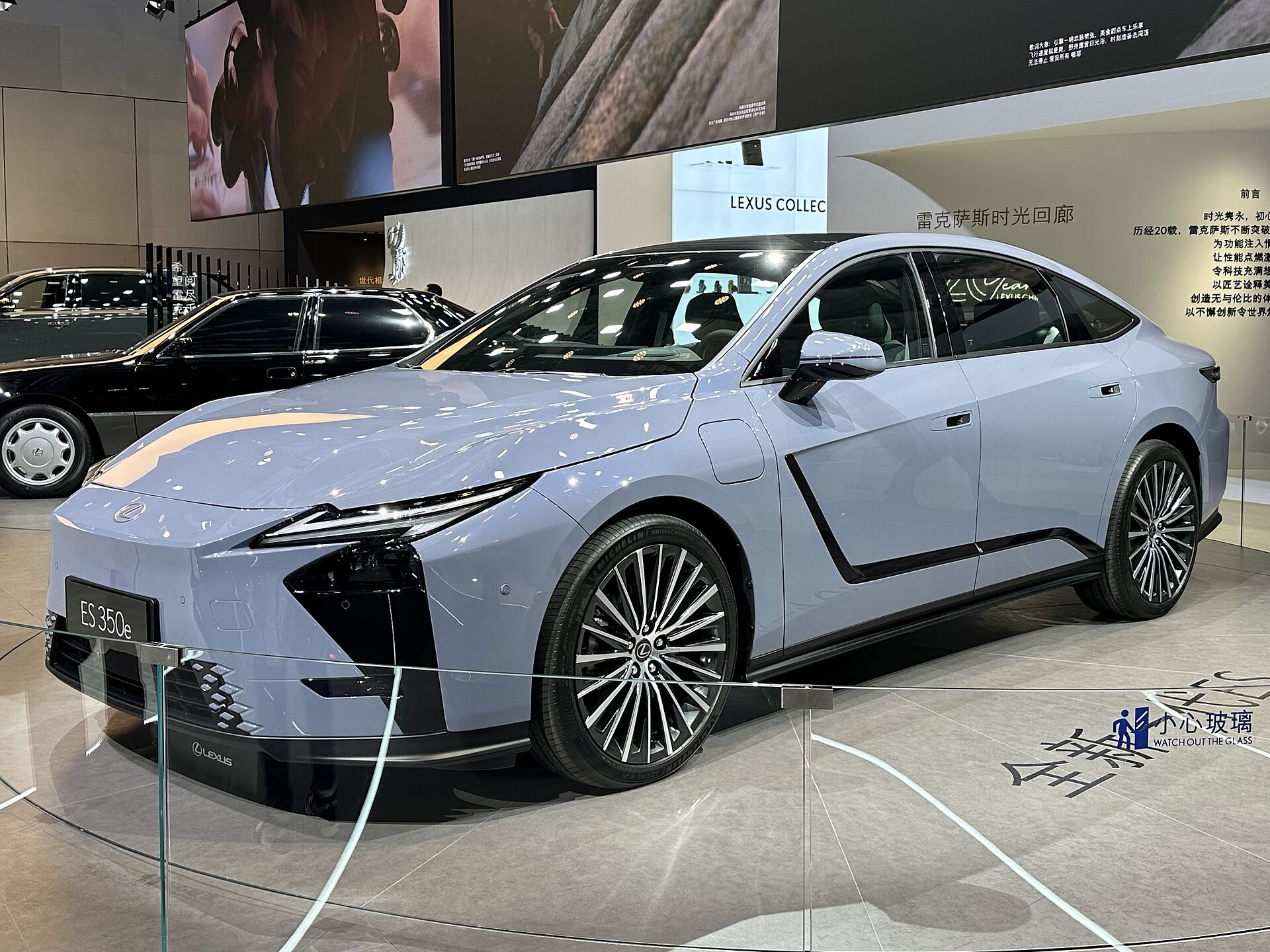
- ES VIII Current 2025–now · Sedan
Newest first · 8 generations since 1989
-
2025
-
2018
-
2012
-
2006
-
2001
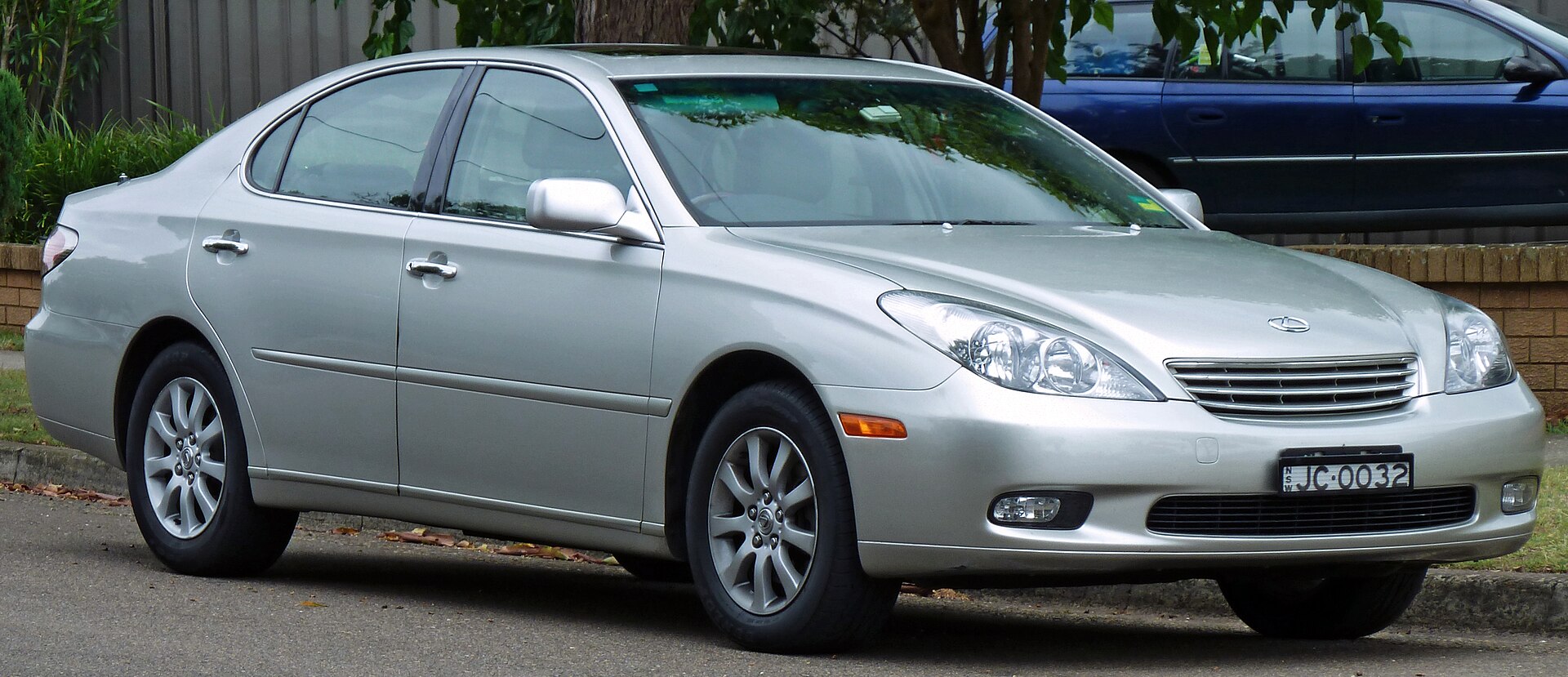
-
1996
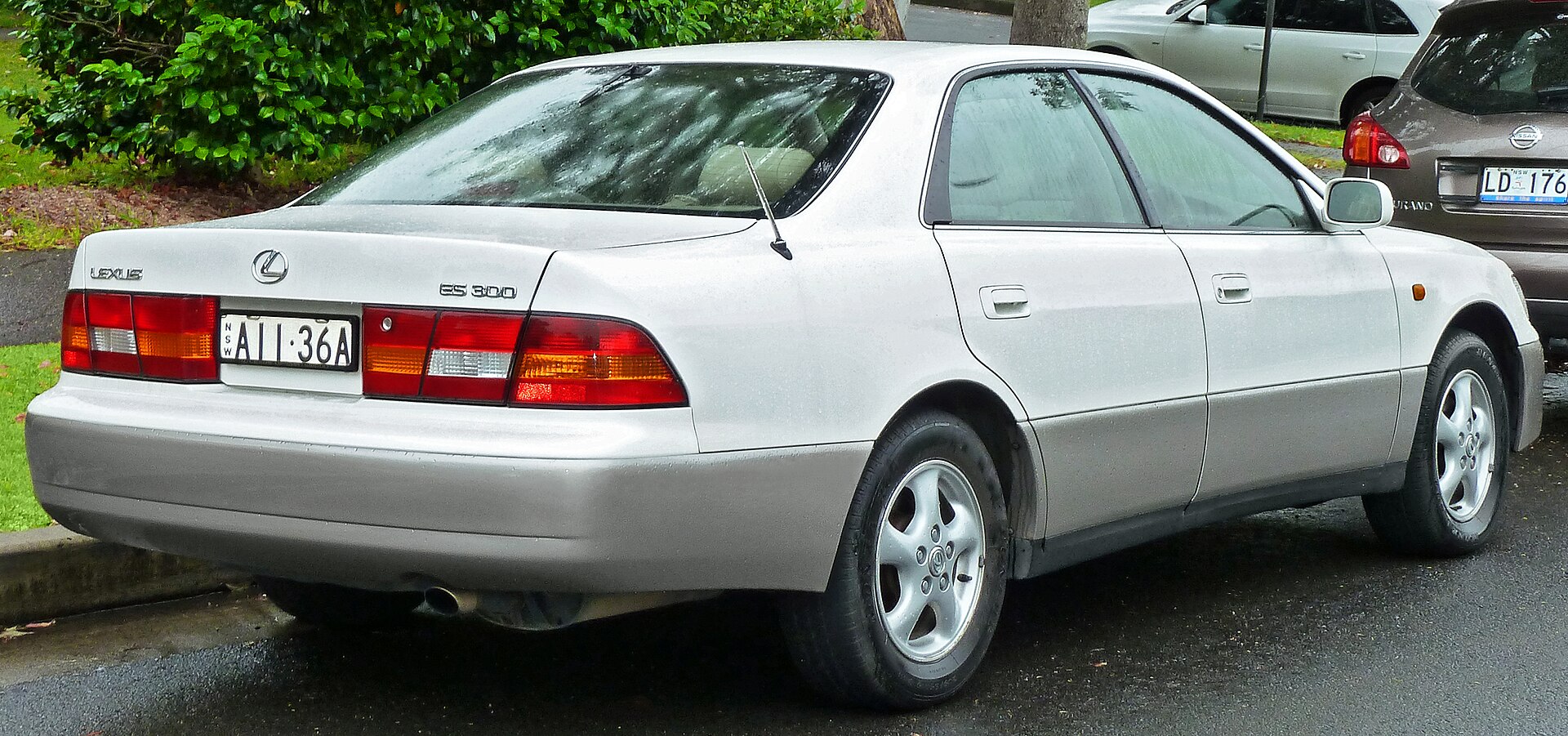
-
1991
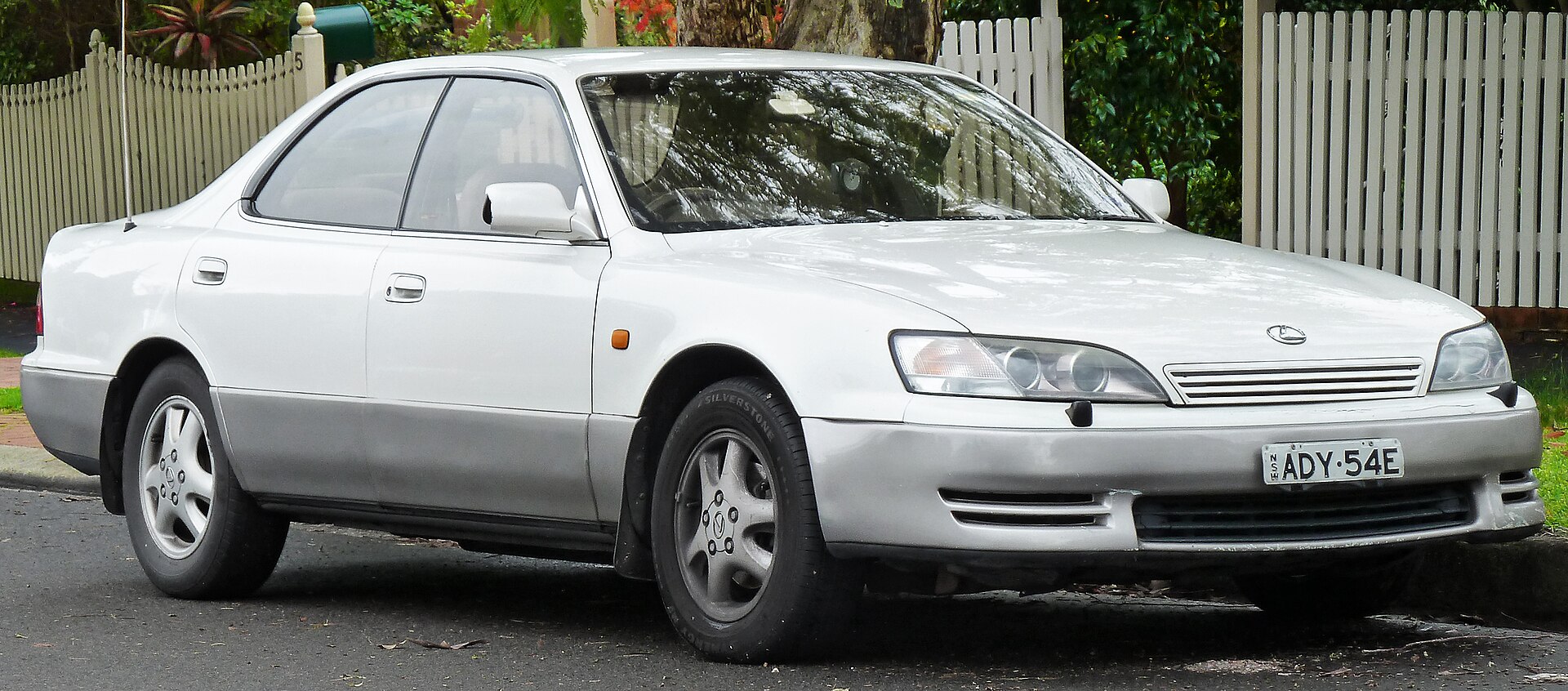
-
1989
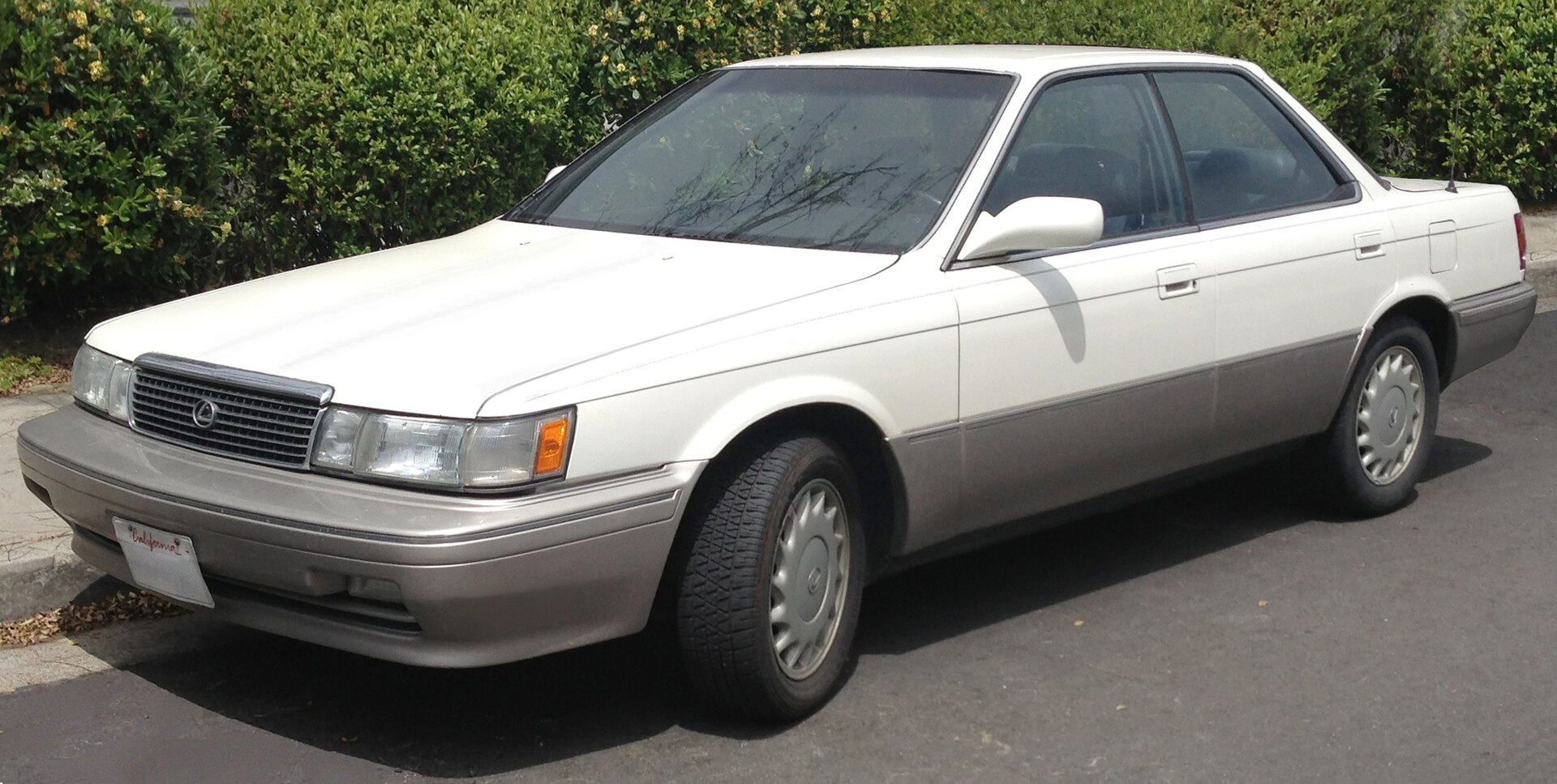


All generations by year: ES VIII (2025–now) · ES VII (AXZH10) (2018–2025) · ES VI (AVV60) (2012–2018) · ES V (GSV40) (2006–2012) · ES IV (MCV30) (2001–2006) · ES III (MCV20) (1996–2001) · ES II (VCV10) (1991–1996) · ES I (VZV21) (1989–1991)
Which one is mine?
Pick the year of first registration to see which generation it is.
- ES VIII 2025–present
- AXZH10 2018–2025
- AVV60 2012–2018
- GSV40 2006–2012
- MCV30 2001–2006
- MCV20 1996–2001
- VCV10 1991–1996
- VZV21 1989–1991
The Lexus ES is a front-wheel-drive luxury sedan in the executive class. Lexus has built it since 1989, and the seventh generation was produced mainly at Toyota's Kyushu plant in Japan, sharing its platform with the Toyota Avalon and Camry. The letters ES stand for "Executive Sedan".
In short
- The ES 250 was one of the two models that launched the Lexus brand in January 1989 at an event in Detroit; seven generations followed until 2025.
- The seventh generation (XV70), unveiled at the Beijing motor show in April 2018, uses the GA-K platform and was facelifted in April 2021.
- Engines range from a 127 kW (173 PS) 2.0 to a 225 kW (306 PS) 3.5 V6, plus the 160 kW (218 PS) ES 300h hybrid.
- An eighth generation was revealed at Auto Shanghai on 23 April 2025.
Lexus ES at a glance
The ES was introduced in January 1989 in Detroit as the ES 250, alongside the flagship LS 400, and has since become one of the brand's best-selling models. The seventh generation was unveiled at the Beijing motor show in April 2018, and the facelift followed in April 2021 for the 2022 model year. It brought a revised exterior, a new touchscreen infotainment system, retuned suspension and upgraded brakes, and in some markets a new base engine with a CVT. Production of the seventh generation ran until 2025, when the eighth generation took over. More of the brand's range is in our Lexus catalogue, and the brand's story is told in Japanese carmaker Lexus.
Generations
| Generation | Years | Code |
|---|---|---|
| First | 1989–1991 | VZV21 |
| Second | 1991–1996 | VCV10 / MCV10 |
| Third | 1996–2001 | MCV20 |
| Fourth | 2001–2006 | MCV30 |
| Fifth | 2006–2012 | GSV40 |
| Sixth | 2012–2018 | AVV60 |
| Seventh | 2018–2025 | XV70 |
Exterior of the seventh generation
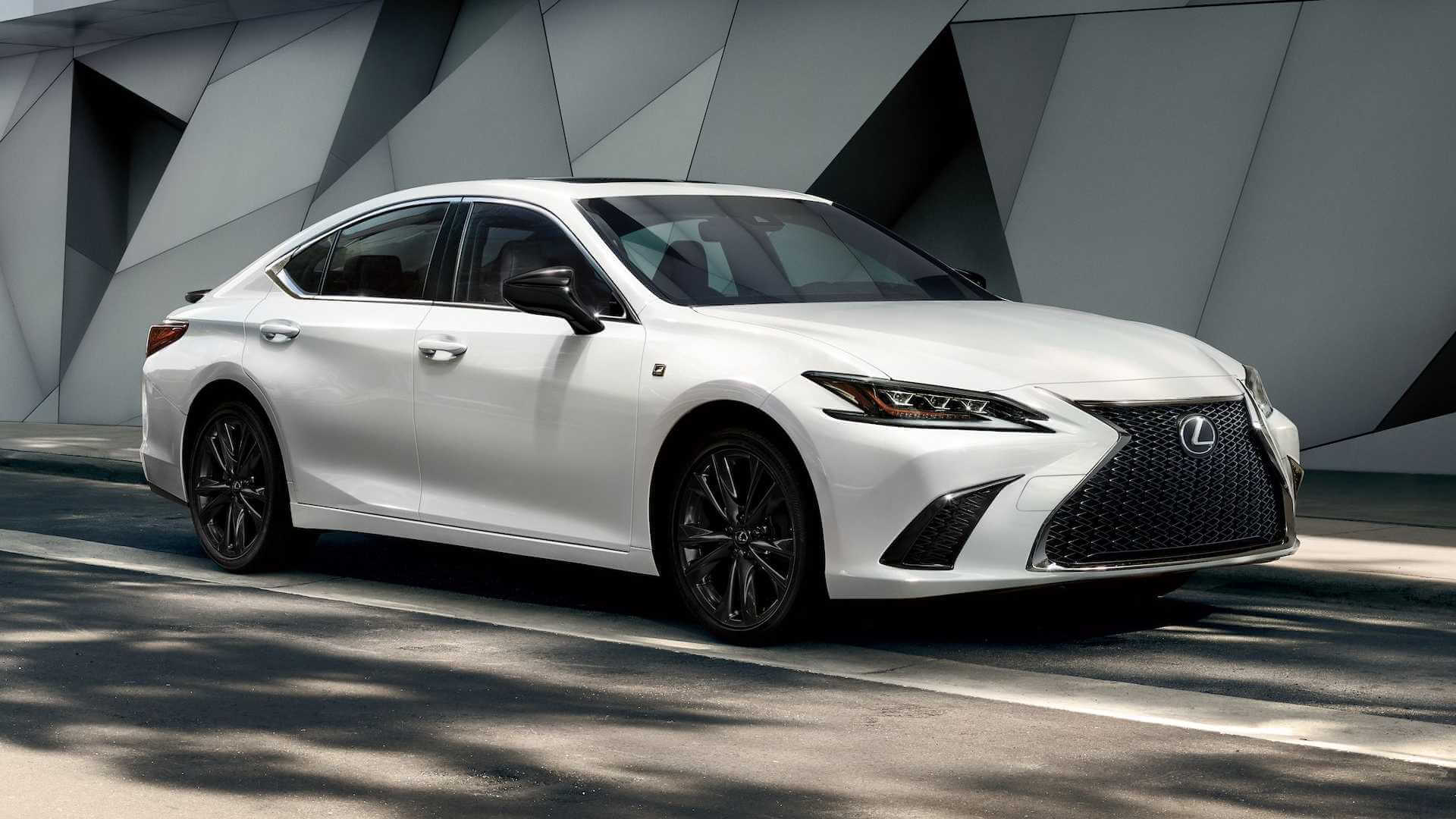
The facelifted ES looks more purposeful than before, and many fans feel it now has a more refined character. The front is dominated by Lexus's huge spindle grille, which runs from the bonnet to the bottom of the bumper and takes up roughly half of the front end. Depending on the version, it has a mesh insert or wavy vertical chrome slats, framed by chrome. The bonnet is almost unchanged, with two creases running from the grille to the windscreen pillars, but the windscreen surround is wider. Even base versions heat the wiper rest area, and more expensive ones heat the whole windscreen.
The headlights are sharper than on the sixth generation, ending in small triangular cut-outs at both ends. Base versions have projector lights, while the optional LED units appear to contain three separate lamps, each actually made up of 24 elements. This adaptive system automatically dims individual segments to avoid dazzling oncoming traffic. An L-shaped LED strip below serves as the daytime running light, and the bumper corners carry chrome inserts or rectangular recesses depending on the version.
In profile, new flowing lines distinguish the ES from its predecessor: an upper line runs from the headlights to the tail lights through the mirror bases and door handles, while a lower line replaces traditional mouldings. Chrome surrounds the large side windows. The slim door-mounted mirrors are part black and part body-coloured, and every version has LED indicators, heating, electric adjustment and power folding. Standard wheels are 17-inch alloys, with 18- and 19-inch wheels optional, and ground clearance is 153 mm.
The rear is particularly striking, with large 3D-effect LED tail lights on a black background linked by a chrome strip. The boot lid is narrowed at the top and raised at the trailing edge, so the car can almost be mistaken for a liftback. The reversing camera is neatly hidden, LED fog lights with chrome surrounds sit low in the bumper, and some versions hide the exhausts under the bumper. The ES F Sport gets trapezoidal tailpipes and a larger boot-lid spoiler.
Interior and practicality
The ES cabin has many unusual design touches, though not the futurism of some German rivals; it feels aimed at mature buyers. Material quality is excellent, with Tahara leather, soft plastics and, on higher trims, wood on the steering wheel, dashboard, door panels and tunnel. The driver has a thick three-spoke multifunction wheel with paddle shifters and electric adjustment, a 7-inch instrument display with a distinctive layout and a head-up display.
The cabin is spacious and comfortable, if not the roomiest in its class. The front seats are soft, with light lateral support, eight-way electric adjustment, memory, ventilation and optional massage, and a 17-speaker Mark Levinson PurePlay audio system is available. The centre console carries an 8-inch infotainment screen, or a 12.3-inch screen like the one in the Lexus LS on higher trims; the facelift made it a touchscreen, and it can also be operated with the Remote Touch touchpad. The gear lever is conventional, but the drive-mode selector sits on the instrument binnacle — a distinctive but debatable solution.
The rear bench seats three adults comfortably and has its own fold-down armrest, air vents, USB ports and climate controls; the backrest even has a small electric recline. It does not fold, however, and the 490-litre boot can only be extended through a ski hatch. The boot lid is power-operated, and a space-saver spare and basic tools sit under the floor.
Engines and transmissions (seventh generation)
| Version | Engine | Power (kW / PS) | Torque | Gearbox |
|---|---|---|---|---|
| ES 200 | 2.0 M20A-FKS inline-4 | 127 kW / 173 PS | 206 Nm | CVT with launch gear |
| ES 250 | 2.5 A25A-FKS inline-4 | 152 kW / 207 PS | 247 Nm | 8-speed automatic |
| ES 300h | 2.5 inline-4 + electric motor | 160 kW / 218 PS combined | 221 Nm (engine) | eCVT |
| ES 350 | 3.5 2GR-FKS V6 | 225 kW / 306 PS | 362 Nm | 8-speed automatic |
The 2.0-litre engine has dual variable valve timing and a 16-valve twin-cam head. The 2.5-litre A25A-FKS and the 3.5-litre V6 combine direct and port injection with variable timing on both camshafts. The ES 300h pairs a 2.5-litre petrol engine with an electric motor and a nickel-metal hydride battery. The ES 200's Direct Shift CVT has a mechanical first gear for brisk take-offs before the belt mechanism takes over. Depending on the version, 0–100 km/h takes 7.9 to 12.2 seconds, top speed is up to 210 km/h, and combined consumption ranges from 6.9 to 9.5 l/100 km for the petrol versions. Before the facelift, the base engine was paired with a six-speed automatic in some markets. Most versions are front-wheel drive, but North America received an ES 250 AWD from the 2021 model year, with a multi-plate clutch that engages the rear axle.
Chassis
The ES uses the GA-K front-wheel-drive platform from the TNGA family, with a transverse engine, a low centre of gravity and a high proportion of high-strength steel. Suspension is fully independent, with MacPherson struts at the front and a multi-link rear. Steering has a rack-mounted electric motor, and the brakes are discs all round, ventilated at the front, with ABS, EBD and other aids. The ES F Sport adds a stiffer body, adaptive dampers and sportier engine and transmission settings. Laser screw welding and structural adhesives were used in the body, technologies that were new to the class, and the ES received the maximum five stars in crash tests.
Safety and equipment
The top-spec version has front and rear airbags, curtain airbags and a driver's knee airbag, a pre-collision system with pedestrian detection, lane-departure warning with steering assist, rear cross-traffic alert, blind-spot monitoring, adaptive cruise control, automatic parking, a surround-view camera, traffic-sign recognition, automatic high beam, driver monitoring, an emergency stop function, keyless entry, 3D navigation and ISOFIX mounts. Depending on the market, base versions already have ten airbags, dual-zone climate control, 17-inch alloys, full LED lights, leather upholstery, heated electric front seats, the 8-inch infotainment system, parking sensors front and rear, a reversing camera, a ten-speaker audio system and an electrically adjustable steering column. The top-spec version adds ventilated front seats, heated and powered rear seats, three-zone climate control, a panoramic roof, 18-inch wheels, a power boot lid, the 12.3-inch screen, the head-up display, the Mark Levinson audio system and Lexus Safety System+.
Strengths and weaknesses
Owners of earlier ES models praise the stylish design, high comfort, soft ride, excellent materials, reliability, spaciousness, strong safety and high resale value. Complaints include the lack of all-wheel drive in many markets, sound insulation that could be better, expensive parts, soft paintwork and modest performance in some versions. Rivals include the BMW 5 Series, Mercedes-Benz E-Class, Audi A6, Volvo S90, Jaguar XF and Genesis G80.
Lexus ES evolution in numbers
Did you know?
- The Lexus ES has been around for 37 years: 8 generations in our catalog since 1989.
- The longest-running generation is the ES VII (AXZH10) (2018–2025): 7 years.
Image credits · Photos from Wikimedia Commons under free licences
- Lexus ES I (VZV21) · Photo: Altair78 / Wikimedia Commons, CC BY-SA 3.0
- Lexus ES II (VCV10) · Photo: OSX / Wikimedia Commons, Public domain
- Lexus ES III (MCV20) · Photo: OSX / Wikimedia Commons, Public domain
- Lexus ES IV (MCV30) · Photo: OSX / Wikimedia Commons, Public domain
- Lexus ES V (GSV40) · Photo: IFCAR / Wikimedia Commons, Public domain
- Lexus ES VI (AVV60) · Photo: OSX / Wikimedia Commons, Public domain
- Lexus ES VII (AXZH10) · Photo: Alexander Migl / Wikimedia Commons, CC BY-SA 4.0
- Lexus ES VIII · Photo: JustAnotherCarDesigner / Wikimedia Commons, CC0
Lexus ES in our rankings
- No. 37 of 912 · Longest-running car nameplates (37 years · top 5%)
- No. 16 of 345 · Cars with the most generations (8 generations · top 6%)
- No. 30 of 305 · Oldest car models still on sale (37 years · top 11%)
In production longer than 95% of ranked nameplates in the 1CARS catalog (No. 37 of 912).
FAQ
When did the Lexus ES first appear?
In January 1989, when the ES 250 was unveiled in Detroit together with the LS 400 as one of the two models that launched the Lexus brand.
What does ES stand for in Lexus ES?
Executive Sedan.
Is the Lexus ES available with all-wheel drive?
Most seventh-generation cars are front-wheel drive, but the ES 250 AWD was offered in North America from the 2021 model year.
How big is the Lexus ES boot?
490 litres. The rear seat does not fold; there is a ski hatch instead.
What engines does the seventh-generation Lexus ES have?
A 2.0 with 127 kW (173 PS), a 2.5 with 152 kW (207 PS), the 300h hybrid with 160 kW (218 PS) combined and a 3.5 V6 with 225 kW (306 PS), depending on the market.
Data sources
Data checked by an editor against the sources below.