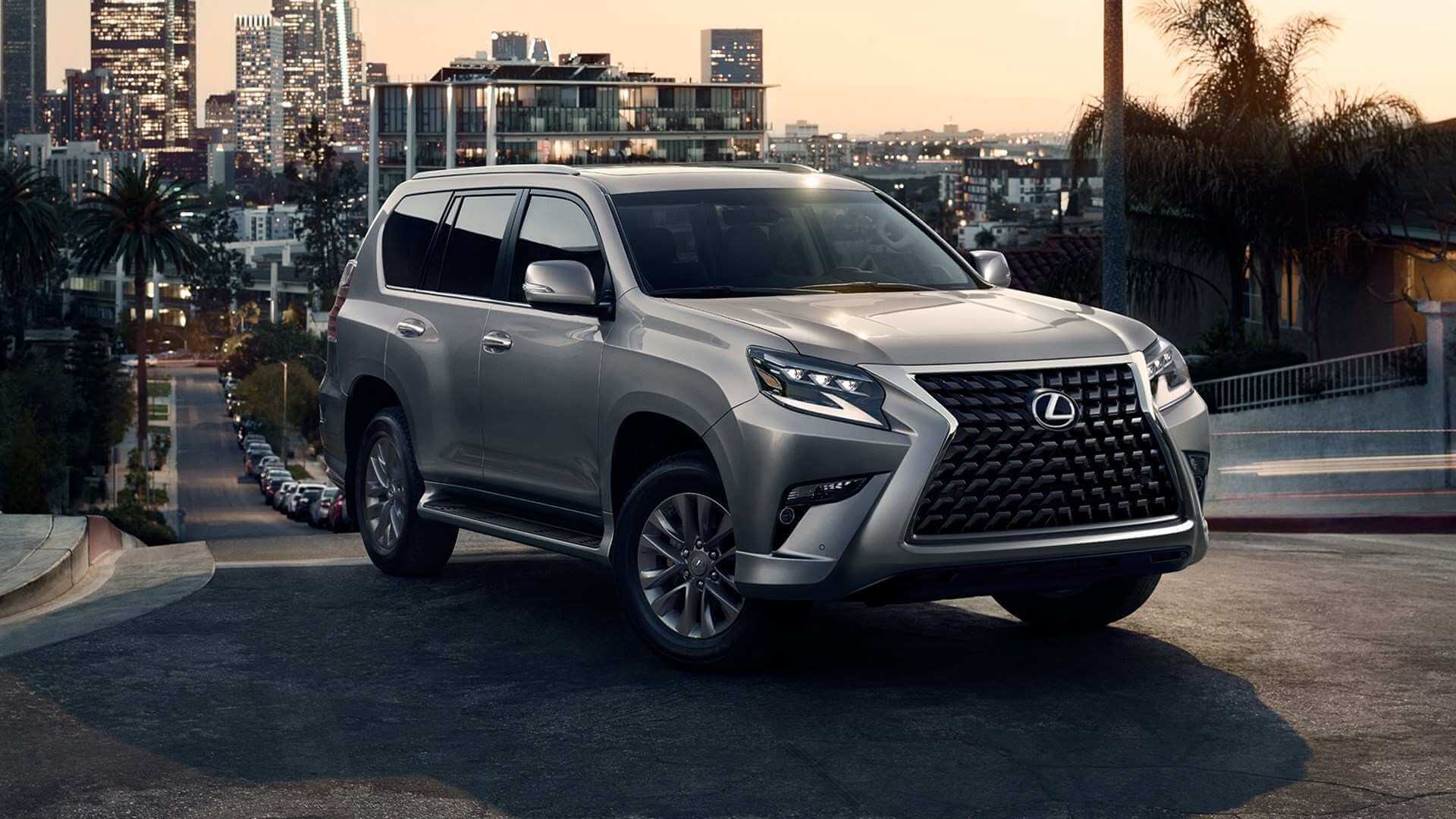
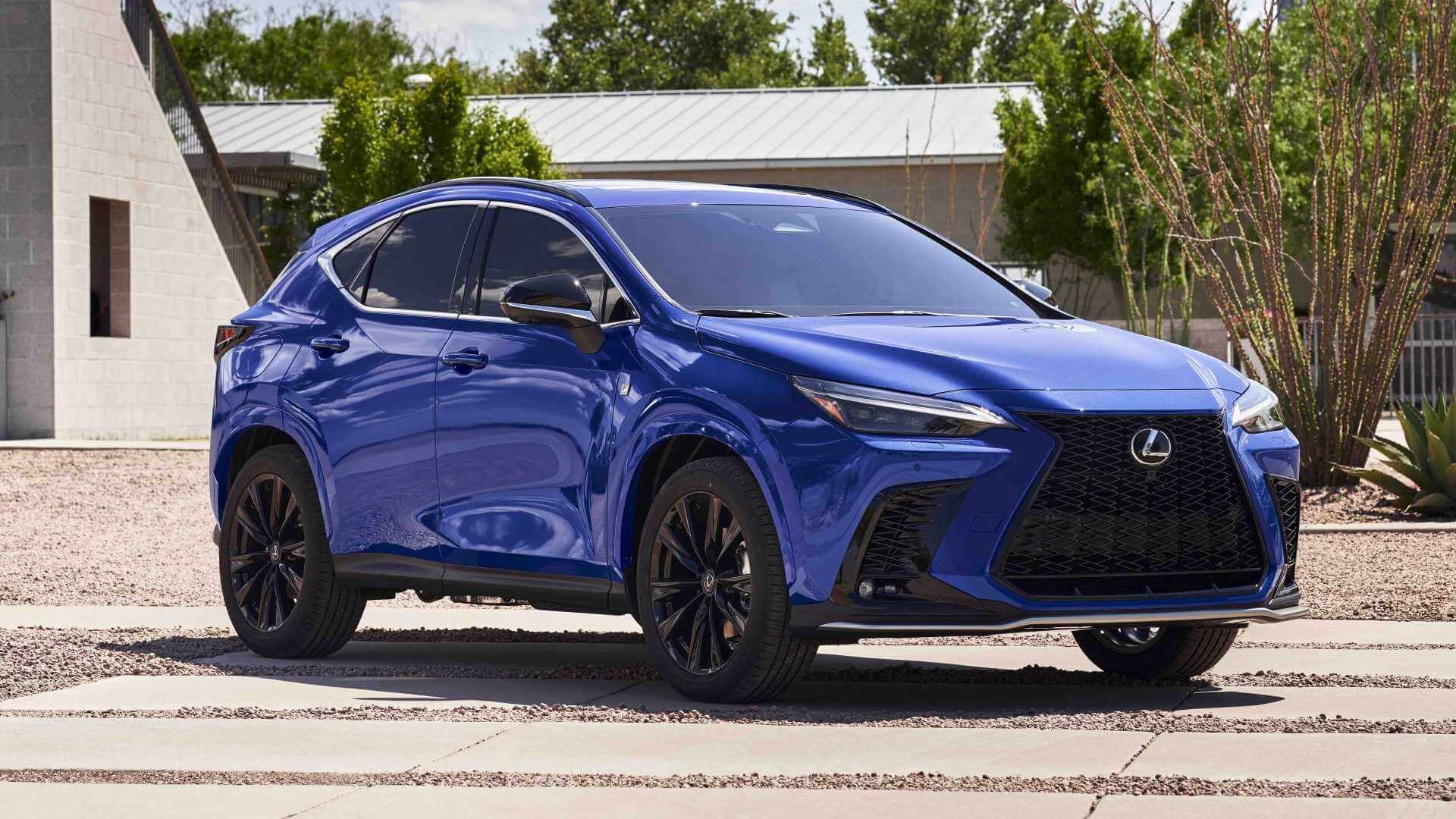
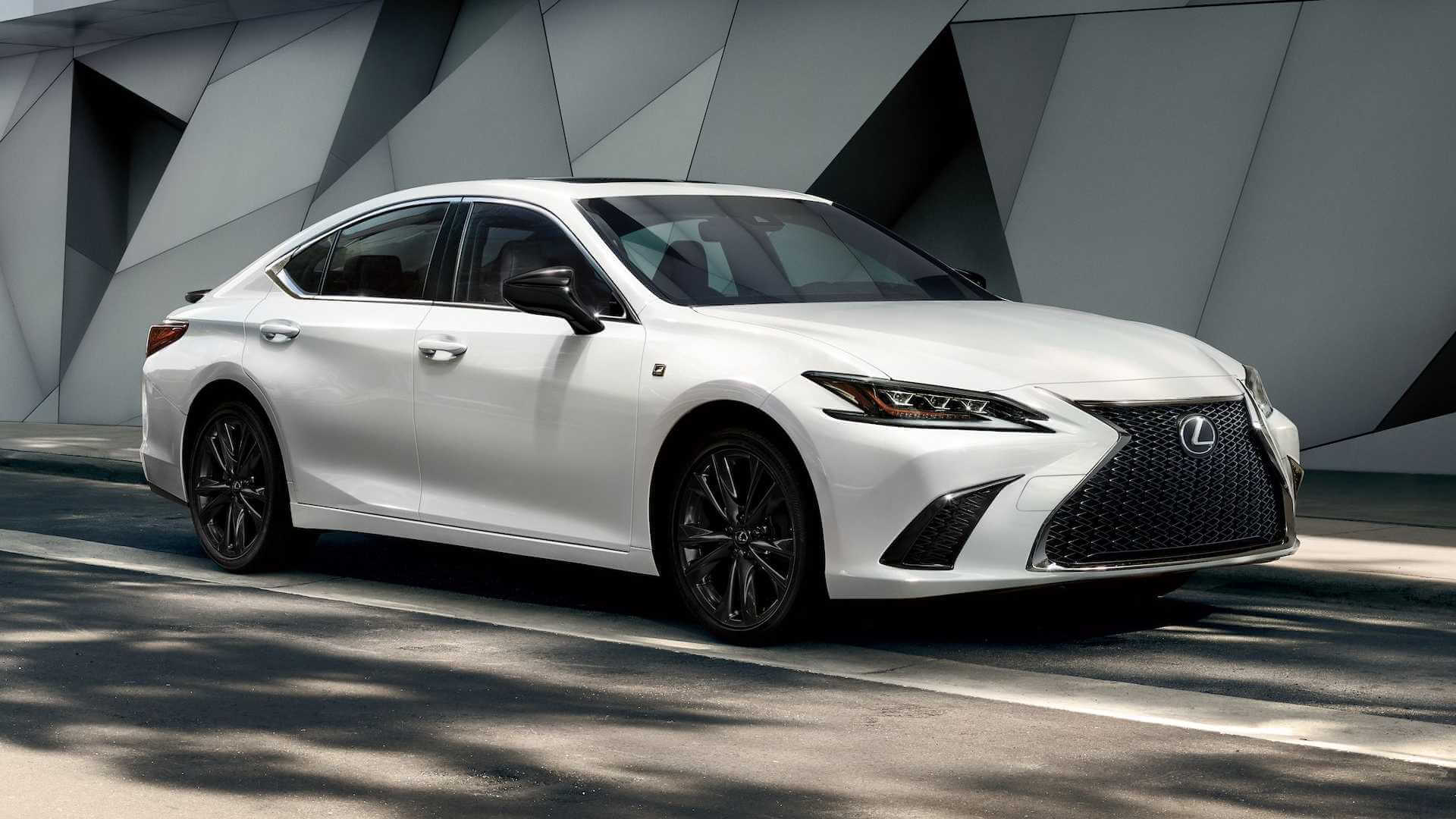
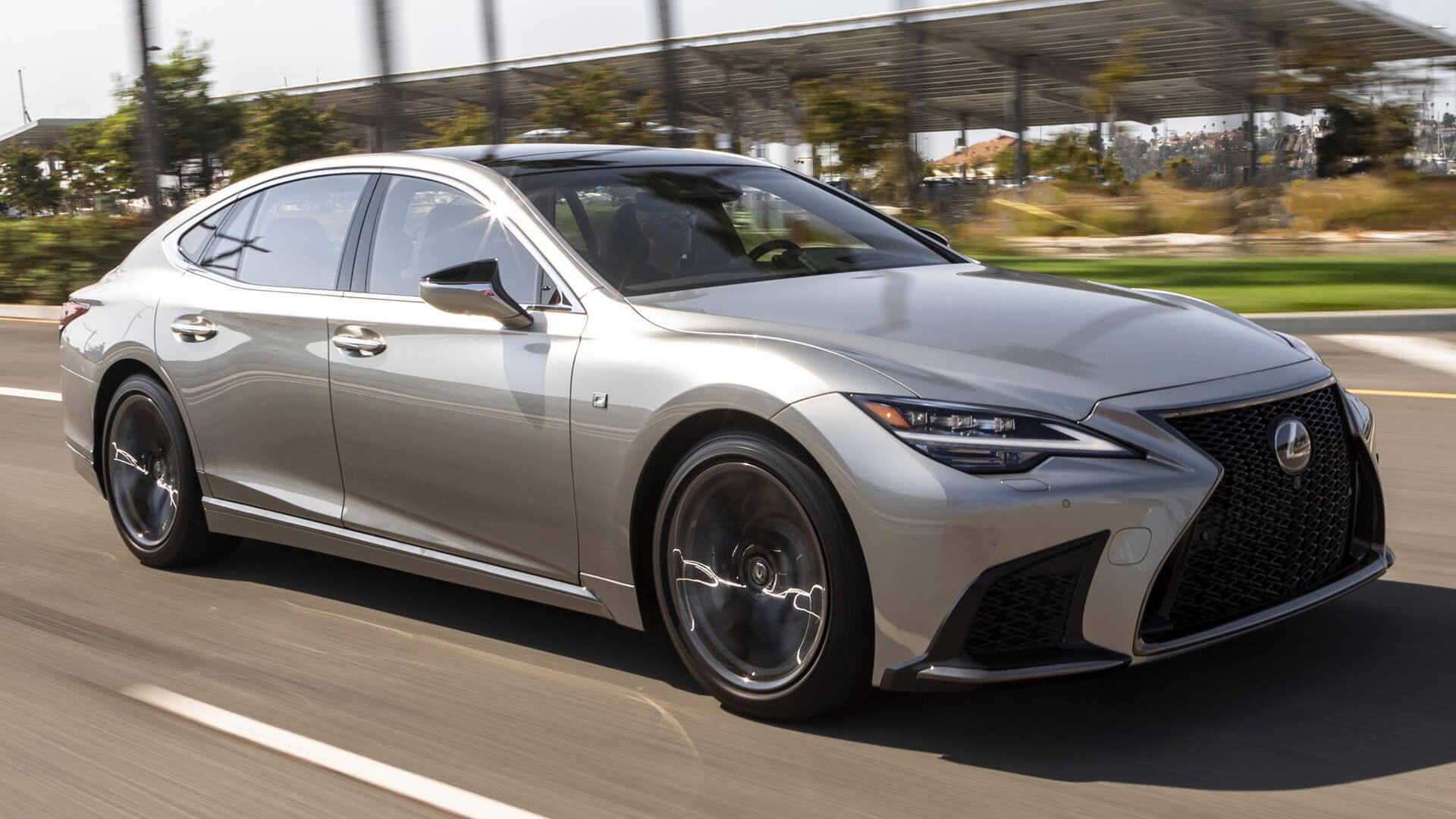
 Lexus GS
All generations, specs and history
Updated Published Sources (3) Report an error
By Felix Hartmann, Automotive Technology & EV Contributor Reviewed by Oleksandr Hnatiuk

- Built
- 1993–2020
- Generations
- 5
- Top power
- 348 kW (473 PS)
Timeline
GS generations
Click a generation for its own page


S190 and Gen 4 overlapped in 2011, so Gen 4 sits on a second lane
- GS I (S140) 1993–1997 · Sedan
- GS II (S160) 1997–2004 · Sedan
- GS III (S190) 2005–2011 · Sedan
- GS in 2011 · Sedan · 154–348 kW (209–473 PS)
- GS IV (L10) 2011–2020 · Sedan
Newest first · 5 generations since 1993
-
2011
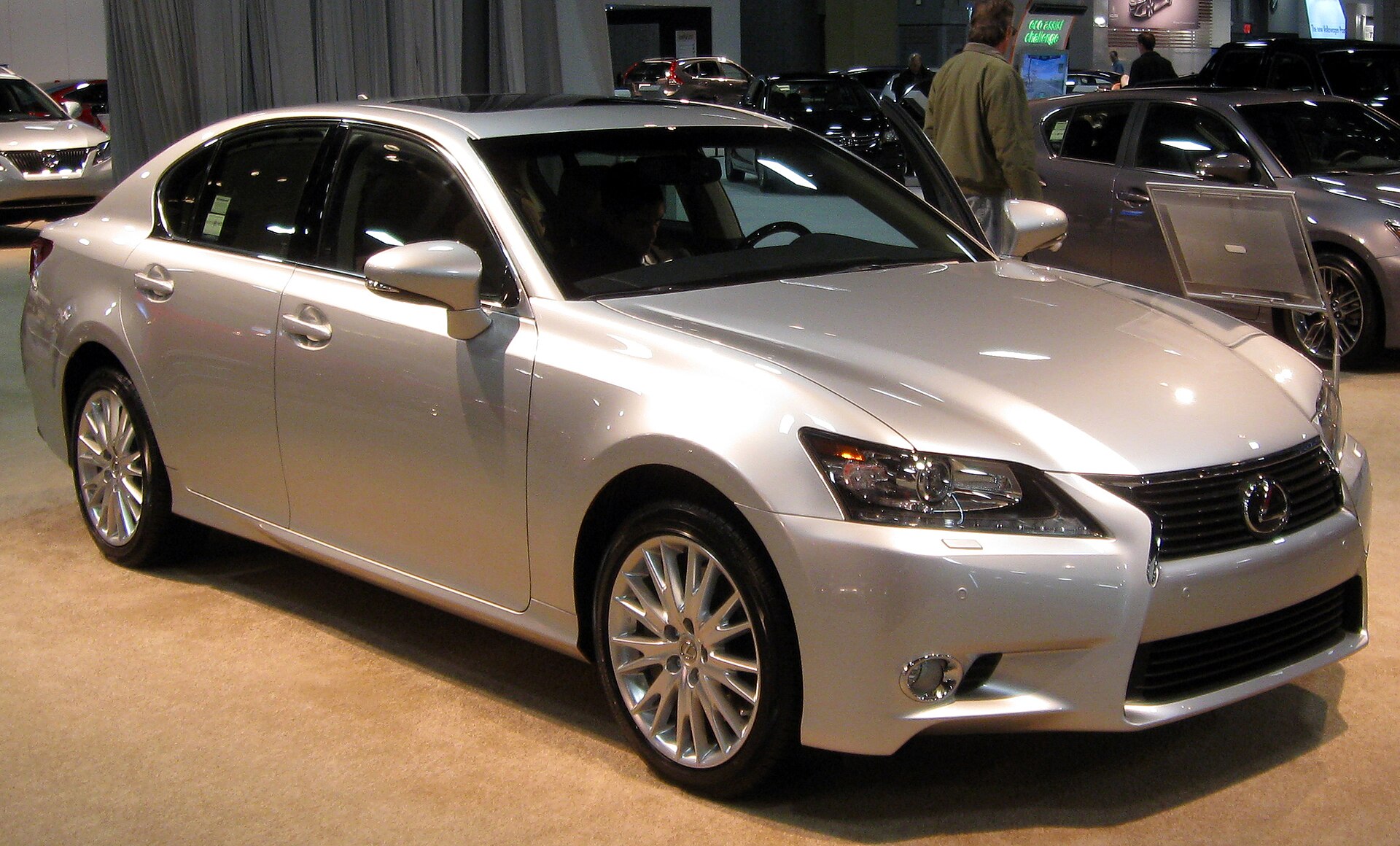
-
2011
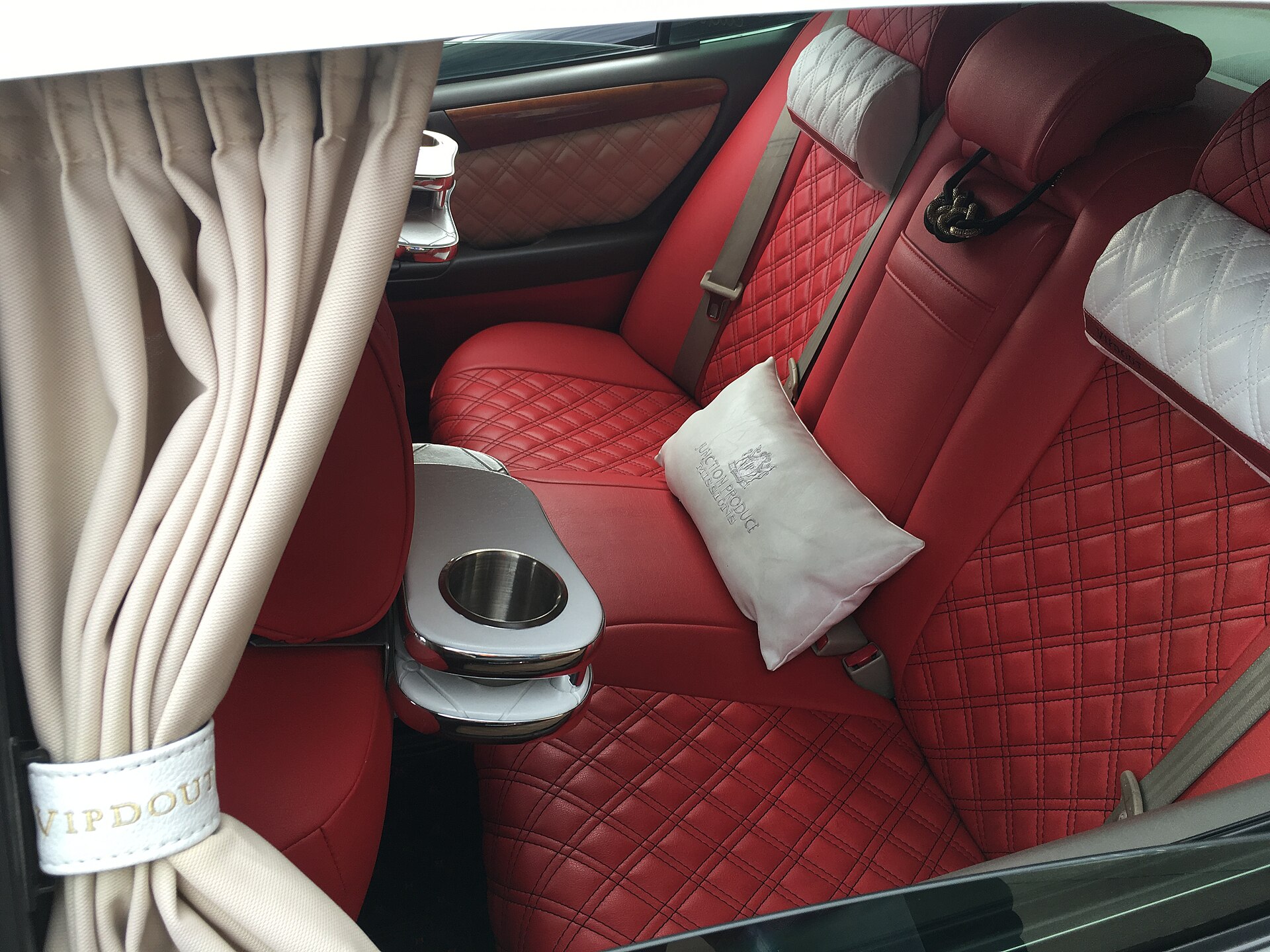
-
2005
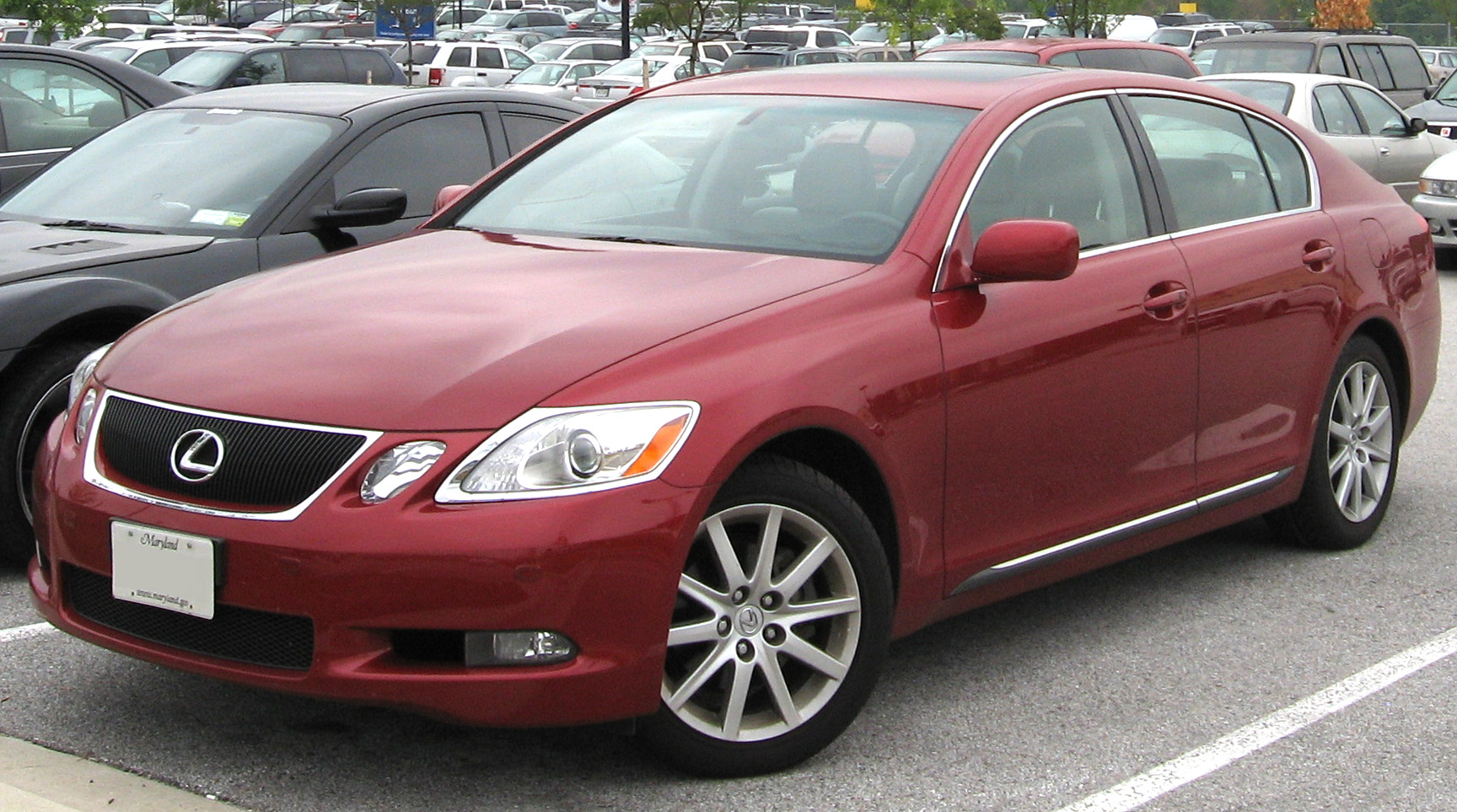
-
1997
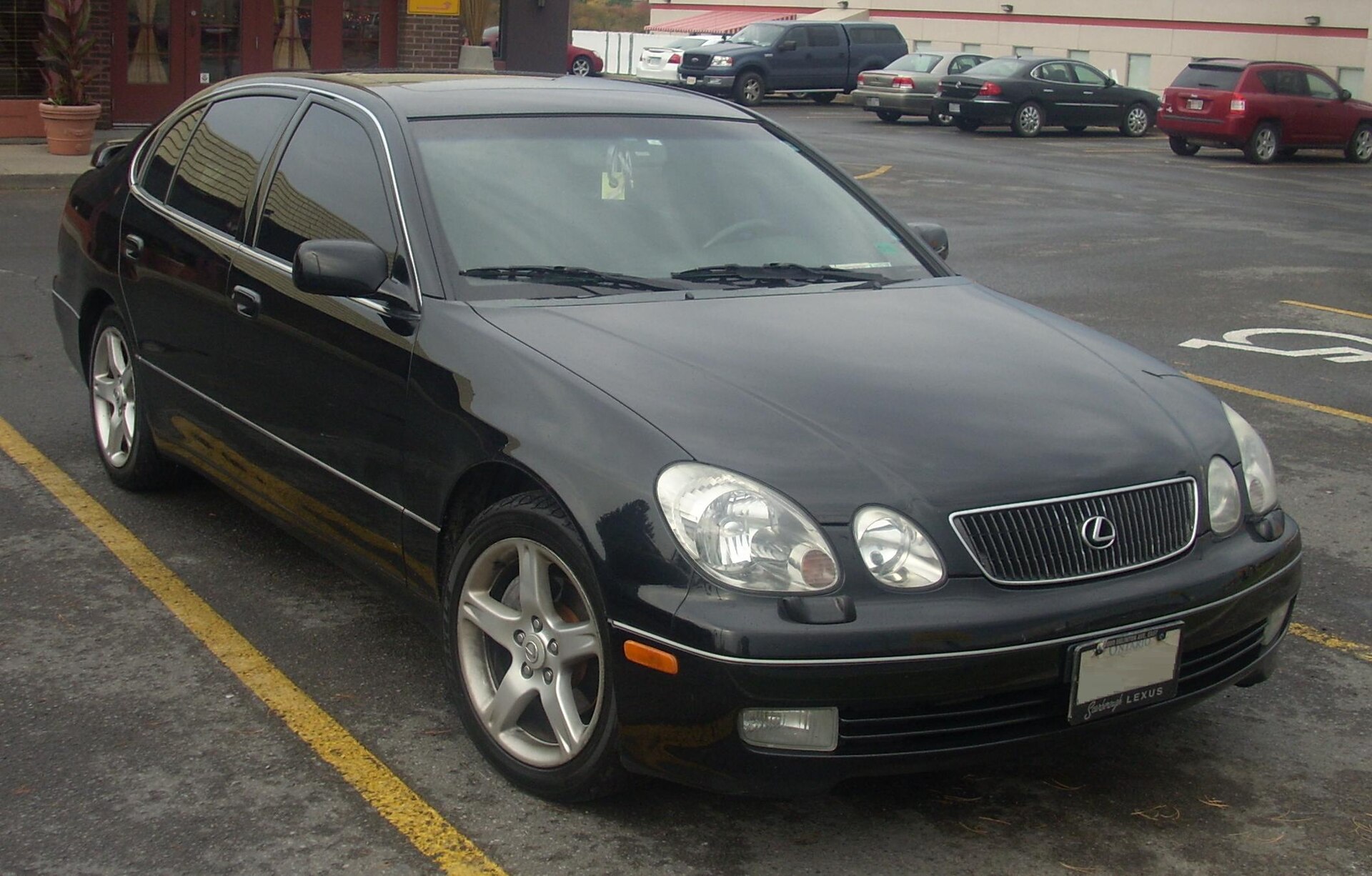
-
1993

All generations by year: GS IV (L10) (2011–2020) · GS (in 2011) · GS III (S190) (2005–2011) · GS II (S160) (1997–2004) · GS I (S140) (1993–1997)
Which one is mine?
Pick the year of first registration to see which generation it is.
Check by VINWhich Lexus GS to buy
Our verdict · Felix Hartmann
For a sensible daily car, choose a 2016–2020 GS 300h or GS 450h. The 300h is the economical choice for city and commuting use, while the 450h gives V6 smoothness and real pace with hybrid economy. The GS 350 suits drivers who want a conventional petrol engine, and the post-2015 2GR-FKS version with the eight-speed automatic is the best of them.
The GS F is the enthusiast pick and a rare thing today: a naturally aspirated V8 saloon with a proper limited-slip rear axle. Older S160 and S190 cars are bargains, but check the age of the hybrid battery, the condition of the suspension bushes and the service history. All Lexus models in our catalogue, including the Lexus LFA supercar, are listed by generation.
The Lexus GS is a rear-wheel-drive executive saloon built in Japan from 1991 to August 2020, first sold at home as the Toyota Aristo and exported as the GS from February 1993. Across four generations it offered straight-six, V6 and V8 engines, the first full-hybrid rear-drive luxury car in the GS 450h and, finally, the 348 kW GS F.
In short
- Four generations: S140 (1993–1997), S160 (1997–2005), S190 (2005–2011) and L10 (2012–2020).
- Engines range from the 154 kW GS 250 V6 to the 5.0-litre V8 of the GS F with 348 kW (473 PS).
- The GS 450h hybrid arrived in 2006; the European GS 300h used a 2.5-litre four-cylinder hybrid.
- Lexus stopped GS sales in Europe in 2018 and ended production in August 2020, replacing it with the front-drive ES.

Size at a glance
GAZ-3105
The Lexus GS is 200 mm shorter, 140 mm narrower and 25 mm taller than the GAZ-3105.
| Dimensions | Lexus GS | GAZ-3105 | Difference |
|---|---|---|---|
| Length | 4,850 mm190.9 in | 5,050 mm198.8 in | −200 mm−7.9 in |
| Width | 1,840 mm72.4 in | 1,980 mm78.0 in | −140 mm−5.5 in |
| Height | 1,455 mm57.3 in | 1,430 mm56.3 in | +25 mm+1.0 in |
| Wheelbase | - | 2,870 mm113.0 in | - |
| Boot | 530 L18.7 cu ft | - | - |
Specs by version
Engines
Dimensions and weight
Verified Manufacturer and type-approval data from our catalog · Sources and methodology
The GS at a glance
| Fact | Value |
|---|---|
| Class | Executive (E-segment) saloon, rear-wheel drive, AWD on some versions |
| Production | October 1991 (as the Aristo) to August 2020 |
| Plants | Tahara; the fourth generation also at Motomachi, Toyota City |
| Generations | 4 |
| Best US year | 30,622 cars in 1998 |
| Successor | Lexus ES (Europe from December 2018) |
The GS sat between the compact Lexus IS and the flagship LS. Its whole story, from Italdesign styling to a hybrid V6, mirrors how Lexus as a brand grew from one luxury saloon into a full range.

How the GS changed by generation
First generation (S140, 1993–1997)
Italdesign Giugiaro started drawing the car in 1988, and it reached Japanese buyers in October 1991 as the Toyota Aristo. Export production of the Lexus GS 300 began on 22 February 1993. It used the 3.0-litre 2JZ-GE straight-six with 169 kW (227 hp) and a four-speed automatic, and its drag coefficient was 0.31. Japanese Aristo buyers could also choose the twin-turbo 2JZ-GTE with 205 kW, an engine later famous in the Toyota Supra.

Second generation (S160, 1997–2005)
The in-house design of 1997 brought a sharper shape, a five-speed automatic and the GS 400 with a 4.0-litre V8 producing 224 kW (300 hp). After the 2001 update the V8 grew to 4.3 litres in the GS 430, and xenon headlights became part of the package. This GS was Motor Trend's Import Car of the Year in 1998 and gave the model its best US sales year.
Third generation (S190, 2005–2011)
Designed under Yasuhide Hosoda and launched in January 2005, the third GS had a drag coefficient of 0.27 and offered all-wheel drive on the V6 versions. The 3.0-litre GS 300 was joined by the 3.5-litre GS 350 with 226 kW and, for 2008, the GS 460 with a 4.6-litre V8 and an eight-speed automatic. The GS 450h of 2006 was the first mass-produced rear-drive luxury hybrid, pairing a 3.5 V6 with two electric motors for 253 kW of system power.
Fourth generation (L10, 2012–2020)
Shown at Pebble Beach in August 2011, the last GS went on sale in early 2012 on a new platform with aluminium suspension parts. In its 2012–2015 form it was 4,850 mm long, 1,840 mm wide and 1,455 mm high. The facelift shown in August 2015 lengthened it to 4,890 mm and added the 2.0-litre turbo GS 200t. The GS F arrived for the 2016 model year.
Lexus GS engines and performance
The table covers the fourth generation, the version most buyers look at today.

| Version | Engine | Power | Gearbox | Years |
|---|---|---|---|---|
| GS 250 | 2.5 V6 (4GR-FSE) | 154–158 kW (209–215 PS), by market | 6-speed auto | 2012–2015 |
| GS 300h | 2.5 I4 hybrid | 162 kW (220 PS) system | CVT | 2014–2018 (Europe) |
| GS 200t / GS 300 | 2.0 I4 turbo (8AR-FTS) | 180 kW (245 PS) | 8-speed auto | 2016–2020 |
| GS 350 | 3.5 V6 (2GR) | 228–233 kW (310–317 PS) | 6- or 8-speed auto | 2012–2020 |
| GS 450h | 3.5 V6 hybrid | 254 kW (345 PS) system | Two-stage CVT | 2012–2020 |
| GS F | 5.0 V8 (2UR-GSE) | 348 kW (473 PS) | 8-speed auto | 2015–2020 |
Lexus quoted 0–100 km/h in 8.6 seconds and 225 km/h for the GS 250, 6.3 seconds for the all-wheel-drive GS 350 and 5.9 seconds with 250 km/h for the GS 450h. In the US the 450h's combined rating was 31 mpg against 23 mpg for the GS 350, a gain of about 35 %.
The GS F turns the saloon into a sports car. Its V8 revs to 7,100 rpm for peak power, uses Atkinson-cycle operation when cruising and drives through a torque-vectoring rear differential with Standard, Slalom and Track modes. Compared with the GS 350, it has about 115 kW more, an increase of roughly 50 %. See how the GS stands against other fast four-doors in the 1cars ranking of the most powerful saloons.
Cabin, boot and technology
The fourth-generation cabin uses a wide dashboard with an 8-inch or 12.3-inch central display, controlled by the Remote Touch joystick on the centre console. Drive modes run from Eco and Normal to Sport S and Sport S+, and the instrument lighting changes colour with the mode. The standard audio system had 12 speakers, while the optional Mark Levinson system had 17.

Lexus quoted 530 litres of boot space for the GS 350 and 465 litres for the GS 450h, whose battery sits behind the rear seat. Rear legroom is good, but the transmission tunnel makes the middle seat a perch for short trips. F Sport versions add 19-inch wheels, larger brakes, adaptive dampers and, on some cars, rear-wheel steering.
Running costs and reliability
The GS has a strong reliability record: it collected J.D. Power initial-quality awards from 2002 to 2005, and Consumer Reports gave it the best predicted reliability in its class in 2005. The hybrids save fuel mainly in town, and their CVT systems avoid clutches and torque converters. Running costs are still those of a large luxury saloon: big brakes, wide tyres and V8 insurance add up.

Lexus quoted about 9 l/100 km for the GS 250 and 10.2 l/100 km for the GS 350 AWD in mixed driving. A kerb weight of 1,721–1,865 kg means real consumption rises quickly with a heavy right foot. Put your own mileage into the 1cars fuel cost calculator before choosing between petrol and hybrid.
Safety equipment
The second-generation GS earned a "Good" rating in IIHS frontal crash testing for 1999 and later cars. The third generation added knee and side torso airbags, adaptive headlights, an optional radar pre-collision system and, on the GS 450h, an infrared driver monitor.

The fourth generation carries ten airbags, LED daytime running lights and a stiffer high-strength-steel body. Options included blind-spot monitoring, lane-keeping assistance, a head-up display and the pre-collision system. We found no Euro NCAP rating for the fourth-generation GS, so compare it with rivals using IIHS data and the equipment list.
Rivals: how the GS compares
| Model | Engines (in the GS era) | Power range (hp) | Boot (l) | Hybrid |
|---|---|---|---|---|
| Lexus GS (L10) | 2.0 turbo, 2.5/3.5 V6, hybrids, 5.0 V8 | 215–467 | 465–530 | Yes |
| BMW 5 Series (F10) | Petrol and diesel I4/I6/V8 | 141–592 | 520 | ActiveHybrid 5 |
| Mercedes-Benz E-Class (W212) | Petrol and diesel I4/V6/V8 | 134–577 | 540 | E 300 BlueTEC Hybrid |
| Audi A6 (C7) | Petrol and diesel I4/V6/V8 | 134–597 | 530 | A6 hybrid |
| Jaguar XF | Petrol and diesel I4/V6/V8 | 161–543 | 500–540 | No |
The German rivals sold far better in Europe largely because they offered diesels, which the GS never had. The Lexus answered with petrol-electric hybrids, stronger reliability and a better dealer reputation. Any two of these cars can be lined up in the 1cars comparison tool.

Lexus GS evolution in numbers
Did you know?
- The Lexus GS ran for 27 years, from 1993 to 2020, over 4 generations in our catalog.
- The longest-running generation is the GS IV (L10) (2011–2020): 9 years.
Image credits · Photos from Wikimedia Commons under free licences
- Lexus GS II (S160) · Photo: Bull-Doser / Wikimedia Commons, Public domain
- Lexus GS III (S190) · Photo: IFCAR / Wikimedia Commons, Public domain
- Lexus GS · Photo: TKOIII / Wikimedia Commons, CC BY-SA 4.0
- Lexus GS IV (L10) · Photo: IFCAR / Wikimedia Commons, Public domain
Rivals
Compare with…
Compare Lexus GS with
- GAZ-3105 quick spec comparison

Popular comparisons
Lexus GS in our rankings
- No. 7 of 88 · Most powerful Japanese cars (348 kW)
- No. 85 of 912 · Longest-running car nameplates (27 years · top 11%)
- No. 30 of 149 · Most powerful sedans (348 kW · top 21%)
- No. 12 of 58 · Biggest boot: sedans (530 l · top 21%)
- No. 91 of 420 · Longest cars (4,850 mm · top 22%)
- No. 57 of 243 · Biggest boot: cars (530 l · top 24%)
More powerful than 92% of ranked Japanese cars in the 1CARS catalog (No. 7 of 88).
Lexus GS photos 18


Lexus GS videos 2

Test drive

Video overview
FAQ
When did Lexus stop making the GS?
Production ended in August 2020. Lexus had already withdrawn the GS from Europe in 2018, where the front-wheel-drive ES replaced it from December of that year.
Is the Lexus GS rear-wheel drive?
Yes. Every GS was rear-wheel drive as standard. All-wheel drive was available on some V6 petrol versions of the third and fourth generations, such as the GS 350 AWD, while the hybrids drove only the rear wheels.
What engines does the Lexus GS have?
The last generation offered a 2.0-litre turbo, 2.5 and 3.5-litre V6 petrol engines, the GS 300h and GS 450h hybrids and the 5.0-litre V8 GS F. Outputs run from 154 kW in the European GS 250 to 348 kW (473 PS).
What is the fuel consumption of the Lexus GS?
Lexus quoted about 9 l/100 km for the GS 250 and 10.2 l/100 km for the GS 350 AWD. The hybrids use much less in town; in the US test the GS 450h rated 31 mpg combined against 23 mpg for the GS 350.
What are the main rivals of the Lexus GS?
The GS competed with the BMW 5 Series, Mercedes-Benz E-Class, Audi A6 and Jaguar XF. It offered hybrids and a strong reliability record but no diesel engine, which limited its sales in Europe.
Data sources
Data checked by an editor against the sources below.
- The text of this article (1cars archive)
- Wikipedia - Lexus GS
- Co