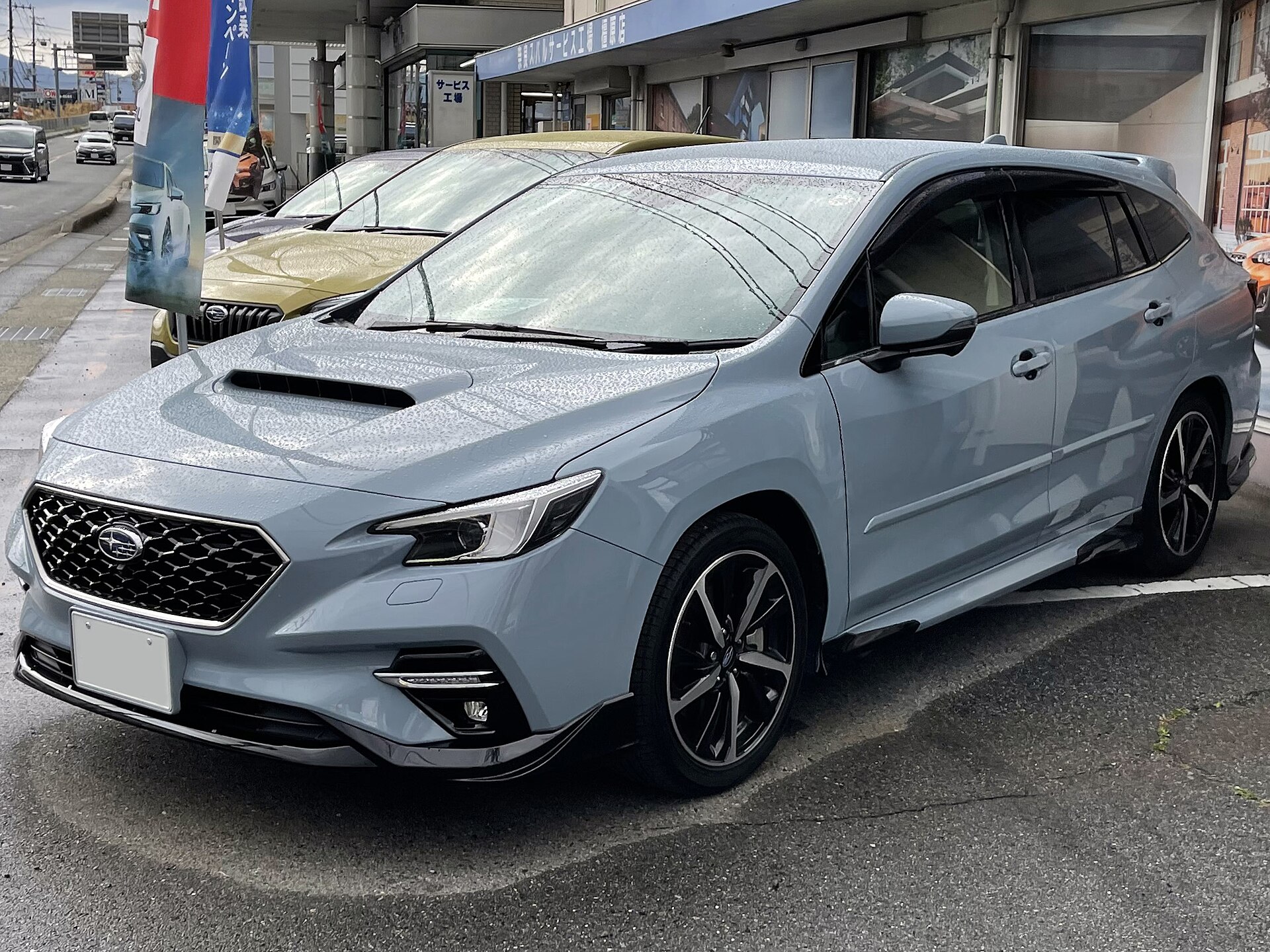
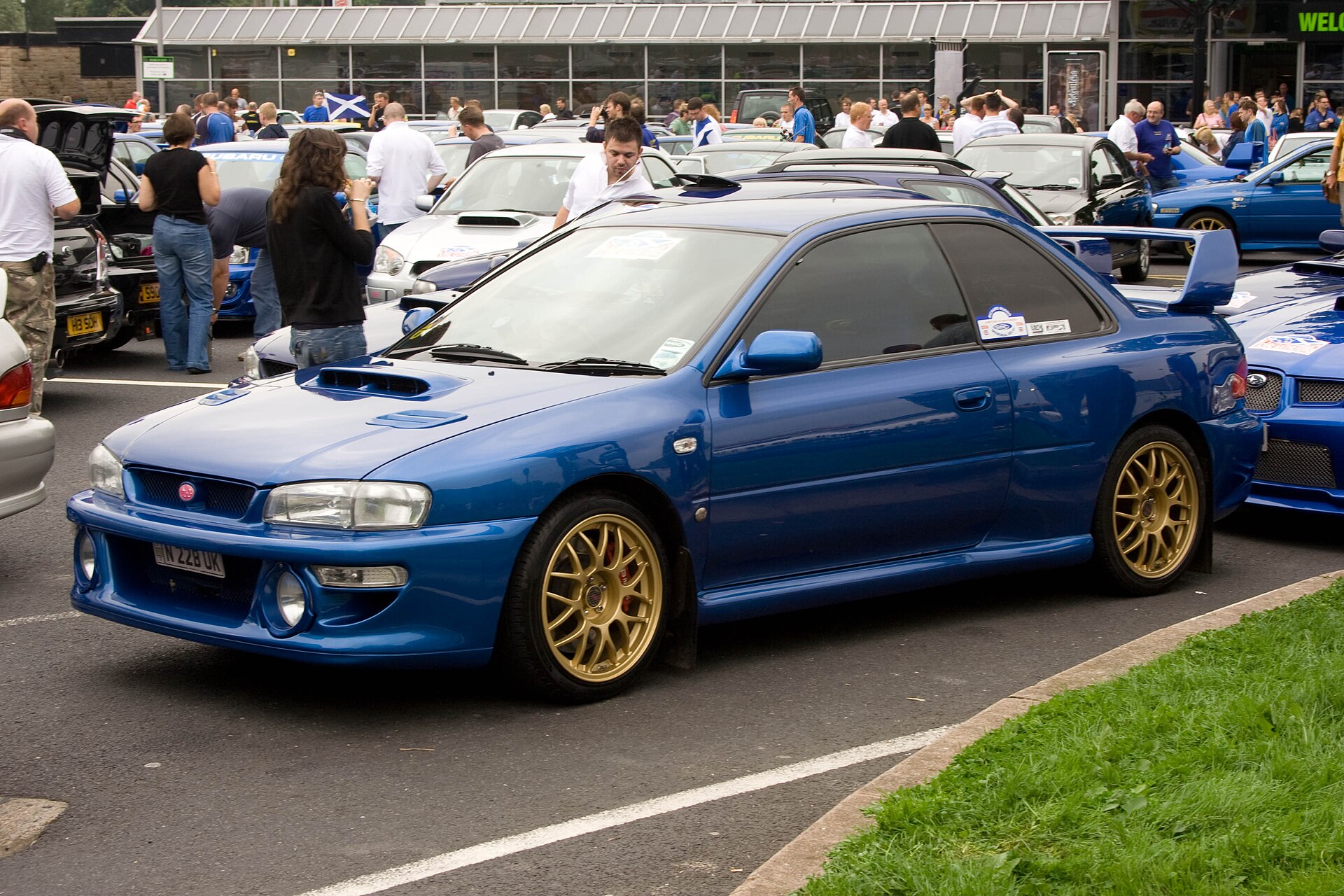
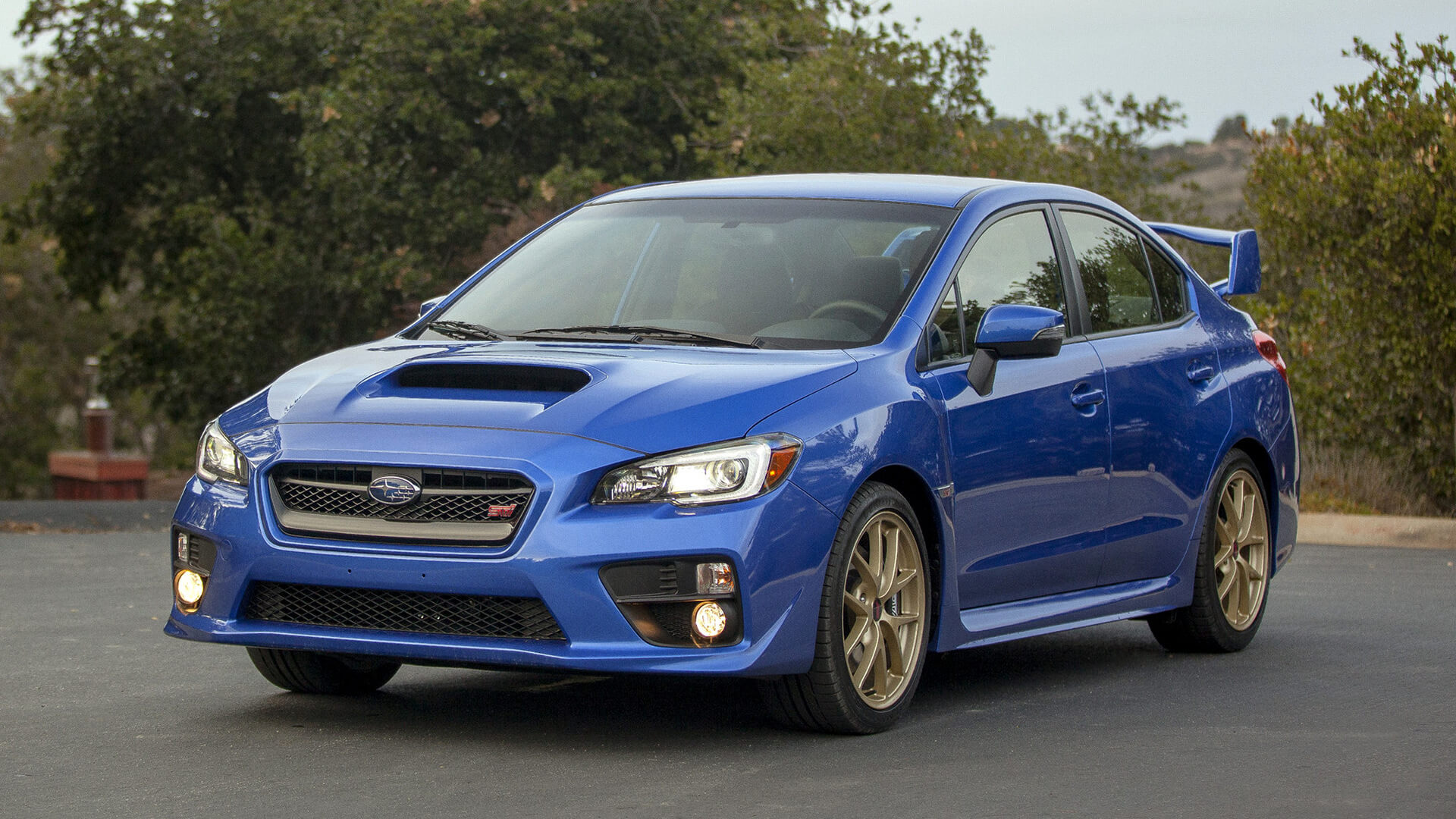
 Subaru XV
All generations, specs and history
Published Sources (2) Report an error
By Felix Hartmann, Automotive Technology & EV Contributor
- Built
- 2012–2024
- Generations
- 2 · GP to GT
- Top power
- 115 kW (156 PS)
Timeline
XV generations
Click a generation for its own page
- XV I GP 2012–2017 · Crossover · 84–110 kW (114–150 PS)
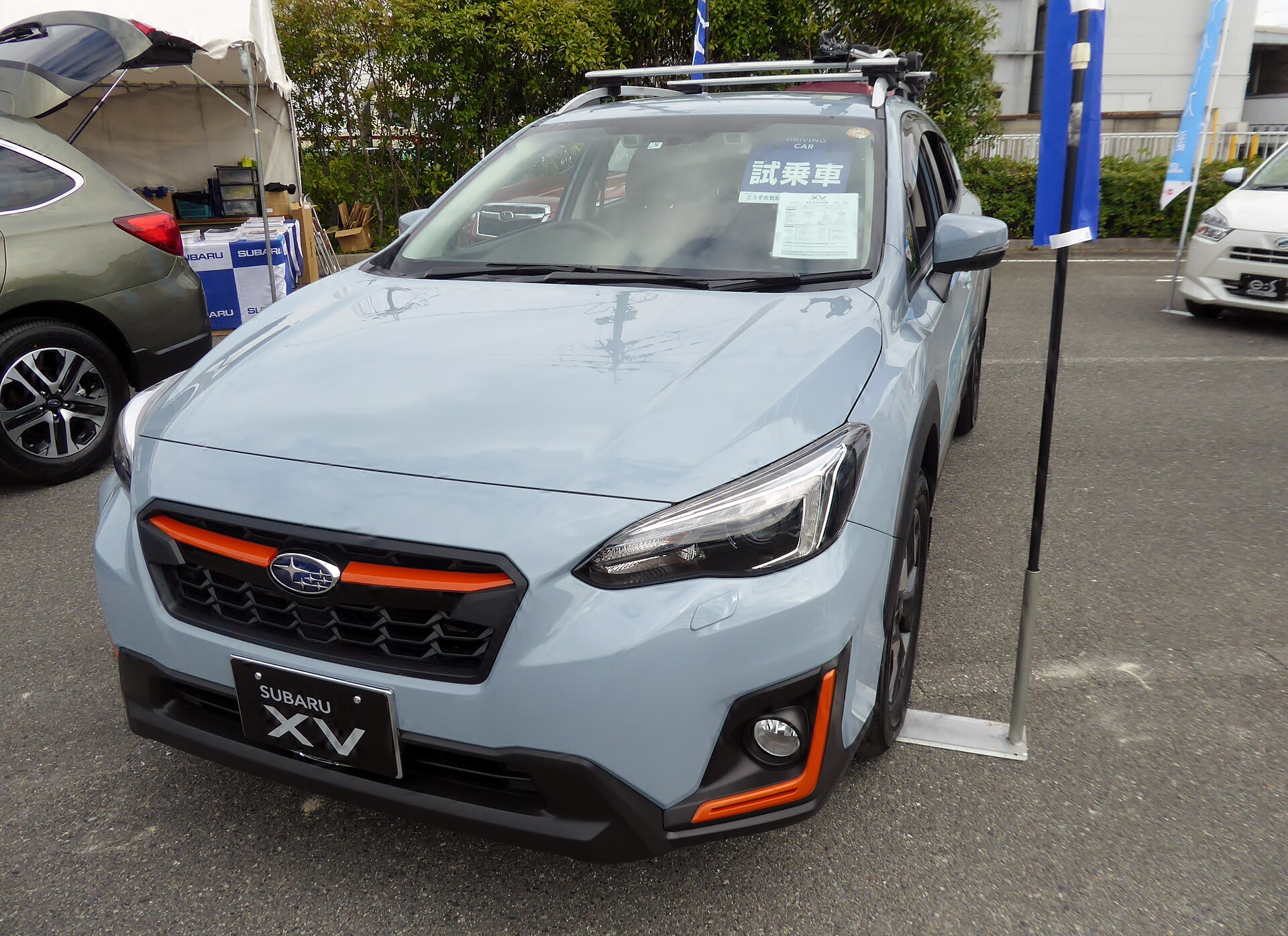
- XV II GT 2017–2024 · Crossover · 84–115 kW (114–156 PS)
Newest first · 2 generations since 2012
- 2017 GT 2017–2024 · Crossover · 84–115 kW (114–156 PS)
- 2012 GP 2012–2017 · Crossover · 84–110 kW (114–150 PS)
All generations by year: XV II GT (2017–2024) · XV I GP (2012–2017)
Which one is mine?
Pick the year of first registration to see which generation it is.
Check by VINWhich XV to buy
Our verdict · Felix Hartmann
- For the lowest running costs in the first generation: the 2.0D with the six-speed manual, which ADAC lists at 5.4 l/100 km (NEDC).
- For the safest XV: any second-generation car, rated five stars with 94% for adult occupants in 2017.
- For a simple used buy: the second-generation 1.6i CVT, with the largest boot of the GT range and a 63-litre tank.
- For low-speed electric running: the 2.0ie e-BOXER, at the cost of boot space and tank size.
The Subaru XV is a compact crossover based on the Impreza hatchback, with permanent all-wheel drive and 220 mm of ground clearance. Two generations were sold in Europe under the XV name, from 2012 to 2024; in North America the same car was called the XV Crosstrek and later the Crosstrek. The third generation, revealed in 2022, uses the Crosstrek name worldwide, so the XV badge has now left the European range.
In short
- Two generations: GP (Europe 2012-2017) and GT (Europe 2018-2024), the second on the Subaru Global Platform.
- European engines were all 2.0-litre or 1.6-litre boxers: petrol from 84 kW (114 PS) to 115 kW (156 PS), a 108 kW (147 PS) diesel in the first generation and the 110 kW (150 PS) e-BOXER mild hybrid from 2020.
- Five stars from Euro NCAP for both generations, in 2012 and in 2017.
- In Germany the last XV 1.6i Trend cost EUR 26,440 (list price, 2021-2024).
Size at a glance
| Dimensions | Subaru XV II GT |
|---|---|
| Length | 4,485 mm176.6 in |
| Width | 1,800 mm70.9 in |
| Height | 1,595 mm62.8 in |
| Wheelbase | 2,665 mm104.9 in |
| Boot | 385 L13.6 cu ft |
Running cost
Fuel · XV GT 1.6i Lineartronic
about 1,800 EUR fuel a year at 15,000 km
6.9 l/100 km · petrol at 1.75 EUR/l · change mileage, fuel price or version
Specs by version
Engines
| Version | Engine | Power | Torque | Gearbox | Drive | Production years |
|---|---|---|---|---|---|---|
| Hybrid · 1 version | ||||||
| GT · 2.0ie e-BOXER Lineartronic | 2.0 l · 4 cyl · Hybrid 1,995 cc | 110 kW 150 PS148 hp | 194 Nm143 lb-ft | CVT | All-wheel drive | 2020–2024 |
| Petrol · 2 versions | ||||||
| GT · 1.6i Lineartronic | 1.6 l · 4 cyl · Petrol 1,600 cc | 84 kW 114 PS113 hp | 150 Nm111 lb-ft | CVT | All-wheel drive | 2018–2024 |
| GT · 2.0i Lineartronic | 4 cyl · Petrol | 115 kW 156 PS154 hp | - | CVT | All-wheel drive | 2018 |
Performance
Show all 2 versions
| Version | 0–100 km/h | Top speed | Fuel consumption | CO₂ |
|---|---|---|---|---|
| Hybrid · 1 version | ||||
| GT · 2.0ie e-BOXER Lineartronic | 10.7 s 0–62 mph | 193 km/h120 mph | 7.9 l/100 km29.8 mpg US · 35.8 mpg UK | 180 g/km |
| Petrol · 1 version | ||||
| GT · 1.6i Lineartronic | 13.9 s 0–62 mph | 175 km/h109 mph | 6.9 l/100 km34.1 mpg US · 40.9 mpg UK | 157 g/km |
Dimensions and weight
Show all 2 versions
| Version | Length | Width | Height | Wheelbase | Kerb weight | Boot | Fuel tank |
|---|---|---|---|---|---|---|---|
| Hybrid · 1 version | |||||||
| GT · 2.0ie e-BOXER Lineartronic | 4,485 mm176.6 in | 1,800 mm70.9 in | 1,595 mm62.8 in | 2,665 mm104.9 in | 1,554 kg3,426 lb | 340 l12.0 cu ft | 48 l12.7 gal US |
| Petrol · 1 version | |||||||
| GT · 1.6i Lineartronic | 4,485 mm176.6 in | 1,800 mm70.9 in | 1,595 mm62.8 in | 2,665 mm104.9 in | 1,408 kg3,104 lb | 385 l13.6 cu ft | 63 l16.6 gal US |
Verified Manufacturer and type-approval data from our catalog · Sources and methodology
Subaru XV at a glance
| Item | Subaru XV |
|---|---|
| Segment | compact crossover (C-segment SUV) |
| Body | five-door hatchback with raised suspension |
| Drive | symmetrical all-wheel drive on all European versions |
| Engines | horizontally opposed (boxer) four-cylinders |
| Ground clearance | 220 mm |
| Built | Japan; first generation also assembled in Malaysia from kits |
| Successor | Subaru Crosstrek (third generation, revealed 2022) |
Subaru never made the XV a separate design: it is an Impreza five-door lifted for gravel tracks and snow, with body cladding and roof rails. That keeps the dimensions compact, about 4.45-4.49 m long, while the ground clearance matches many larger SUVs. More models of the brand are in our Subaru catalogue.
Generations
| Generation | Code | Years (Europe) | Body styles | Engines | Power (kW / PS) |
|---|---|---|---|---|---|
| XV I | GP | 2012-2017 | 5-door crossover | 1.6i, 2.0i, 2.0D | 84-110 kW (114-150 PS) |
| XV II | GT | 2018-2024 | 5-door crossover | 1.6i, 2.0i, 2.0ie e-BOXER | 84-115 kW (114-156 PS) |
First generation (GP, 2012-2017)
Subaru showed the XV as a concept at Auto Shanghai in 2011 and unveiled the production car at the Frankfurt Motor Show in September 2011. ADAC lists German versions from March 2012. A facelift came in 2016. Europe had three engines: a 1.6i, a 2.0i and Subaru's 2.0-litre boxer diesel with a six-speed manual. The petrol engines were offered with a manual gearbox or the Lineartronic CVT, and 17-inch wheels were standard.
In Japan and North America there was also an XV Hybrid with a 10 kW (14 PS) electric motor in the gearbox; it was not sold in Germany. Tan Chong Motor started assembling the XV in Malaysia from kits in December 2012.
Second generation (GT, 2018-2024)
The second XV was unveiled at the Geneva Motor Show in March 2017 and moved to the new Subaru Global Platform. German sales started in January 2018. The 2.0-litre petrol engine was dropped there in August 2018, leaving the 1.6i, and in March 2020 the 2.0ie e-BOXER arrived: a 2.0-litre boxer with a small electric motor in the CVT. Subaru first showed the European e-BOXER at Geneva in March 2019. A facelift reached Germany in January 2021, and ADAC lists the last XV versions until July 2024.


Engines, transmissions and performance
| Version | Power | Torque | Gearbox | 0-100 km/h | Top speed |
|---|---|---|---|---|---|
| 1.6i (GP and GT) | 84 kW (114 PS) | 150 Nm (GT) | manual (GP) or Lineartronic CVT | 13.9 s (GT, CVT) | 175 km/h |
| 2.0i (GP) | 110 kW (150 PS) | 196 Nm | manual or Lineartronic CVT | 10.7 s (CVT) | 187 km/h |
| 2.0D (GP) | 108 kW (147 PS) | 350 Nm | 6-speed manual | 9.3 s | 198 km/h |
| 2.0i (GT, 2018) | 115 kW (156 PS) | - | Lineartronic CVT | - | - |
| 2.0ie e-BOXER (GT) | 110 kW (150 PS) + 12 kW (17 PS) motor | 194 Nm (system) | Lineartronic CVT | 10.7 s | 193 km/h |
All European XVs have permanent all-wheel drive. The e-BOXER's electric motor gives 66 Nm and is fed by a 0.6 kWh battery; it can move the car on its own up to 40 km/h, but the system output stays at 110 kW (150 PS). In the United States the second generation added a plug-in hybrid in 2019 and a 2.5-litre engine in 2021, neither of which was offered in Germany. Our power converter translates kW into PS or hp.

Dimensions, space and boot
| Parameter | XV I (2.0i, 2016) | XV II (1.6i) | XV II (2.0ie) |
|---|---|---|---|
| Length | 4,450 mm (175.2 in) | 4,485 mm (176.6 in) | 4,485 mm (176.6 in) |
| Width without mirrors | 1,780 mm (70.1 in) | 1,800 mm (70.9 in) | 1,800 mm (70.9 in) |
| Height | 1,570 mm (61.8 in) | 1,595 mm (62.8 in) | 1,595 mm (62.8 in) |
| Wheelbase | 2,635 mm (103.7 in) | 2,665 mm (104.9 in) | 2,665 mm (104.9 in) |
| Kerb weight (EU) | 1,400 kg (3,086 lb) | 1,408 kg (3,104 lb) | 1,554 kg (3,426 lb) |
| Boot, seats up / folded | 380 / 1,270 l | 385 / 1,310 l | 340 / 1,193 l |
| Fuel tank | 60 l | 63 l | 48 l |
| Braked towing | 1,200 kg | 1,400 kg | 1,270 kg |
The e-BOXER loses 45 litres of boot space and 15 litres of fuel tank to the hybrid battery. Ground clearance is 220 mm (8.7 in) in both generations.
Fuel economy and running costs
Official figures reflect the permanent all-wheel drive. The first-generation 2.0i CVT was rated at 6.5 l/100 km and 151 g/km CO2 on the old NEDC cycle, the 2.0D at 5.4 l/100 km and 141 g/km. The second-generation 1.6i CVT was rated at 6.9 l/100 km (NEDC, 157 g/km). The e-BOXER, measured on the stricter WLTP cycle, is rated at 7.9 l/100 km and 180 g/km, so the hybrid system does not make it the economical choice. Our fuel cost calculator shows what that means per year.
Trims and equipment
German trims for the second generation were Trend, Comfort, Exclusive and, for the e-BOXER, Active and Platinum. List prices from ADAC:
| Version | Period | List price (EUR) |
|---|---|---|
| XV I 1.6i Active | 2012-2016 | 21,900 (2012) |
| XV I 2.0D Active | 2012-2016 | 27,200 (2012) |
| XV II 1.6i Trend | 2018 | 22,980 (2018) |
| XV II 2.0ie Trend | 2020 | 29,916 (2020) |
| XV II facelift 1.6i Trend | 2021-2024 | 26,440 (2021) |
| XV II facelift 2.0ie Platinum | 2021-2024 | 38,140 (2021) |
Safety
| Generation | Euro NCAP test | Stars | Adult | Child | Pedestrian | Safety assist |
|---|---|---|---|---|---|---|
| XV I (GP) | 2012 | 5 | 86% | 90% | 64% | 86% |
| XV II (GT) | 2017 | 5 | 94% | 89% | 84% | 68% |
The second generation's 94% for adult occupants was a large improvement over the first. Ratings for other cars are in our safety section.
Reliability and known issues
We have not found model-specific fault statistics for the XV in the sources used for this article, so we do not list typical faults here. As with any CVT car, a used buyer should ask for the service history of the transmission.
Rivals
| Model | Engines | Power (kW / PS) | Boot (l) | Price from (EUR) |
|---|---|---|---|---|
| Subaru XV II facelift | 1.6i, 2.0ie e-BOXER | 84-110 kW (114-150 PS) | 340-385 | 26,440 (Germany, 2021) |
| Mazda CX-30 | 2.5 e-Skyactiv-G, 2.0 e-Skyactiv-X | 103-137 kW (140-186 PS) | 430 | 29,990 (Germany, 2026) |
| Toyota C-HR (first generation, facelift) | 1.2 turbo, 1.8 and 2.0 hybrid | 85-135 kW (116-184 PS) | 377 | 25,627 (Germany, 2019) |
Permanent all-wheel drive on every version remains the XV's main argument. Use our comparison tool to set them side by side.
Photo gallery


Subaru XV: first vs latest generation
| Spec | XV I GP | XV II GT | Change |
|---|---|---|---|
| Years | 2012–2017 | 2017–2024 | 5 years apart |
| Most powerful version | 110 kW (150 PS) | 115 kW (156 PS) | +5 kW (+5%) |
Oldest and newest generation in the 1cars catalog. Power is the strongest version of each; other rows are shown only when both generations have the figure.
Subaru XV in our rankings
- No. 37 of 144 · Lightest SUVs and crossovers (1,408 kg · top 26%)
- No. 363 of 1082 · Longest-running car nameplates (12 years · top 35%)
- No. 76 of 198 · Smallest SUVs and crossovers (4,485 mm · top 39%)
- No. 159 of 391 · Lightest cars (1,408 kg · top 41%)
- No. 239 of 531 · Smallest cars (4,485 mm · top 46%)
- No. 137 of 297 · Most economical cars (6.9 l/100 km · top 47%)
Lighter than 74% of ranked SUVs and crossovers in the 1CARS catalog (No. 37 of 144).
FAQ
Is the Subaru XV the same as the Crosstrek?
Yes. The first two generations were sold as the XV in Europe and as the XV Crosstrek or Crosstrek in North America. The third generation, revealed in 2022, is called Crosstrek everywhere.
Does every Subaru XV have four-wheel drive?
Every European XV has permanent all-wheel drive. Japan later offered a cheaper front-wheel-drive version of the third-generation Crosstrek.
How big is the Subaru XV boot?
Between 380 and 385 litres for the petrol versions, rising to 1,270-1,310 litres with the rear seats folded. The e-BOXER has 340 litres.
What is the Subaru XV e-BOXER?
A 2.0-litre boxer with 110 kW (150 PS) and a 12 kW electric motor in the CVT, fed by a 0.6 kWh battery. It can drive on electric power alone up to 40 km/h.
How safe is the Subaru XV?
Both generations have five Euro NCAP stars: the first from 2012 and the second from 2017.
Data sources
Data checked by an editor against the sources below.