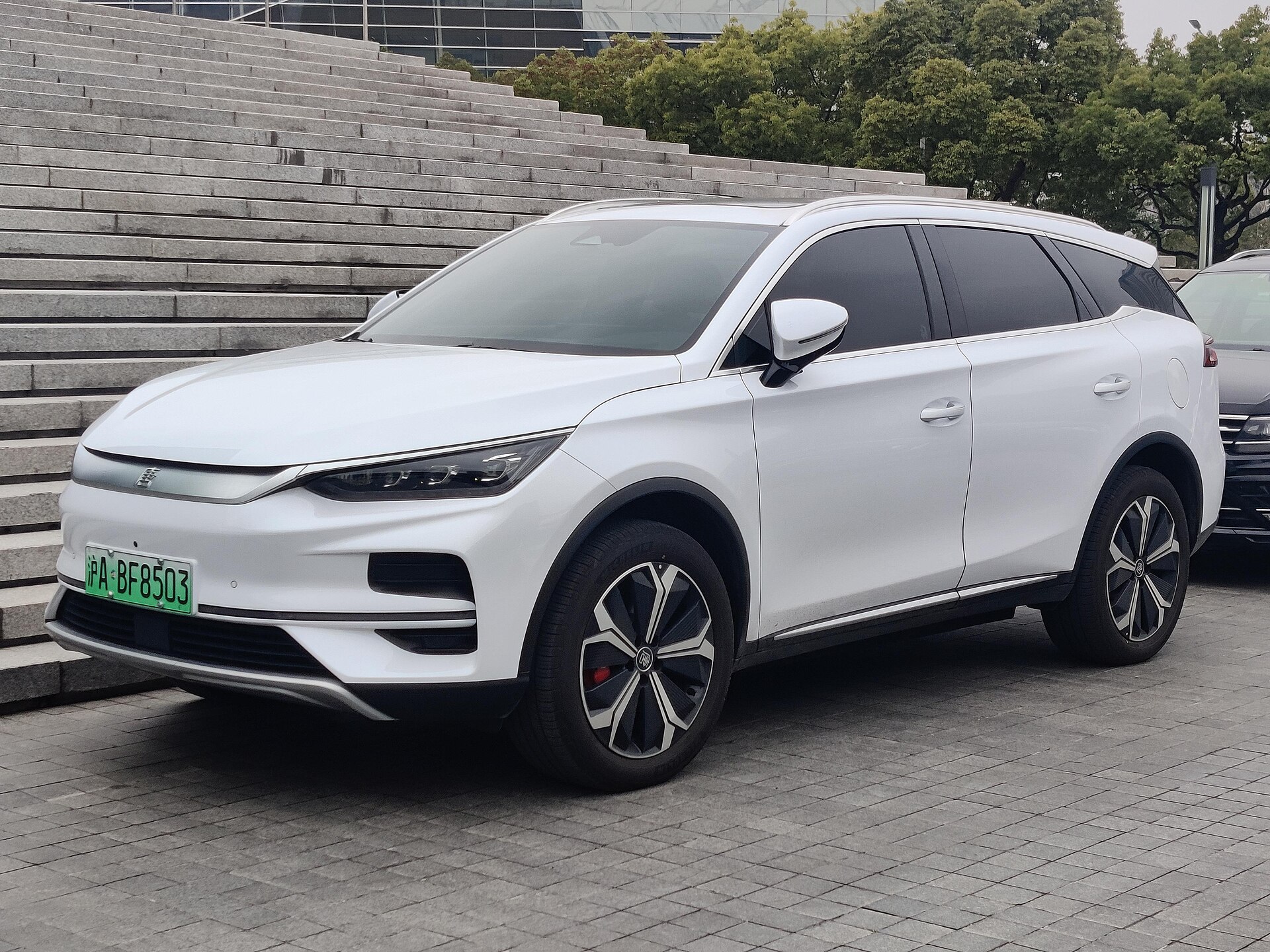
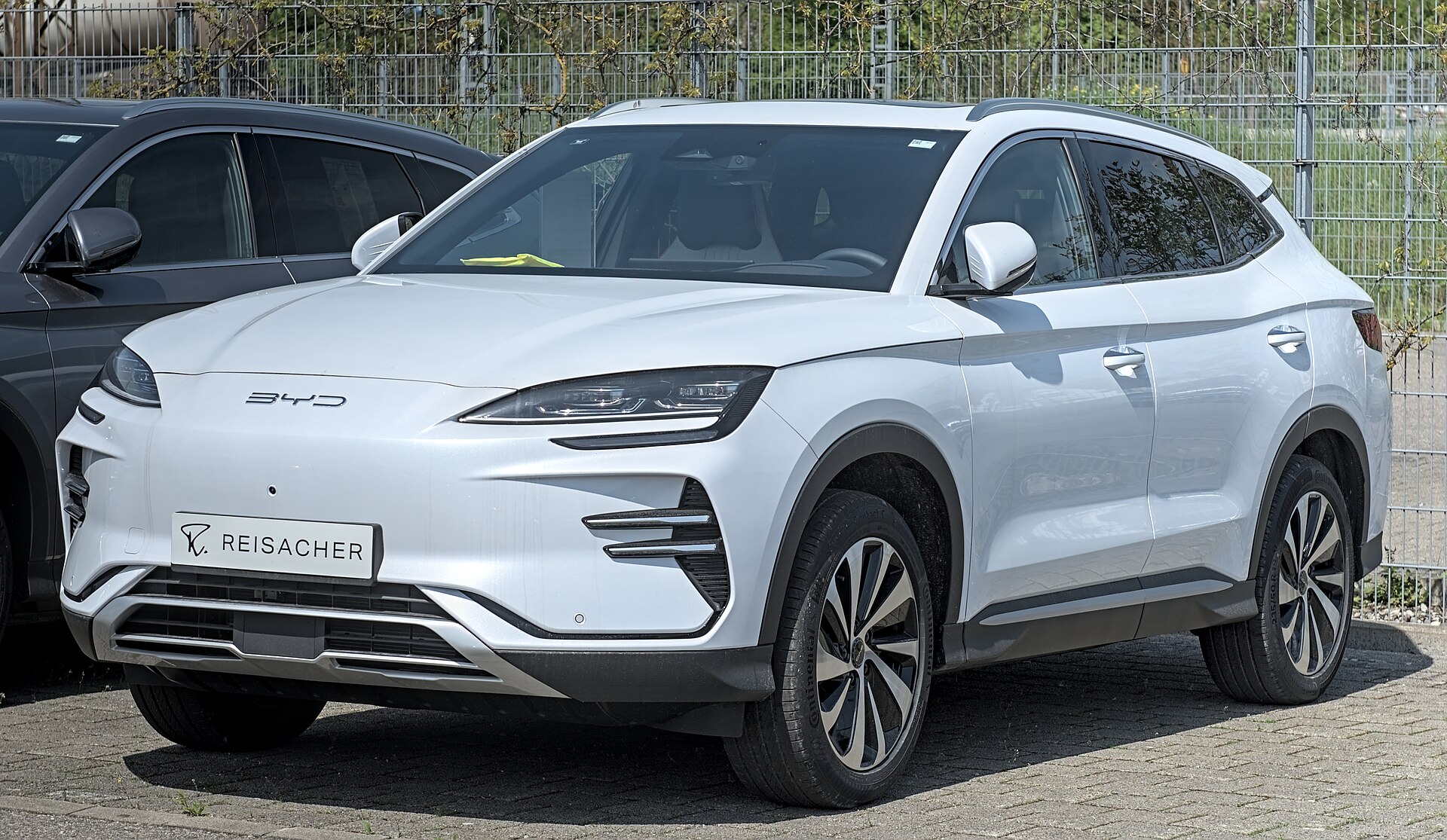
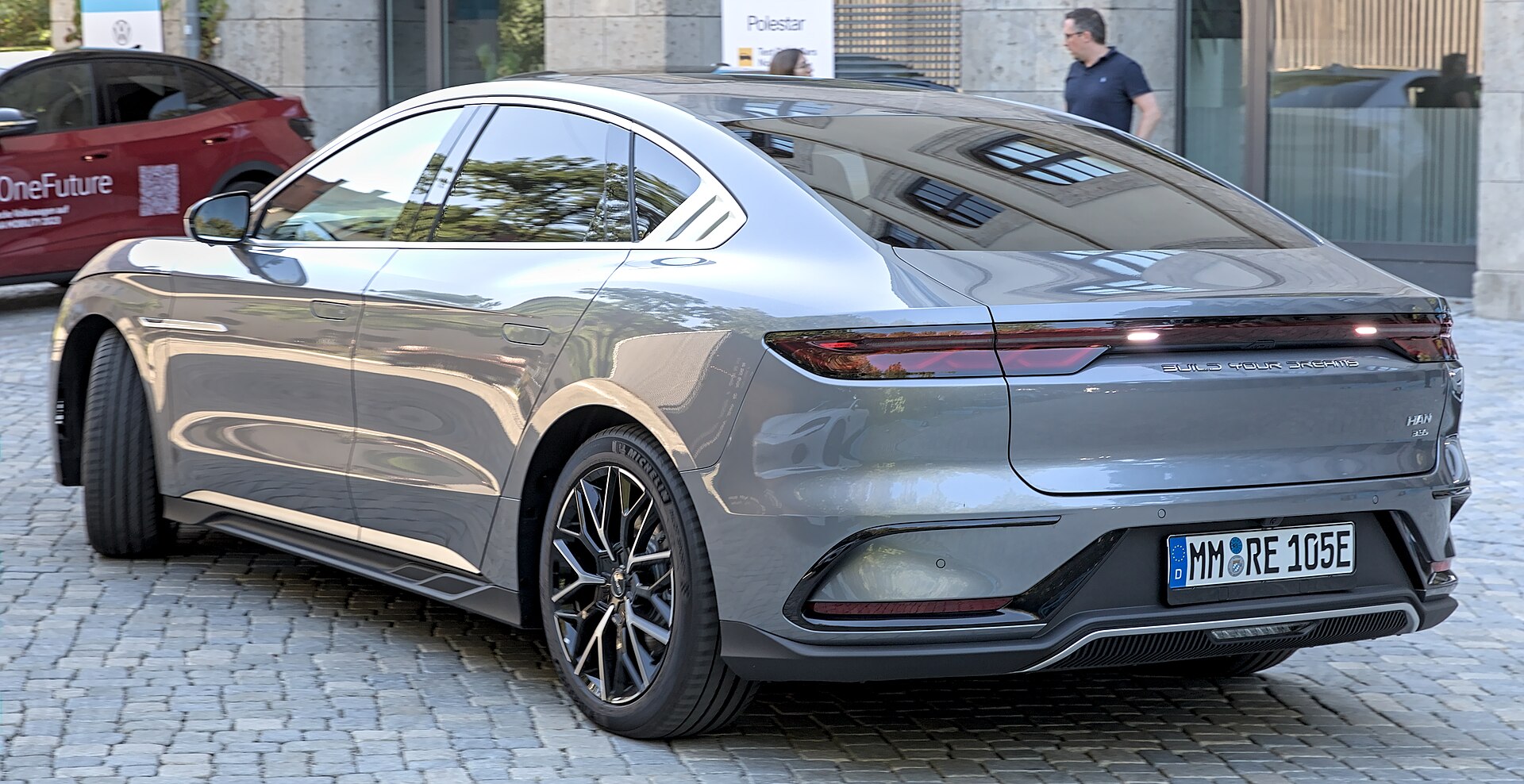
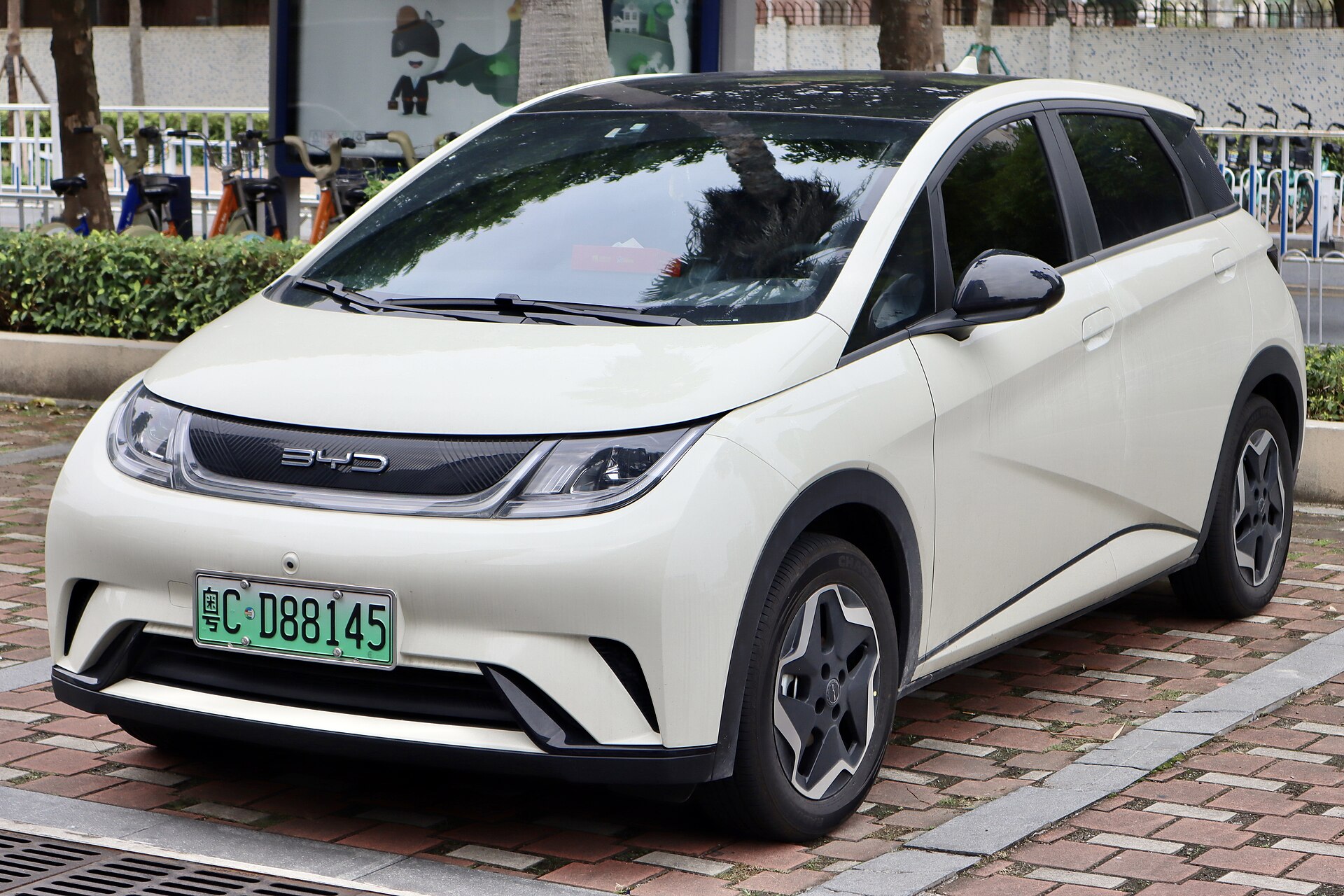
 BYD Seagull
All generations, specs and history
Published Sources (2) Report an error
By Felix Hartmann, Automotive Technology & EV Contributor
- Built
- 2023–present
- Generations
- 2
- Top power
- 115 kW (156 PS)
Timeline
Seagull generations
Click a generation for its own page

I and II overlapped in 2026, so II sits on a second lane
- Seagull I Current 2023–now · Hatchback · 55–115 kW (75–156 PS)
- Seagull II Current 2026–now · Hatchback
Newest first · 2 generations since 2023
-
2026
- 2023 ⚡I In production 2023–now · Hatchback · 55–115 kW (75–156 PS)
All generations by year: Seagull II (2026–now) · Seagull I (2023–now)
Which one is mine?
Pick the year of first registration to see which generation it is.
- Seagull II 2026–present
- Seagull I 2023–present
Which one to buy
Our verdict · Felix Hartmann
- For town use: the Active with 30 kWh and 220 km WLTP is enough for most city drivers and is the cheapest version.
- Best balance: the Boost, which adds the 43.2 kWh battery, 322 km WLTP and 85 kW DC charging.
- For motorway trips: the Comfort with 115 kW (156 PS); it is the quickest Dolphin Surf at 9.1 seconds to 100 km/h.
- If you need five seats: look for the five-seat Active offered from October 2026 in Germany, or wait for the larger second generation.
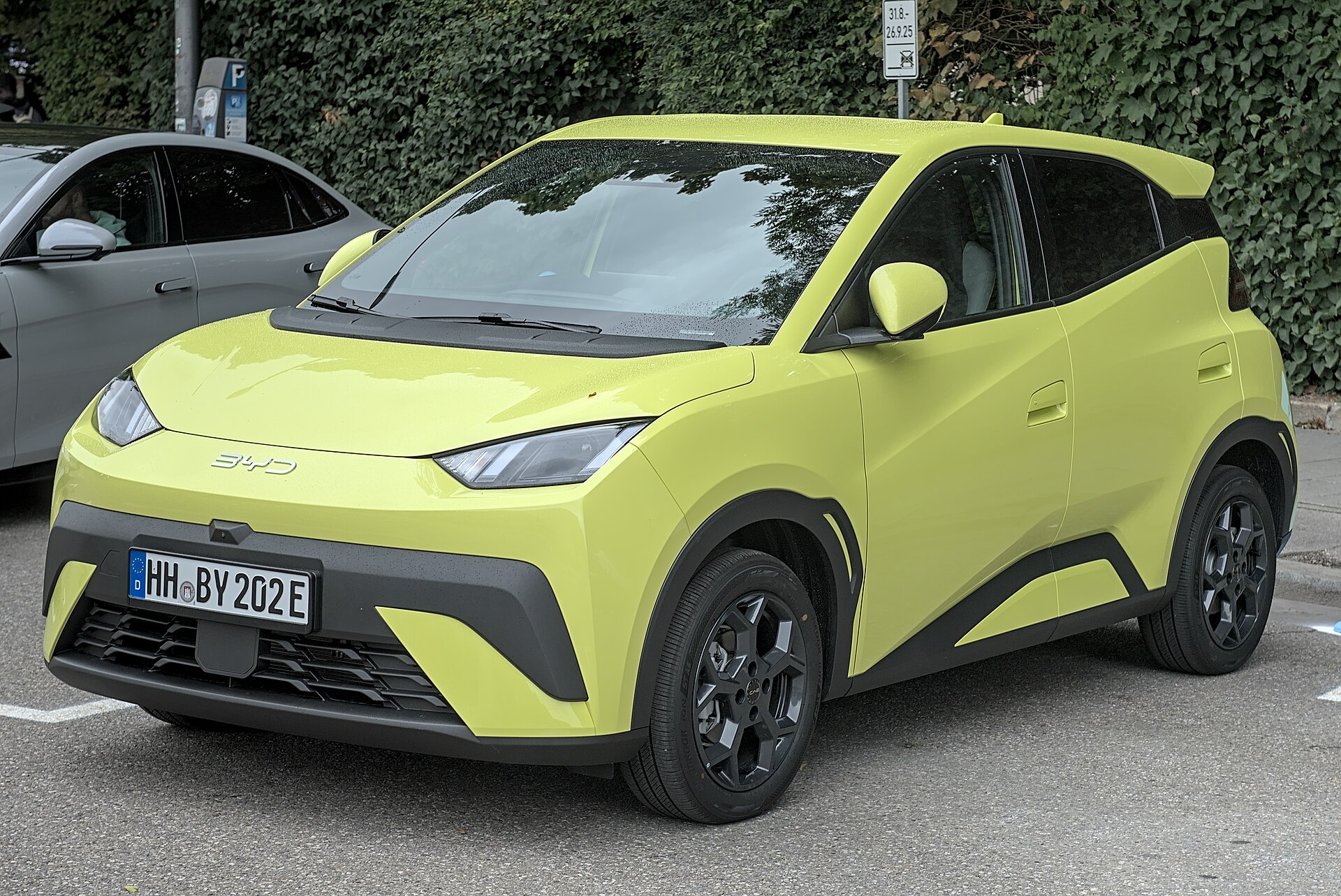
The BYD Seagull is BYD's small electric hatchback, launched in China in April 2023 and sold in Europe since 2025 as the Dolphin Surf. With prices from EUR 23,490 in Germany (ADAC, 2025) it is the smallest BYD on sale there, and with more than 1.2 million sold from 2023 to 2025 it is one of BYD's volume leaders. A second, larger generation was unveiled in China in October 2026.
In short
- Five-door electric hatchback; 3,780 mm long in China, 3,990 mm as the European Dolphin Surf.
- Export names: Dolphin Surf (Europe, South Africa), Dolphin Mini (Latin America), Atto 1 (Australia, New Zealand, much of Southeast Asia).
- European versions: 65 kW (88 PS) or 115 kW (156 PS), LFP Blade battery of 30 or 43.2 kWh, 220 to 322 km WLTP.
- Five Euro NCAP stars for the Dolphin Surf (2025).
Size at a glance
| Dimensions | BYD Seagull I |
|---|---|
| Length | 3,990 mm157.1 in |
| Width | 1,720 mm67.7 in |
| Height | 1,590 mm62.6 in |
| Wheelbase | 2,500 mm98.4 in |
| Boot | 308 L10.9 cu ft |
Specs by version
Engines
| Version | Engine | Power | Torque | Gearbox | Drive | Production years |
|---|---|---|---|---|---|---|
| Seagull I · Dolphin Surf Active 30 kWh | Electric | 65 kW 88 PS87 hp | 175 Nm129 lb-ft | Single-speed | Front-wheel drive | 2025 |
| Seagull I · Dolphin Surf Boost 43.2 kWh | Electric | 65 kW 88 PS87 hp | 175 Nm129 lb-ft | Single-speed | Front-wheel drive | 2025 |
| Seagull I · Dolphin Surf Comfort 43.2 kWh | Electric | 115 kW 156 PS154 hp | 220 Nm162 lb-ft | Single-speed | Front-wheel drive | 2025 |
Performance
Show all 3 versions
| Version | 0–100 km/h | Top speed | Fuel consumption | Range |
|---|---|---|---|---|
| Seagull I · Dolphin Surf Active 30 kWh | 11.1 s 0–62 mph | 150 km/h93 mph | 15.5 kWh/100 km24.9 kWh/100 mi | 220 km137 mi |
| Seagull I · Dolphin Surf Boost 43.2 kWh | 12.1 s 0–62 mph | 150 km/h93 mph | 15.6 kWh/100 km25.1 kWh/100 mi | 322 km200 mi |
| Seagull I · Dolphin Surf Comfort 43.2 kWh | 9.1 s 0–62 mph | 150 km/h93 mph | 16.0 kWh/100 km25.7 kWh/100 mi | 310 km193 mi |
Dimensions and weight
Show all 3 versions
| Version | Length | Width | Height | Wheelbase | Kerb weight | Boot | Battery |
|---|---|---|---|---|---|---|---|
| Seagull I · Dolphin Surf Active 30 kWh | 3,990 mm157.1 in | 1,720 mm67.7 in | 1,590 mm62.6 in | 2,500 mm98.4 in | 1,294 kg2,853 lb | 308 l10.9 cu ft | 30 kWh |
| Seagull I · Dolphin Surf Boost 43.2 kWh | 3,990 mm157.1 in | 1,720 mm67.7 in | 1,590 mm62.6 in | 2,500 mm98.4 in | 1,370 kg3,020 lb | 308 l10.9 cu ft | 43 kWh |
| Seagull I · Dolphin Surf Comfort 43.2 kWh | - | - | - | - | 1,390 kg3,064 lb | 308 l10.9 cu ft | 43 kWh |
Verified Manufacturer and type-approval data from our catalog · Sources and methodology
BYD Seagull at a glance
| Specification | China model / Dolphin Surf |
|---|---|
| Segment | A-segment city car (first generation); B-segment (second generation) |
| Body | five-door hatchback, four or five seats |
| Launch | 27 April 2023, Auto Shanghai |
| Plants | Xi'an and Changzhou (China); Camaçari, Bahia (Brazil, from early 2025); Subang (Indonesia, from 2026) |
| Drive | front motor, front-wheel drive |
| Battery | LFP Blade: 30.08 kWh, 38.88 kWh (China), 43.2 kWh (Europe, Australia) |
| Length (China / Europe) | 3,780 / 3,990 mm |
| Wheelbase | 2,500 mm |
| Predecessor | BYD e1 |
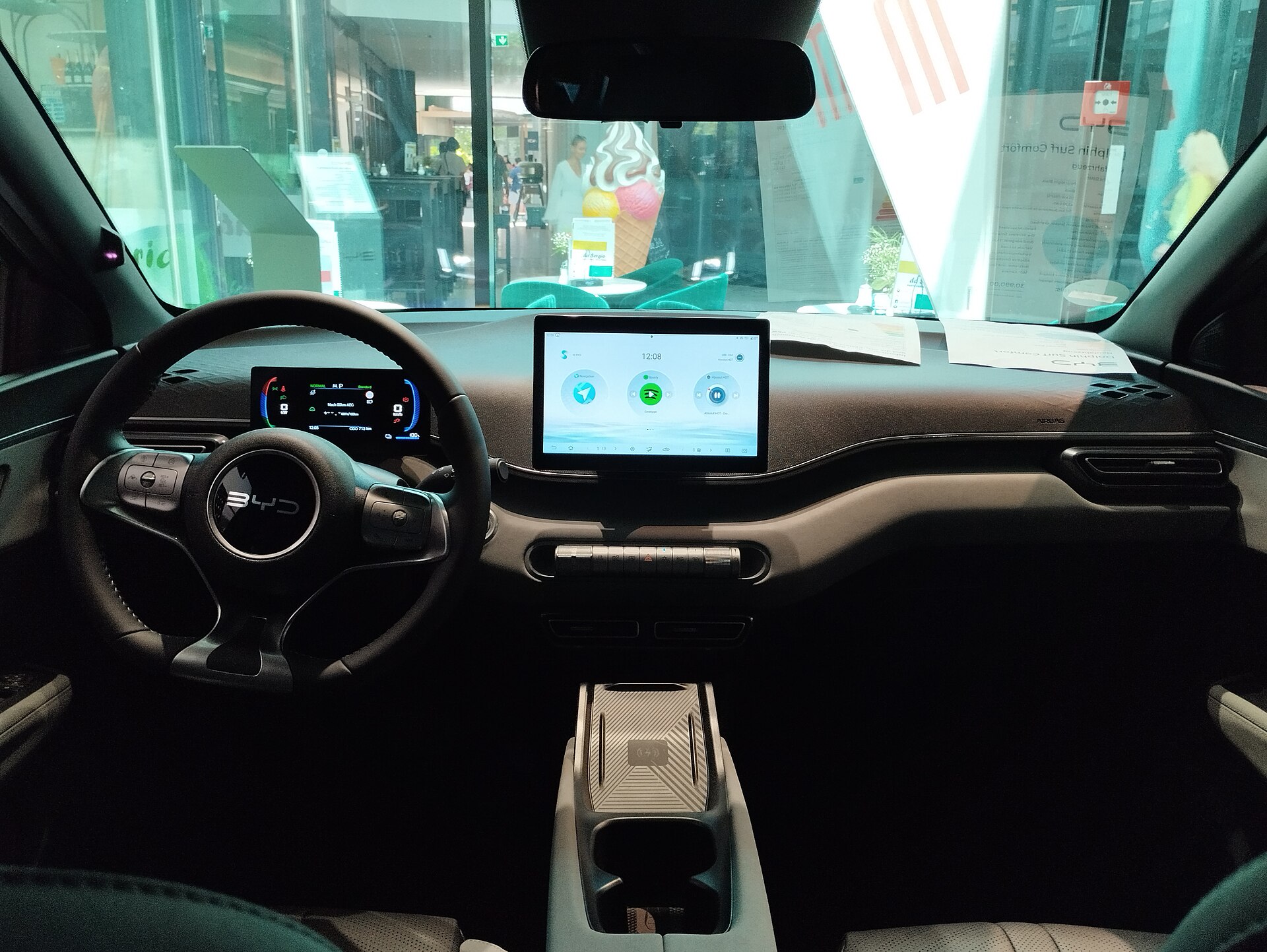
BYD's design studio under Wolfgang Egger drew the car with angular headlamps, a sloping roofline and a light bar linking the rear lamps. The dashboard follows the "wing" theme of BYD's Ocean range, with a rotatable 10.1-inch touchscreen and a 5-inch digital instrument panel. Every version has six airbags, rear disc brakes and an electronic parking brake. More models from the brand are on our BYD brand page.
Generations
| Generation | Code | Years | Body styles | Engines | Power (kW / hp) |
|---|---|---|---|---|---|
| First generation, incl. Dolphin Surf | - | 2023- | 5-door hatchback | electric, FWD | 55-115 kW (74-154 hp) |
| Second generation (China) | - | 2026- | 5-door hatchback | electric, FWD | not yet published |
First generation (from 2023)
The car went on sale in China on 27 April 2023 and collected 10,000 orders in its first 24 hours. The 200,000th car was built on 29 November 2023, about seven months after launch. A facelift for China in February 2025 brought revised bumpers, an updated interior and BYD's "God's Eye C" driver-assistance package (DiPilot 100).
The European Dolphin Surf made its debut in spring 2025 and went on sale in Germany in June 2025. It is not simply a renamed Chinese-market car: the front and rear were redesigned, the car is 210 mm longer than the base Chinese model, and the motors are stronger. From October 2026 ADAC lists a five-seat Dolphin Surf Active in Germany alongside the four-seat versions.
Second generation (from 2026)
BYD unveiled the second generation in China on 20 October 2026. It grows by 425 mm to 4,205 mm, the wheelbase stretches by 150 mm to 2,650 mm, and it seats five. BYD quotes 320 or 420 km CLTC from 30.1 or 39.2 kWh batteries, and some trims get "flash charging" from 10 to 97% in under ten minutes. It also adds heated and ventilated front seats and a 94-litre front boot. Export plans had not been confirmed when this article was written.

Motors, batteries and range
| Version | Battery | Power | Torque | 0-100 km/h | Top speed | Range |
|---|---|---|---|---|---|---|
| China version | 30.08 kWh | 55 kW (75 PS) | 135 Nm | 13.0 s | 130 km/h | 305 km CLTC |
| China version | 38.88 kWh | 55 kW (75 PS) | 135 Nm | - | 130 km/h | 405 km CLTC |
| Dolphin Surf Active | 30 kWh | 65 kW (88 PS) | 175 Nm | 11.1 s | 150 km/h | 220 km WLTP |
| Dolphin Surf Boost | 43.2 kWh | 65 kW (88 PS) | 175 Nm | 12.1 s | 150 km/h | 322 km WLTP |
| Dolphin Surf Comfort | 43.2 kWh | 115 kW (156 PS) | 220 Nm | 9.1 s | 150 km/h | 310 km WLTP |
All versions use lithium iron phosphate Blade cells. The China-market car charges at 30 or 40 kW DC; the Dolphin Surf accepts 65 kW with the 30 kWh battery and 85 kW with 43.2 kWh, and ADAC lists 11 kW three-phase AC charging. In its own test ADAC measured 45 minutes from 10 to 80% for the Boost, against the 22 minutes on the data sheet. The CLTC figures from China are far more optimistic than WLTP and should not be compared directly.


Dimensions, space and boot
| Parameter | Metric | Imperial |
|---|---|---|
| Length (Dolphin Surf) | 3,990 mm | 157.1 in |
| Width (without mirrors) | 1,720 mm | 67.7 in |
| Height | 1,590 mm | 62.6 in |
| Wheelbase | 2,500 mm | 98.4 in |
| Kerb weight (EU) | 1,294-1,390 kg | 2,853-3,064 lb |
| Boot (seats up / folded) | 308 / 1,037 l | 10.9 / 36.6 cu ft |
At just under four metres the Dolphin Surf is a little longer than most A-segment cars, and the 308-litre boot is closer to a supermini than to a city car. Wikipedia gives the wheelbase as 66% of the length of the Chinese car, against 64% for the bigger Dolphin. To see how it fits a parking space, try our size comparison tool.

Energy consumption and running costs
ADAC lists 15.5 kWh/100 km for the Active, 15.6 for the Boost and 16.0 for the Comfort in the WLTP combined cycle. In the ADAC Ecotest the Boost used 19.2 kWh/100 km including charging losses. BYD covers the car for 6 years or 150,000 km in Germany, the battery for 8 years or 200,000 km with at least 70% state of health, and rust perforation for 12 years.
Trims and prices
| Trim (Germany) | Battery | Power | Price |
|---|---|---|---|
| Active | 30 kWh | 65 kW (88 PS) | EUR 23,490 |
| Boost | 43.2 kWh | 65 kW (88 PS) | EUR 27,490 |
| Comfort | 43.2 kWh | 115 kW (156 PS) | EUR 31,490 |
Prices are ADAC list prices for versions built from June 2025 (Germany, 2025); the ADAC review of the Boost mentions EUR 26,990, so actual dealer prices vary. In China the car started from CNY 73,800 in 2023 (about EUR 9,600 at the time), and the March 2024 Honor Edition cut prices by about 5%. In Latin America the car is sold as the Dolphin Mini, and in Brazil it has been assembled locally since early 2025.
Safety: Euro NCAP
Euro NCAP tested the Dolphin Surf in 2025 and awarded five stars: 82% for adult occupants, 86% for child occupants, 76% for vulnerable road users and 77% for safety assist. ANCAP adopted the result for the Atto 1 in Australia and New Zealand. BYD says 61% of the body is high-strength low-alloy steel, with hot-formed parts above 1,500 MPa in key areas. Our safety section explains how the ratings are calculated.
Reliability and known issues
Only one documented recall is known for the first generation: on 30 April 2024 BYD recalled 16,666 Seagulls in China, built between 7 April and 31 May 2023, because the reversing camera software could fail; the fix was an over-the-air update. ADAC noted a large gap between the official and measured DC charging times of the Dolphin Surf.
Sales
According to the production and sales table on Wikipedia, about 280,217 Seagulls were sold in 2023, 479,294 in 2024 and 529,537 in 2025, most of them in China (453,593 in 2024). Brazil became the biggest export market, with 21,937 in 2024 and 32,490 in 2025.
Rivals
| Model | Engines | Power (hp) | Boot (l) | Price from (EUR) |
|---|---|---|---|---|
| BYD Dolphin Surf | electric | 65-115 kW (88-156 PS) | 308 | 23,490 (Germany, 2025) |
| BYD Atto 3 | electric | 150-330 kW (204-449 PS) | 440-490 | 38,990 (Germany, 2023) |
| Dacia Spring | electric | - | - | - |
| Leapmotor T03 | electric | - | - | - |
| Citroën ë-C3 | electric | - | - | - |
Inside BYD, the Dolphin Surf sits below the Dolphin and the Atto 2. Its direct rivals are other low-cost electric small cars such as the Dacia Spring, Leapmotor T03 and Citroën ë-C3; the electric cars section lists more.
Photo gallery


BYD Seagull in our rankings
- No. 51 of 531 · Smallest cars (3,990 mm · top 10%)
- No. 112 of 391 · Lightest cars (1,294 kg · top 29%)
- No. 34 of 93 · Smallest hatchbacks (3,990 mm · top 37%)
- No. 60 of 141 · Most powerful hatchbacks (115 kW · top 44%)
- No. 39 of 76 · Power-to-weight: hatchbacks (83 kW/t · top 52%)
- No. 39 of 76 · Heaviest hatchbacks (1,390 kg · top 52%)
Shorter than 90% of ranked cars in the 1CARS catalog (No. 51 of 531).
FAQ
Is the BYD Dolphin Surf the same car as the Seagull?
Largely yes. The Dolphin Surf is the European version of the Seagull, with a redesigned front and rear, a 210 mm longer body and stronger motors.
What is the range of the Dolphin Surf?
220 km WLTP with the 30 kWh battery, 322 km for the Boost and 310 km for the Comfort, both with 43.2 kWh (ADAC).
How much does the Dolphin Surf cost?
In Germany ADAC lists EUR 23,490 for the Active, EUR 27,490 for the Boost and EUR 31,490 for the Comfort (2025).
Is the Seagull safe?
The Dolphin Surf earned five Euro NCAP stars in 2025, with 82% for adult and 86% for child occupant protection.
Where is the Seagull built?
In Xi'an and Changzhou, China, with assembly in Camaçari, Brazil, from 2025 and in Subang, Indonesia, from 2026.
Data sources
Data checked by an editor against the sources below.