 Dodge Coronet
All generations, specs and history
Published Sources (1) Report an error
By Sarah Whitmore, Senior Automotive Writer
- Built
- 1949–1976
- Generations
- 7
- Top power
- 317 kW (431 PS)
Timeline
Coronet generations
Click a generation for its own page
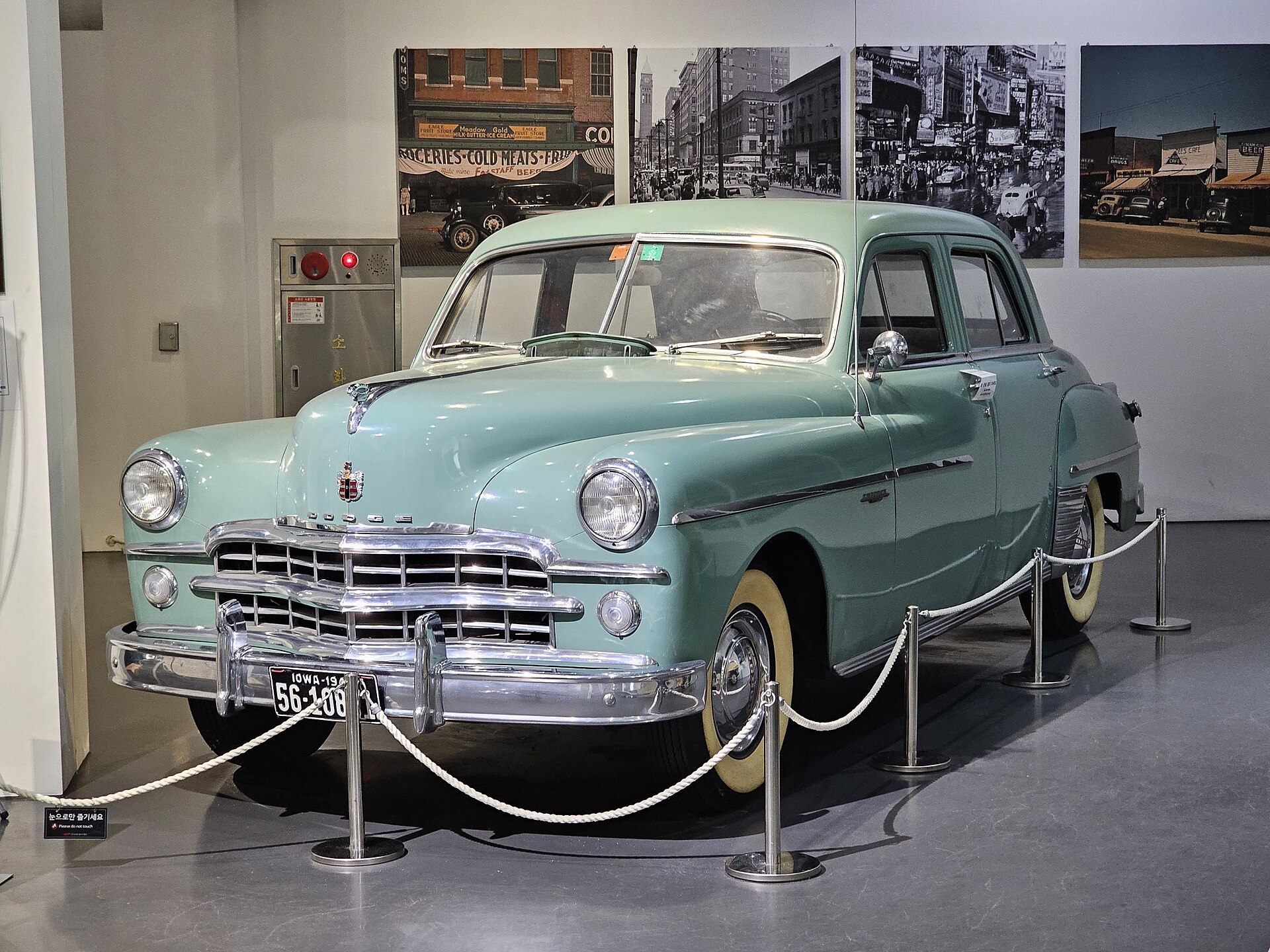
- Coronet I 1949–1952 · Sedan · 77 kW (105 PS)
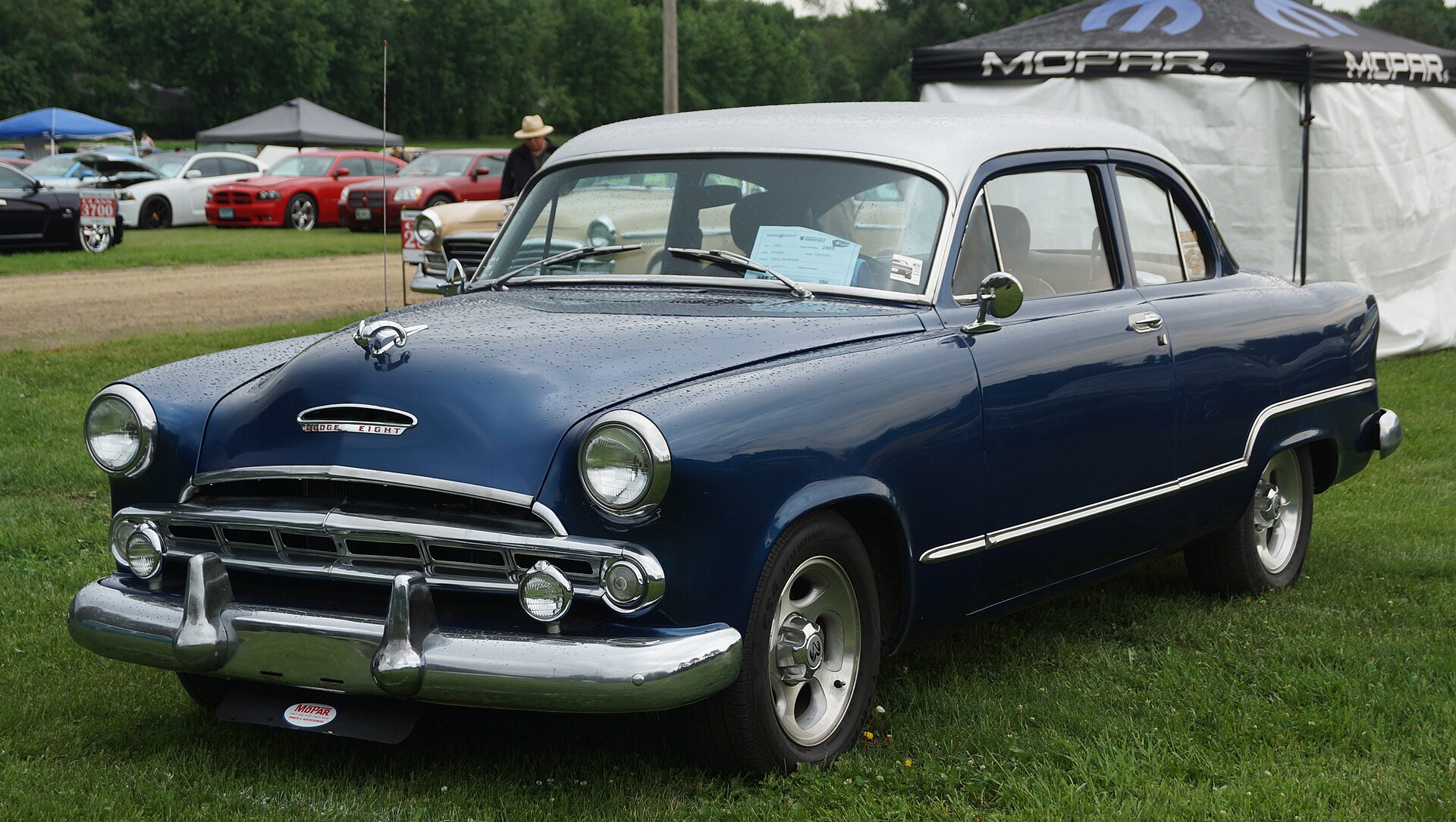
- Coronet II 1953–1954 · Sedan
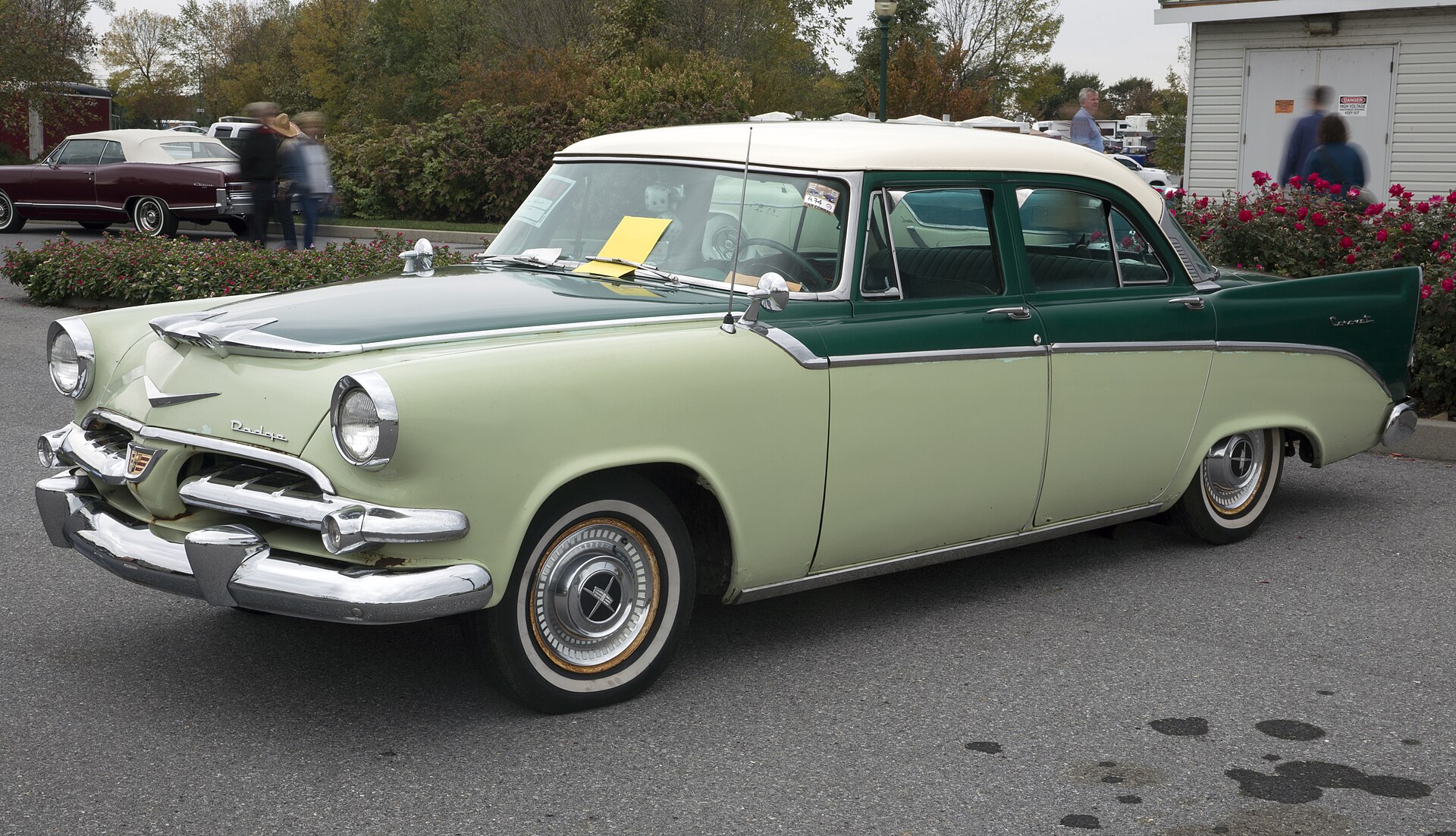
- Coronet III 1955–1956 · Sedan · 213 kW (290 PS)
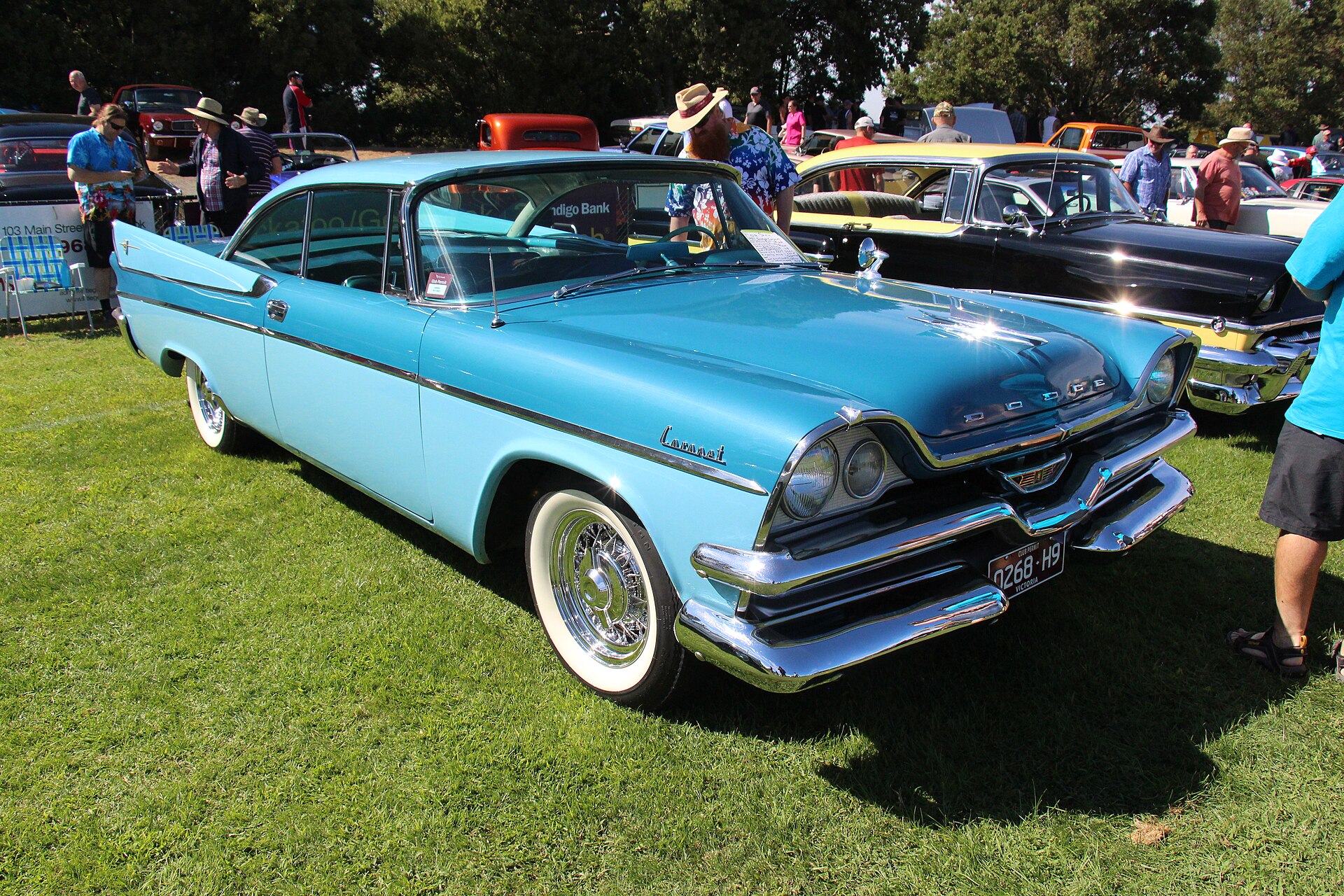
- Coronet IV 1957–1959 · Sedan · 254 kW (345 PS)
- Coronet V 1965–1970 · Sedan, Coupe · 317 kW (431 PS)
- Coronet VI 1971–1974 · Sedan, Station wagon
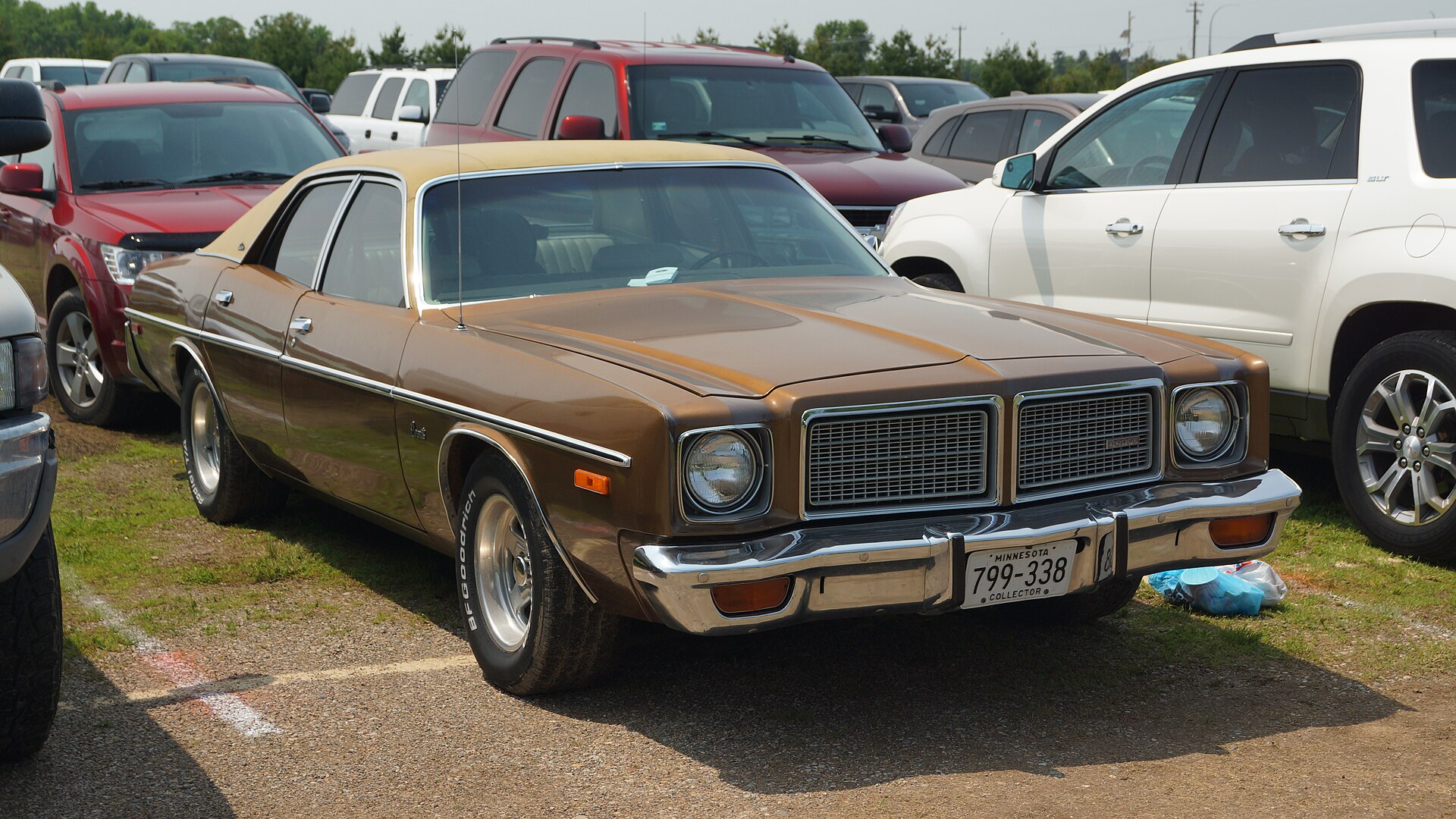
- Coronet VII 1975–1976 · Sedan, Coupe
Newest first · 7 generations since 1949
-
1975
-
1971
-
1965
-
1957
-
1955
-
1953
-
1949


All generations by year: Coronet VII (1975–1976) · Coronet VI (1971–1974) · Coronet V (1965–1970) · Coronet IV (1957–1959) · Coronet III (1955–1956) · Coronet II (1953–1954) · Coronet I (1949–1952)
Which one is mine?
Pick the year of first registration to see which generation it is.
- Coronet VII 1975–1976
- Coronet VI 1971–1974
- Coronet V 1965–1970
- Coronet IV 1957–1959
- Coronet III 1955–1956
- Coronet II 1953–1954
- Coronet I 1949–1952
The Dodge Coronet was one of the longest-running Dodge names: a full-size car from 1949 to 1959 and, after a break, a mid-size B-body car from 1965 to 1976. Its name refers to a small crown worn by royalty. For muscle car history the important years are 1965–1970. In that period the Coronet received the 426 Hemi for public sale, became the base of the Coronet R/T with the 440 Magnum and gave its body to the budget Super Bee. Every Coronet had its engine at the front and drove the rear wheels.
In short
- Full-size 1949–1959 (four generations), mid-size B-body 1965–1976 (three generations).
- 1953: optional 241 cu in Red Ram Hemi, which set over 100 records at Bonneville.
- 1966: the 426 Hemi became available in any Coronet; 136 Coronet 500 Street Hemis were built that year.
- 1967–1970 Coronet R/T: 440 Magnum with 280 kW (375 hp) as standard, 426 Hemi with 317 kW (425 hp, SAE gross) optional.
Dodge Coronet at a glance
| Generation | Years | Platform | Notable engine |
|---|---|---|---|
| I | 1949–1952 | full-size | 230 cu in six, 77 kW (103 hp) |
| II | 1953–1954 | full-size | 241 cu in Red Ram Hemi V8 |
| III | 1955–1956 | full-size, 120 in wheelbase | 315 Hemi D-500, 194 kW (260 hp) and 447 Nm |
| IV | 1957–1959 | full-size | 354 Hemi D-501, 254 kW (340 hp) |
| V | 1965–1970 | B-body, 117 in wheelbase | 426 Hemi, 317 kW (425 hp) |
| VI | 1971–1974 | B-body, sedan and wagon | 318 to 440 V8 |
| VII | 1975–1976 | B-body | 440 RB V8 for police (1975) |
All pre-1972 ratings are SAE gross. The Coronet is in our Dodge catalogue, and its R/T years belong to the golden age of the American muscle car guide.
The full-size Coronet and the Red Ram Hemi
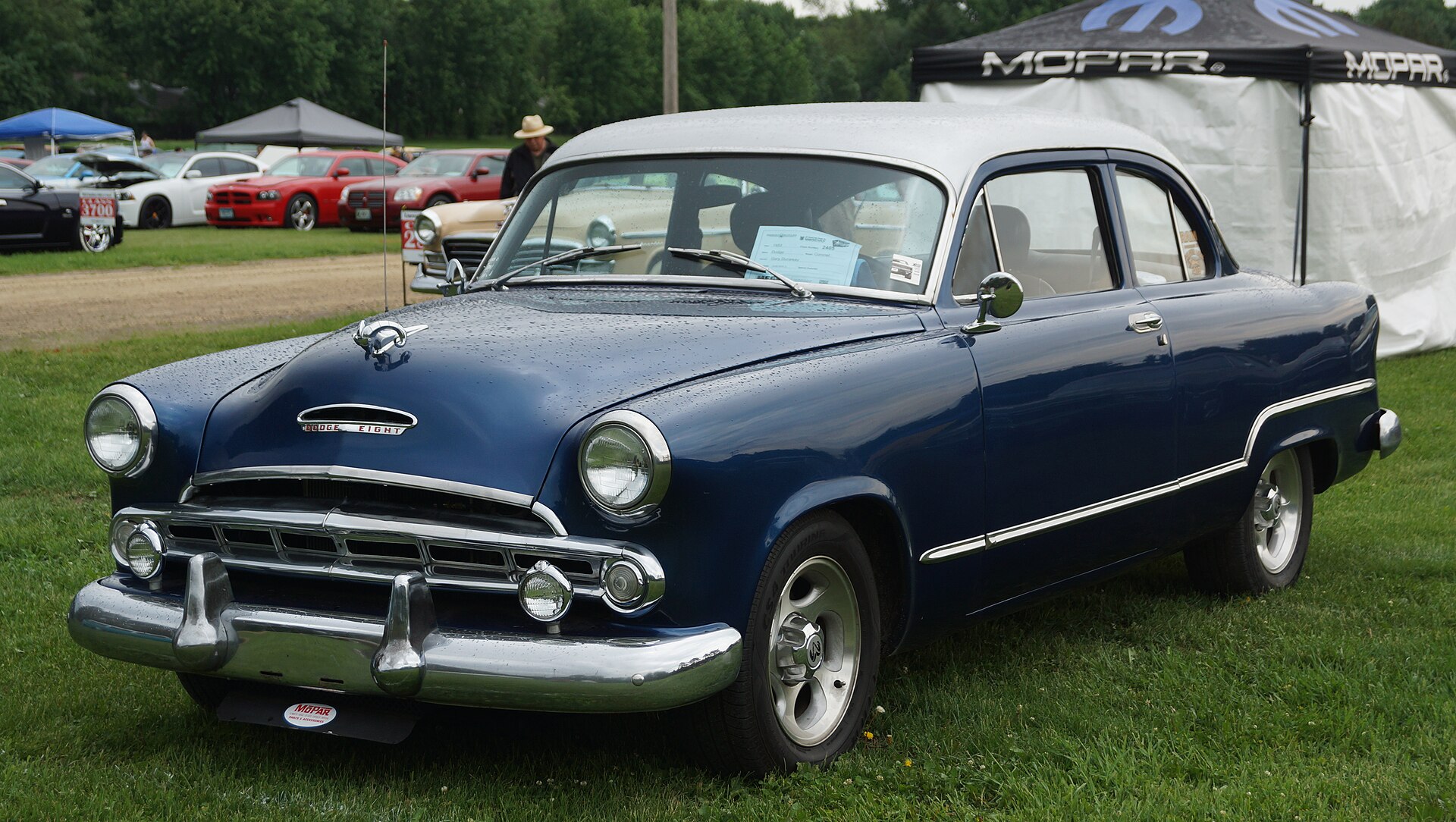
The first Coronet of 1949 rode on a 123.5 in wheelbase, with the cheaper Wayfarer and Meadowbrook below it. A 230 cu in flathead six with 77 kW (103 hp) took it to about 90 mph. The car was fully redesigned for 1953, and with it came Dodge's first Hemi V8, the 241 cu in "Red Ram". The 1953 Red Ram Hemi set more than 100 land speed records at the Bonneville Salt Flats.
For 1955 Virgil Exner's team gave the car new styling on a 120 in wheelbase, and the Coronet moved to the bottom of the Dodge range. Engines were the 230 six with 92 kW (123 hp), a 270 V8 with 130 kW (175 hp) and a 315 Hemi. The 1956 D-500 package brought the 315 Hemi up to 194 kW (260 hp) and 447 Nm, with shock absorbers valved like those of Dodge police cars.
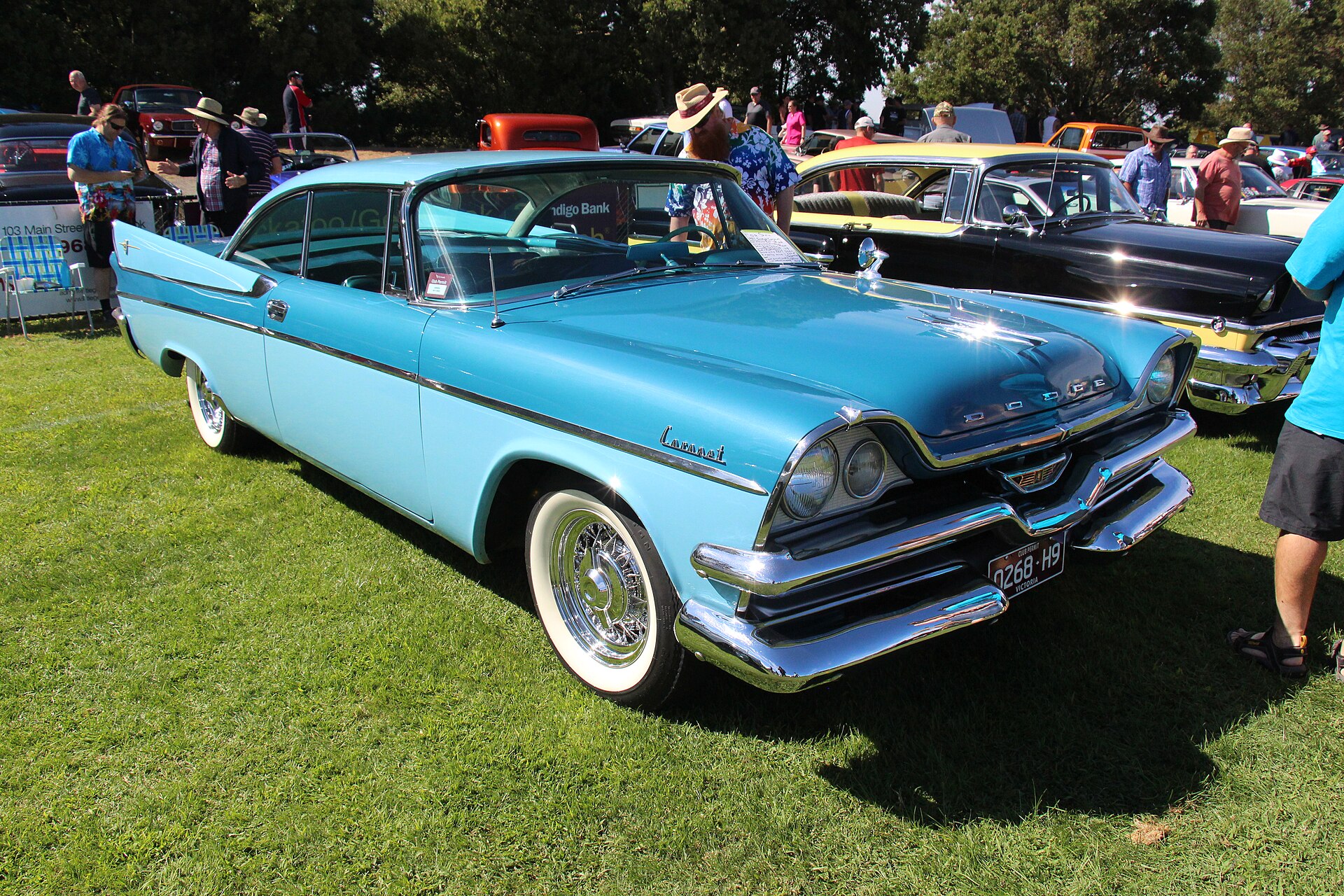
The NASCAR-oriented D-500-1 had 213 kW (285 hp). In 1957 the D-501 used a 354 Hemi with 254 kW (340 hp), and only 101 were built. A period magazine test timed a V8 Coronet of 1957 at 12.3 seconds from 0 to 60 mph. In 1958 a Coronet with a JATO rocket unit was run on El Mirage dry lake to promote Dodge's brakes.

The B-body Coronet and the street Hemi (1965–1967)
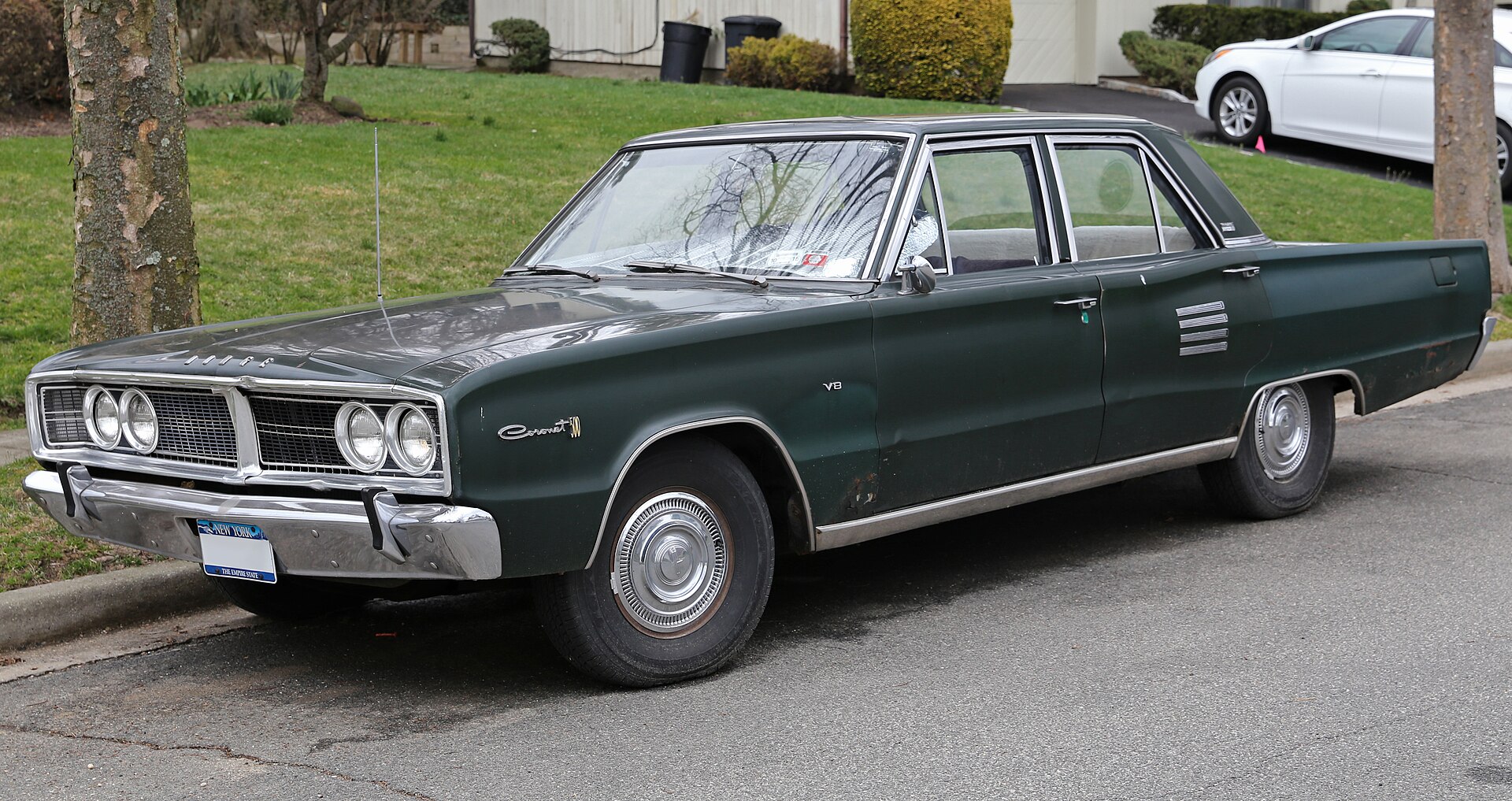
After five model years without the name, the Coronet returned for 1965 as Dodge's new mid-size car on the B-body with a 117 in wheelbase. It sold slightly over 209,000 units in its first year and was Dodge's most popular model. Engines ranged from the 225 slant six to V8s of 273, 318, 361, 383 and 426 cu in.
The decisive step came in 1966: the 426 Hemi became available to the public in any Coronet. 136 Coronet 500 Street Hemis were built that year. In 1967 Dodge also built 55 WO23 Super Stock cars for drag racers.

Coronet R/T (1967–1970)
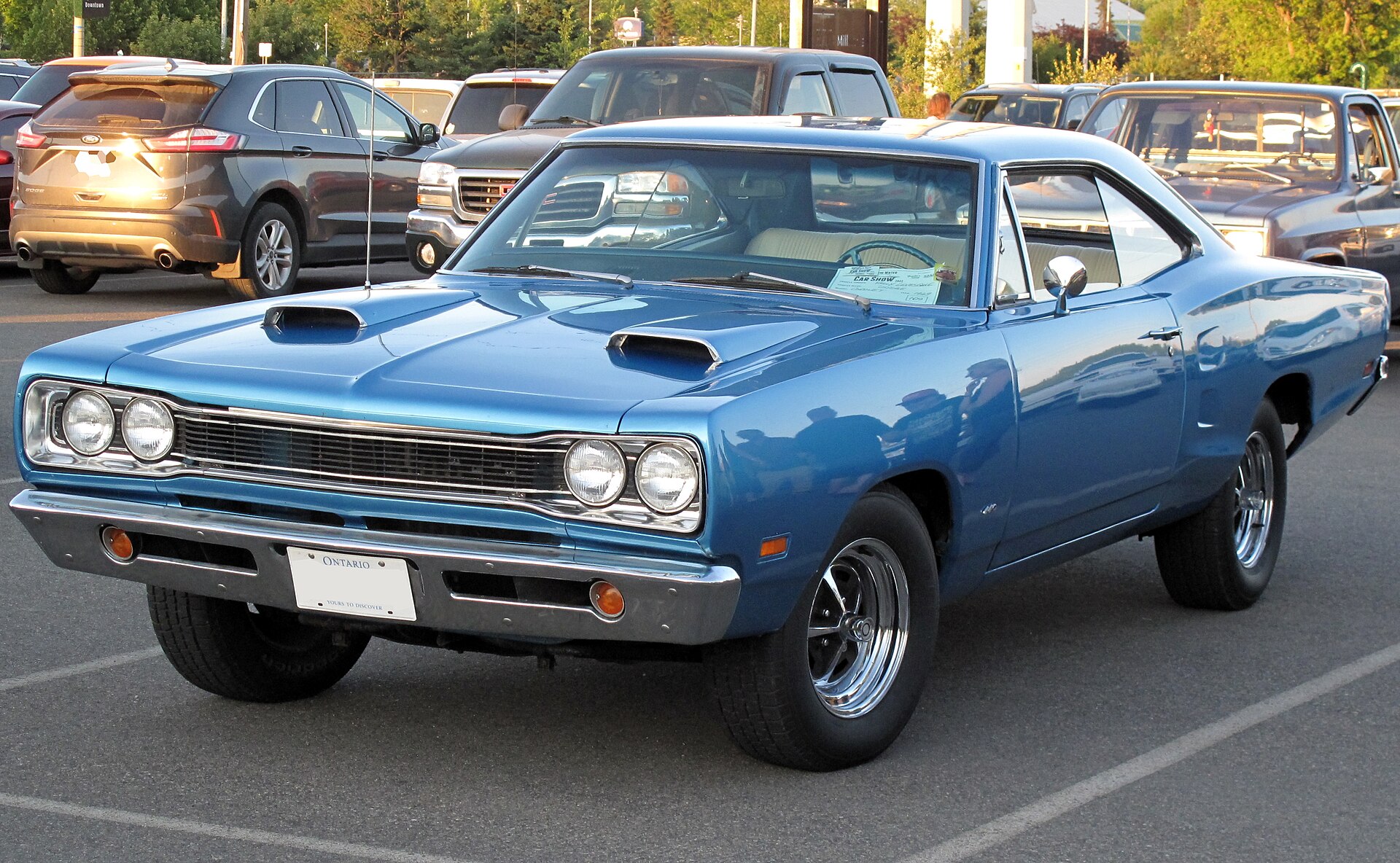
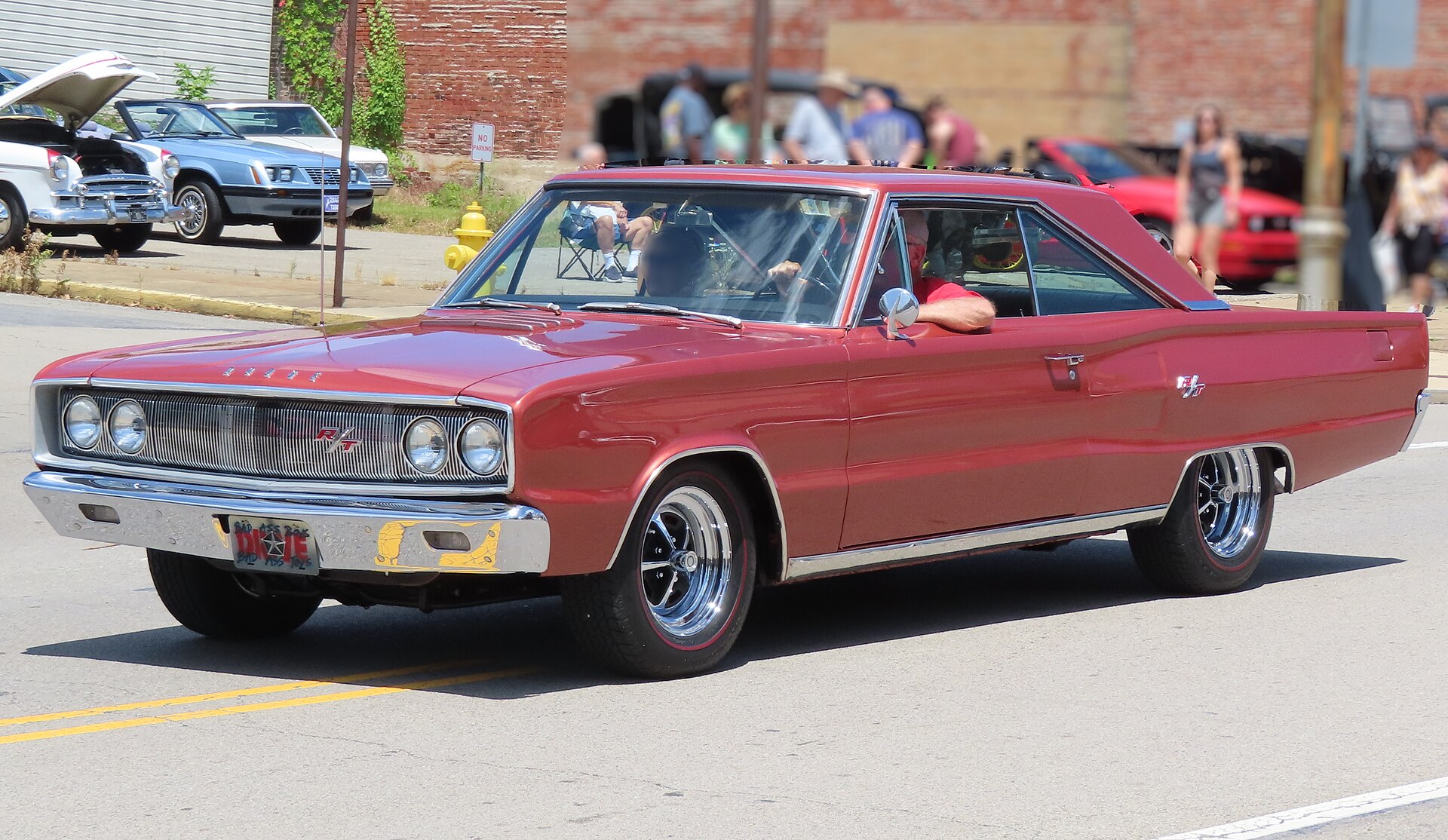
The R/T, short for "Road/Track", arrived for 1967 as a two-door hardtop or convertible. Its standard engine was the 440 cu in "Magnum" V8 with 280 kW (375 hp), and the 426 Hemi with 317 kW (425 hp) was the only option. Buyers chose between the TorqueFlite automatic and a four-speed manual.
| Engine | Years | Power (SAE gross) |
|---|---|---|
| 440 Magnum, four-barrel | 1967–1970 | 280 kW (375 hp) |
| 426 Hemi | 1967–1970 | 317 kW (425 hp) |
| 440 Six Pack, three two-barrels | 1969–1970 | 291 kW (390 hp) |
The B-body was completely redesigned for 1968, and the R/T continued on the new shape until 1970. By our calculation the optional Hemi gave the R/T 37 kW more than the standard 440, about 13 percent. The Six Pack of 1969 closed almost a third of that gap, at 11 kW above the Magnum. For 1968 the Hemi was meant to be limited to the R/T and the new Super Bee, although two 1968 Coronet 440s are known to have one. Coronet production reached 196,242 in 1968.


The Super Bee and the end of the R/T
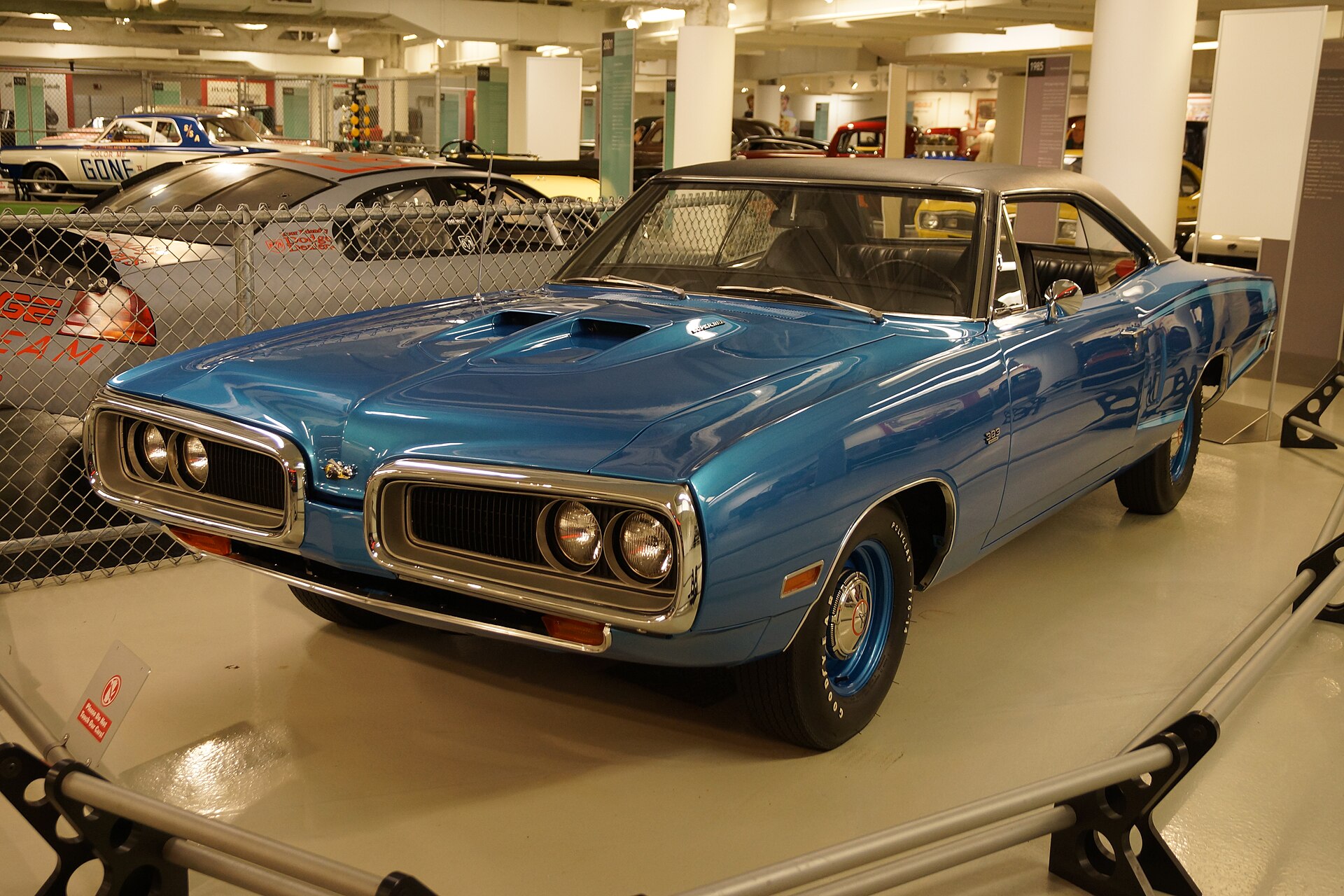
Early in 1968 Dodge added the Super Bee, a low-priced muscle car on the Coronet two-door body and a companion to the Plymouth Road Runner. In 1969 the A12 Super Bee received the 440 with three two-barrel Holley carburettors on an aluminium intake, rated at 291 kW (390 hp). From 1968 to 1970, 125 Hemi Super Bees were sold, and four Super Bee convertibles were built in 1970. The 440 Six Pack returned for 1970 as a Super Bee option.
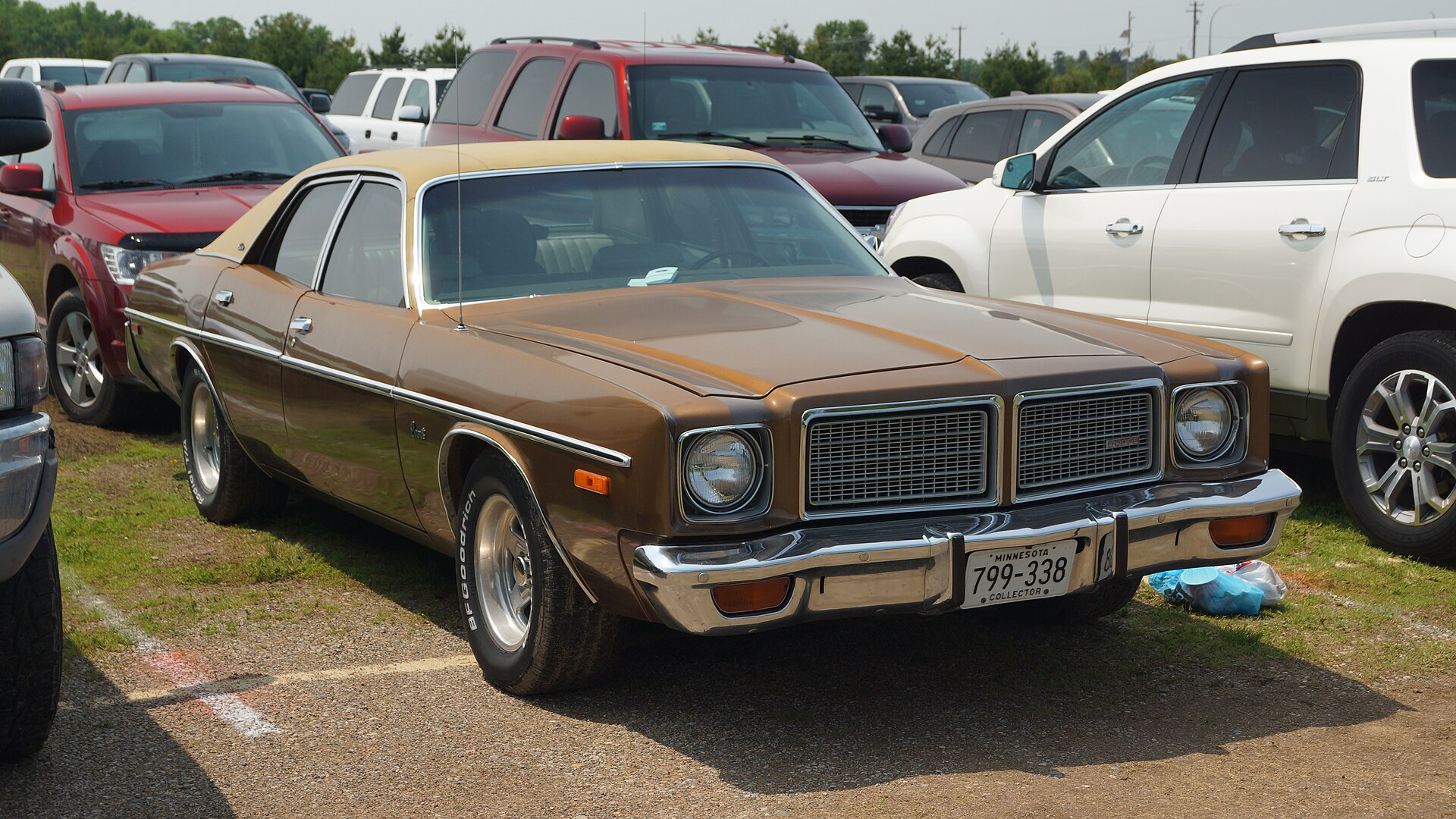
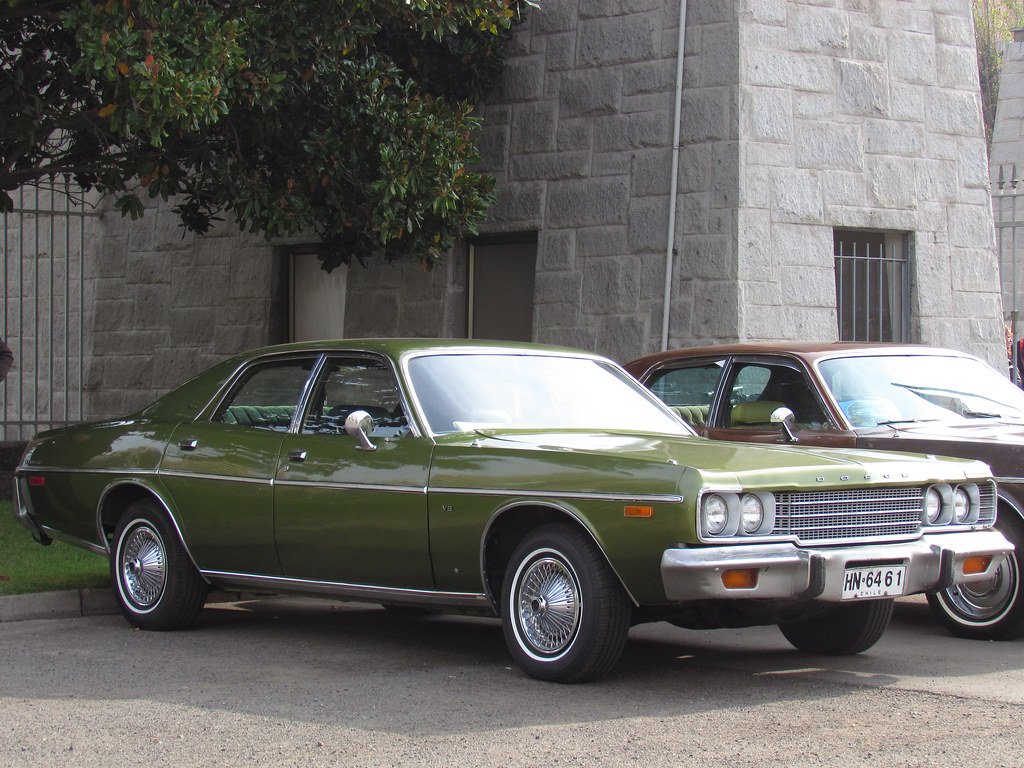
After 1970 the R/T was dropped. From 1971 the Coronet was a sedan and wagon, a twin of the Plymouth Satellite, and the two-door performance role passed to the Charger. Sales fell to around 80,000–90,000 a year. The last generation of 1975–1976 had a squarer body and a front end shared with the Plymouth Fury, and the 440 RB V8 was available only to police in 1975. For 1977 the mid-size Dodge was renamed Monaco. Compare the R/T with its B-body relatives, the Charger Daytona and the Super Bee, in our muscle car power ranking.

Which Coronet to look for
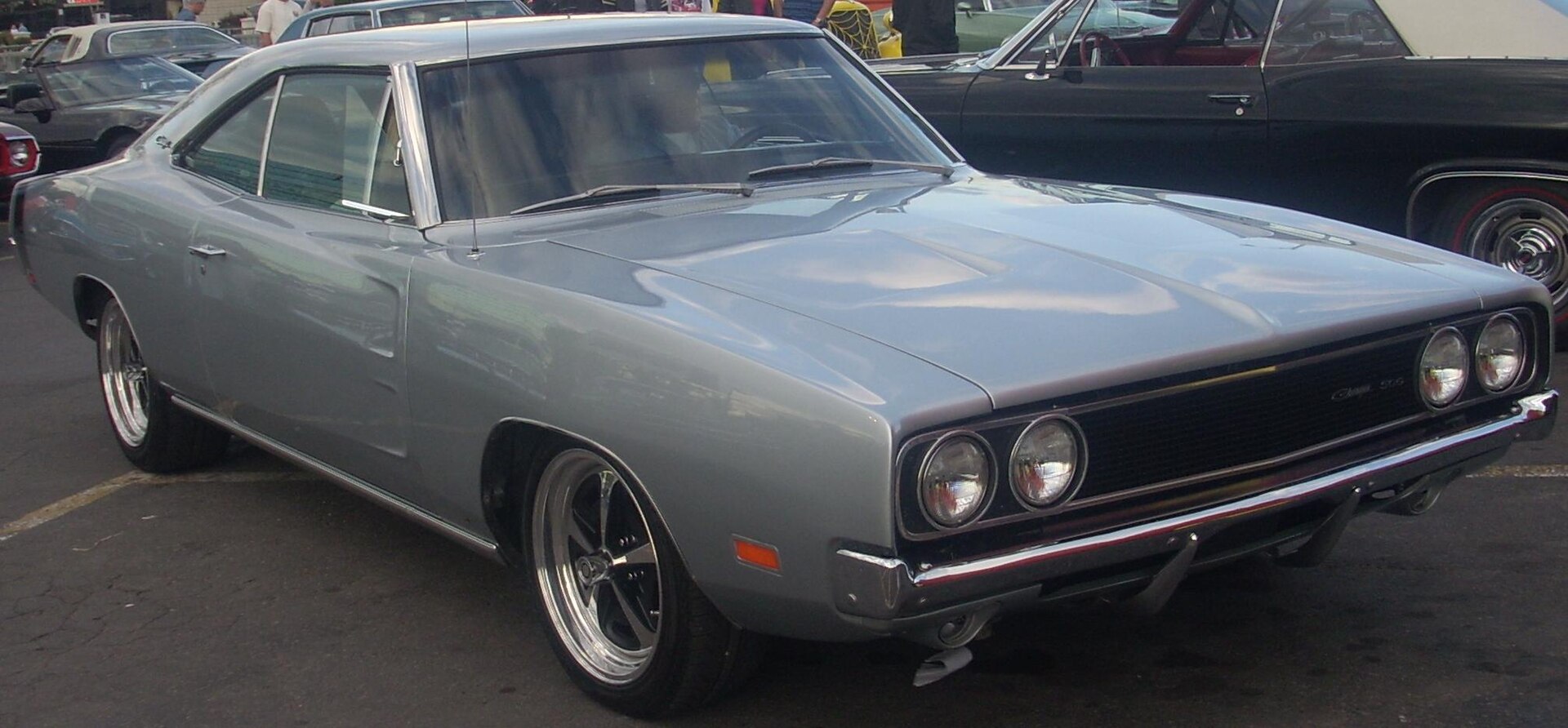
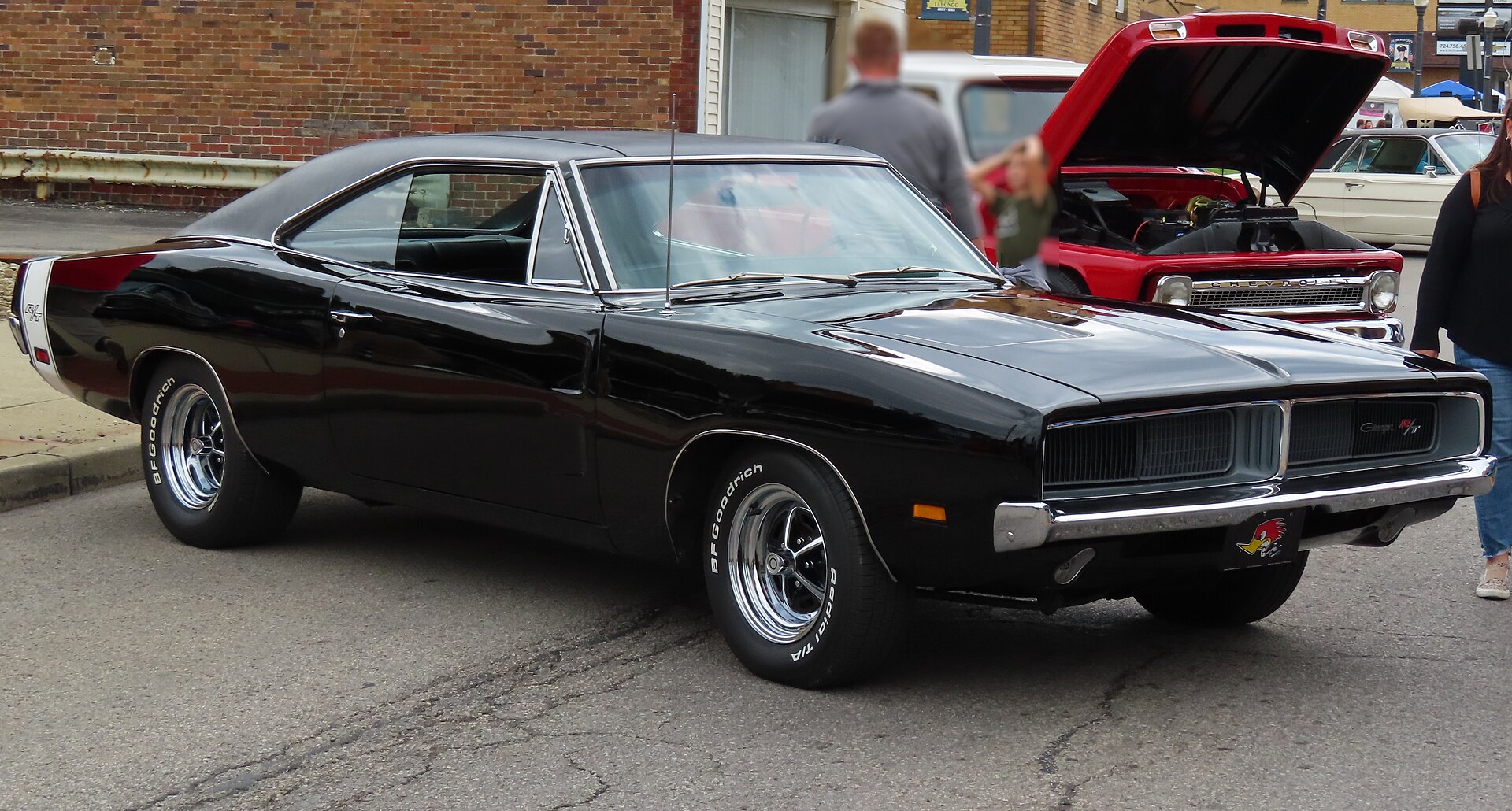
The best-known Coronets are the R/T hardtops and convertibles of 1967–1970, and the main question is the engine. The production figures show where the rarities are: the 136 Coronet 500 Street Hemis of 1966 and the two Hemi Coronet 440s of 1968. The 440 Magnum was the normal R/T engine. The 1965–1967 cars have the plainer first B-body shape; the 1968–1970 cars have the rounder body shared with the Charger and the Road Runner.
| Coronet | Years | Engine | Note |
|---|---|---|---|
| Coronet 500 Street Hemi | 1966 | 426 Hemi | 136 built |
| Coronet R/T | 1967–1970 | 440 Magnum, 280 kW | standard engine |
| Coronet R/T Hemi | 1967–1970 | 426 Hemi, 317 kW | option |
| Super Bee Six Pack | 1969–1970 | 440, 291 kW | Super Bee only from 1970 |
The 440 R/T is by far the more common car and the natural choice for regular driving; the Hemi car is the collector's piece. The full-size Coronets of the 1950s are collector cars of a different kind, interesting for the early Hemi V8s.
Photo gallery


Dodge Coronet evolution in numbers
Did you know?
- The Dodge Coronet ran for 27 years, from 1949 to 1976, over 7 generations in our catalog.
- The longest-running generation is the Coronet V (1965–1970): 5 years.
- The biggest jump in power came with the Coronet III: up to 213 kW (290 PS), 136 kW more than the Coronet I.
Most powerful version, kW
Figures from the 1cars catalog: power is the strongest version of each generation; generations without the figure are left out.
Image credits · Photos from Wikimedia Commons under free licences
- Dodge Coronet I · Photo: Damian B Oh / Wikimedia Commons, CC BY-SA 4.0
- Dodge Coronet II · Photo: Greg Gjerdingen / Wikimedia Commons, CC BY 2.0
- Dodge Coronet III · Photo: Mr.choppers / Wikimedia Commons, CC BY-SA 3.0
- Dodge Coronet IV · Photo: Sicnag / Wikimedia Commons, CC BY 2.0
- Dodge Coronet VI · Photo: RL GNZLZ / Flickr, CC BY-SA 2.0
- Dodge Coronet VII · Photo: Greg Gjerdingen / Wikimedia Commons, CC BY 2.0
Dodge Coronet in our rankings
- No. 23 of 345 · Cars with the most generations (7 generations · top 9%)
- No. 260 of 859 · Most powerful cars (317 kW · top 32%)
- No. 48 of 149 · Most powerful sedans (254 kW · top 33%)
- No. 42 of 154 · Most powerful American cars (317 kW · top 34%)
- No. 323 of 912 · Longest-running car nameplates (11 years · top 39%)
More generations than 91% of ranked nameplates in the 1CARS catalog (No. 23 of 345).
Dodge Coronet photos 6
FAQ
What does the name Coronet mean?
A coronet is a small crown worn by royalty.
What engine did the Coronet R/T have?
The 440 Magnum V8 with 280 kW (375 hp, SAE gross) as standard and the 426 Hemi with 317 kW (425 hp) as the only option.
When could a Coronet be ordered with the Hemi?
The 426 Hemi became available to the public in any Coronet in 1966; from 1967 it was the option for the R/T, and from 1968 also for the Super Bee.
When did Dodge stop making the Coronet?
1976 was the last model year; the mid-size Dodge was renamed Monaco for 1977.
Data sources
Data checked by an editor against the sources below.