VW ID. Buzz Gets a Second Robotaxi Partner in May Mobility
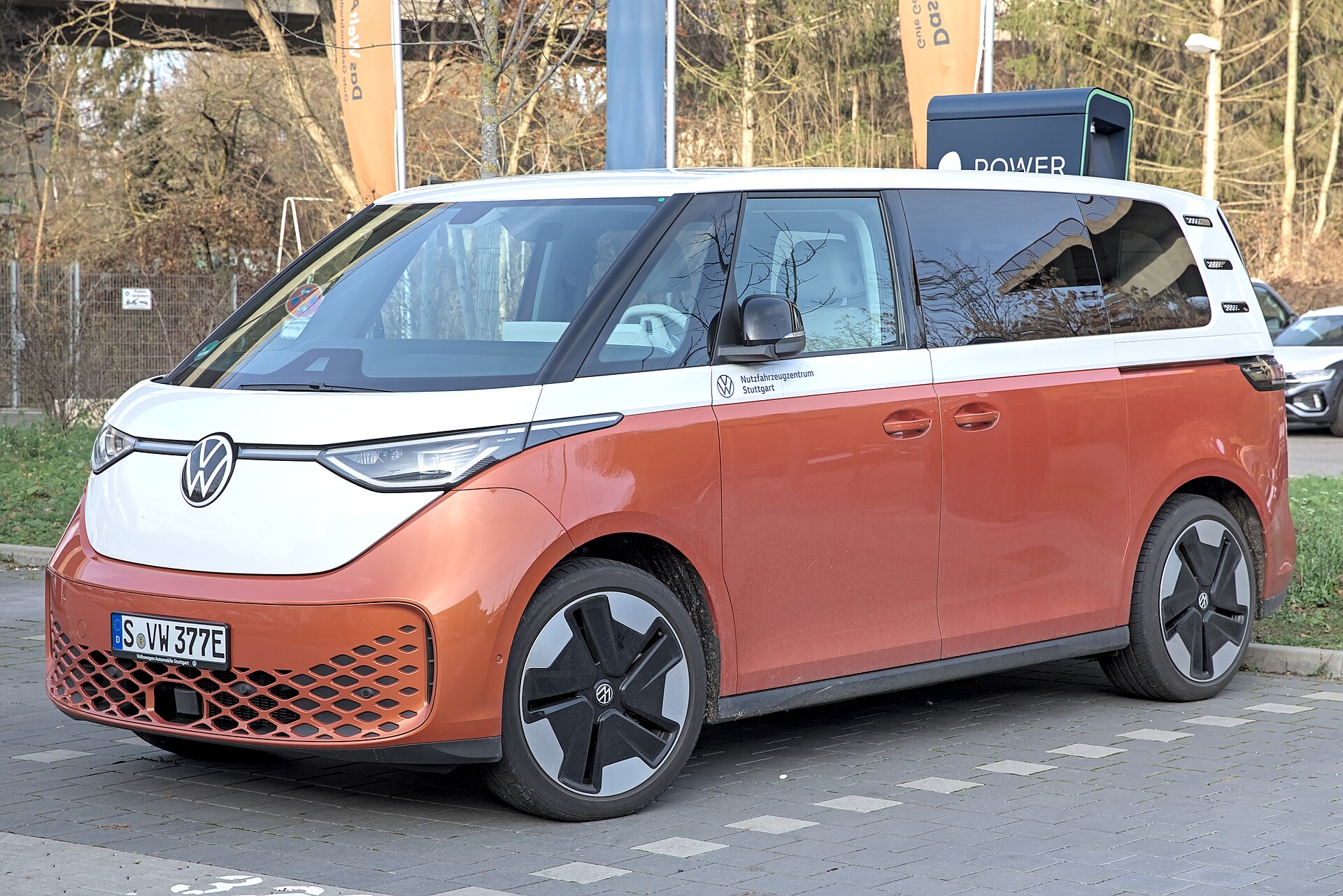
May Mobility plans to put more than 10,000 self-driving Volkswagen ID. Buzz vans on the road for robotaxi services by 2031, with Volkswagen adapting the electric van and the US company fitting its own driving system. Public road tests start in the United States in early 2027 and fleet deliveries in 2028, electrive and InsideEVs reported on 13 November.
Key takeaways
- Target: more than 10,000 autonomous ID. Buzz vans worldwide by 2031.
- Volkswagen adapts the vehicle; May Mobility's driving system runs on an Autonomous Driving Kit from ECARX.
- US road tests in early 2027, first production-ready vans and deliveries in 2028.
- May Mobility aims to cut the total cost per vehicle by more than 50%.
How the VW ID. Buzz robotaxi partnership works
Volkswagen handles the technical adaptation of the Volkswagen ID. Buzz, and May Mobility supplies its self-driving system, which runs on the Autonomous Driving Kit (ADK) from ECARX, a Chinese technology group based in London. Meanwhile the German company Charlton Intelligence.ai will support delivery and deployment. Neither source said where the conversions will take place or which body length of the van will be used.
May Mobility does not run its own fleets. Its model is to supply the driving technology to fleet operators and ride-hailing platforms, and InsideEVs names Uber and Lyft as companies that could receive the first vans from 2028. For those customers, May Mobility promises to cut the total cost per vehicle by more than half.
The technology and the track record
All computing happens on board, so the system does not rely on a cloud connection or a mobile network to drive. A predictive model simulates traffic situations up to ten seconds ahead, generates several possible scenarios and chooses the most suitable manoeuvre in real time. Chief executive Edwin Olson said that "scaling autonomous ride-hail depends heavily on the vehicle platform", describing the ID. Buzz as well suited to the job.
The company has completed more than 600,000 autonomous trips covering 1.1 million miles (about 1.77 million km) in the US and Japan, and it already works with Lyft in Atlanta. That experience was gained with other vehicles, and the ID. Buzz programme builds on it at a much larger scale.
A second robotaxi route for Volkswagen
The deal runs alongside Volkswagen's own plans for the van. Its mobility arm MOIA is already testing an autonomous ID. Buzz in Los Angeles. With May Mobility, the electric van now has two separate routes into driverless ride-hailing, one through the group itself and one through an outside technology supplier.
What happens next
Private buyers will not see these vans in showrooms, but they may meet them on ride-hailing apps in US cities from 2028. For Volkswagen, a fleet order on this scale would open a large new sales channel for the van, and the 2027 road tests will show whether the timetable holds. More on the brand's electric range is in the Volkswagen catalogue and the overview of electric cars.
Sources
- electrive: May Mobility to convert 10,000 VW ID. Buzz vehicles into robotaxis (13 Nov 2026) (accessed 18 Nov 2026)
- InsideEVs: The VW ID. Buzz Is Getting A New Job As A Robotaxi (13 Nov 2026) (accessed 18 Nov 2026)
Found a mistake? Report an error